
Plant Library · Herbs · By Faizan Ahmad
🌿 How to Grow Chervil
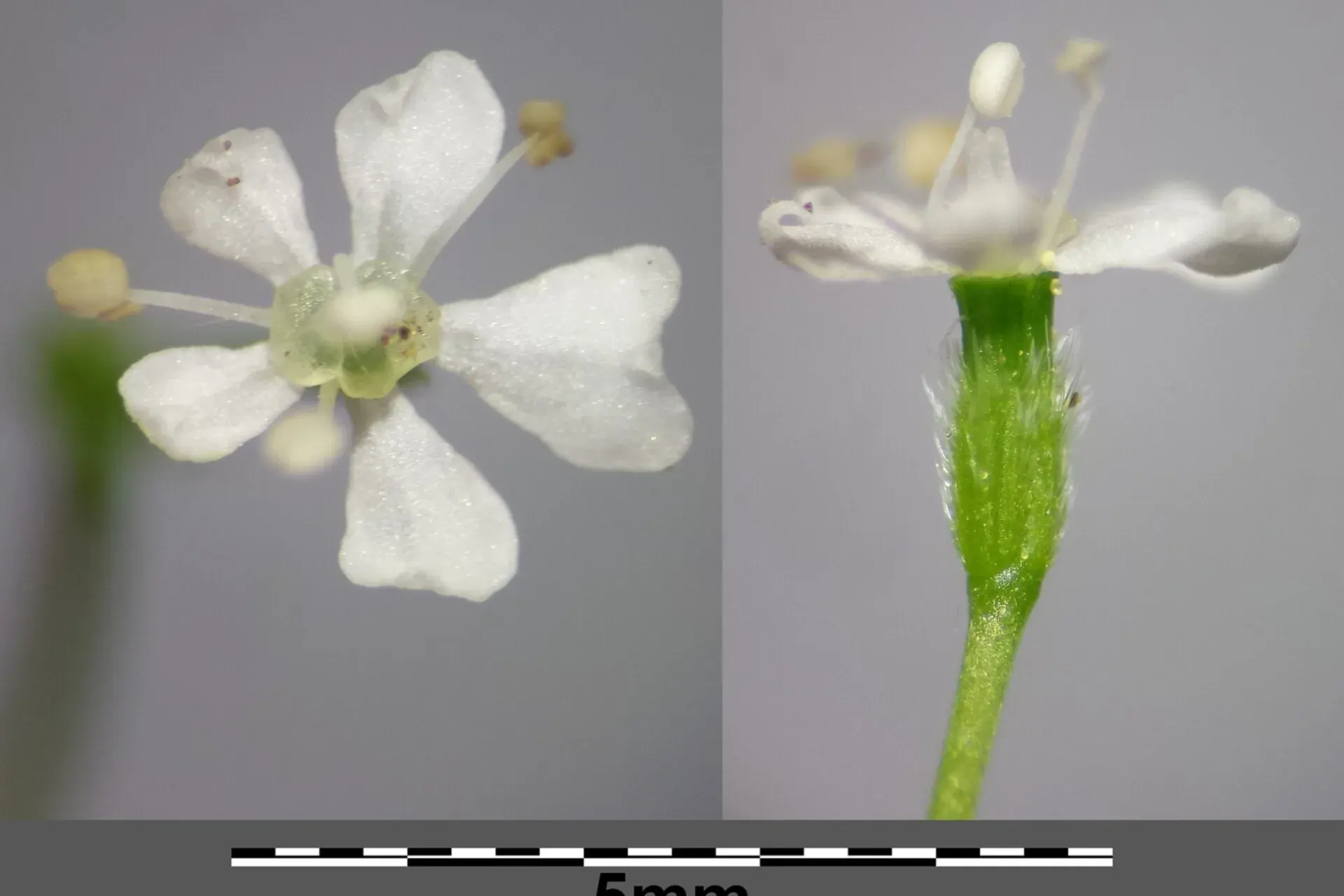
The delicate French herb with a whisper of aniseed — sow little and often in cool weather, because chervil bolts the moment summer heats up. Chervil is one of the classic fines herbes of French cooking, with frilly leaves and a flavour somewhere between parsley, tarragon and mild anise. It is a cool-season sprinter: sow in spring and again in late summer, keep it shaded and moist, and pick it young and often.
Grow Chervil with us — step by step
Everything for this plant is written step by step below — what to do, and exactly when. Read it through first if you like: you can grow it entirely on your own with that guide. Or start with us here — tell us your planting day and we lay out your personal schedule on this page, every next step on its own day, counted from your planting date. No guessing, no forgetting.
Step 1 — today: Sow chervil seed directly where it will grow — a shady bed corner or a wide pot — because its taproot makes transplanting a losing game.
Chervil at a glance
Sow indoors: Not recommended — sow where it will grow
Sow outdoors: From 2 weeks before last frost; repeat every 2–3 weeks
Spacing · Seed depth: 9 in apart · 1/4 in deep
Sun: Part shade (full sun only in cool spring weather)
Water: Regular — never let it dry out
Harvest: Cut outer leaves from about 45 days
Timing counts from your average last spring frost — get your own dates in the Planting Calendar. Guidance follows standard extension-service practice for Canada and the US.
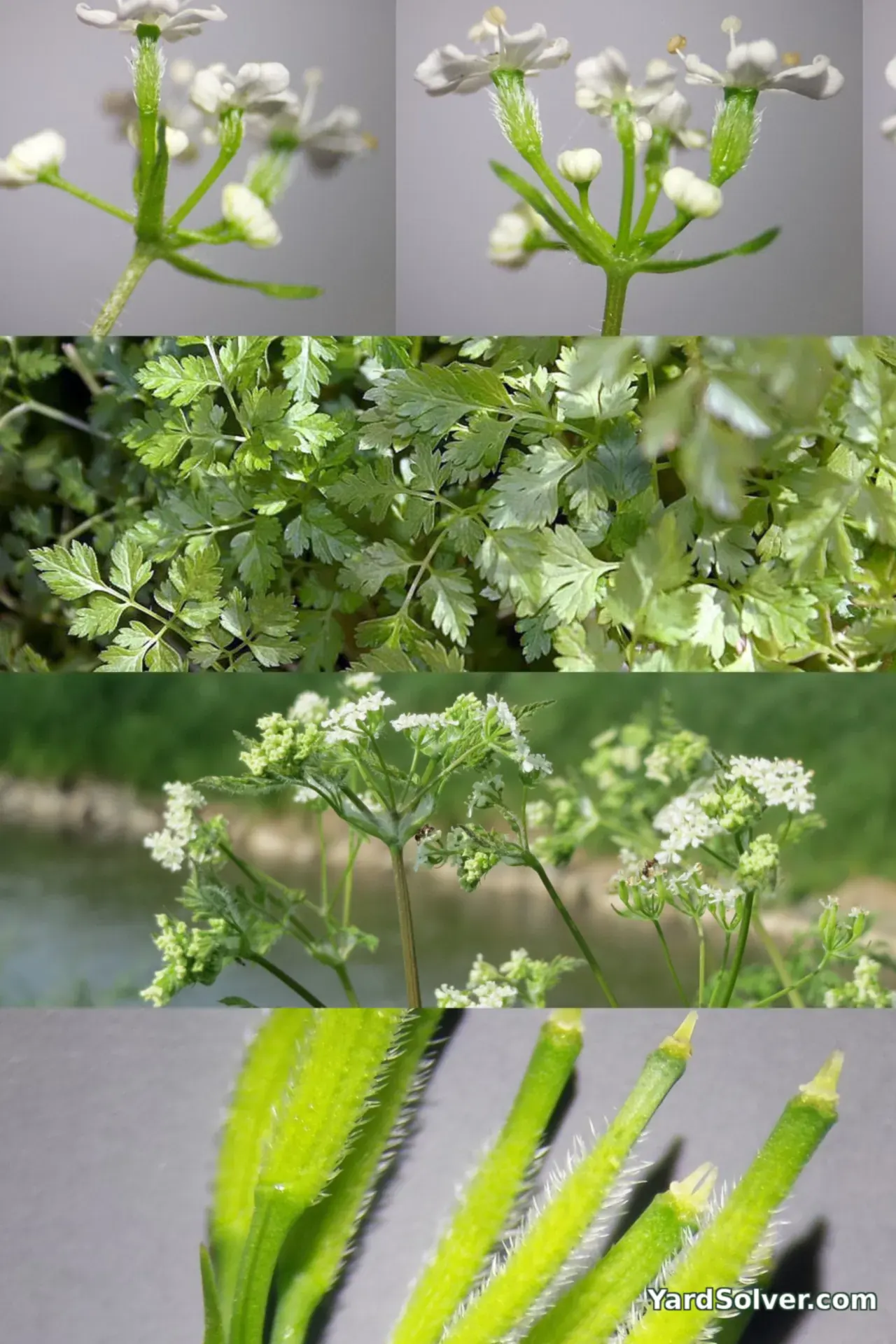
How to plant and grow chervil, step by step
Step 1 — Time it right
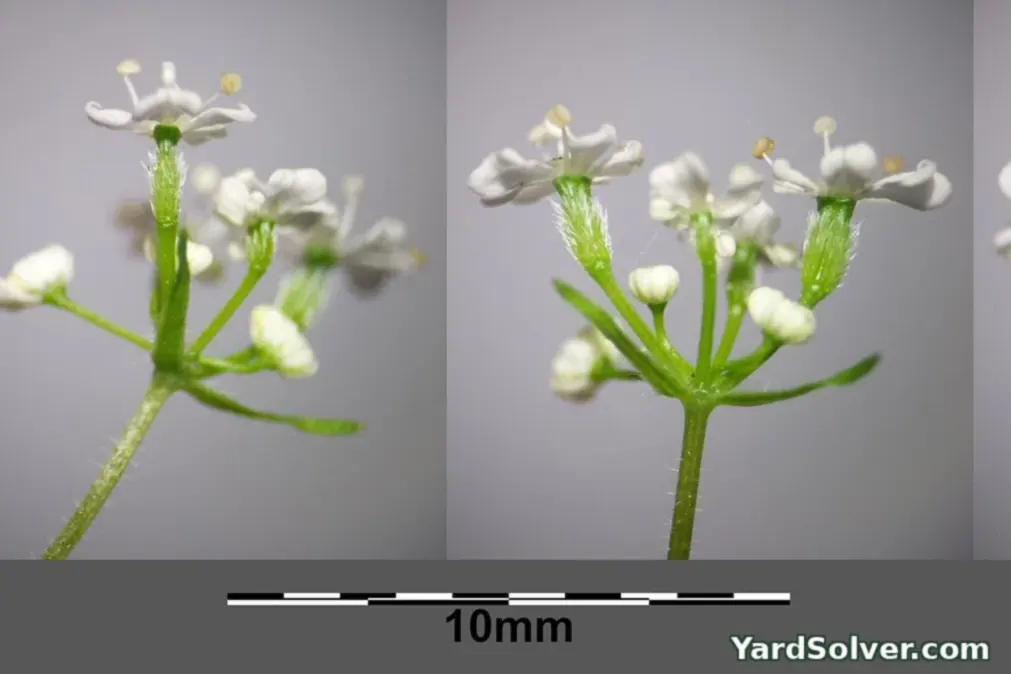
Sow outdoors: from 2 weeks before last frost and again every 2–3 weeks while weather stays cool; Sow indoors: not recommended — chervil hates root disturbance. All dates count from your average last spring frost — the Planting Calendar turns them into real dates for your garden. Chervil is a cool-weather herb through and through. Sow as soon as the soil can be worked in spring, then make small repeat sowings every 2–3 weeks until the weather turns hot; start again in late summer for an autumn crop that often runs into early winter. Fresh seed matters — chervil seed loses its spark within a year, so buy little and buy fresh. Cover the seed lightly (about 1/4 in) and keep the row consistently moist until sprouts show in 7–14 days.
Step 2 — Prepare the spot
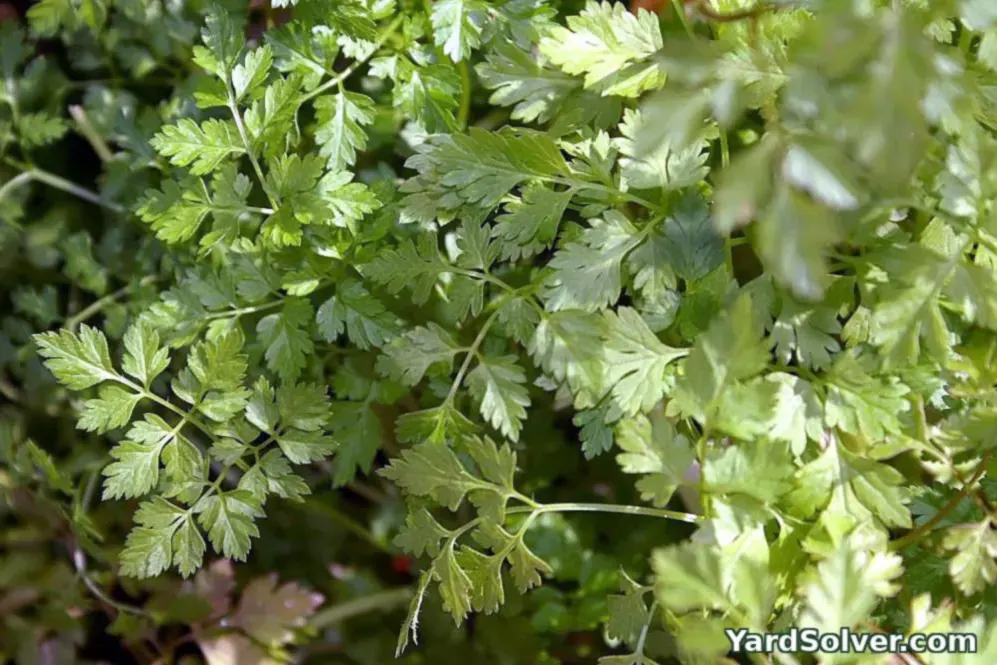
Give chervil the cool corner other herbs refuse: the north side of a fence, under taller plants, or a pot on a shaded step. The soil should hold moisture — work in generous compost before sowing, because dry soil is the fastest trigger for bolting. For a raised bed, the Raised Bed Soil Calculator counts the bags for you; mixing your own? The Garden Soil Calculator gives the compost-rich split to aim for. A wide, shallow pot of rich mix suits it perfectly if your beds are all sunny.
Step 3 — Sow and plant out
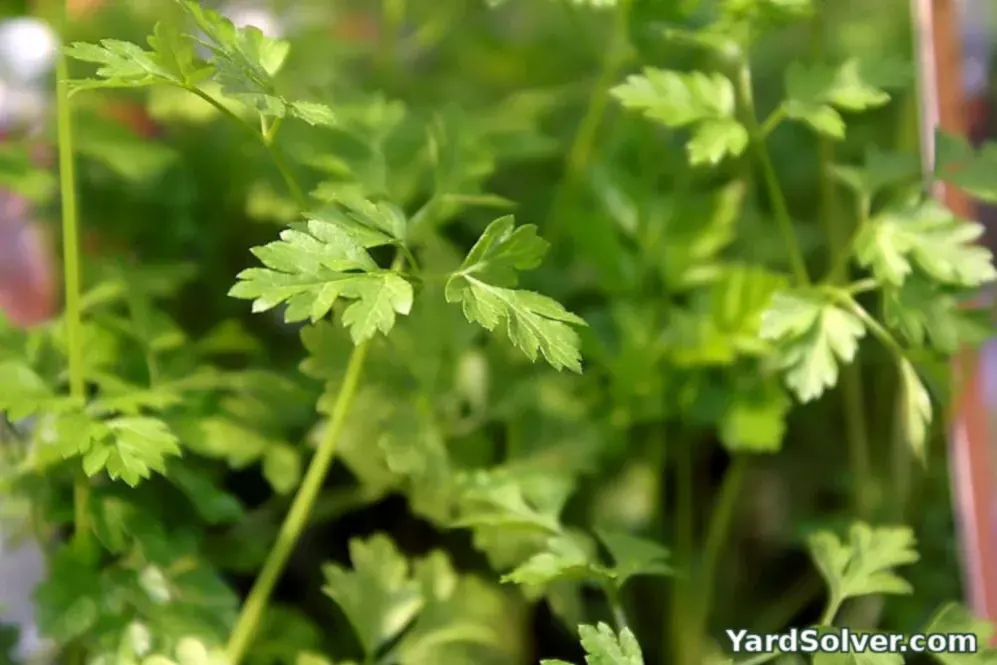
Sow in short rows or scatter in a patch, then thin seedlings to 9 in apart — use scissors to snip the unwanted ones rather than pulling, so the keepers' roots stay put. The Plant Spacing Calculator turns your bed size into an exact plant count. Good neighbours: chervil is said to keep aphids off nearby lettuce and tastes great planted beside radishes; just keep it out of hot, dry corners.
Step 4 — Water and feed
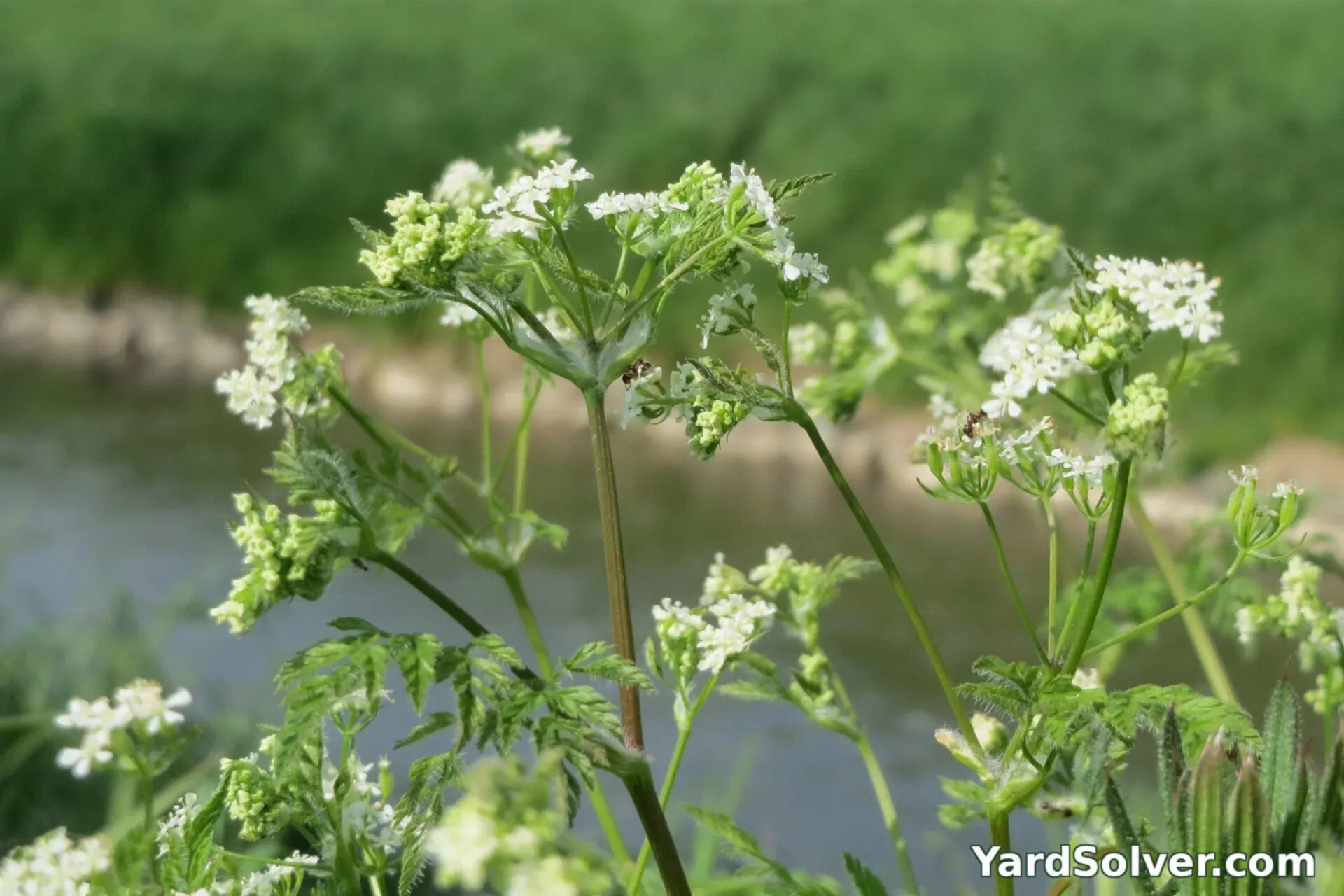
Chervil wants steady moisture above all else: water little and often so the soil stays like a wrung-out sponge. A mulch of shredded leaves or fine compost helps hugely. Feeding is minimal — the compost you dug in at sowing is enough for such a short crop; a half-strength liquid feed only if leaves pale. Use the Fertilizer Calculator turns your bed size into exact amounts for anything bigger.
Step 5 — Care and the problems to watch for
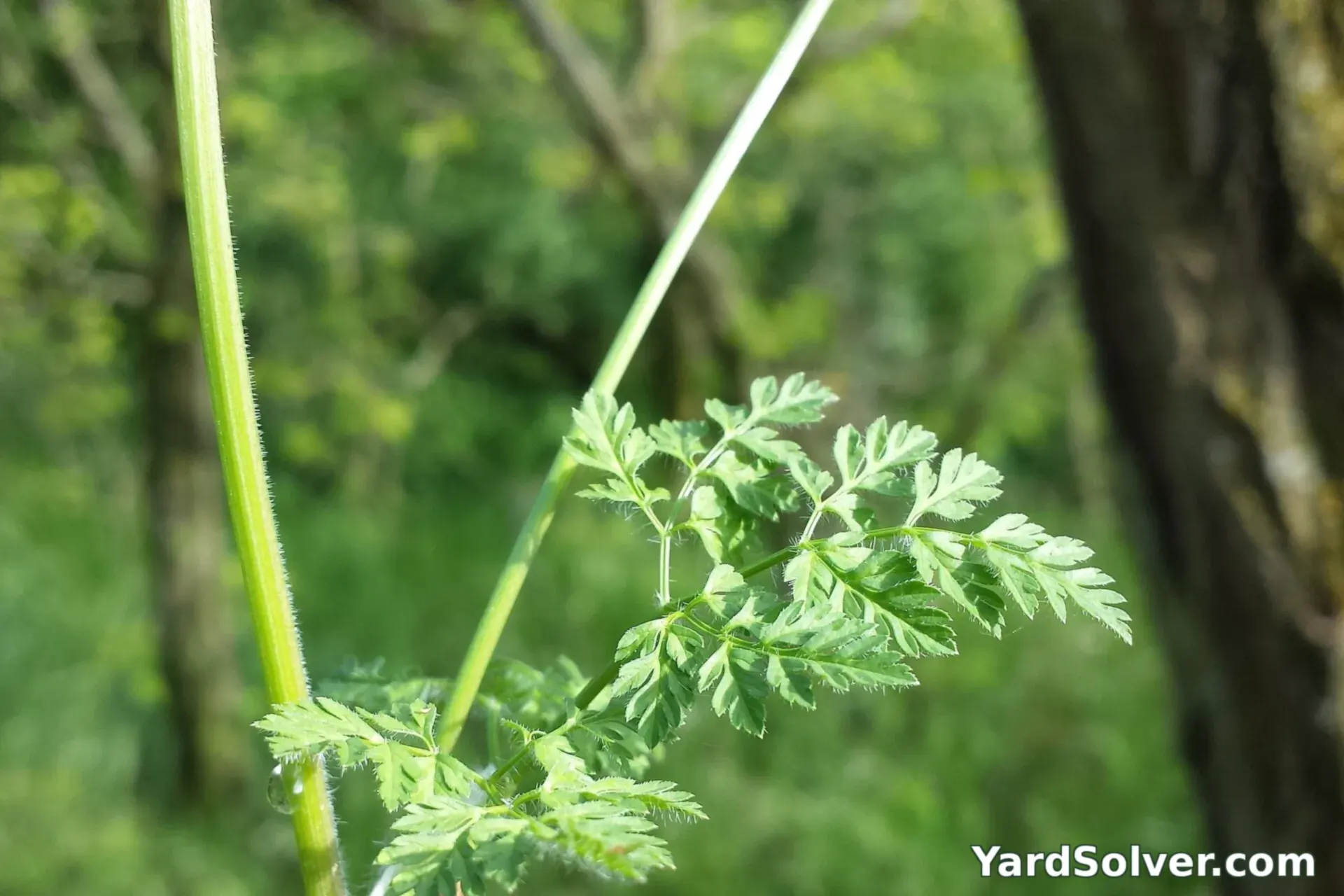
Chervil care is mostly about timing: harvest steadily, and when a plant starts sending up a flower stalk, use it fast — leaves turn bitter as bloom opens. The kind thing to do is let one plant flower and drop seed in late summer; chervil self-sows eagerly and the autumn seedlings are often the best of the year.
- Bolting in warm spells — sow in shade, keep moist, and accept spring/autumn as its seasons.
- Aphids under the leaves — a firm jet of water knocks them off; chervil's soft growth is a magnet for them.
- No sprouts — old seed is the usual culprit; sow fresh seed, shallow, and keep it damp.
Step 6 — Harvest
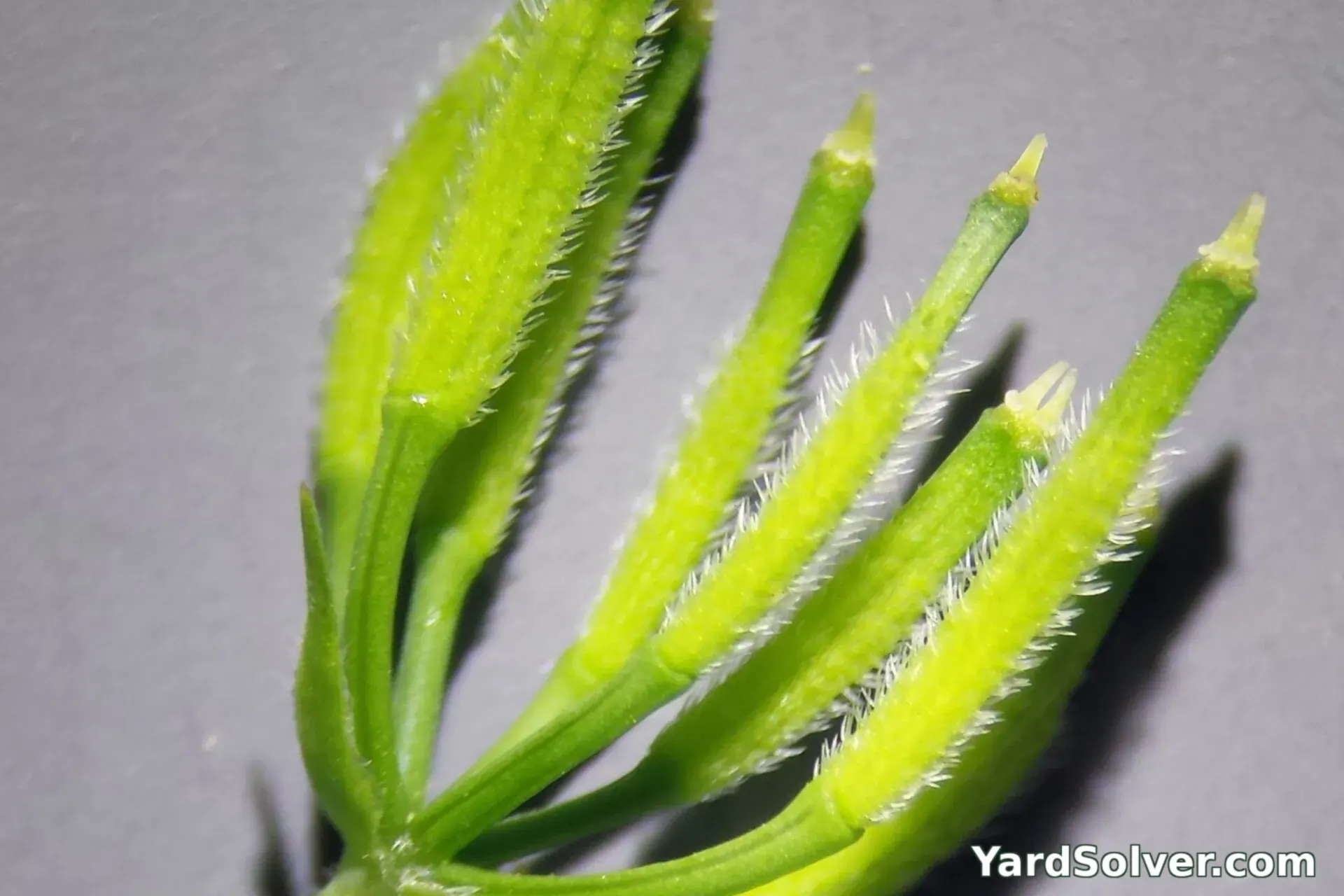
Begin picking at about 6 weeks, taking the outer leaves and leaving the centre crown to keep growing. Chervil wilts within hours and its perfume fades fast — pick it the same hour you cook with it, and add it at the very end of cooking, off the heat. It does not dry well and freezes only passably in herb butter or oil cubes, so the real strategy is fresh, often, from successive sowings.
📅 Your personal Chervil schedule
Counted from your planting day — not a generic calendar. Day 0 is the day the seed went in the ground or the young plant went out.
Varieties worth growing
| Variety | Colour | Why gardeners like it |
|---|---|---|
| Curled chervil | Frilly, fern-like leaves | The prettiest type — slower to bolt and the classic garnish form. |
| Brussels Winter | Plain, hardy leaves | Bred for late sowings; shrugs off cold for autumn and winter picking. |
| Vertissimo | Dark green, compact | Vigorous, upright plants that hold their flavour well into flowering. |
Good for you — and take care
Benefits
- One of the four fines herbes — with parsley, tarragon and chives it defines delicate French cooking.
- A gentle anise flavour that lifts eggs, salads, soups and soft cheeses.
- A useful shade-tolerant herb for corners where sun-lovers fail.
Take care
- Bolts fast in heat — treat it as a spring and autumn herb.
- Seed must be fresh; year-old packets rarely sprout.
- Use fresh — chervil loses its perfume within hours of picking.
A little history — and one good fact
Chervil came to northern Europe with the Romans and became a Lenten staple — eaten on Maundy Thursday in parts of Europe as a symbol of renewal. French cooks later enshrined it in fines herbes, the fresh-herb blend that still seasons omelettes across France.
Fun fact: Chervil was once nicknamed 'gourmet's parsley' — and botanically it earns it: its flavour fades so fast after picking that only home growers ever taste it at its best.
Keep going
Guides: Succession planting · Companion planting basics · Container gardening for beginners
Calculators: Plant Spacing Calculator · Garden Mix Calculator · Fertilizer Calculator
More herbs: Parsley · Cilantro · Dill · Marjoram · Cumin
← Back to the Plant Library · Get your personal planting dates
Questions people ask
Why does my chervil keep bolting?
Heat and dry soil are the triggers. Chervil is a cool-season herb: sow it in part shade, keep the soil evenly moist, and plan on spring and late-summer sowings rather than a mid-summer crop.
Can I grow chervil in a pot?
Yes — a wide pot of rich, moisture-holding mix in shade is ideal, and pots make the constant small sowings easy. Just never let the pot dry out.
Can you eat chervil after it flowers?
You can, but the leaves turn bitter as the flowers open. For the table, harvest before flowering; let a plant or two bloom only if you want seed for next sowing.
Chervil is a cool-season herb that bolts at the first hint of summer: sow little and often, in light shade
Chervil's delicate, anise-touched leaves are at their best for a few weeks in cool weather, and the plant's whole strategy is to flower and set seed the moment warmth arrives. Fighting that nature fails; working with it succeeds. Sow a short row every two to three weeks from early spring, and again from late summer for autumn picking, in soil that stays moist. A position in light shade — under taller crops, or on the shady side of a bed — measurably extends the leafy season before bolting.
Seed must be fresh, because chervil seed loses viability faster than almost any other herb, and old packets are the hidden cause of many failed sowings. It also dislikes transplanting, so sow where it will grow. Once a sowing does bolt, the story is not over: let one plant flower and self-seed, and chervil will reappear in the same corner season after season with no further sowing at all — the self-sown cycle is how experienced growers actually keep themselves supplied.
The worked example: fresh seed sown in small batches into moist, lightly shaded soil commonly gives a near-continuous supply of leaves through the cool months. One big sowing of old seed in a hot, sunny bed typically germinates poorly and bolts within weeks. Chervil is a relay race, not a single planting — hand the baton to the next sowing on time.
Sources
Key facts on this page — timing, spacing and care — cross-checked against NC State Extension Plant Toolbox — Anthriscus cerefolium (chervil) — culture, seed freshness, sowing and care requirements.
Related page
Read next: Companion Planting Basics: Good & Bad Neighbours.
Comments & ratings
No comments yet.
Be the first to share your experience.