
Plant Library · Herbs · By Faizan Ahmad
🐱 How to Grow Catnip
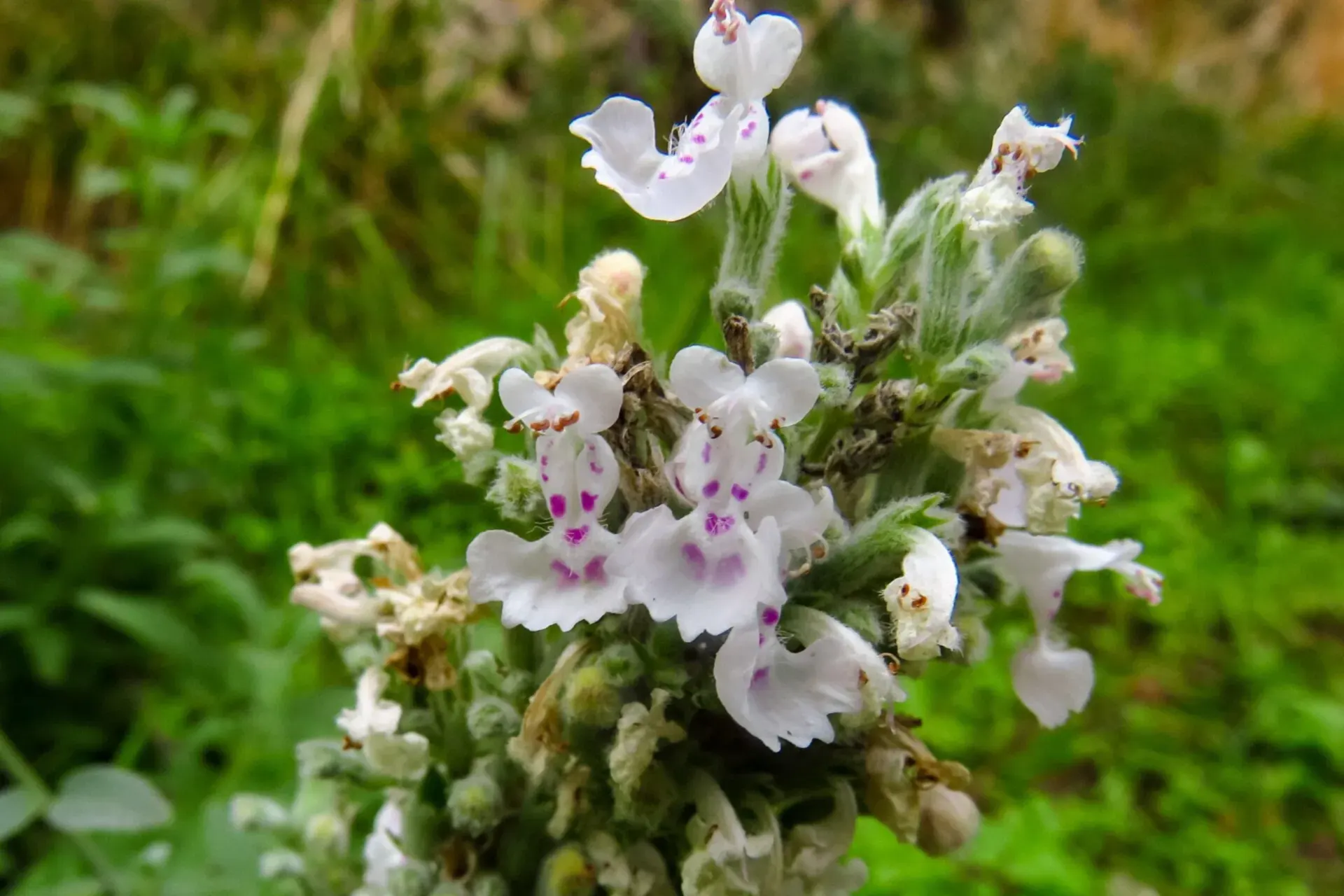
Grow it for the cat, keep some for yourself — a tough mint cousin whose flowers feed bees for months. Catnip (Nepeta cataria) is a hardy perennial that asks for almost nothing: lean soil, sun, and room to sprawl. Cats roll in it, bees work its flowers from June to frost, and the dried leaves make a mild, minty tea as well as the world's most appreciated cat toy stuffing.
Grow Catnip with us — step by step
Everything for this plant is written step by step below — what to do, and exactly when. Read it through first if you like: you can grow it entirely on your own with that guide. Or start with us here — tell us your planting day and we lay out your personal schedule on this page, every next step on its own day, counted from your planting date. No guessing, no forgetting.
Step 1 — today: Start catnip seed indoors on the surface of seed mix — it needs light — or buy a plant in spring and divide it for years.
Catnip at a glance
Sow indoors: 6 weeks before last frost
Move outside: 1 week after last frost
Sow outdoors: At last frost
Spacing · Seed depth: 18 in apart · barely cover — seed needs light
Sun: Full sun
Water: Low to moderate — very drought-tolerant once settled
Harvest: Cut stems from about 75 days; strongest at flowering
Timing counts from your average last spring frost — get your own dates in the Planting Calendar. Guidance follows standard extension-service practice for Canada and the US.
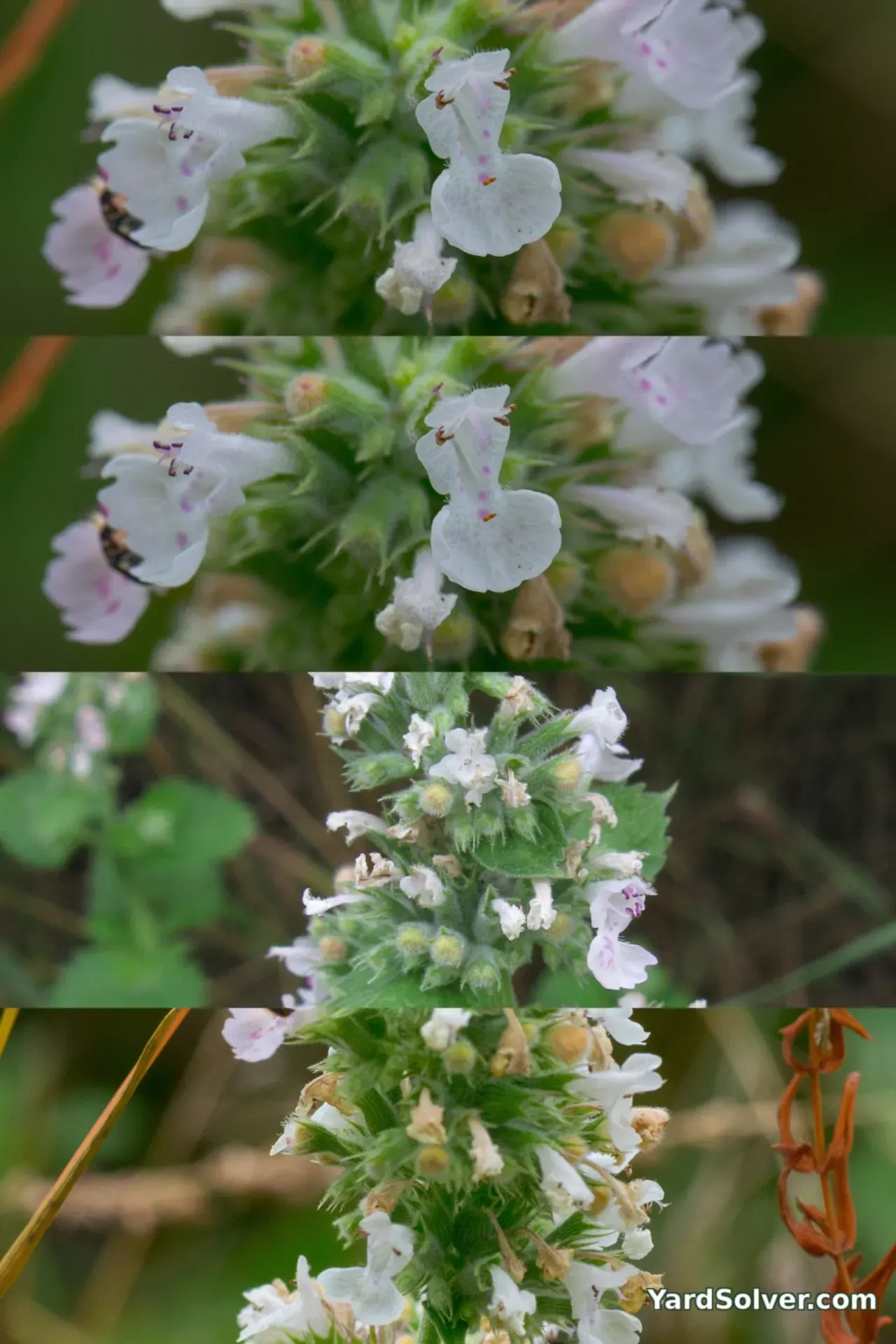
How to plant and grow catnip, step by step
Step 1 — Time it right
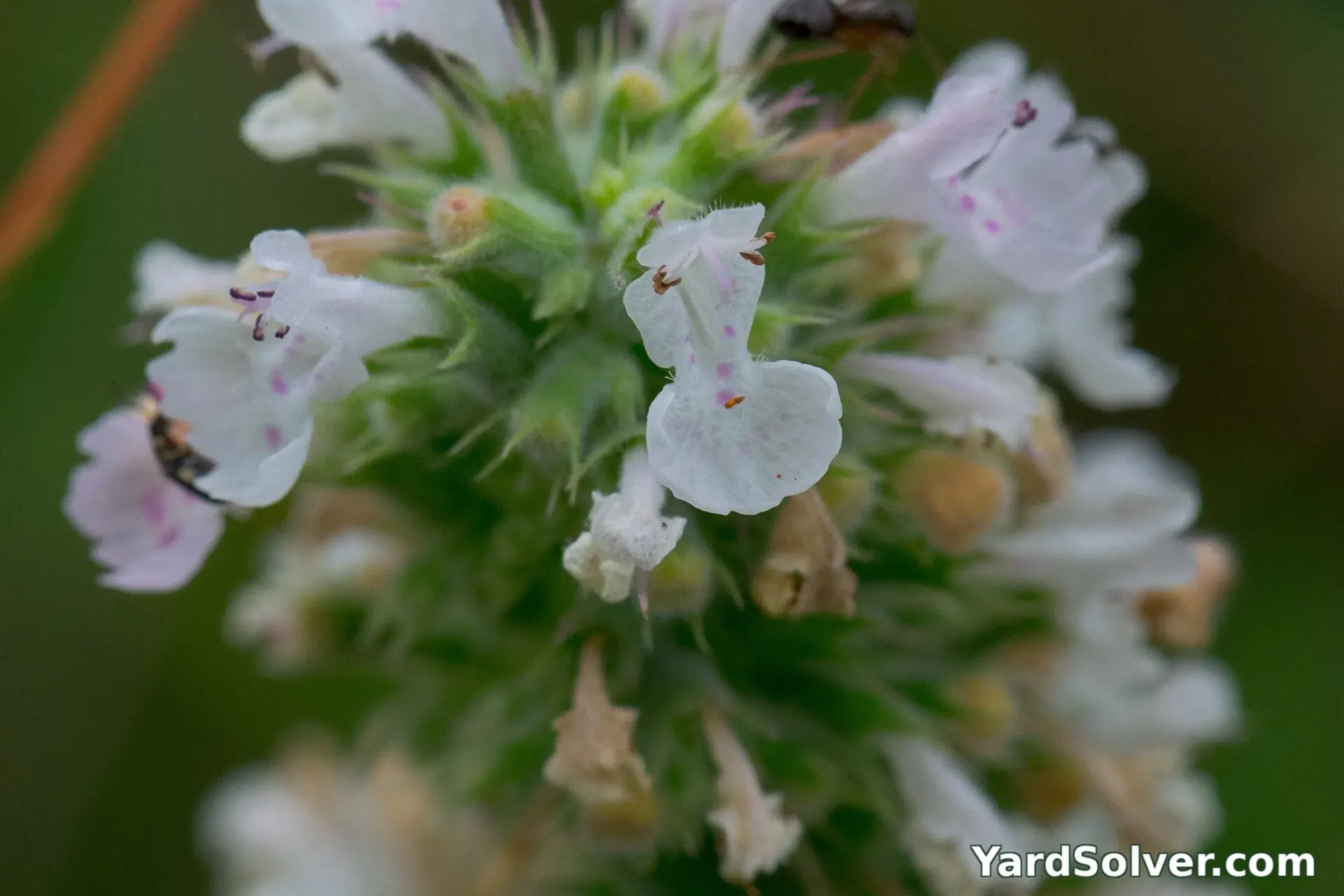
Sow indoors: 6 weeks before last frost; Move outside: 1 week after last frost; Sow outdoors: at last frost. All dates count from your average last spring frost — the Planting Calendar turns them into real dates for your garden. Catnip seed germinates slowly and unevenly, so an indoor start (or a bought plant) beats direct sowing for reliability. Scatter seed on the surface of moist mix, press it in, and hold the tray around 20 °C / 70 °F. Seedlings are quick once they wake. Catnip is a hardy perennial (zones 3–9), so this is a one-time job — after year one it also self-sows politely around itself.
Step 2 — Prepare the spot
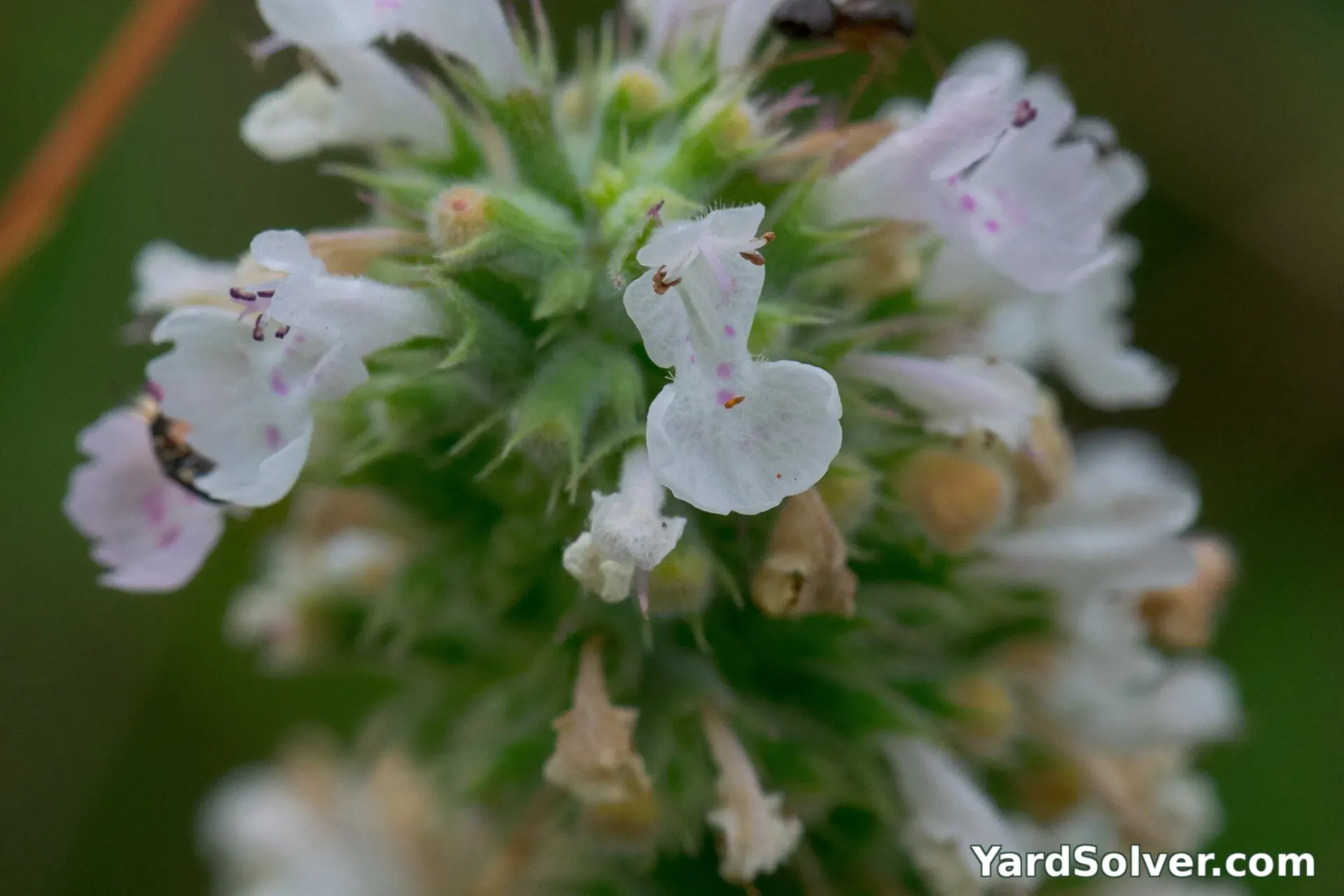
Catnip is one of the few herbs that genuinely prefers poor soil: lean, dry and well-drained ground gives the strongest-scented leaves. Rich, pampered soil makes soft, floppy, less fragrant growth. If neighbourhood cats visit your garden, plant catnip where their rolling won't flatten anything precious — or start it in a pot beyond their reach until it's established. For a raised bed, the Raised Bed Soil Calculator counts the bags for you; mixing your own? The Garden Soil Calculator gives the compost-rich split to aim for.
Step 3 — Sow and plant out
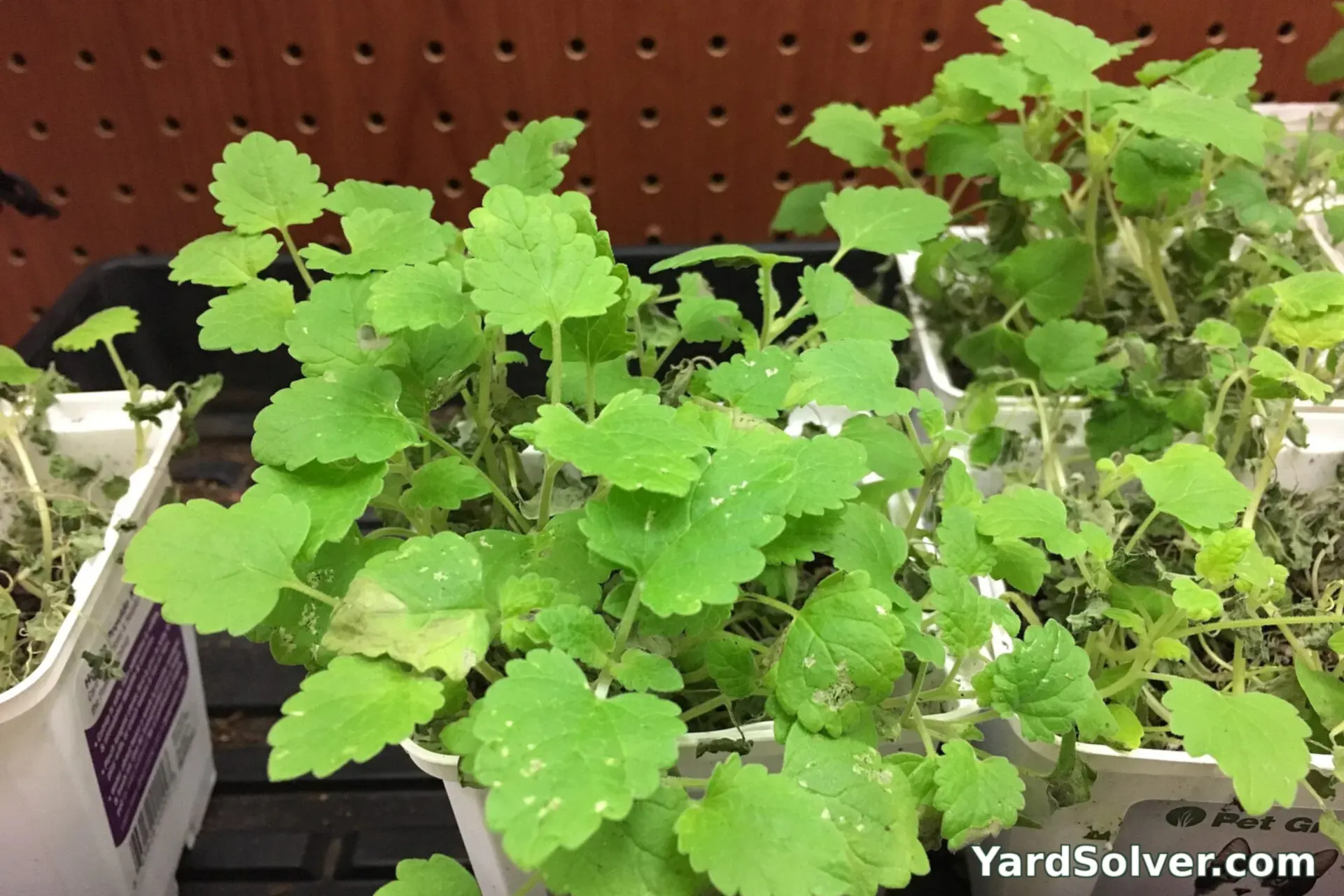
Plant out after frost at 18 in spacing and water in once, then leave it mostly alone. The Plant Spacing Calculator turns your bed size into an exact plant count. A young plant is defenceless against an enthusiastic cat — a loose wire cloche or a few sticks around it for the first weeks saves it from being loved to death. Good neighbours: catnip's long bloom feeds pollinators beside zucchini and pumpkins, and some gardeners swear it confuses flea beetles near brassicas.
Step 4 — Water and feed
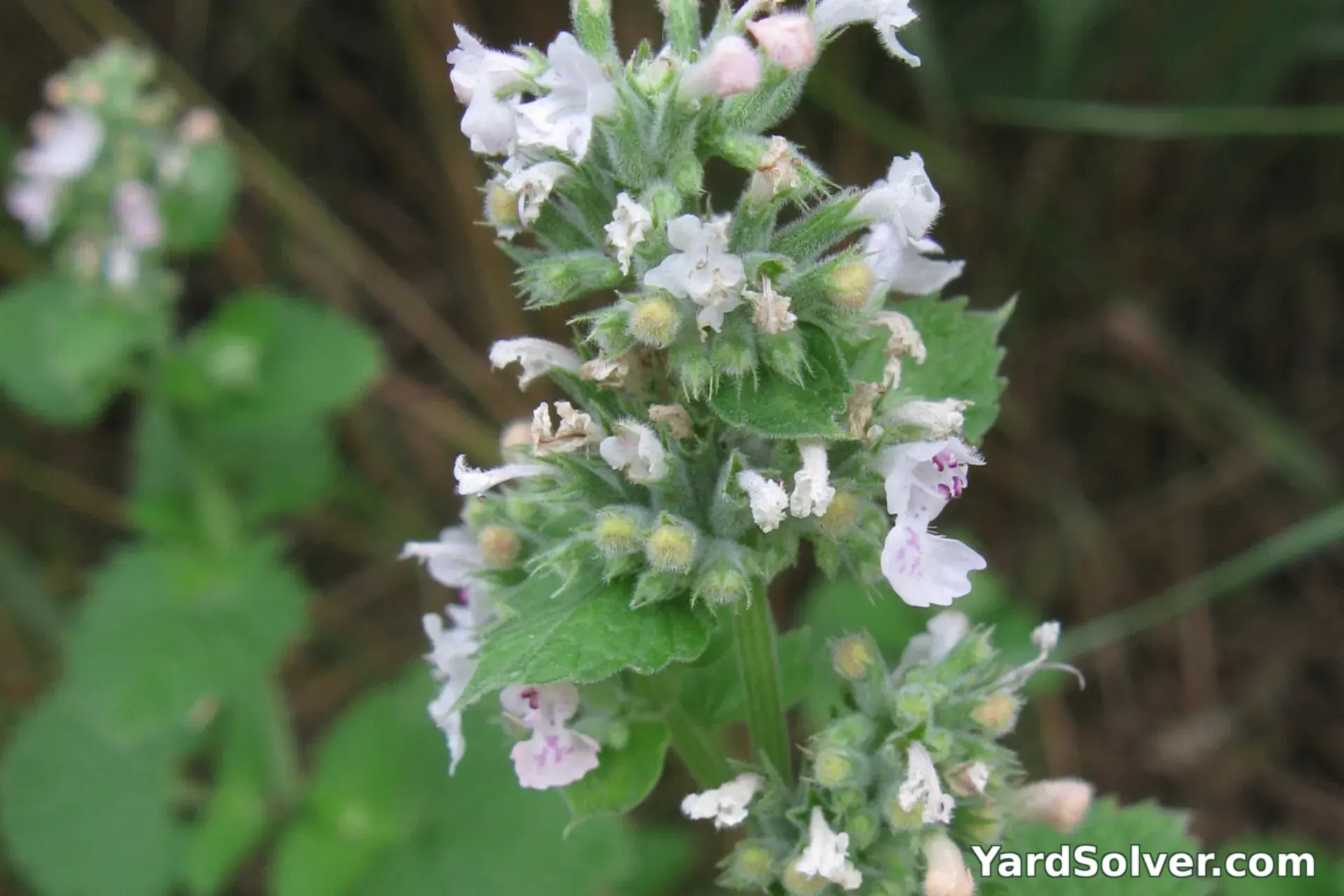
Water through the first few weeks, then stop fussing: established catnip shrugs off dry spells that wilt most herbs. Feeding is unnecessary and counterproductive — scent drops as soil richness rises. If a pot-grown plant looks tired, a whisper of balanced feed is plenty — the Fertilizer Calculator turns your bed size into exact amounts.
Step 5 — Care and the problems to watch for
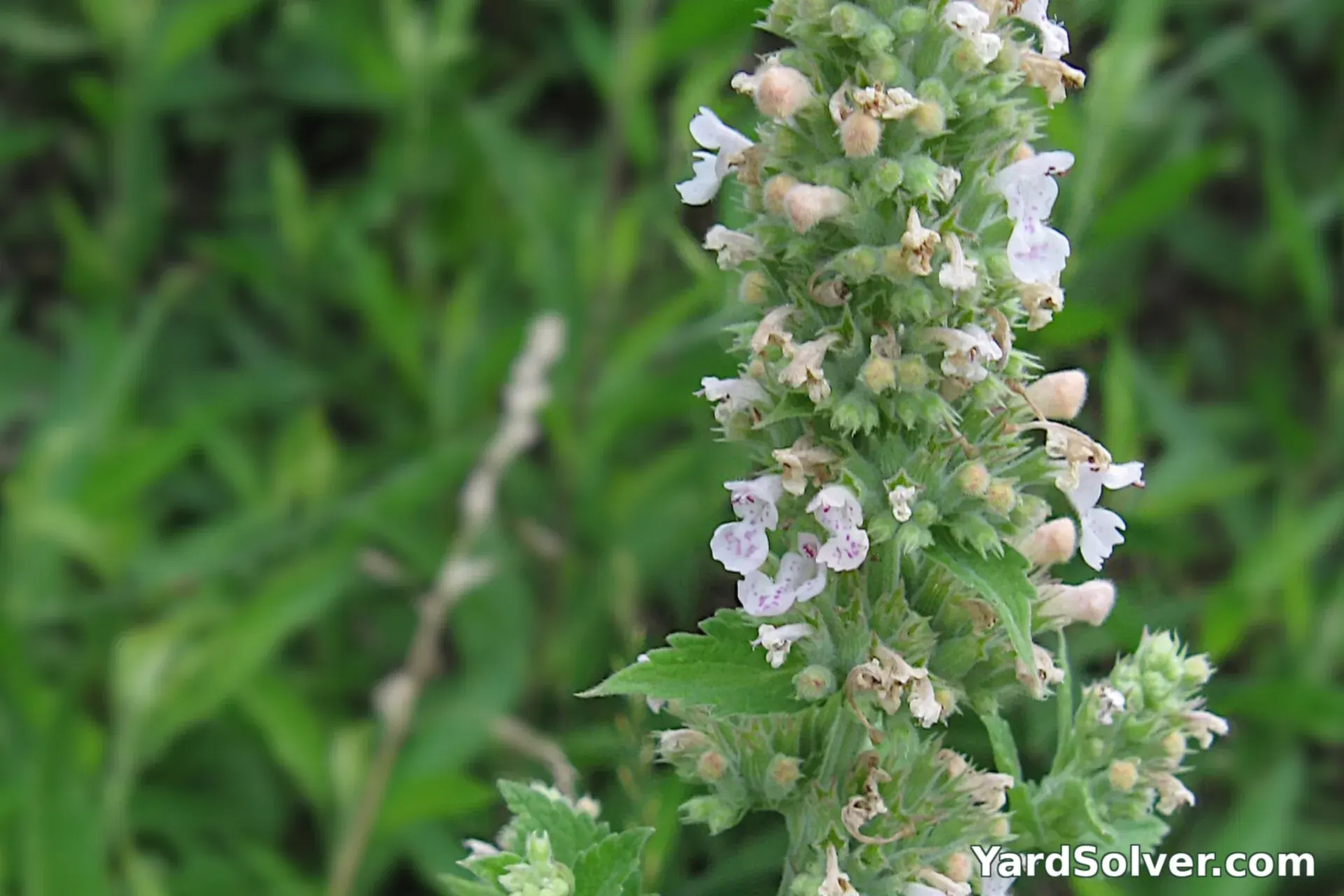
Cut plants back by half after the first flush of flowers and they bloom again into autumn. Divide or move self-sown seedlings in spring. Trouble is rare:
- Flattened by cats — cage young plants; a mature clump survives the attention.
- Self-sown seedlings everywhere — deadhead one plant and let only a chosen plant set seed.
- Leggy, weak scent — too much water, shade or feed; move it somewhere meaner and sunnier.
Step 6 — Harvest
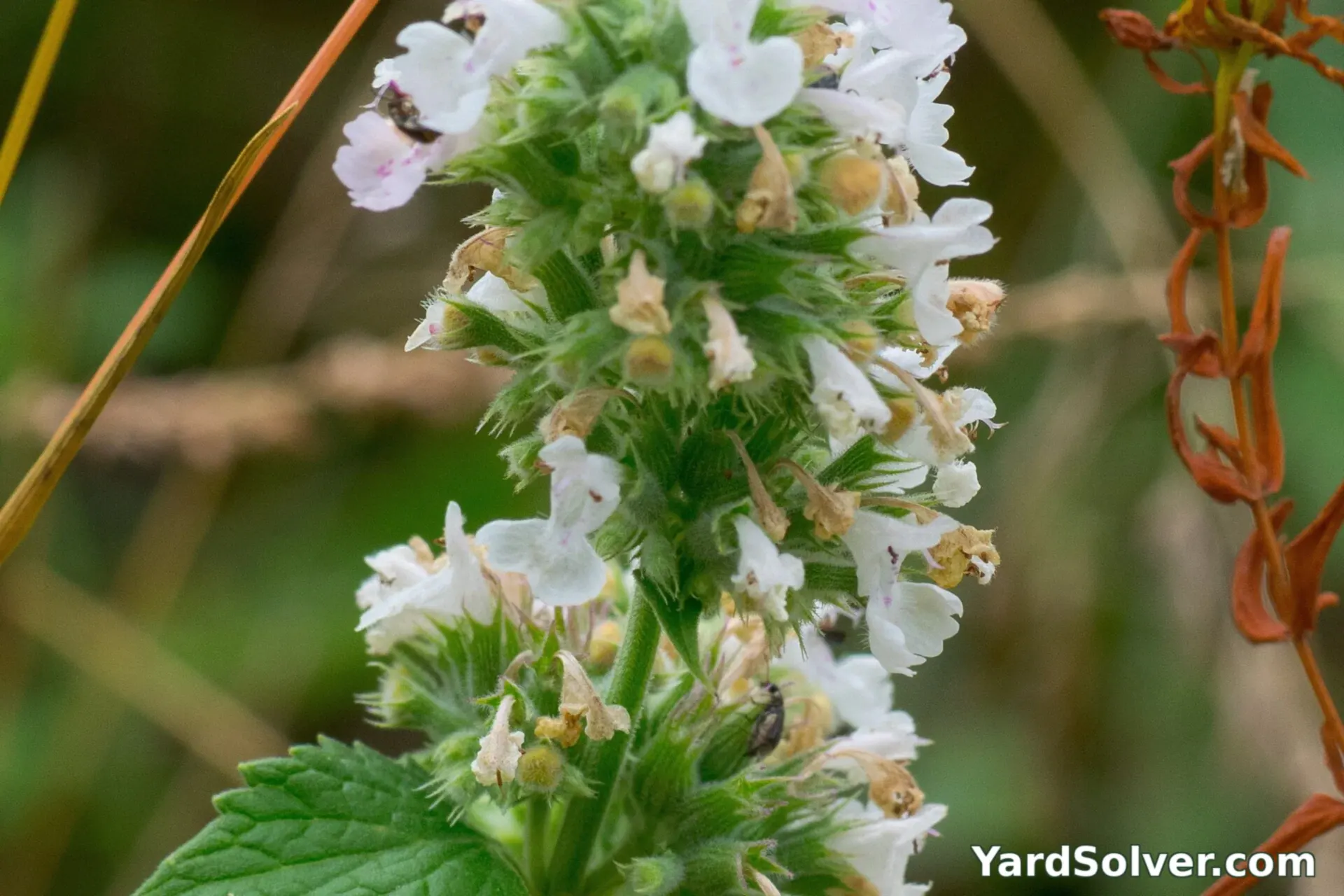
For the cat, harvest whole stems just as the flowers open — nepetalactone, the compound cats respond to, peaks then. Bunch stems loosely and hang them upside down in a dark, airy place; when crisp, strip the leaves and store them airtight, away from the cat. Leaves for tea can be picked any time through summer. Expect a second cut after you shear the plants back.
📅 Your personal Catnip schedule
Counted from your planting day — not a generic calendar. Day 0 is the day the seed went in the ground or the young plant went out.
Varieties worth growing
| Variety | Colour | Why gardeners like it |
|---|---|---|
| Common catnip | White flowers | The wild type (Nepeta cataria) — strongest effect on cats, easiest from seed. |
| Lemon catnip 'Citriodora' | White flowers, lemon-scented leaves | A citrus twist — nicer for human tea, still popular with most cats. |
| Faassen's catmint | Lavender-blue flowers | Nepeta × faassenii — the tidy ornamental cousin; flowers for months, though cats mostly ignore it. |
Good for you — and take care
Benefits
- Months of small flowers for bees and other pollinators.
- Dried leaves stuff the world's most appreciated homemade cat toys.
- A mild, minty traditional tea herb for people too.
Take care
- Protect young plants from cats until established — they can be rolled flat.
- Self-sows; deadhead if you don't want volunteers.
- Avoid the concentrated oil in pregnancy; the leaf itself is gentle.
A little history — and one good fact
Catnip's name in Latin, Nepeta, may come from the Roman town of Nepete, where it was grown. European settlers carried it to North America in seed kits as a household tea herb — the cats, and the bees, approved. It escaped gardens long ago and now grows wild across much of the continent.
Fun fact: Around a third of cats are immune to catnip's charms — the response is inherited, and kittens under about three months old don't react at all.
Keep going
Guides: Companion planting basics · How to dry herbs · Pollinator garden guide
Calculators: Plant Spacing Calculator · Garden Mix Calculator · Fertilizer Calculator
More herbs: Lemon Balm · Mint · Bee Balm · Sage
← Back to the Plant Library · Get your personal planting dates
Questions people ask
Does catnip come back every year?
Yes — catnip is a hardy perennial in zones 3–9. It dies back in winter and returns from the crown each spring, and it also self-sows, so a patch tends to persist for years.
How do I stop my cat destroying the plant?
Young plants get rolled flat because bruising releases the scent. Protect new plants with a loose wire cloche or sticks until they are sturdy mounds — an established clump survives feline attention easily.
When should I harvest catnip for my cat?
Cut whole stems just as the flowers open, when the active compound peaks. Hang them in a dark, airy place until crisp, then strip and store the leaves airtight.
Grow catnip for the cats, but site it for the garden: it self-seeds, spreads, and every neighbourhood cat will find it
Catnip is a hardy mint-family perennial grown for one famous reason — most cats respond to its nepetalactone with rolling, rubbing euphoria — but the gardener needs to plan for what that means in a bed. Plants get visited, flattened and rolled on, so site it where that traffic does no harm: the edge of a bed, a pot by a path, never in the middle of a delicate planting. A pot is honestly the right home for many gardens, because catnip also self-seeds freely and, like its mint cousins, is happier contained than released.
For the cats themselves, the leaves and flowering tops are the potent part, strongest just as the flowers open. Cut stems then, dry them in shade, and crumble the dried leaf into toys — dried catnip keeps its effect for months in a sealed jar. Plants cut back after the first flowering commonly flush again for a second harvest. Left entirely alone, catnip is still a good garden citizen: its white flower spikes run for weeks and are worked hard by bees.
The worked example: a potted plant by a sunny path, cut and dried at flowering, gives a household a year of cat toys and the bees a long season. The identical plant released into a rich border typically seeds itself into every corner within two seasons. Catnip asks for almost no care — it asks for a decision about where it is allowed to be enthusiastic.
Sources
Key facts on this page — timing, spacing and care — cross-checked against NC State Extension Plant Toolbox — Nepeta cataria (catnip) — culture, habit and care requirements.
Related page
Read next: Companion Planting Basics: Good & Bad Neighbours.
Comments & ratings
No comments yet.
Be the first to share your experience.