
Plant Library · Herbs · By Faizan Ahmad
🍋 How to Grow Lemon Balm
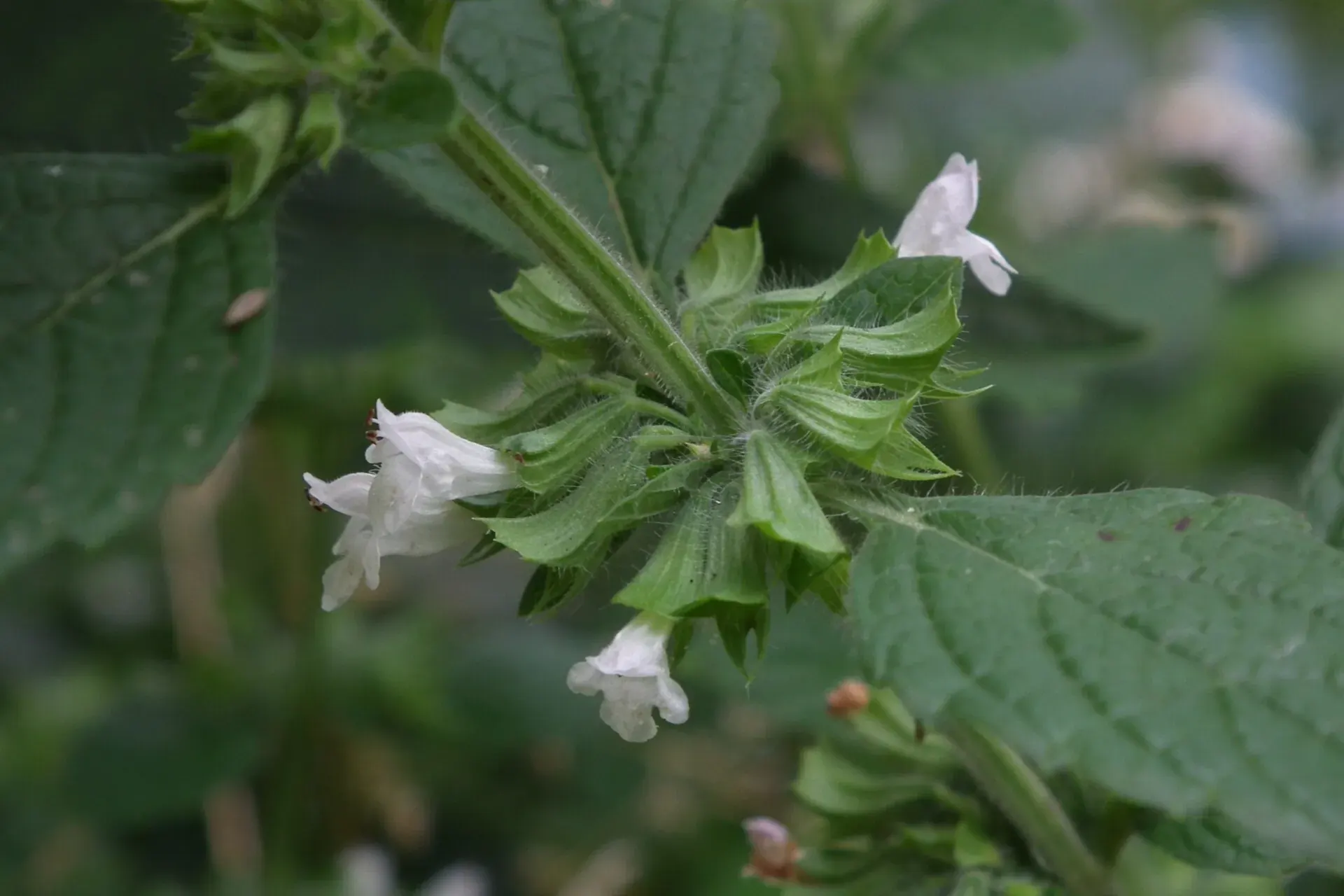
A lemon-scented perennial that spreads like its mint cousins — give it a pot or a corner of its own. Lemon balm (Melissa officinalis) is one of the easiest herbs there is: sow it once and it returns every spring, filling the bed with soft green leaves that smell of lemon sherbet when you brush past. Pick the leaves all season for teas, salads and desserts, and let a few stems flower in late summer — the bees will queue up for them.
Grow Lemon Balm with us — step by step
Everything for this plant is written step by step below — what to do, and exactly when. Read it through first if you like: you can grow it entirely on your own with that guide. Or start with us here — tell us your planting day and we lay out your personal schedule on this page, every next step on its own day, counted from your planting date. No guessing, no forgetting.
Step 1 — today: Start lemon balm seed on a bright windowsill in a small pot of seed mix, barely covering the seed — it needs light to sprout. Or skip ahead and buy a young plant in spring; both routes work.
Lemon Balm at a glance
Sow indoors: 6 weeks before last frost
Move outside: 1 week after last frost
Sow outdoors: 1 week after last frost
Spacing · Seed depth: 18 in apart · barely cover — seed needs light
Sun: Full sun to part shade
Water: Regular — keep the soil evenly moist
Harvest: Cut leafy stems from about 60 days; pick all season
Timing counts from your average last spring frost — get your own dates in the Planting Calendar. Guidance follows standard extension-service practice for Canada and the US.
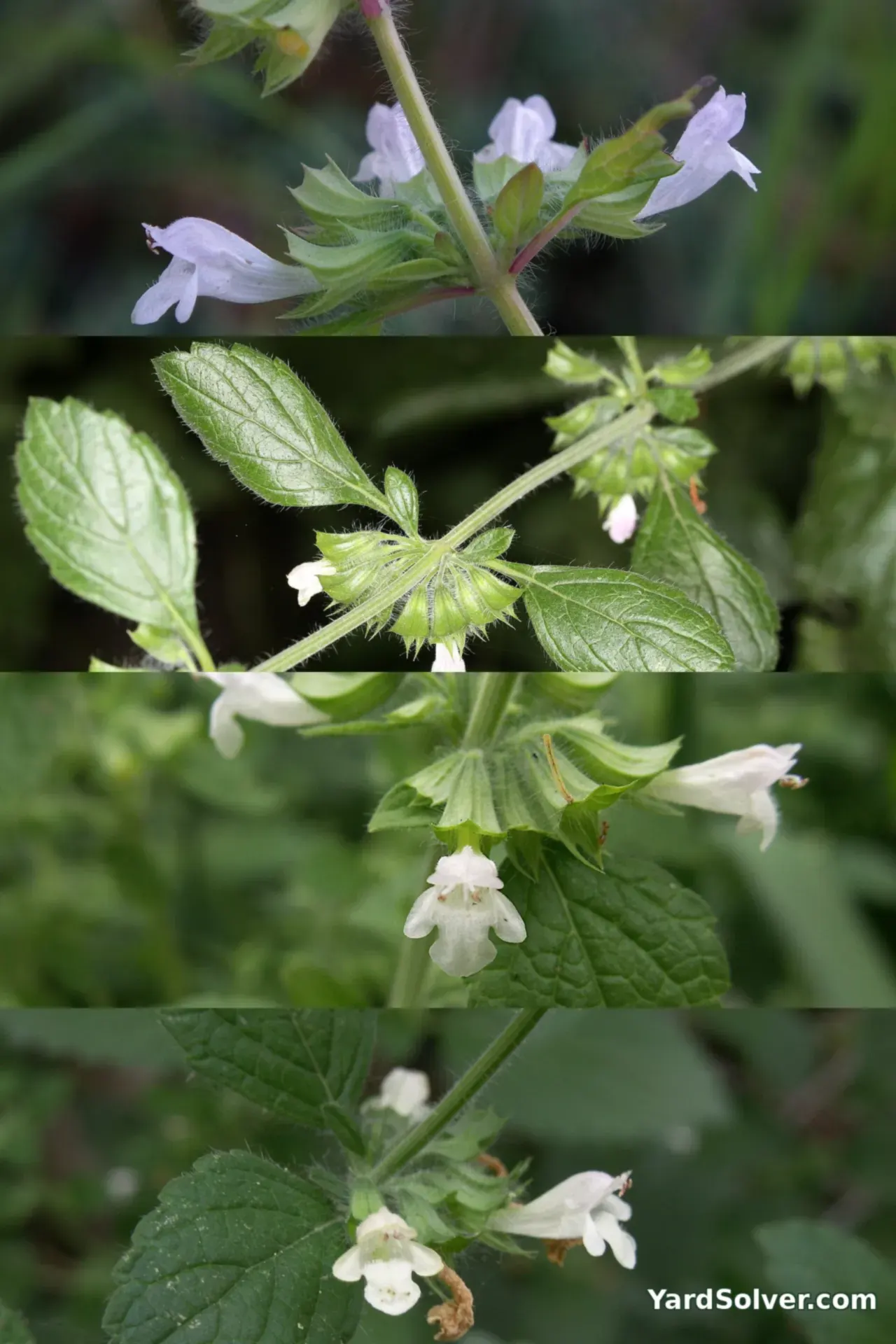
How to plant and grow lemon balm, step by step
Step 1 — Time it right
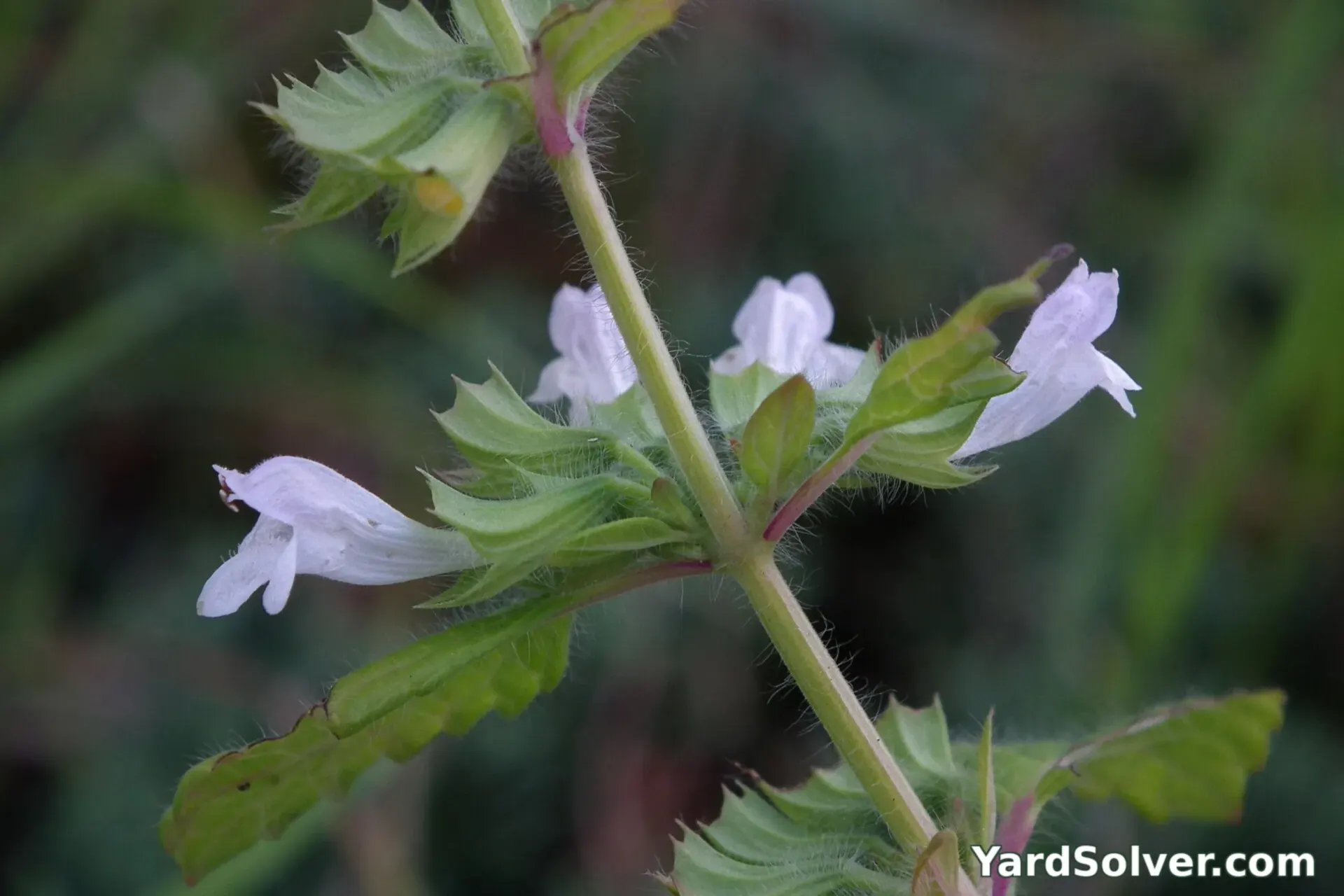
Sow indoors: 6 weeks before last frost; Move outside: 1 week after last frost; Sow outdoors: 1 week after last frost. All dates count from your average last spring frost — the Planting Calendar turns them into real dates for your garden. Lemon balm is a hardy perennial (zones 4–9), so one sowing gives you years of harvests. Seed is slow and can be erratic — a packet started indoors gives you the pick of strong seedlings. Press the seed into moist mix and cover with the thinnest dusting, then keep it warm and bright. Alternatively, sow straight outside once frost has passed, or divide a friend's clump in spring — divisions settle faster than seed ever will.
Step 2 — Prepare the spot
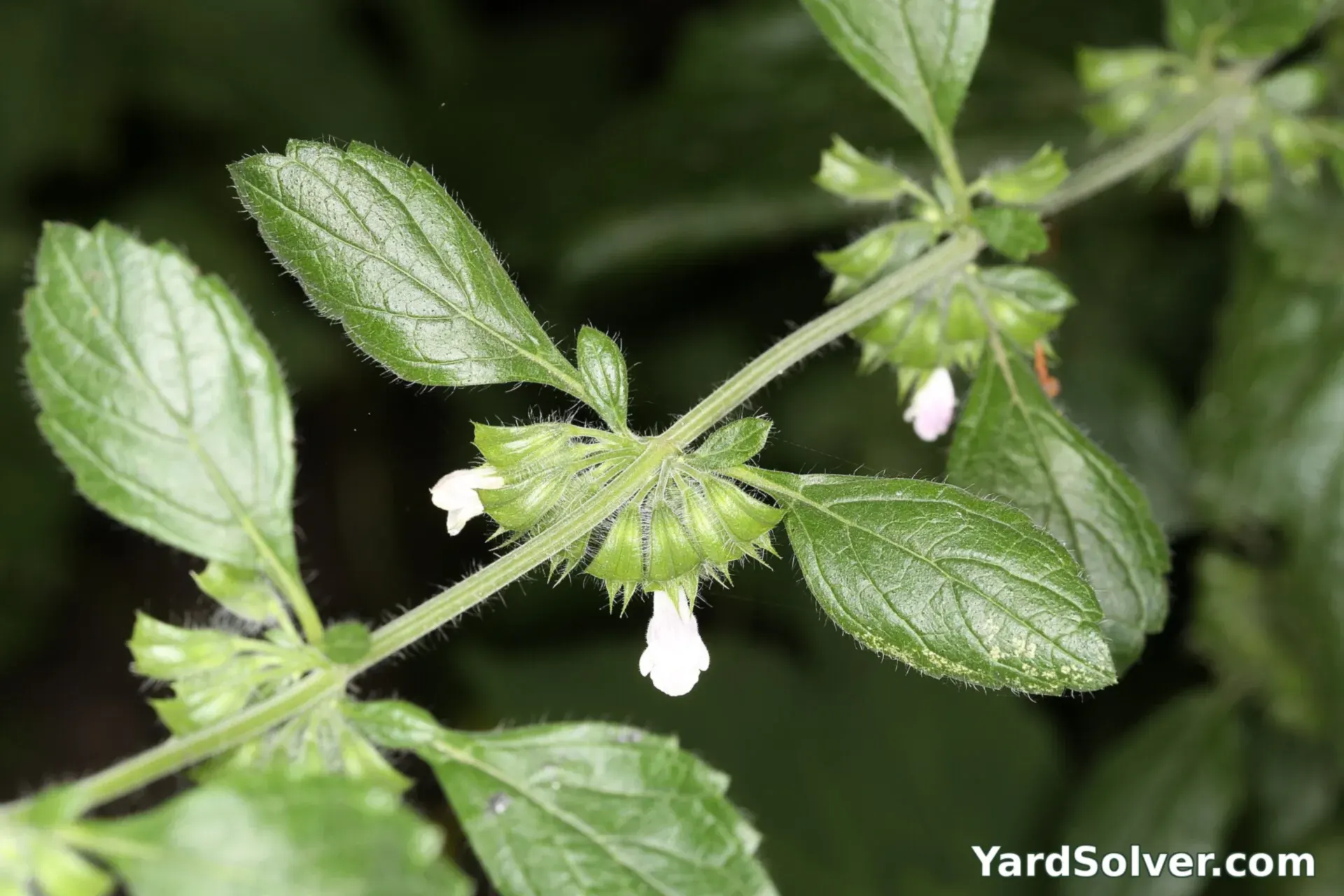
Pick the spot with one thought in mind: lemon balm spreads by runners and self-sown seed, just like mint. A big pot (at least 12 in wide), a raised-bed corner with edges, or a patch beside a path where it can be mown around all work well. Work a bucket of compost into the top few inches — it likes a rich, moisture-retentive soil and will sulk in dry sand. For a raised bed, the Raised Bed Soil Calculator counts the bags for you; mixing your own? The Garden Soil Calculator gives the compost-rich split to aim for.
Step 3 — Sow and plant out
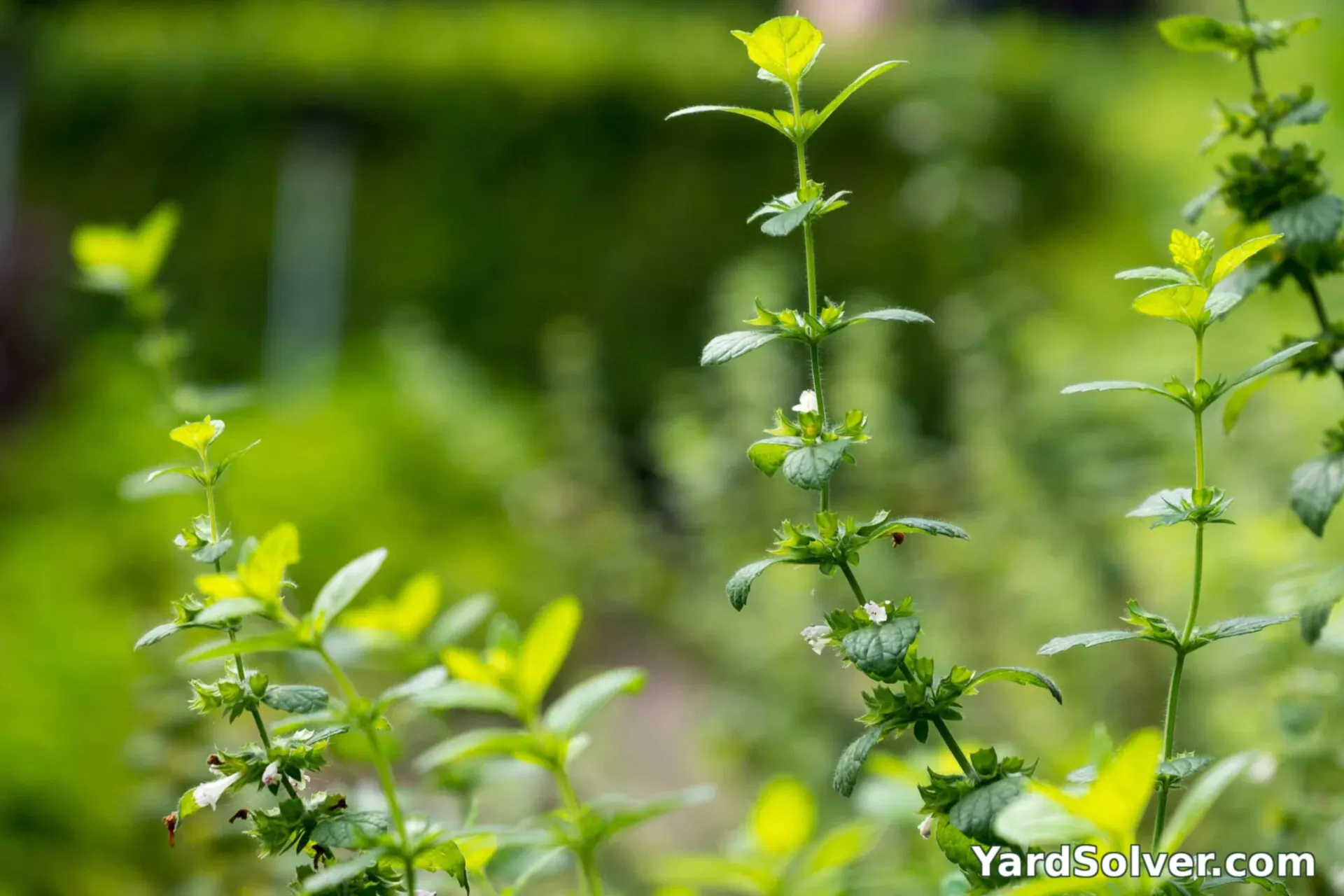
Harden seedlings off over a week, then plant out at the same depth they grew in the pot, 18 in apart — the clump fills that space within a season. The Plant Spacing Calculator turns your bed size into an exact plant count. Water deeply after planting and mulch around (not over) the crown. Sowing direct? Scatter seed on firmed, moist soil, barely cover, and thin seedlings to one strong plant every 18 in. Good neighbours: lemon balm draws pollinators to cucumbers and squash flowering nearby.
Step 4 — Water and feed
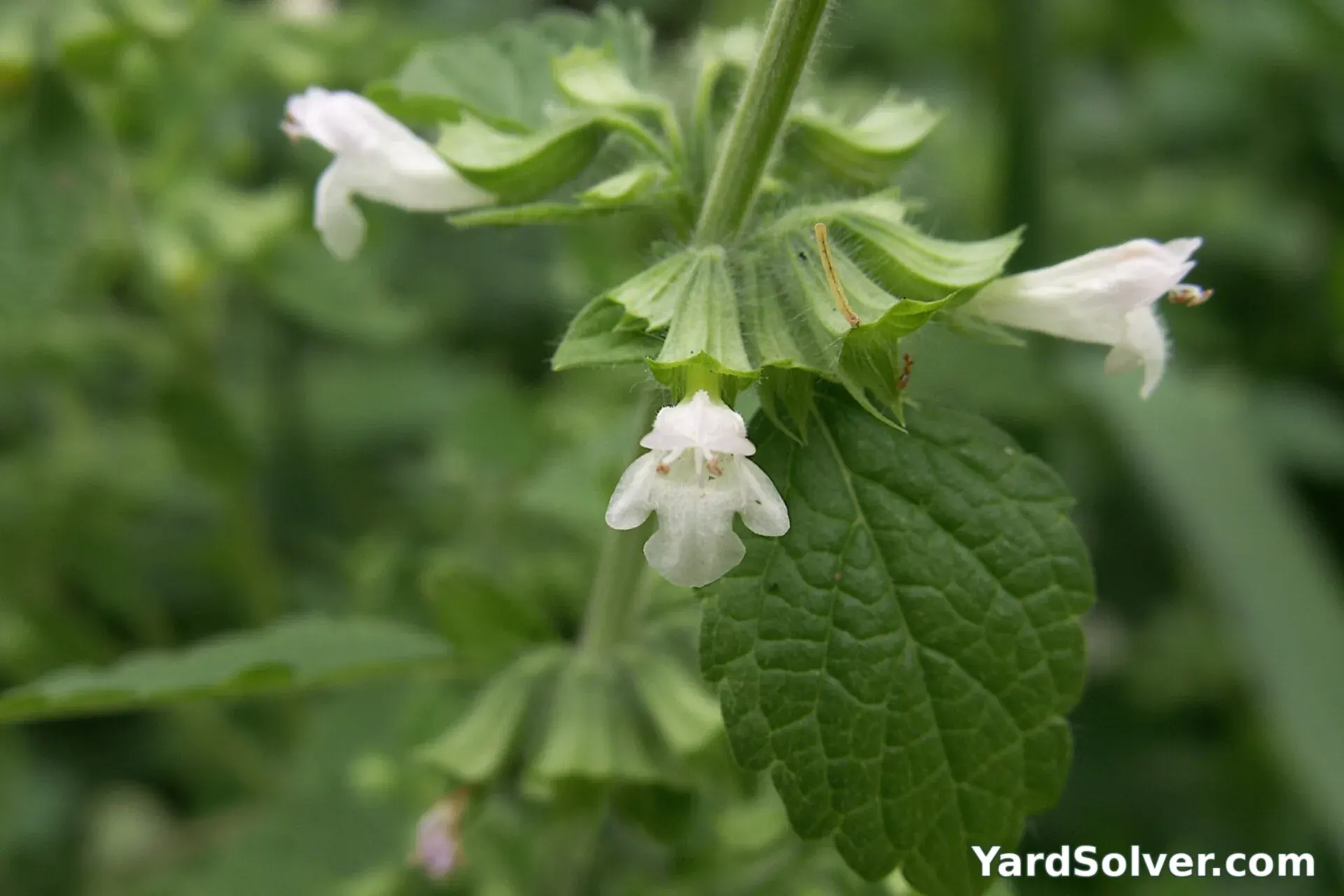
Keep the soil evenly moist, especially in pots — drought-stressed plants turn tough and lose their scent. In the ground, a weekly deep soak in dry spells is plenty. Feeding is light: a spring mulch of compost covers it. If growth looks pale in a pot, a half-strength balanced feed works — the Fertilizer Calculator turns your bed size into exact amounts.
Step 5 — Care and the problems to watch for
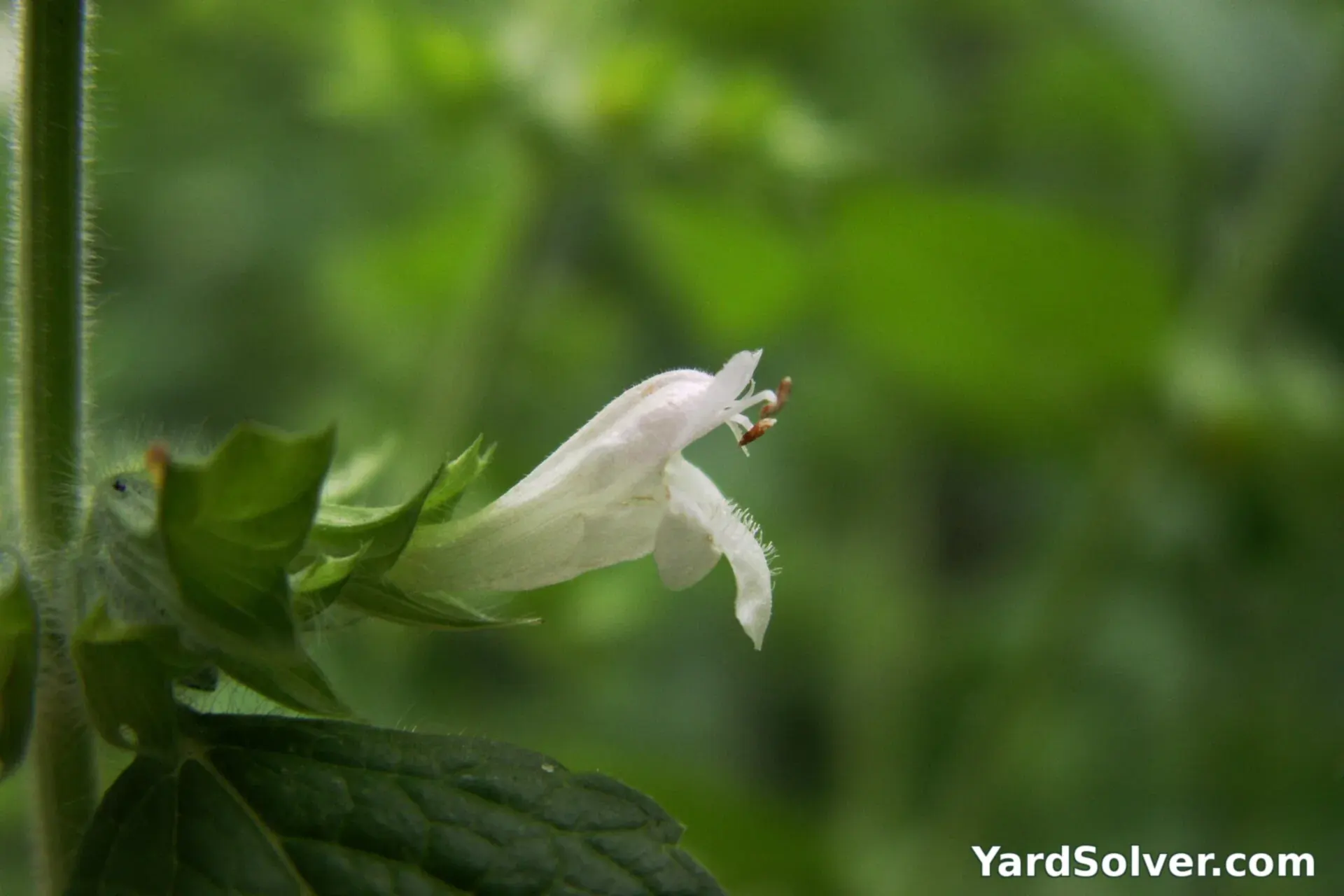
The big job is control, not care. Cut the whole plant back by two-thirds when flowers appear in mid-summer: you get a fresh flush of tender leaves into autumn, and far fewer seedlings next spring. Lift and divide crowded clumps every 3–4 years in spring.
- Seedlings everywhere — deadhead before seed ripens, or cut back as flowers fade.
- Powdery mildew in a damp corner — thin the clump for airflow and water at the base.
- Tired, woody clump — divide it in spring and replant the vigorous outer pieces.
Step 6 — Harvest
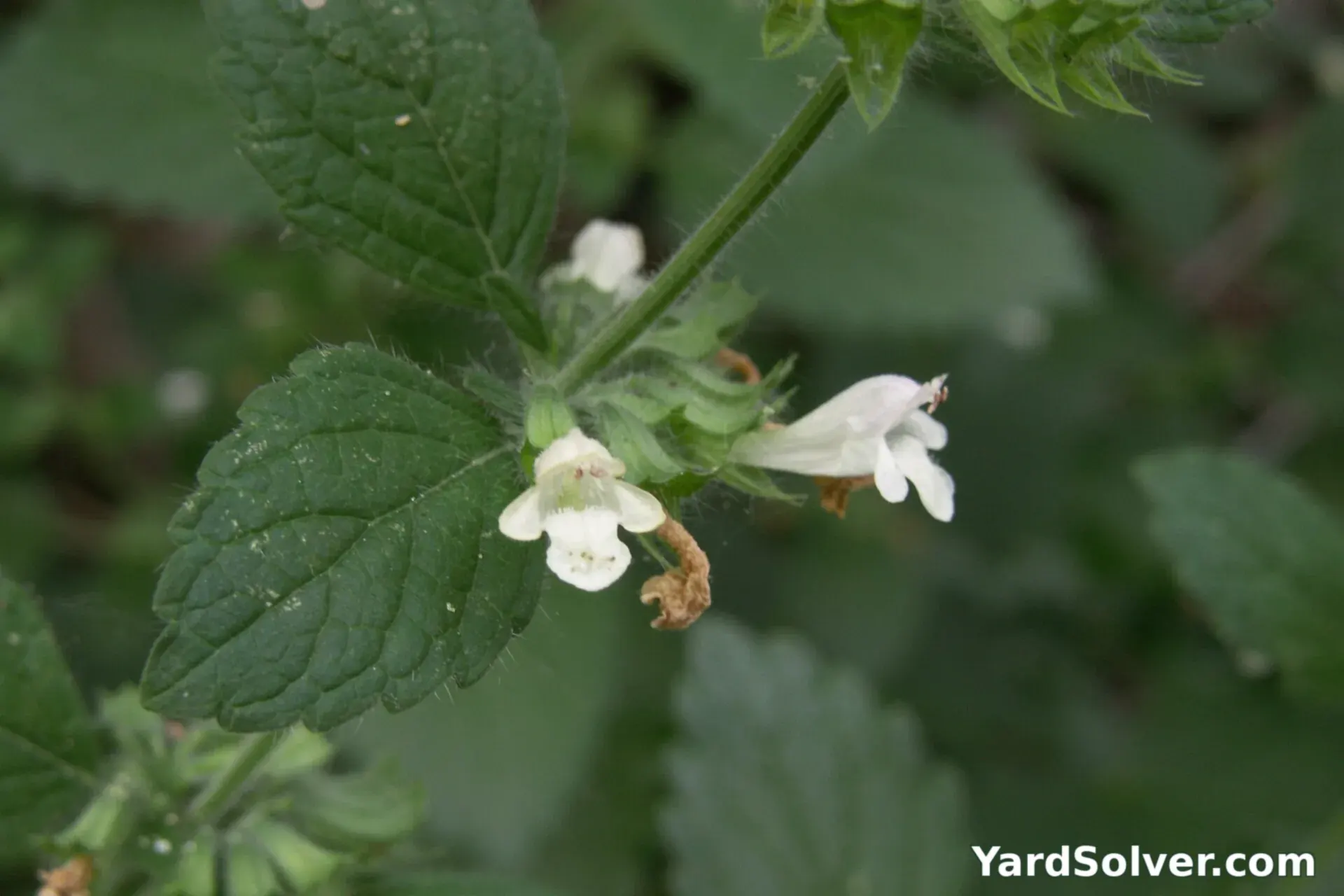
Start cutting once stems reach about 8 in — snip whole stems just above a pair of leaves and the plant branches out below the cut. Flavour peaks just before flowering, so make your big harvest for drying then. Use leaves fresh for tea (a small handful per pot of water), chop into fruit salads and grain salads, or dry them fast in a shady, airy spot — slow drying loses the scent. In mild winters the crown rests; in cold ones it dies back to the ground and returns in spring.
📅 Your personal Lemon Balm schedule
Counted from your planting day — not a generic calendar. Day 0 is the day the seed went in the ground or the young plant went out.
Varieties worth growing
| Variety | Colour | Why gardeners like it |
|---|---|---|
| Citronella | Green | Extra-strong lemon scent — the one to grow for tea. |
| Quedlinburg | Green | Upright, high in aromatic oils; a herbalist's favourite strain. |
| All Gold | Golden-yellow leaves | Bright foliage for pots and edges; give it afternoon shade so leaves don't scorch. |
Good for you — and take care
Benefits
- Classic calming tea herb — a handful of leaves makes a gentle lemony brew.
- Bees love the small white flowers; a patch hums all summer.
- Leaves flavour salads, fish, fruit and summer drinks.
Take care
- Spreads like mint — pot it or give it a contained corner.
- May interact with thyroid medication; check before using daily as a tea.
- Cut back before seed ripens unless you want seedlings everywhere.
A little history — and one good fact
Lemon balm has been grown around Mediterranean homes for over 2,000 years — Greek temples kept it for their bees, and medieval gardens planted it by the door so its scent greeted visitors. Its Latin name, Melissa, is the Greek word for honeybee.
Fun fact: Beekeepers once rubbed lemon balm leaves inside new hives — the scent mimics a bee pheromone and invites a swarm to move in.
Keep going
Guides: Companion planting basics · Succession planting · How to dry herbs
Calculators: Plant Spacing Calculator · Garden Mix Calculator · Fertilizer Calculator
More herbs: Mint · Basil · Chamomile · Bee Balm · Citronella Grass · Lemon Verbena
← Back to the Plant Library · Get your personal planting dates
Questions people ask
Is lemon balm a perennial?
Yes — lemon balm is a hardy perennial in zones 4–9. It dies back to the crown in winter and re-sprouts each spring, and a single planting can crop for years.
Does lemon balm spread like mint?
It does spread, by runners and especially by self-sown seed. Grow it in a large pot or a contained corner, and cut it back before the seed ripens to keep it in check.
When is the best time to harvest lemon balm for tea?
Cut whole stems in the morning, just before the plant flowers — that is when the leaves carry the most aromatic oil. A hard cut-back then gives you a second fresh flush for autumn.
A mint relative with a lemon scent and a mint's ambitions: grow it in a pot unless you want it everywhere, forever
Lemon balm (Melissa officinalis) is a hardy perennial herb whose leaves carry a genuine lemon scent when brushed — and it shares its mint family's two defining habits: it spreads, and it self-seeds with enthusiasm. In open ground a single plant becomes a colony within a few seasons, so the standard advice is the mint advice: a large pot, or a corner where conquest is acceptable.
The harvest rule keeps it at its best. Leaves are most fragrant before flowering, and the plant responds to being cut back hard two or three times a season with fresh, tender growth; left to flower it turns coarse and its scent fades — though the bees, who love the small white flowers, would vote otherwise. A compromise many gardeners use is to shear most of the plant for the kitchen and leave one corner to bloom for the pollinators.
The worked example: a potted lemon balm on a sunny step, cut back whenever it thinks of flowering, gives fragrant leaves from spring to frost and stays exactly where it was put. The same plant in a herb bed typically reappears in the path, the lawn edge and next door's border — a lovely herb, on a short leash.
Sources
Key facts on this page — timing, spacing and care — cross-checked against NC State Extension Plant Toolbox — Melissa officinalis — culture and care requirements and Lemon balm — Wikipedia — background on lemon balm and its cultivation.
Related page
Read next: Best Vegetables for Containers: Pots, Soil & Watering.
Comments & ratings
No comments yet.
Be the first to share your experience.