
Plant Library · Herbs · By Faizan Ahmad
🌾 How to Grow Citronella Grass
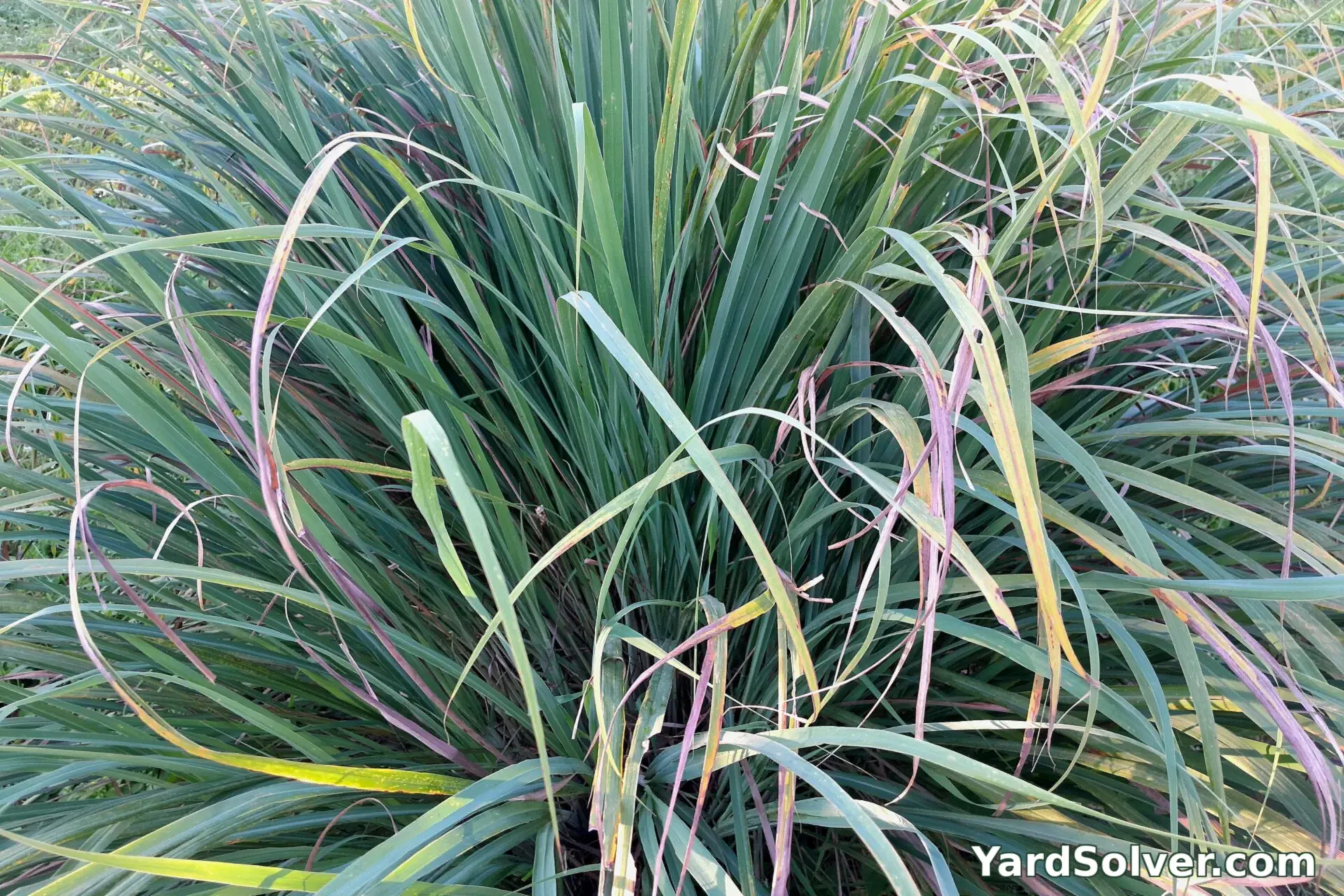
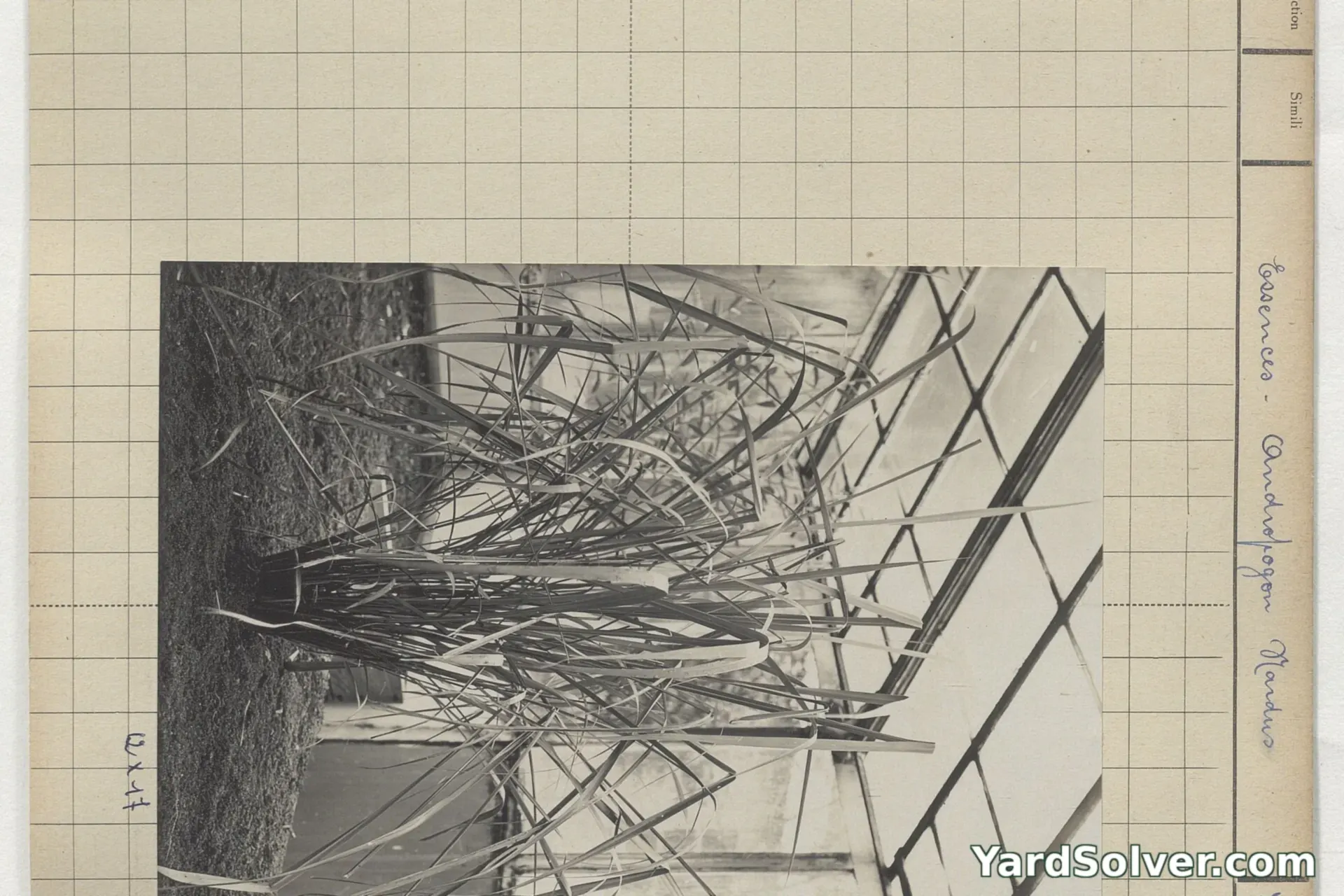
A fountain of lemon-scented grass for pots and patios — grown from divisions, loved for its perfume, and honest about what it can do. Citronella grass (Cymbopogon nardus) is a tender tropical grass that makes a handsome arching clump in one summer. Crush a leaf and the lemon scent is unmistakable — the oil from this grass is the real citronella of candles and sprays. A living plant perfumes the air around it; it is not, by itself, a force field against mosquitoes.
Grow Citronella Grass with us — step by step
Everything for this plant is written step by step below — what to do, and exactly when. Read it through first if you like: you can grow it entirely on your own with that guide. Or start with us here — tell us your planting day and we lay out your personal schedule on this page, every next step on its own day, counted from your planting date. No guessing, no forgetting.
Step 1 — today: Buy a true citronella grass plant (Cymbopogon nardus) from a nursery in spring — 'citronella geranium' is a different plant entirely.
Citronella Grass at a glance
Plant out: 2 weeks after last frost, into warm soil — from a bought plant or division
Move indoors: Before first frost, if you garden below zone 10
Sow outdoors: Not practical — seed is rarely true to type; buy a plant
Spacing: 24–36 in apart in the ground; one plant per large pot
Sun: Full sun
Water: Regular — keep evenly moist in summer
Harvest: Cut outer leaves from about 90 days
Timing counts from your average last spring frost — get your own dates in the Planting Calendar. Guidance follows standard extension-service practice for Canada and the US.
How to plant and grow citronella grass, step by step
Step 1 — Time it right
Plant out: 2 weeks after last frost, into properly warm soil, from a bought plant or division; Sow: not recommended — seed is rarely true citronella. All dates count from your average last spring frost — the Planting Calendar turns them into real dates for your garden. Citronella grass is a tropical perennial (zones 10–12) grown from divisions or nursery plants, never reliably from seed. One buying warning that saves disappointment: the 'citronella plant' sold in many garden centres is a scented geranium (Pelargonium citrosum), a pleasant plant but not the grass that yields citronella oil. Check the label for Cymbopogon nardus. Wait for warm soil before planting out — cold-checked plants sulk for weeks.
Step 2 — Prepare the spot
A large pot (14 in or more) is the practical home in most climates — you can wheel it by the patio chairs and carry it indoors in autumn. Use rich potting mix; unlike many scented plants, this grass is a hungry, thirsty grower in the heat. In frost-free ground, give it a bed of its own: a mature clump is 3–4 ft wide. For a raised bed, the Raised Bed Soil Calculator counts the bags for you; mixing your own? The Garden Soil Calculator gives the compost-rich split to aim for.
Step 3 — Sow and plant out
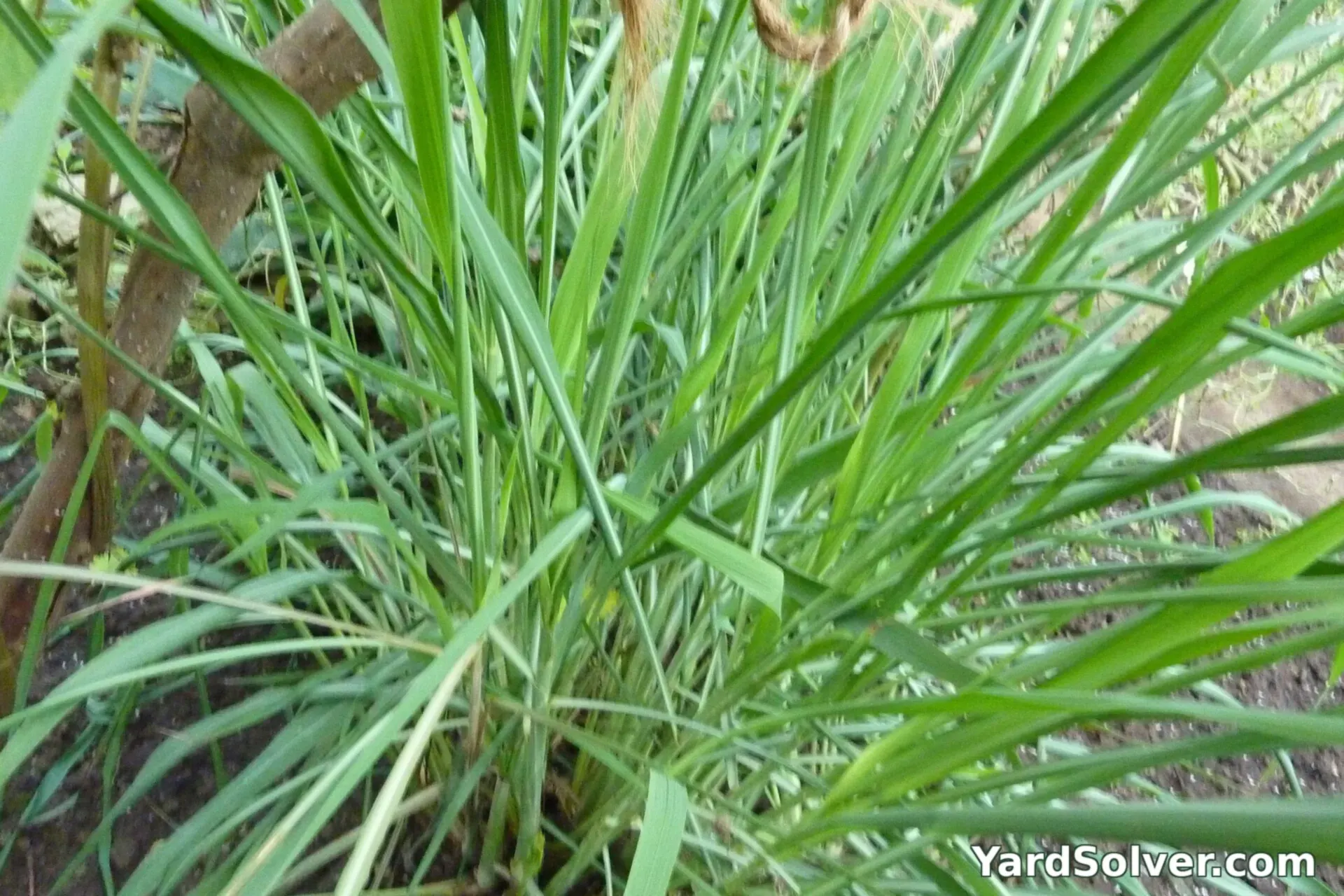
Set the plant at its nursery depth, firm in, and water deeply. In the ground, space clumps 24–36 in apart. The Plant Spacing Calculator turns your bed size into an exact plant count. Good neighbours: citronella grass makes a lush summer screen behind lemongrass — its close culinary cousin — and the pair perfume a whole patio corner when brushed past.
Step 4 — Water and feed
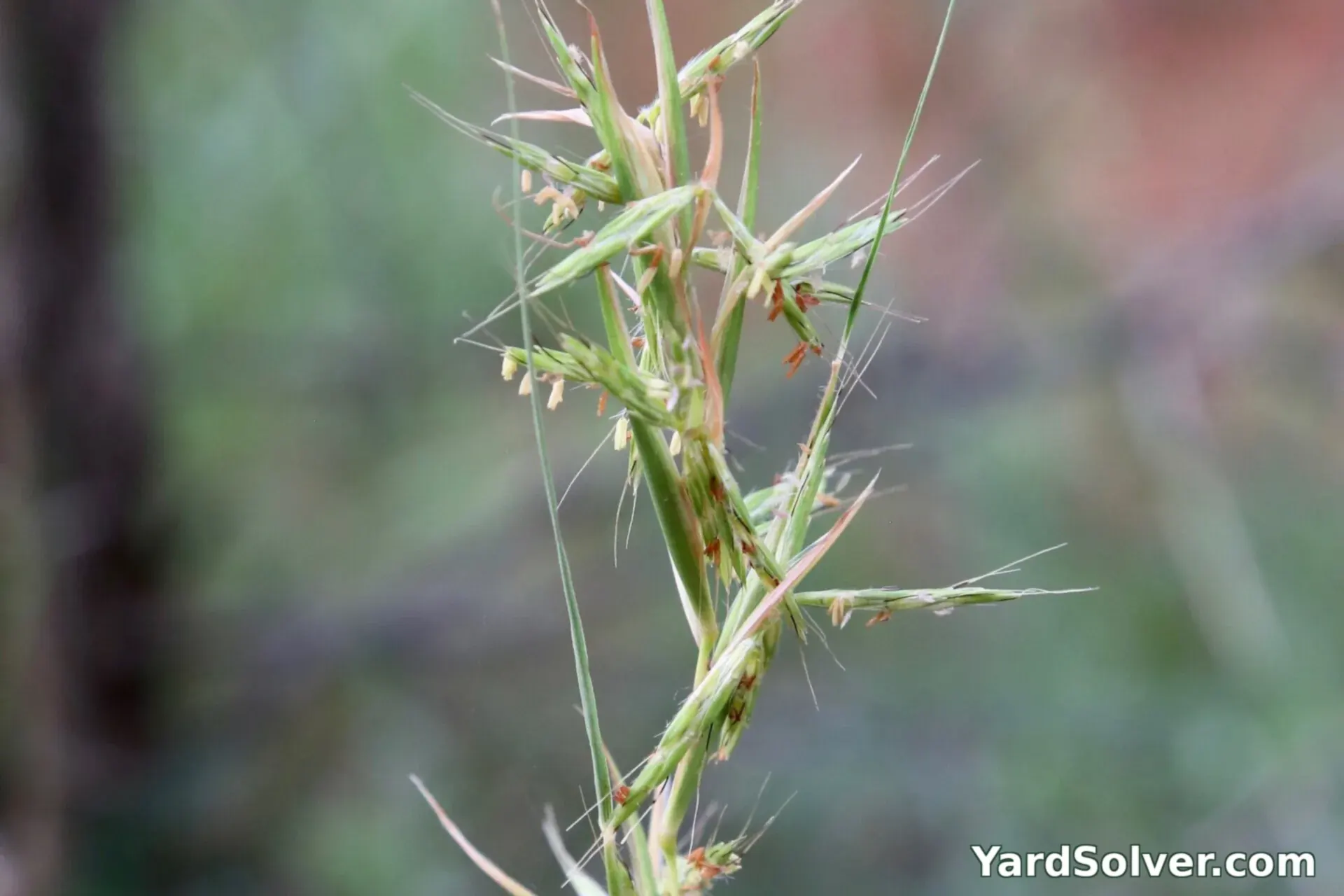
This is a tropical grass: in summer heat it wants regular, generous water, and a big pot can drink daily. Feed monthly with a balanced liquid feed through the growing season to keep the fountain of leaves coming — the Fertilizer Calculator turns your bed size into exact amounts. Slow down both water and feed sharply when the plant comes indoors for winter.
Step 5 — Care and the problems to watch for

Care is mostly tidying: pull the browning outer blades away as they age, and divide a congested pot in spring. Wear gloves — the blade edges are sharp enough to give a paper-cut sting.
- Brown tips everywhere — drought or a pot that's all roots; water more or pot up.
- Pale, slow growth — usually cold soil or hunger; feed it and wait for real warmth.
- Rust spots on blades — improve airflow and avoid wetting the foliage late in the day.
Step 6 — Harvest

Cut outer leaves at the base once the clump is established, taking no more than a third at a time. Fresh leaves perfume a room in a vase of water, and chopped leaves can be steeped in oil or alcohol for homemade sprays — modest, short-lived effects, honestly stated. Before frost, cut a generous bunch to dry for winter pot-pourri, and bring the pot plant indoors if you want it next year.
📅 Your personal Citronella Grass schedule
Counted from your planting day — not a generic calendar. Day 0 is the day the seed went in the ground or the young plant went out.
Varieties worth growing
| Variety | Colour | Why gardeners like it |
|---|---|---|
| Ceylon type | Cymbopogon nardus | The classic oil grass of Sri Lanka — softer scent, the usual nursery plant. |
| Java type | Cymbopogon winterianus | Higher in citronellal — the stronger oil strain grown commercially. |
| Lemongrass (cousin) | Cymbopogon citratus | The cooking relative — if you want lemon flavour for the kitchen, grow this one too. |
Good for you — and take care
Benefits
- Genuinely beautiful — a fast, arching fountain of green for pots and patios.
- Crushed leaves release the real citronella scent for evenings outside.
- Leaves scent rooms, linen and homemade sprays.
Take care
- Blade edges are sharp — handle with gloves when dividing or cutting back.
- An untouched plant barely repels mosquitoes; don't rely on it where bites carry disease.
- Tender — frost kills it; overwinter pots indoors below zone 10.
A little history — and one good fact
Citronella oil has been distilled in Sri Lanka for centuries — by the late 1800s Ceylon citronella scented soaps and candles across the world, and the grass travelled to Java, where growers bred the stronger 'Java type' that still dominates the oil trade.
Fun fact: Citronella grass and lemongrass are close cousins in the Cymbopogon family — one was selected over centuries for oil, the other for the kitchen.
Keep going
Guides: Companion planting basics · Pollinator garden guide · Crop rotation basics
Calculators: Plant Spacing Calculator · Garden Mix Calculator · Fertilizer Calculator
More herbs: Lemongrass · Lemon Balm · Lemon Verbena · Bay Laurel
← Back to the Plant Library · Get your personal planting dates
Questions people ask
Does a citronella plant really keep mosquitoes away?
Only modestly, and only when you crush the leaves to release the oil. An untouched plant releases very little, and studies find it barely changes biting rates — enjoy it for its scent, and use tested repellent where it matters.
Is citronella grass a perennial?
In frost-free zones 10–12, yes. Elsewhere treat it as a summer annual, or pot it and overwinter it on a bright windowsill — it survives indoors happily if kept on the dry side.
What is the difference between citronella grass and the citronella plant in garden centres?
True citronella is the grass Cymbopogon nardus, the source of citronella oil. Many garden centres sell a scented geranium (Pelargonium citrosum) under the citronella name — a pleasant plant, but not the grass.
The mosquito claim needs honesty: the plant only works when its leaves are crushed — a pot of it beside you is decoration
Citronella grass is a tall, lemon-scented tropical grass grown from divisions or bought plants — it does not come true from seed, and much of what is sold as 'citronella plant' in garden centres is actually a scented geranium, a different plant entirely. True citronella grass needs heat, full sun and a large pot or frost-free ground; in cold climates it is a summer patio plant brought under cover for winter, because the first real frost ends it.
The honest part is the mosquito claim. The citronella oil that repels insects is locked inside the leaves: an undisturbed plant releases almost none of it, and sitting beside a pot does very little. Crushing fresh leaves and rubbing them, or placing cut foliage where people sit, is what actually delivers the scent — and even then the effect is local and short-lived compared with a formulated repellent. Grown with that expectation set straight, it is still worth its pot: vigorous, handsome, lemon-scented foliage for cooking-adjacent uses and summer evenings.
The worked example: a big pot in full sun, watered and fed through summer and overwintered under cover, commonly gives years of scented foliage from one plant. The identical plant left out for the first frost, or bought as a seed packet of something else entirely, gives a season at most. Buy the right plant, grow it warm, and crush the leaves — in that order.
Sources
Key facts on this page — timing, spacing and care — cross-checked against Citronella grass (Cymbopogon nardus) — Wikipedia — background on the plant, its oil and identification — the NC State page checked for this wave returned 404, so this verified reference is used instead.
Related page
Read next: Companion Planting Basics: Good & Bad Neighbours.
Comments & ratings
No comments yet.
Be the first to share your experience.