
Plant Library · Herbs · By Faizan Ahmad
🍋 How to Grow Lemon Verbena
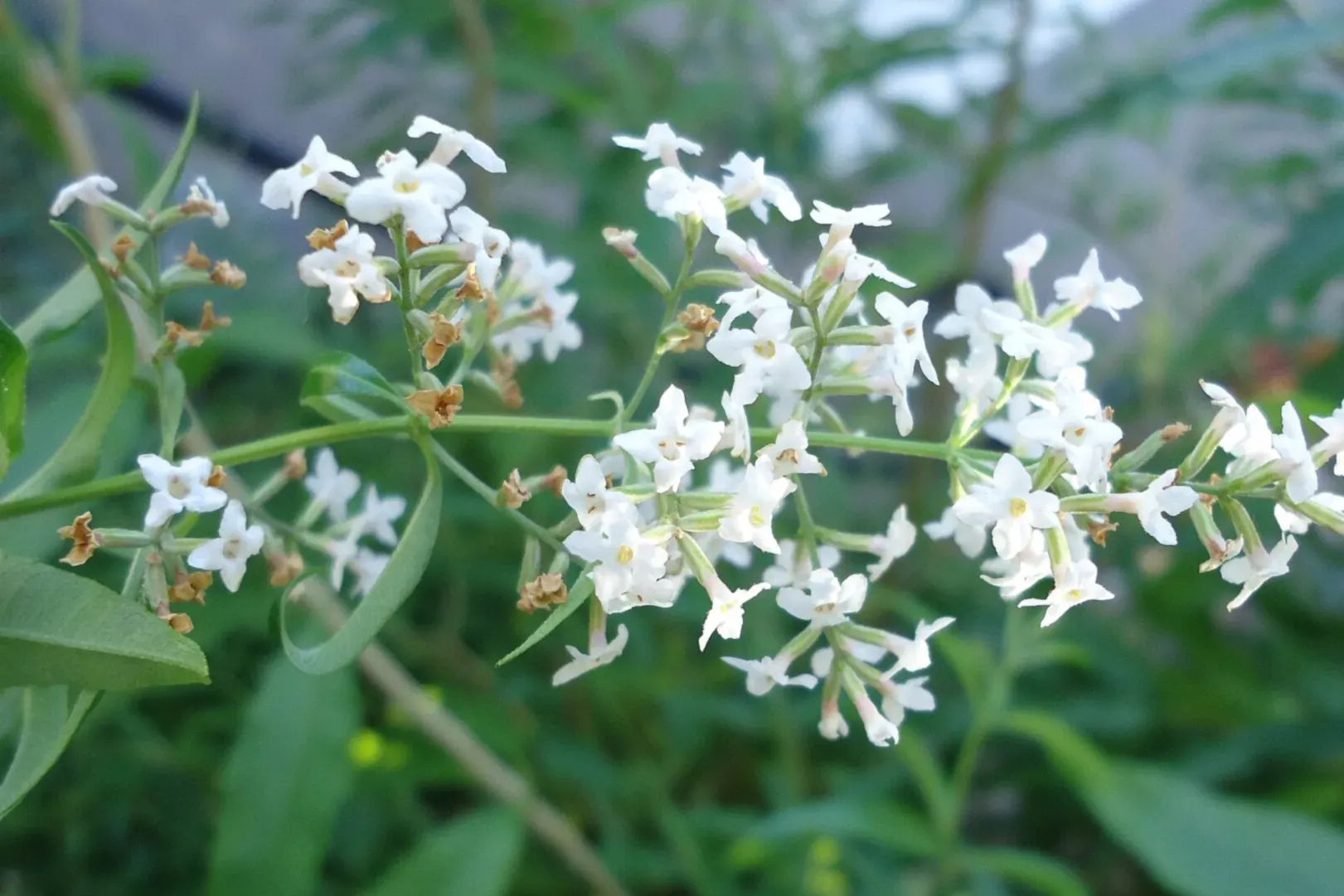
The most lemony leaf of all — grown from cuttings, not seed, and worth a pot by the back door. Lemon verbena (Aloysia citrodora) perfumes a whole garden corner when a branch is brushed, and its leaves make the finest lemon tea a garden can offer. It is tender: in cold climates it lives in a pot, summers outside, and winters indoors, where it drops its leaves and naps until spring.
Grow Lemon Verbena with us — step by step
Everything for this plant is written step by step below — what to do, and exactly when. Read it through first if you like: you can grow it entirely on your own with that guide. Or start with us here — tell us your planting day and we lay out your personal schedule on this page, every next step on its own day, counted from your planting date. No guessing, no forgetting.
Step 1 — today: Buy a young lemon verbena plant in spring, or root soft cuttings from a friend's shrub in late spring — seed is not the way.
Lemon Verbena at a glance
Plant out: After last frost, from a bought plant or rooted cutting
Move indoors: Before first frost below zone 8
Sow outdoors: Not practical — seed is rare and unreliable; grow from cuttings
Spacing: One plant per large pot, or 24 in apart in frost-free ground
Sun: Full sun
Water: Regular — keep evenly moist in summer
Harvest: Pick leaves all summer; big cut before autumn
Timing counts from your average last spring frost — get your own dates in the Planting Calendar. Guidance follows standard extension-service practice for Canada and the US.
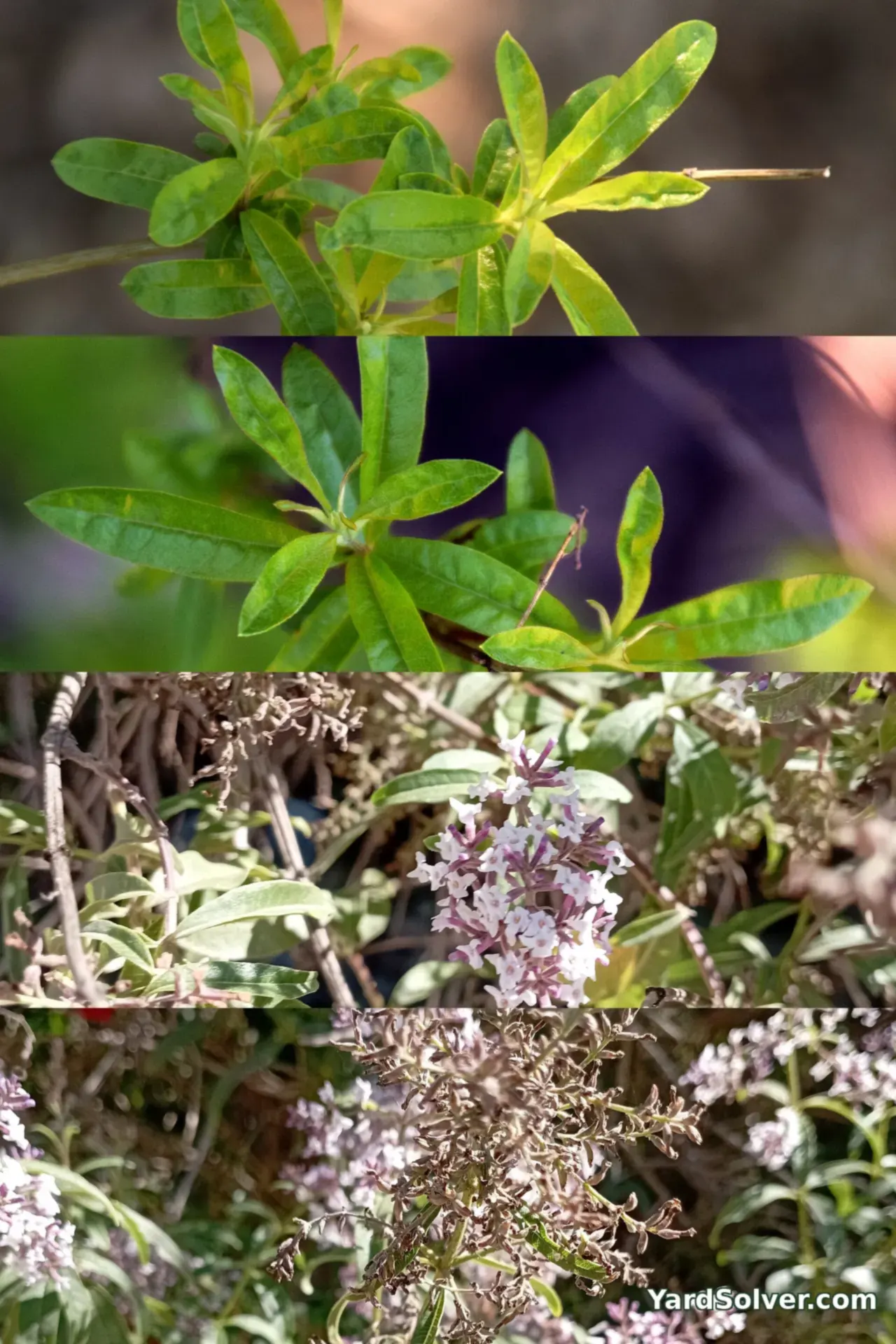
How to plant and grow lemon verbena, step by step
Step 1 — Time it right
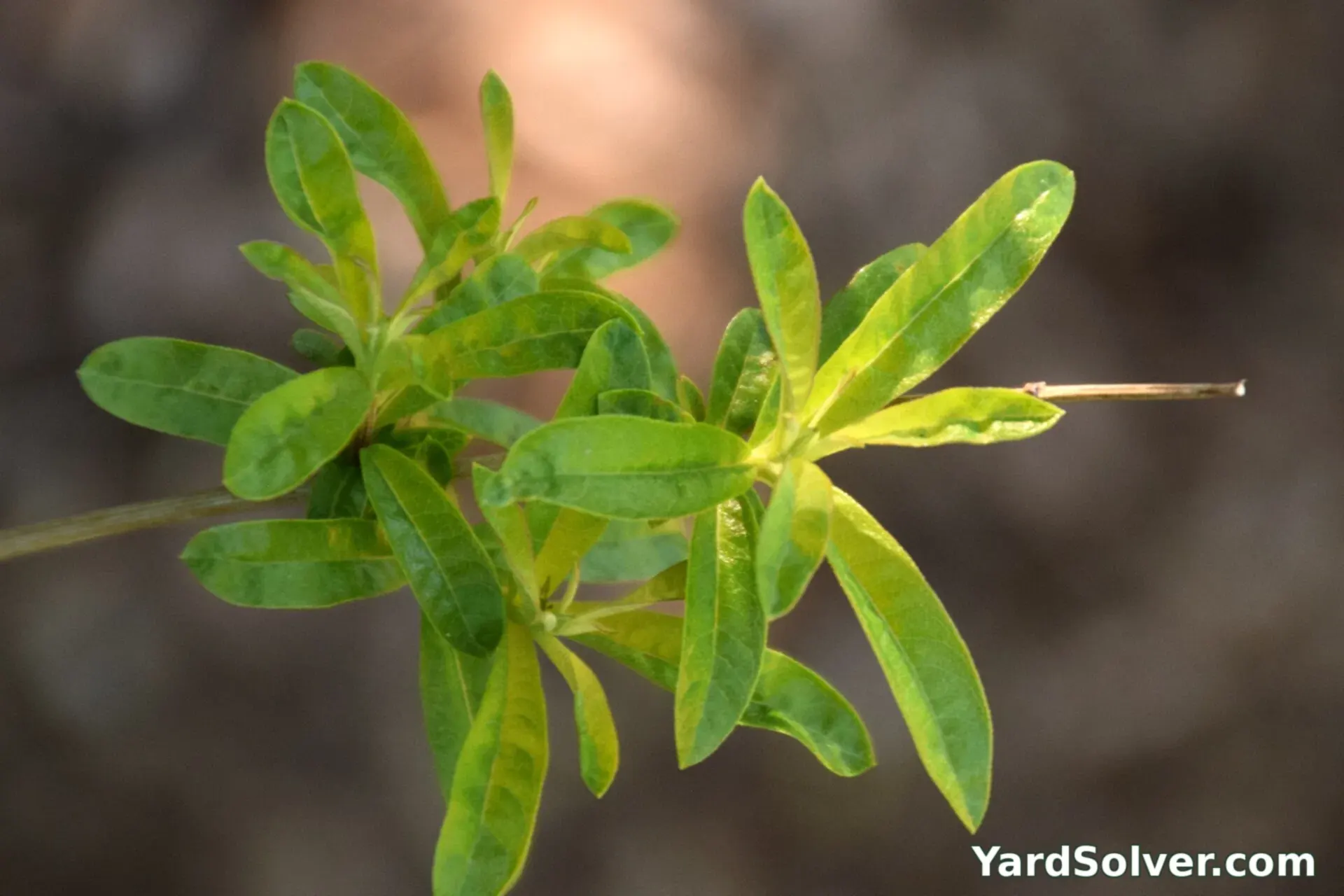
Plant out: after last frost, from a bought plant or a rooted cutting; Sow: not practical — seed is rarely offered and unreliable. All dates count from your average last spring frost — the Planting Calendar turns them into real dates for your garden. Lemon verbena seed is scarce and temperamental; nurseries propagate it from cuttings, and so can you: soft 4 in tip cuttings root in 3–4 weeks in gritty mix on a warm sill. Buy a plant in spring for the fastest start. It is a perennial only in zones 8–11; everyone colder grows it as a pot plant with a winter indoors — a routine it handles gracefully.
Step 2 — Prepare the spot
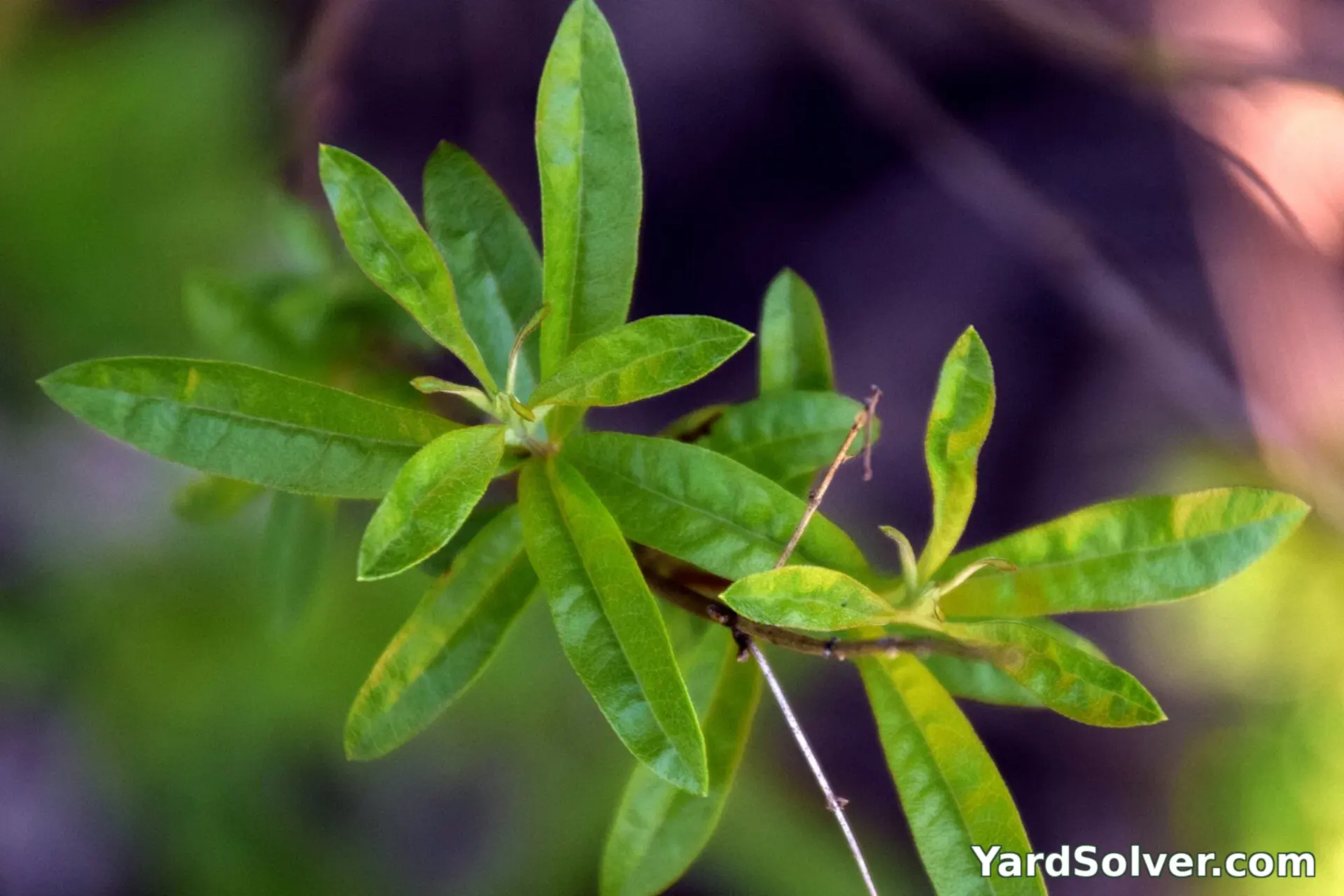
Give it the largest pot you can move (12–14 in minimum), rich free-draining compost, and your sunniest position — ideally by a door or path where sleeves brush the leaves and release the scent. In frost-free ground it becomes a small tree; give it 24 in of room. For a raised bed, the Raised Bed Soil Calculator counts the bags for you; mixing your own? The Garden Soil Calculator gives the compost-rich split to aim for.
Step 3 — Sow and plant out
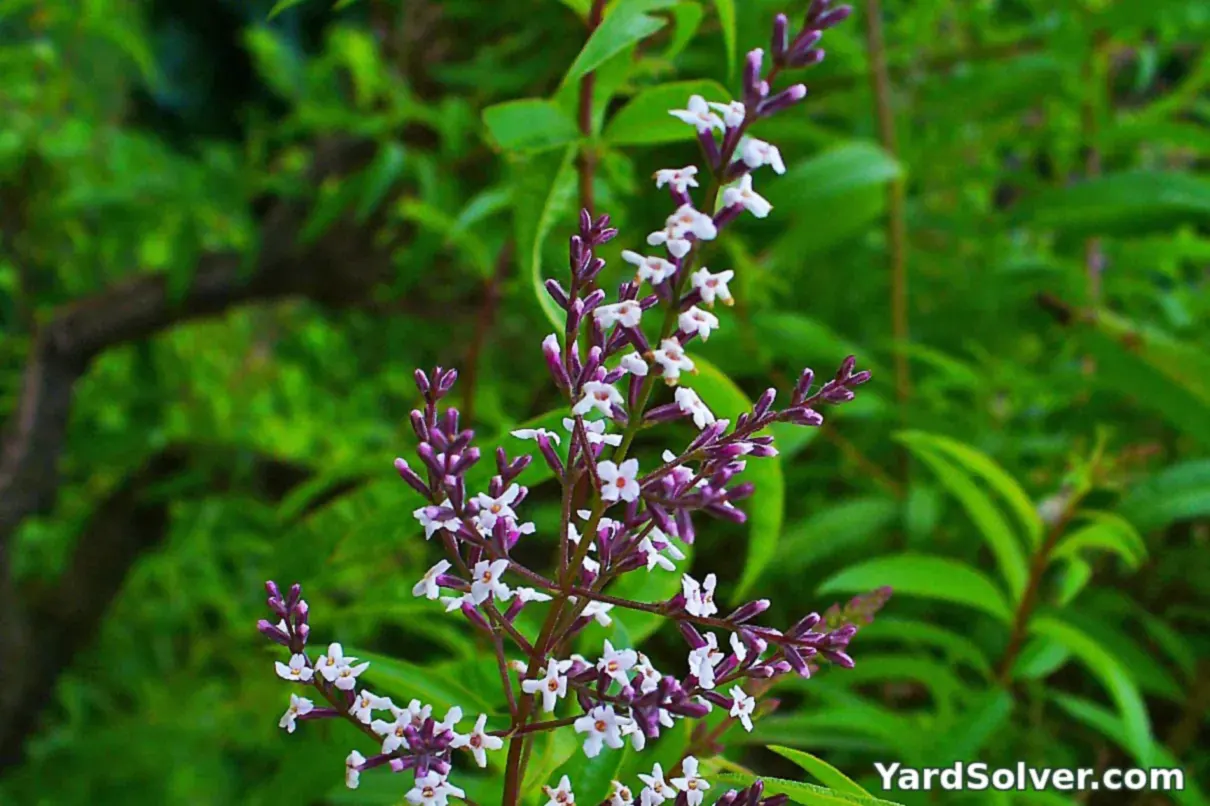
Set the plant at the depth it grew before, firm in, and water well. The Plant Spacing Calculator turns your bed size into an exact plant count. Pinch the tips once planted to start the bushy shape early. Good neighbours: lemon verbena shares a sunny patio happily with lemongrass and bay laurel — the whole tender-herb guild comes indoors together in autumn.
Step 4 — Water and feed
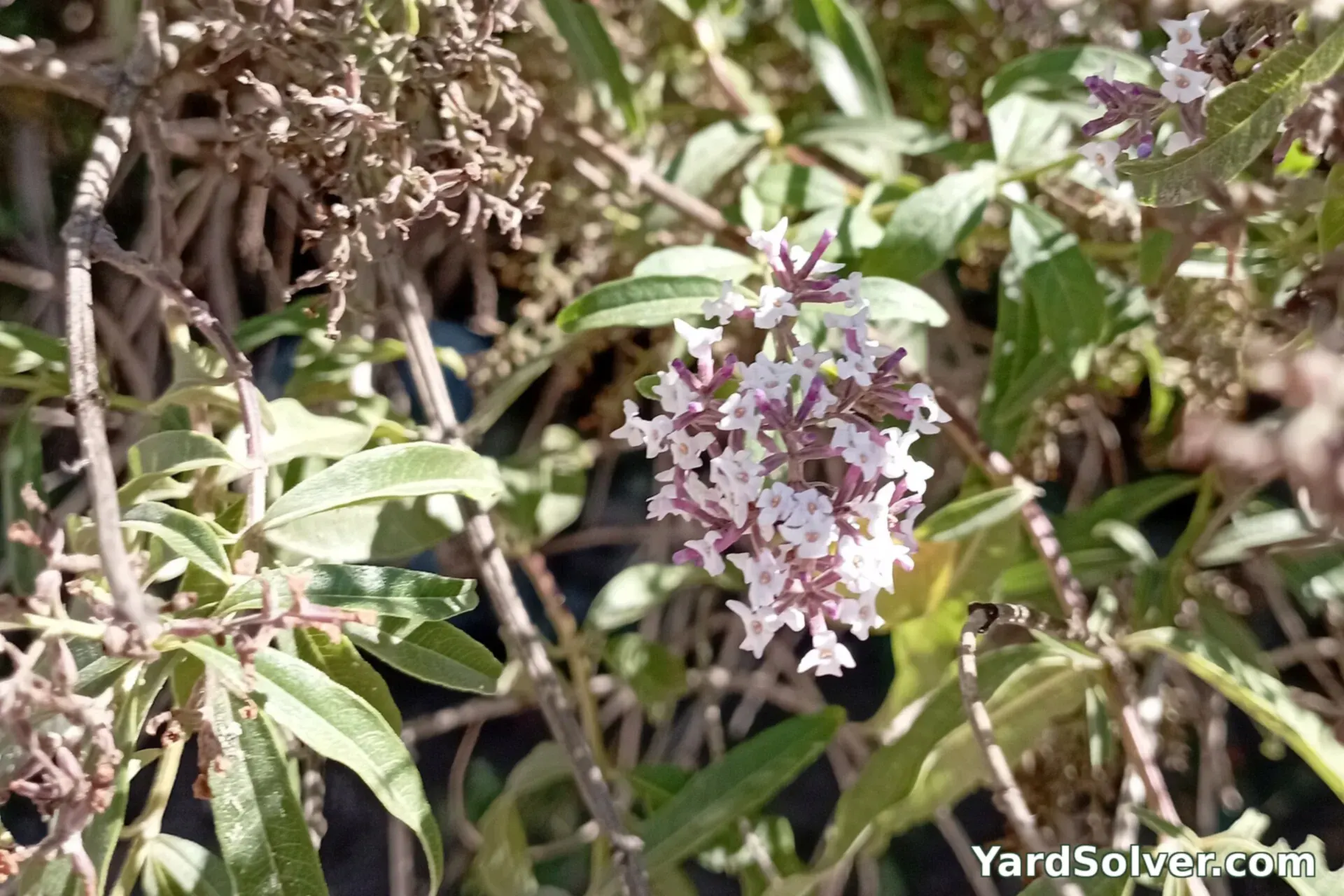
Lemon verbena is a thirsty, hungry plant in summer — the fastest way to scentless, stalled growth is a dry, starved pot. Water whenever the top inch dries, and feed every two weeks with a balanced liquid feed through the growing season — the Fertilizer Calculator turns your bed size into exact amounts. Wilted leaves in a heatwave recover within an hour of a good soak.
Step 5 — Care and the problems to watch for
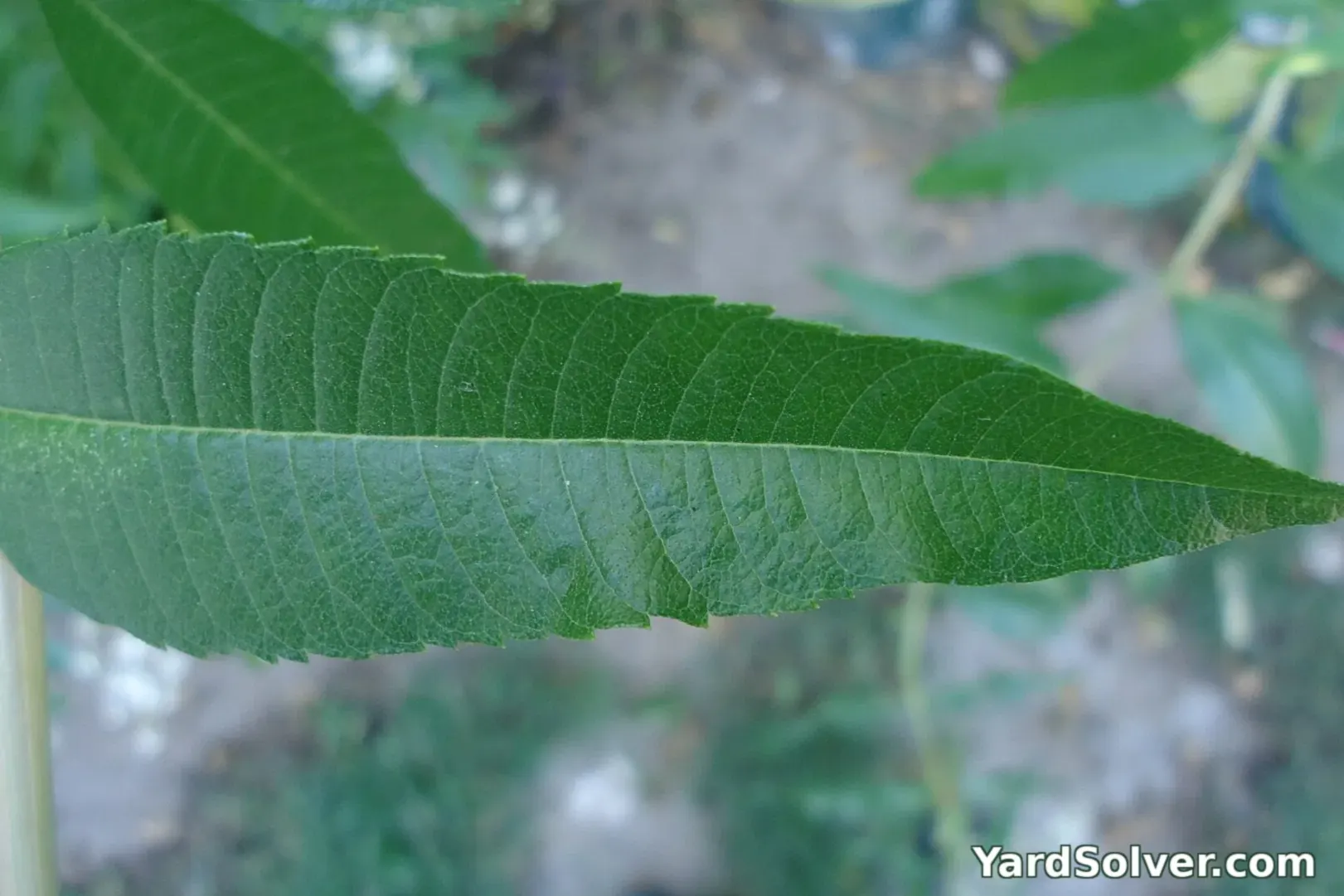
Cut stems for harvest through summer; the plant answers with fresh sideshoots. Indoors over winter it usually drops every leaf — this is dormancy, not death: keep the pot barely moist in a cool bright room and wait for spring buds before watering freely again.
- Whitefly indoors — the classic houseplant pest on verbena; shower the plant and wipe leaves, and keep air moving.
- Leggy, sparse stems — pinch tips and give it more light; verbena wants all the sun there is.
- No spring regrowth — scratch a stem: green under the bark means alive; wait another month before giving up.
Step 6 — Harvest
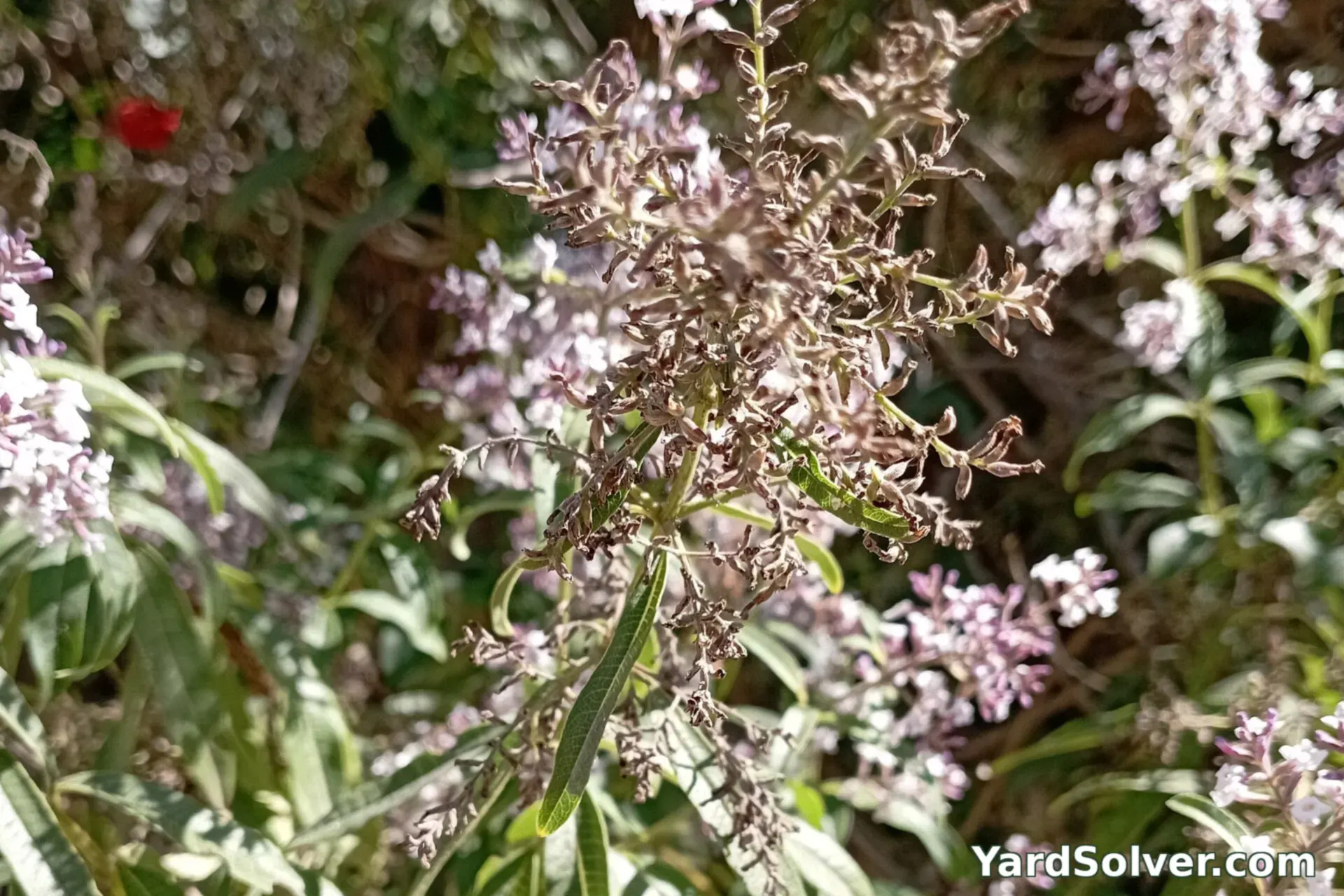
Pick leaves a few at a time all summer for fresh tea and desserts. The main harvest comes in late summer: cut whole stems back by half, strip the leaves and dry them fast in shade — dried lemon verbena keeps its perfume better than almost any herb, so this one cut stocks the winter teapot. A final tidy cut comes before the pot goes indoors.
📅 Your personal Lemon Verbena schedule
Counted from your planting day — not a generic calendar. Day 0 is the day the seed went in the ground or the young plant went out.
Varieties worth growing
| Variety | Colour | Why gardeners like it |
|---|---|---|
| Aloysia citrodora | Bright green, intensely lemon | The true species — the one and only lemon verbena for tea; nurseries sell it unnamed. |
| Freshman | Compact, green | A naturally tidier, shorter selection for small pots and patios. |
| Verbena bonariensis (not this herb) | Purple, tall and airy | A namesake to avoid confusing — a fine border flower, but not a lemon herb at all. |
Good for you — and take care
Benefits
- The strongest, cleanest lemon flavour of any garden leaf — supreme for tea.
- Dried leaves hold their scent for months, unlike most herbs.
- A beautiful, scented patio shrub where you brush past it.
Take care
- Tender — bring pots indoors before frost below zone 8.
- Loses its leaves indoors in winter; that is dormancy, not death.
- Seed is a dead end — always start from a plant or cuttings.
A little history — and one good fact
Lemon verbena travelled from South America to Spain in the 1700s and promptly conquered European gardens and teacups — Spanish ladies scented gloves with it, and Victorian gardeners planted it by every parlour window. Its species name, citrodora, simply celebrates the citron scent.
Fun fact: In 'Gone with the Wind', lemon verbena is Scarlett O'Hara's mother's favourite scent — the herb had become a symbol of gracious Southern gardens by then.
Keep going
Guides: How to dry herbs · Companion planting basics · Succession planting
Calculators: Plant Spacing Calculator · Garden Mix Calculator · Fertilizer Calculator
More herbs: Lemon Balm · Citronella Grass · Lemongrass · Bay Laurel
← Back to the Plant Library · Get your personal planting dates
Questions people ask
Why did my lemon verbena lose all its leaves indoors?
That is normal winter dormancy, not death. Keep the pot in a cool, bright room, water only enough to stop the compost going bone dry, and wait — fresh buds appear in spring, and growth then takes off.
Can you grow lemon verbena from seed?
Practically no — viable seed is rarely sold and results are poor. Buy a young plant, or root soft tip cuttings in late spring; they strike in a few weeks in gritty mix.
How do I keep lemon verbena over winter?
Below zone 8, bring the pot indoors before the first frost. It will rest leafless through winter in a cool bright spot; resume watering and feeding when buds swell in spring, and harden it off before it goes back outside.
The most lemon of all the lemon herbs — and the tenderest: a pot plant that must come in before the frost
Lemon verbena (Aloysia citrodora) carries a stronger, cleaner lemon scent than lemon balm, lemongrass or lemon thyme — its dried leaves keep the fragrance for months, which is why it anchors potpourri and herbal teas. The trade is tenderness: it is a South American shrub that loses its leaves at the first touch of cold and is killed outright by a hard frost, so in temperate gardens it lives in a pot that winters under cover.
Wintering is the skill. Brought into a cool, bright spot — or even kept barely frost-free and dormant, when it may drop every leaf and still resprout from the base in spring — it survives; kept in a warm, dim room it weakens. Through summer it wants sun, regular water and pinching to stay bushy rather than lanky, and cuttings taken in summer root easily as insurance.
The worked example: a potted verbena summered in full sun and wintered cool and bright typically lives for years and scents every harvest. The same plant left outside through the first hard frost is typically dead wood by spring — the whole art of lemon verbena is the autumn move indoors, made on time.
Sources
Key facts on this page — timing, spacing and care — cross-checked against Lemon verbena — Wikipedia — background on lemon verbena, its scent and its tenderness.
Related page
Read next: How to Bring Plants Indoors for Winter (Without the Bugs).
Comments & ratings
No comments yet.
Be the first to share your experience.