
Plant Library · Herbs · By Faizan Ahmad
💙 How to Grow Borage
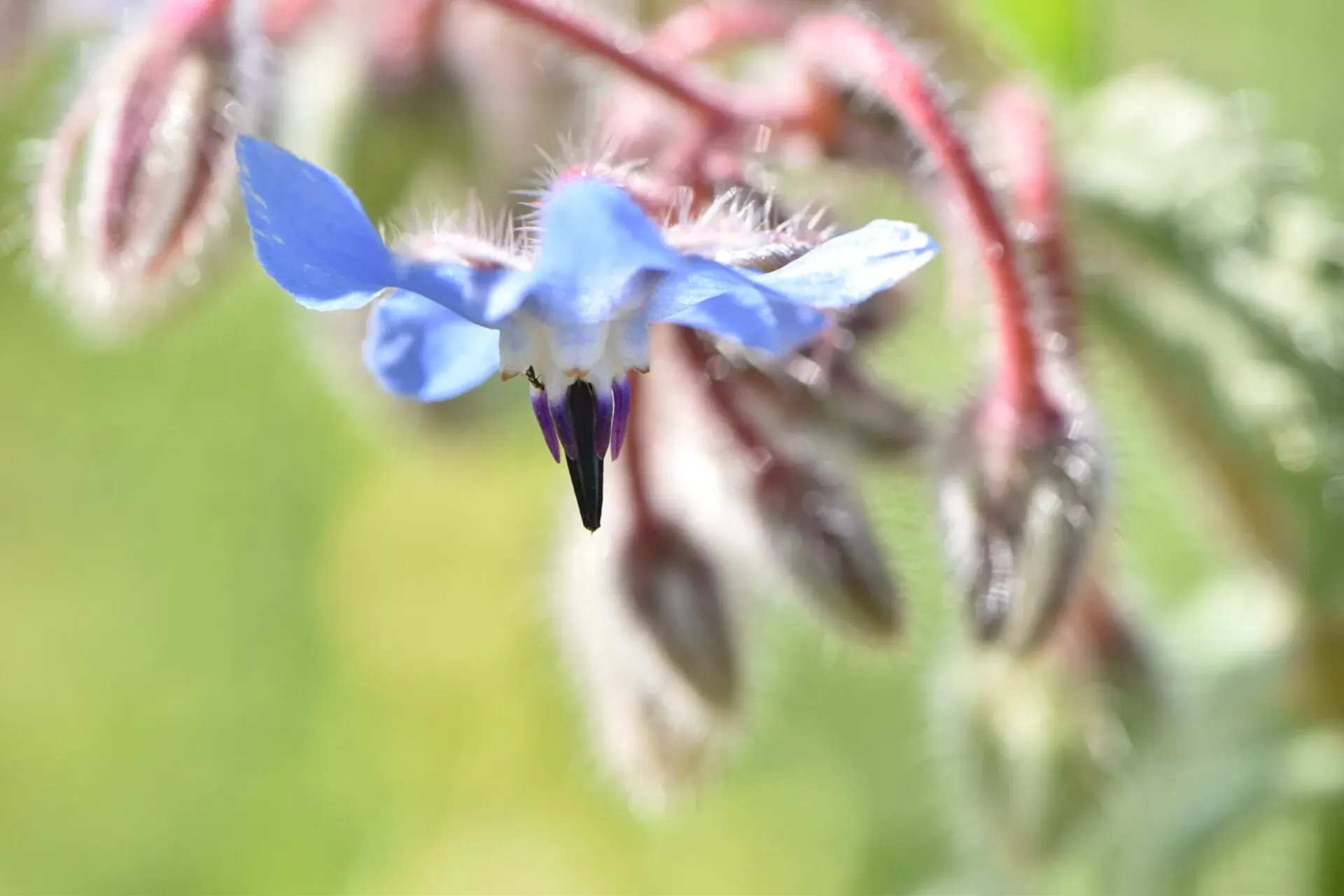
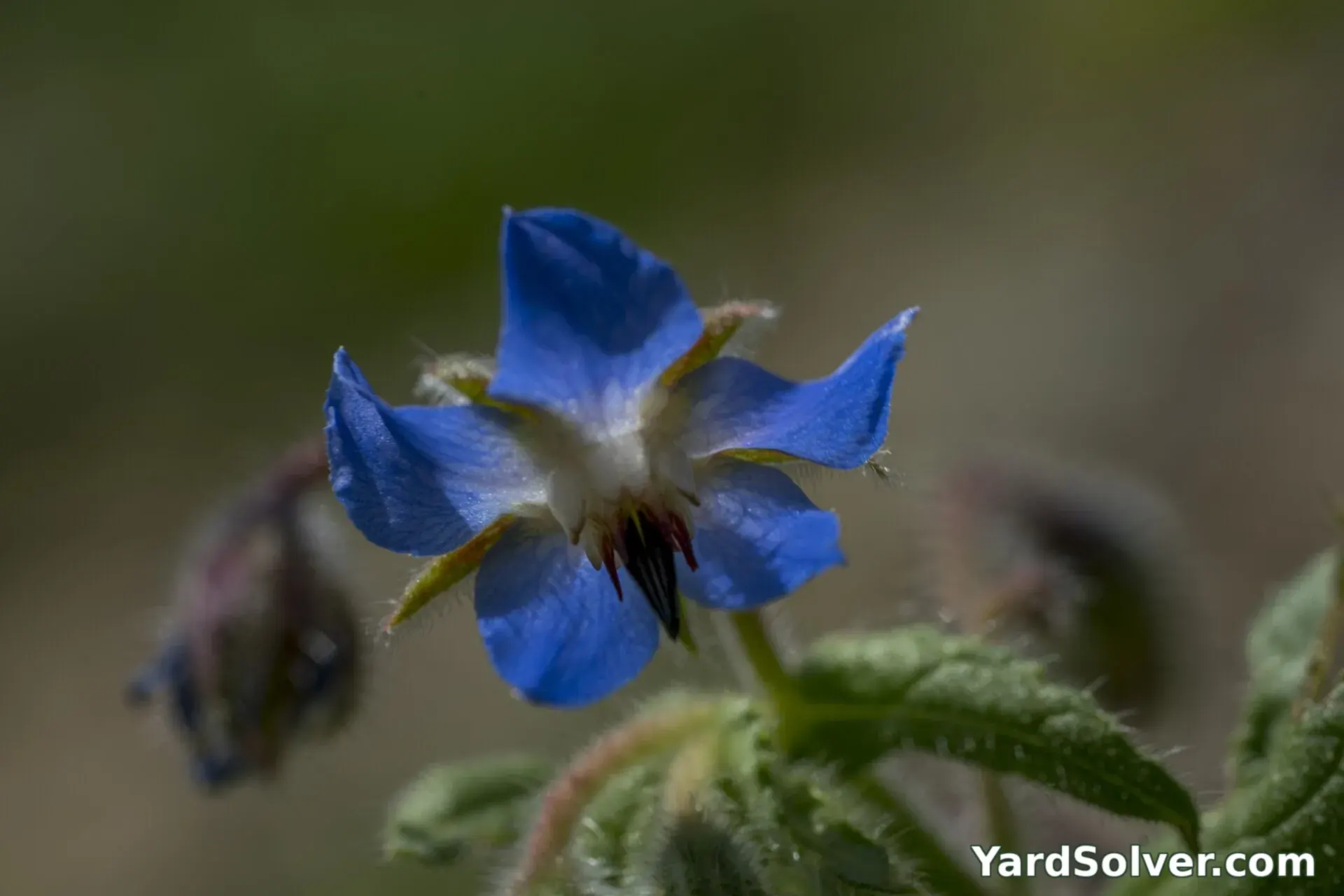
The cucumber-flavoured herb with true-blue star flowers — sow it once and it will keep itself going for years. Borage (Borago officinalis) is a big, generous annual: bristly stems, sky-blue stars the bees adore, and young leaves and flowers that taste of cool cucumber. It self-sows with enthusiasm, so plant it where a returning patch is a pleasure, not a problem.
Grow Borage with us — step by step
Everything for this plant is written step by step below — what to do, and exactly when. Read it through first if you like: you can grow it entirely on your own with that guide. Or start with us here — tell us your planting day and we lay out your personal schedule on this page, every next step on its own day, counted from your planting date. No guessing, no forgetting.
Step 1 — today: Sow borage seed in deep pots indoors, or straight in the ground after frost — its taproot dislikes being moved once it grows.
Borage at a glance
Sow indoors: 4 weeks before last frost
Move outside: 1 week after last frost
Sow outdoors: At last frost
Spacing · Seed depth: 18 in apart · 1/2 in deep
Sun: Full sun to part shade
Water: Moderate — drought-tolerant once established
Harvest: Young leaves from about 55 days; flowers as they open
Timing counts from your average last spring frost — get your own dates in the Planting Calendar. Guidance follows standard extension-service practice for Canada and the US.
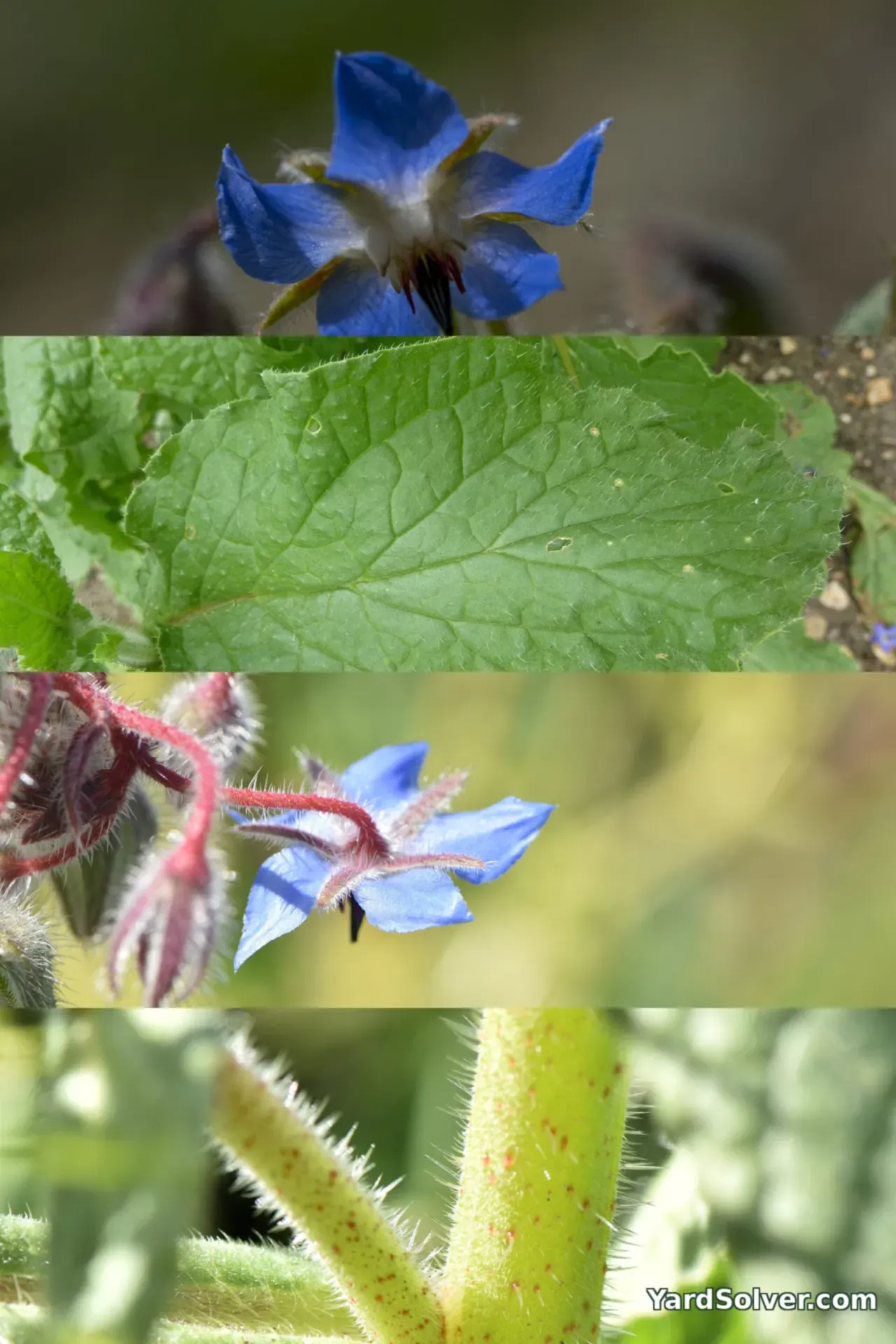
How to plant and grow borage, step by step
Step 1 — Time it right
Sow indoors: 4 weeks before last frost; Move outside: 1 week after last frost; Sow outdoors: at last frost. All dates count from your average last spring frost — the Planting Calendar turns them into real dates for your garden. Borage is a fast annual: from sowing to flowers in about 8 weeks. Because it grows a long taproot, it transplants badly once large — sow in deep individual pots if you start indoors, and plant out while seedlings are still small, or simply sow where it will grow. Germination is easy and quick (7–10 days) as the seed prefers darkness, so cover it properly, about 1/2 in deep.
Step 2 — Prepare the spot
Borage is a big plant — waist-high and as wide — so place it at the back of a border or in a roomy vegetable-garden corner. It tolerates poor soil happily and often grows strongest where little else is pampered. Fork the ground over, remove big weeds, and that's about all the preparation it asks. For a raised bed, the Raised Bed Soil Calculator counts the bags for you; mixing your own? The Garden Soil Calculator gives the compost-rich split to aim for.
Step 3 — Sow and plant out
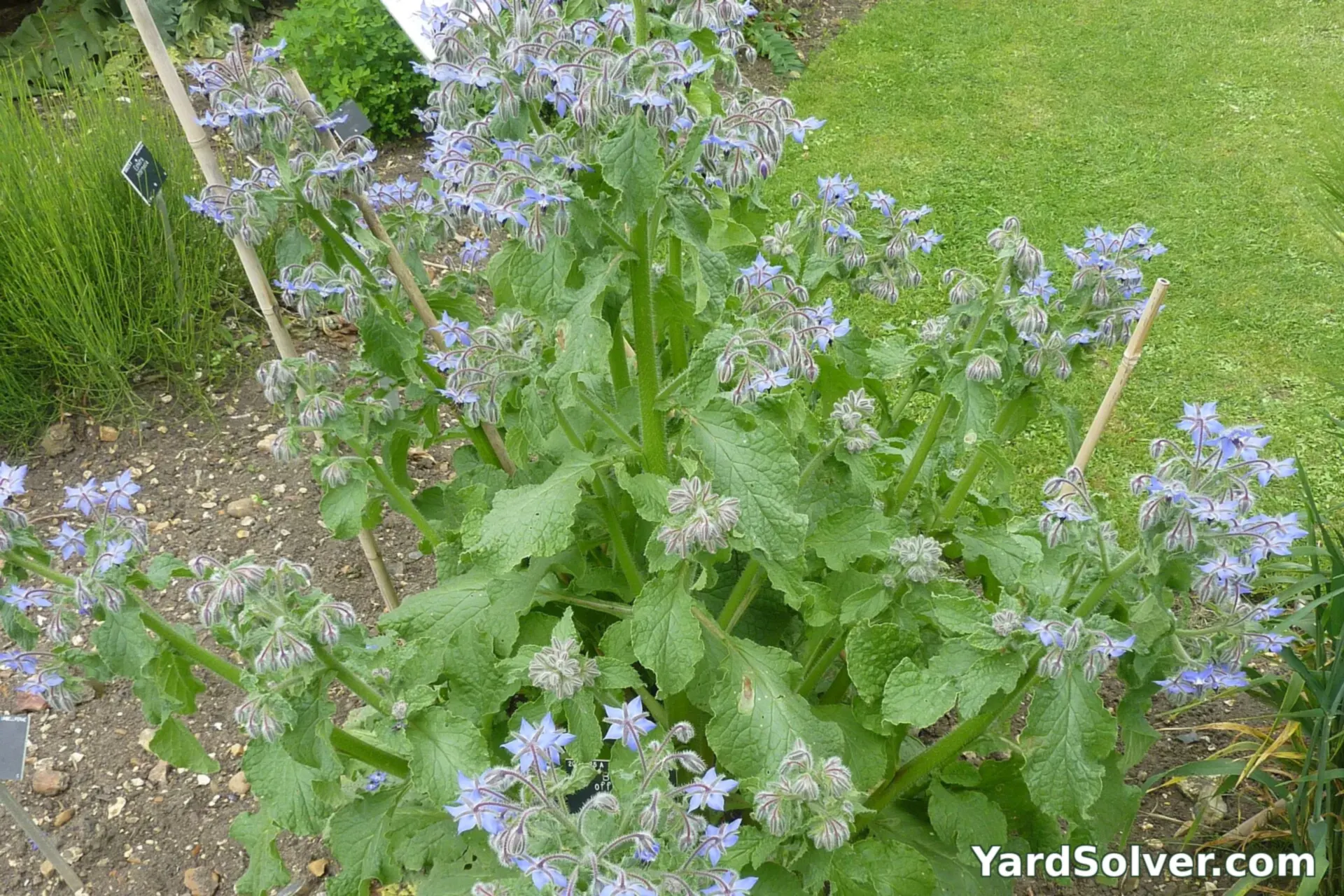
Set plants or thin direct sowings to 18 in apart. The Plant Spacing Calculator turns your bed size into an exact plant count. Good neighbours: borage is the textbook companion for cucumbers and squash — its flowers keep bees working the patch — and old herbals pair it with strawberries and tomatoes. Position it where its self-sown children will be welcome next year.
Step 4 — Water and feed
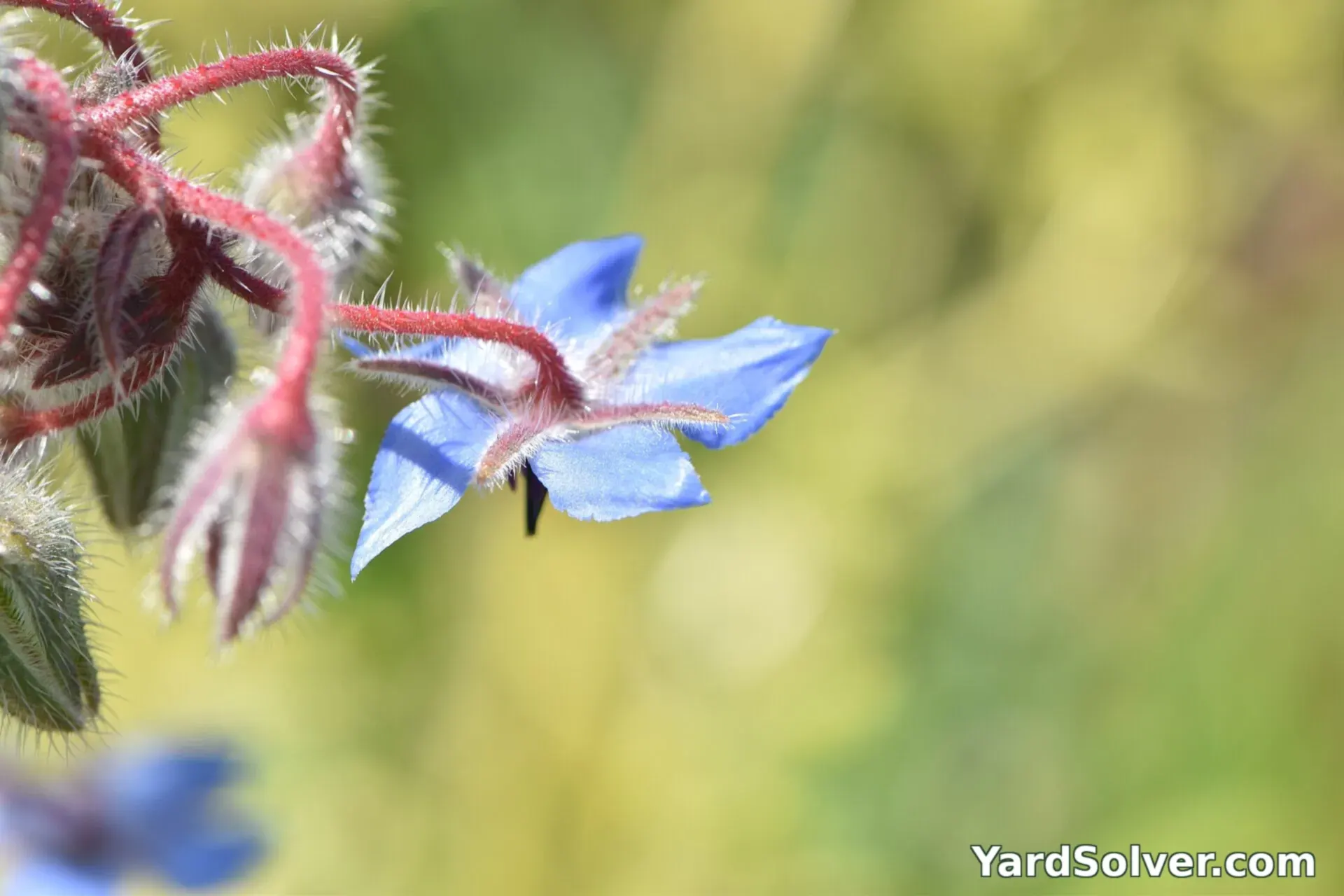
Water to establish, then only in serious drought — the deep taproot finds its own moisture. Borage needs no feeding; if anything, rich soil just makes a bigger, floppier plant. A mulch keeps its fallen leaves off the soil and the patch tidy. If leaves yellow in a pot, one light feed is enough — the Fertilizer Calculator turns your bed size into exact amounts.
Step 5 — Care and the problems to watch for
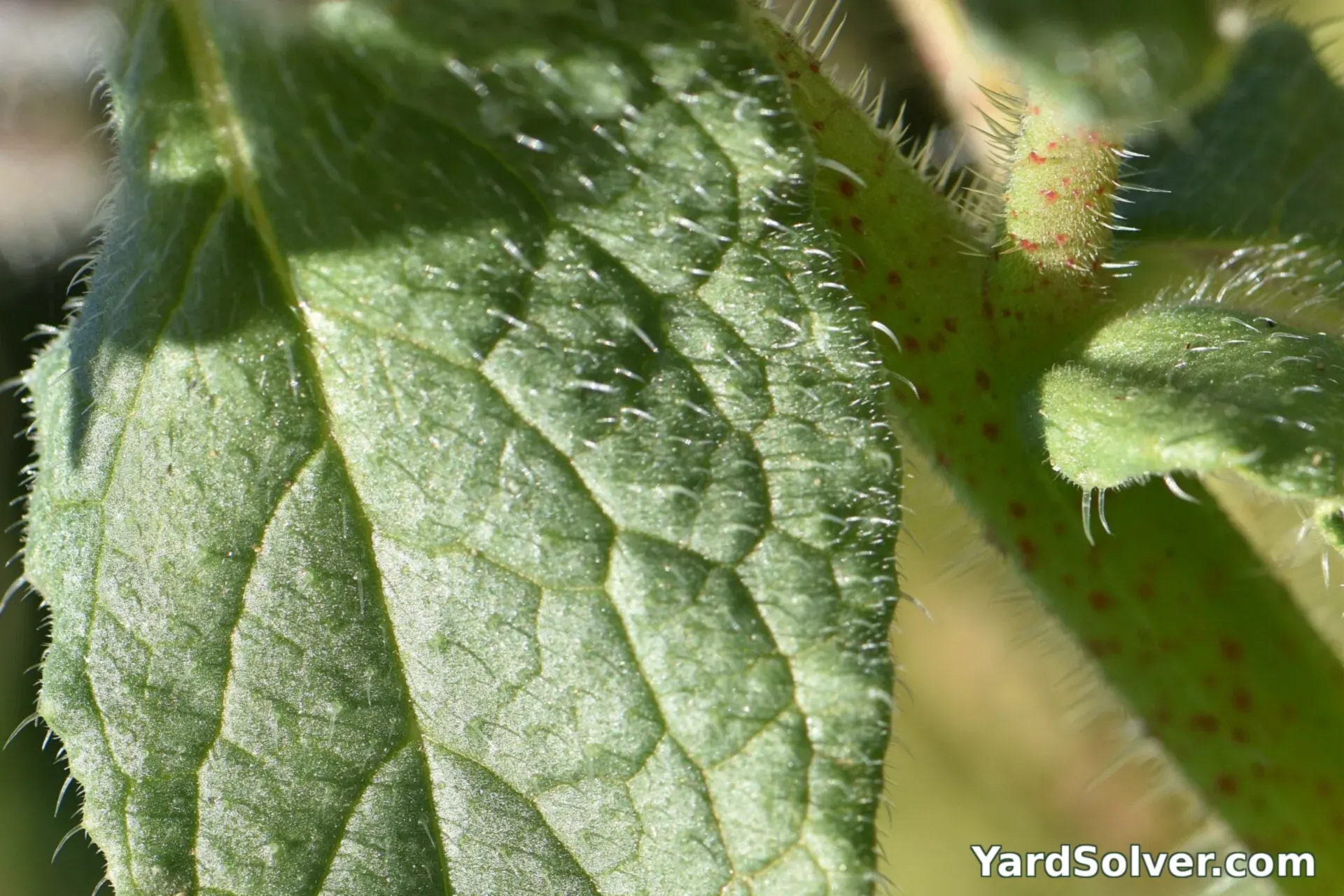
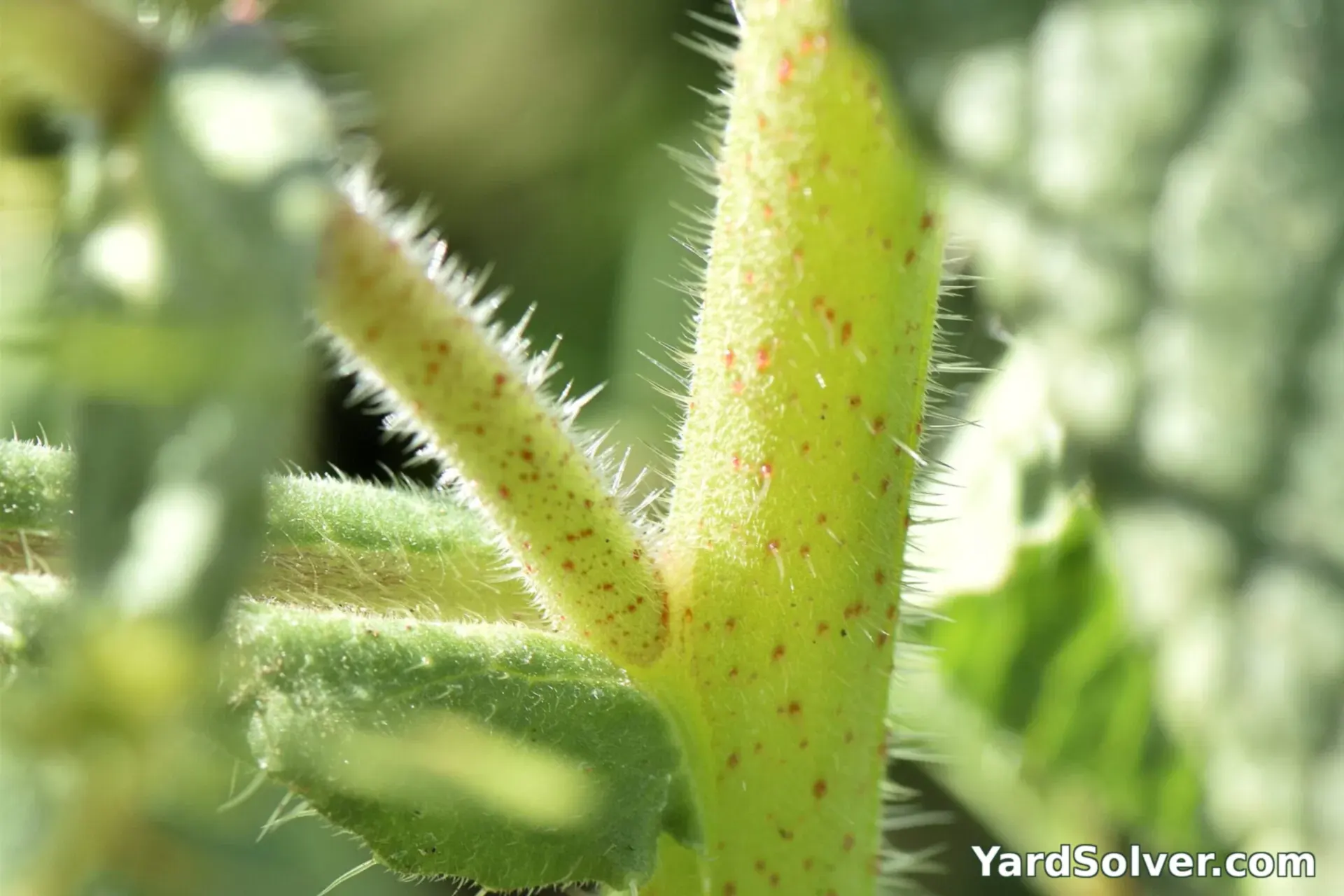
Borage mostly looks after itself. Tall plants in windy spots may need a discreet stake. Wear gloves for big jobs — the bristly hairs irritate some skin.
- Self-sown seedlings everywhere — deadhead most flower heads and let just one plant seed, or embrace the wander.
- Powdery mildew late in summer — common on tired plants; pull them out — fresh self-sown youngsters are usually clean.
- Flopping stems — too rich a soil or too much shade; grow it leaner next year.
Step 6 — Harvest
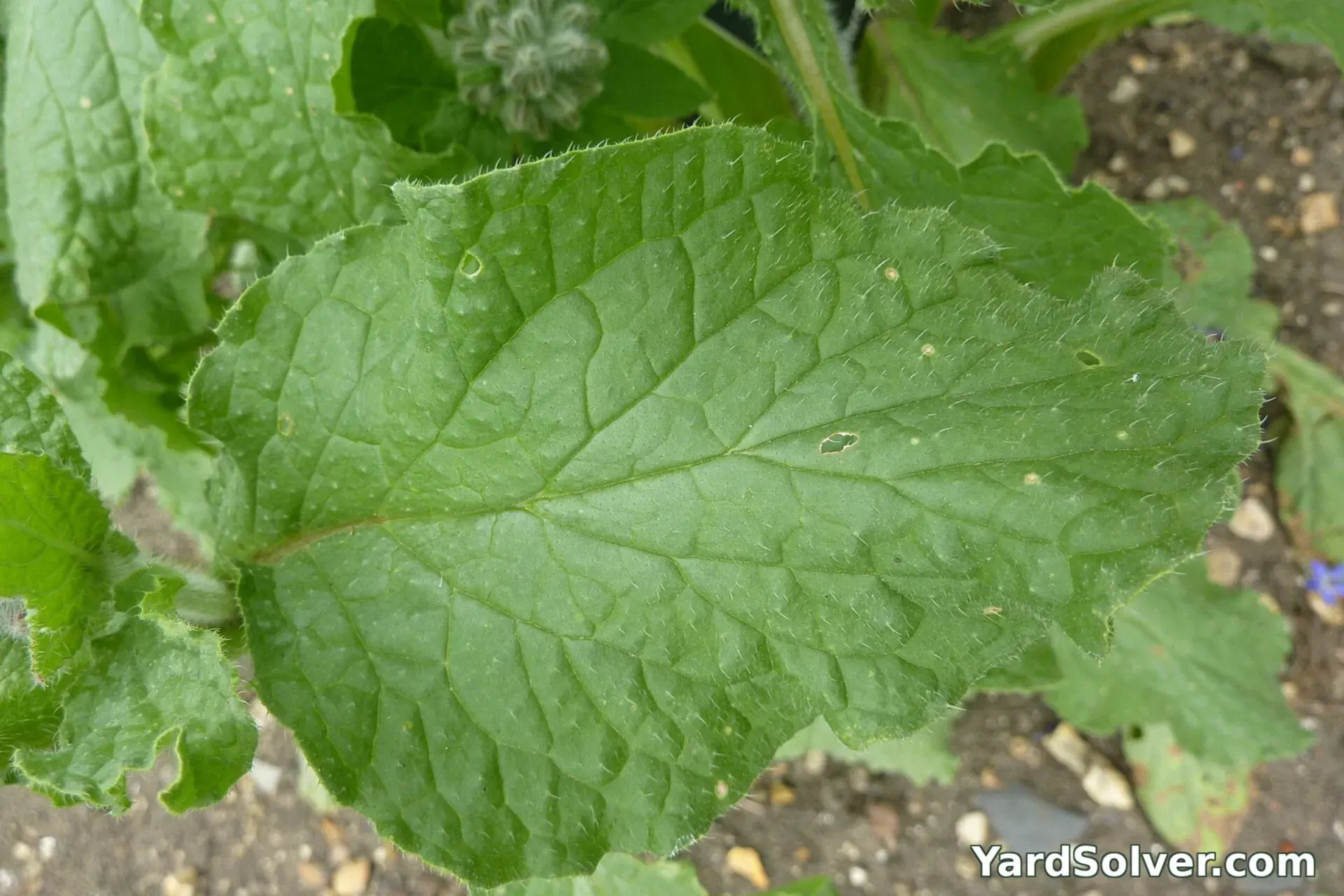
Pick young, tender leaves for salads and sandwiches — older leaves are too bristly to enjoy raw. The flowers are the prize: snip them fresh, float them on drinks, scatter over salads, or freeze them in ice cubes for summer glasses. Everything tastes faintly of cucumber. A second sowing in mid-summer keeps young leaves coming after the spring patch coarsens.
📅 Your personal Borage schedule
Counted from your planting day — not a generic calendar. Day 0 is the day the seed went in the ground or the young plant went out.
Varieties worth growing
| Variety | Colour | Why gardeners like it |
|---|---|---|
| Blue borage | True-blue stars | The classic type — the bluest flowers and the best bee plant. |
| Alba | White stars | A white-flowered form that looks fresh in moonlit and white gardens. |
| Tall blue seed strain | Blue, extra vigorous | Standard seed-raised stock — big plants for the vegetable garden. |
Good for you — and take care
Benefits
- One of the finest bee plants you can grow — flowers refill with nectar remarkably fast.
- Flowers and young leaves bring a cool cucumber flavour to salads and drinks.
- Self-sows reliably, so the patch renews itself without effort.
Take care
- Occasional culinary use only — the leaves contain trace alkaloids; avoid in pregnancy.
- Bristly stems can irritate skin; wear gloves for big clear-outs.
- Deadhead unless you want seedlings — it self-sows with enthusiasm.
A little history — and one good fact
Borage has a reputation for courage — Roman soldiers were given borage wine before battle, and the saying 'I, borage, bring always courage' followed it through medieval herbals. Celtic and Welsh names for it carry the same meaning: the herb of gladness.
Fun fact: Borage flowers were a favourite motif in Renaissance embroidery and illuminated manuscripts — and their blue was so prized that artists ground the petals in search of the perfect pigment.
Keep going
Guides: Pollinator garden guide · Companion planting basics · Crop rotation basics
Calculators: Plant Spacing Calculator · Garden Mix Calculator · Fertilizer Calculator
More herbs: Chamomile · Calendula · Catnip · Anise Hyssop
← Back to the Plant Library · Get your personal planting dates
Questions people ask
Is borage safe to eat?
In normal culinary amounts — a few fresh flowers or young leaves in a salad — borage is a traditional food herb. Because the leaves contain trace alkaloids, treat it as an occasional treat rather than a daily staple, and avoid it during pregnancy.
Will borage come back next year?
The plants are annuals, but borage self-sows so freely that the patch returns on its own. Leave one plant to drop seed in autumn and you'll find seedlings in spring — thin or move them to where you want them.
Why do bees love borage so much?
Borage flowers refill their nectar unusually fast after a bee visits — within minutes rather than hours — so a borage patch offers food all day long, and bees learn to patrol it.
Sow it where it will grow, then let it sow itself: borage is a one-packet plant if you respect the taproot
Borage resents transplanting because it puts down a taproot early, and a disturbed seedling sulks for weeks — so the reliable method is to sow it directly where it is to flower, thin to spacing, and then step back. It grows fast in warm soil, fills its corner with hairy, grey-green leaves, and produces star-shaped blue flowers over a long season. Those flowers refill with nectar within minutes of a bee emptying them, which is why borage has been planted beside strawberries, beans and squash for centuries: few plants pull pollinators into a vegetable garden as dependably, and fruit set on the crops around it is visibly better for its company.
Once it has flowered in your garden it will seed itself with enthusiasm, and the gardener's real job becomes editing rather than planting: seedlings appear in paths, pots and the middle of other beds, and five minutes with a hoe in spring decides where this year's patch stands. The leaves and flowers are edible with a cool cucumber flavour — young leaves in salads, flowers frozen in ice cubes or scattered over drinks — but pick leaves young, because older foliage is coarse and fiercely hairy. In rich soil with generous water the plant can sprawl to a metre across; in poor, dry ground it stays smaller and flowers just as hard.
The worked example: one spring sowing, thinned once and left to seed, commonly gives a self-renewing borage corner for years from a single packet. The same seed started in small pots and transplanted late typically gives stunted plants that flower at half size and never catch up. With borage the seed is cheap and the taproot is non-negotiable — sow in place, and let the plant do the rest.
Sources
Key facts on this page — timing, spacing and care — cross-checked against NC State Extension Plant Toolbox — Borago officinalis (borage) — culture, spacing and care requirements.
Related page
Read next: Native Plants: Benefits, Regional Picks & How to Grow.
Comments & ratings
No comments yet.
Be the first to share your experience.