
Plant Library · Flowers · By Faizan Ahmad
🌸 How to Grow Foxglove
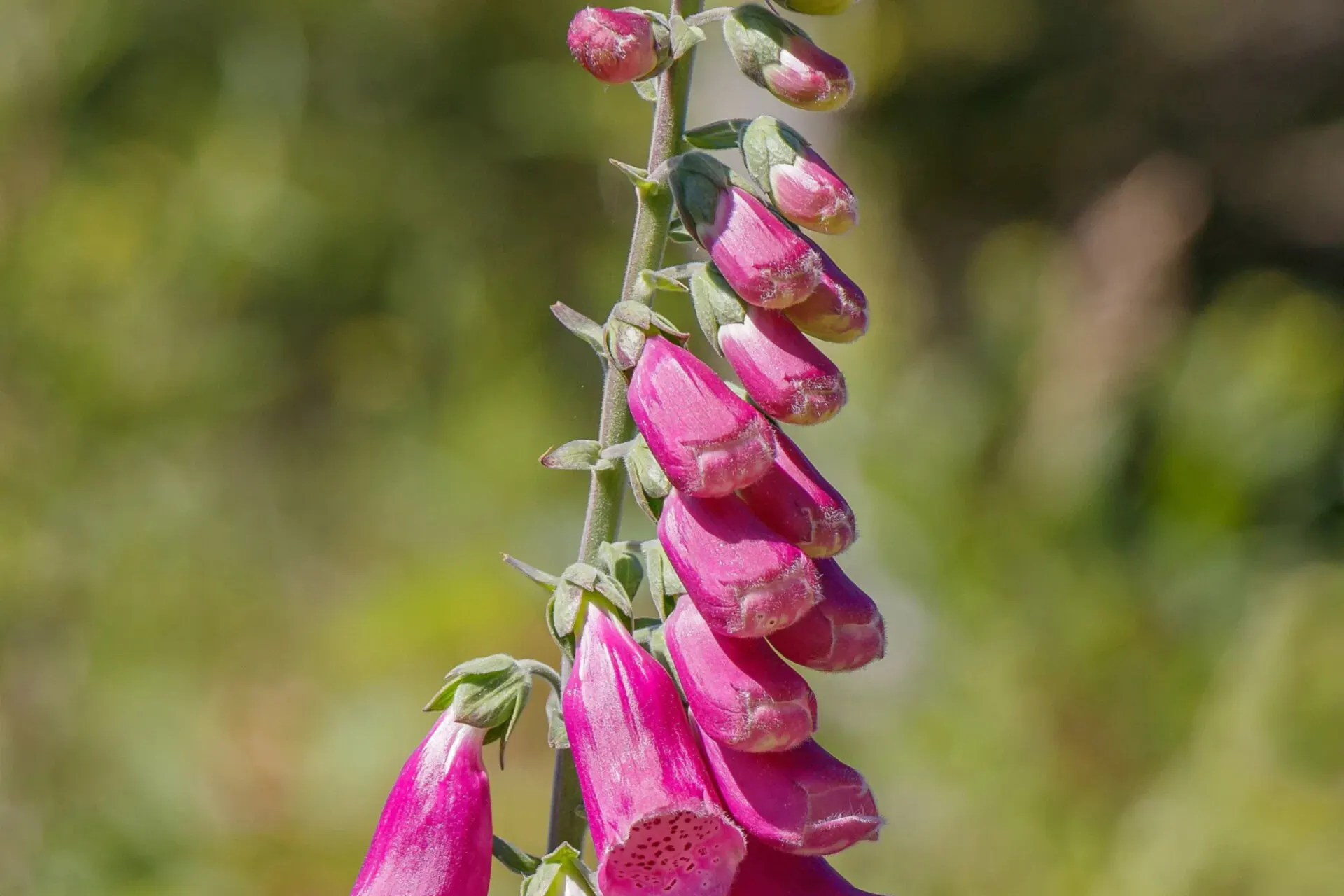
Thimble-spires for bees in the June garden — the cottage classic that runs on a two-year clock. Foxglove (Digitalis purpurea) is a biennial: sow in summer, rosette through winter, and a 5 ft spire of bells the following June. It is also genuinely poisonous — the source of the heart drug digitalis — so it is grown with respect: admired, never eaten, and sited away from grazing animals.
Grow Foxglove with us — step by step
Everything for this plant is written step by step below — what to do, and exactly when. Read it through first if you like: you can grow it entirely on your own with that guide. Or start with us here — tell us your planting day and we lay out your personal schedule on this page, every next step on its own day, counted from your planting date. No guessing, no forgetting.
Step 1 — today: Sow foxglove seed on the surface of seed trays in early summer — one pinch of dust seed makes a whole border's worth.
Foxglove at a glance
Sow indoors: In pots in late spring to early summer
Move outside: Plant out in autumn
Sow outdoors: Early summer, in a nursery bed or in place
Spacing · Seed depth: 15 in apart · surface — seed needs light
Sun: Part shade to full sun
Water: Regular — a woodland-edge plant that likes moisture
Bloom: June of the second year; deadhead for side spikes, or let it self-sow
Timing counts from your average last spring frost — get your own dates in the Planting Calendar. Guidance follows standard extension-service practice for Canada and the US.
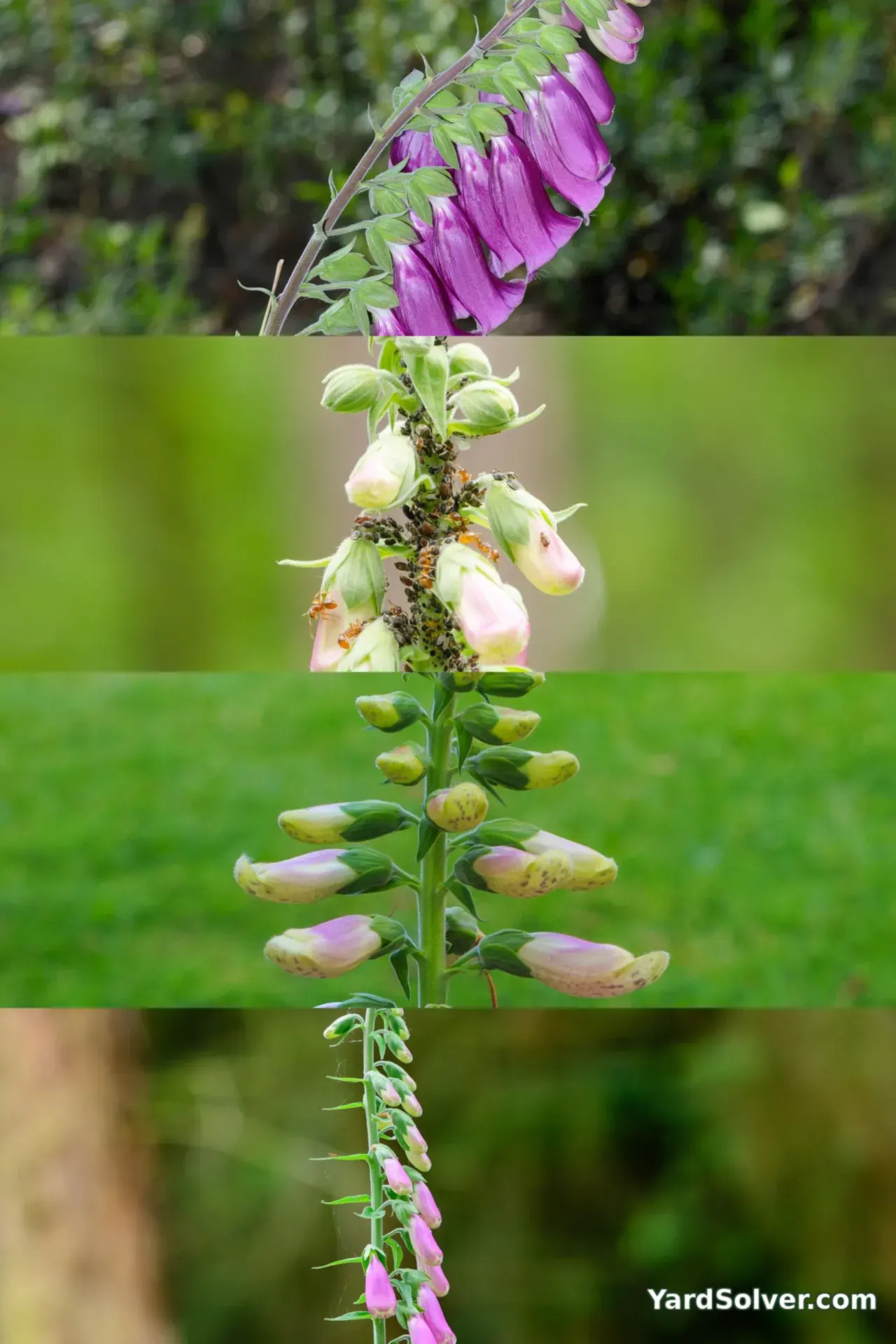
How to plant and grow foxglove, step by step
Step 1 — Time it right
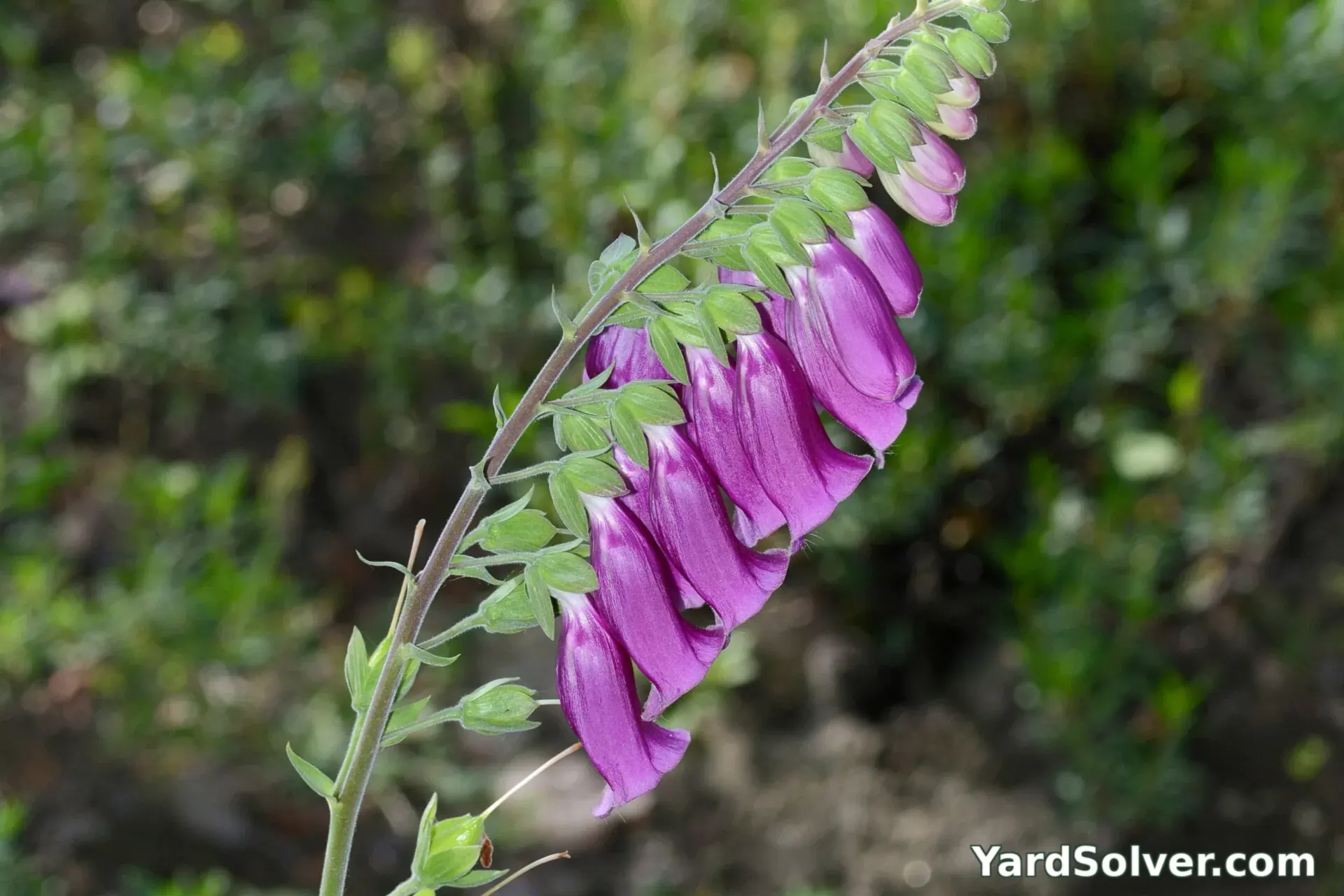
Sow outdoors: in early summer, in a nursery bed or in place; Plant out: in autumn, where they will flower next June; Sow indoors: in pots in late spring if you prefer. All dates count from your average last spring frost — the Planting Calendar turns them into real dates for your garden. Foxglove seed needs light and germinates in 14–21 days at room temperature. The biennial clock is the thing to internalise: this year's seedlings are next year's spires. Some modern strains (the 'Foxy' and Dalmatian types) can flower in their first year from a very early sowing, but the classic, tallest foxgloves follow the two-year plan — and self-sow afterwards so the garden never lacks them.
Step 2 — Prepare the spot
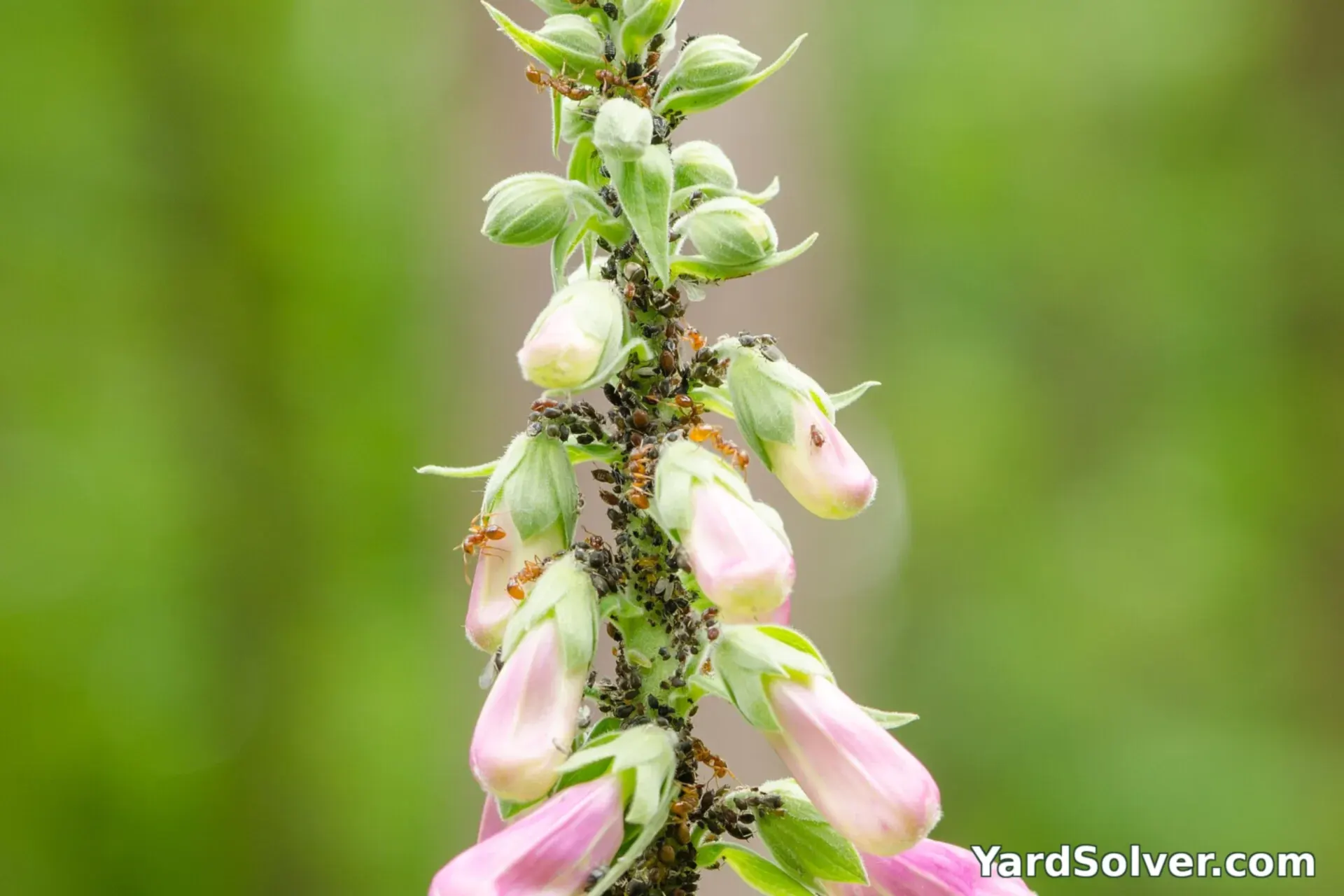
Foxglove is a plant of woodland edges and hedge bottoms: moisture-retentive soil rich in leaf mould, in part shade or sun where the ground stays damp. It naturalises happily at the back of borders, under light trees, and along fences. Dig in compost or leaf mould where the soil is thin. For a raised bed, the Raised Bed Soil Calculator counts the bags for you; mixing your own? The Garden Soil Calculator gives the compost-rich split to aim for.
Step 3 — Sow and plant out
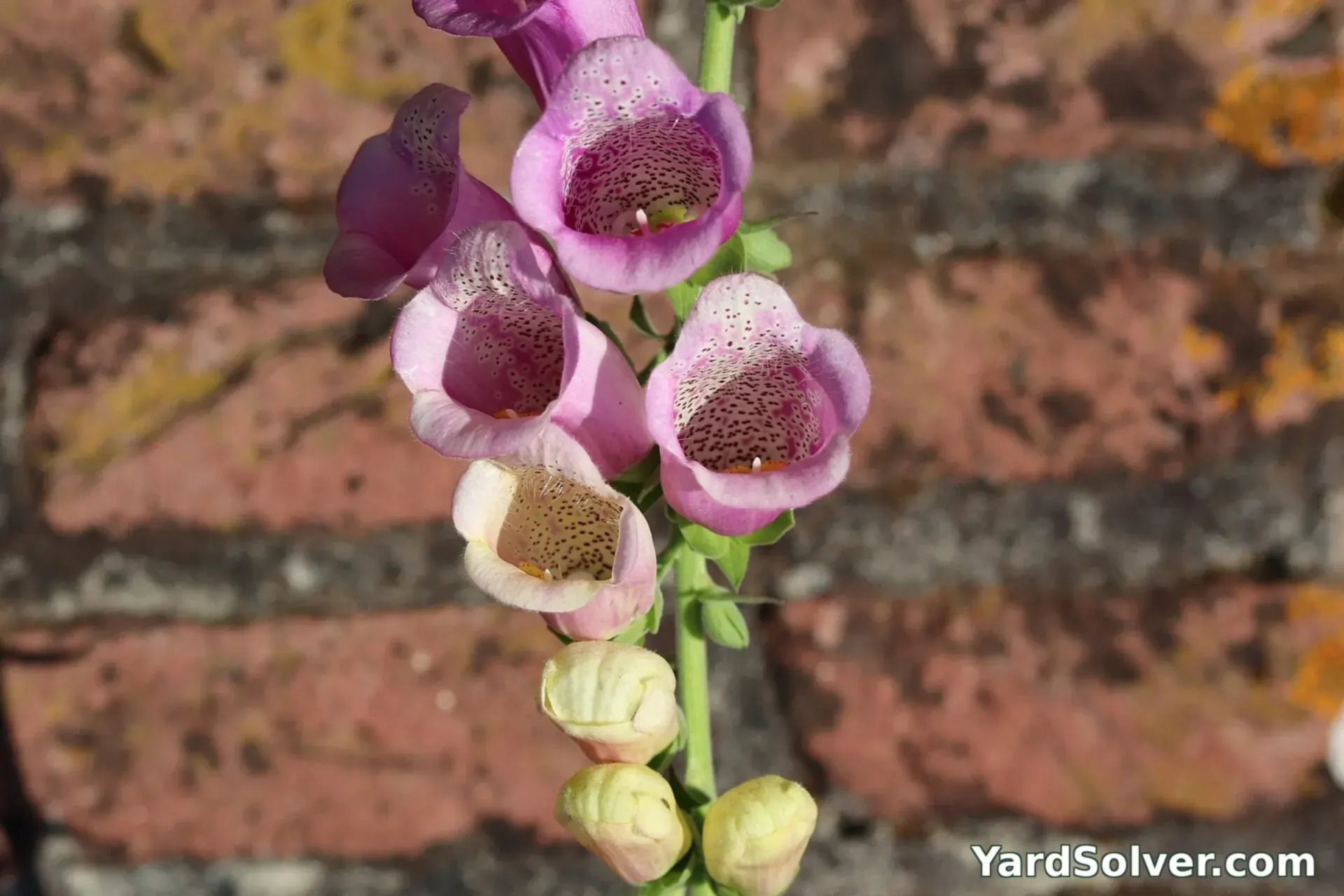
Plant autumn rosettes 15 in apart, crown precisely at soil level (buried crowns rot). The Plant Spacing Calculator turns your bed size into an exact plant count. Water them in and let winter do its work. Good neighbours: foxgloves are the June bridge in the perennial border, standing with delphiniums and lupines in the great early-summer trio of spires.
Step 4 — Water and feed
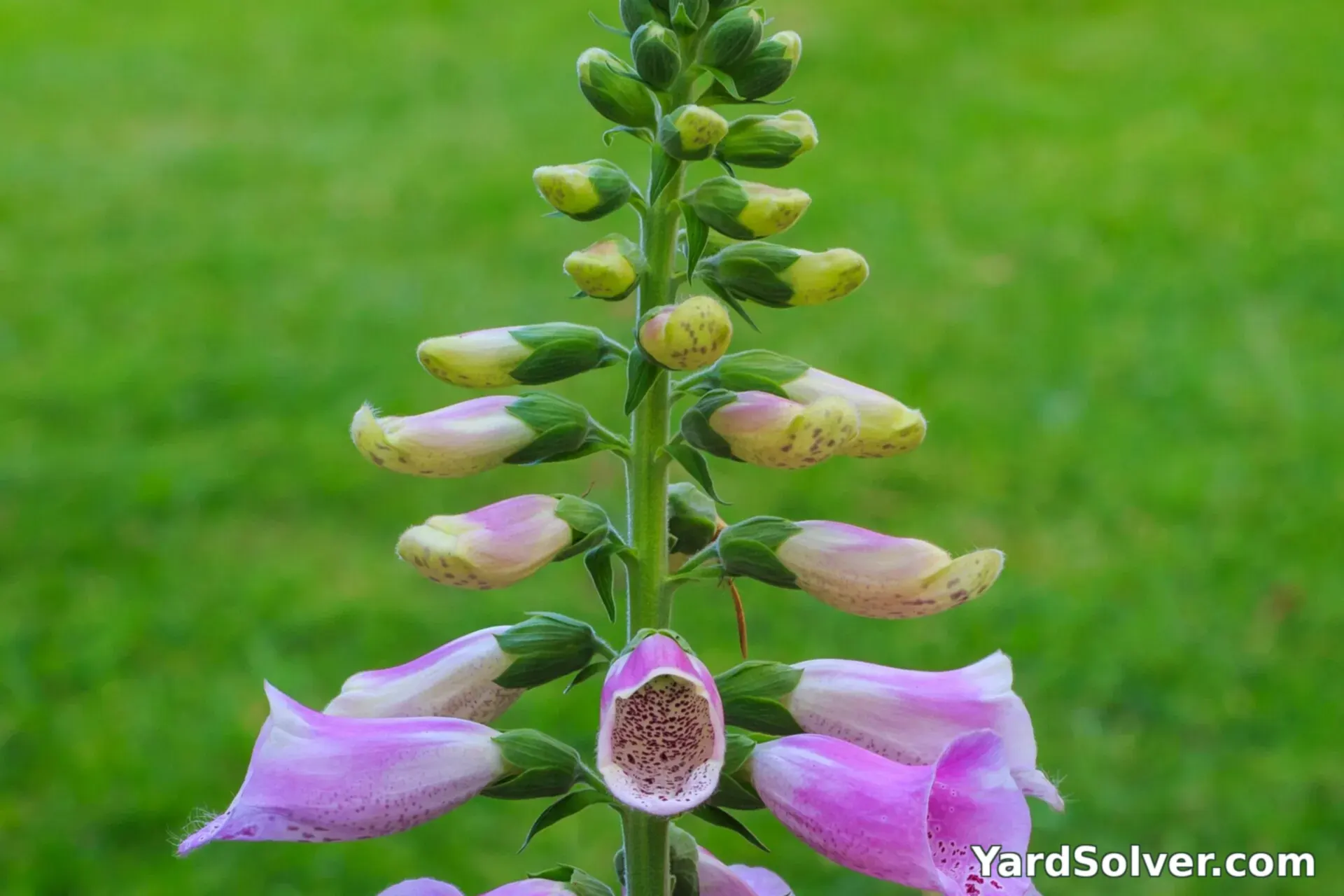
Water young plants in dry spells and rosettes in a dry spring while the spire is being built. Feeding is light — the compost at planting covers it; on poor soil, one spring feed as growth starts — the Fertilizer Calculator turns your bed size into exact amounts.
Step 5 — Care and the problems to watch for
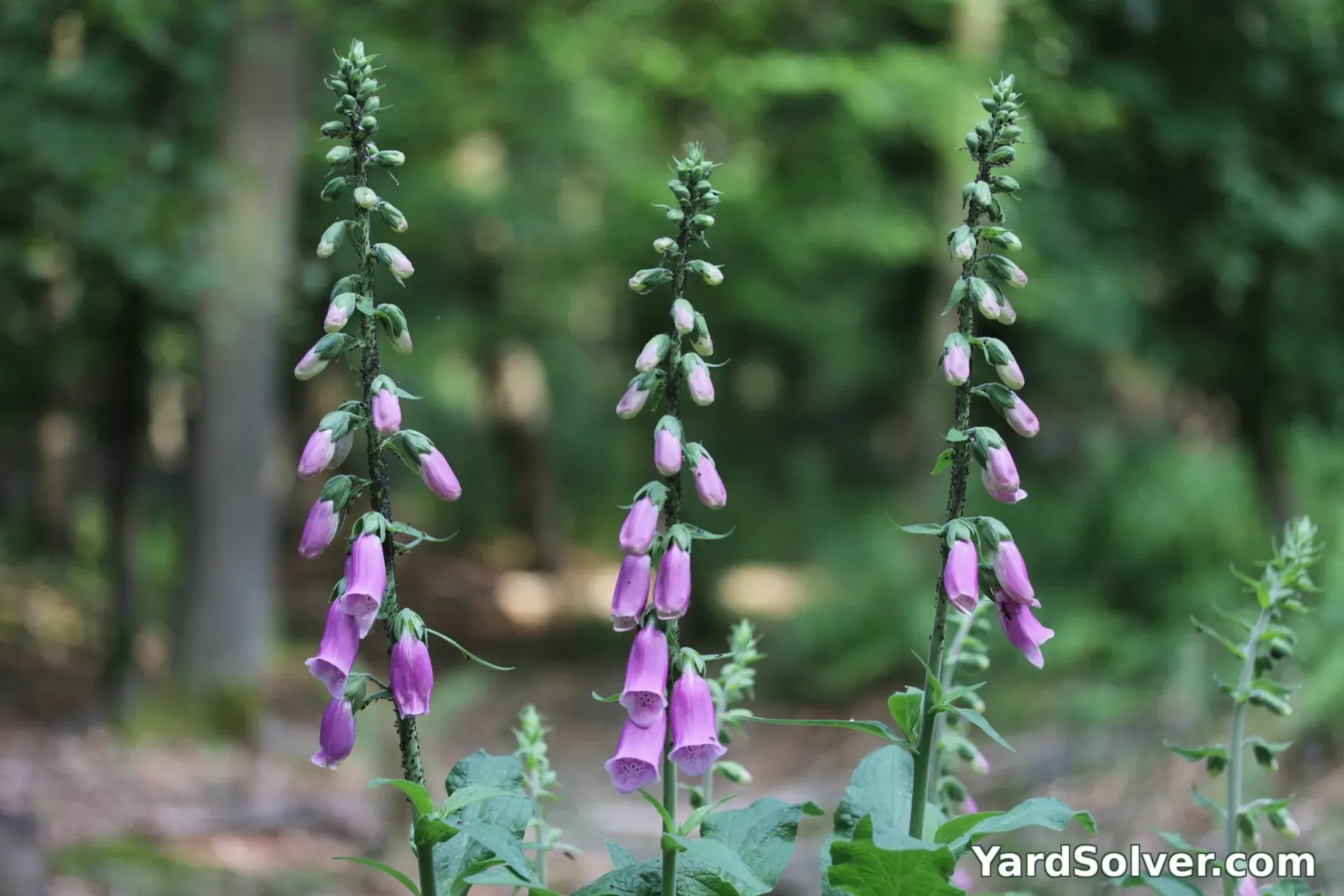
Foxglove is nearly care-free — its rosettes are handsome all winter and the spires stand without staking in sheltered gardens.
- Powdery mildew on rosettes — cosmetic; space plants and let air through.
- Slugs in the crowns — check rosettes in spring and protect the best plants.
- Seedlings in odd places — the self-sowing habit; move autumn seedlings to where you want spires.
Step 6 — Harvest
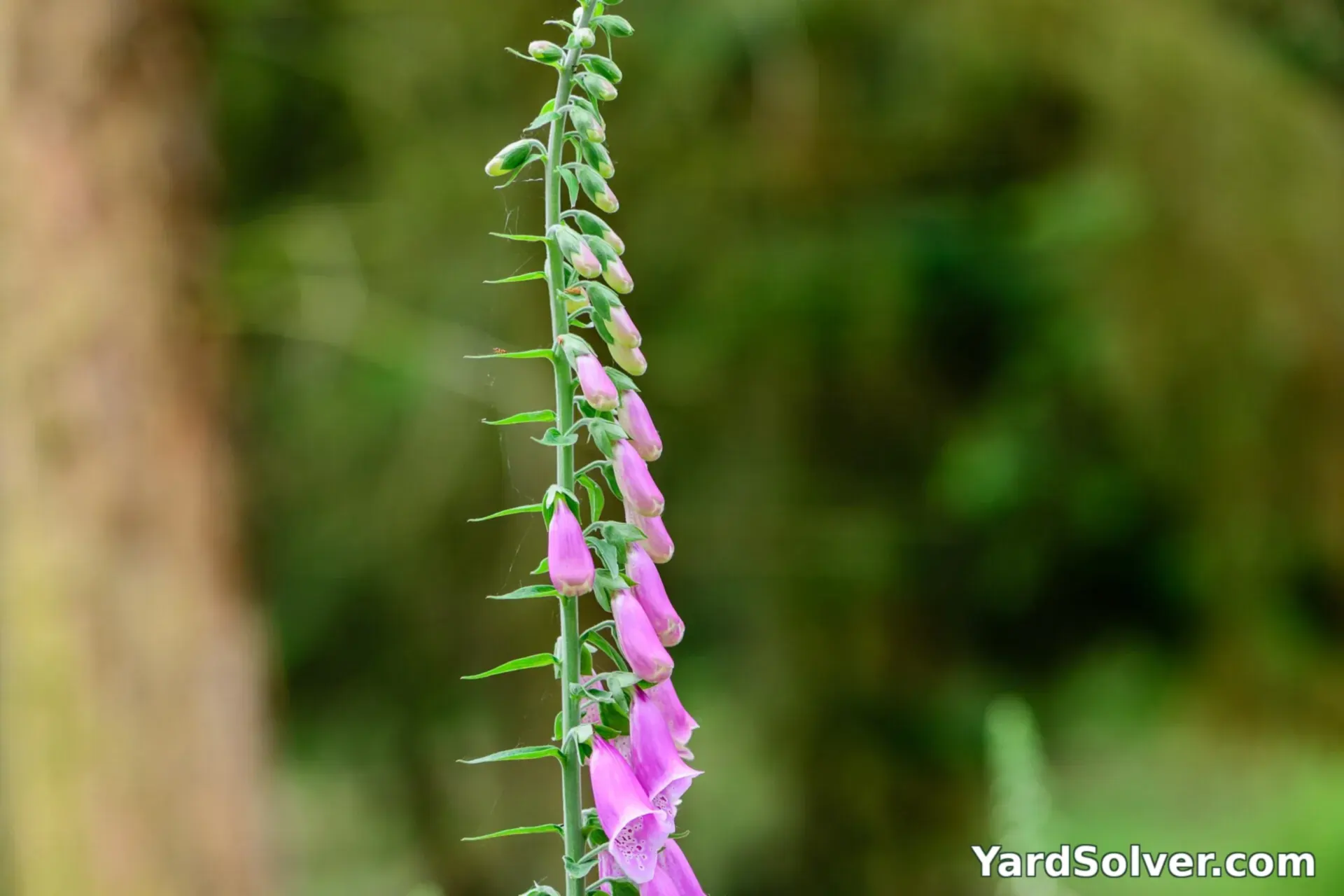
Cut spikes when the bottom third of the bells have opened; they last about a week in water. The seed harvest is the gardener's real interest: let one spire ripen and dry, then shake it over a paper bag — a single spire holds thousands of dust-like seeds, a decade of foxgloves. Or simply let it shake itself over the bed, as it has done in cottage gardens for centuries.
📅 Your personal Foxglove schedule
Counted from your planting day — not a generic calendar. Day 0 is the day the seed went in the ground or the young plant went out.
Varieties worth growing
| Variety | Colour | Why gardeners like it |
|---|---|---|
| Excelsior Mix | Mixed colours, bells all round the stem | The classic tall strain with flowers circling the spire. |
| Dalmatian series | Uniform colours, first-year flowering | Modern F1 types that can flower the same year from an early sowing. |
| Alba | Pure white | The white form — luminous in shade and evening light. |
Good for you — and take care
Benefits
- The defining spire of the June cottage garden.
- Bumblebees work the bells all day — the spots inside are nectar guides.
- Self-sows forever — sow once, edit seedlings annually.
Take care
- Poisonous in all parts — gloves for handling; never near edible lookalikes.
- A biennial — no flowers until the second June.
- Keep away from grazing animals and curious pets.
A little history — and one good fact
Foxglove is a European woodland native whose name may come from 'folk's glove' — the fairies' flower. In 1785 the physician William Withering published its use for dropsy, isolating the effect of its heart glycosides; digitalis drugs derived from it still treat heart failure today, dosed with a precision the raw plant can never offer.
Fun fact: The pale spots and hairs inside each bell are a landing strip for bumblebees — the flower is shaped so only a bee of the right size, dusted with pollen, can work it properly.
Keep going
Guides: Companion planting basics · Pollinator garden guide · Container gardening for beginners
Calculators: Plant Spacing Calculator · Garden Mix Calculator · Fertilizer Calculator
More flowers: Delphinium · Lupine · Hollyhock · Larkspur
← Back to the Plant Library · Get your personal planting dates
Questions people ask
Are foxgloves dangerous?
Yes — all parts contain cardiac glycosides and are poisonous if eaten. Grow them with respect: gloves when handling seed and spent plants, no plants where livestock graze, and keep the rosettes clearly separate from edible lookalikes like comfrey.
Why didn't my foxgloves flower this year?
They are biennials — a plant flowers in its second year. Seedlings sown this summer rosette through winter and spike next June. After that, self-sown seedlings keep the cycle going so you get flowers every year.
Do foxgloves come back after flowering?
The individual plant usually dies after setting seed, but it leaves thousands of seeds behind. A foxglove planting is effectively permanent — just move the autumn seedlings to where you want next year's spires.
Beautiful, biennial and genuinely poisonous: rosette the first year, spires the second, gloves on your hands
Foxglove (Digitalis purpurea) works on a two-year clock that catches new growers out. Seed sown this spring makes only a flat rosette of leaves in its first year; the tall spires of tubular flowers arrive in the second summer, after which the plant usually dies, leaving self-sown seedlings to continue. A foxglove that 'did nothing' in year one is not failing — it is on schedule.
The safety point is not decoration: every part of the plant contains cardiac glycosides, the same family of compounds used in heart medication, and it is seriously toxic to people, dogs, cats and livestock if eaten. Plant it where small children and grazing animals cannot browse it, wear gloves when handling it, never compost it where livestock bedding is made, and never mistake its young rosette for comfrey, a common and dangerous confusion.
The worked example: rosettes planted in autumn in light shade at a border's back flower the following June at full height and seed a successor generation before they are cleared. The same plants set out in deep dry shade or baked full sun typically give short, stressed spikes — foxglove asks for cool roots, moisture while establishing, and patience, and repays all three.
Sources
Key facts on this page — timing, spacing and care — cross-checked against NC State Extension Plant Toolbox — Digitalis purpurea — culture, care and toxicity notes and Digitalis purpurea — Wikipedia — background on the species, its biennial cycle and its cardiac glycosides.
Related page
Read next: Earliest Seeds to Start Indoors: The First Sowings.
Comments & ratings
No comments yet.
Be the first to share your experience.