
Plant Library · Fruits · By Faizan Ahmad
Updated November 17, 2026
🔴 How to Grow Goji Berry
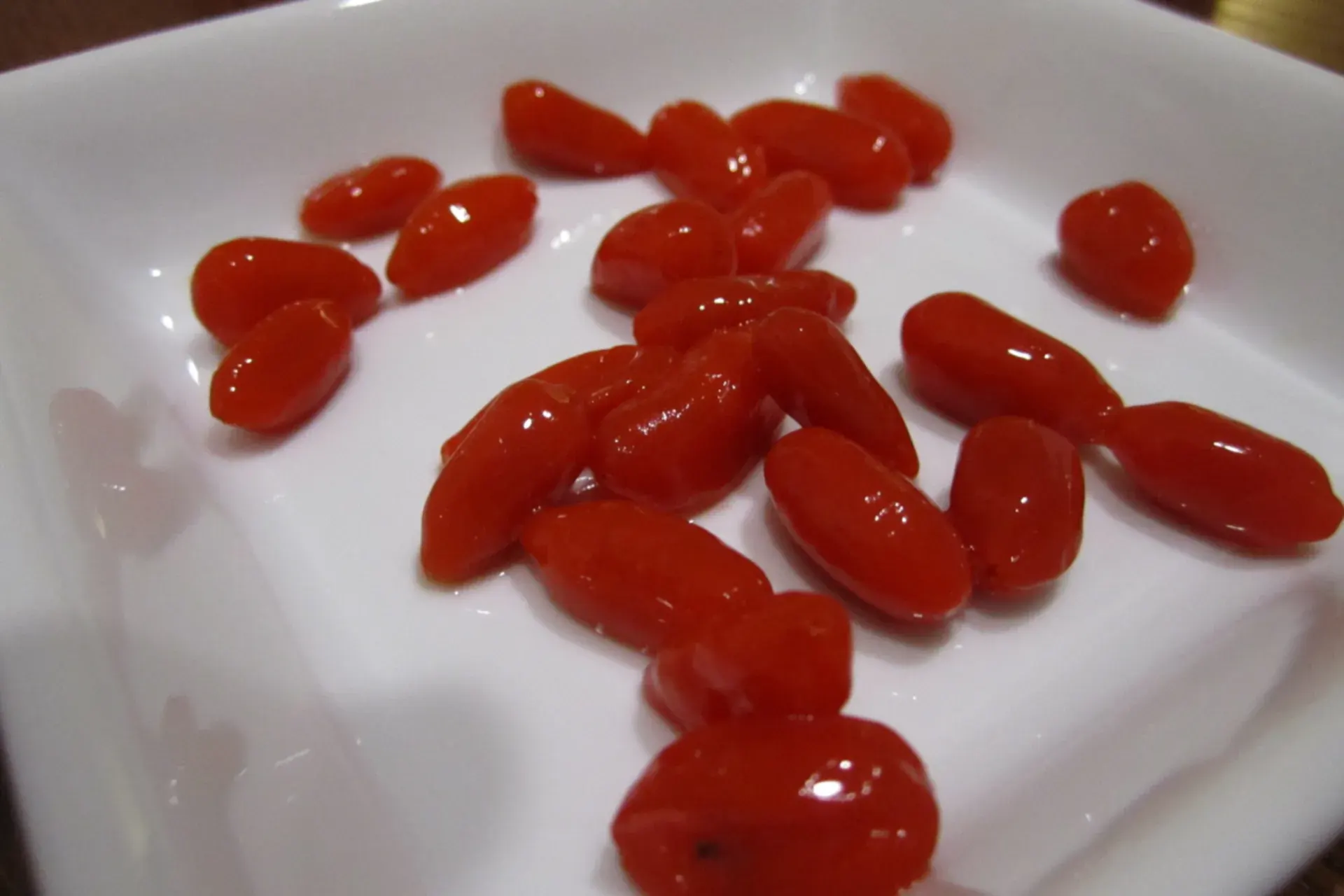
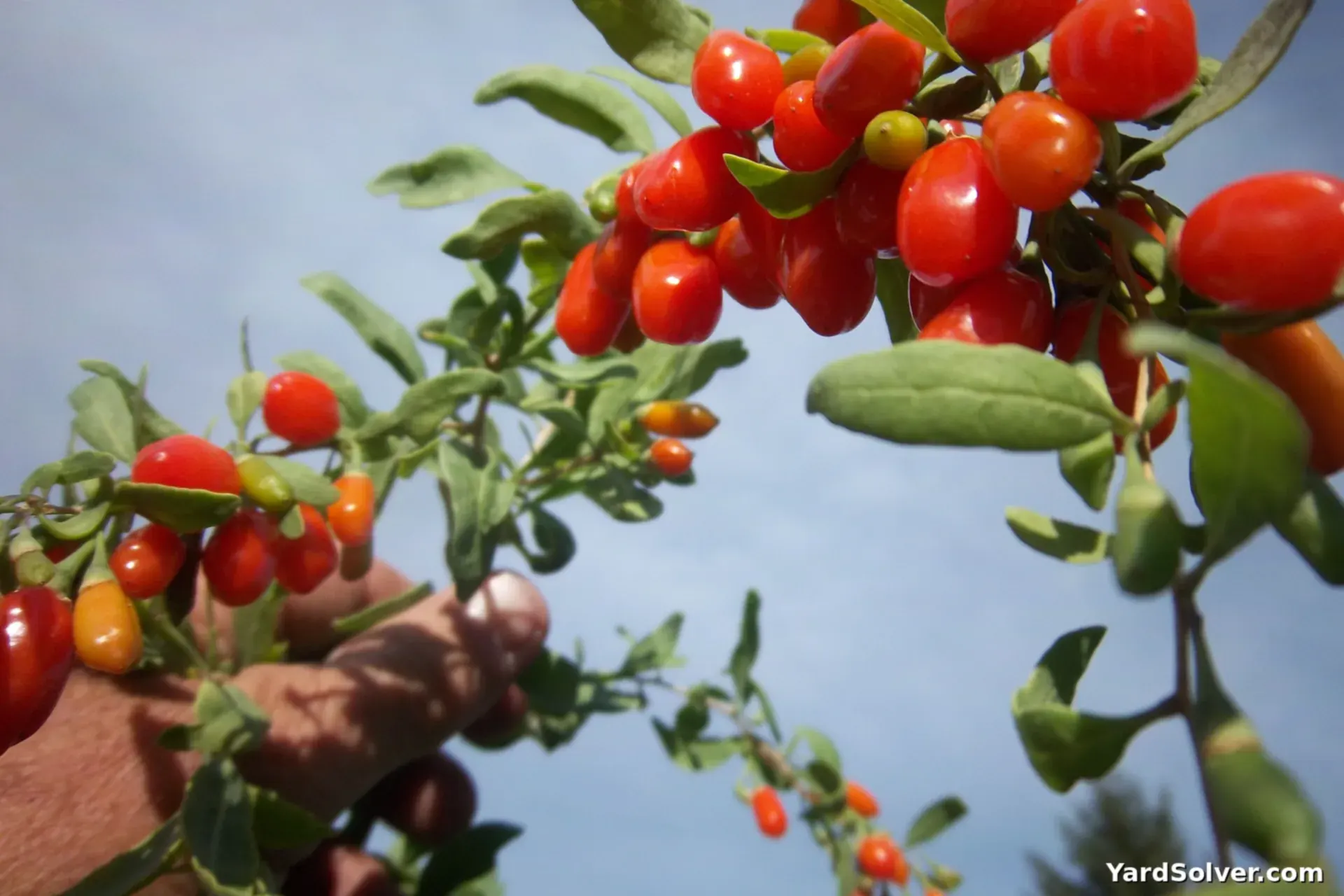
Goji berries grow on a tough, arching shrub, 4–6 ft, safely hardy in zones 5–9, that fruits from summer right through to frost once established. The bright red berries are eaten fresh or dried like raisins. Goji is a nightshade — a cousin of the tomato — so keep it away from tomatoes, potatoes and peppers, which share its diseases.
Grow Goji Berry with us — step by step
Goji asks for the opposite of cosseting: full sun, lean and free-draining soil, and a firm hand with the pruning shears to keep its arching canes in bounds. Feed it richly and water it generously and you get leaves instead of berries — the steps below keep the balance right for this plant. Set your planting date here and the page lays out your goji year from it: light spring feeding, summer pruning, and the long picking season that runs from midsummer to frost.
Step 1 — today: Plant your Goji Berry today, 4–6 ft apart at nursery depth, in well-drained soil in full sun — away from tomatoes and potatoes — water in and mulch.
Goji Berry at a glance
Spacing: 4–6 ft in · Seed depth: As in the pot
Sun: Full sun
Water: Moderate — drought-tolerant once established
Harvest: First berries in year 2–3
Timing counts from your average last spring frost — get your own dates in the Planting Calendar. Guidance follows standard extension-service practice for Canada and the US.
How to plant and grow goji berry, step by step
Step 1 — Time it right
Plant in spring after frost danger passes. Goji is hardy in zones 5–9 and shrugs off drought and poor soil once established. Spring planting gives goji a full season to root before its first winter, which matters in zone 5 where young plants are the least hardy they will ever be. From seed, plants take longer to fruit; named varieties planted from cuttings crop earliest and truest to type.
Step 2 — Prepare the spot
Sun: Full sun. Well-drained soil in full sun — goji prefers it on the lean, alkaline side and hates wet feet. Work out how much soil you need with the Garden Mix Calculator or the Raised Bed Soil Calculator. Unlike most berries here, goji prefers soil on the alkaline side — roughly pH 6.5–7.5 — and tolerates sandy, thin ground that would starve a raspberry. On heavy clay, plant on a low mound or in a raised bed so the crown never sits in winter wet.
Step 3 — Plant it
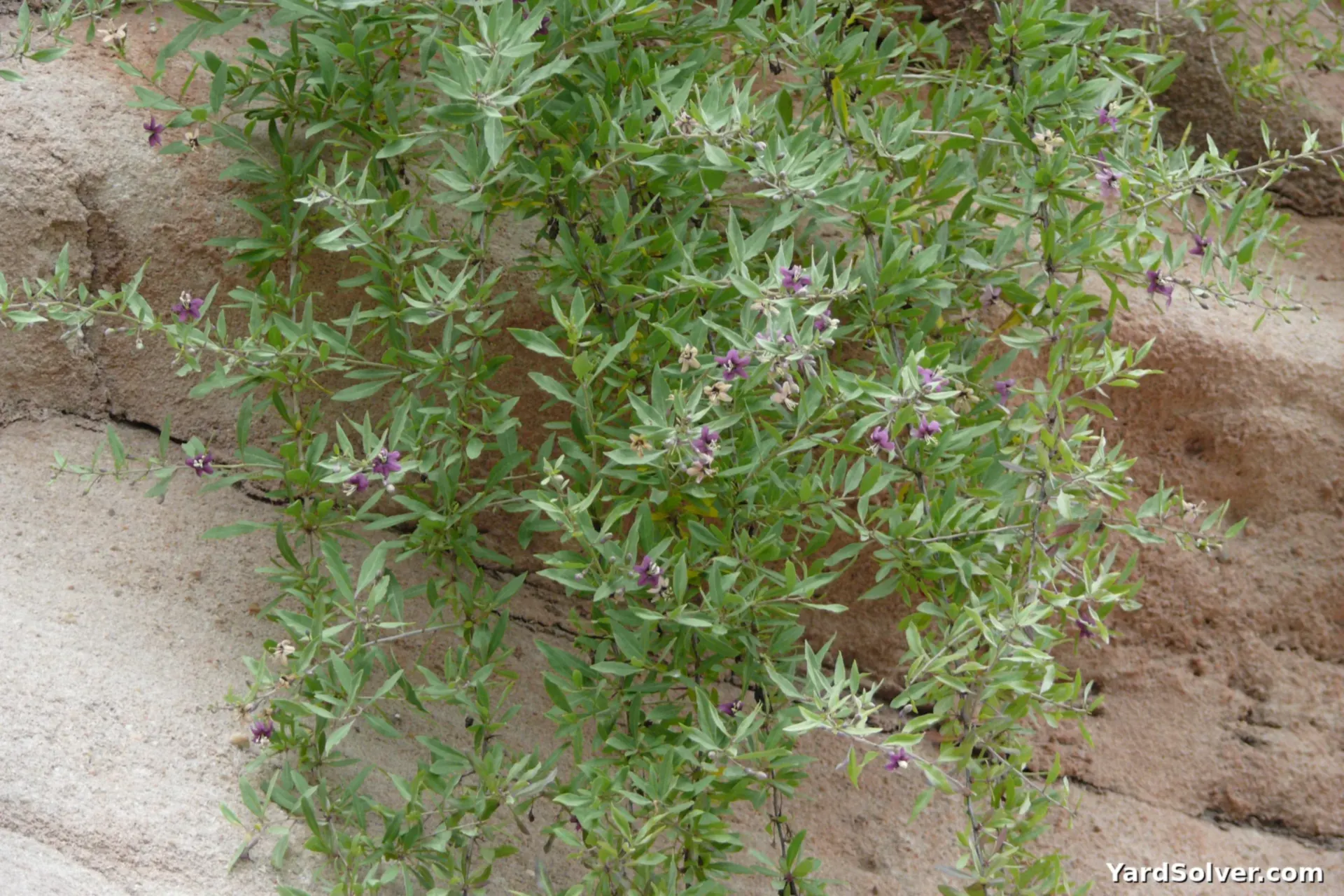
Set plants 4–6 ft apart at nursery depth, water in, and mulch. The arching canes can be tied to a fence or left to sprawl. The Plant Spacing Calculator turns that spacing into bushes-per-row. Young plants benefit from a short stake for the first year while the main stem thickens into a trunk-like base. Choose one strong upright stem, remove low laterals, and let the canopy form above about 2 ft — a small tree shape is far easier to pick and prune than a sprawling thicket.
Step 4 — Water and feed
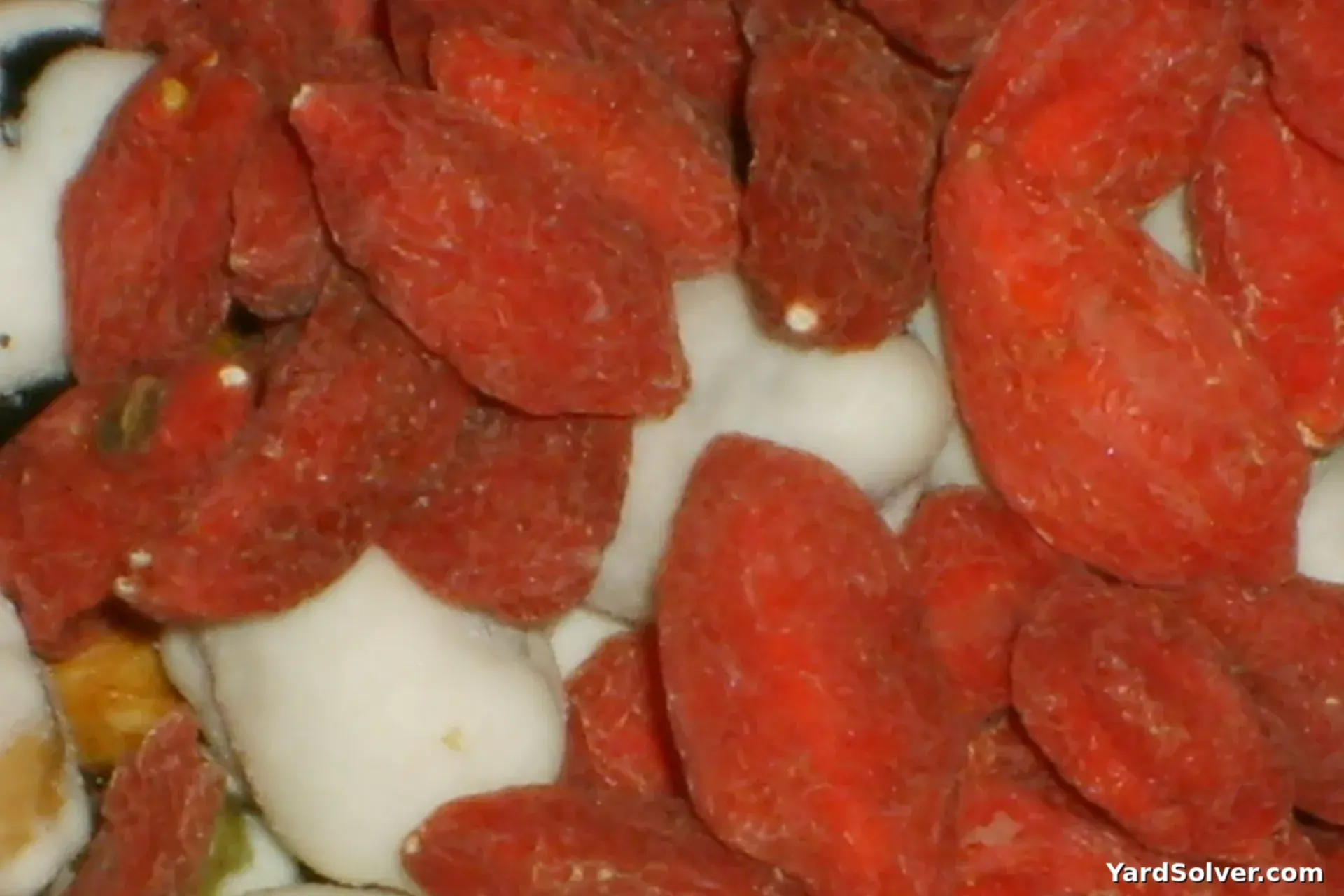
Water: Moderate — drought-tolerant once established. Feed lightly in spring — goji fruits better on lean soil than rich. The Fertilizer Calculator turns a bed size into the right amount. Established plants in the ground rarely need watering except in long droughts, and overwatering is a common cause of leaf drop and poor fruiting. In pots the rules reverse: a goji in a container needs regular watering and a light monthly feed through summer, because the root run is so small.
Step 5 — Care and the problems to watch for
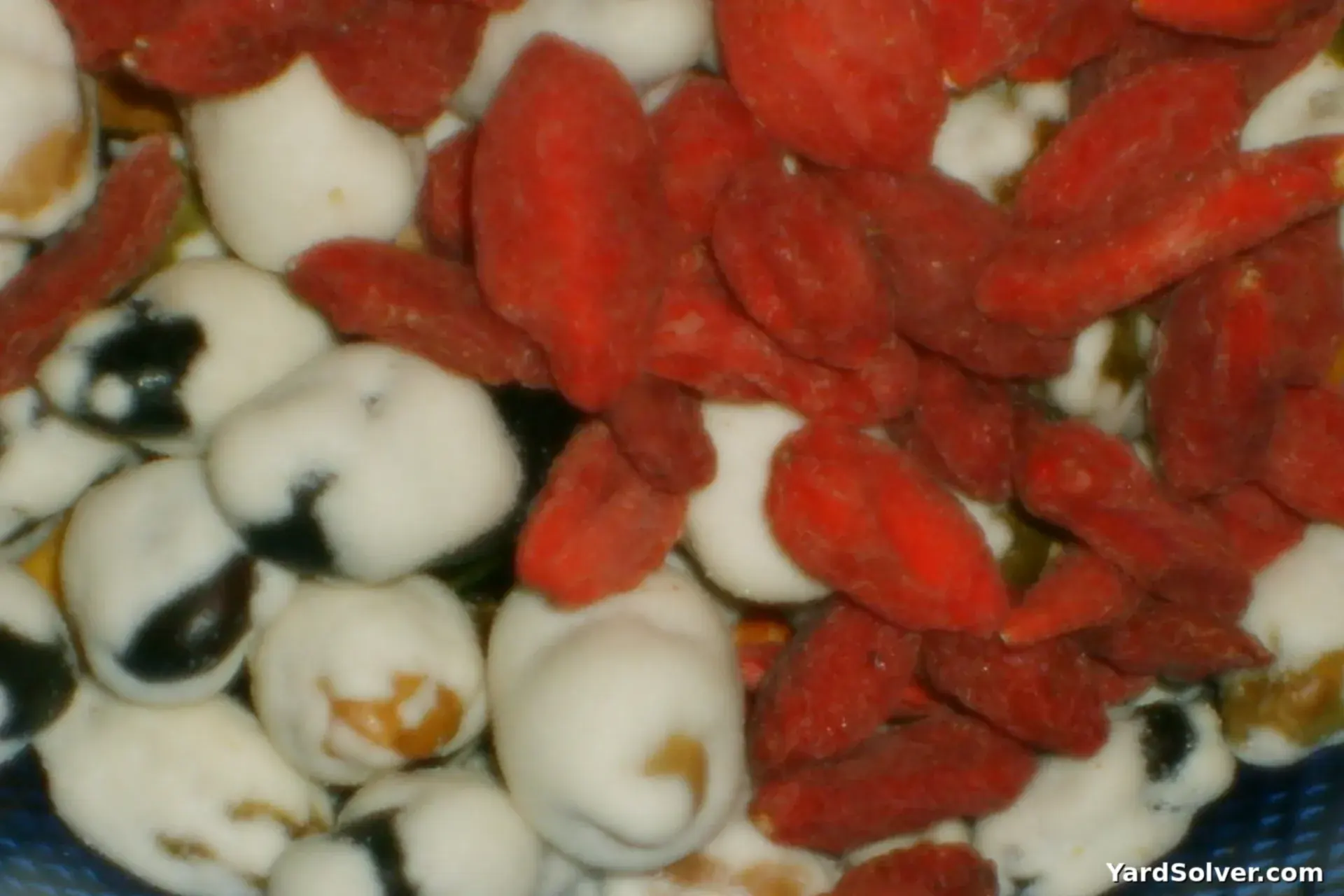
Powdery mildew — white film in humid weather; prune for airflow. Shared nightshade diseases — keep goji away from tomatoes, potatoes and peppers. Birds — they take ripe berries; net the bush. Prune in late winter, shortening last year's laterals to spurs of about 4–6 in and removing dead or crossing wood — berries form on the current season's growth along those spurs. Summer-tipping long whippy canes once also helps, pushing the plant into bushier, more fruitful side growth.
Step 6 — Harvest
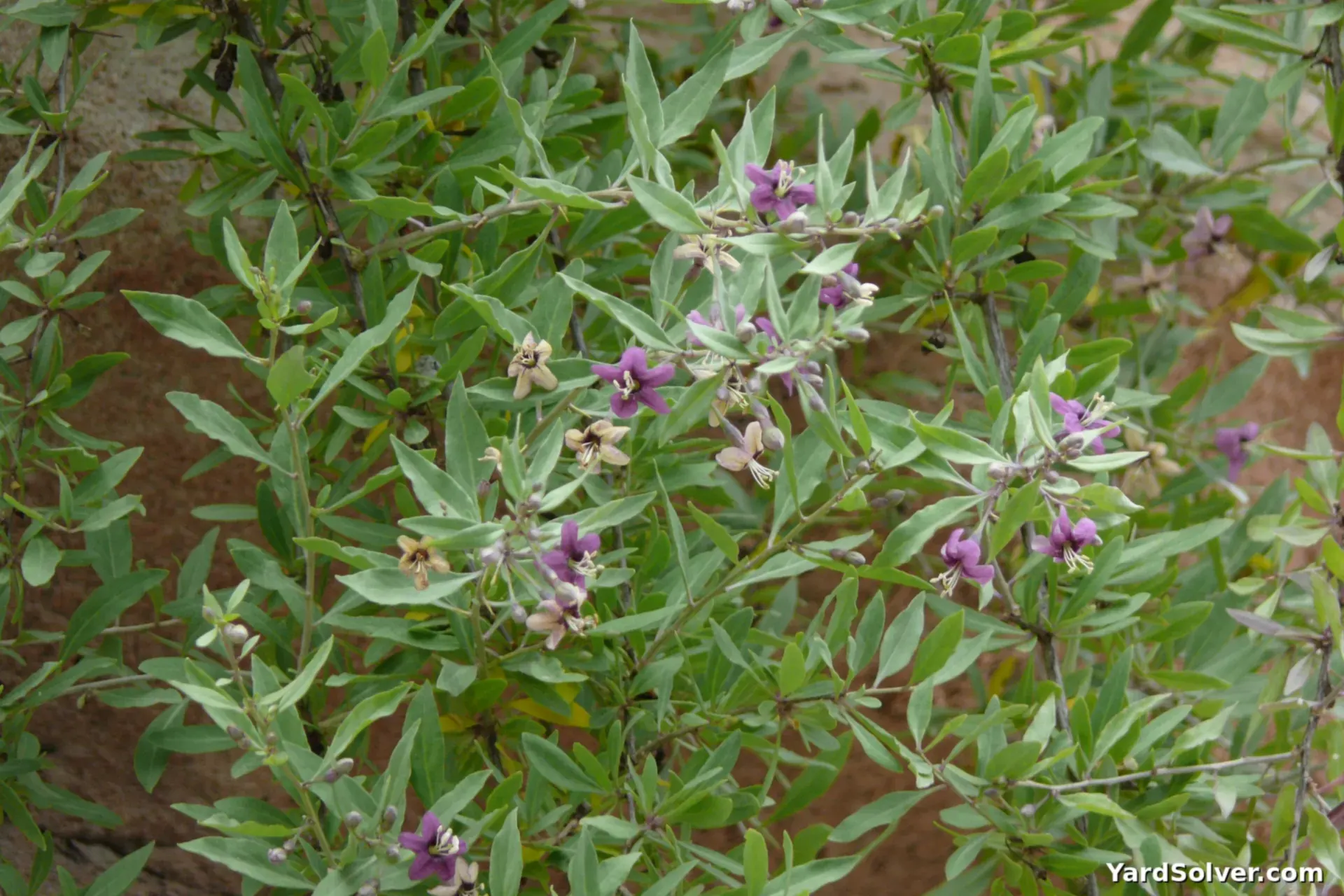
First berries in year 2–3. Pick when fully bright red and slightly soft, shaking the canes gently over a tray — ripe goji drops easily. Pick every few days over a long season: the same cane carries flowers and ripe fruit at once from midsummer until frost. Fresh berries keep only a few days in the fridge, so most growers dry the surplus — a mature, well-pruned bush can give several pounds of fresh berries across the season.
📅 Your personal Goji Berry schedule
Goji runs a long season, so this schedule is counted from your planting day and follows the plant's own rhythm rather than fixed calendar dates. It flags the light spring feed, the late-winter spur prune, the summer tipping that keeps canes fruitful, and the rolling harvest from midsummer to first frost when ripe berries need picking every few days.
Varieties worth growing
| Variety | Colour | Why gardeners like it |
|---|---|---|
| Crimson Star | Red | A reliable, heavy-cropping variety for home gardens |
| Sweet Lifeberry | Red | Bred for larger, sweeter berries |
| Phoenix Tears | Red | Small berries, very hardy plants |
| Firecracker | Red | Compact plants for smaller gardens and pots |
Good for you — and take care
Benefits
- Fruits from summer to first frost
- Berries rich in antioxidants and vitamin A
- Drought-tolerant and hardy (zones 5–9)
- Eat fresh or dry like raisins
Take care
- Keep goji away from tomatoes, potatoes and other nightshades — they share diseases.
- Prune in late winter to keep the arching canes manageable.
- Pick berries when fully bright red — under-ripe goji is bitter.
Problems to watch for
- Powdery mildew — white film in humid weather; prune for airflow.
- Shared nightshade diseases — keep goji away from tomatoes, potatoes and peppers.
- Birds — they take ripe berries; net the bush.
A little history — and one good fact
Goji has been grown in China for over 2,000 years, where the dried berries go into soups, teas and traditional medicine. It reached Western gardens in the 2000s as a superfruit, but Chinese cooks had valued it for millennia before that.
Fun fact: In China, goji berries are so everyday that they go into chicken soup the way carrots do in the West.
Keep going
Guides: How to Harden Off Seedlings · How to Read a Seed Packet
Calculators: Plant Spacing Calculator · Seed Calculator · Fertilizer Calculator · Garden Mix Calculator
Plan it: Garden Planner · Planting Calendar · Companion Planting Chart · Seed Box
Keep apart: Tomato · Potato · Pepper — see the Companion Planting Chart for the full picture.
← Back to the Plant Library · Get your personal planting dates
Drying goji berries at home, step by step
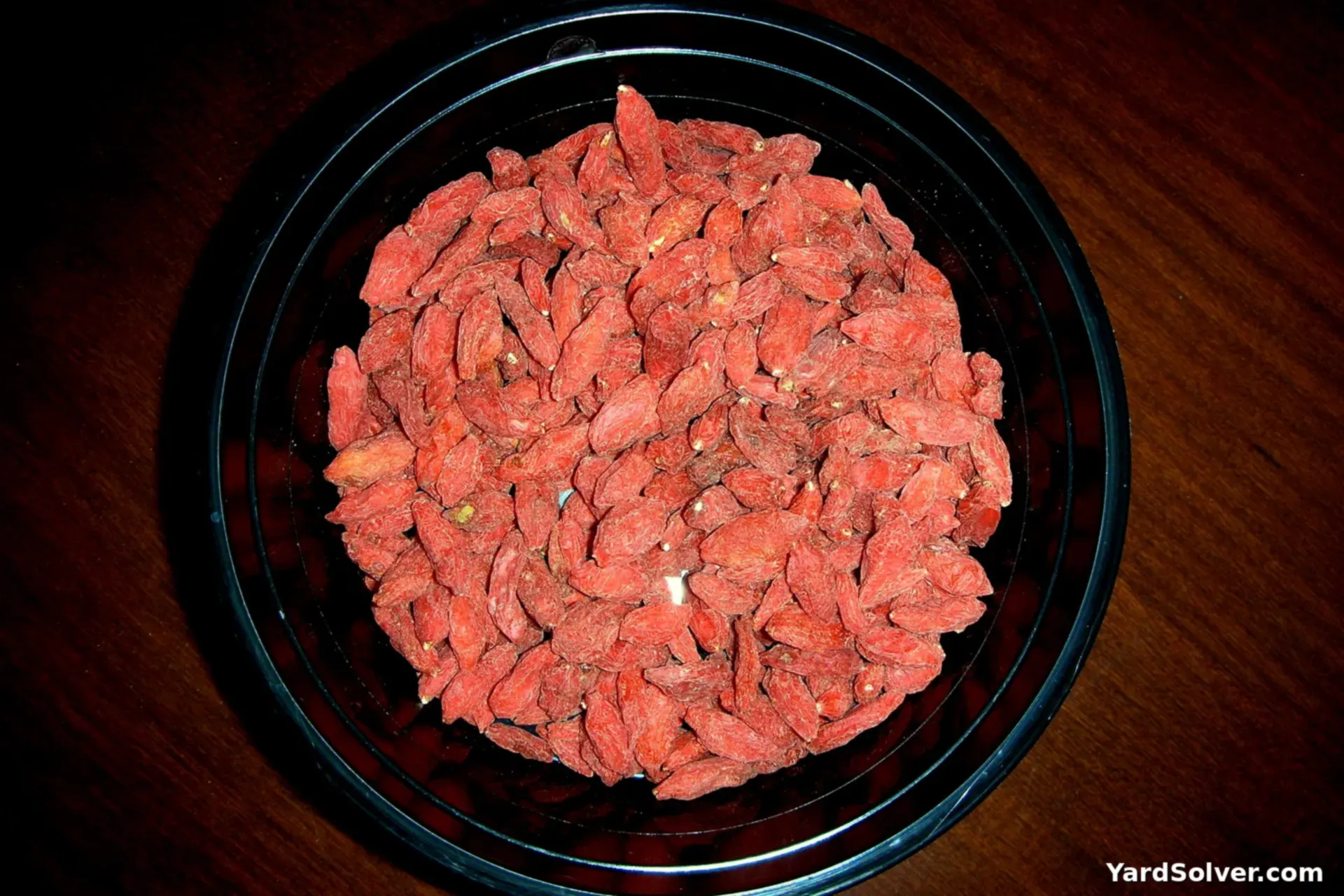
Dried is how goji is traditionally eaten and stored, and drying concentrates the sweetness of a berry that tastes only mildly sweet fresh. Small batches dry reliably with ordinary kitchen equipment:
| Step | What to do | Detail that matters |
|---|---|---|
| 1. Pick | Harvest fully red, slightly soft berries into a shallow tray | Never pull — ripe goji bruises and leaks juice; shake canes gently over the tray instead |
| 2. Sort and rinse | Remove stems and any split berries; rinse briefly and pat dry | Split berries dry into sticky clumps, so dry them separately for immediate use |
| 3. Dry | Dehydrator at about 115–135 °F, or the lowest oven setting with the door ajar, on mesh trays in a single layer | Berries are done in roughly 2–4 days sun-drying, or 12–24 hours in a dehydrator, when they feel leathery-dry and rustle |
| 4. Condition | Rest dried berries in a loosely closed jar for a week, shaking daily | Any berry still holding moisture shows itself; return damp batches to the dryer |
| 5. Store | Seal in jars in a cool dark cupboard | Properly dried goji keeps about a year; roughly 4 lb fresh berries dry down to about 1 lb |
Use dried berries as you would raisins — in tea, porridge, baking and trail mix. If a batch feels at all soft or sticky after conditioning, keep drying rather than storing it.
Questions people ask
When do I plant goji berries?
Plant in spring after frost danger passes. Goji is hardy in zones 5–9.
How far apart do I space goji bushes?
Space bushes 4–6 ft apart. Sun: full sun, with well-drained soil.
When will my goji fruit?
First berries in year 2–3, then from summer to frost. Keep goji away from tomatoes and potatoes — they share diseases.
Is goji berry self-fertile?
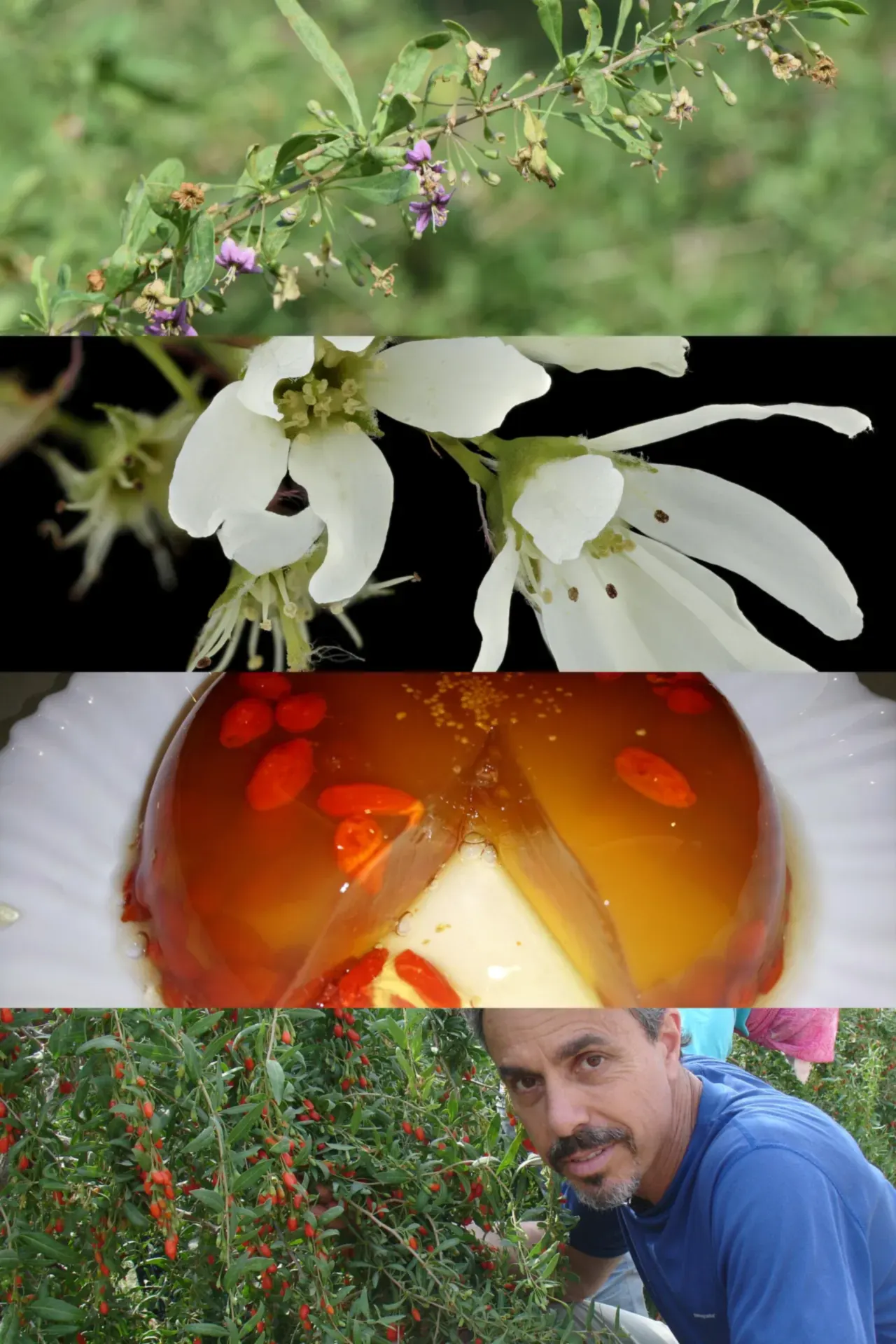
Yes — a single goji bush sets fruit on its own, and its small purple flowers keep opening over a long season. Bees visiting the flowers improve the set, but no second variety or male plant is needed.
Will goji spread and take over?
Goji can sucker from the roots and self-seed where berries fall, so it can wander in loose soil. A large pot (at least 5 gallons) or a root barrier keeps it in place, and picking berries promptly limits self-sown seedlings.
A hardy, self-fertile shrub that fruits from its second year: give it sun, drainage, and a firm pruning hand
Goji berry (Lycium barbarum) is a deciduous shrub from Asia that is far hardier than its health-food image suggests — established plants tolerate serious winter cold and summer drought alike. It is self-fertile, so one plant fruits on its own; the small purple flowers appear in summer and the orange-red berries follow from late summer into autumn, ripening in waves rather than all at once.
Two management points decide whether it is a crop or a thicket. First, pruning: left alone it makes long, arching, sparsely fruited canes, so cutting back in late winter to a framework of strong stems keeps the fruiting wood young and reachable. Second, placement: it suckers and spreads in loose soil, so give it a corner, a large container, or a mown edge — and full sun with sharp drainage, because wet winter soil is the one condition it genuinely resents.
The worked example: a shrub planted in a sunny, drained corner and pruned each winter typically carries light crops in year two and full, repeated pickings from year three. The same shrub in a wet hollow or left unpruned usually survives — goji is tough — but fruits thinly at the top of a tangle nobody can reach into.
Sources
Key facts on this page — timing, spacing and care — cross-checked against Goji — Wikipedia — background on goji berries, the Lycium species and their cultivation and Lycium barbarum — Wikipedia — background on the species itself.
Related page
Read next: Edible Landscaping Ideas (A Front Yard That Feeds You).
Comments & ratings
No comments yet.
Be the first to share your experience.