
Plant Library · Flowers · By Faizan Ahmad
🌾 How to Grow Goldenrod
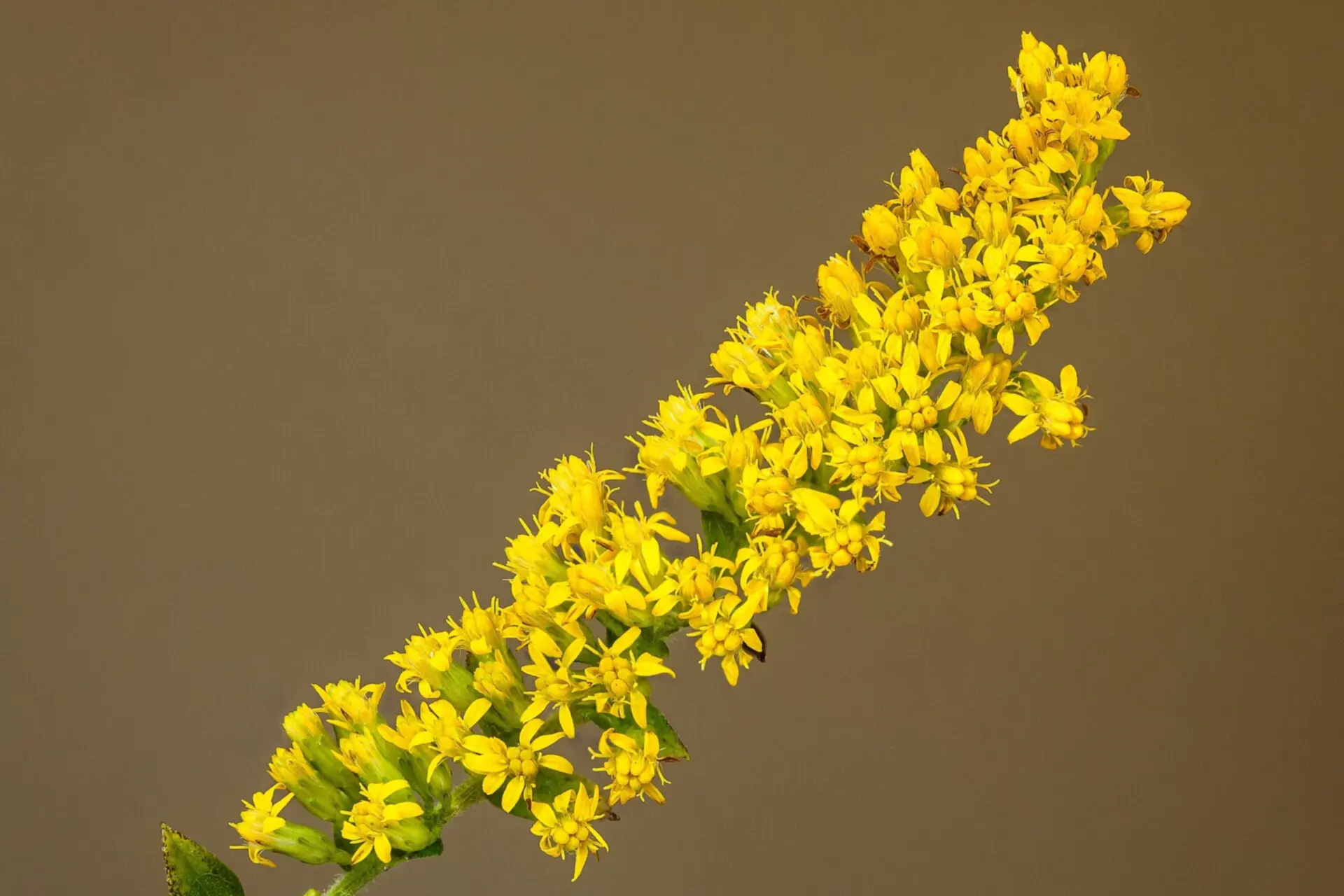
Plumes of gold that feed the last bees of the year — and no, it does not cause your hay fever. Goldenrod (Solidago) is a hardy native perennial of autumn: plant a well-behaved clumping cultivar, and from August to October it carries the border while feeding bees, butterflies and migrating monarchs. The allergy villain of autumn is ragweed, which blooms at the same time and hides behind goldenrod's good looks.
Grow Goldenrod with us — step by step
Everything for this plant is written step by step below — what to do, and exactly when. Read it through first if you like: you can grow it entirely on your own with that guide. Or start with us here — tell us your planting day and we lay out your personal schedule on this page, every next step on its own day, counted from your planting date. No guessing, no forgetting.
Step 1 — today: Buy a named clumping goldenrod cultivar — 'Fireworks', a rugosa or canadensis garden form — and plant it in spring.
Goldenrod at a glance
Plant out: Spring or autumn, as divisions or bought plants
Sow indoors: 8 weeks before last frost, for species types
Sow outdoors: Seed of cultivars won't come true — plant divisions
Spacing: 18 in apart
Sun: Full sun
Water: Low to moderate — very drought-tolerant
Bloom: August to October; a lifeline for late pollinators
Timing counts from your average last spring frost — get your own dates in the Planting Calendar. Guidance follows standard extension-service practice for Canada and the US.
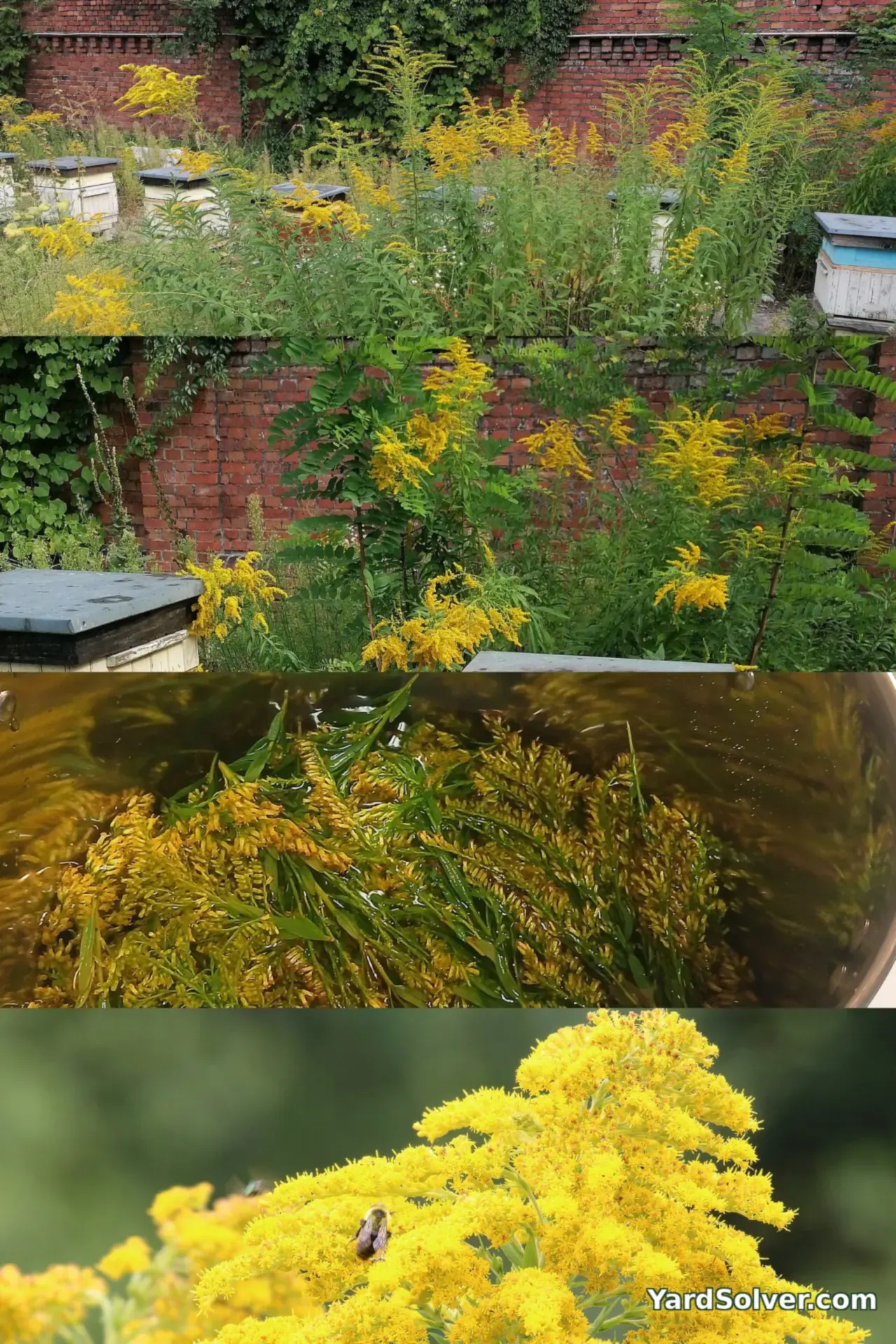
How to plant and grow goldenrod, step by step
Step 1 — Time it right
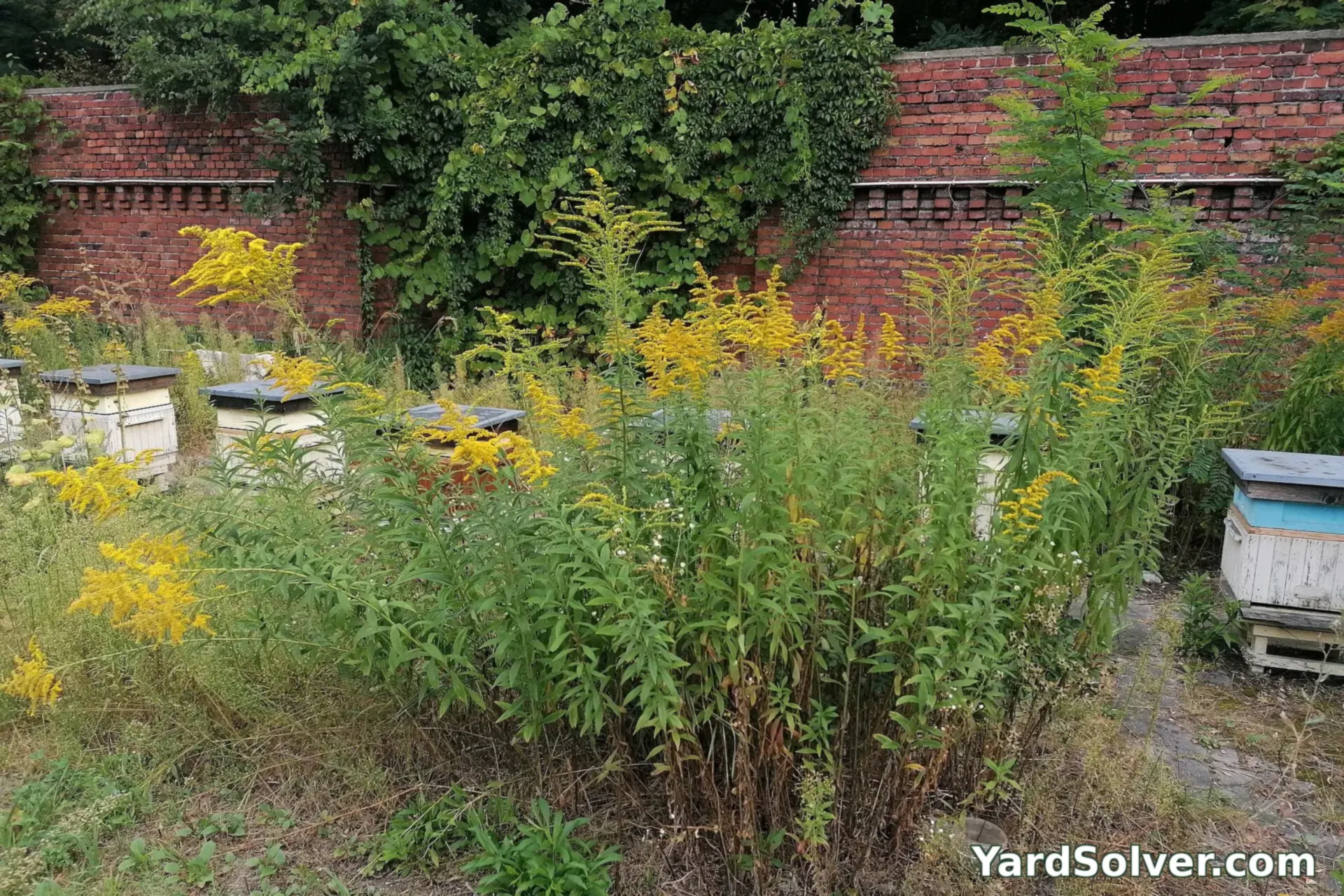
Plant out: in spring or autumn, as divisions or potted plants; Sow indoors: 8 weeks before last frost for species plants. All dates count from your average last spring frost — the Planting Calendar turns them into real dates for your garden. Goldenrod's reputation for thuggery belongs to a few running wild species. The garden cultivars — selections of Solidago rugosa, S. speciosa and modern hybrids — form tidy clumps and are among the best-behaved autumn perennials. Buy plants or divide a friend's clump in spring; seed of named forms doesn't come true, though species seed is easy.
Step 2 — Prepare the spot
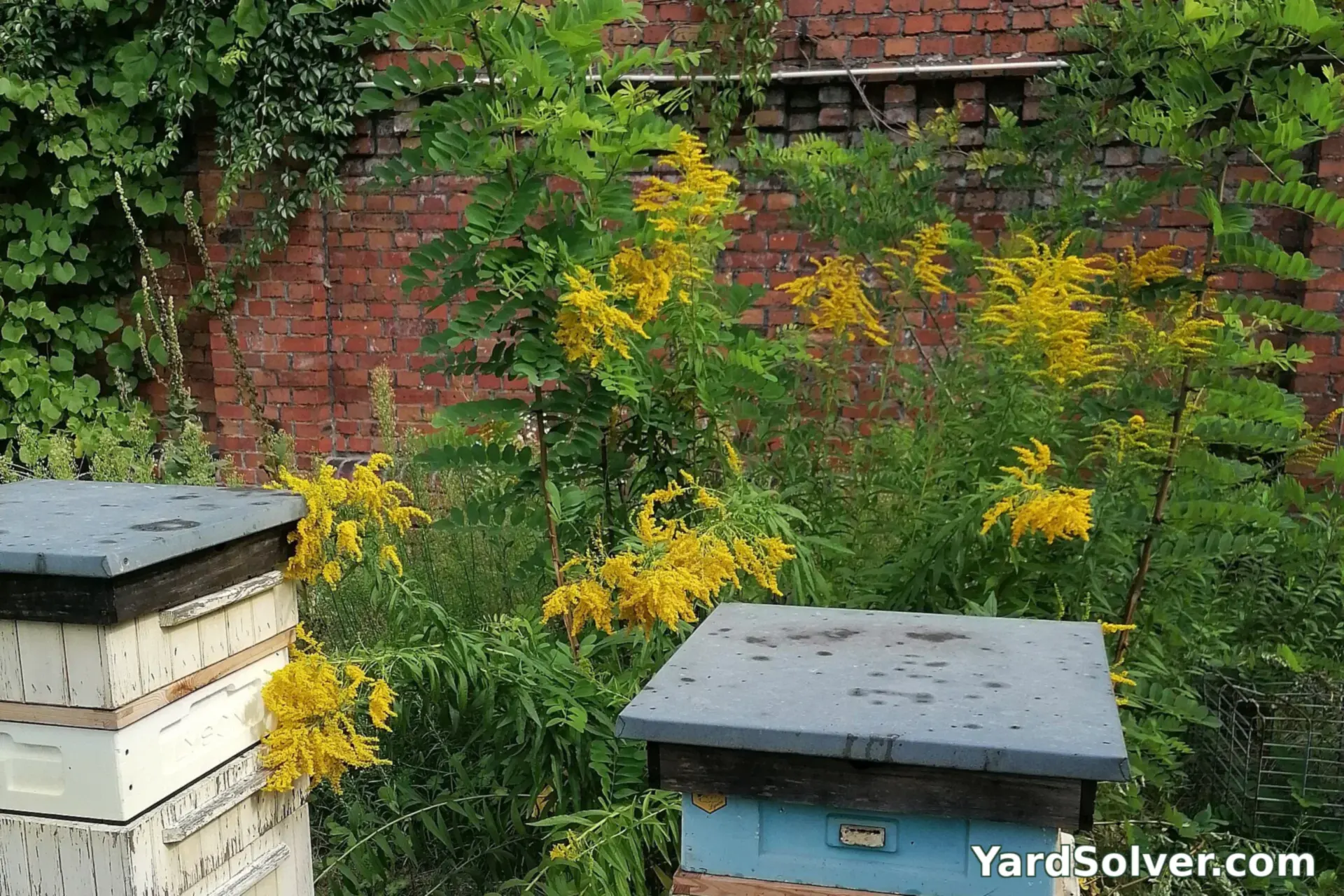
Goldenrod grows in average-to-poor, well-drained soil in full sun — rich soil just makes taller, floppier plants. It is the natural partner for the back of the autumn border and for meadow plantings where it can hold its own. For a raised bed, the Raised Bed Soil Calculator counts the bags for you; mixing your own? The Garden Soil Calculator gives the compost-rich split to aim for.
Step 3 — Sow and plant out
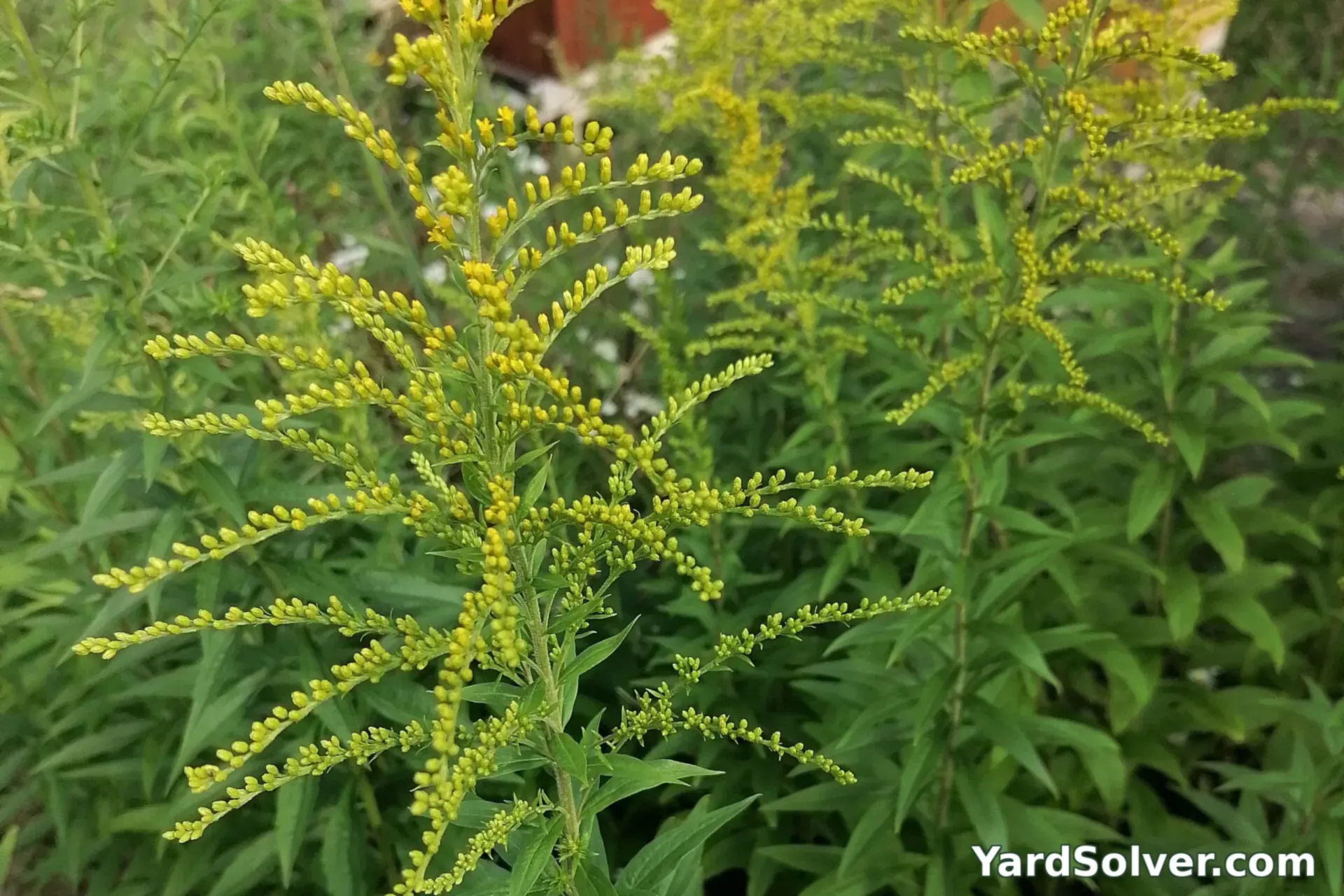
Set plants 18 in apart, at their pot depth, and water in. The Plant Spacing Calculator turns your bed size into an exact plant count. Good neighbours: goldenrod with asters is the definitive autumn pairing — purple and gold, feeding the same late bees — and the pair carries the border from August to the frosts.
Step 4 — Water and feed
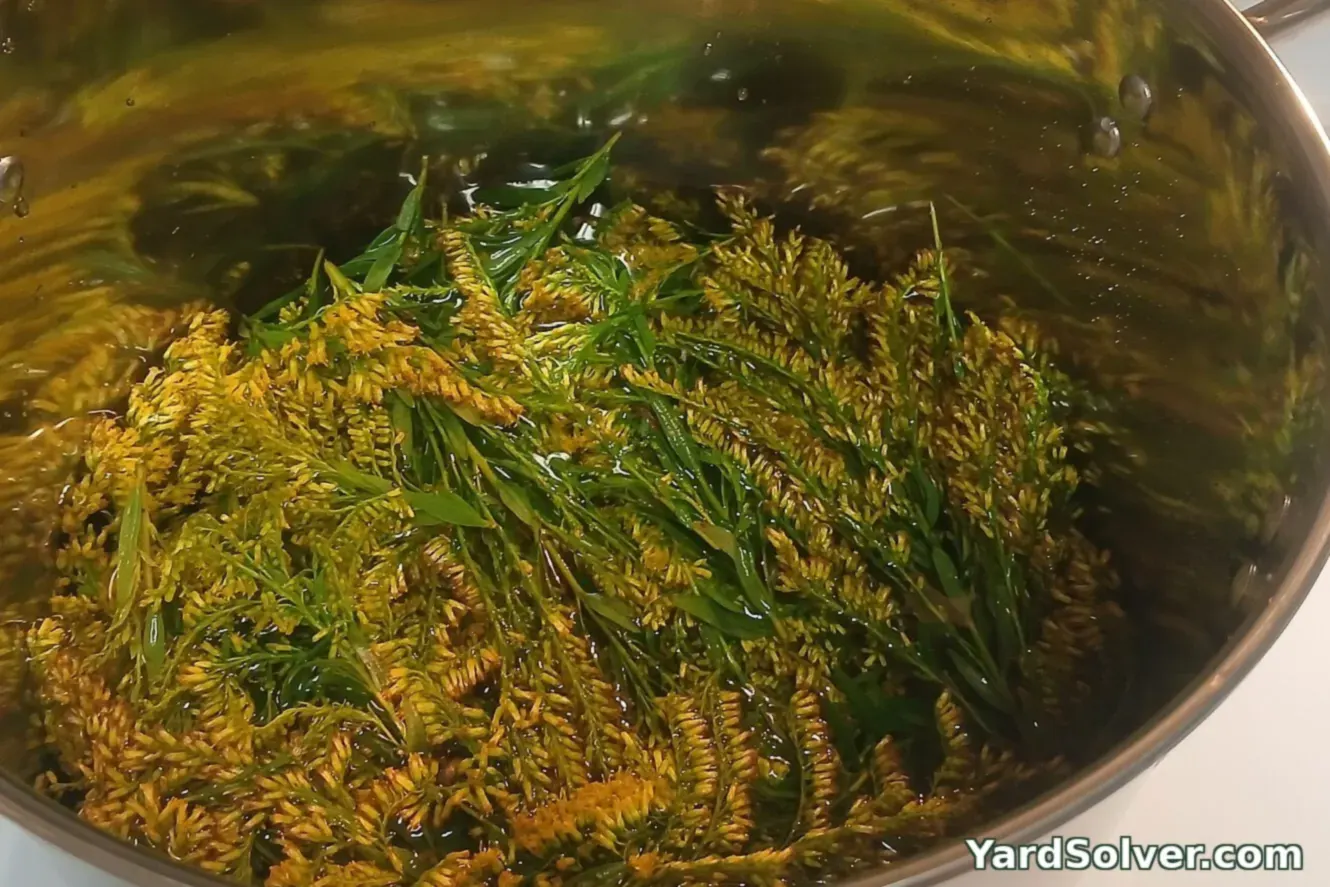
Water until plants are established, and then essentially forget the hose — goldenrod is one of the most drought-tolerant perennials in the garden. Feeding is unnecessary and counterproductive. If stems flop on rich soil, the cure is leaner ground, not more care — the Fertilizer Calculator turns your bed size into exact amounts (spend it elsewhere).
Step 5 — Care and the problems to watch for
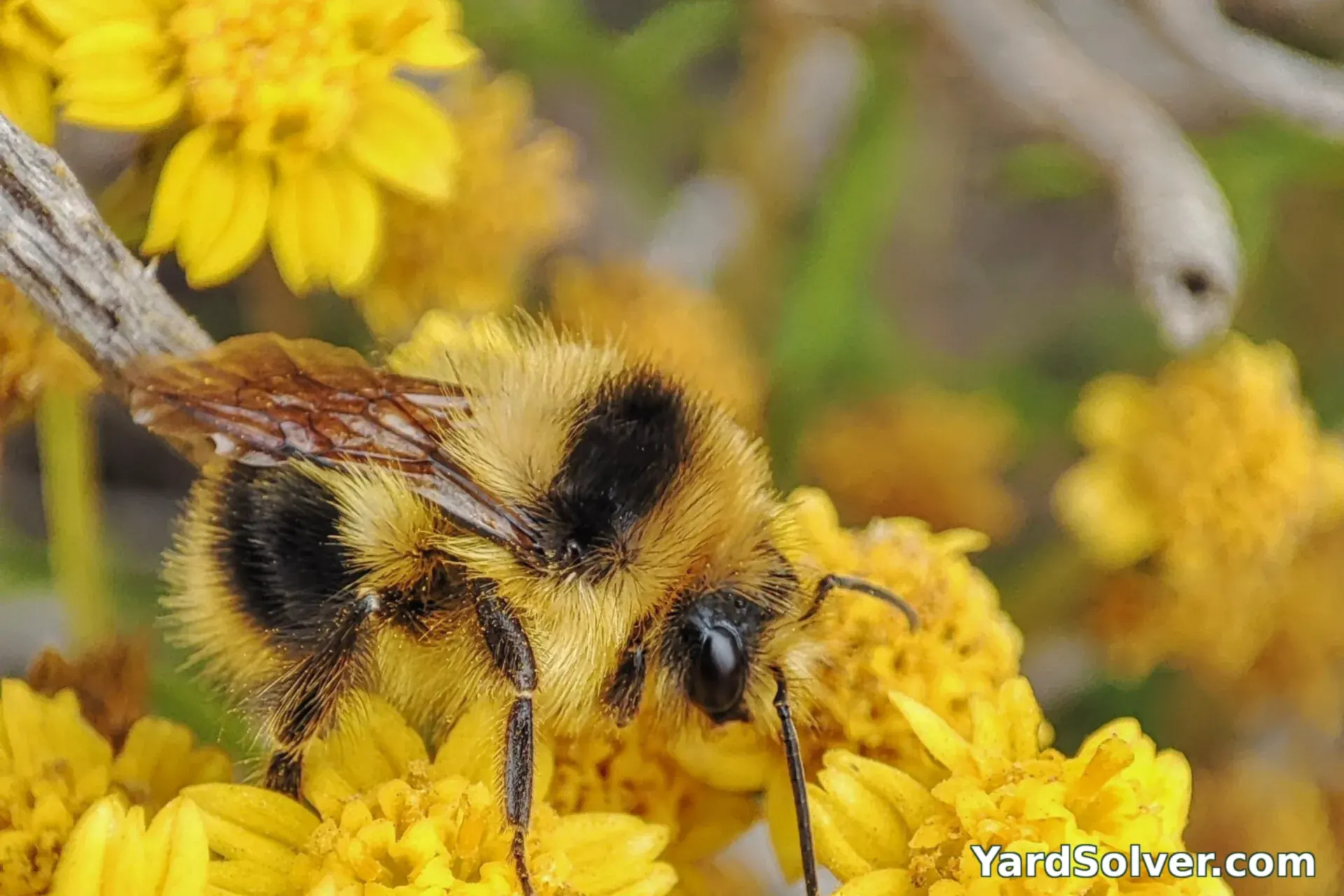
Clumping goldenrods need no staking, pinching or deadheading — leave the seed heads for winter birds and cut everything down in spring. Divide clumps every 3–4 years if the centre thins.
- Running into neighbours — you've got a wild species, not a clumper; lift it and replace with a named cultivar.
- Powdery mildew — occasional in humid summers; airflow and lean soil prevent most of it.
- Blamed for hay fever — innocent: goldenrod pollen is heavy and bee-carried; the sneezing comes from wind-pollinated ragweed blooming unseen at the same time.
Step 6 — Harvest
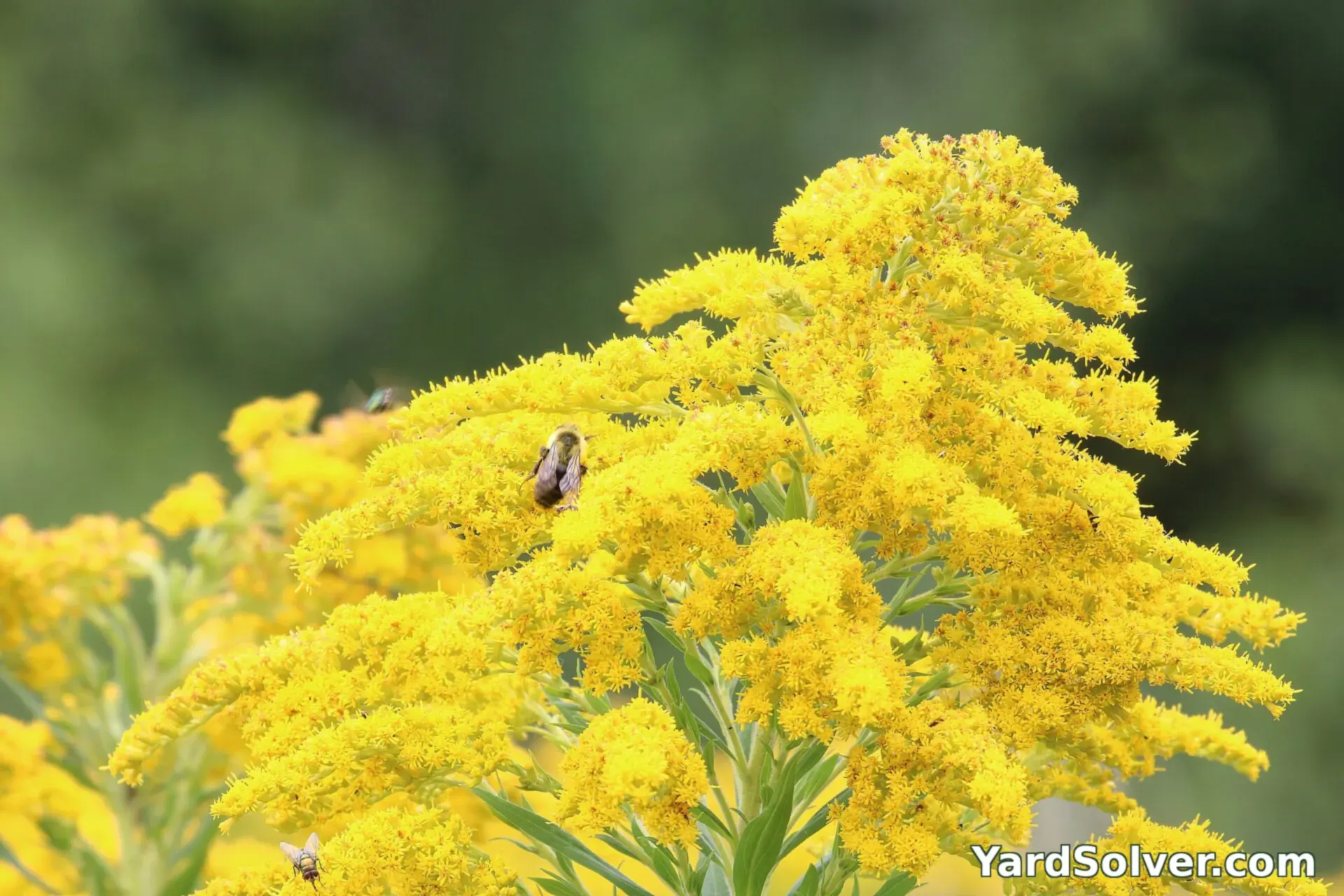
Cut plumes for drying just as the buds begin to colour — they open as they dry and hold their gold. Fresh cuts are handsome in autumn arrangements for about a week. The greater harvest is the wildlife: leave most plumes standing, and your September garden becomes the neighbourhood's last service station for bees and migrating monarchs.
📅 Your personal Goldenrod schedule
Counted from your planting day — not a generic calendar. Day 0 is the day the seed went in the ground or the young plant went out.
Varieties worth growing
| Variety | Colour | Why gardeners like it |
|---|---|---|
| Fireworks | Arching golden sprays | Solidago rugosa selection — plumes explode sideways like a firework; the connoisseur's goldenrod. |
| Little Lemon | Pale lemon, compact | A dwarf hybrid for small gardens — 14 in of tidy gold. |
| Solar Cascade | Golden, cascading | A short, arching form bred for containers and edges. |
Good for you — and take care
Benefits
- Peak-season fuel for bees, butterflies and migrating monarchs.
- Autumn gold when the border needs it most.
- Drought-proof, care-free, and falsely accused (it's ragweed's fault).
Take care
- Buy clumping cultivars — wild running species are garden thugs.
- Rich soil makes it flop; grow it lean.
- Leave seed heads for winter birds where you can.
A little history — and one good fact
Goldenrod is North America's autumn signature — over 100 species, mostly native. It was nearly made the US national flower in the early 20th century. European gardeners adopted it so completely that it escaped there and naturalised along railways — the same plant, hero at home and immigrant abroad.
Fun fact: Goldenrod pollen is heavy and sticky, built for bee transport — it almost never becomes airborne, which is the scientific proof of its innocence in the hay-fever trial.
Keep going
Guides: Pollinator garden guide · Companion planting basics · Crop rotation basics
Calculators: Plant Spacing Calculator · Garden Mix Calculator · Fertilizer Calculator
More flowers: Aster · Joe-Pye Weed · Black-Eyed Susan · Yarrow · Milkweed
← Back to the Plant Library · Get your personal planting dates
Questions people ask
Does goldenrod cause hay fever?
No — goldenrod is the autumn garden's most wronged plant. Its pollen is heavy and carried by bees, not wind. The sneezing is caused by ragweed, an inconspicuous wind-pollinated plant that blooms at exactly the same time.
Will goldenrod take over my garden?
The clumping garden cultivars won't — they form tidy clumps that expand slowly. The aggressive reputation belongs to a few running wild species. Buy a named cultivar like 'Fireworks' or 'Little Lemon' and you're safe.
When should I cut goldenrod down?
Leave the seed heads standing through winter for birds and insect shelter, and cut the old stems down in early spring as new growth appears.
Not the hay-fever villain — that is ragweed: goldenrod is the late-season pollinator engine, so choose the clumping kinds
Goldenrod (Solidago) carries an unfair conviction. The autumn sneezing it is blamed for belongs to ragweed, which flowers at the same time but is wind-pollinated and inconspicuous; goldenrod pollen is heavy, sticky and moved by insects, and rarely travels on the wind at all. What goldenrod actually does is feed more late-season bees, butterflies and beneficial insects than almost any other garden flower, at the moment the garden is otherwise winding down.
The honest caution is spread. Common Canada goldenrod and its close kin run hard by rhizome and will take a border; the garden answer is the clump-forming species and cultivars — wrinkleleaf goldenrod, stiff goldenrod, and compact named forms — which stay where they are planted and flower just as generously. Deadheading before seed ripens is the second line of control in small gardens.
The worked example: a clumping cultivar planted at a border's back in sun flowers for six late-summer weeks, covered in bees, and is still the same-sized clump three years later. A running species in the same spot typically owns the whole bed by year three and is being dug out — same genus, opposite behaviour, so the label matters more than the genus name.
Sources
Key facts on this page — timing, spacing and care — cross-checked against NC State Extension Plant Toolbox — Solidago — culture, species and care requirements and Solidago — Wikipedia — background on goldenrod and the ragweed pollen distinction.
Related page
Read next: Native Plants: Benefits, Regional Picks & How to Grow.
Comments & ratings
No comments yet.
Be the first to share your experience.