
Plant Library · Flowers · By Faizan Ahmad
🦋 How to Grow Milkweed
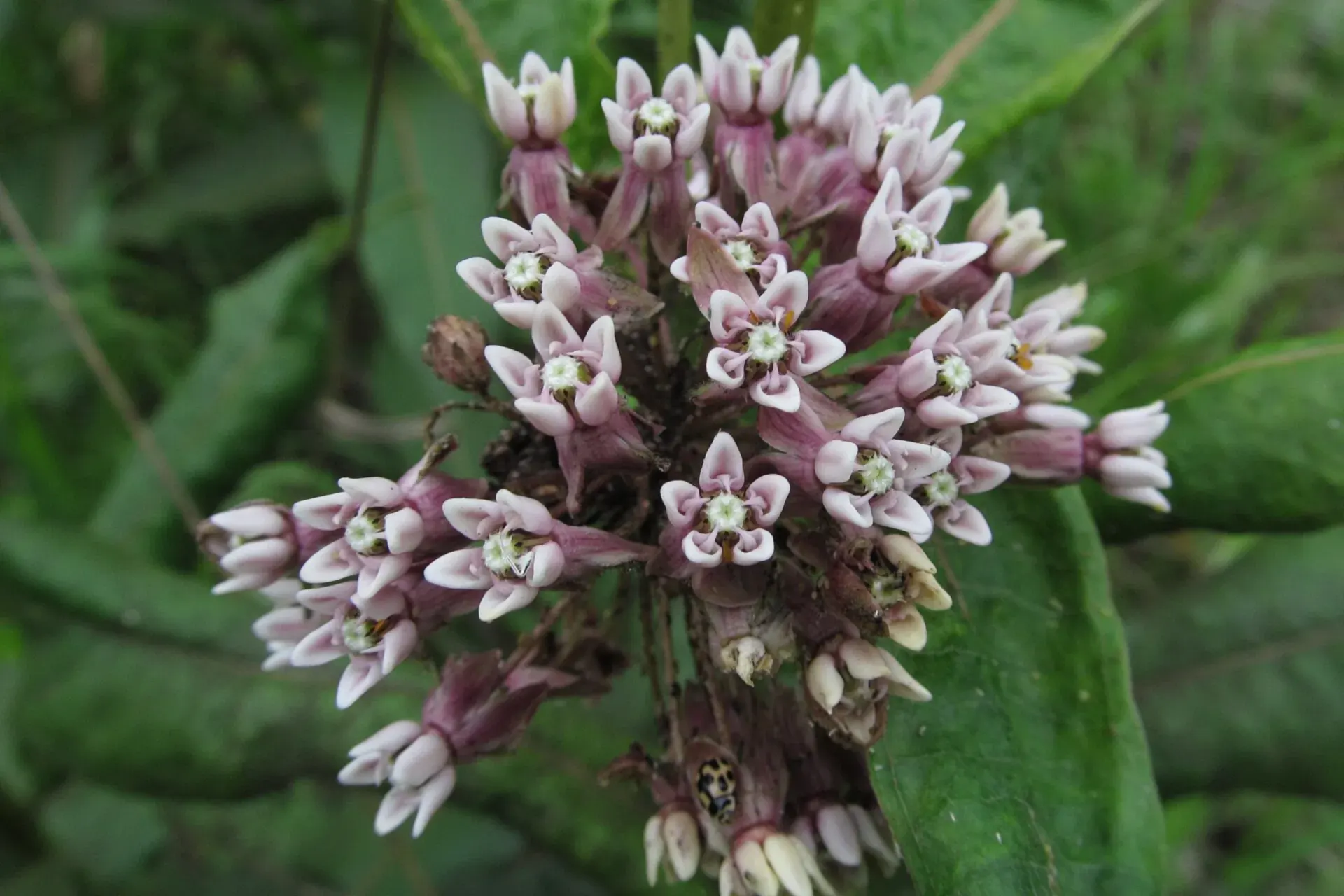
The one plant monarch butterflies cannot live without — their caterpillars eat nothing else on Earth. Milkweed (Asclepias) is a hardy perennial with balls of starry, honey-scented flowers, boat-shaped pods, and silky parachute seeds. Plant the species native to your region (common milkweed across the east and prairies, swamp milkweed where it's damp, butterfly weed on dry soil), and your garden becomes monarch infrastructure.
Grow Milkweed with us — step by step
Everything for this plant is written step by step below — what to do, and exactly when. Read it through first if you like: you can grow it entirely on your own with that guide. Or start with us here — tell us your planting day and we lay out your personal schedule on this page, every next step on its own day, counted from your planting date. No guessing, no forgetting.
Step 1 — today: Stratify milkweed seed cold for 30 days (or autumn-sow and let winter do it), then sow shallow in spring.
Milkweed at a glance
Sow indoors: 8 weeks before last frost, after 30 days cold stratification
Move outside: After last frost
Sow outdoors: In autumn — winter does the stratification
Spacing · Seed depth: 18 in apart · 1/4 in deep
Sun: Full sun
Water: Moderate (swamp milkweed wants moisture)
Bloom: June to August; pods and silk follow
Timing counts from your average last spring frost — get your own dates in the Planting Calendar. Guidance follows standard extension-service practice for Canada and the US.
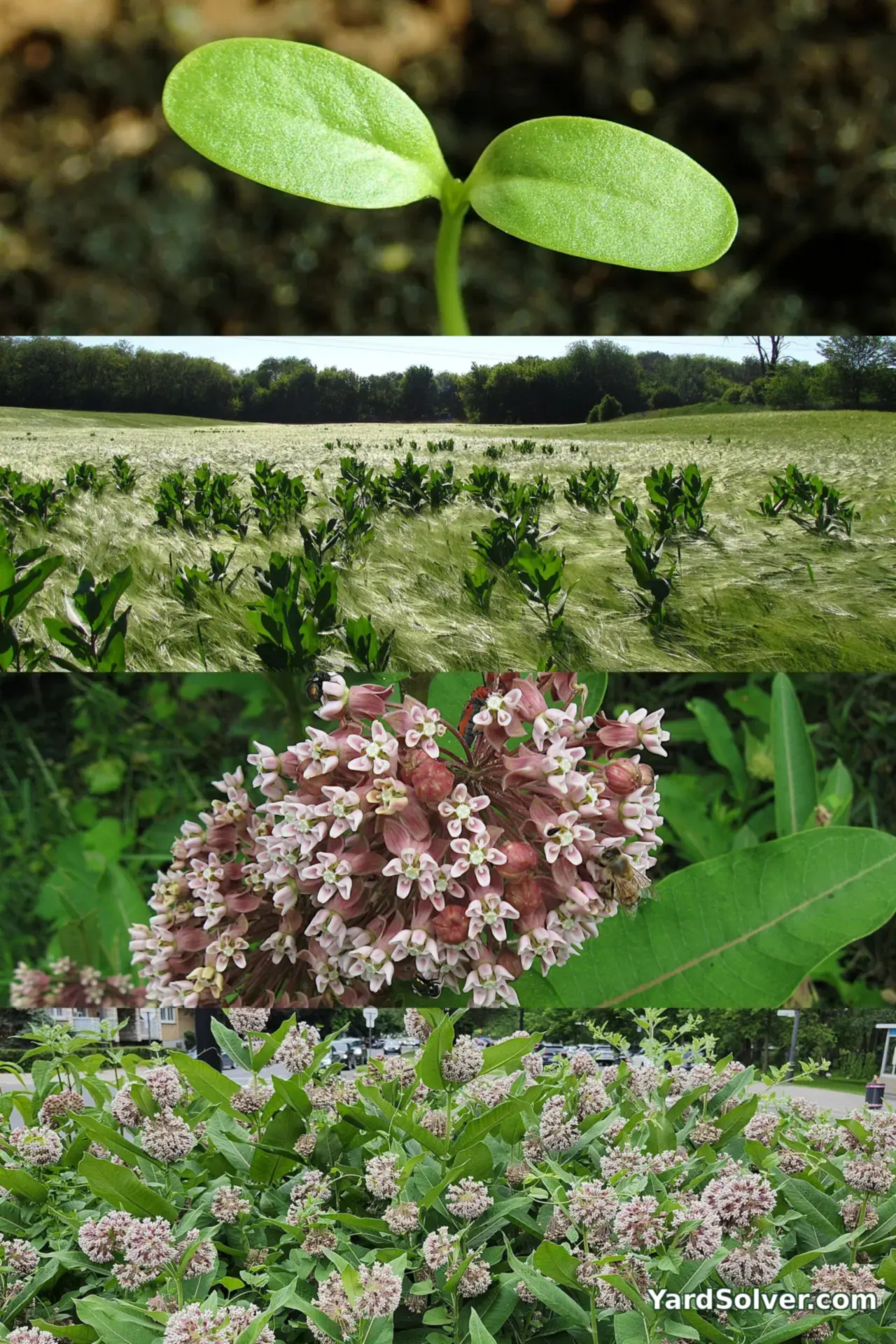
How to plant and grow milkweed, step by step
Step 1 — Time it right

Sow outdoors: in autumn, where winter cold stratifies the seed for free; Sow indoors: 8 weeks before last frost, after 30 days in the fridge. All dates count from your average last spring frost — the Planting Calendar turns them into real dates for your garden. Milkweed seed is programmed to wait for winter: without 30 days of cold, moist stratification, germination is poor and patchy. Autumn sowing outdoors outsources the job to the weather. Indoors, mix seed with damp sand or a damp paper towel in a bag in the fridge for a month, then sow — seedlings appear in 1–3 weeks in warmth. Sow in deep pots: the taproot forms immediately.
Step 2 — Prepare the spot
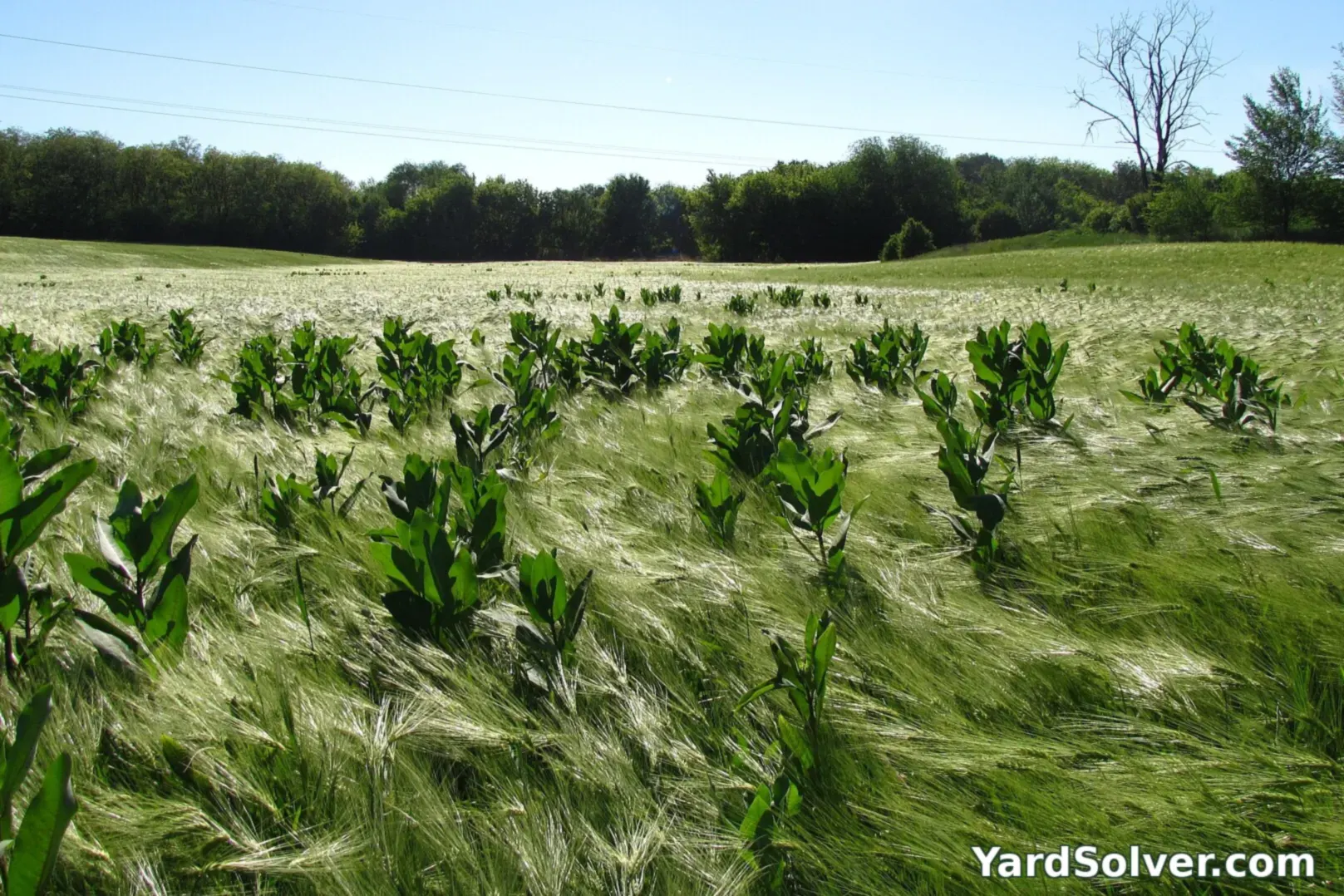
Choose the species for your ground: common milkweed (A. syriaca) for average soil in the east and prairies; swamp milkweed (A. incarnata) for damp soil and rain gardens; butterfly weed (A. tuberosa) — orange, and with barely milky sap — for dry, sandy spots. All want full sun. Common milkweed spreads by runners into a colony: plant it where a colony is welcome. For a raised bed, the Raised Bed Soil Calculator counts the bags for you; mixing your own? The Garden Soil Calculator gives the compost-rich split to aim for.
Step 3 — Sow and plant out
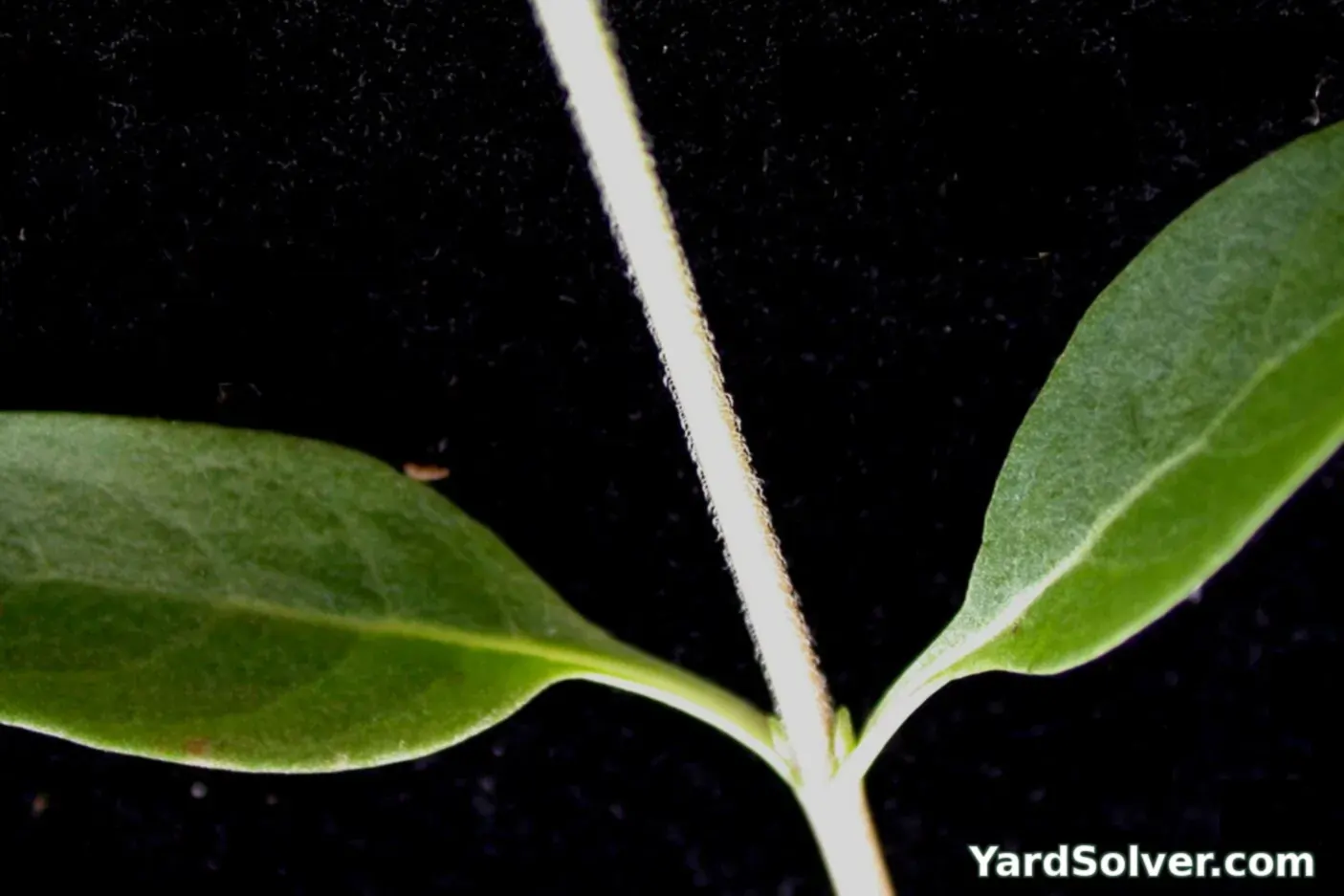
Plant out at 18 in apart after frost, keeping the rootball intact, and water to establish. The Plant Spacing Calculator turns your bed size into an exact plant count. Good neighbours: milkweed belongs to the monarch waystation guild with joe-pye weed and goldenrod — caterpillars on the milkweed, adults fuelling on the nectar giants.
Step 4 — Water and feed
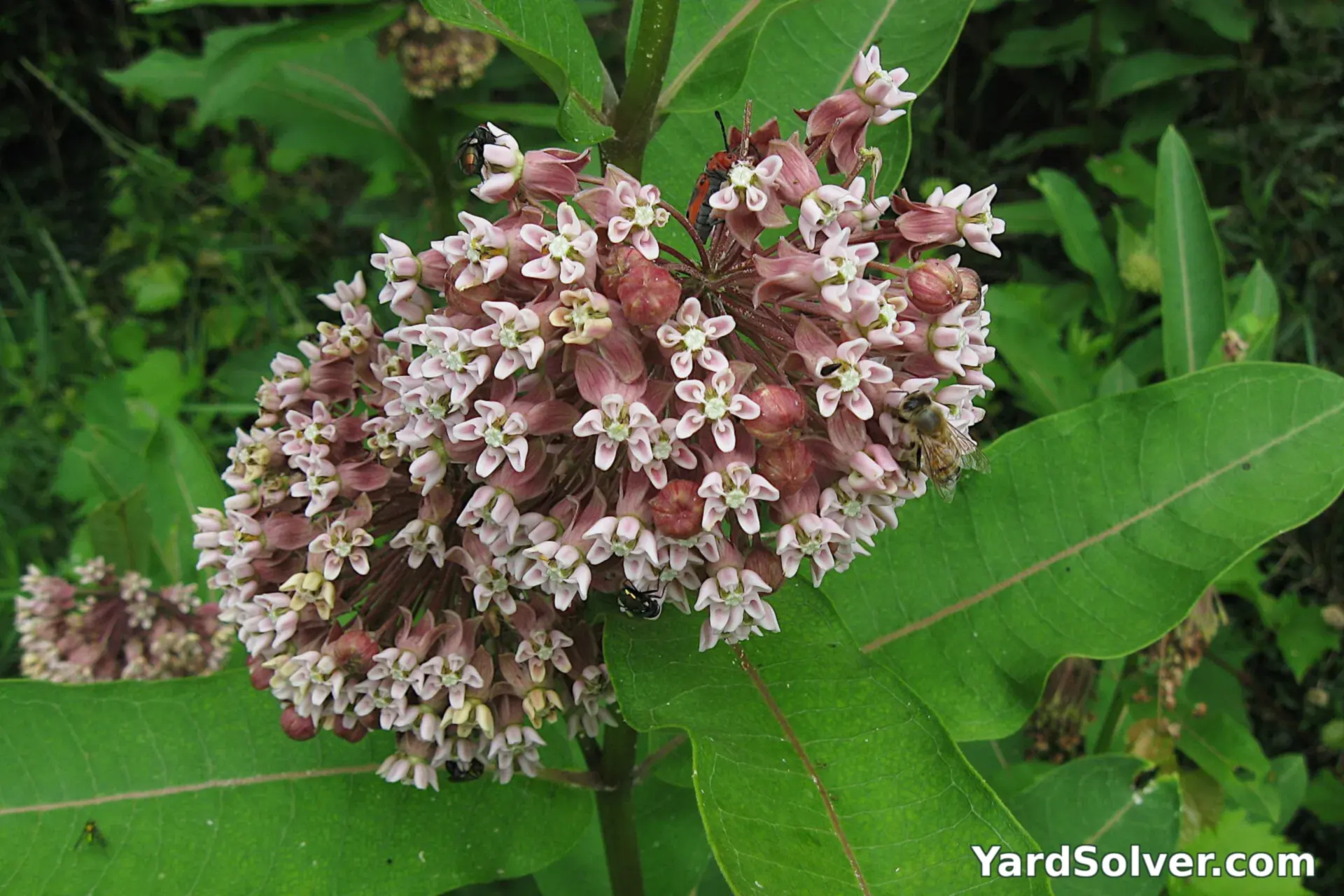
Water through the first season; established common milkweed and butterfly weed are deeply drought-tolerant, while swamp milkweed still wants its moisture. Feeding is unnecessary — milkweed grows on lean soil happily and rich feeding just makes it flop — the Fertilizer Calculator turns your bed size into exact amounts (spend it elsewhere).
Step 5 — Care and the problems to watch for
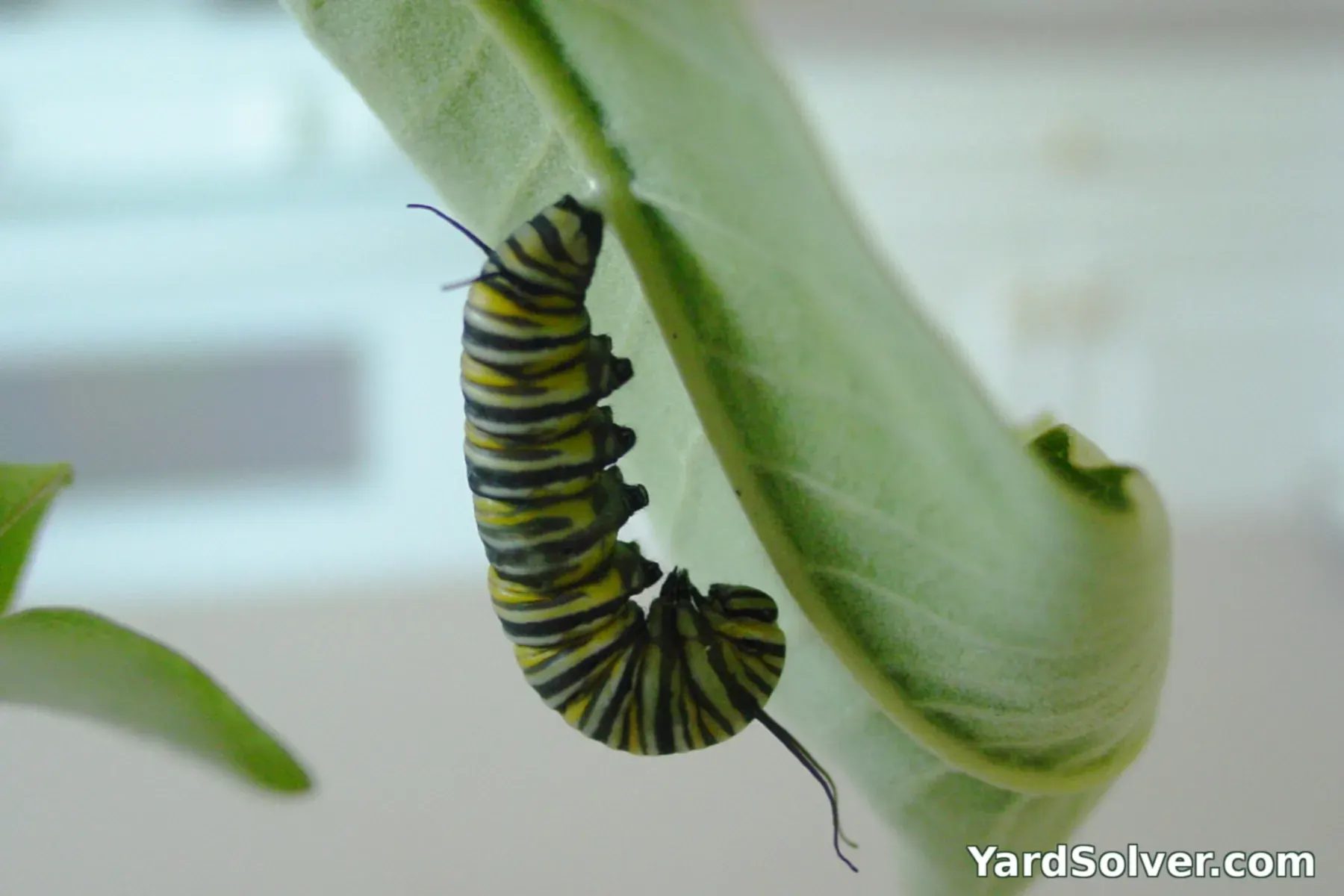
Care means mostly standing back: no spraying (anything that kills aphids kills caterpillars), no tidying the pods (winter interest and bird food), and tolerating the orange oleander aphids that colonise the stems — they're part of the ecosystem and rarely harm the plant.
- Aphid armies — leave them, or blast with water; never insecticide on a monarch plant.
- Spreading colony — common milkweed runs; mow or pull runners at the boundary, or grow swamp milkweed/butterfly weed, which stay in clumps.
- No caterpillars yet — monarchs find new plantings within a season or two in their range; plant more stems and wait.
Step 6 — Harvest
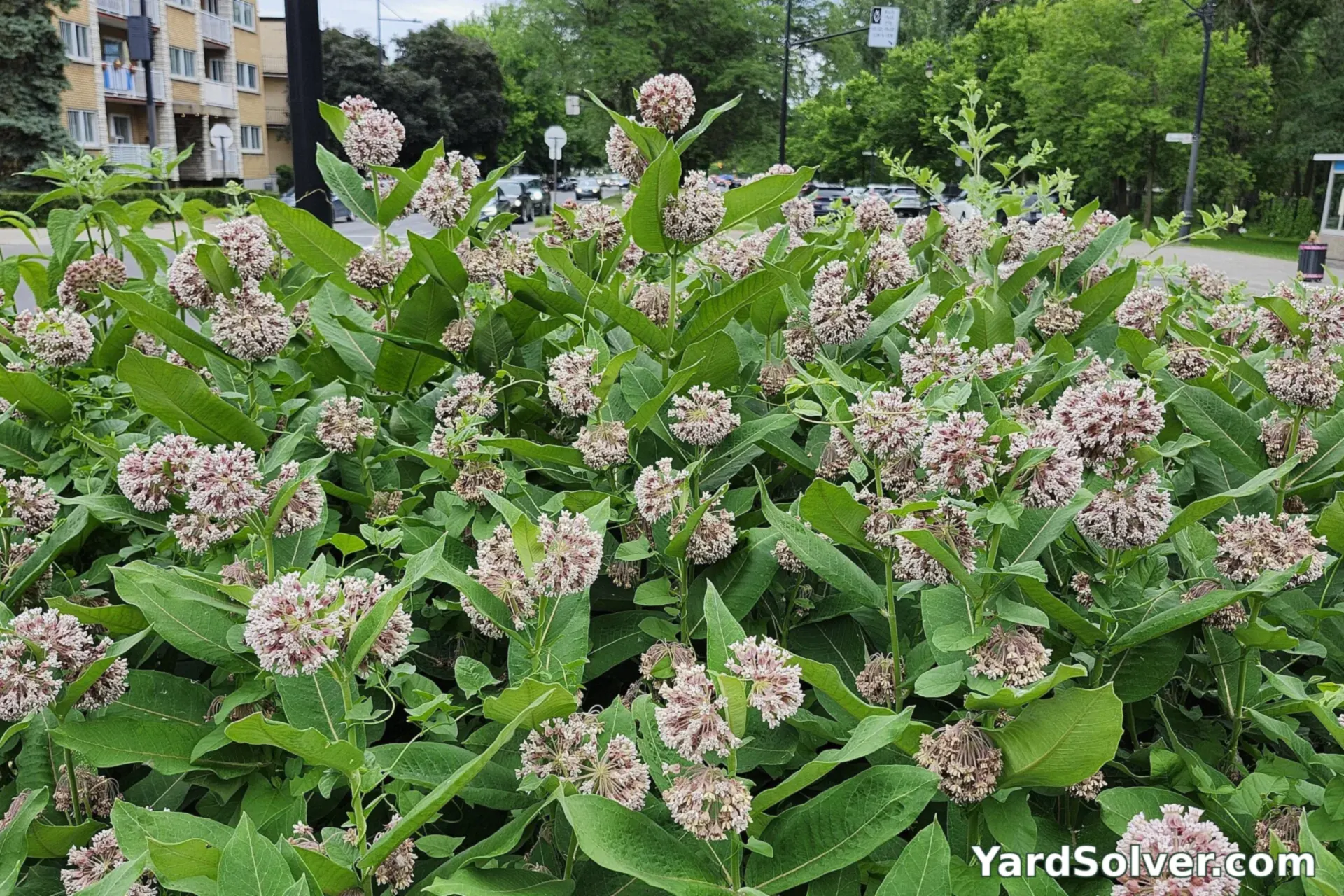
Collect seed pods as they begin to split, before the silk parachutes launch. The flowers cut poorly and wilt fast — the harvest here is not a vase but a nursery: every stem you grow can raise a dozen monarchs a summer. In autumn, watch a caterpillar form its jade-green chrysalis on or near your plants, and the whole year's gardening explains itself.
📅 Your personal Milkweed schedule
Counted from your planting day — not a generic calendar. Day 0 is the day the seed went in the ground or the young plant went out.
Varieties worth growing
| Variety | Colour | Why gardeners like it |
|---|---|---|
| Common Milkweed | Pink balls, spreading colony | Asclepias syriaca — the monarch mainstay of the east and prairies. |
| Swamp Milkweed | Rose-pink, clump-forming | A. incarnata — for damp soil and rain gardens; well-behaved. |
| Butterfly Weed | Brilliant orange, dry soil | A. tuberosa — the dry-garden milkweed, a flower-show plant in its own right. |
Good for you — and take care
Benefits
- The ONLY food of monarch caterpillars — no milkweed, no monarchs.
- Honey-scented flower balls for bees and butterflies all summer.
- Silky pods for autumn and winter interest.
Take care
- Toxic sap (cardiac glycosides) — never eat; keep from livestock; wash hands.
- Never spray insecticide on it — you'll kill what you planted it for.
- Common milkweed spreads into a colony — give it its own ground.
A little history — and one good fact
Asclepias is named for Asklepios, Greek god of medicine — the genus was a traditional remedy chest. Its modern fame is ecological: as North American milkweed declined with herbicide-era farming, monarch numbers fell with it, and gardeners took up planting milkweed as citizen conservation. During the Second World War, milkweed floss was harvested by the ton as life-jacket filling — buoyant and warm when kapok ran short.
Fun fact: A monarch caterpillar eats only milkweed — and stores the plant's poisons in its own body, which is why birds that eat one monarch never eat another.
Keep going
Guides: Pollinator garden guide · Companion planting basics · Crop rotation basics
Calculators: Plant Spacing Calculator · Garden Mix Calculator · Fertilizer Calculator
More flowers: Joe-Pye Weed · Goldenrod · Echinacea · Aster
← Back to the Plant Library · Get your personal planting dates
Questions people ask
Which milkweed should I plant?
The one native to your region and suited to your soil: common milkweed (average soil, spreading), swamp milkweed (damp soil, clumping), or butterfly weed (dry, sandy soil, clumping). Avoid tropical milkweed in cold climates — it can disrupt monarch migration timing where it stays green too long.
Why does my milkweed seed need the fridge?
Milkweed seed has a built-in winter requirement — 30 days of cold, moist stratification breaks its dormancy. Without it, germination is sparse and slow. Autumn sowing outdoors achieves the same thing naturally.
Will milkweed really bring monarchs?
Within their range, yes — female monarchs actively seek milkweed to lay eggs, and a healthy patch in a sunny spot is usually found within a season or two. Plant at least several stems, avoid all insecticides, and add nectar flowers for the adults.
Milkweed is the only food monarch caterpillars can eat: plant it and the nursery runs itself — but respect the milky sap
Common milkweed (Asclepias syriaca) and its relatives hold a unique place in the garden: monarch butterfly caterpillars feed on milkweed and nothing else, so a patch of it is not decoration, it is a nursery. The plant supports the whole cycle — eggs laid on the leaves, caterpillars feeding, and nectar-rich flower clusters feeding the adults and a crowd of other pollinators besides.
The management notes are honest ones. Milkweed spreads by runners and self-seeds on silky parachutes, so site it where a colony is welcome, or choose the better-behaved swamp and butterfly milkweeds for small beds. The milky sap that defends the plant also irritates skin, so gloves for dividing or clearing are sensible. And never spray a patch in caterpillar season: the point of the plant is the insects on it.
The worked example: a sunny, unsprayed colony left standing through autumn typically hosts caterpillars every season and feeds bees for weeks. The same patch tidied, sprayed or cut down in midsummer typically hosts nothing — with milkweed, a hands-off summer is the whole method.
Sources
Key facts on this page — timing, spacing and care — cross-checked against NC State Extension Plant Toolbox — Asclepias syriaca — culture and care requirements and Asclepias syriaca — Wikipedia — background on common milkweed and the monarch butterfly.
Related page
Read next: Native Plants: Benefits, Regional Picks & How to Grow.
Comments & ratings
No comments yet.
Be the first to share your experience.