
Plant Library · Flowers · By Faizan Ahmad
💜 How to Grow Lilac
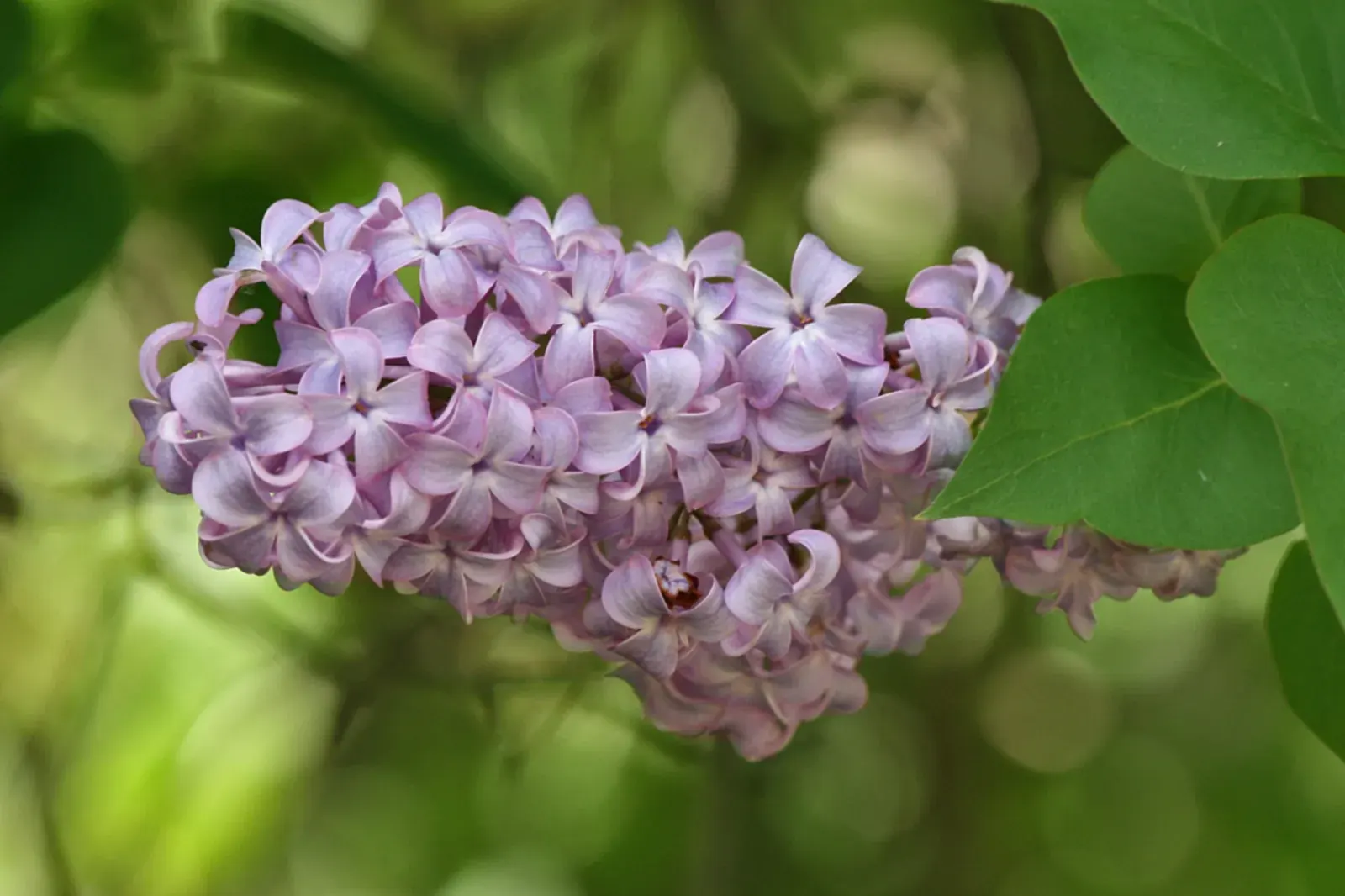
The scent of May itself — lilac (Syringa vulgaris) is the hardiest, longest-lived flowering shrub in the cold-climate garden: plant it in full sun with sweet soil, and it will perfume springs for fifty years, outliving the planter. It asks for winter cold (it needs the chill to set buds), resents only shade and pruning at the wrong moment, and flowers so freely that one bush scents a whole street.
Grow Lilac with us — step by step
Everything for this plant is written step by step below — what to do, and exactly when. Read it through first if you like: you can grow it entirely on your own with that guide. Or start with us here — tell us your planting day and we lay out your personal schedule on this page, every next step on its own day, counted from your planting date. No guessing, no forgetting.
Step 1 — today: Buy a named lilac in spring or autumn — and plant it in the sunniest spot you own, with room for a small tree's worth of shrub.
Lilac at a glance
Plant out: Spring or autumn, as bought plants
Sow outdoors: From seed takes years and varies — buy named plants
Cuttings: Suckers transplanted are the classic free lilac
Spacing: 72 in apart for common lilac
Sun: Full sun — shade steals flowers
Water: Moderate — deep roots once settled
Bloom: May; deadhead and prune within a month of flowering
Timing counts from your average last spring frost — get your own dates in the Planting Calendar. Guidance follows standard extension-service practice for Canada and the US.

How to plant and grow lilac, step by step
Step 1 — Time it right
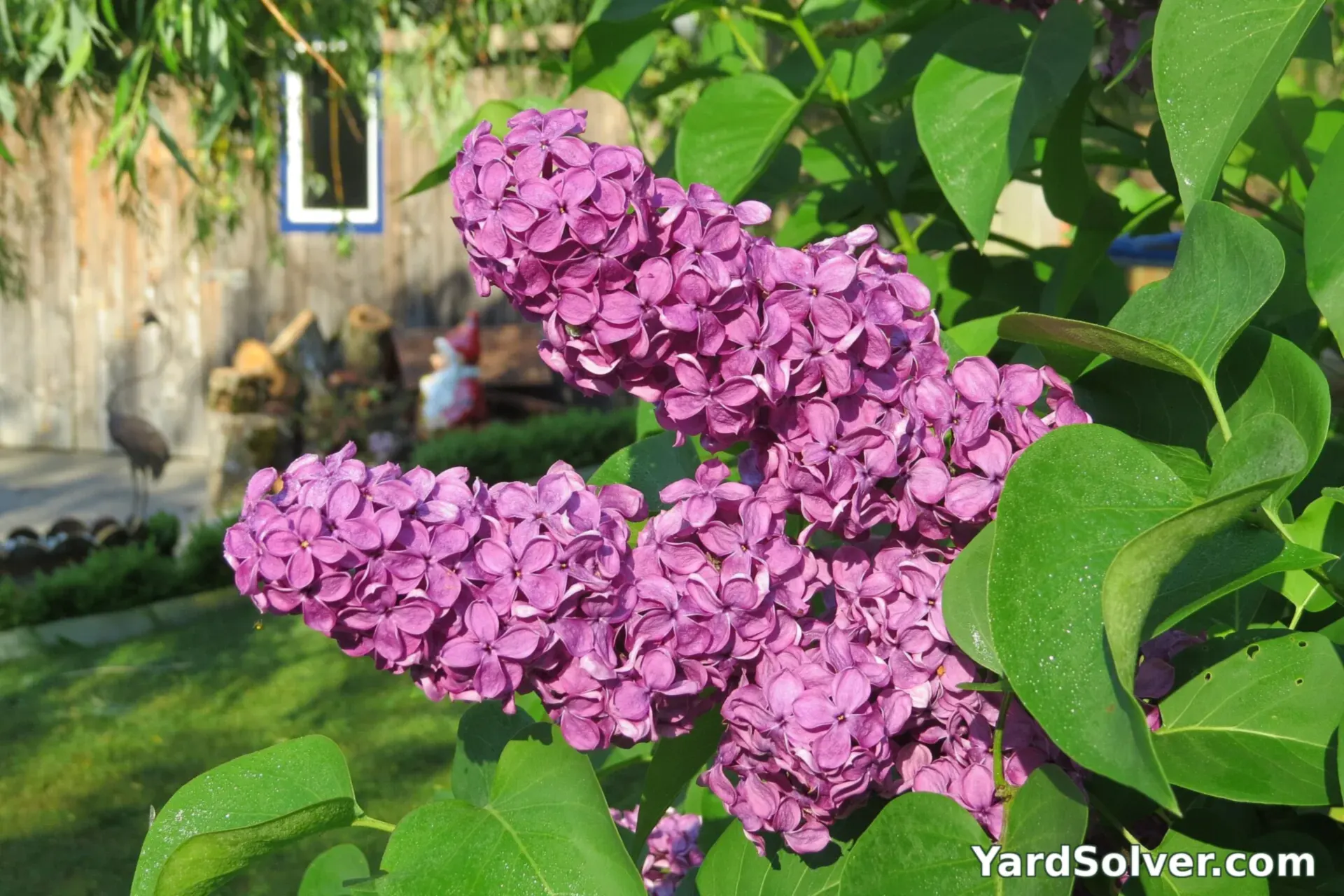
Plant out: in spring or autumn, as bought plants; From seed: possible but slow and variable — named plants or suckers are the honest route. All dates count from your average last spring frost — the Planting Calendar turns them into real dates for your garden. Lilacs are planted as named bushes in spring or autumn — own-root plants (from cuttings, layers or suckers) are preferable to grafted ones, because grafted plants sucker from their privet rootstock and eventually the impostor takes over. Lilac NEEDS winter cold: in mild climates (above zone 8) it flowers poorly for lack of chill, and low-chill varieties are the answer there.
Step 2 — Prepare the spot

Full sun is the first law (six hours minimum — shaded lilacs leaf and sulk). Soil: fertile, well-drained, neutral to alkaline — lilacs love lime; on acid soils, work in garden lime or wood ash in the planting hole. Space is the third law: common lilac reaches 8–12 ft in both directions. For a raised bed, the Raised Bed Soil Calculator counts the bags for you; mixing your own? The Garden Soil Calculator gives the compost-rich split to aim for.
Step 3 — Sow and plant out
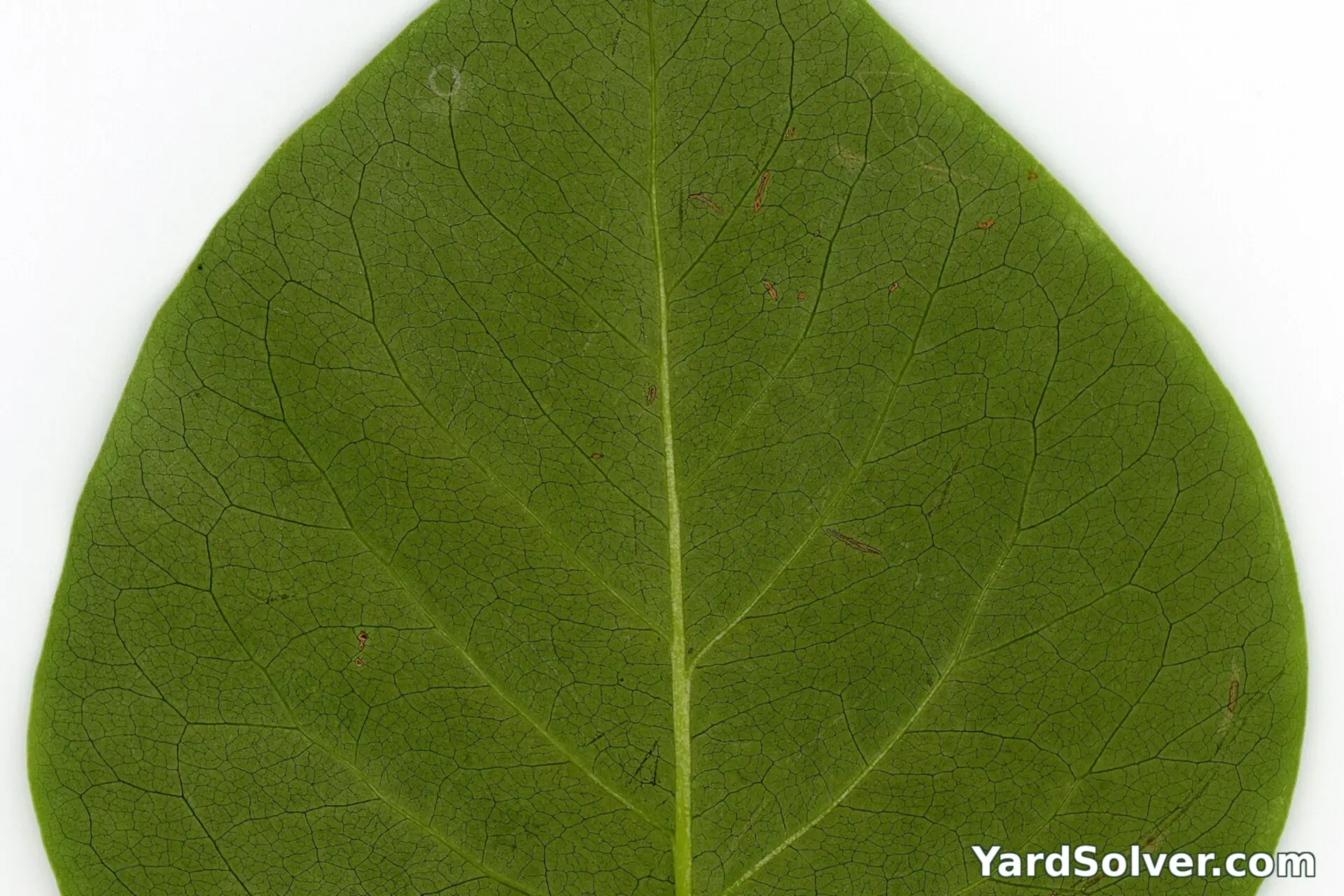
Set the plant at its pot depth, 72 in apart, firm in and water deeply. The Plant Spacing Calculator turns your bed size into an exact plant count. Good neighbours: lilac is a spring-only performer — underplant it with daylilies and late perennials that take over the stage after May, and its bare legs stop mattering.
Step 4 — Water and feed
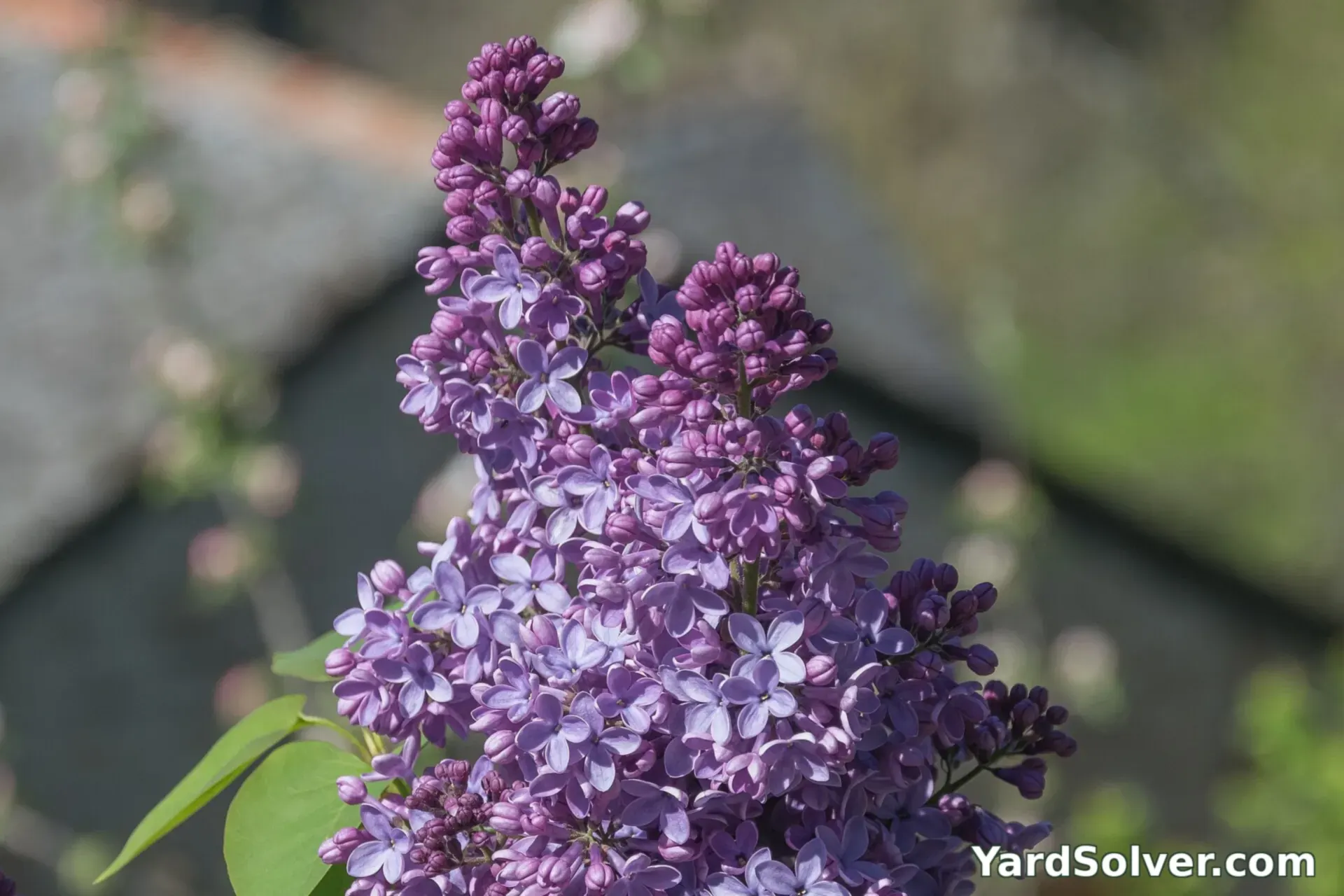
Water regularly through the first two seasons; established lilacs are drought-tolerant deep-rooters. Feed lightly in spring — a balanced feed or a compost mulch — and go easy on nitrogen: over-fed lilacs make sappy growth and mildew, not flowers — the Fertilizer Calculator turns your bed size into exact amounts. A handful of wood ash or lime every few years on acid soils keeps the sweetness it likes.
Step 5 — Care and the problems to watch for

Pruning is lilac's whole secret, and it is timing: prune IMMEDIATELY after flowering (within a month). Lilac sets next year's flower buds in summer — autumn or spring pruning cuts them off. Deadhead spent cones at the same moment, thin out the oldest stems at the base every few years, and remove suckers you don't want.
- No flowers — shade, late pruning, or a warm winter without chill; fix the first two, choose low-chill varieties for the third.
- Powdery mildew on leaves — cosmetic and nearly universal by August; ignore it, it doesn't touch the flowering.
- Suckers taking over — on grafted plants the rootstock (often privet, small white flowers) is staging a coup; remove rootstock suckers at the base, or replace with an own-root plant.
Step 6 — Harvest
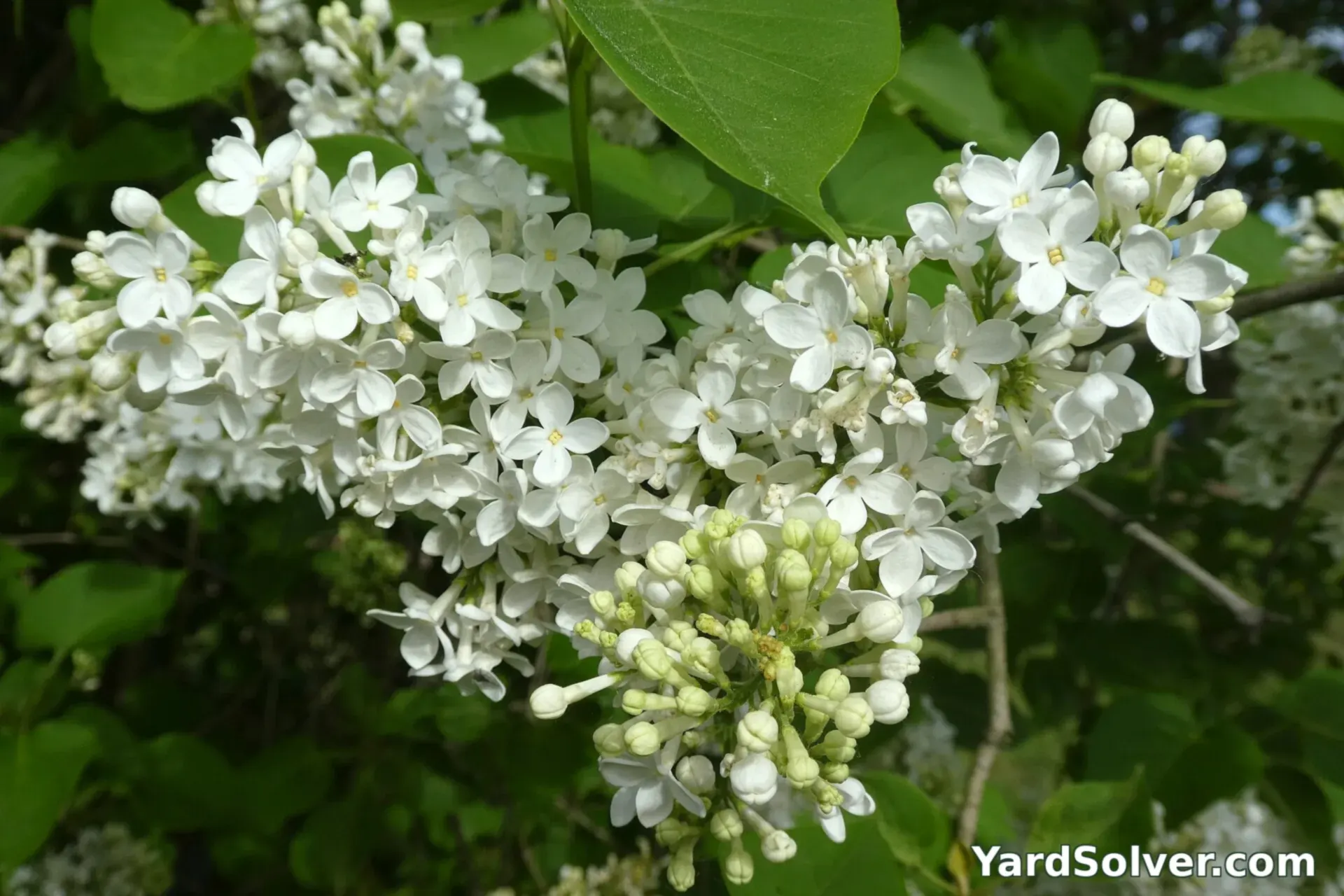
Cut flower cones as most florets open, split or crush the woody stem ends, and stand them deep in water — a jug of lilac perfumes a house for days. The longer harvest is generational: dig a rooted sucker from a friend's bush in autumn, plant it, and in a few years you're giving suckers away. A lilac planting is measured in decades — some farmyard lilacs have outlived the farm.
📅 Your personal Lilac schedule
Counted from your planting day — not a generic calendar. Day 0 is the day the seed went in the ground or the young plant went out.
Varieties worth growing
| Variety | Colour | Why gardeners like it |
|---|---|---|
| Charles Joly | Deep magenta-purple, double | A classic French hybrid — rich colour, heavy scent. |
| Sensation | Purple edged white | Each floret is picoteed — purple with a clean white margin. |
| Bloomerang | Reblooming, compact | A modern dwarf that flowers in May and again, lightly, in late summer. |
Good for you — and take care
Benefits
- The defining scent of spring — one bush perfumes a street.
- Extreme hardiness and longevity: 50+ years is normal.
- Free plants forever from suckers of own-root bushes.
Take care
- Prune ONLY right after flowering — buds for next year set in summer.
- Needs real winter chill; mild climates need low-chill varieties.
- Full sun or it sulks: shade makes leaves, not flowers.
A little history — and one good fact
Syringa vulgaris came from the Balkans to Vienna in the 1560s with the ambassador Ogier de Busbecq, and spread across Europe and then North America, where it became the farmstead shrub of the frontier — planted by homesteads, it still marks vanished farmhouses across the prairies. The French house of Lemoine bred the great double 'French hybrids' in the late 1800s.
Fun fact: Lilac is a member of the olive family — the same family as jasmine, privet, forsythia and the olive itself, which explains the family resemblance in their flowers.
Keep going
Guides: Companion planting basics · Pollinator garden guide · Crop rotation basics
Calculators: Plant Spacing Calculator · Garden Mix Calculator · Fertilizer Calculator
More flowers: Hydrangea · Rose · Daylily · Peony
← Back to the Plant Library · Get your personal planting dates
Questions people ask
Why is my lilac not flowering?
The big three: pruning at the wrong time (lilac sets buds in summer — prune only in the month after flowering), too much shade, or — in warm climates — a winter without enough chill. Address the first two and most bushes flower the next May.
When should I prune lilac?
Within a month after the flowers fade — deadhead the spent cones and thin old stems then. Any pruning from midsummer onward removes next spring's flower buds, which form during summer.
My lilac has small white flowers now — what happened?
Your grafted lilac's rootstock (usually privet) has taken over with its suckers. Cut rootstock growth out at the base faithfully, or replace the plant with an own-root lilac that can never be impersonated.
Lilac blooms on last year's wood: prune straight after flowering, never in spring, or you cut the flowers off
Common lilac (Syringa vulgaris) sets next spring's flower buds on the wood it grows this summer, which is why the pruning calendar is absolute: deadhead and prune in the few weeks right after flowering, and the shrub has the whole season to make new flowering wood. Prune in late winter or spring — the tidy-up instinct — and you simply remove every bud the shrub made, then wonder why a healthy bush gave leaves and no scent.
The other two rules are air and restraint. Lilac wants full sun, neutral to slightly alkaline, well-drained soil, and open air around it, because crowded, still air invites the powdery mildew that whites its leaves by late summer. It also resents rich feeding: heavily fertilised lilacs make lush leaf at the expense of bloom, so a modest mulch and lean ground suit it better than a generous diet.
The worked example: a lilac pruned just after flowering, thinned of its oldest stems every few years and left unfed typically blooms heavily every spring. The same shrub sheared in March and fed like a rose typically gives a green mound and apologies — lilac flowering is decided the previous June.
Sources
Key facts on this page — timing, spacing and care — cross-checked against NC State Extension Plant Toolbox — Syringa vulgaris — culture and care requirements and Syringa vulgaris — Wikipedia — background on common lilac and its cultivation.
Related page
Read next: How to Divide Perennials: When, How, and a Chart for Common Plants.
Comments & ratings
No comments yet.
Be the first to share your experience.