
Guides · Raised beds · Published October 31, 2026 · By Faizan Ahmad
Raised Bed Gardening for Beginners
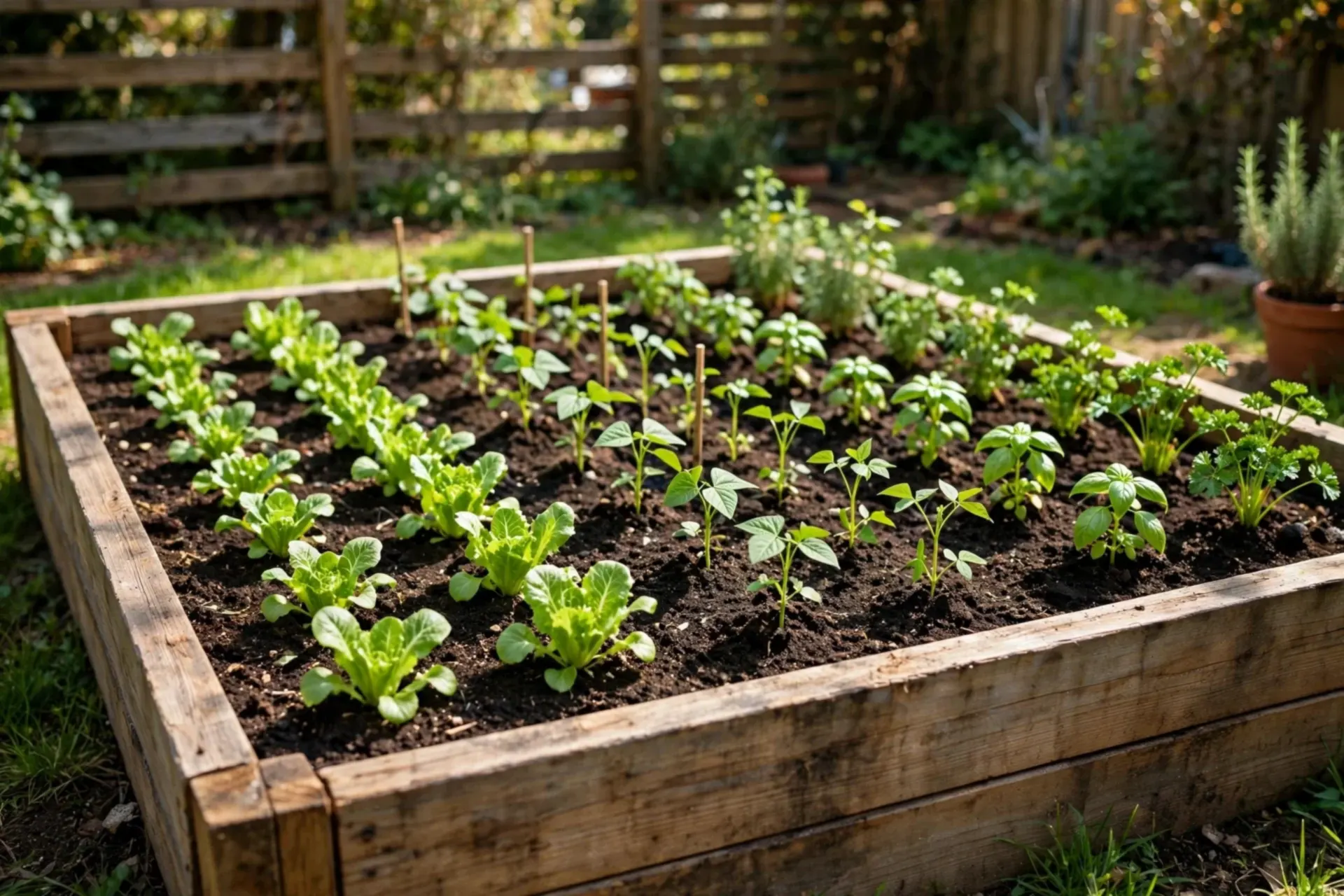
A raised bed is the kindest way to start gardening: you control the soil, the weeds start at zero, and nothing needs digging. But beginners lose money and enthusiasm in predictable places — the wrong spot, the wrong size, and a soil bill nobody warned them about. This guide walks the whole first bed, in order.
Why raised beds work for beginners
- Soil you choose: no fighting clay, rocks or builder's rubble — you fill the bed with good mix from day one
- Earlier spring: bed soil warms faster than ground soil, so planting starts sooner
- No compacted soil: you never step in the bed, so roots grow in loose soil all season
- Tidy and reachable: defined edges, less bending, and watering goes exactly where the plants are
Step 1 — Pick the spot: sun first, water second
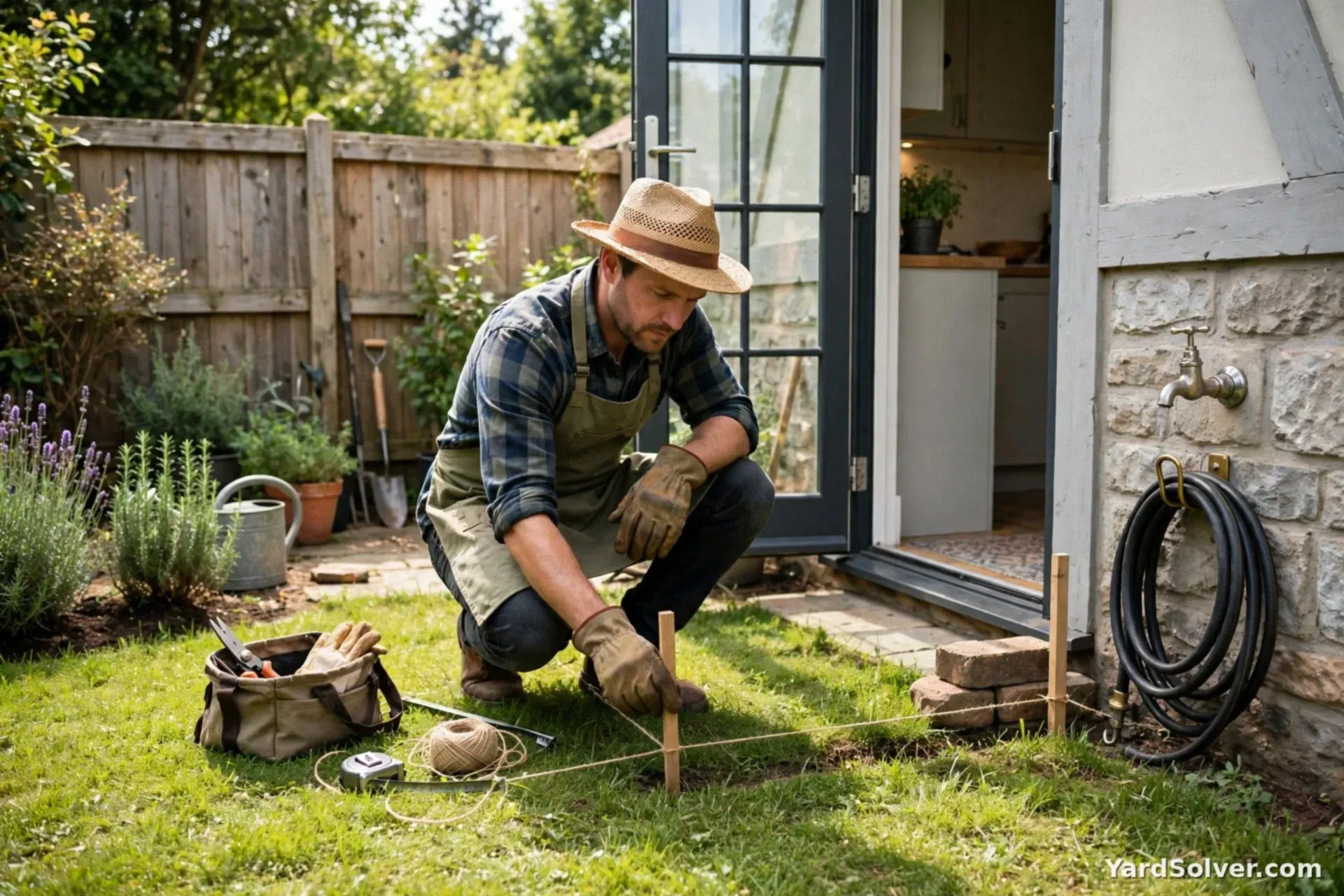
Vegetables want 6–8 hours of direct sun — watch your yard for a day before committing. Then check the practical side: near a tap or hose (a bed drinks daily in July), on reasonably level ground, and somewhere you will actually walk past every day. Beds hidden at the far fence get forgotten; beds by the kitchen door get watered.
Step 2 — Choose the size: 4 × 8 feet, 10–12 inches deep
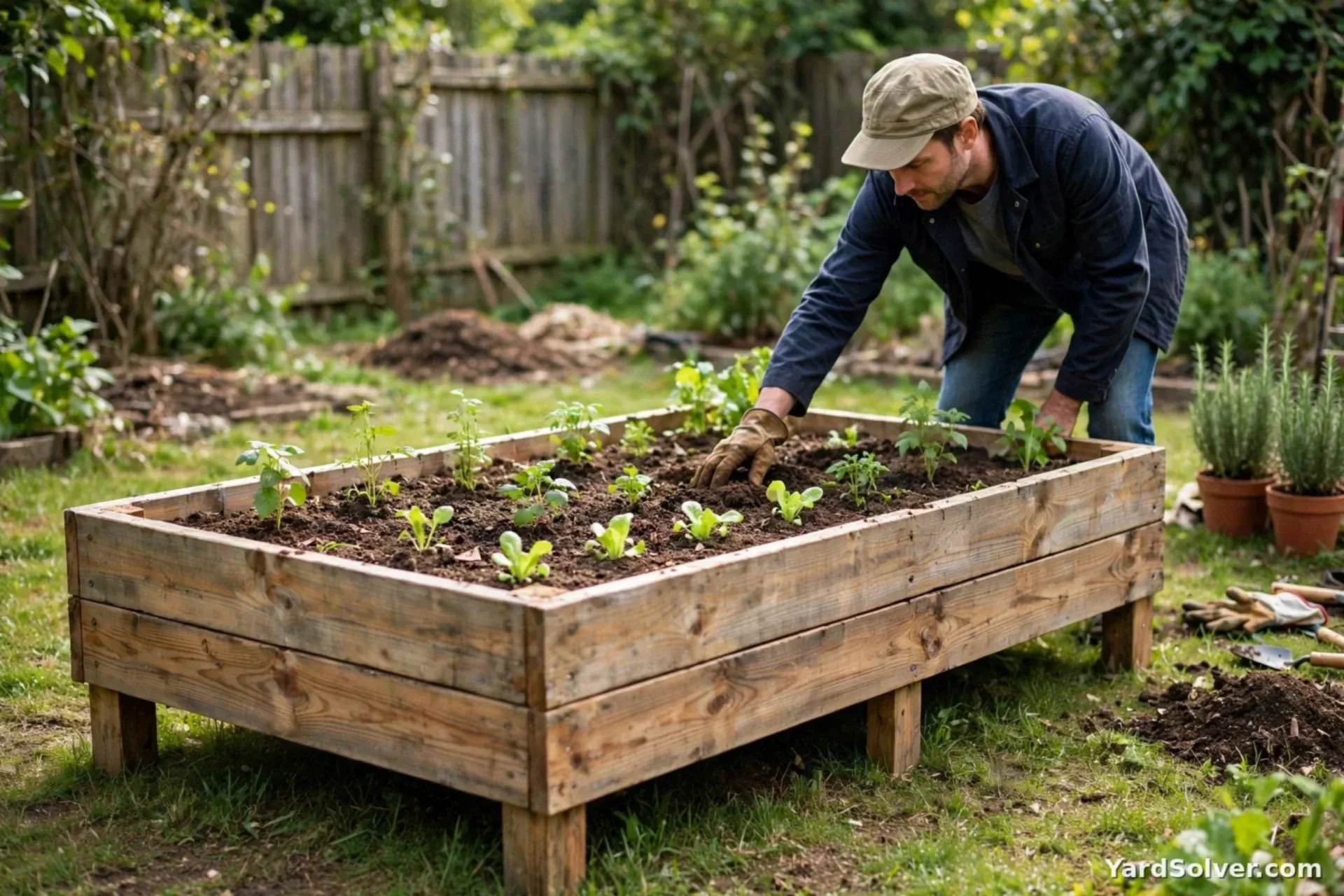
Width is the rule that matters: never wider than 4 feet, so you can reach the centre from the sides without stepping in. Length is up to you; 8 feet is the classic. Depth of 10–12 inches grows everything from lettuce to tomatoes; shallower beds dry out fast and stunt roots. Ready to build your own? The DIY steps are in How to Build a Raised Bed.
Step 3 — Calculate the soil BEFORE you buy (the budget step)
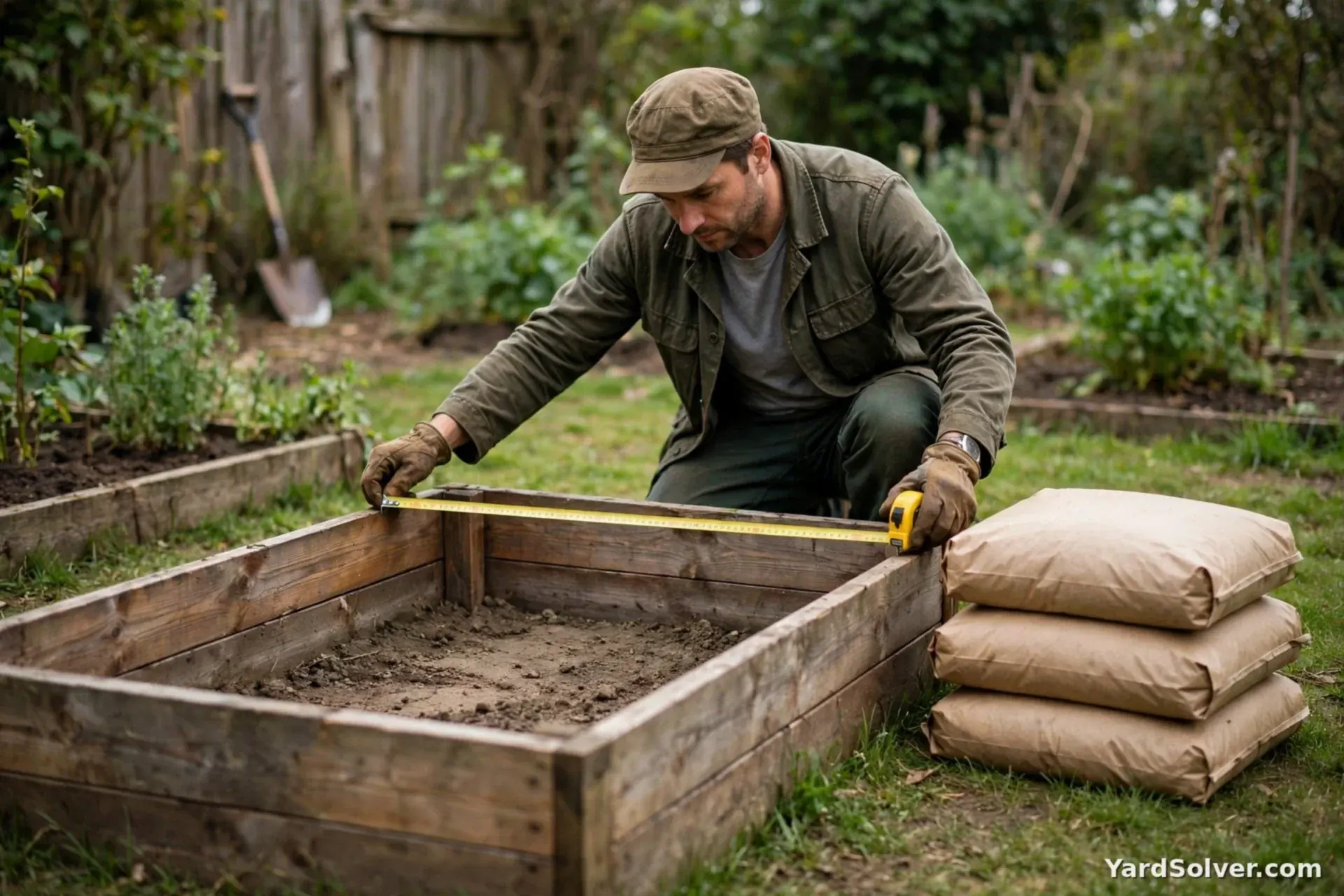
Soil is the biggest cost of a raised bed, and the most misjudged. An 8 × 4 bed at 12 inches deep holds 32 cubic feet — about 1.19 cubic yards. Run your own bed's numbers through the Raised-Bed Soil Calculator before the garden centre: it gives bags or bulk yards in your country's sizes and prices. A proven fill mix is roughly 60% topsoil, 30% compost, 10% aeration material (perlite, pumice or coarse vermiculite); bulk delivery beats bags on cost for more than one bed.
Step 4 — Line the bottom, fill, water, let it settle
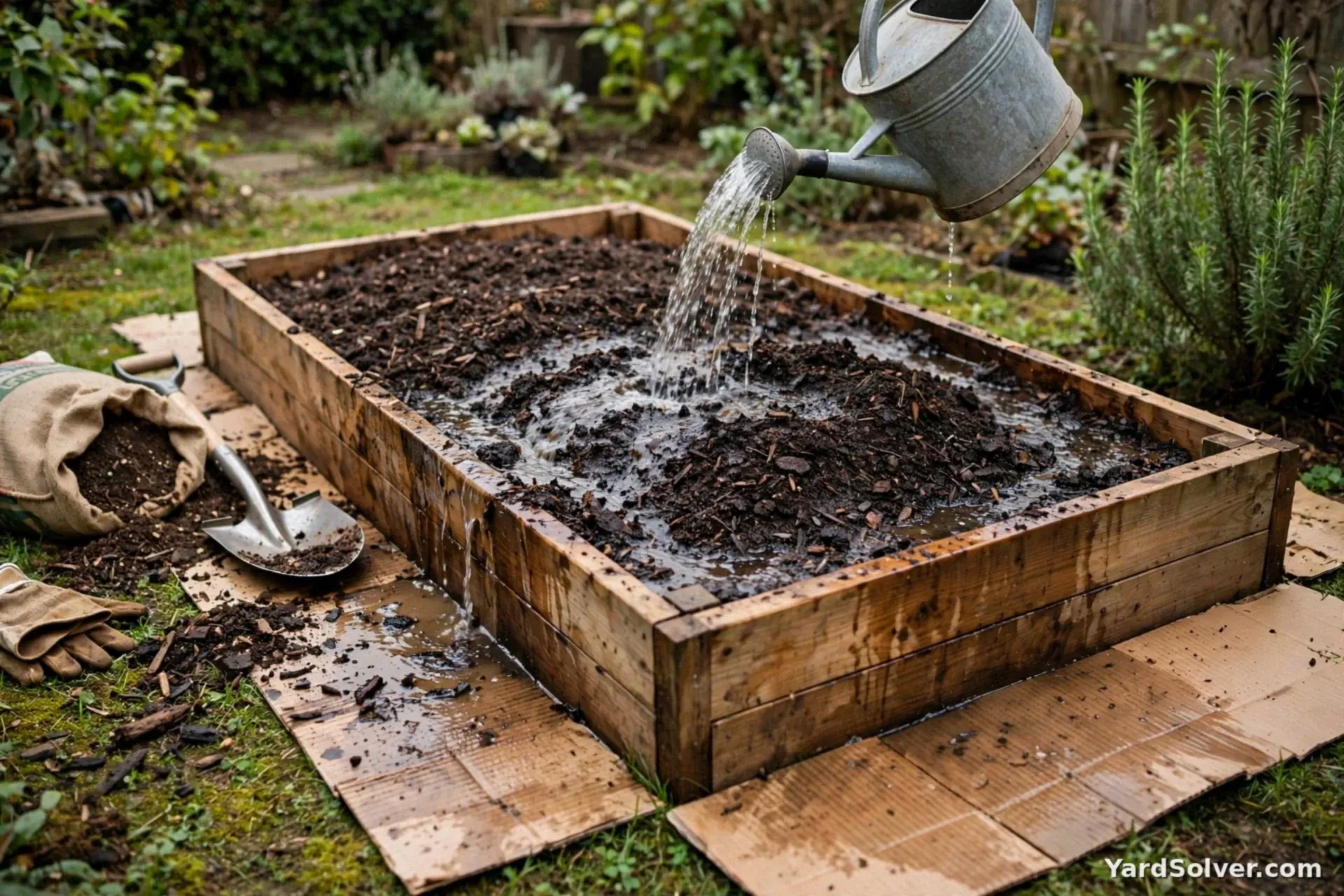
Set the frame on level ground. Cardboard over the base smothers grass and weeds and rots away harmlessly — no plastic lining needed, and drainage stays free. Fill with your mix, water deeply, and expect the level to settle an inch or two; top up before planting. Soil preparation principles are covered in How to Prepare Garden Soil in Spring.
Step 5 — Plant forgiving crops first
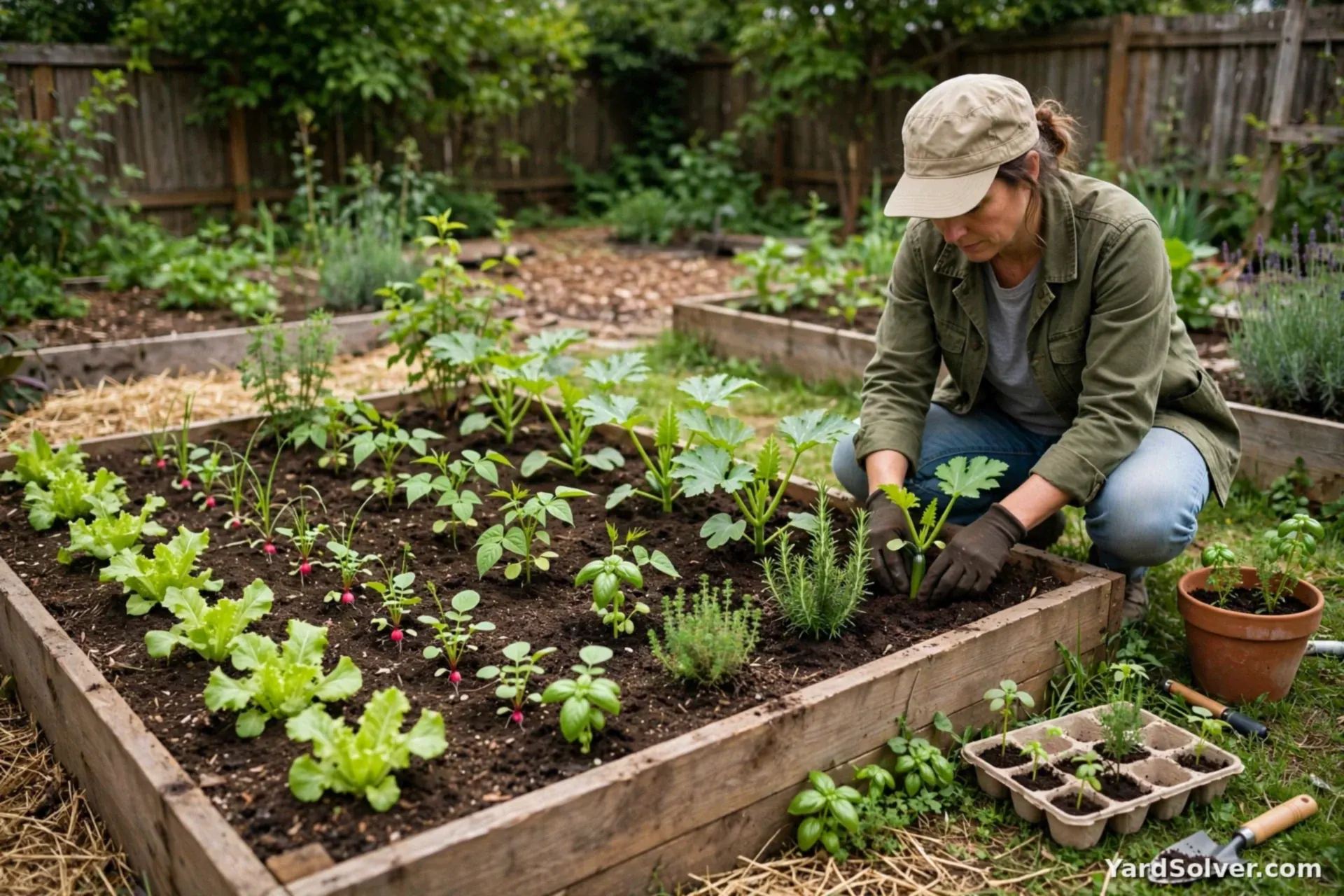
First-season success is a strategy, not luck. Start with lettuce and greens, radishes (ready in about a month), bush beans, zucchini, and herbs; add tomatoes and peppers after frost using the Planting Calendar. Space plants with the Plant Spacing Calculator — crowding is the second most common beginner mistake, right after the soil bill. More picks in Best Vegetables to Grow in a Small Garden.
Step 6 — Mulch and keep a watering rhythm
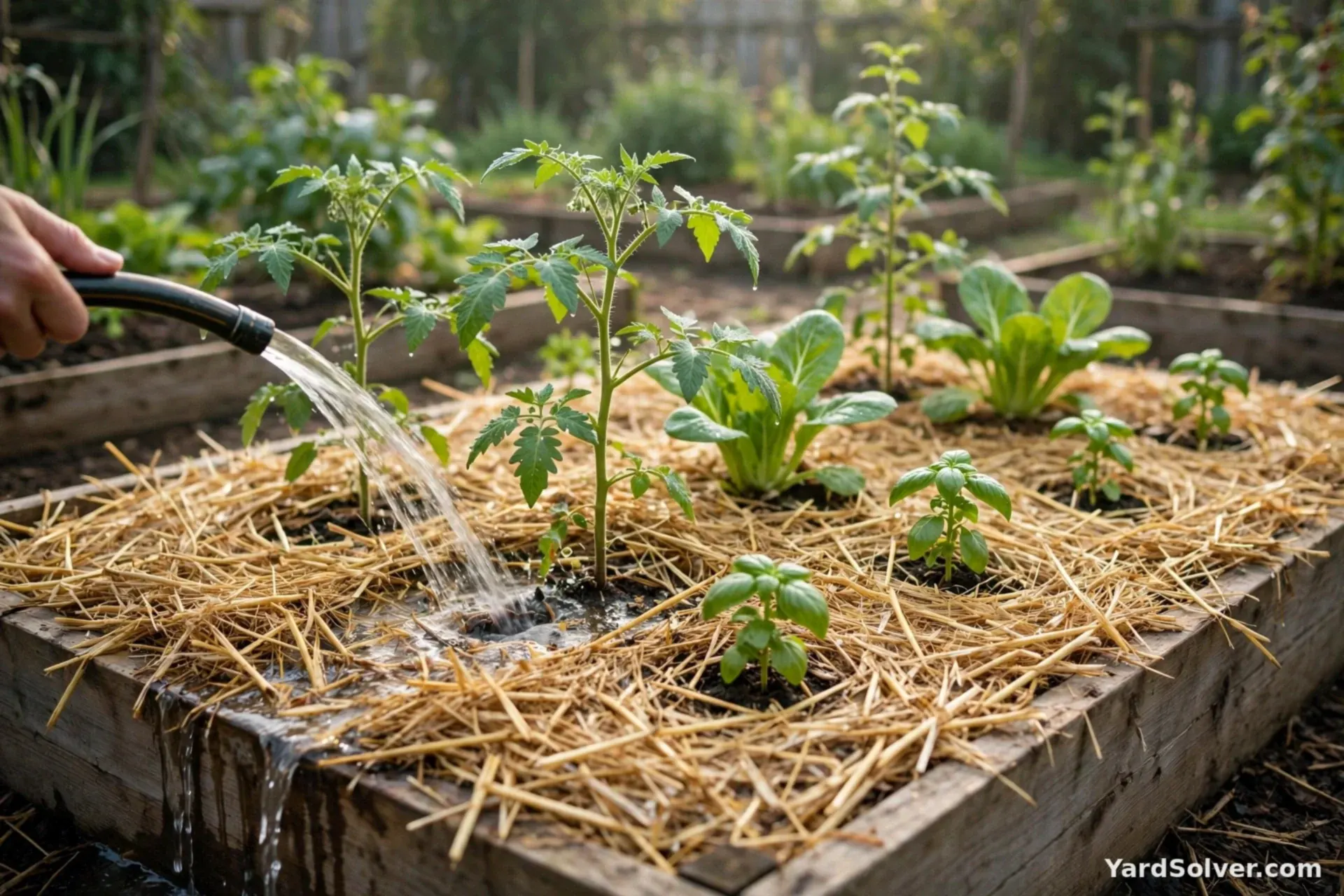
Cover bare soil with 2–3 inches of straw or shredded leaves — the Mulch Calculator gives quantities. Mulch halves your watering and nearly eliminates weeding. Water deeply at the base in the morning; in hot weeks a raised bed may need it daily. That rhythm is the entire maintenance secret of raised beds.
Keep going
Building your own: How to Build a Raised Bed · How to Prepare Garden Soil in Spring.
Questions people ask
What is the best size for a first raised bed?
4 feet by 8 feet, 10–12 inches deep. You can reach the middle from either side, it fits standard lumber, and it grows a surprising amount of food.
How much soil does an 8 × 4 bed take?
At 12 inches deep, 32 cubic feet — about 1.19 cubic yards, or roughly 22 large 1.5-cubic-foot bags. Calculate before you buy; it is where beginners most often overspend.
What should a beginner plant first?
Lettuce and greens, radishes, bush beans, zucchini and herbs — fast, forgiving crops that give you a first-season win.
A raised bed buys control — drainage, soil and access — at the price of watering
The raised bed's advantages are all one advantage: control. The gardener chooses the soil instead of inheriting it, so clay, rubble and contamination stop being verdicts; the bed drains freely and warms early in spring because it stands above the water table and the cold ground; and its defined edges end the slow war of lawn invading bed and bed invading lawn. For gardeners with limited mobility the bed also raises the work toward the worker. Beginners should hear the honest price in the same breath: a raised bed is a large container, and it dries out faster than the ground it stands on — watering is its standing tax.
The first bed teaches the system best kept small: one bed, built level, filled with a topsoil and compost mix (never pure compost, which slumps and overheats the budget), and cropped for a full season before the empire expands. Depth follows ambition — shallow beds suit salads and herbs, deep beds carry roots and perennials — and the soil will sink a few centimetres a year as its organic matter is eaten, which the top-up guide turns into a routine rather than a surprise. One bed done properly convinces; five beds done hastily become five problems at once.
Sources
Key facts on this page cross-checked against Raised-bed gardening — Wikipedia — background on raised-bed gardening and its principles and Compost — Wikipedia — background on compost in raised-bed soil mixes.
Related page
Read next: How to Build a Raised Bed: DIY Steps, Board List and Costs.
Comments & ratings
No comments yet.
Be the first to share your experience.