
Plant Library · Flowers · By Faizan Ahmad
💙 How to Grow Cornflower
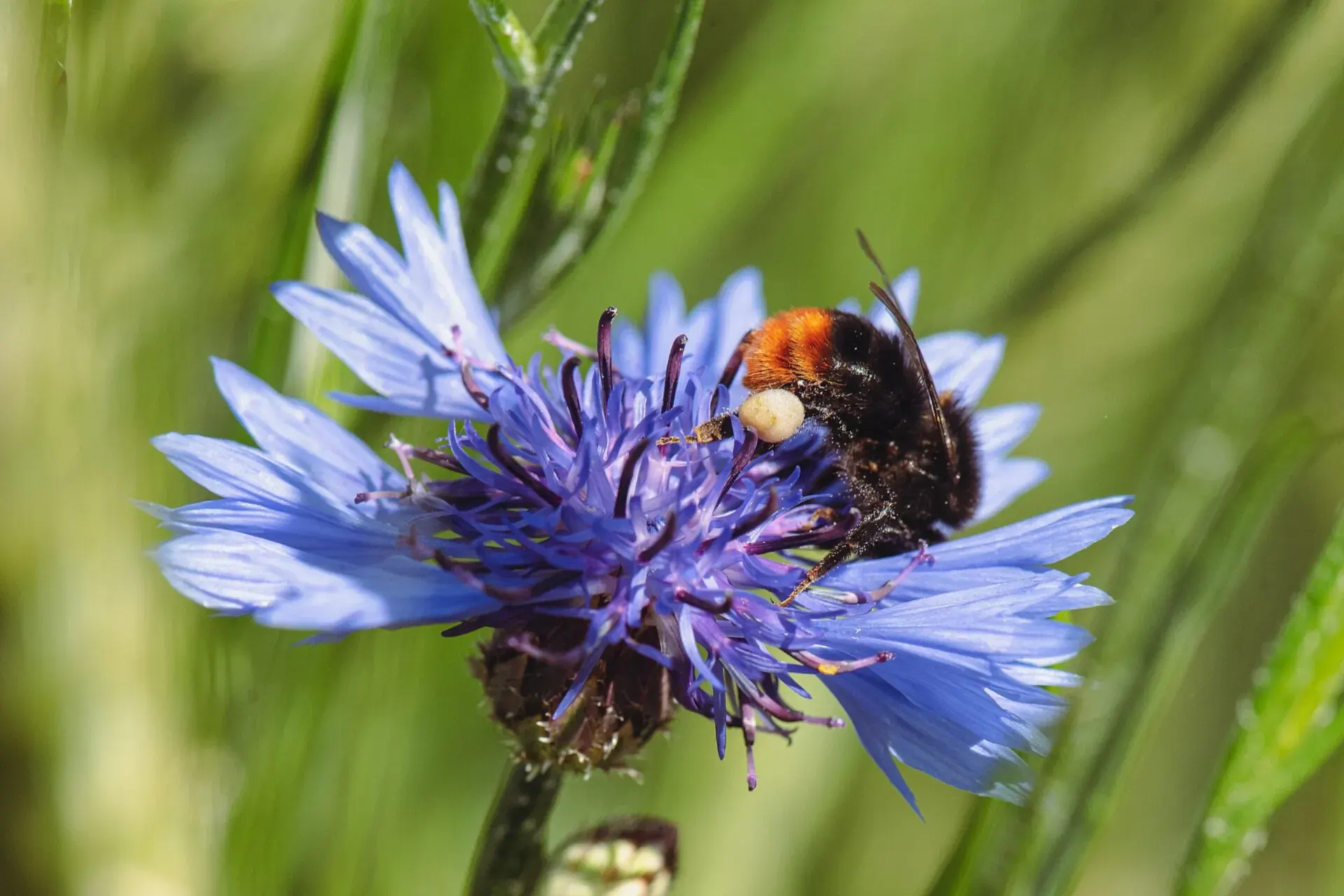
True-blue buttons with edible petals — the cornfield wildflower turned cutting-garden essential. Cornflower (Centaurea cyanus) is a hardy annual you sow where it will grow, in spring or autumn. It germinates like a weed (it was one), flowers from June to August, feeds bees, dries well, and scatters edible petals over salads. Few flowers give more for less.
Grow Cornflower with us — step by step
Everything for this plant is written step by step below — what to do, and exactly when. Read it through first if you like: you can grow it entirely on your own with that guide. Or start with us here — tell us your planting day and we lay out your personal schedule on this page, every next step on its own day, counted from your planting date. No guessing, no forgetting.
Step 1 — today: Sow cornflower seed directly in its bed in early spring or autumn — it grows so fast that indoor starts are just a head start, not a need.
Cornflower at a glance
Sow indoors: 6 weeks before last frost, in pots
Move outside: At last frost
Sow outdoors: From 3 weeks before last frost, or in autumn
Spacing · Seed depth: 10 in apart · 1/4 in deep
Sun: Full sun
Water: Low to moderate — drought-tolerant
Bloom: June to August; deadhead for more
Timing counts from your average last spring frost — get your own dates in the Planting Calendar. Guidance follows standard extension-service practice for Canada and the US.
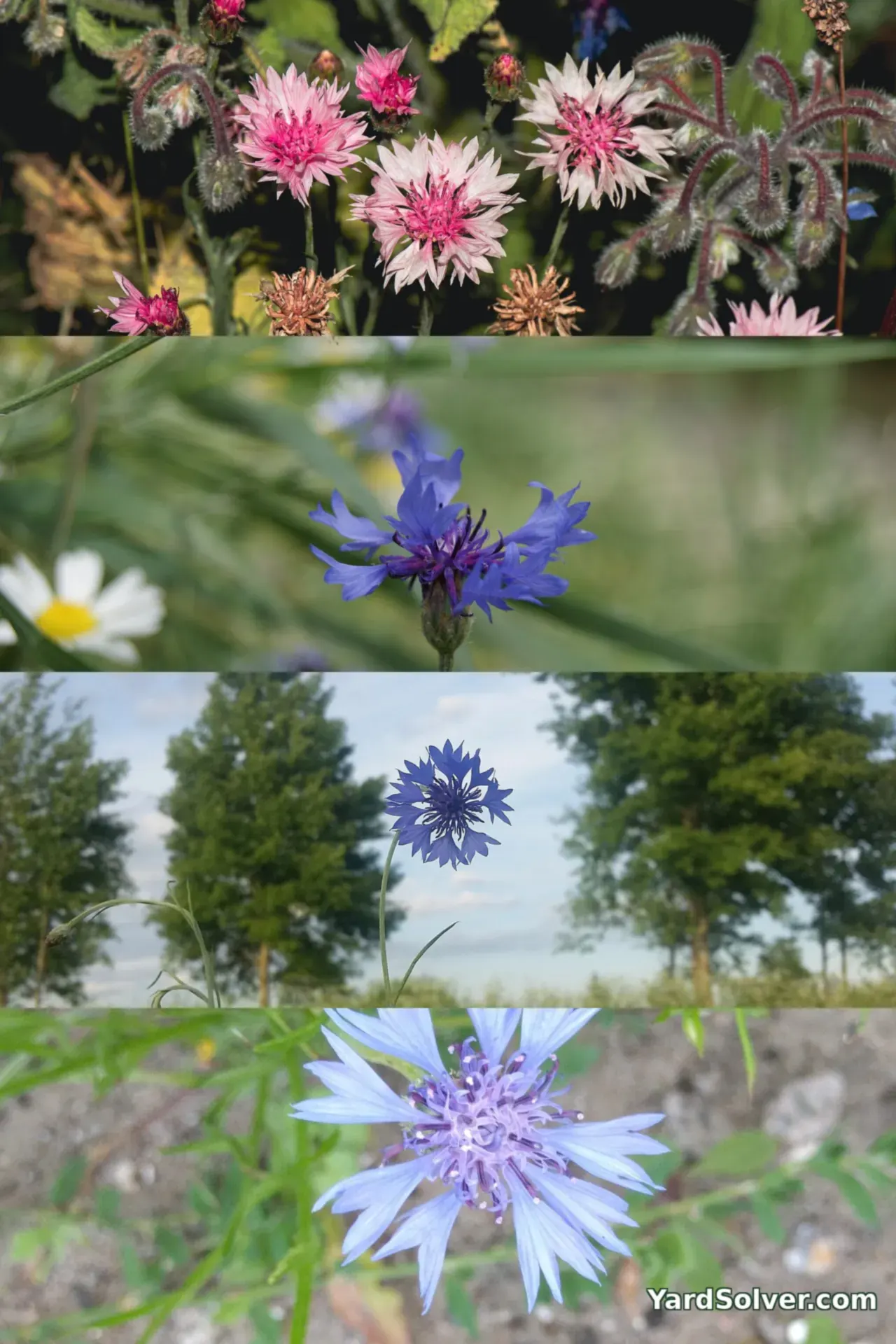
How to plant and grow cornflower, step by step
Step 1 — Time it right
Sow outdoors: from 3 weeks before last frost, or in autumn for the earliest flowers; Sow indoors: in pots 6 weeks before last frost, to plant out whole. All dates count from your average last spring frost — the Planting Calendar turns them into real dates for your garden. Cornflower seed germinates in 7–14 days and the plants are properly hardy: autumn sowings sit through winter as small rosettes and race away in spring. Spring sowings from March onward flower by June. It dislikes root disturbance, so sow in place, or in biodegradable pots moved out whole.
Step 2 — Prepare the spot
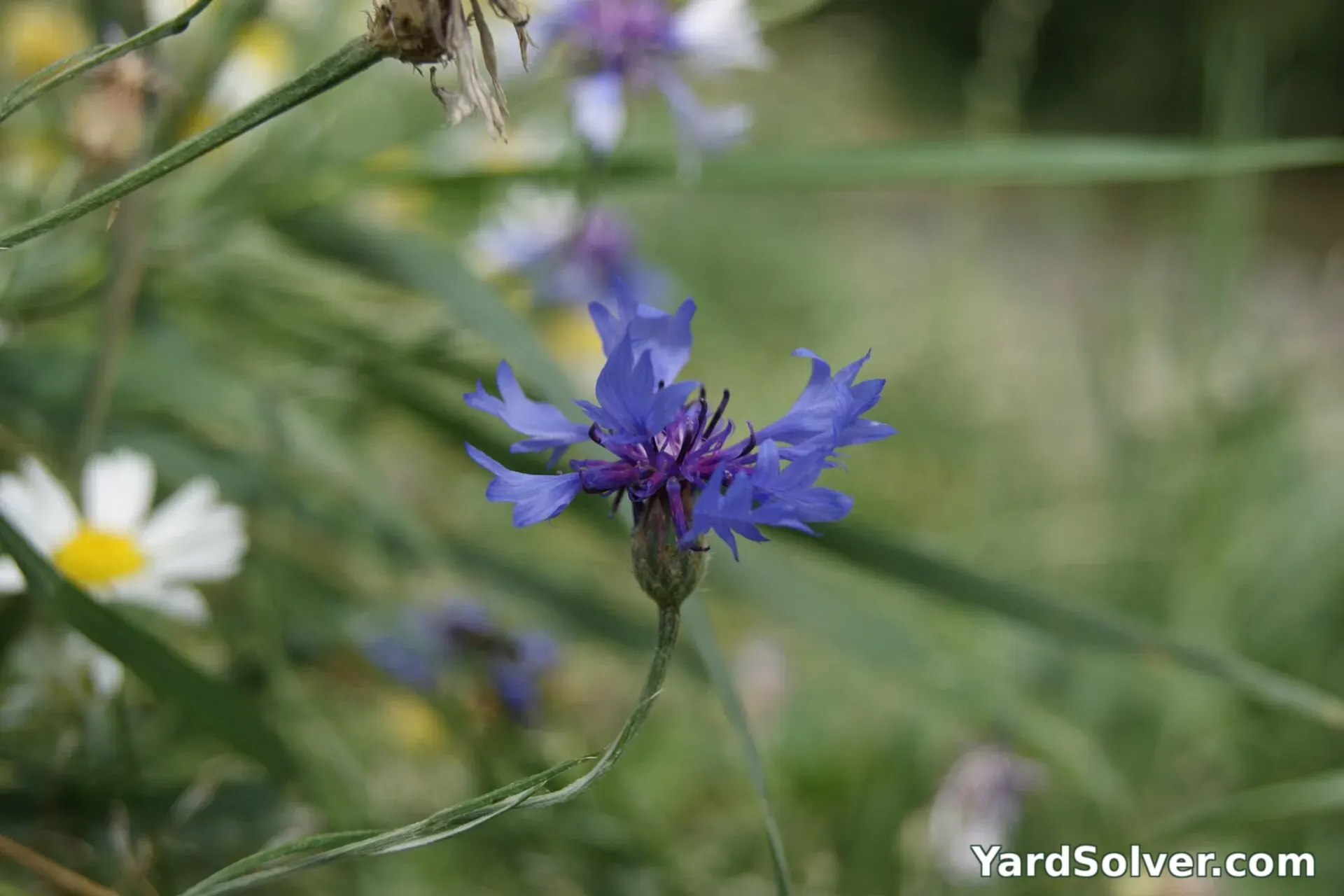
Cornflowers grew in grain fields for centuries; ordinary garden soil in full sun is luxury by comparison. Don't enrich the bed — rich soil makes tall, floppy plants. Rake it level, and sow in a block or drift rather than a single line for the best effect and mutual support. For a raised bed, the Raised Bed Soil Calculator counts the bags for you; mixing your own? The Garden Soil Calculator gives the compost-rich split to aim for.
Step 3 — Sow and plant out
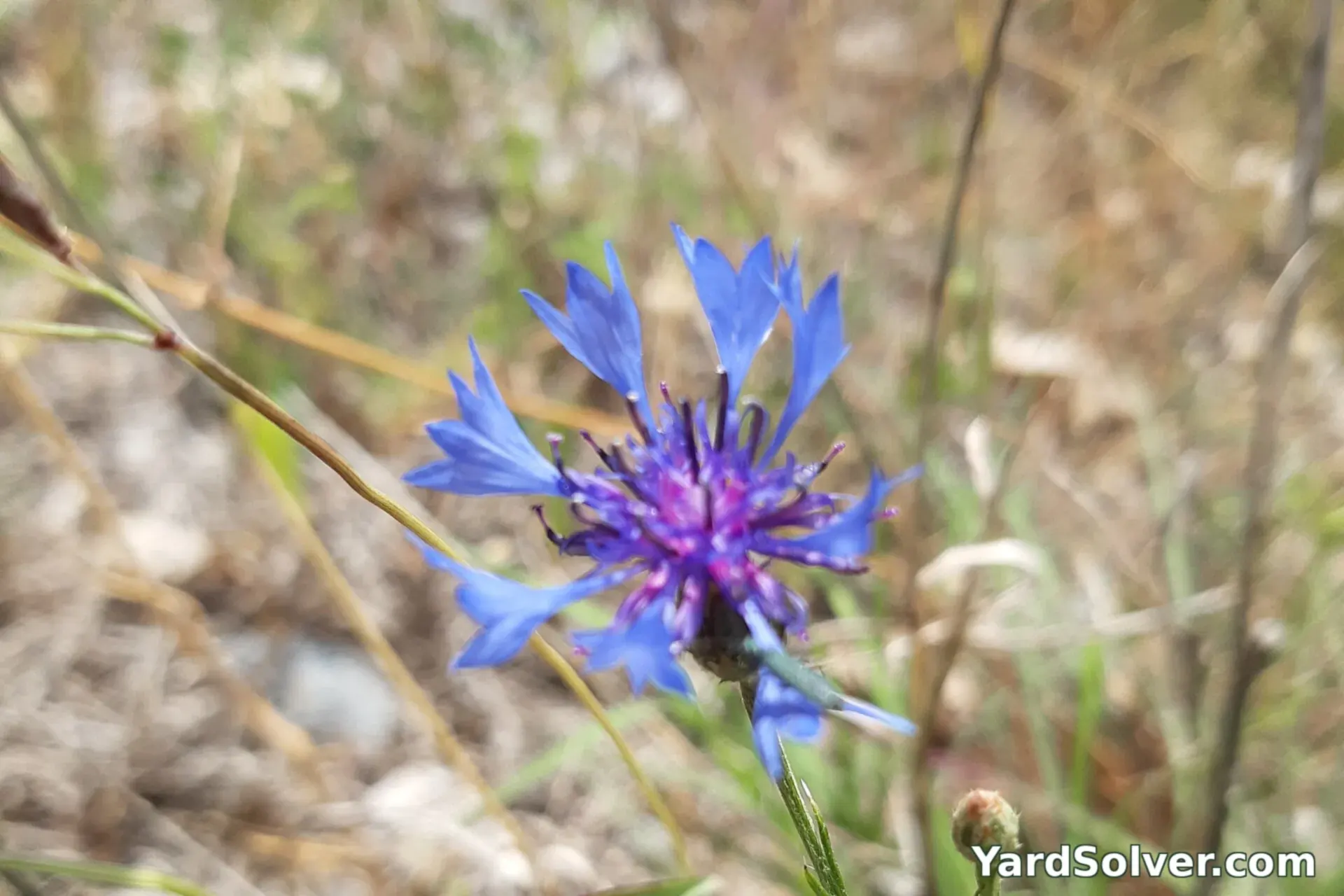
Thin seedlings to 10 in apart. The Plant Spacing Calculator turns your bed size into an exact plant count. Good neighbours: cornflower is a seeder's companion for the whole cutting garden — its flowers pull bees across your beds, and tradition plants it with poppies and calendula as the classic cornfield trio.
Step 4 — Water and feed
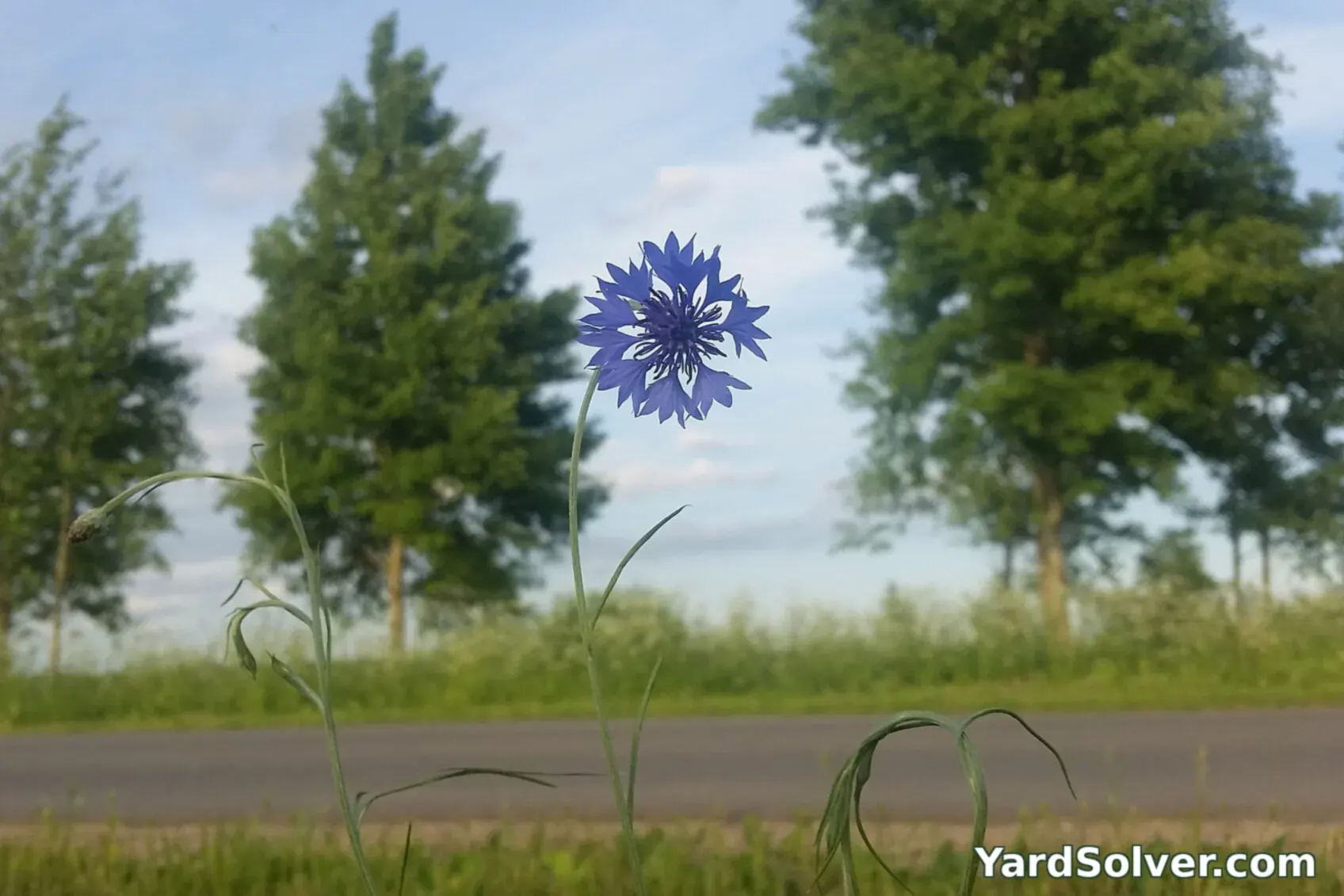
Water the seedbed in a dry spring and young plants until they're established. After that, cornflowers are drought-tolerant and feeding is unnecessary — poor treatment is correct treatment. If leaves yellow on the thinnest sand, one light feed early on is the limit — the Fertilizer Calculator turns your bed size into exact amounts.
Step 5 — Care and the problems to watch for
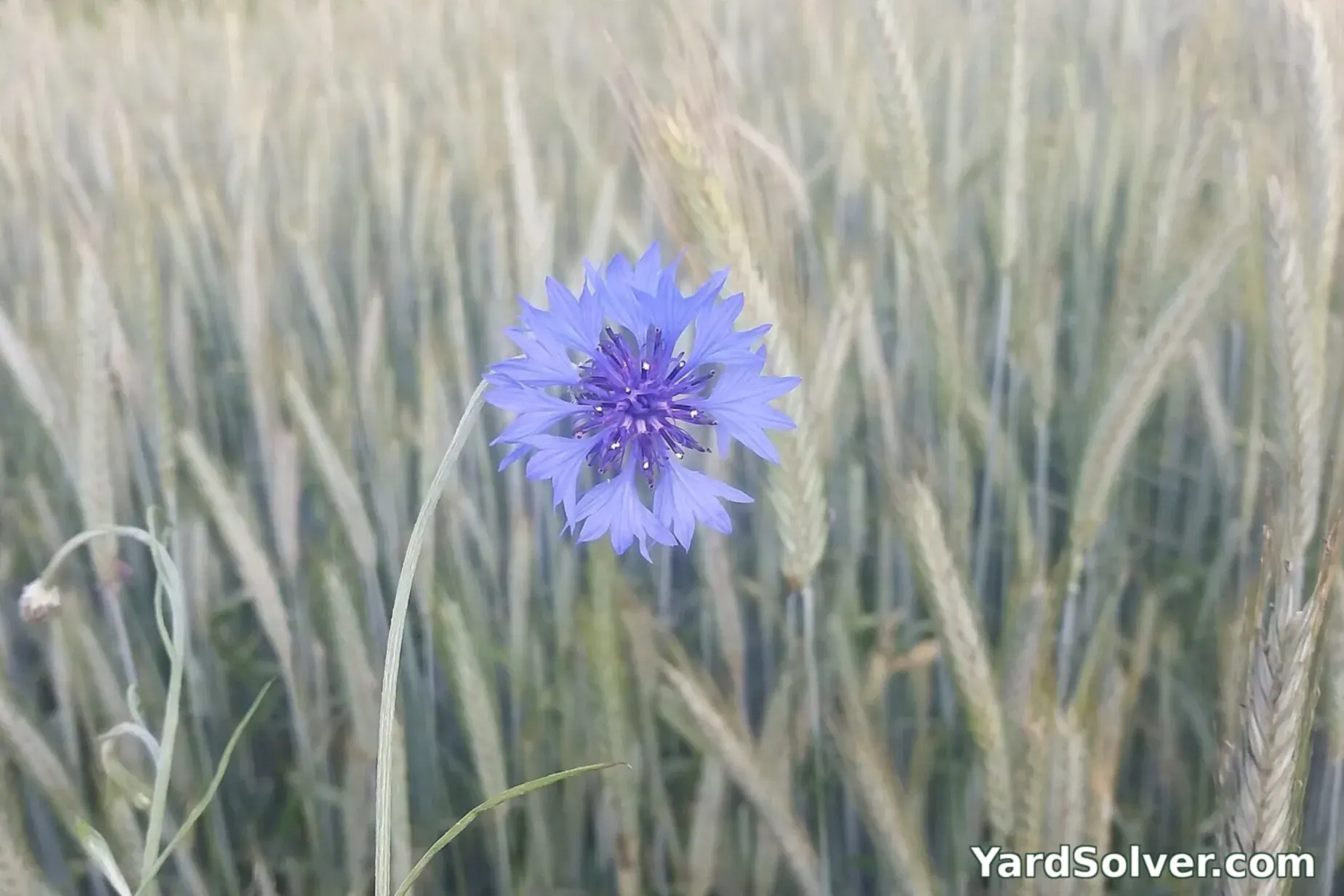
Support is the only real job: push brushwood sticks among the plants when they're a foot tall and let them grow through. Deadhead or cut constantly to prolong flowering.
- Flopping — rich soil, shade or no support; grow leaner and prop earlier.
- Powdery mildew late in the season — the autumn generation usually replaces tired plants; pull the worst.
- Self-sown seedlings — cornflowers wander pleasantly; thin them where they land.
Step 6 — Harvest
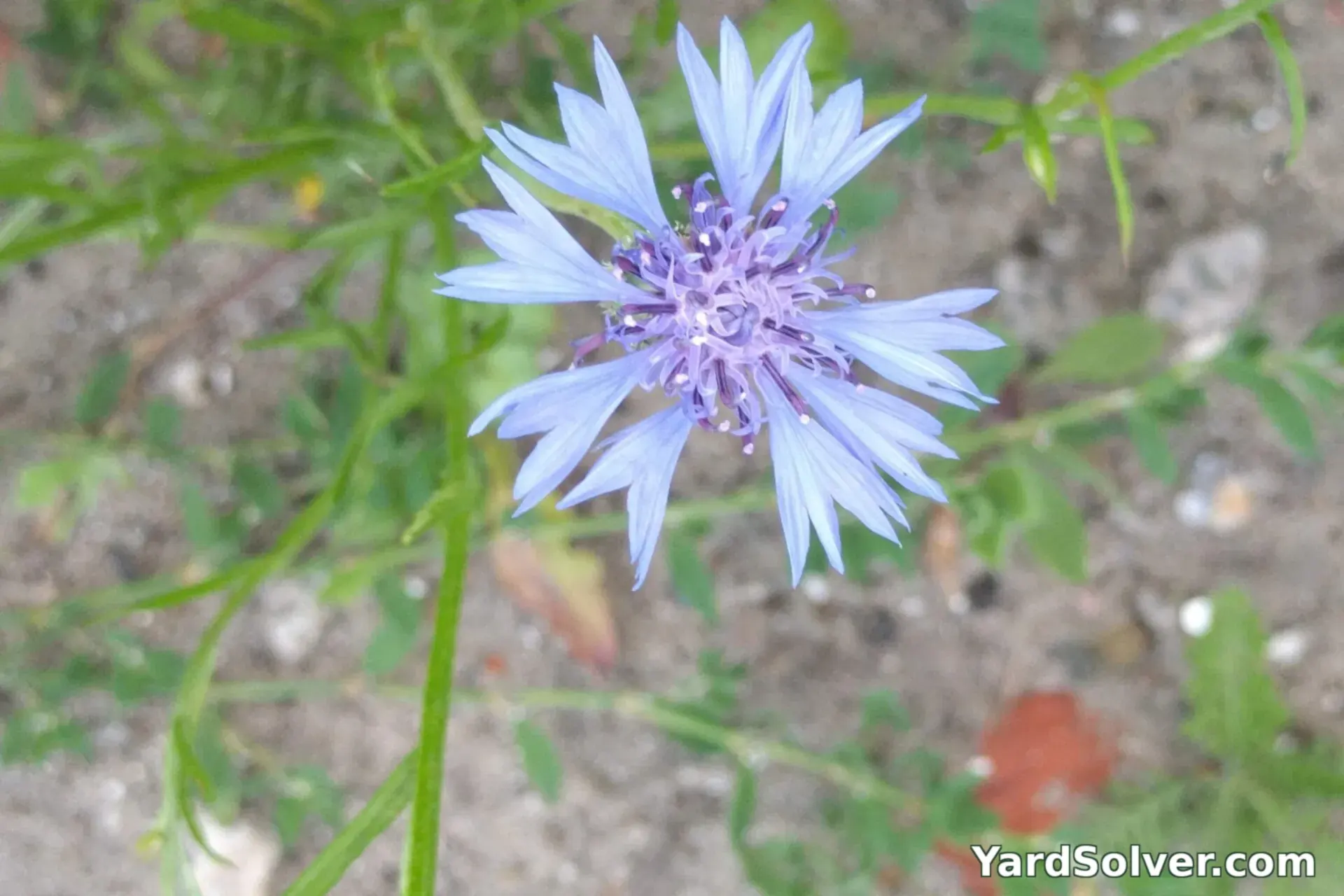
Cut stems when the buds crack open — fully open flowers drop petals quickly. In the vase they last about a week. Petals picked fresh scatter over salads and drinks (that blue fades to lilac in acid — lemon dressing performs the trick live). Heads also dry well for winter arrangements and petal confetti.
📅 Your personal Cornflower schedule
Counted from your planting day — not a generic calendar. Day 0 is the day the seed went in the ground or the young plant went out.
Varieties worth growing
| Variety | Colour | Why gardeners like it |
|---|---|---|
| Blue Boy | Classic cornflower blue | The definitive blue — tall, double, and true to the wild colour. |
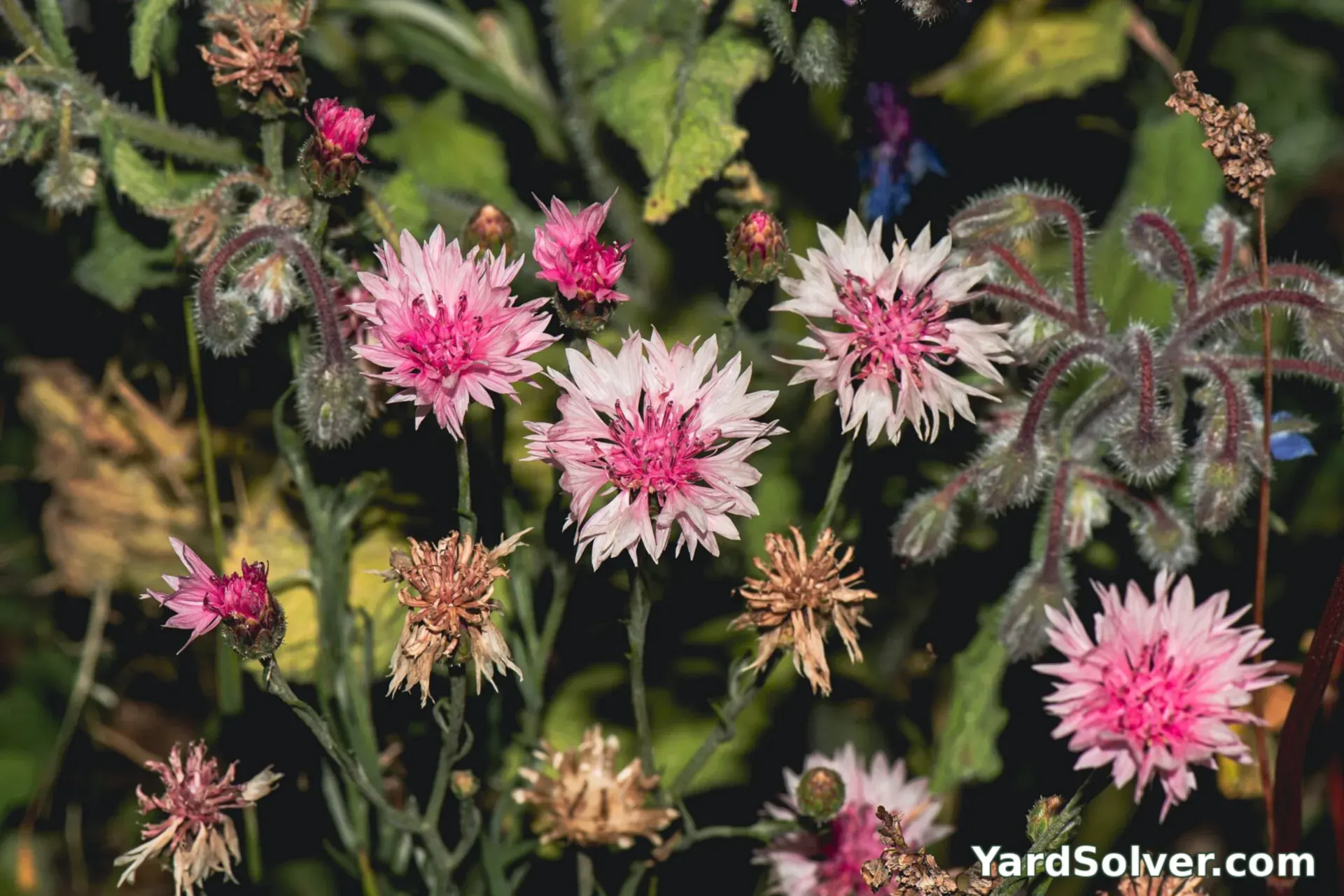
| Classic Fantastic | Blues, pinks, white, bicolours | A painterly mix for cottage drifts and cutting. |
| Black Ball | Deep maroon, near-black | Dramatic dark flowers that make the blues look bluer. |
Good for you — and take care
Benefits
- One of the few true-blue annuals — and the petals are edible.
- Bees work the flowers all day; a classic wildlife plant.
- Cuts and dries well, and self-sows for next year.
Take care
- Sow in place where possible — roots dislike disturbance.
- Rich soil makes them tall and floppy; keep the bed lean.
- Support autumn-sown (tallest) plants before wind does its work.
A little history — and one good fact
Cornflower followed grain farming across Europe for millennia — its blue heads dotted every wheat field until modern herbicides erased them. Gardeners rescued it into the border, where the 'bachelor's button' (Victorian clerks wore it in buttonholes) now lives safely.
Fun fact: Cornflower blue is so distinctive it became a colour standard — and the pigment, protocyanin, is the same chemistry that makes some roses 'blue' in breeders' dreams.
Keep going
Guides: Companion planting basics · Pollinator garden guide · Succession planting
Calculators: Plant Spacing Calculator · Garden Mix Calculator · Fertilizer Calculator
More flowers: Poppies · California Poppy · Clarkia · Calendula
← Back to the Plant Library · Get your personal planting dates
Questions people ask
Are cornflower petals really edible?
Yes — fresh petals are a traditional garnish for salads, drinks and desserts, with a very mild, slightly spicy taste. Only use flowers you grew yourself, unsprayed, as with any edible flower.
When is the best time to sow cornflowers?
Autumn sowings give the earliest, tallest plants the following June; spring sowings from about three weeks before last frost flower a little later. Both work — succession-sow if you want the longest season.
Why do my cornflowers keep flopping over?
Rich soil, shade and missing support are the usual trio. Grow them lean in full sun, in a block so they prop each other, and push twiggy sticks in while plants are a foot tall.
Another sow-in-place annual that feeding ruins: cornflowers stand tallest on the poorest ground you have
Cornflowers share the wildflower-meadow logic of their companions: they evolved in cornfields, on disturbed, hungry soil, and they still grow best treated that way. Sow directly where they will flower — autumn sowings give the earliest and strongest plants, spring sowings follow on — and resist feeding entirely. Rich soil produces the familiar failure: tall, soft plants that flop across the path at the first rain, carrying fewer flowers than a starved plant standing upright.
Support is the one intervention worth making, and it works best applied early and invisibly: grow cornflowers in a block rather than a row, and run twiggy sticks or a low net through the block while the plants are short, so they grow up through their own scaffolding. Deadheading keeps fresh buds coming for cutting — the petals are edible and hold their blue in salads and drinks — while the last flowers of the season are better left standing: the seed heads feed finches and sow next year's patch in place.
The worked example: an autumn or early-spring sowing on lean ground, grown in a block through light support and deadheaded until late season, commonly flowers for months and renews itself. The identical seed fed, spaced in a rich border and staked only after it flops typically gives a fortnight of flowers lying sideways. Cornflowers are a meadow plant on loan to the garden — lend them meadow conditions.
Sources
Key facts on this page — timing, spacing and care — cross-checked against NC State Extension Plant Toolbox — Centaurea cyanus (cornflower) — culture, sowing, soil and care requirements.
Related page
Read next: Native Plants: Benefits, Regional Picks & How to Grow.
Comments & ratings
No comments yet.
Be the first to share your experience.