
Plant Library · Flowers · By Faizan Ahmad
🌸 How to Grow Clarkia
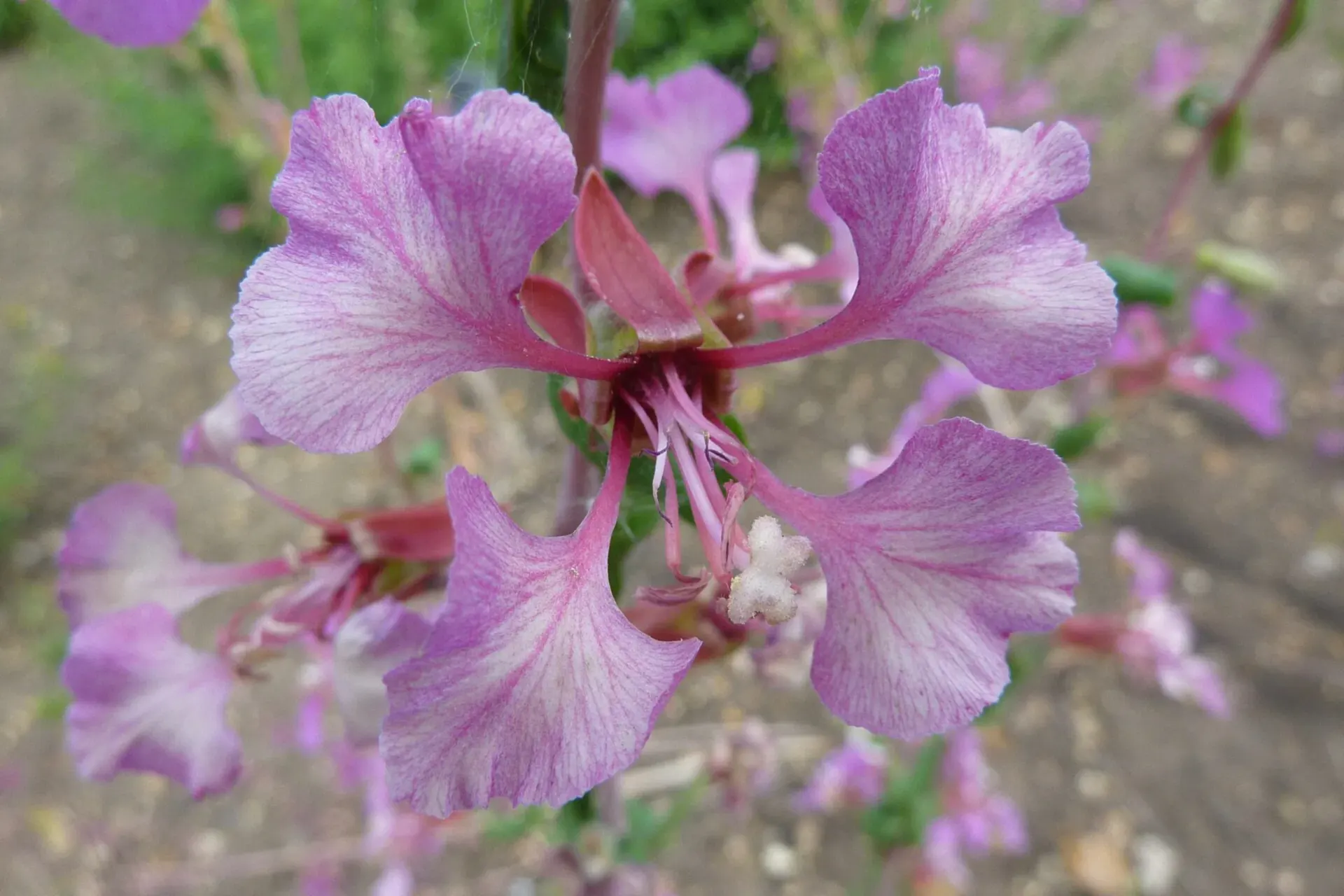
Satin cups in pink and salmon strung along graceful stems — the cool-season annual that hates being fussed over. Clarkia (Clarkia unguiculata and kin) is a Californian wildflower that wants poor soil, cool weather and to be sown where it will grow. Pamper it and it flops; neglect it in a sunny, lean spot and it flowers its heart out from June to August.
Grow Clarkia with us — step by step
Everything for this plant is written step by step below — what to do, and exactly when. Read it through first if you like: you can grow it entirely on your own with that guide. Or start with us here — tell us your planting day and we lay out your personal schedule on this page, every next step on its own day, counted from your planting date. No guessing, no forgetting.
Step 1 — today: Scatter clarkia seed directly onto its bed in early spring, or sow a few seeds per biodegradable pot to plant out whole.
Clarkia at a glance
Sow indoors: Only in pots, 6 weeks before last frost — it dislikes transplanting
Move outside: At last frost
Sow outdoors: 2 weeks before last frost, where it will grow
Spacing · Seed depth: 10 in apart · barely cover — seed needs light
Sun: Full sun to light part shade
Water: Low to moderate — dislikes wet feet
Bloom: June to August; a charming cut flower
Timing counts from your average last spring frost — get your own dates in the Planting Calendar. Guidance follows standard extension-service practice for Canada and the US.
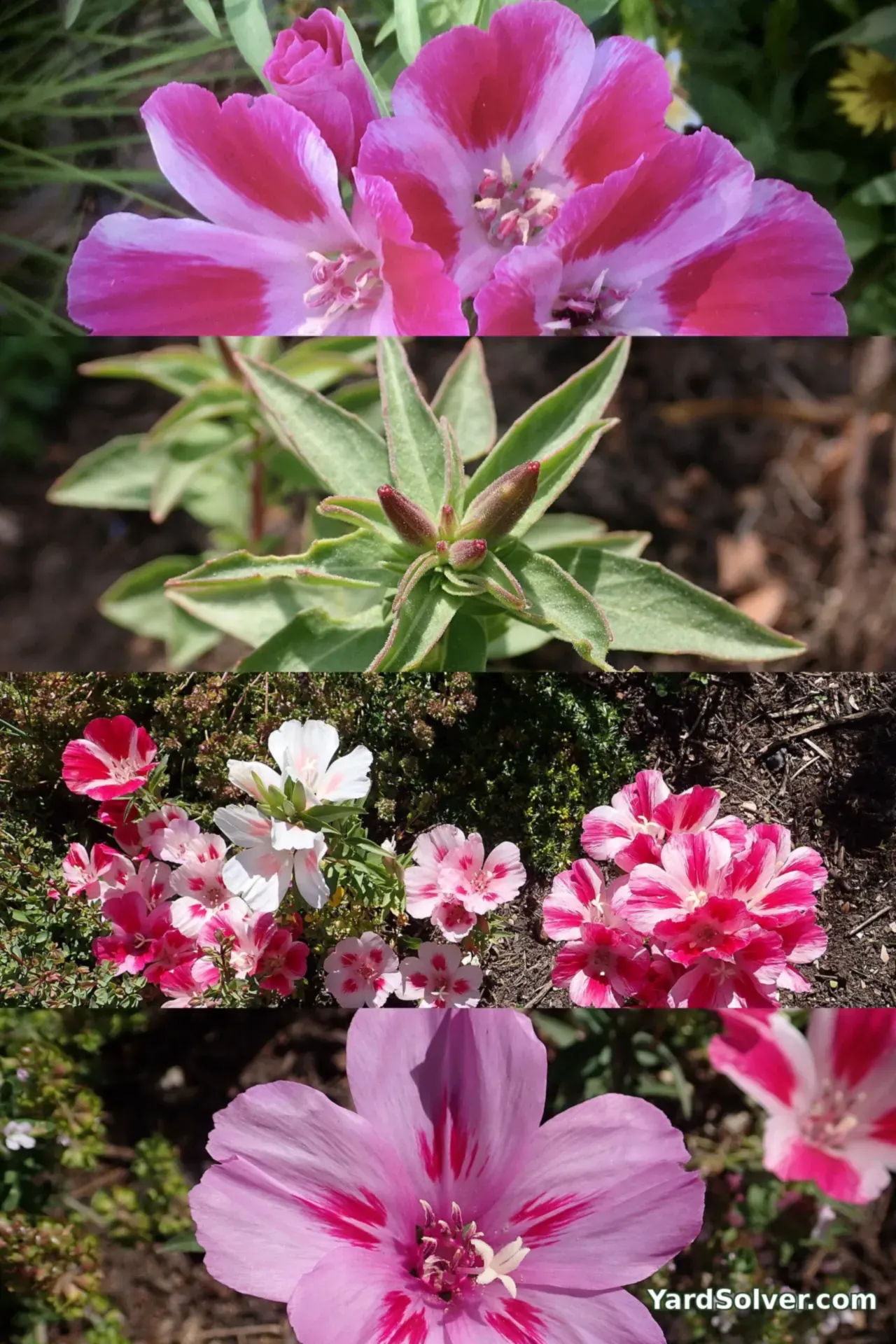
How to plant and grow clarkia, step by step
Step 1 — Time it right
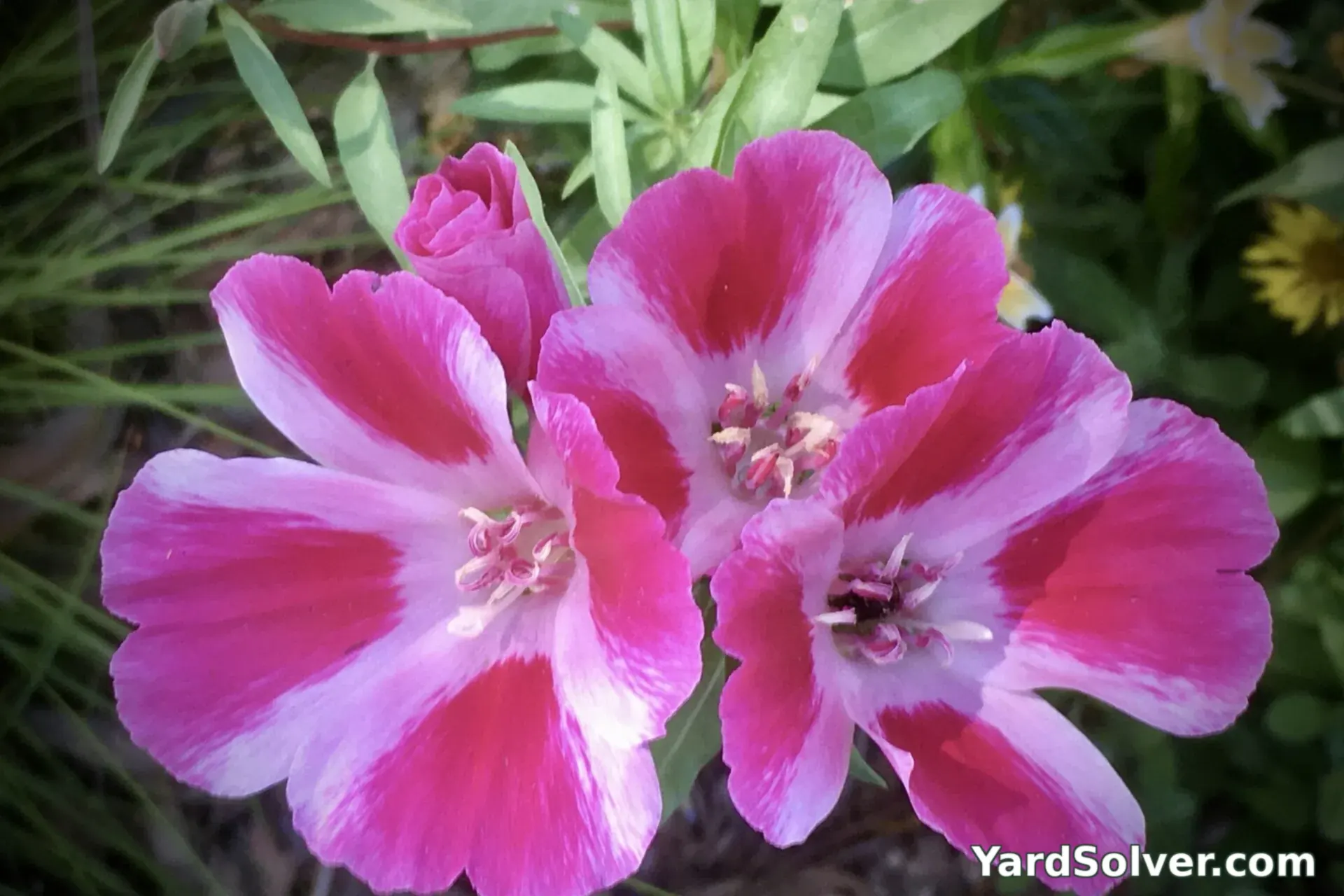
Sow outdoors: 2 weeks before last frost, where it will flower; Sow indoors: only in pots, to plant out whole — clarkia dislikes root disturbance. All dates count from your average last spring frost — the Planting Calendar turns them into real dates for your garden. Clarkia germinates in 10–14 days in cool soil and grows best in the cool of spring — sow it as early as the ground can be raked. Hot weather hurries it into flower and shortens the show, so in warm districts an autumn sowing (where winters are mild) is the classic route. It resents transplanting; direct sowing wins.
Step 2 — Prepare the spot
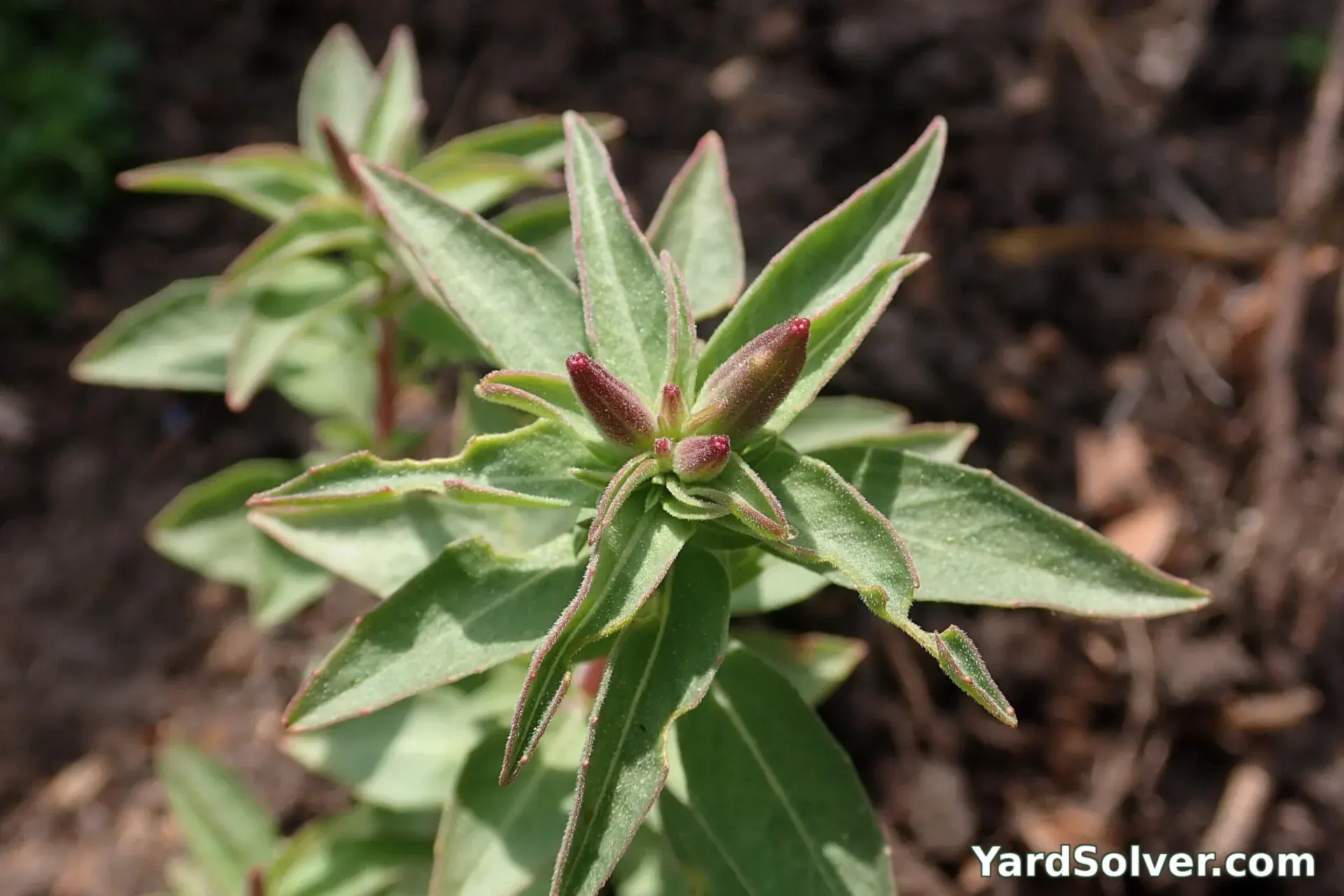
Clarkia is a wildflower of dry Californian hillsides: give it average-to-poor, well-drained soil in sun or light shade, and do not improve it. Rake the surface fine for the small seed. A spot at the front of a border or through a gravel garden suits its airy habit. For a raised bed, the Raised Bed Soil Calculator counts the bags for you; mixing your own? The Garden Soil Calculator gives the compost-rich split to aim for.
Step 3 — Sow and plant out
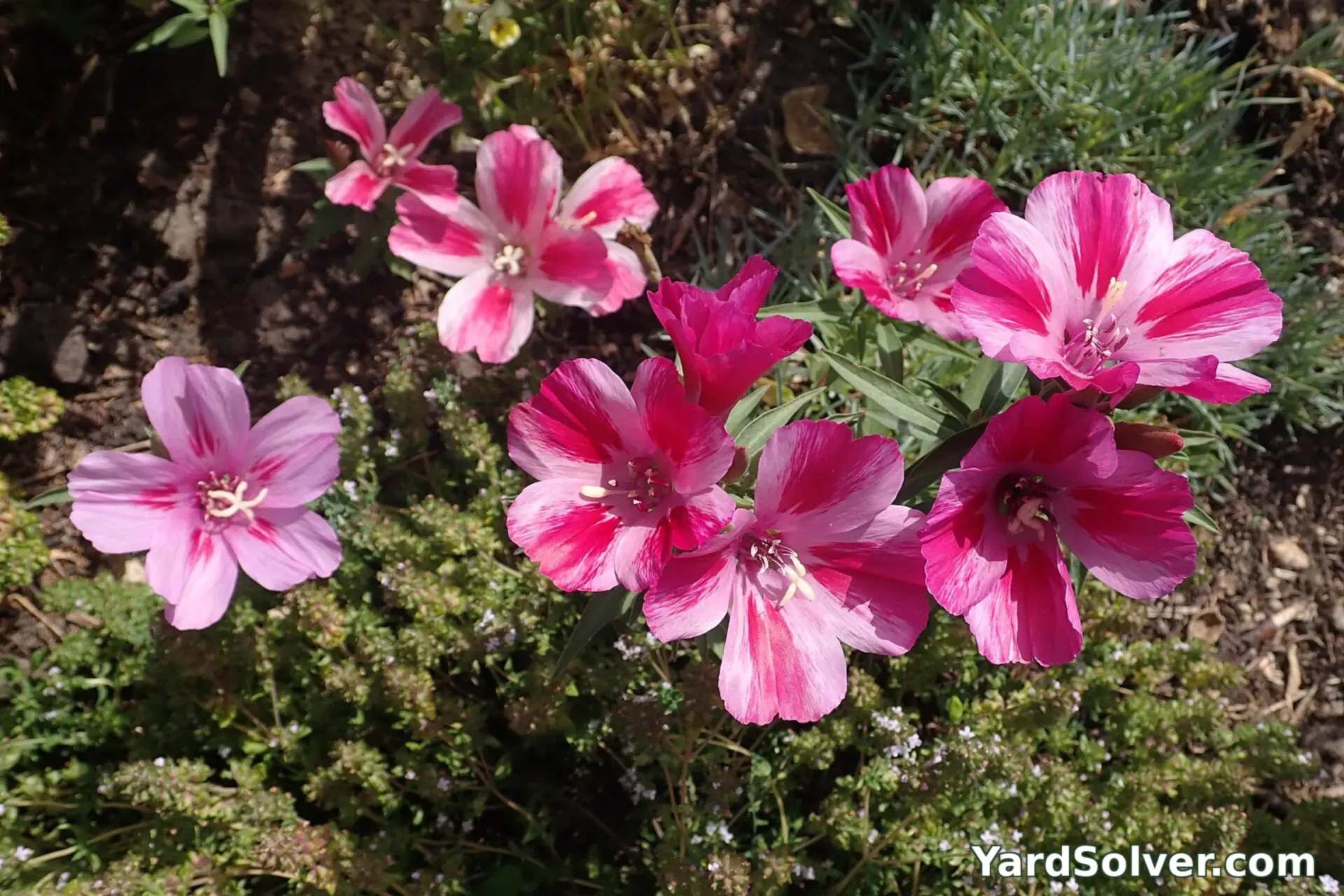
Thin seedlings in stages to 10 in apart. The Plant Spacing Calculator turns your bed size into an exact plant count. Good neighbours: clarkia threads through spring bulbs and early perennials, filling the June gap before cosmos and zinnias take over — a natural succession in the border.
Step 4 — Water and feed
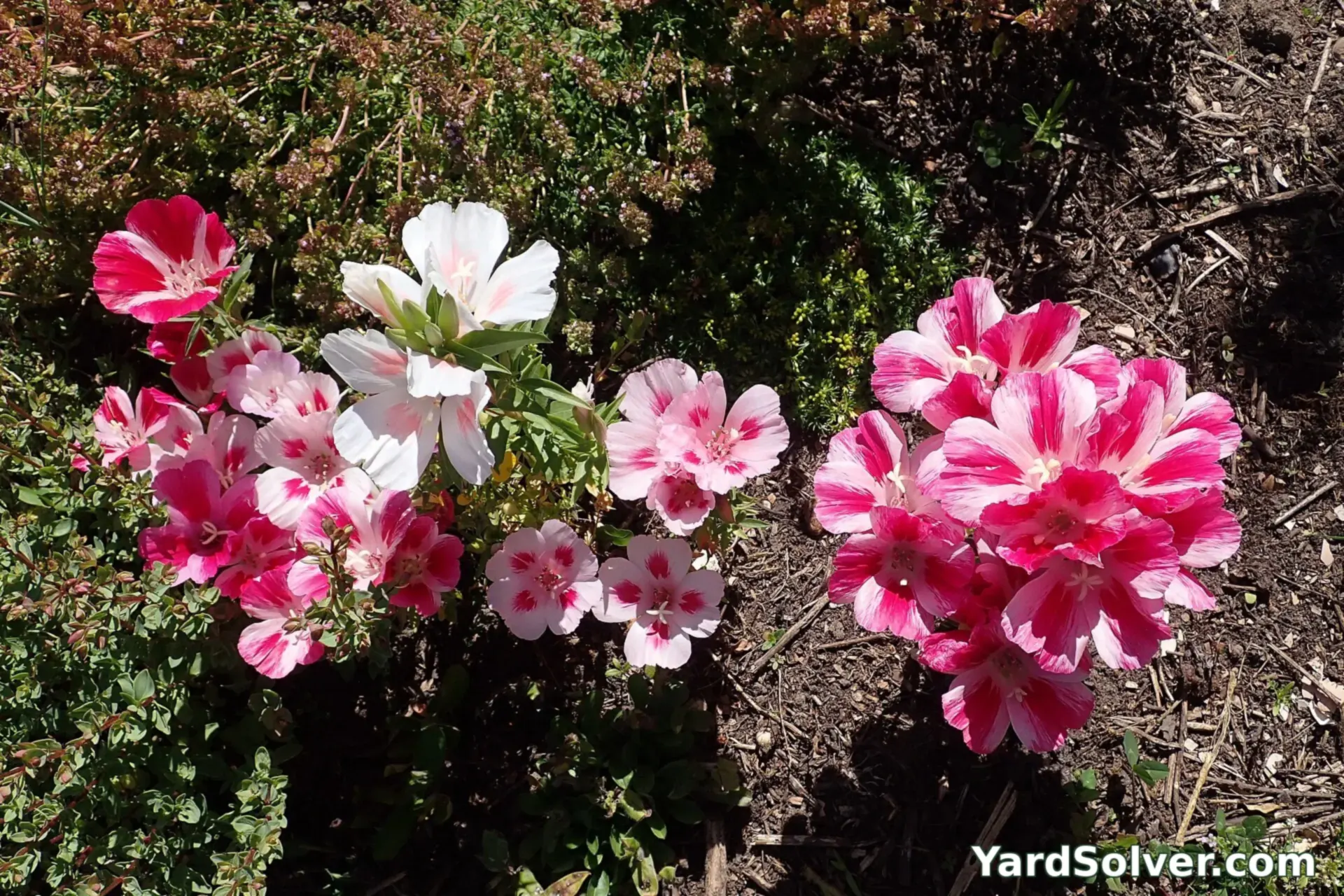
Water the seedbed if spring turns dry, and seedlings in their first weeks. Established clarkia is drought-tolerant and feeding is a mistake — it just adds flop. In containers, water sparingly and feed never — the Fertilizer Calculator turns your bed size into exact amounts (for its neighbours instead).
Step 5 — Care and the problems to watch for
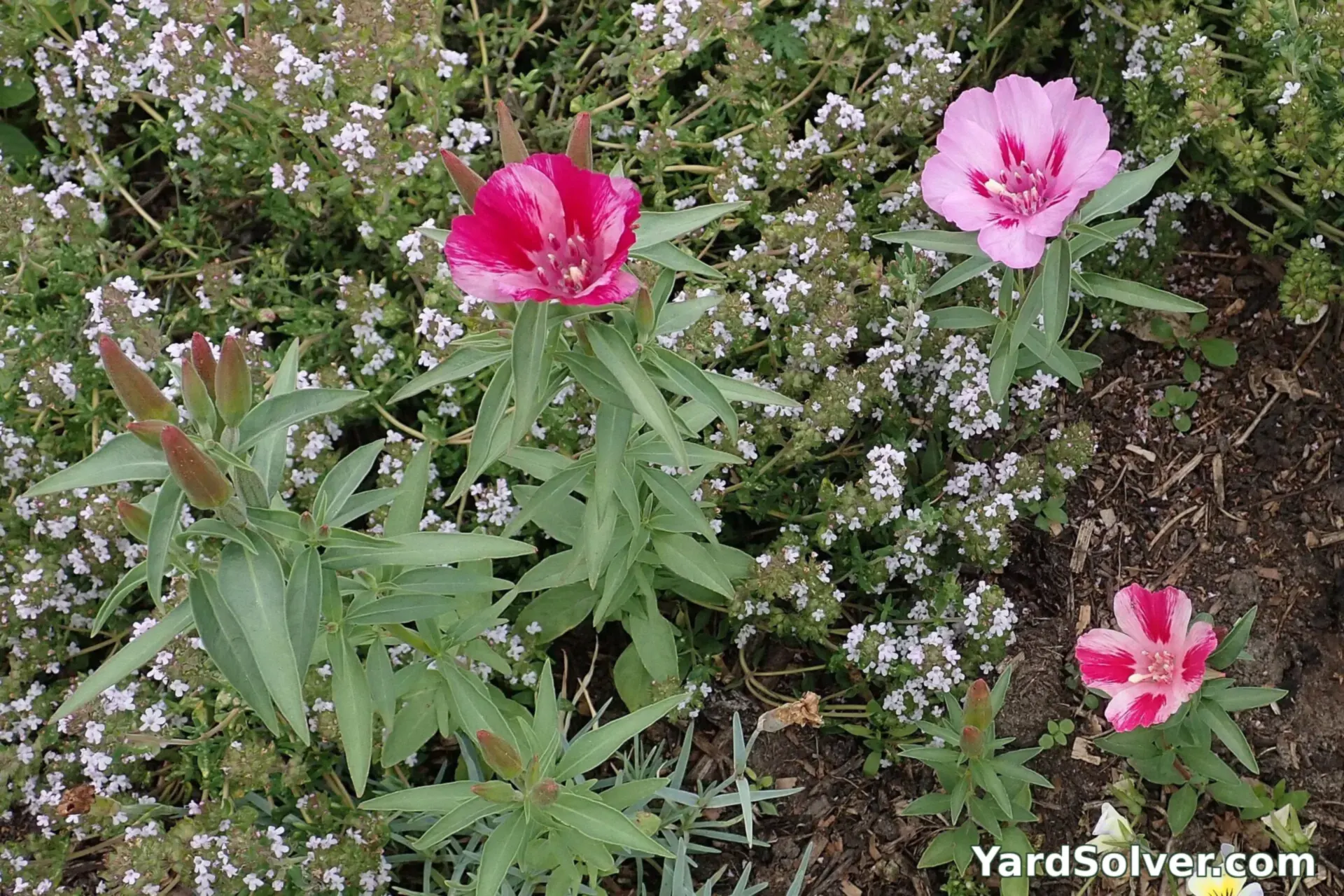
Clarkia's care list is short: thin on time, and push a few twiggy sticks among tall plants on windy sites.
- Flopping — rich soil or shade; grow it leaner and sunnier.
- Short, hurried flowering — a heatwave; autumn sowings in mild districts dodge it.
- Aphids on tips — pinch out the worst tips; ladybirds follow.
Step 6 — Harvest
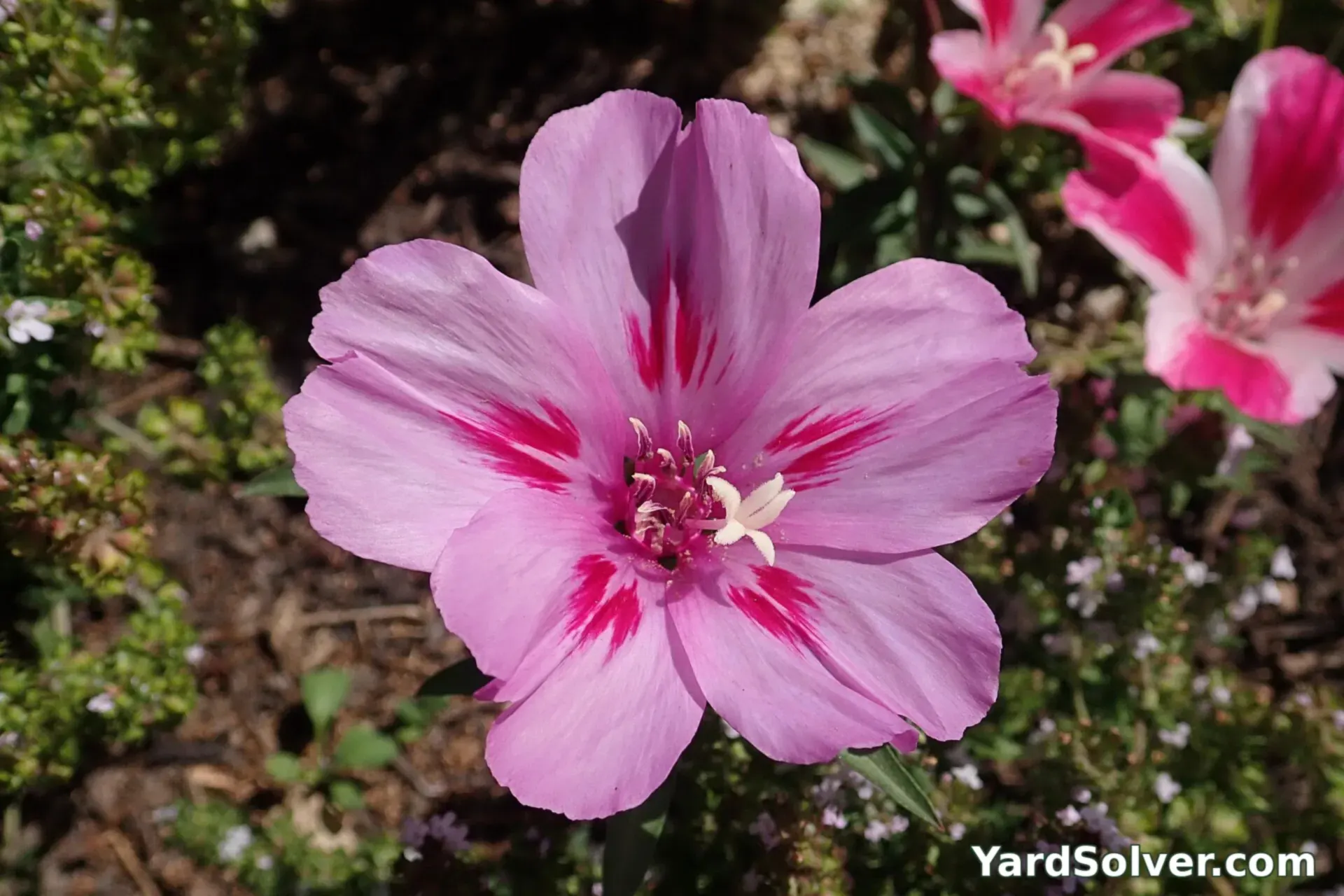
Cut stems when the bottom flowers have opened and colour shows in the buds above; they open in sequence indoors for a week of vase life — surprisingly good for a wildflower. Leave the last stems to ripen seed: clarkia self-sows gently and often reappears exactly where you'd have planted it.
📅 Your personal Clarkia schedule
Counted from your planting day — not a generic calendar. Day 0 is the day the seed went in the ground or the young plant went out.
Varieties worth growing
| Variety | Colour | Why gardeners like it |
|---|---|---|
| Clarkia unguiculata mix | Pink, salmon, white | The classic species mix — tall, airy stems for borders and cutting. |
| Double Mix | Double cups, mixed pinks | Ruffled double flowers that read almost like tiny roses. |
| Clarkia amoena (Godetia) | Bold satin cups, red-pink | The showier cousin, sold as godetia — bigger cups, same cool-season rules. |
Good for you — and take care
Benefits
- A true cool-season filler — flowers in the June gap before summer annuals.
- A graceful, underused cut flower with a week of vase life.
- Thrives on neglect in lean, dry soil.
Take care
- Sow in place — it resents transplanting.
- Rich soil and feeding make it flop; keep it lean.
- Heat shortens the show; sow early or in autumn.
A little history — and one good fact
Clarkia is named for William Clark of the Lewis and Clark expedition, who collected it in 1806 — one of the great Californian wildflowers brought into gardens. Its cousin godetia shares the family and the habits, and seed catalogues still sell them side by side.
Fun fact: Clarkia is a favourite of evolutionary biologists: several of its species arose almost overnight (in geological terms) through chromosome doubling, making it a textbook case of rapid plant speciation.
Keep going
Guides: Succession planting · Companion planting basics · Pollinator garden guide
Calculators: Plant Spacing Calculator · Garden Mix Calculator · Fertilizer Calculator
More flowers: California Poppy · Cornflower · Love-in-a-Mist · Larkspur
← Back to the Plant Library · Get your personal planting dates
Questions people ask
Why did my clarkia flop over?
Rich soil, feeding or shade — clarkia is a lean-soil wildflower and pampering makes soft, top-heavy growth. Grow it in poor soil in full sun and it stands on its own.
Can I grow clarkia in pots?
Yes — it is charming in containers of lean, gritty compost. Sow directly in the pot, water sparingly, and never feed; expect a slightly shorter plant than in the ground.
Is godetia the same as clarkia?
Godetia is Clarkia amoena, a close cousin now classified in the same genus. It has bigger, bolder satin cups and wants exactly the same treatment: cool weather, lean soil, sown in place.
Sow it where it will flower: clarkia hates transplanting, loves poor soil and resents being fed
Clarkia — the farewell-to-spring of western North American wildflower meadows — is a plant that punishes the usual gardener's kindnesses. Its roots dislike disturbance so strongly that seedlings raised in pots and planted out commonly sulk or die, while seed scattered directly where it will flower grows away without a check. Sow in autumn in mild climates, or in very early spring elsewhere, on raked soil in full sun, and thin rather than transplant the surplus.
Feeding is the second kindness to withhold. Clarkia evolved on lean, dry ground: rich soil and fertiliser produce soft, leafy plants that flop and flower poorly, while hungry plants stay compact and cover themselves in satiny pink and lavender blooms. Water to establish, then sparingly — this is a genuinely drought-tolerant annual once its roots are down, and a dry spring often gives the best display of all.
The worked example: seed sown in place on lean soil in autumn or earliest spring, thinned once and left unfed, commonly gives a dense, self-supporting drift of flower in late spring. The identical seed raised in modules, planted out late and fed like a bedding plant typically gives a handful of floppy stems. With clarkia, doing less is not neglect — it is the technique.
Sources
Key facts on this page — timing, spacing and care — cross-checked against Clarkia amoena — Wikipedia — background on the species, its wildflower-meadow origins and cultivation — the NC State pages checked for this wave returned 404, so this verified reference is used instead.
Related page
Read next: Native Plants: Benefits, Regional Picks & How to Grow.
Comments & ratings
No comments yet.
Be the first to share your experience.