
Plant Library · Fruits · By Faizan Ahmad
Updated November 17, 2026
🔴 How to Grow Cranberry
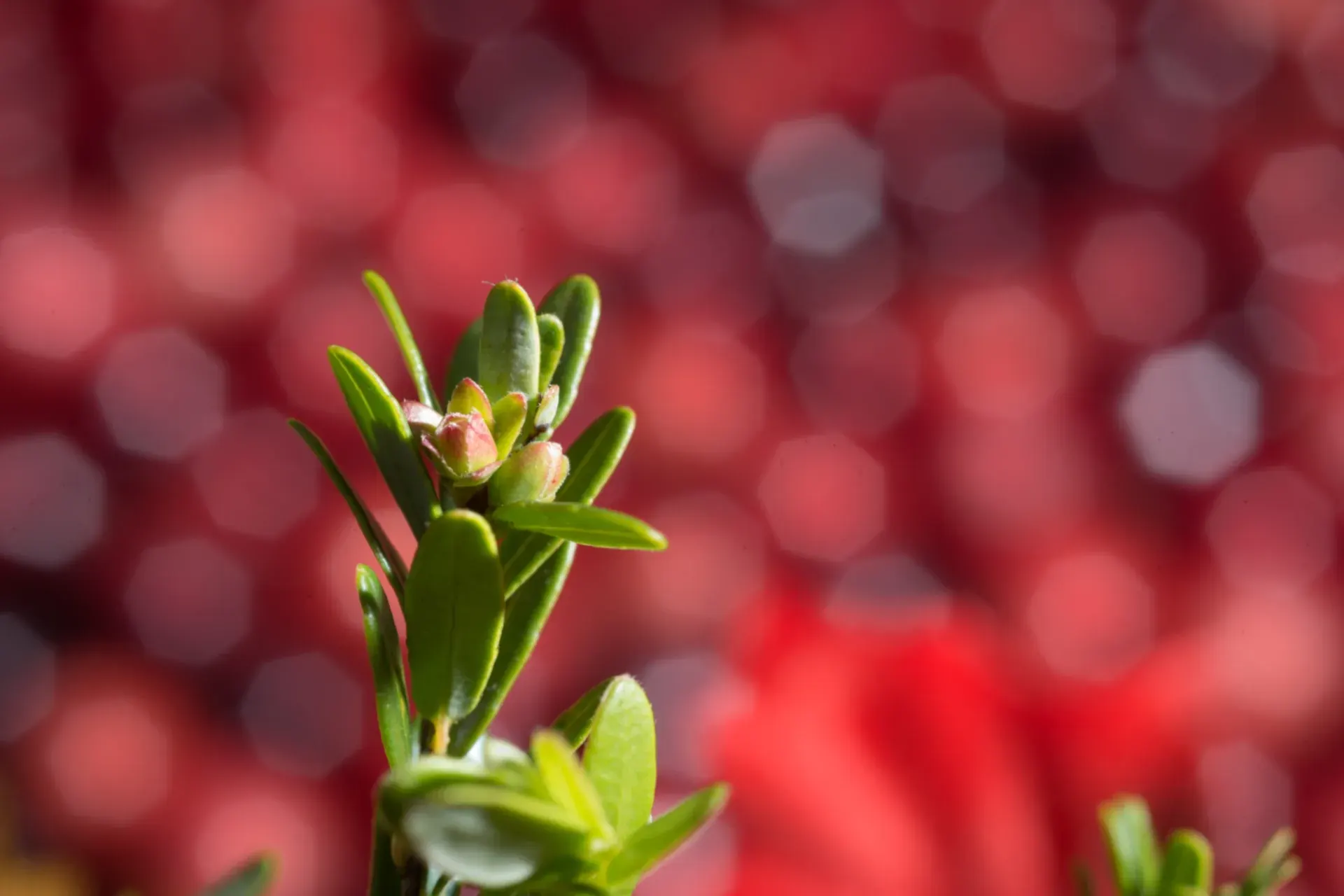
Cranberries are bog plants: a low, creeping ground cover that needs acid soil — pH 4.0–5.5 — and constant moisture. You do not need a real bog: a lined bed, a trench of peat-based mix, or a big container gives home growers berries in year 2–3. Space plants 12–24 in apart and they will weave themselves into a mat.
Grow Cranberry with us — step by step
Cranberry is a bed-building project before it is a planting job: this bog native wants its own acid peat-and-sand bed, steady moisture, and time to knit a mat of runners before it crops seriously. Get that bed right and the plant is long-lived and almost weed-proof. The steps below start with the soil test that decides everything. Enter your planting date and the page counts your cranberry jobs from it — sanding, spring clean-up and the fall harvest — each on its proper day.
Step 1 — today: Plant your Cranberries today, 12–24 in apart in acid soil (pH 4.0–5.5) — a peat-and-sand bed — water in well and mulch with sand or pine needles.
Cranberry at a glance
Spacing: 12–24 in in · Seed depth: As in the pot
Sun: Full sun
Water: Plenty — keep constantly moist
Harvest: First berries in year 2–3
Timing counts from your average last spring frost — get your own dates in the Planting Calendar. Guidance follows standard extension-service practice for Canada and the US.
How to plant and grow cranberry, step by step
Step 1 — Time it right
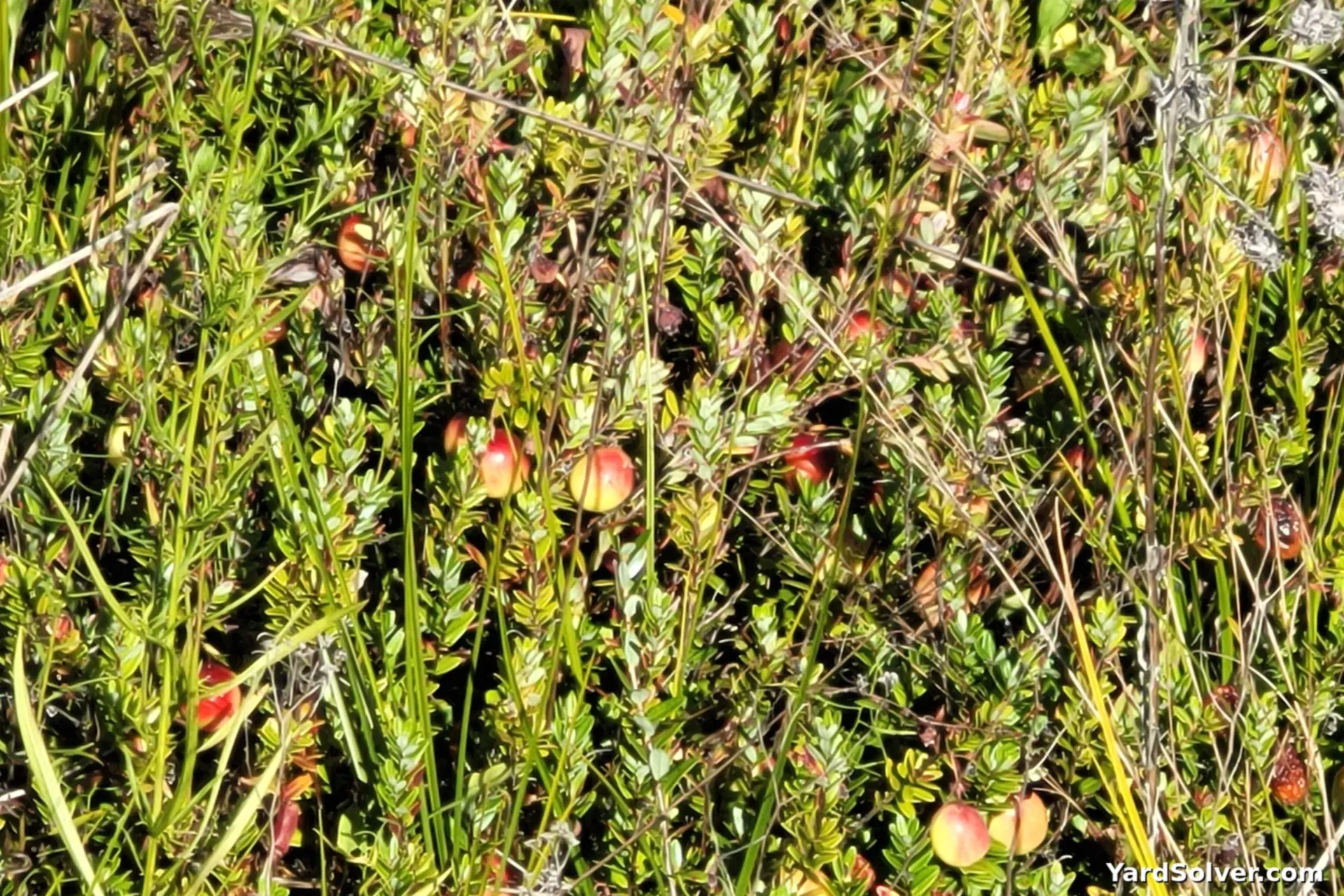
Plant in spring, in prepared acid soil. Test the soil pH first — cranberries will not grow in ordinary garden soil. Order plants early, because cranberry stock sells out in spring, and prepare the bed while you wait — building the acid bed is most of the work. Plants set out in spring root through the warm season and usually send out their first real runners the following year.
Step 2 — Prepare the spot
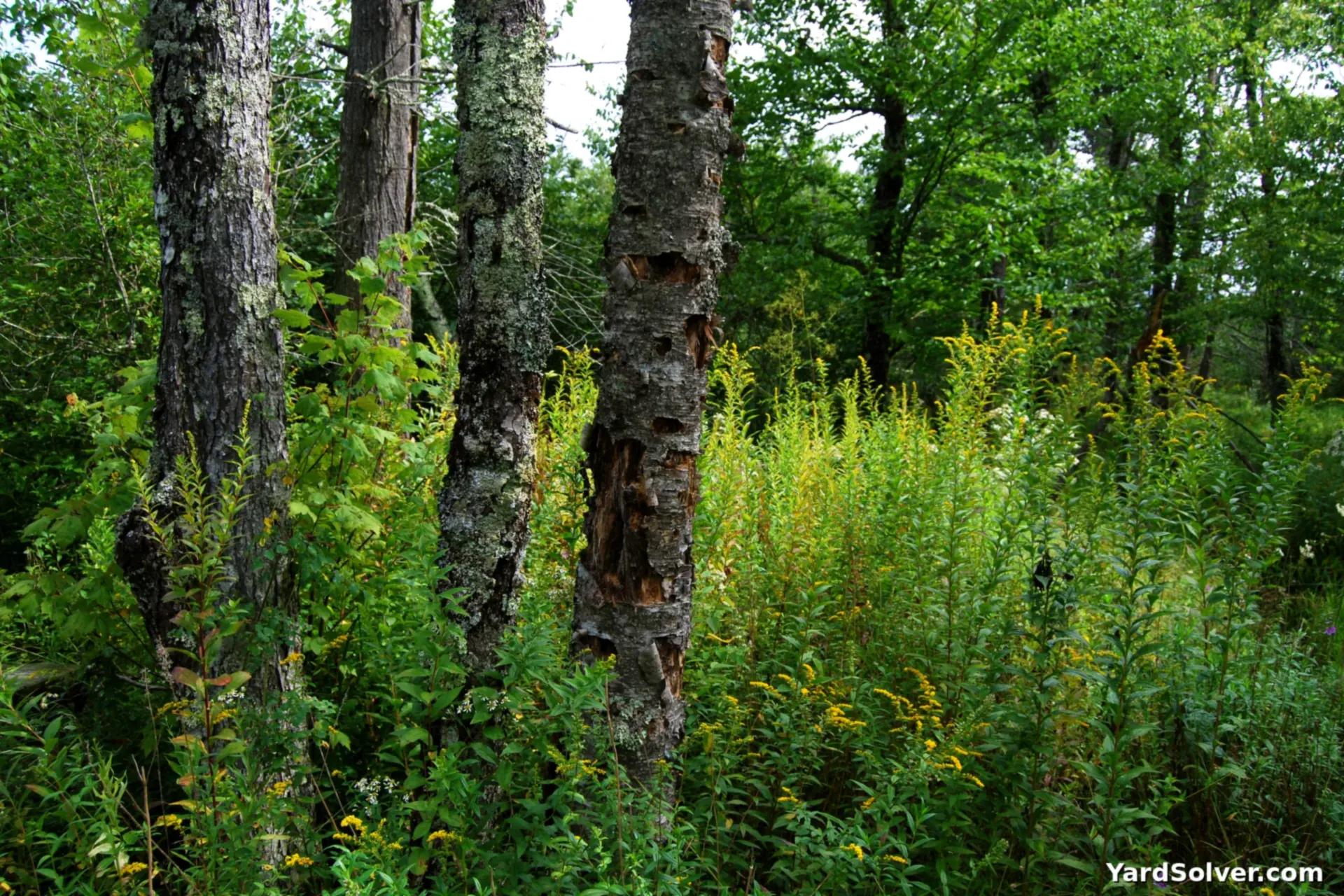
Sun: Full sun. Acid (pH 4.0–5.5), sandy-peaty, constantly moist soil. A mix of peat moss and sand in a lined bed is the classic home method. Work out how much you need with the Garden Mix Calculator or the Raised Bed Soil Calculator. The classic mix is roughly equal parts peat moss and coarse sand over a lined or naturally wet base, finished around pH 4.0–5.0. Ordinary compost and manure raise the pH and feed weeds, so leave them out of a cranberry bed entirely.
Step 3 — Plant it
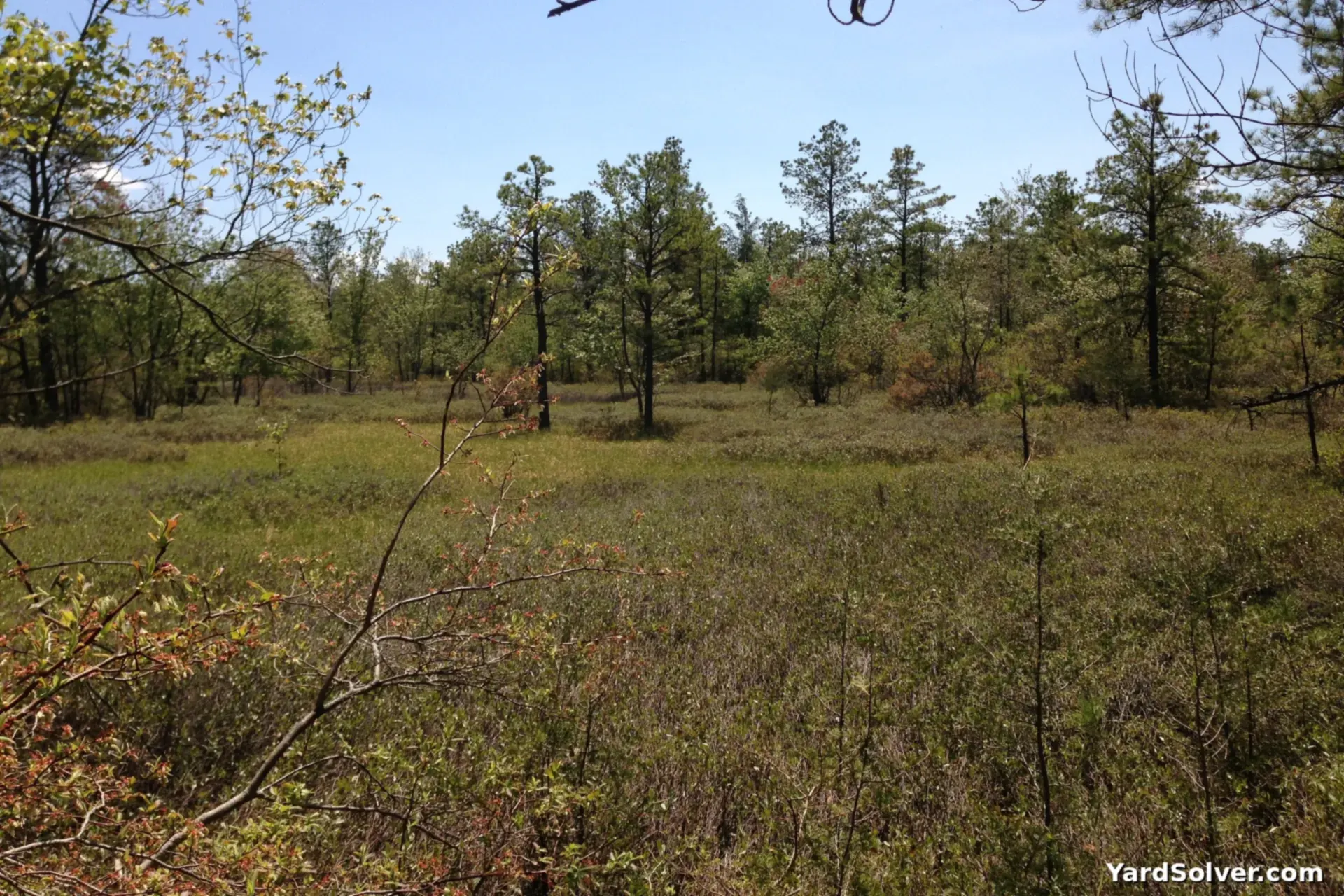
Set plants 12–24 in apart at the depth they grew, water in with rainwater if you have it, and mulch with sand or pine needles. The Plant Spacing Calculator turns that spacing into plants-per-bed. Firm each plant in well and water until the bed is evenly saturated; the fine roots must never dry out in the first weeks. A bed planted at 12 in spacing covers noticeably faster than one at 24 in — roughly four times the plants for about a year's head start.
Step 4 — Water and feed
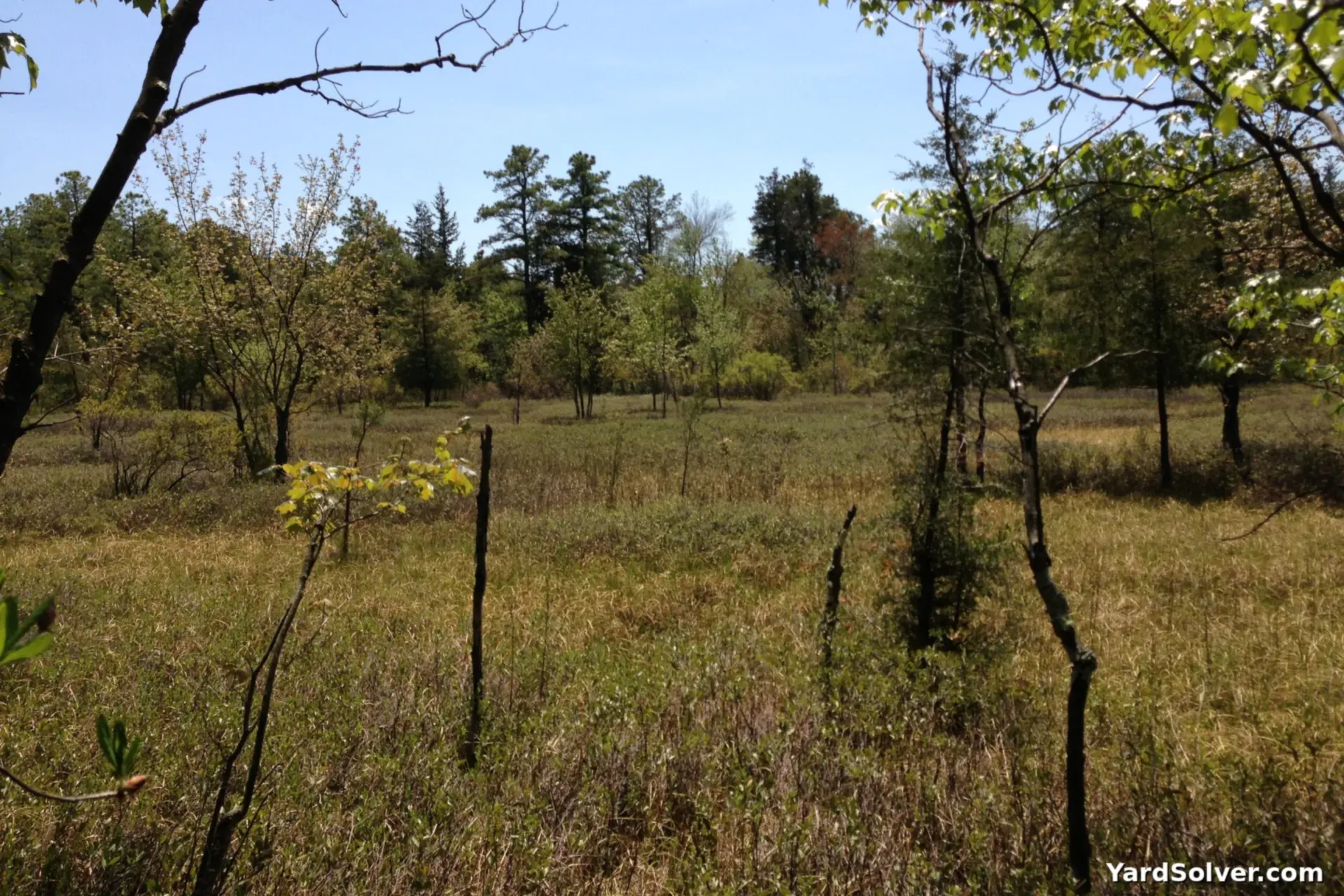
Water: Plenty — keep constantly moist. Feed very lightly with an acid-loving-plant fertilizer — cranberries are light feeders and over-feeding makes leaves, not berries. The Fertilizer Calculator turns a bed size into the right amount. Cranberries need very little nitrogen — a light spring application of an acid-plant fertilizer is enough, and excess nitrogen makes runners and leaves at the expense of the upright fruiting stems. Keep the bed weed-free in year 1, because once the mat knits, weeding tears runners.
Step 5 — Care and the problems to watch for
Wrong pH — in soil above pH 5.5 the plants yellow and sulk; test and acidify with sulfur. Drying out — the shallow roots need constant moisture. Fruit rot — in wet, crowded mats; rake out dead runners in spring. Every 2–3 years, spread a thin layer of coarse sand — about 1/2 in — over the mat in early spring; this traditional sanding buries old stems, roots the runners and smothers weed seedlings. Rake out accumulated dead leaves at the same time to keep air moving through the mat.
Step 6 — Harvest
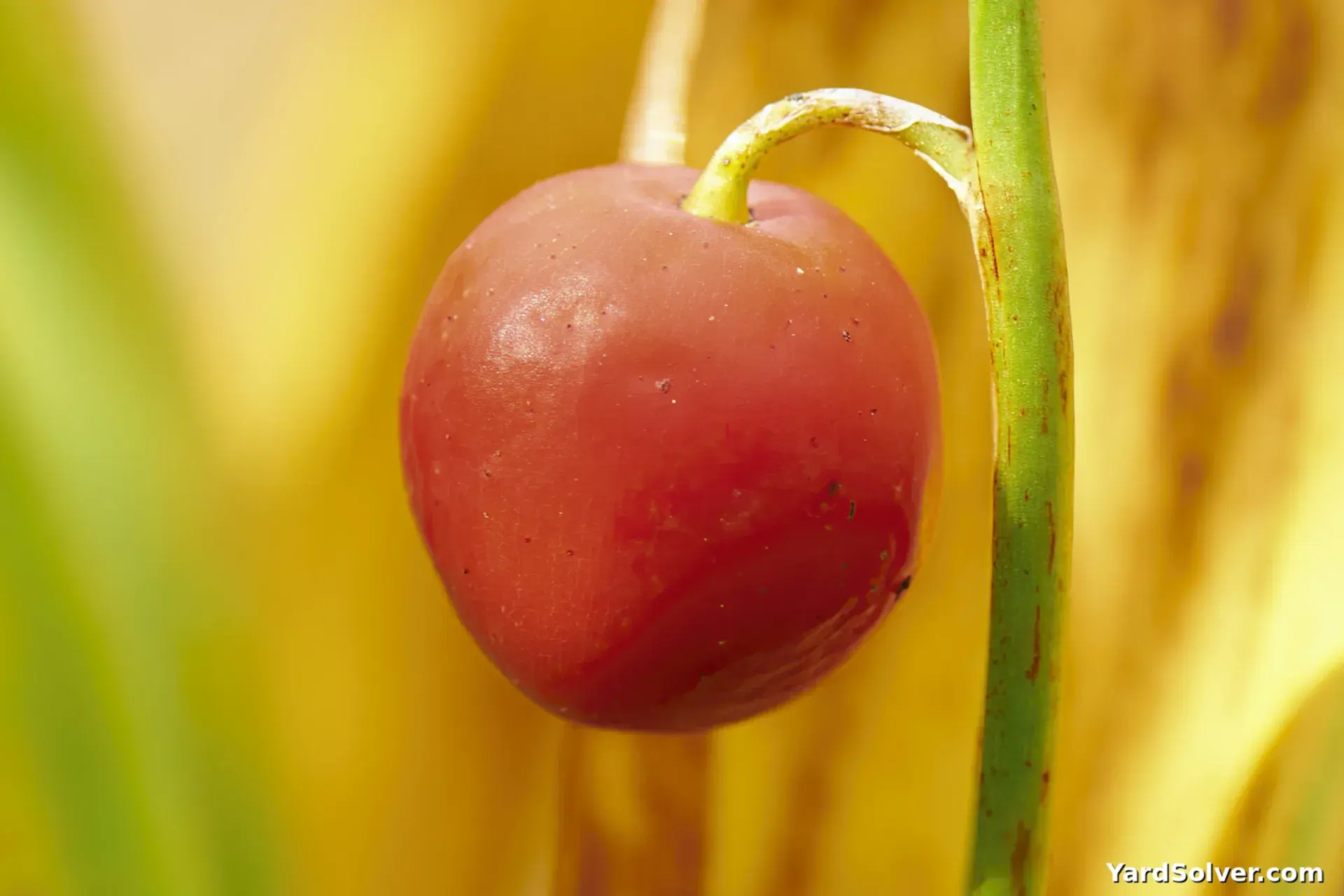
First berries in year 2–3. Pick when fully red and firm — a ripe cranberry bounces when dropped on a hard surface. Berries ripen over several weeks in fall, and colour is the guide: pick when they are fully red all over, not blushed. A home bed of 32 sq ft, once mature, can reasonably give several pounds of berries — plenty for sauce, with a surplus for the freezer, where they keep for months.
📅 Your personal Cranberry schedule
Cranberry care is measured in seasons, not weeks, so this schedule counts from the day your plants went into their peat-and-sand bed. It brings back the jobs at the right moments: spring clean-up and sanding in the years it is due, the very light spring feed, and the fall picking window when the berries colour fully red.
Varieties worth growing
| Variety | Colour | Why gardeners like it |
|---|---|---|
| Early Black | Red | An old, reliable variety for home bogs |
| Howes | Red | A late, firm berry that keeps well |
| Stevens | Deep red | The main commercial variety — heavy crops |
| Pilgrim | Red | Large berries, good for home gardens |
Good for you — and take care
Benefits
- Berries keep for weeks in the fridge
- One of the few fruits that wants acid soil and wet feet
- A pretty evergreen ground cover
- Cranberries are rich in vitamin C and antioxidants
Take care
- Cranberries need acid soil — pH 4.0–5.5 — test before planting.
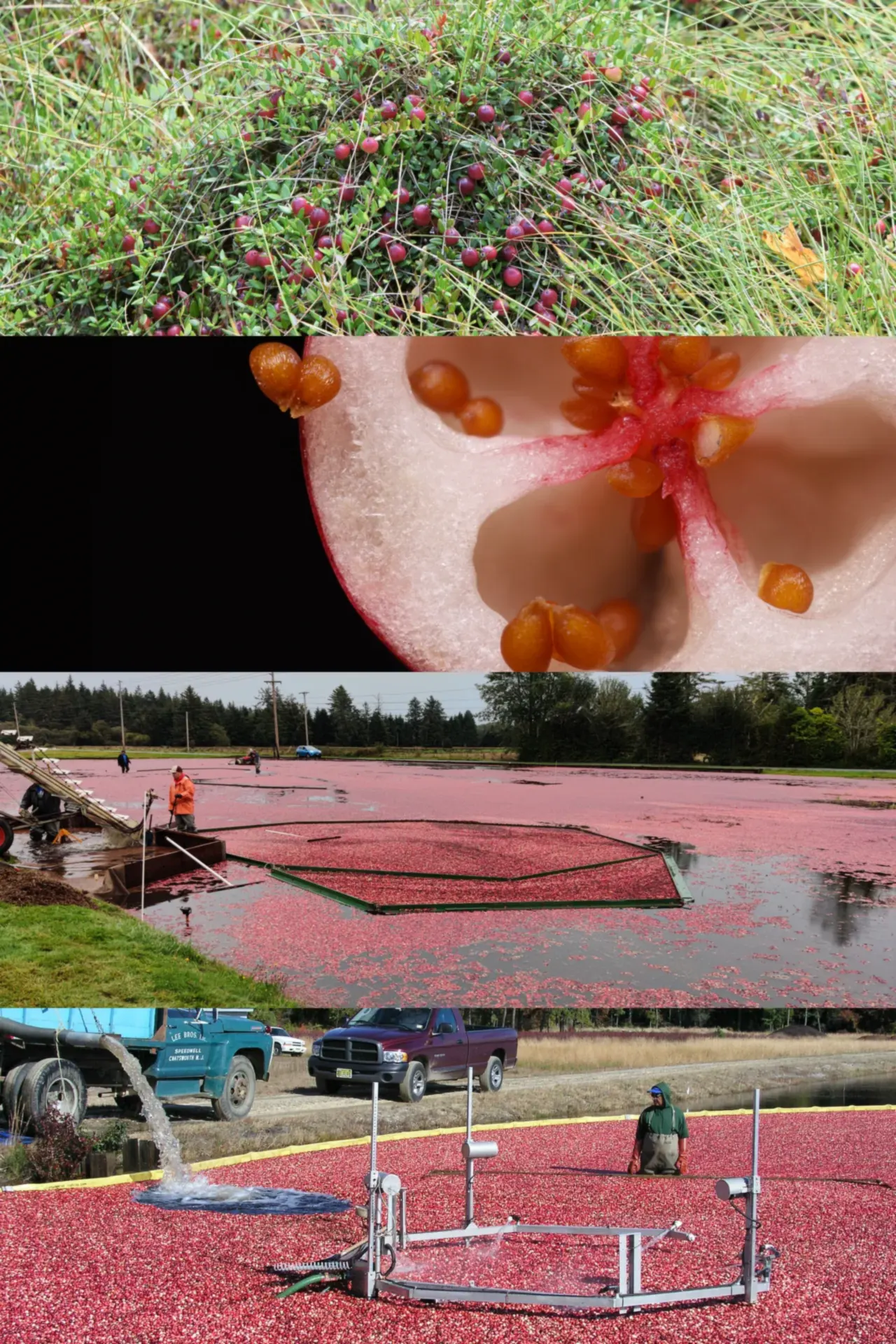
- You do not need to flood a home patch — flooding is a commercial harvest method.
- Water with rainwater where tap water is alkaline.
Problems to watch for
- Wrong pH — in soil above pH 5.5 the plants yellow and sulk; test and acidify with sulfur.
- Drying out — the shallow roots need constant moisture.
- Fruit rot — in wet, crowded mats; rake out dead runners in spring.
A little history — and one good fact
Cranberries are native to North American bogs, and Indigenous peoples used them in pemmican — dried meat, fat and berries — centuries before commercial bogs existed. The name comes from crane-berry: the flower looks like a crane's head.
Fun fact: A ripe cranberry bounces — growers once used bounce boards to sort good berries from bad, and 'bounce' is still a quality test.
Keep going
Guides: How to Harden Off Seedlings · How to Read a Seed Packet
Calculators: Plant Spacing Calculator · Seed Calculator · Fertilizer Calculator · Garden Mix Calculator
Plan it: Garden Planner · Planting Calendar · Companion Planting Chart · Seed Box
More berries: Blueberry · Lingonberry · Currants
← Back to the Plant Library · Get your personal planting dates
Worked example: building a 4 × 8 ft home cranberry bed
You do not need a bog or a floodable field — a small lined bed reproduces bog conditions faithfully. For a 4 × 8 ft bed (32 sq ft) built about 8 in deep, the quantities work out like this:
| Material | Amount for 32 sq ft | Why it is there |
|---|---|---|
| Pond or heavy liner | One sheet about 8 × 12 ft | Holds moisture in the bed and keeps your garden soil's higher pH out |
| Peat moss | About 10–11 cu ft (roughly half the fill) | Supplies the acidity — target pH 4.0–5.0 — and holds water |
| Coarse sand | About 10–11 cu ft (roughly half the fill) | Keeps the mix open and drained at the surface, as in a real bog |
| Plants at 12 in spacing | About 32 plants | Closer spacing covers the bed a full season sooner than 24 in spacing |
| Top sanding, every 2–3 years | About 1.3 cu ft per sanding | A 1/2 in layer roots the runners and refreshes the mat |
Set the liner with its edges just above soil level and pierce a few drainage slits near the top edge, so the bed holds moisture without turning into a pond after storms. Fill, soak thoroughly, test the pH, and only then plant.
Questions people ask
When do I plant cranberries?
Plant in spring, in prepared acid soil (pH 4.0–5.5). Test the soil pH first — cranberries will not grow in ordinary soil.
How far apart do I space cranberries?
Space plants 12–24 in apart. Sun: full sun, with constant moisture.
When will my cranberries fruit?
First berries in year 2–3. Home patches do not need flooding — that is a commercial harvest method.
Do home cranberries need to be flooded?
No. Commercial bogs are flooded for harvest and winter protection, but a home bed crops perfectly well without flooding. What cranberries do need is constant moisture at the roots, which a lined peat-and-sand bed provides.
How long before a cranberry bed crops well?
Expect the first light pickings in year 2–3 and a full crop once the mat has knitted solid, usually year 3–4. The upright stems carry the fruit, so a bed that looks leafy but has few uprights needs less fertilizer, not more.
Acid soil is not a preference, it is the whole crop: cranberries fail politely for years at the wrong pH
Cranberries are bog plants with one non-negotiable demand: genuinely acid soil, around pH 4 to 5, that stays moist. In ordinary garden soil at pH 6 or above the plants do not die dramatically — they sit, yellow slightly, grow slowly and never crop, which is worse for diagnosis than an honest death. Test before planting, and if the soil is not already acid, grow them in a dedicated bed or large container of ericaceous (acidic) compost where the pH can be held, and water with rainwater where tap water is alkaline.
The famous flooded bog is a harvesting and winter-protection technique, not a growing requirement: at home, cranberries grow as a low, trailing groundcover of upright fruiting shoots rising from long runners, in soil that is moist but drained. Patience is the second requirement — plants take two to three years to settle and crop meaningfully, then crop for decades with little attention beyond weeding, because competing weeds in the low mat are the main ongoing enemy.
The worked example: plants set into tested acid soil or ericaceous compost, kept moist and weeded while they knit together, commonly begin cropping in their third year and continue for a generation. The identical plants in unamended border soil typically linger unproductively until they are dug out as 'not suited to the garden'. The garden was not the problem — the pH was, and it was knowable before planting.
Sources
Key facts on this page — timing, spacing and care — cross-checked against NC State Extension Plant Toolbox — Vaccinium macrocarpon (American cranberry) — culture, soil pH, moisture and care requirements.
Related page
Read next: How to Test Garden Soil (pH & Nutrients), Step by Step.
Comments & ratings
No comments yet.
Be the first to share your experience.