
Plant Library · Fruits · By Faizan Ahmad
Updated November 17, 2026
⚫ How to Grow Currants
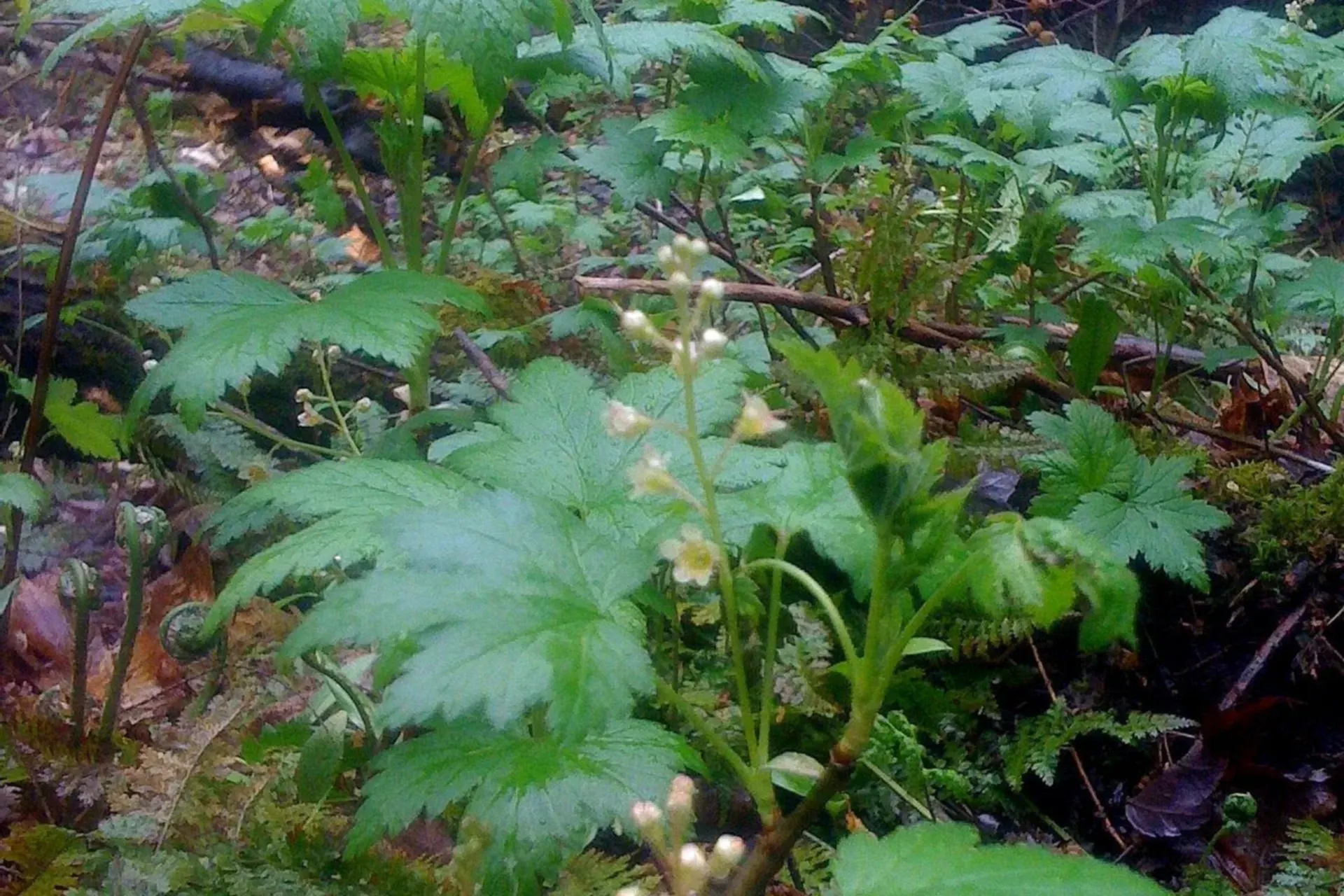
Currants are the shade-tolerant fruit: red, white and black currants all crop happily in part shade where most fruit sulks. Bushes grow 4–6 ft, fruit from year 2, and one bush gives bowls of jewel-bright berries for jellies, cordials and baking. One caution: currants can host white pine blister rust, and some areas restrict planting them — check local rules first.
Grow Currants with us — step by step
Currants are three fruits wearing one name: red and white currants fruit on older wood and are pruned like gooseberries, while black currants fruit on young wood and are cut back hard — and the steps below keep that difference clear, because pruning the wrong way costs a year's crop. Add your planting date and this page builds your personal currant schedule from it: spring feeding, the sawfly watch, and picking whole trusses at exactly full ripeness.
Step 1 — today: Plant your Currants today, 4–6 ft apart, slightly deeper than they grew in the nursery, in rich moist soil — check local blister-rust rules first — water in and mulch.
Currants at a glance
Spacing: 4–6 ft in · Seed depth: As in the pot
Sun: Full sun to part shade
Water: Regular — keep evenly moist
Harvest: First berries in year 2
Timing counts from your average last spring frost — get your own dates in the Planting Calendar. Guidance follows standard extension-service practice for Canada and the US.
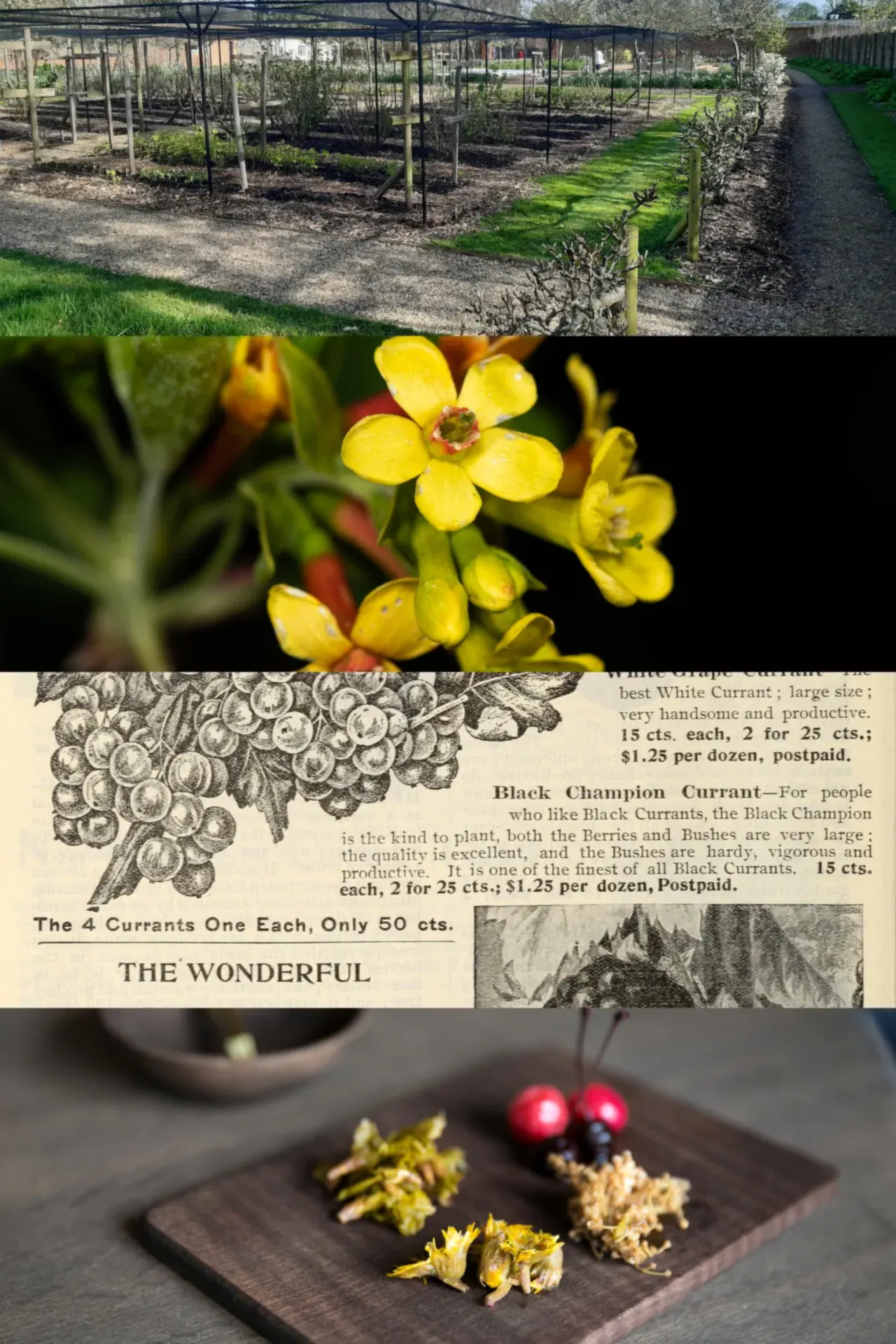
How to plant and grow currants, step by step
Step 1 — Time it right
Plant bare-root bushes in early spring or fall — currants leaf out early, so do not delay spring planting. Fall planting suits currants especially well in mild districts, because the bushes root quietly over winter and burst into growth early. Buy certified virus-free stock from a reputable nursery — old garden plants passed between neighbours are a common route for reversion virus in black currants.
Step 2 — Prepare the spot
Sun: Full sun to part shade. Rich, moist, well-drained soil. Currants are fine in part shade and prefer cool roots — mulch well. Work out how much soil you need with the Garden Mix Calculator or the Raised Bed Soil Calculator. Black currants tolerate heavier, damper soil than reds and whites, and all three appreciate a site out of strong wind so bees can work the early flowers. Soil near pH 6.0–6.5 is ideal; very acid soil benefits from a little lime worked in before planting.
Step 3 — Plant it
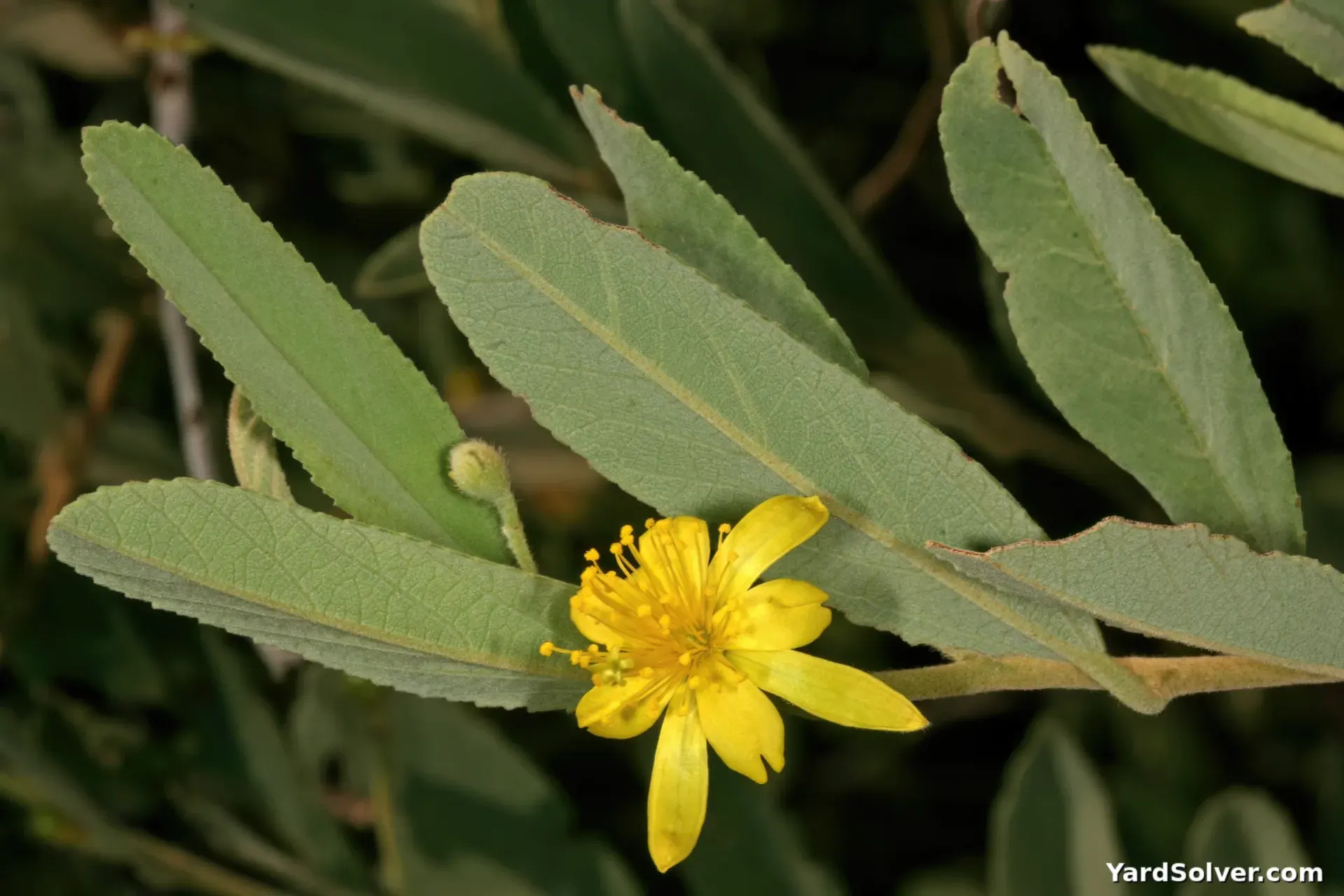
Set bushes 4–6 ft apart, slightly deeper than they grew in the nursery to encourage new shoots from the base. The Plant Spacing Calculator turns that spacing into bushes-per-row. That slightly deeper planting matters most for black currants: buried stem bases throw up the strong new shoots that carry next year's fruit. Water each bush in with a full can and finish with a 3 in compost mulch, kept just clear of the stems themselves.
Step 4 — Water and feed
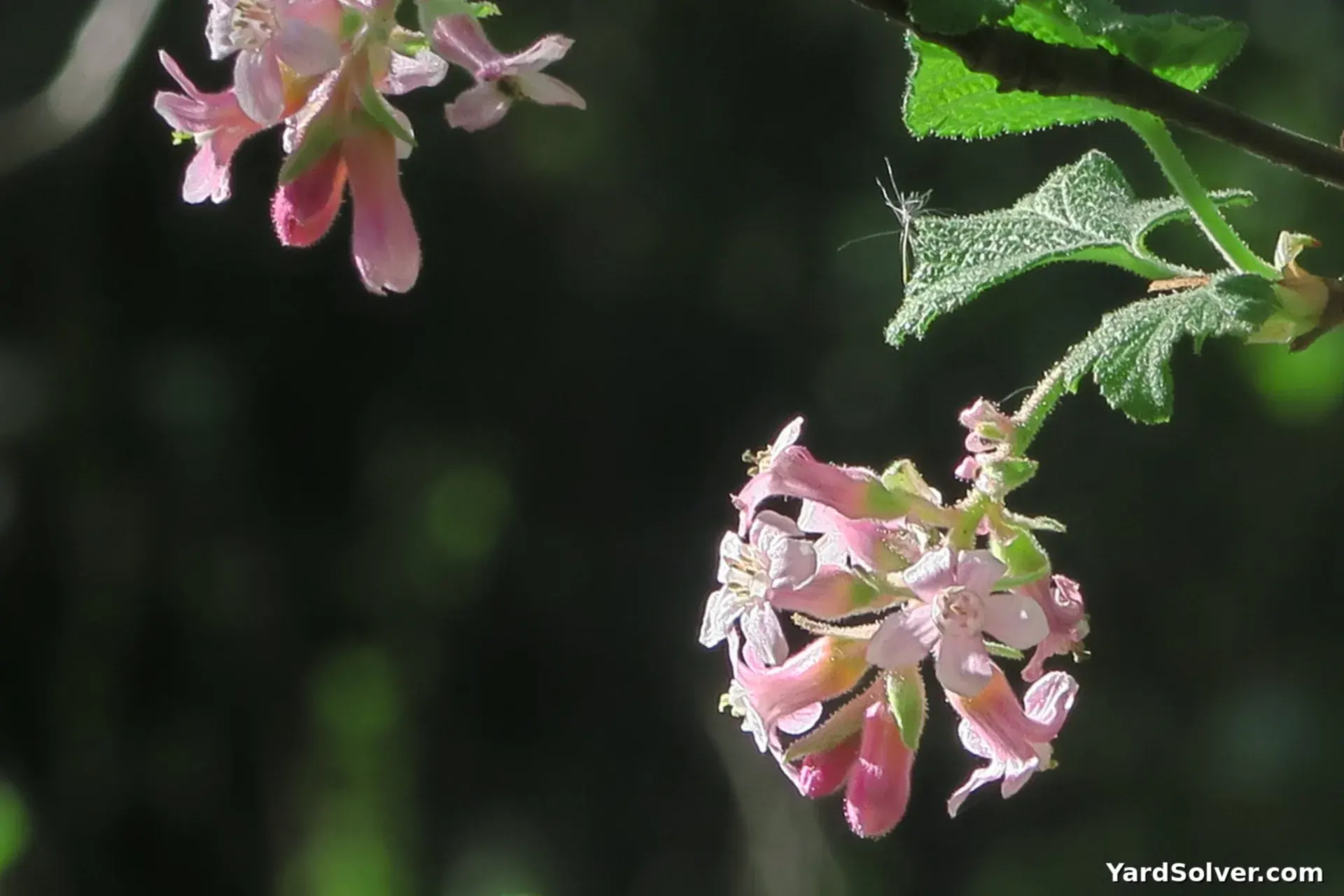
Water: Regular — keep evenly moist. Feed in spring with a balanced fertilizer and mulch with compost — currants are hungry bushes. The Fertilizer Calculator turns a bed size into the right amount. Currants respond to generous feeding because they crop heavily on a compact bush — a spring mulch of well-rotted manure plus a balanced fertilizer is the traditional routine. Keep the soil evenly moist while berries swell in June; drought then means small fruit and premature drop.
Step 5 — Care and the problems to watch for
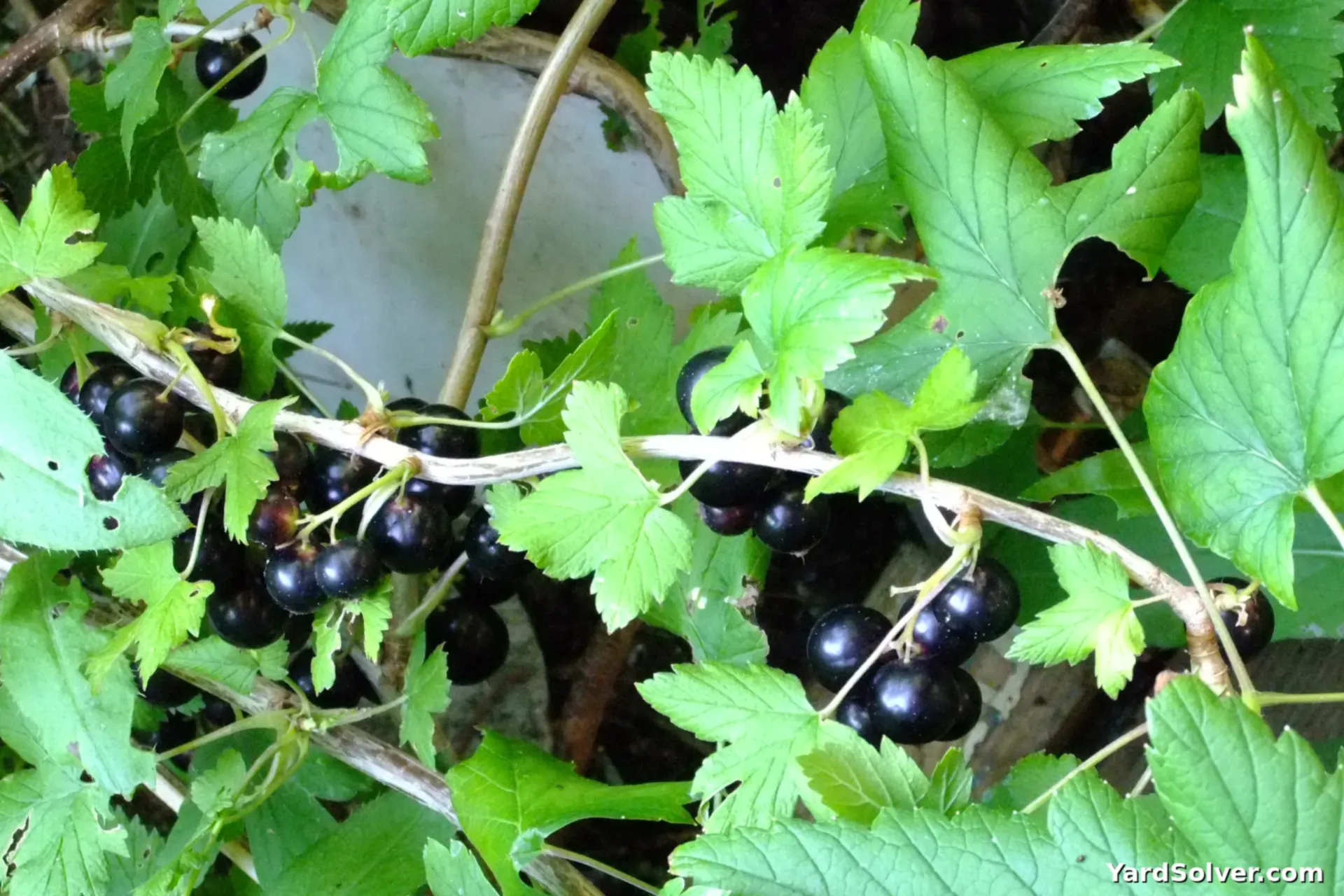
White pine blister rust — currants can carry it to pine trees; some areas ban or restrict currants — check before planting. Sawfly — caterpillars can strip a bush in days; check leaf edges in spring and pick them off. Powdery mildew — white film on leaves; prune for airflow and choose resistant varieties. Learn the two pruning rules by colour: reds and whites fruit on spurs of older wood, so shorten leaders and renew a little old wood yearly, while blacks fruit best on last year's shoots, so cut about a third of the oldest stems to the ground each winter. Currant blister aphid raises red blisters on leaves in spring — unsightly, but rarely worth spraying on garden bushes.
Step 6 — Harvest
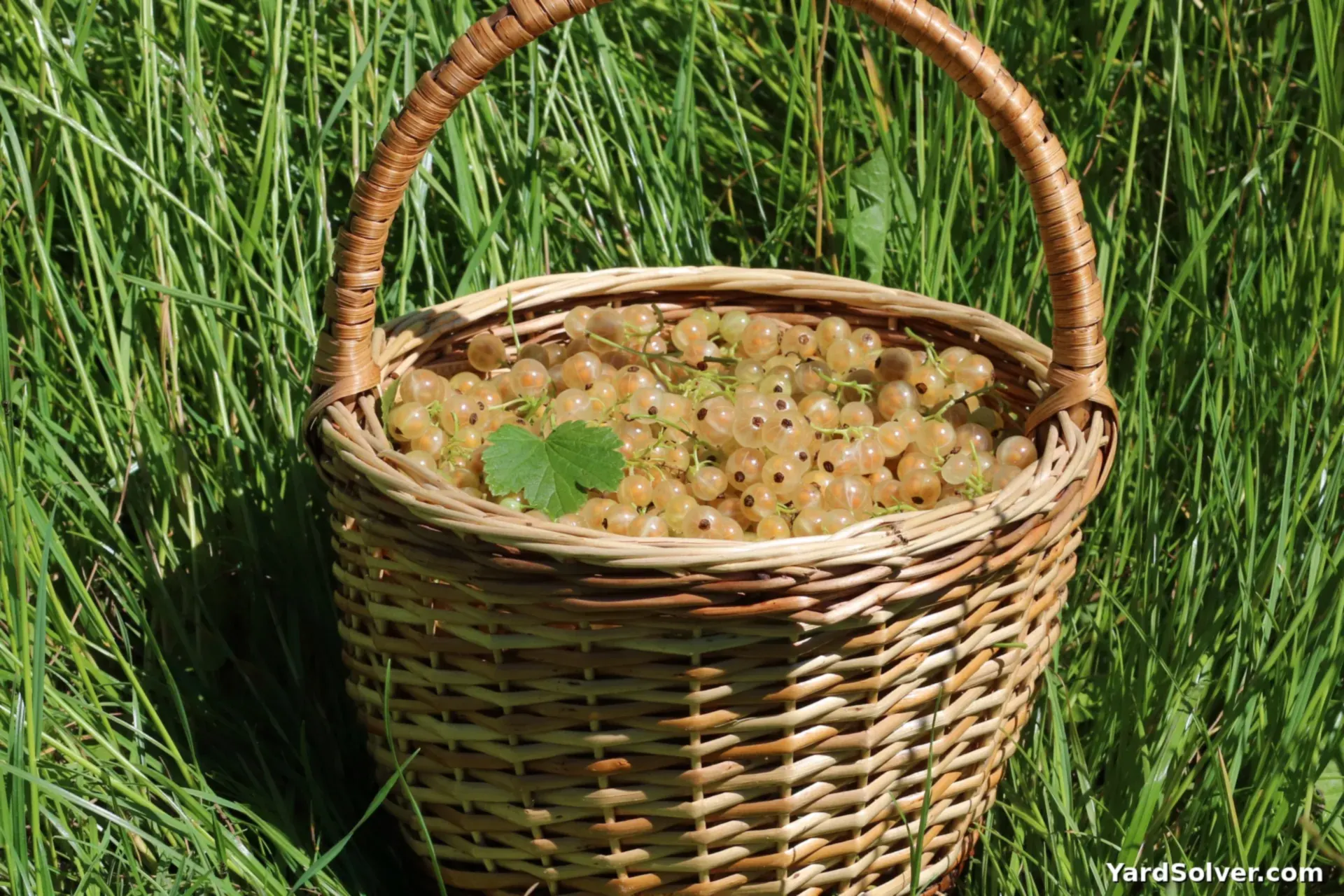
First berries in year 2. Pick whole trusses when every berry is ripe and translucent — currants on a truss ripen together. Pick reds and whites by the whole truss (called a strig) once the last berry on it is ripe, snipping it off with scissors rather than pulling berries individually. Black currants ripen unevenly, so pick them individually over two or three passes; a mature bush of either kind commonly yields roughly 8–10 lb of fruit.
📅 Your personal Currants schedule
Your currant schedule starts on the day your bushes went in — early, like everything about this plant. From that date it sets out the spring feed and mulch, the monthly sawfly checks through the growing season, the winter prune (hard for black currants, gentle for reds and whites), and the short picking window when whole trusses ripen together.
Varieties worth growing
| Variety | Colour | Why gardeners like it |
|---|---|---|
| Red Lake | Red | The classic red currant — heavy crops, reliable |
| Ben Connan | Black | A compact black currant with big berries |
| White Imperial | White | Sweet, translucent white currants — the mildest |
| Titania | Black | Bred for mildew and rust resistance |
Good for you — and take care
Benefits
- Crops in part shade — rare for a fruit
- Black currants are exceptionally rich in vitamin C
- Heavy yields from a small bush
- Berries freeze and preserve beautifully
Take care
- Check local rules — currants host white pine blister rust and are restricted in some places.
- Prune out a third of the oldest wood each winter to keep the bush young.
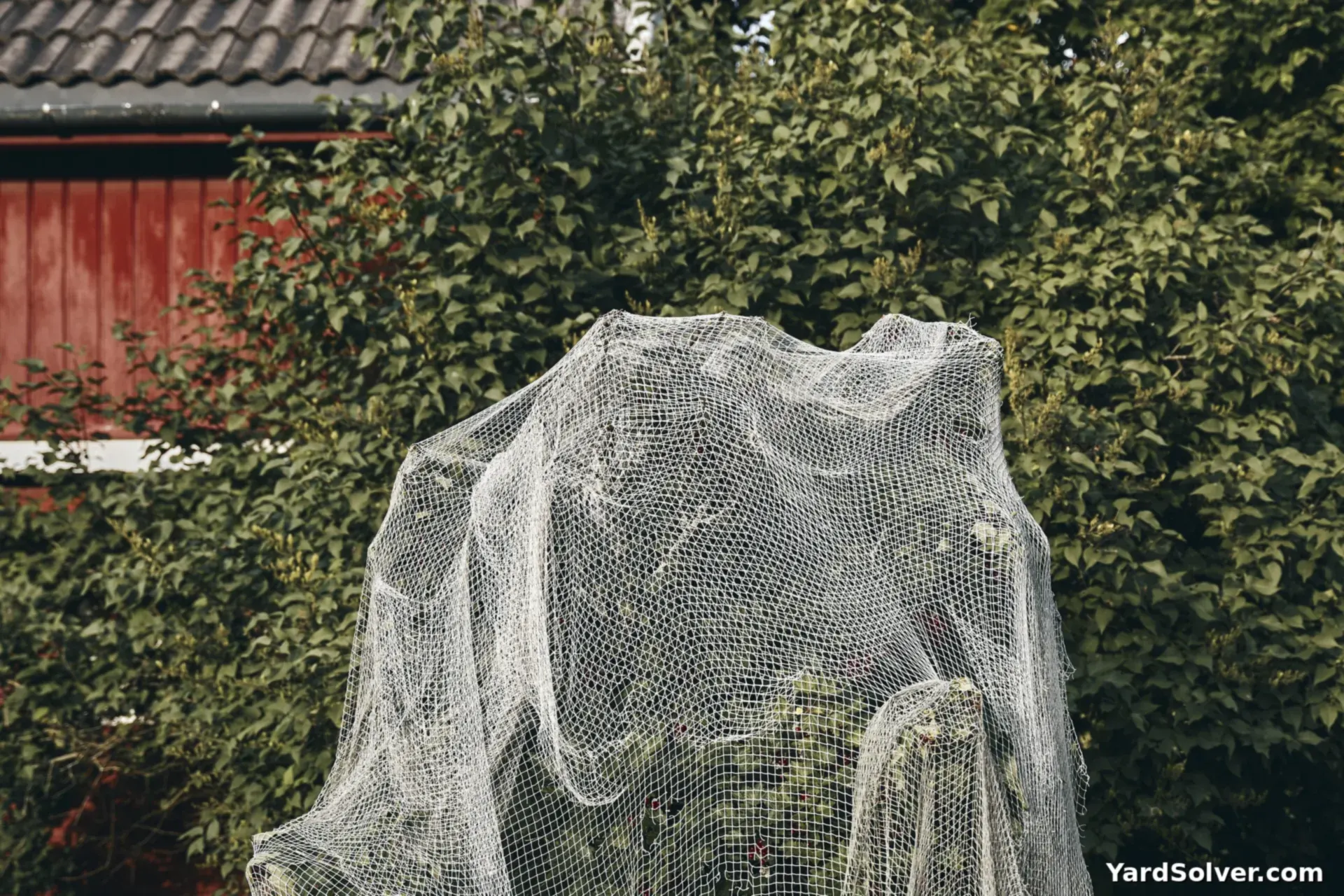
- Net the bushes as berries colour — birds love currants.
Problems to watch for
- White pine blister rust — currants can carry it to pine trees; some areas ban or restrict currants — check before planting.
- Sawfly — caterpillars can strip a bush in days; check leaf edges in spring and pick them off.
- Powdery mildew — white film on leaves; prune for airflow and choose resistant varieties.
A little history — and one good fact
Currants have been grown in northern Europe for centuries — black currants in monastery gardens as medicine, red currants for the table. In the early 1900s they were banned in much of the US over blister rust; the federal ban lifted in 1966, but some state rules remain.
Fun fact: Black currants have about four times the vitamin C of oranges, weight for weight.
Keep going
Guides: How to Harden Off Seedlings · How to Read a Seed Packet
Calculators: Plant Spacing Calculator · Seed Calculator · Fertilizer Calculator · Garden Mix Calculator
Plan it: Garden Planner · Planting Calendar · Companion Planting Chart · Seed Box
Good companions: Garlic
More berries: Gooseberry · Raspberry · Blackberry
← Back to the Plant Library · Get your personal planting dates
Pruning currants by colour: red and white versus black
The single most common currant mistake is pruning every bush the same way. The two groups fruit on different ages of wood, so their winter routines differ:
| Red and white currants | Black currants | |
|---|---|---|
| Fruits mainly on | Short spurs on 2–3-year-old wood | Long new shoots grown last season |
| Shape to aim for | An open goblet on a short leg, like a small gooseberry | A stool of mixed-age stems rising straight from the base |
| Winter job | Shorten leaders by about half; cut side shoots to 2–3 buds; remove one or two oldest branches | Cut out about a third of the stems — the oldest, darkest ones — right at ground level |
| Never do this | Hard-cut the whole bush — you remove the fruiting spurs | Tip every shoot lightly — you keep old, unproductive wood and shade out the new |
| Renewal rhythm | Branches are retired at about 4–5 years old | No stem should stay beyond about 4 years |
Unsure which stem is oldest? On both types it is the darkest-barked, thickest wood, often peeling slightly. Cut that first, and the rest of the decisions get easier.
Questions people ask
When do I plant currants?
Plant bare-root bushes in early spring or fall. Check local rules first — currants host white pine blister rust and are restricted in some areas.
How far apart do I space currants?
Space bushes 4–6 ft apart. Sun: full sun to part shade.
When will my currants fruit?
First berries in year 2, with full crops from year 3. Net the bushes as berries colour — birds love currants.
Are currants restricted or banned anywhere?
In some US states and counties, yes — because currants can host white pine blister rust, rules range from free planting to permits or bans, and rust-resistant varieties are often exempt. Check your state or provincial rules before ordering, and choose resistant varieties where rust is a concern.
How do I store currants after picking?
Pick reds and whites as whole trusses and strip the berries with a fork just before use. Unwashed berries keep about a week in the fridge; all currants freeze excellently on trays and keep for months for winter puddings and jam.
Black, red and white currants fruit on different wood: one pruning rule for all three is why so many bushes disappoint
Currants look like one crop and prune like two. Blackcurrants fruit best on young wood, so their pruning removes a third of the oldest stems at the base each year to force vigorous new growth. Red and white currants fruit on older wood carried on a permanent framework of branches, so their pruning shortens leaders and sideshoots instead and keeps the centre open. Applying blackcurrant pruning to a redcurrant removes its fruiting wood; applying redcurrant pruning to a blackcurrant leaves it carrying exhausted old stems — and both mistakes present identically, as a healthy bush with little fruit.
The other two predictable battles are birds and sawfly. Birds take ripening fruit with the same reliability as on cherries, and a net is again the only honest answer. Gooseberry sawfly larvae can strip a currant bush's leaves in days in early summer; the defence is inspection — the eggs and tiny larvae start low and in the centre of the bush, and picking off affected leaves early prevents the defoliation that weakens the plant and the next crop. Currants' compensating virtue is shade tolerance: they crop respectably against a north wall or fence where little else fruits.
The worked example: a bush pruned by its own rule, netted at ripening and checked for sawfly in early summer commonly crops heavily for a decade or more, even in partial shade. The identical bush pruned generically and left un-netted typically gives leaves, birds and sawfly. Currants are easy fruit — once the pruning matches the colour.
Sources
Key facts on this page — timing, spacing and care — cross-checked against Redcurrant (Ribes rubrum) — Wikipedia — background on currants, their types and cultivation — the NC State pages checked for this wave returned 404, so this verified reference is used instead.
Related page
Read next: How to Prune Fruit Trees in Winter (Without Ruining Fruit).
Comments & ratings
No comments yet.
Be the first to share your experience.