
Plant Library · Fruits · By Faizan Ahmad
Updated November 17, 2026
🟡 How to Grow Grapefruit Tree
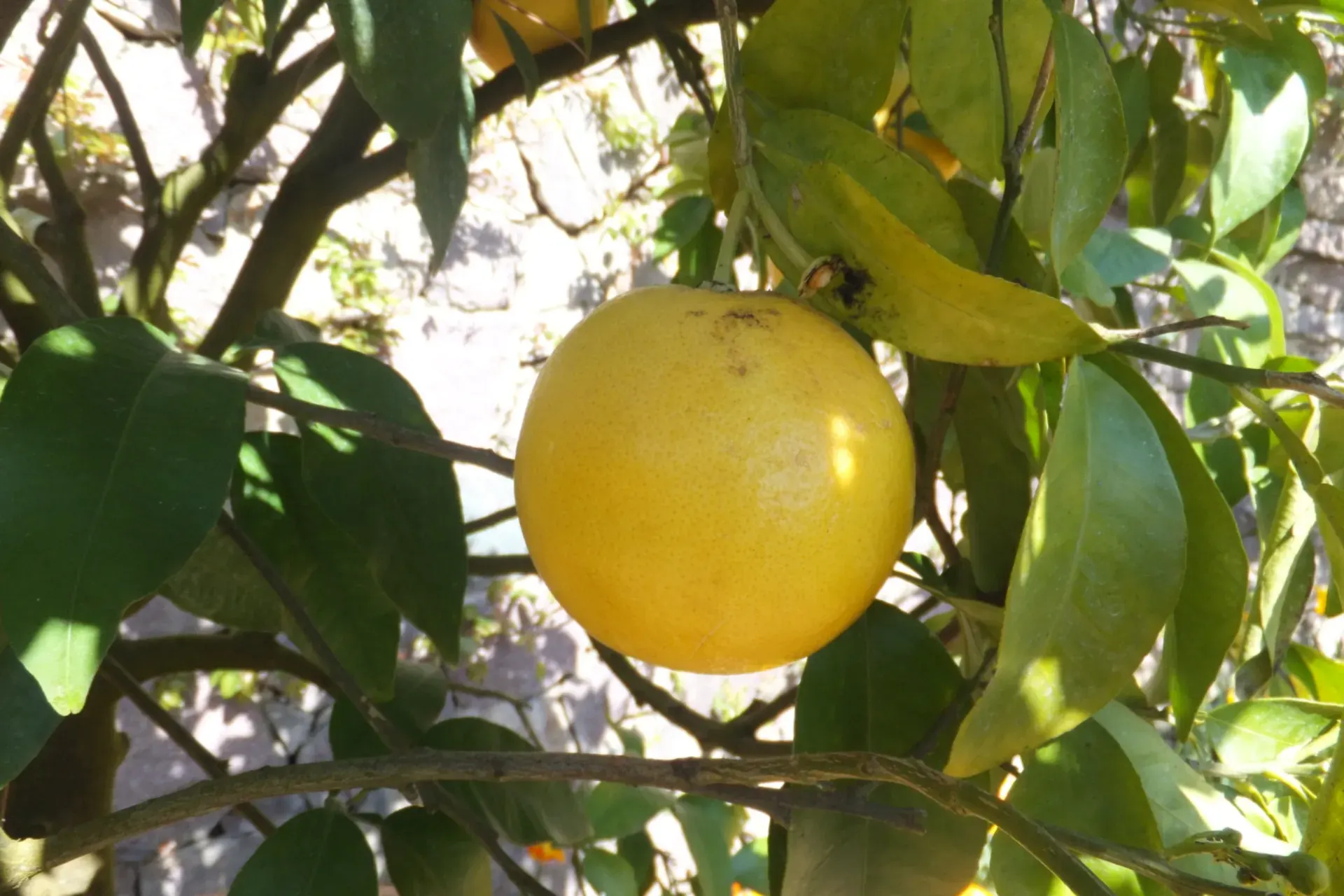
Grapefruit is a warm-climate citrus for zones 9–11 — a tree of 12–18 ft that needs real summer heat to sweeten its fruit. In colder zones it grows in a big pot, summered outside and wintered in a bright room. First fruit comes in 3–5 years, and a mature tree can give you a hundred grapefruits a season.
Grow Grapefruit Tree with us — step by step
Grapefruit is the citrus for patient gardeners: the tree is vigorous and handsome, but the fruit hangs and sweetens slowly, sometimes for the better part of a year, and a young tree needs several seasons before its first real crop. Everything below is ordered around that long rhythm. Put in your planting date and the page builds your grapefruit schedule from it — feeding through the growing season, winter protection for pot trees, and picking judged by taste rather than the calendar.
Step 1 — today: Plant your Grapefruit Tree today, at nursery depth with the graft above the soil, in well-drained soil in full sun — or in a large pot if your winters are cold — water deeply and mulch.
Grapefruit Tree at a glance
Spacing: 12–18 ft in · Seed depth: As in the pot
Sun: Full sun
Water: Regular, deep
Harvest: First fruit in 3–5 years
Timing counts from your average last spring frost — get your own dates in the Planting Calendar. Guidance follows standard extension-service practice for Canada and the US.
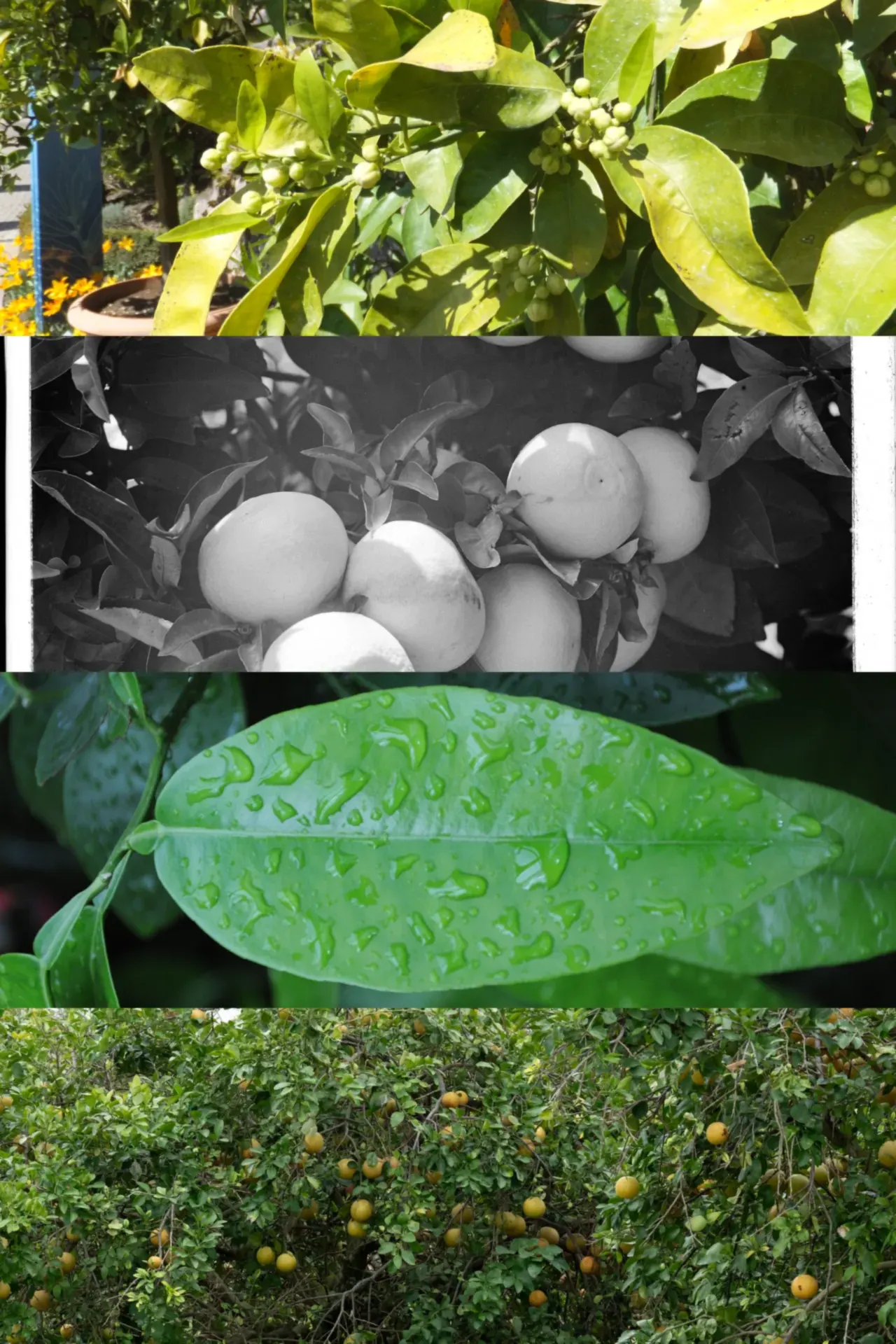
How to plant and grow grapefruit tree, step by step
Step 1 — Time it right
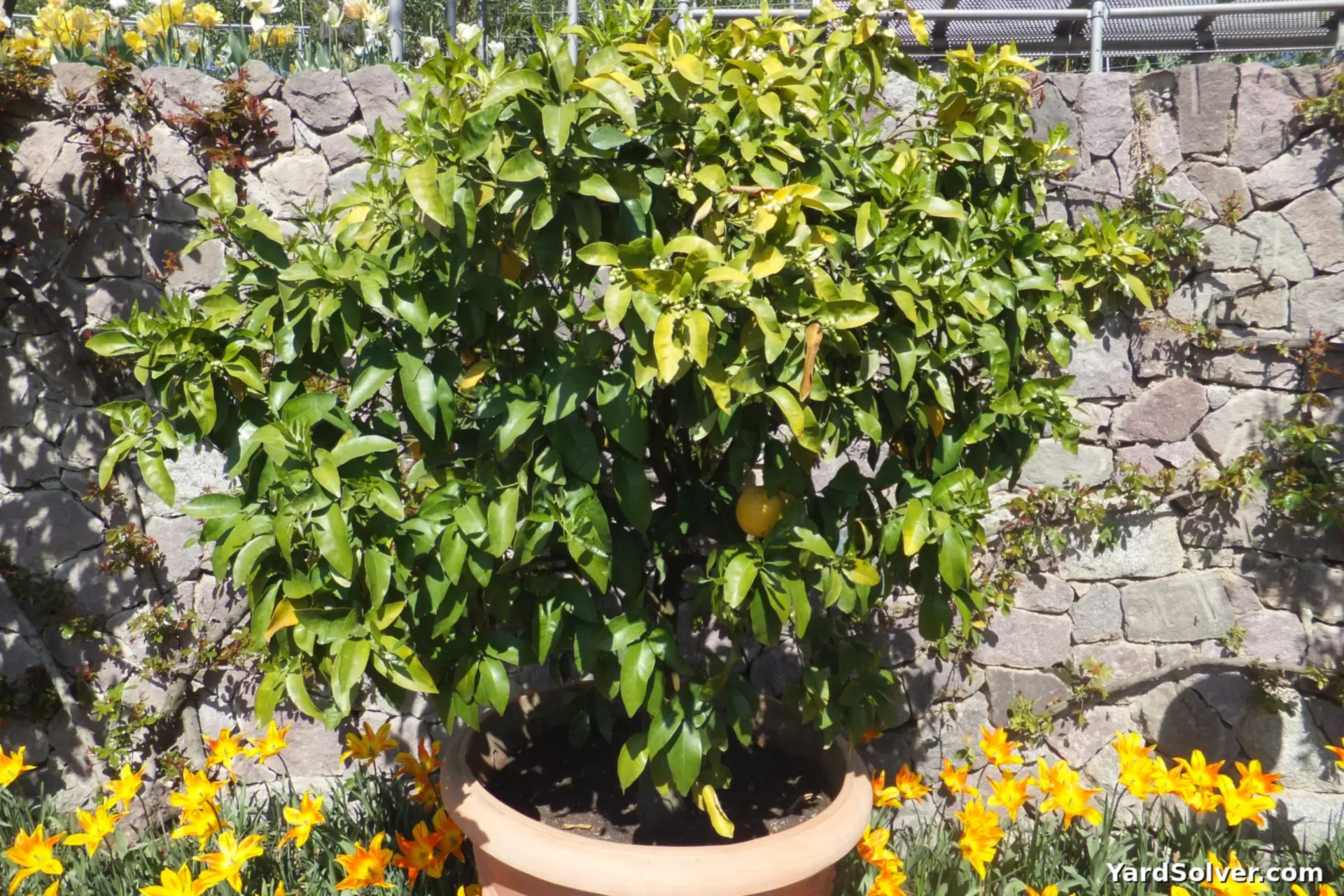
Plant in spring after frost danger passes — in the ground in zones 9–11, or in a large pot anywhere you can winter it indoors. Standard trees reach 15–20 ft, so in-ground planting is a long-term commitment of space; dwarfing rootstocks hold a tree nearer 8–10 ft and suit large pots. Buy the largest healthy tree you can — with citrus, a bigger nursery tree simply fruits years sooner.
Step 2 — Prepare the spot
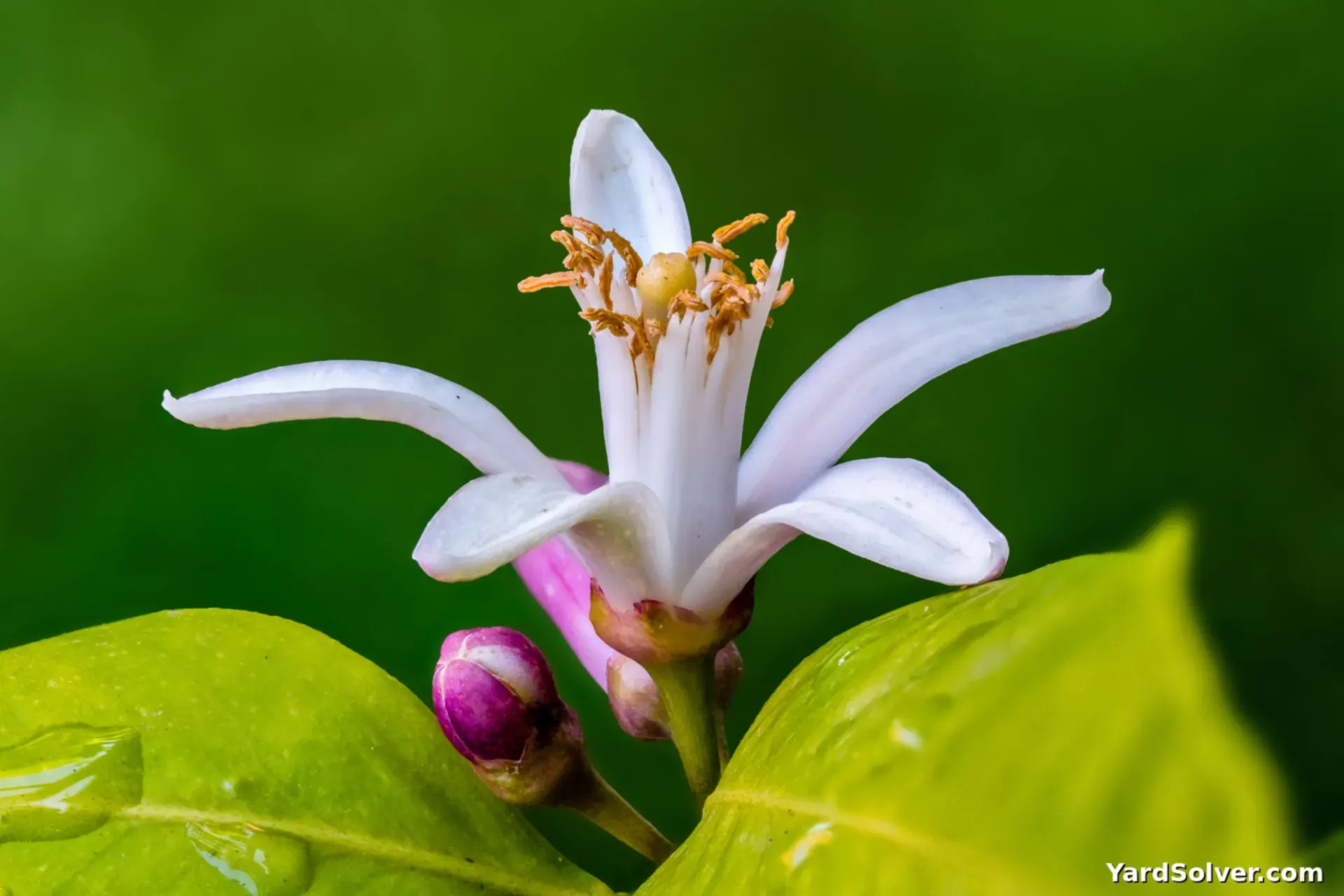
Sun: Full sun. Well-drained, sandy loam in full sun. In pots, use a citrus or free-draining mix and a pot with drainage holes. Work out how much you need with the Garden Mix Calculator or the Raised Bed Soil Calculator. Grapefruit performs best in soil around pH 6.0–7.0 that never stays waterlogged; on heavy clay, plant on a broad low mound. In pots, step up gradually — a young tree lost in a huge pot of wet mix rots at the roots, so move up one pot size at a time.
Step 3 — Plant it
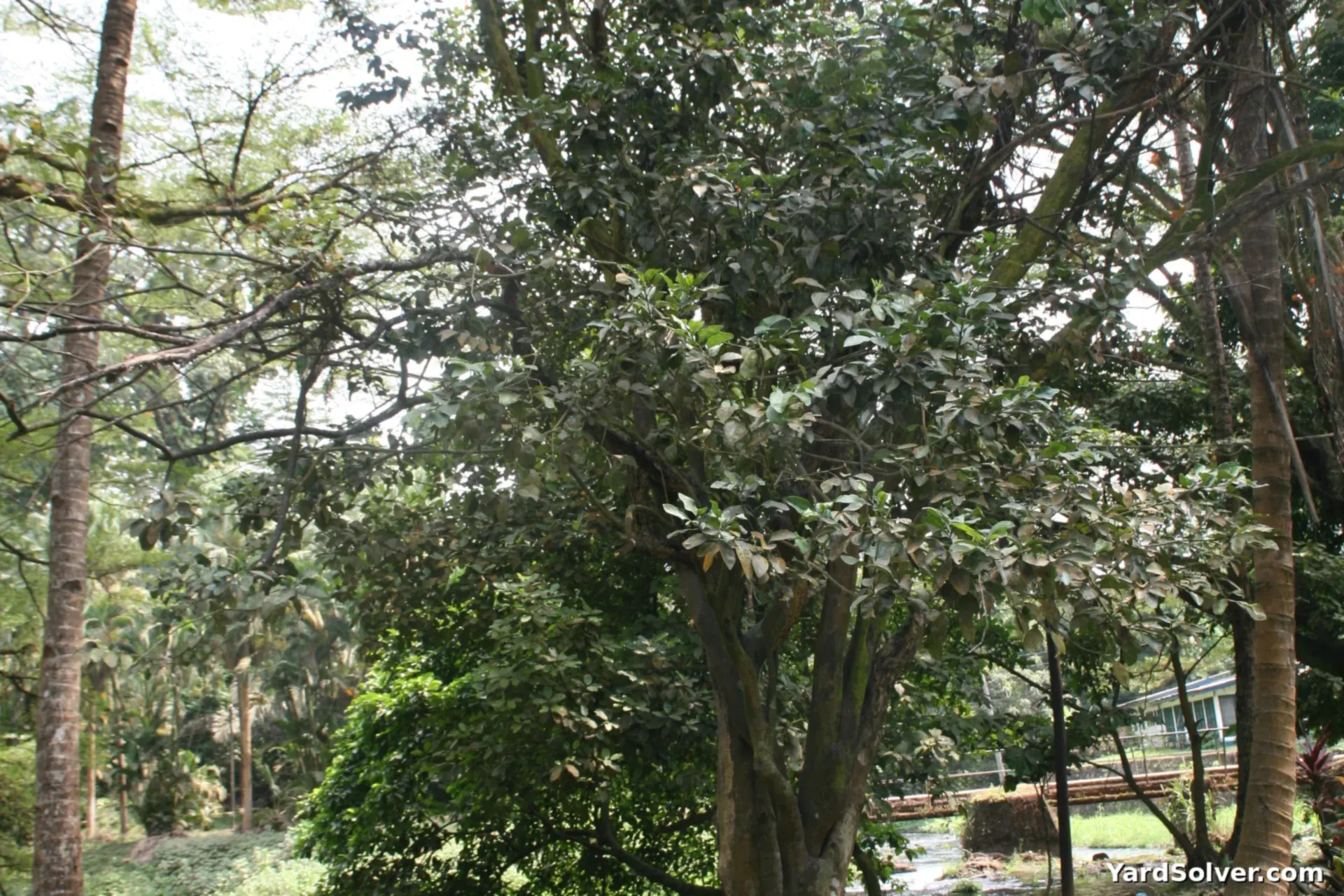
Set the tree at the depth it grew in the nursery — never bury the graft — water deeply and mulch, keeping mulch off the trunk. The Plant Spacing Calculator turns that spacing into trees-per-plot. Keep the graft union clearly above the soil line and check it after the first watering settles the mix. Form a wide watering basin in the ground and water to soak the full root zone, then let the top few inches dry before watering again.
Step 4 — Water and feed
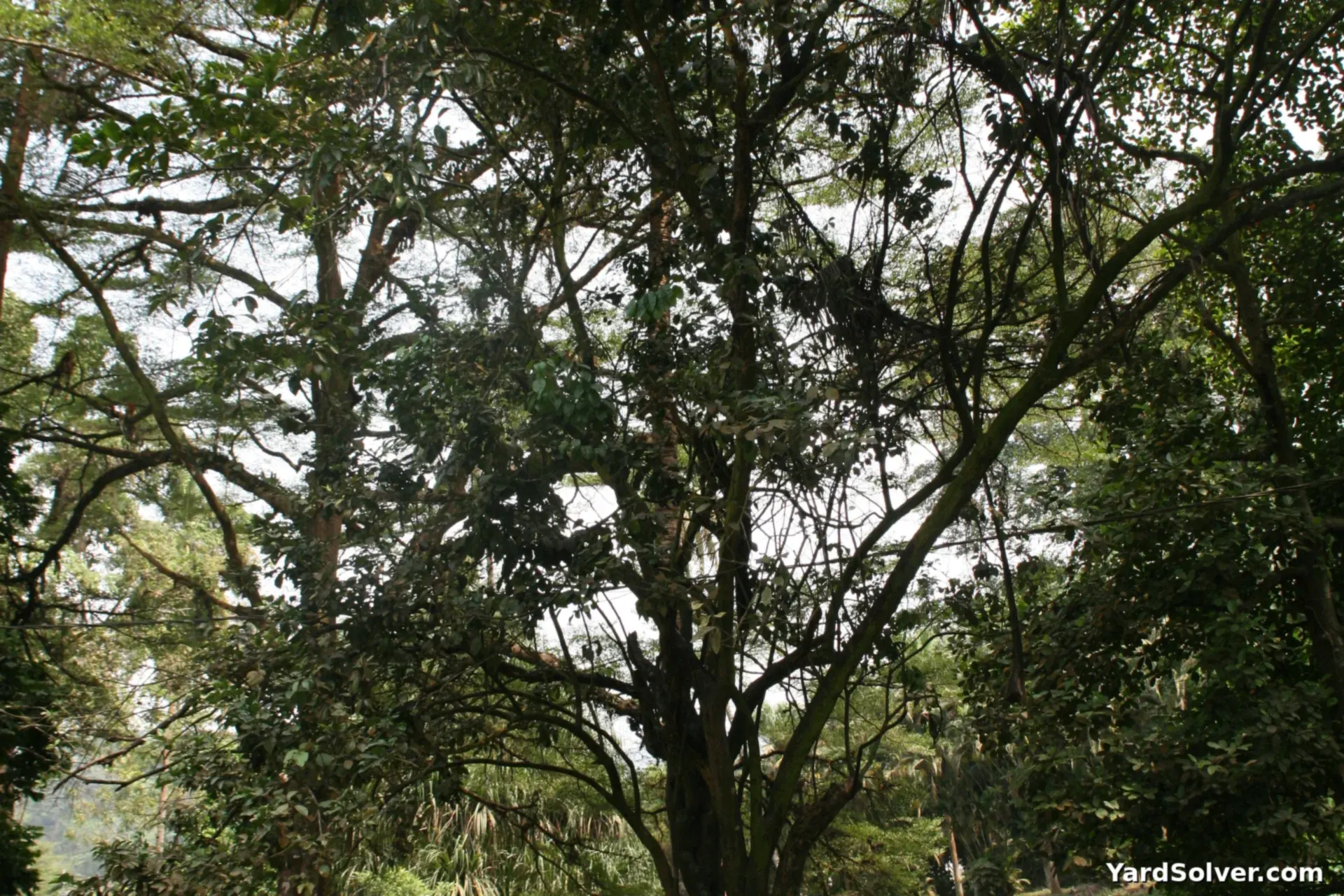
Water: Regular, deep. Feed with a citrus fertilizer through the growing season — citrus are hungry, and grapefruit especially so. The Fertilizer Calculator turns a plot size into the right amount. Split the season's citrus fertilizer into three or four smaller applications from spring to late summer rather than one heavy dose — citrus roots burn easily and steady feeding holds more leaves. Yellow leaves with green veins usually signal iron chlorosis on alkaline soil; a chelated iron feed corrects it.
Step 5 — Care and the problems to watch for
Cold — grapefruit is damaged below about 28 °F; pot trees come indoors before frost. Citrus leafminer — crinkled new leaves; mostly cosmetic on mature trees. Scale and aphids — check leaf undersides, especially on indoor trees in winter. Leave fruit on the tree until you need it: grapefruit stores better hanging than in any fridge, and sweetness keeps building. Watch for citrus scale on the trunk and main branches of older trees — a winter horticultural oil spray, used strictly to label directions, is the standard control.
Step 6 — Harvest
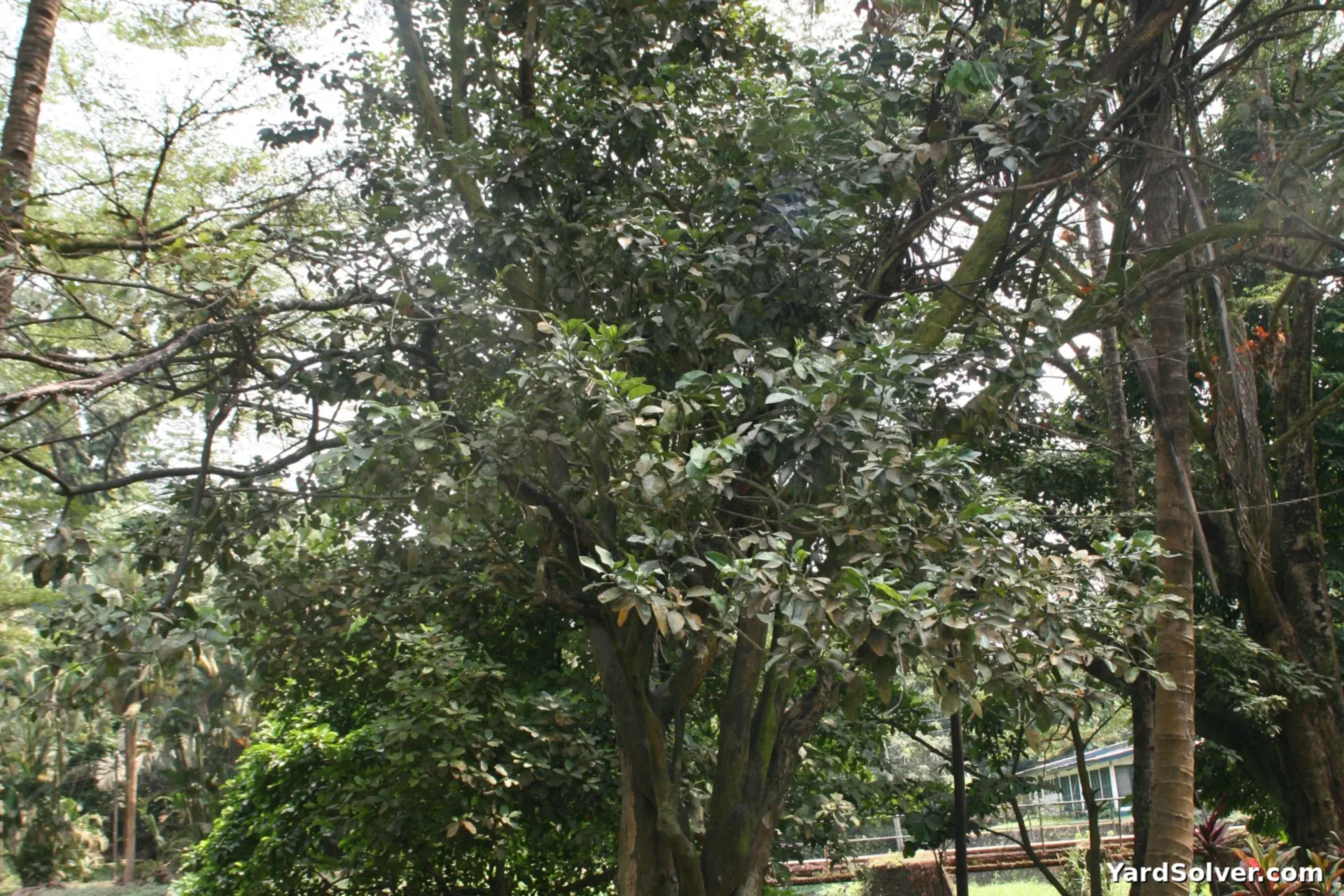
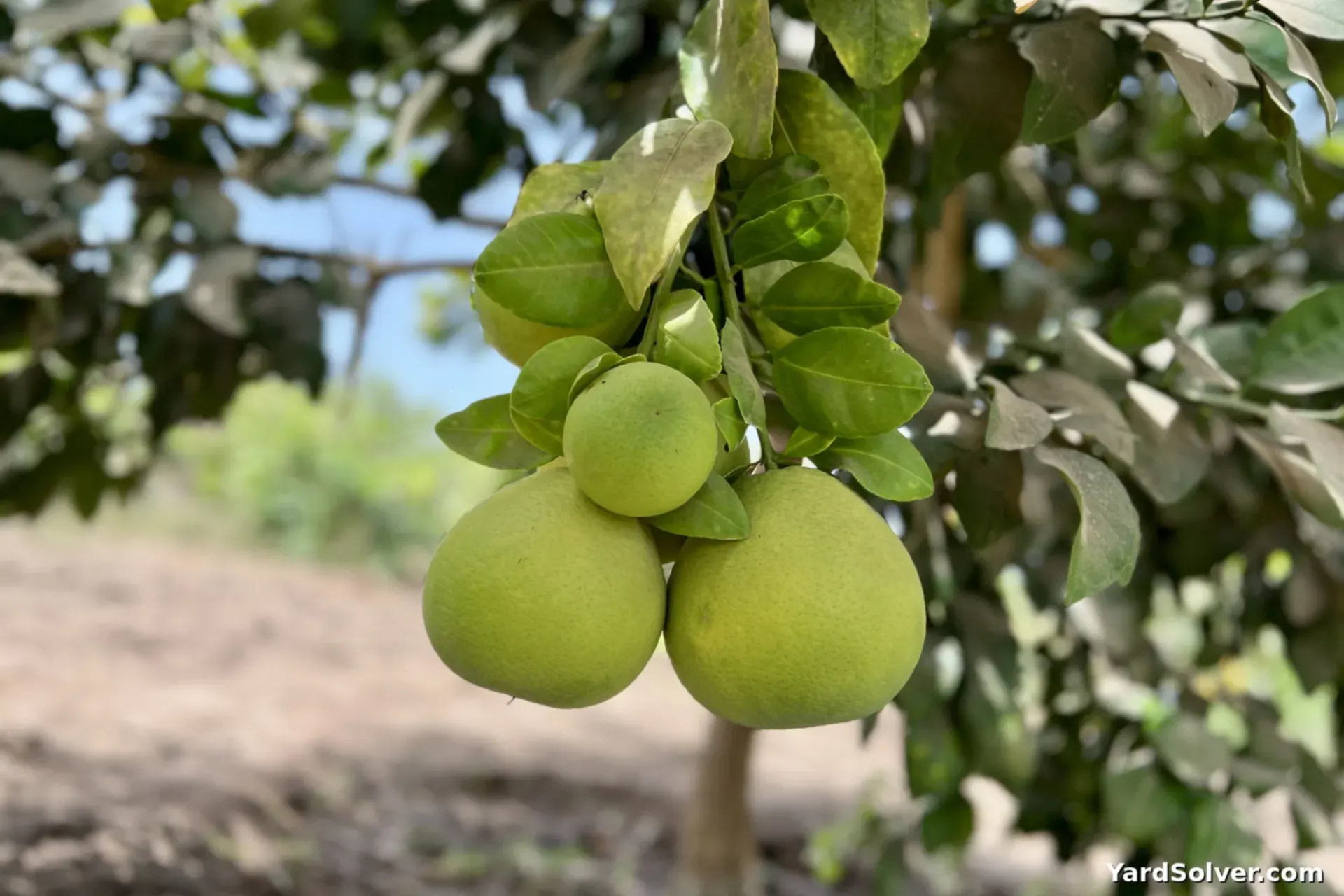
First fruit in 3–5 years. Grapefruit ripens slowly on the tree and keeps there for weeks — pick when fully coloured, heavy and fragrant. Colour alone misleads: in warm climates grapefruit can be fully ripe while the rind is still partly green, so pick one fruit and taste it before judging the tree. Seedless types such as Marsh and the red-fleshed Rio Red and Ruby Red are the usual home-garden choices, with red types sweetening earliest.
📅 Your personal Grapefruit Tree schedule
A grapefruit keeps its own slow timetable, so this schedule counts from the day your tree was planted and spaces the work across the whole season. It times the split fertilizer applications, the winter move indoors for pot trees before cold nights arrive, and the long, patient ripening period when picking is decided by tasting, never by date.
Varieties worth growing
| Variety | Colour | Why gardeners like it |
|---|---|---|
| Ruby Red | Pink-red | The famous Texas grapefruit — sweet, red-fleshed |
| Marsh | White | The classic seedless white grapefruit |
| Duncan | White | An old Florida variety — seedy but superbly flavoured |
| Oro Blanco | Pale gold | A sweet, low-acid cross — good where summers are cooler |
Good for you — and take care
Benefits
- Huge crops — a mature tree gives 100+ fruit
- Rich in vitamin C and lycopene (pink types)
- Beautiful glossy evergreen foliage
- Grows in a pot where winters are cold
Take care
- Grapefruit needs summer heat to sweeten — a cool summer means sour fruit.
- Pot trees: bright light indoors, watch for scale on leaf undersides.
- Never bury the graft union when planting.
Problems to watch for
- Cold — grapefruit is damaged below about 28 °F; pot trees come indoors before frost.
- Citrus leafminer — crinkled new leaves; mostly cosmetic on mature trees.
- Scale and aphids — check leaf undersides, especially on indoor trees in winter.
A little history — and one good fact
The grapefruit is a newcomer: it appeared in Barbados in the 1700s as a natural cross between a pomelo and a sweet orange, and was called the forbidden fruit. It reached Florida in the 1820s and became a breakfast staple a century later.
Fun fact: Grapefruit got its name because the fruit hangs in clusters on the tree — like a bunch of grapes.
Keep going
Guides: How to Harden Off Seedlings · How to Read a Seed Packet
Calculators: Plant Spacing Calculator · Seed Calculator · Fertilizer Calculator · Garden Mix Calculator
Plan it: Garden Planner · Planting Calendar · Companion Planting Chart · Seed Box
More citrus: Orange Tree · Lemon Tree · Kumquat Tree
← Back to the Plant Library · Get your personal planting dates
Growing grapefruit in a pot: the working spec
Outside zones 9–11, a pot is the only way to grow grapefruit — and on a dwarfing rootstock it works very well. This is the spec that keeps a potted tree cropping instead of merely surviving:
| Item | Spec | Why |
|---|---|---|
| Starting pot | 10–12 in for a young tree, stepping up one size at a time | Oversized pots hold wet mix around small root balls and invite root rot |
| Final pot | 18–22 in (about 15–20 gallons) on a wheeled stand | A fruiting tree is heavy; wheels make the twice-yearly move possible |
| Mix | Free-draining citrus mix, or compost with about a third coarse bark or grit | Citrus roots need air as much as water |
| Feeding | Citrus fertilizer little and often, spring to late summer; plain water only in winter | Pot watering washes nutrients out, so steady small doses replace them |
| Summer spot | The sunniest place you have, turned a quarter-turn weekly | Even light keeps the canopy balanced and ripens fruit on all sides |
| Winter move | Indoors before nights fall below about 40 °F, to the brightest window or a conservatory | Grapefruit is damaged near 28 °F, and pot roots chill far faster than ground roots |
Expect a dwarf potted tree to settle at 6–8 ft and carry a modest crop — a dozen or so fruit in a good year is a fair return for a tree that also winters as a houseplant.
Questions people ask
When do I plant a grapefruit tree?
Plant in spring after frost danger passes — in the ground in zones 9–11, or in a large pot you winter indoors.
How far apart do I space grapefruit trees?
Space trees 12–18 ft apart. Sun: full sun.
When will my grapefruit tree fruit?
First fruit in 3–5 years. Grapefruit needs real summer heat to sweeten.
Why does my grapefruit taste sour?
Usually it was picked too early. Grapefruit needs many months of warmth on the tree to build sugar — in cooler districts fruit can hang 12 months or more. Leave it longer, taste one fruit at a time, and pick only when the flavour, not the colour, is right.
How big does a grapefruit tree get?
On a standard rootstock, 15–20 ft tall and wide in the ground. Trees on dwarfing rootstock stay around 8–10 ft in the ground and 6–8 ft in a large pot, which is why dwarf trees are the practical choice for most home gardens.
The least cold-tolerant of the common citrus: a big pot and a bright winter home in cold climates
Grapefruit (Citrus × paradisi) is a natural hybrid of pomelo and sweet orange, and it inherits a tropical constitution: growth stops in cool weather, leaves damage as temperatures approach freezing, and a hard frost can kill a young tree outright. North of the citrus belt the honest method is a large pot — 40 litres or more at maturity — that summers outdoors in full sun and winters in the brightest, coolest frost-free spot available.
Fruit timing surprises first-time growers. Grapefruit flowers in spring but the fruit takes nine months or more to ripen, sweetening as it hangs through the following winter; a tree carrying ripening fruit and new growth at the same time is normal, not confused. Pick by taste, not by colour — rind colour follows cool nights more than ripeness, and an early-picked grapefruit never sweetens off the tree.
The worked example: a potted tree fed through the growing season, watered deeply but never left sitting in a saucer of water, commonly carries a real crop by its third or fourth year. The same tree planted out in a cold-winter garden typically survives a mild year, loses its top in a hard one, and spends the next season regrowing instead of fruiting.
Sources
Key facts on this page — timing, spacing and care — cross-checked against NC State Extension Plant Toolbox — Citrus × paradisi — culture and care requirements and Grapefruit — Wikipedia — background on grapefruit, its hybrid origin and its cultivation.
Related page
Read next: Best Vegetables for Containers: Pots, Soil & Watering.
Comments & ratings
No comments yet.
Be the first to share your experience.