
Plant Library · Fruits · By Faizan Ahmad
Updated November 17, 2026
🟠 How to Grow Kumquat Tree
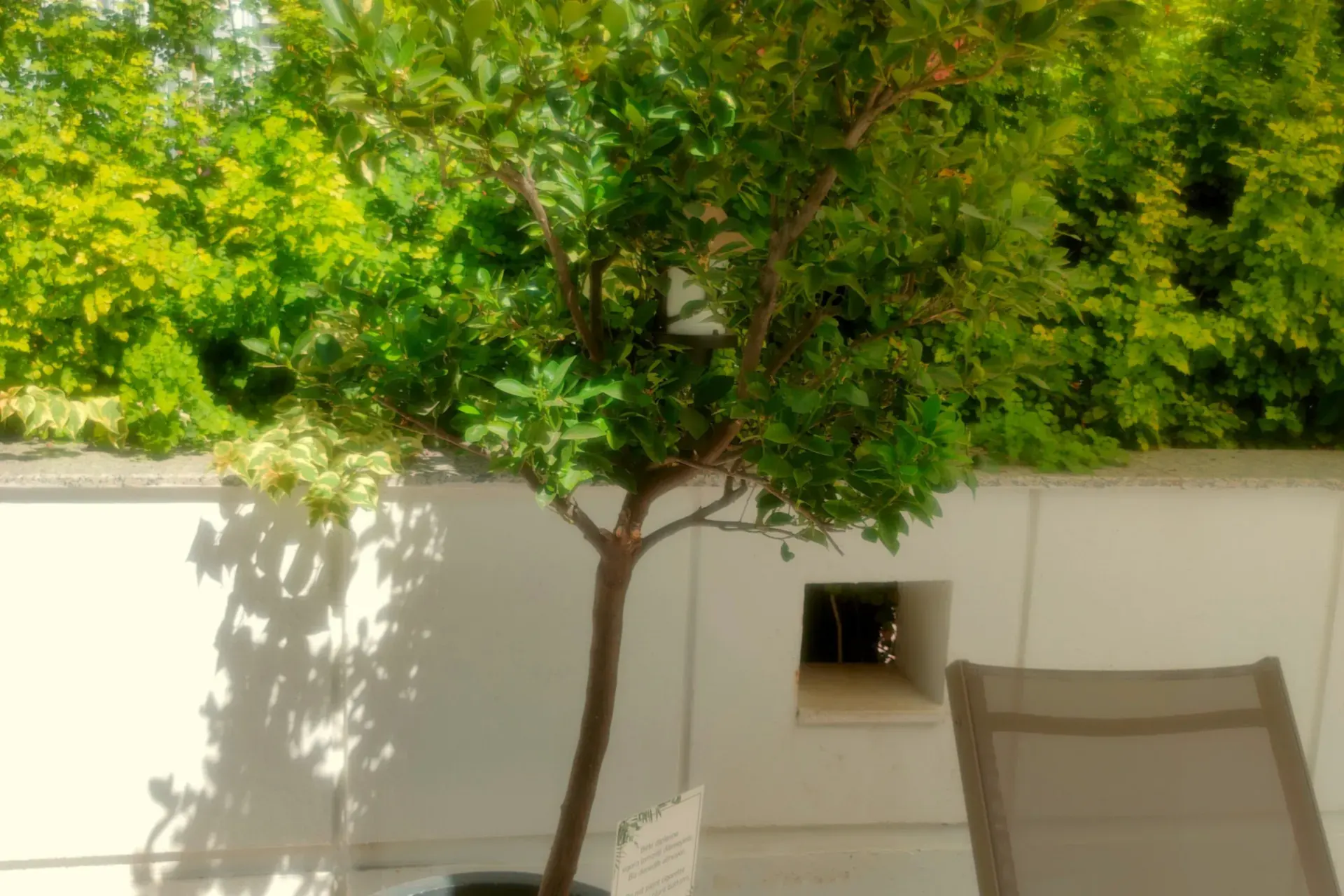
The kumquat is the cold gardener's citrus: the hardiest of the family, surviving about 18 °F, small enough (8–12 ft) for a pot, and the only citrus you eat whole — sweet skin, tart flesh and all. It fruits in 2–4 years and hangs its orange fruit on the tree for months, looking like a decorated Christmas tree.
Grow Kumquat Tree with us — step by step
Kumquat is the citrus that breaks the rules: the hardiest of the family, the only one you eat whole, skin and all, and a natural pot plant that stays compact and crops while small. It also blooms in summer and ripens its fruit through winter, the reverse of most citrus timing. The steps below follow that reversed year. Enter your planting date and the page schedules your kumquat's feeds, winter care and long picking season from it.
Step 1 — today: Plant your Kumquat Tree today, at nursery depth with the graft above the soil, in well-drained mix in full sun — in the ground in zones 8–11, or a pot elsewhere.
Kumquat Tree at a glance
Spacing: 8–12 ft in · Seed depth: As in the pot
Sun: Full sun
Water: Regular, deep
Harvest: First fruit in 2–4 years
Timing counts from your average last spring frost — get your own dates in the Planting Calendar. Guidance follows standard extension-service practice for Canada and the US.
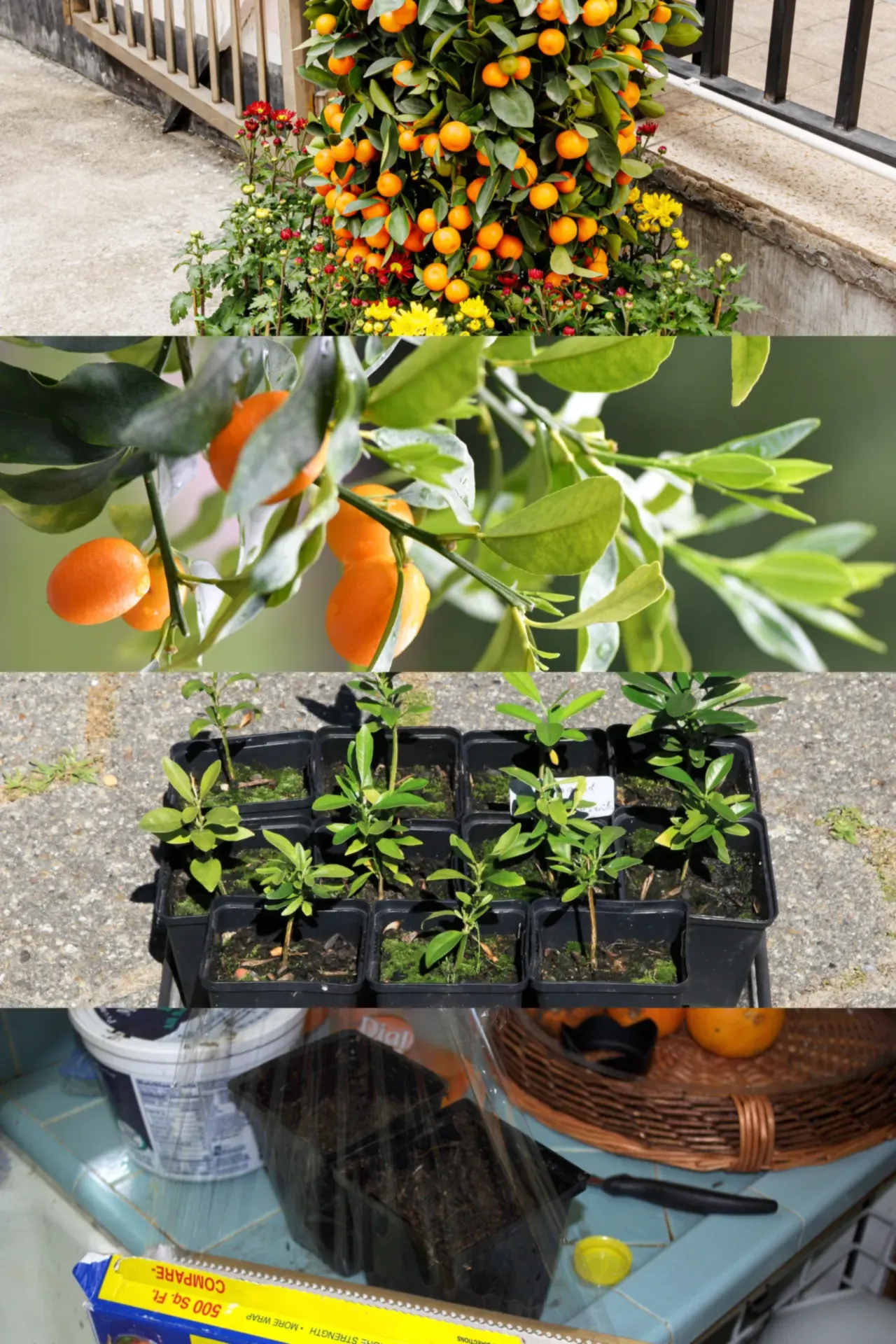
How to plant and grow kumquat tree, step by step
Step 1 — Time it right
Plant in spring after frost danger passes — in the ground in zones 8–11, or in a pot anywhere you can give it a bright winter spot. Kumquats stay dormant later into spring than other citrus, so a tree bought bare-looking in April is usually asleep, not dead — scratch the bark for green before worrying. Spring planting after frost still gives the longest first season; in the ground, zones 8–11 gardeners can also plant in early fall.
Step 2 — Prepare the spot
Sun: Full sun. Well-drained citrus mix or sandy loam in full sun. In pots, drainage holes are non-negotiable. Work out how much you need with the Garden Mix Calculator or the Raised Bed Soil Calculator. A standard kumquat reaches only about 8–13 ft in the ground and far less in a pot, so it fits spaces no orange tree could. Soil near pH 6.0–6.5 suits it; in pots, refresh the top few inches of mix each spring and repot every 2–3 years to keep drainage sharp.
Step 3 — Plant it
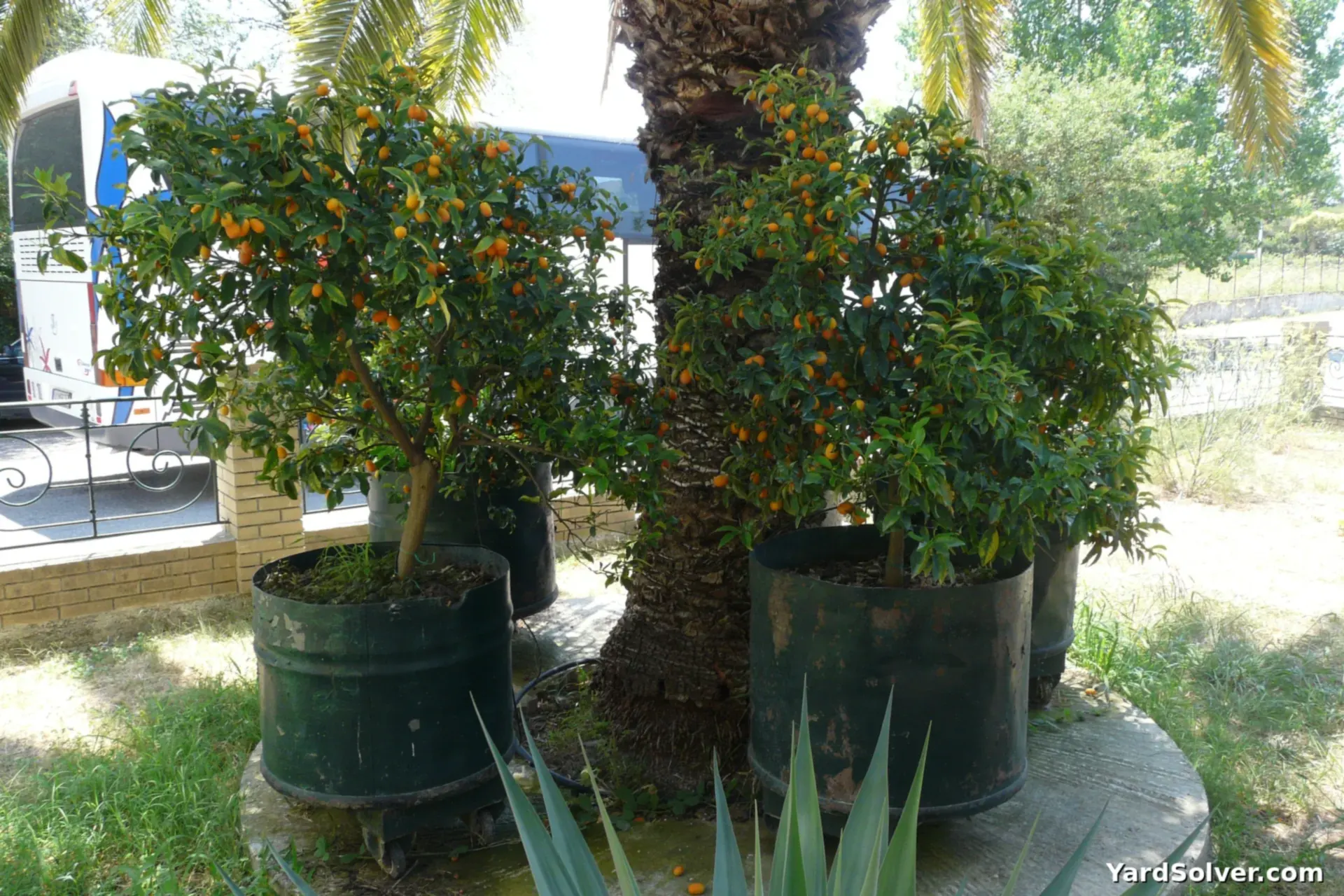
Set the tree at nursery depth with the graft above the soil, water deeply and mulch or top the pot with gravel. The Plant Spacing Calculator turns that spacing into trees-per-plot. Because the tree is slow-growing, a young plant in an oversized pot is a real risk — pot up one size at a time so the mix dries evenly between waterings. Water in well at planting and keep the root ball evenly moist for the first season, especially in a container.
Step 4 — Water and feed
Water: Regular, deep. Feed with a citrus fertilizer through the growing season. The Fertilizer Calculator turns a pot size into the right amount. Kumquats bloom in summer on the current season's growth, so spring pruning should be limited to dead wood and shape — heavy spring cutting removes the flowering wood. Feed from spring through the flowering period; stop by late summer so soft growth is not caught by early cold.
Step 5 — Care and the problems to watch for
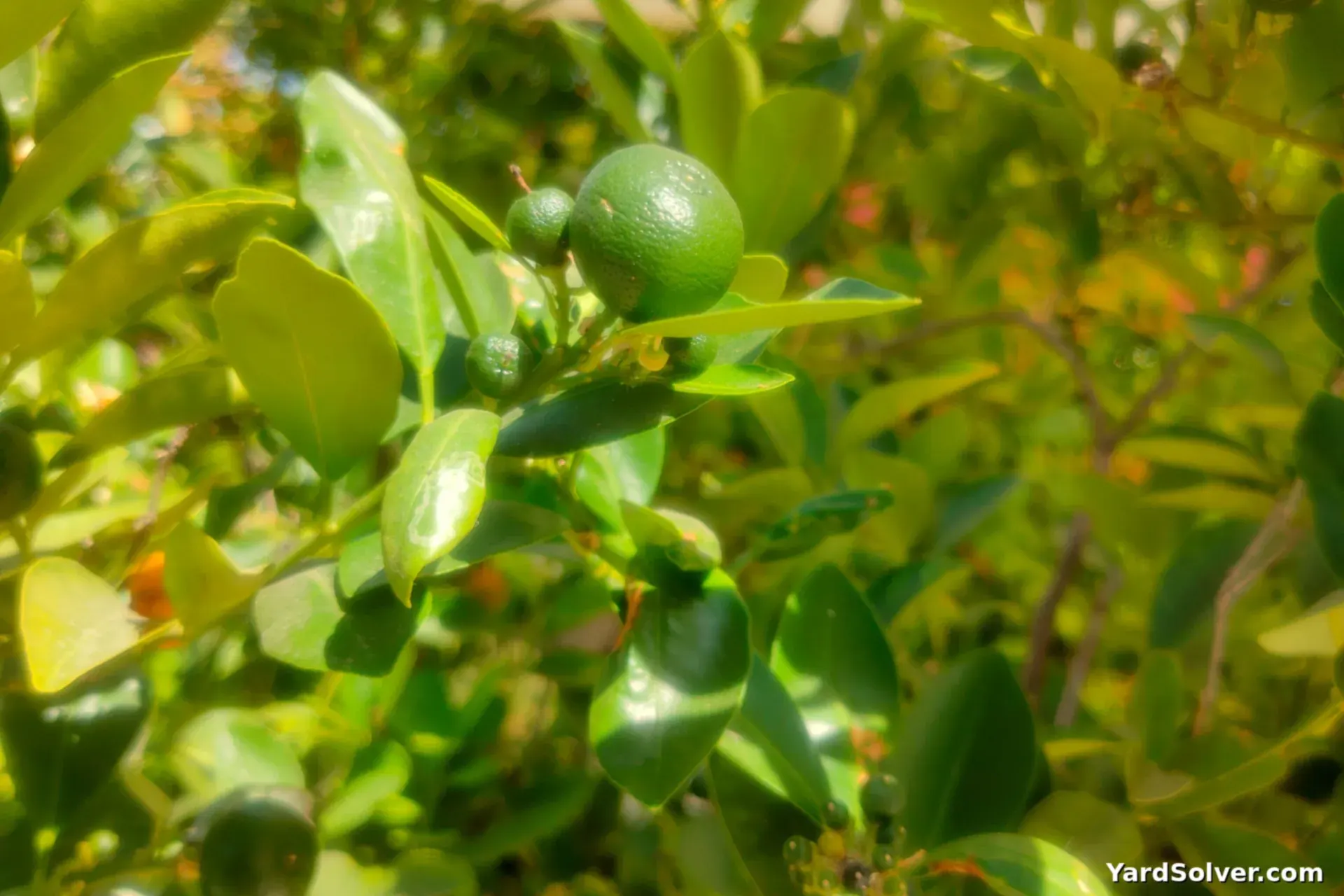
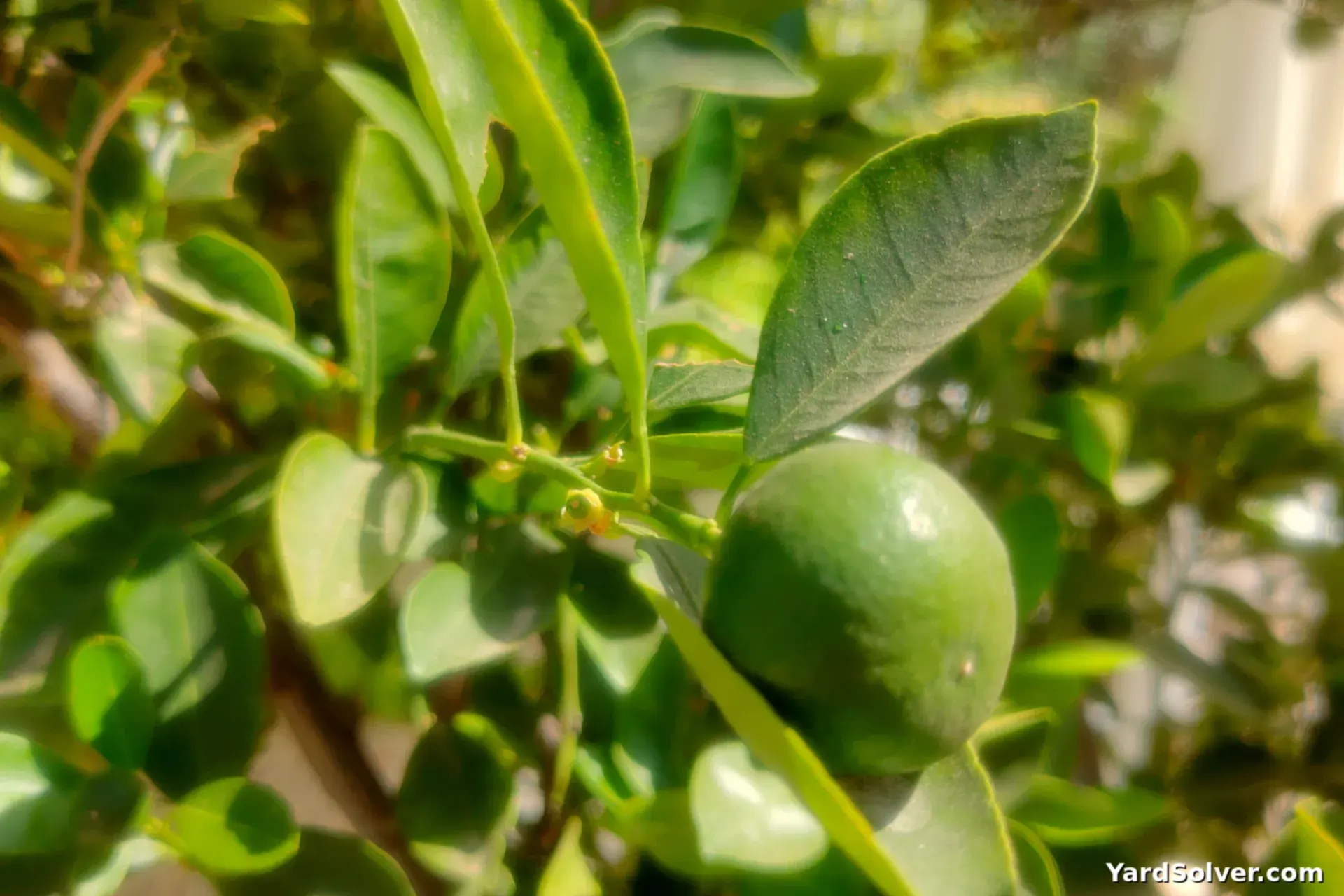
Cold beyond its limit — hardy to about 18 °F, but pot roots freeze sooner; insulate the pot in cold snaps. Scale and aphids — check leaf undersides on indoor trees. Slow spring start — kumquats leaf out late; do not mistake a slow tree for a dead one. The tree's famous cold tolerance applies to the top growth; in a pot, roots are exposed on all sides and need the pot wrapped or moved to shelter in a hard snap. Fruit left hanging through mild frosts is usually unharmed and often tastes sweeter afterwards, because cold reduces the fruit's acidity.
Step 6 — Harvest
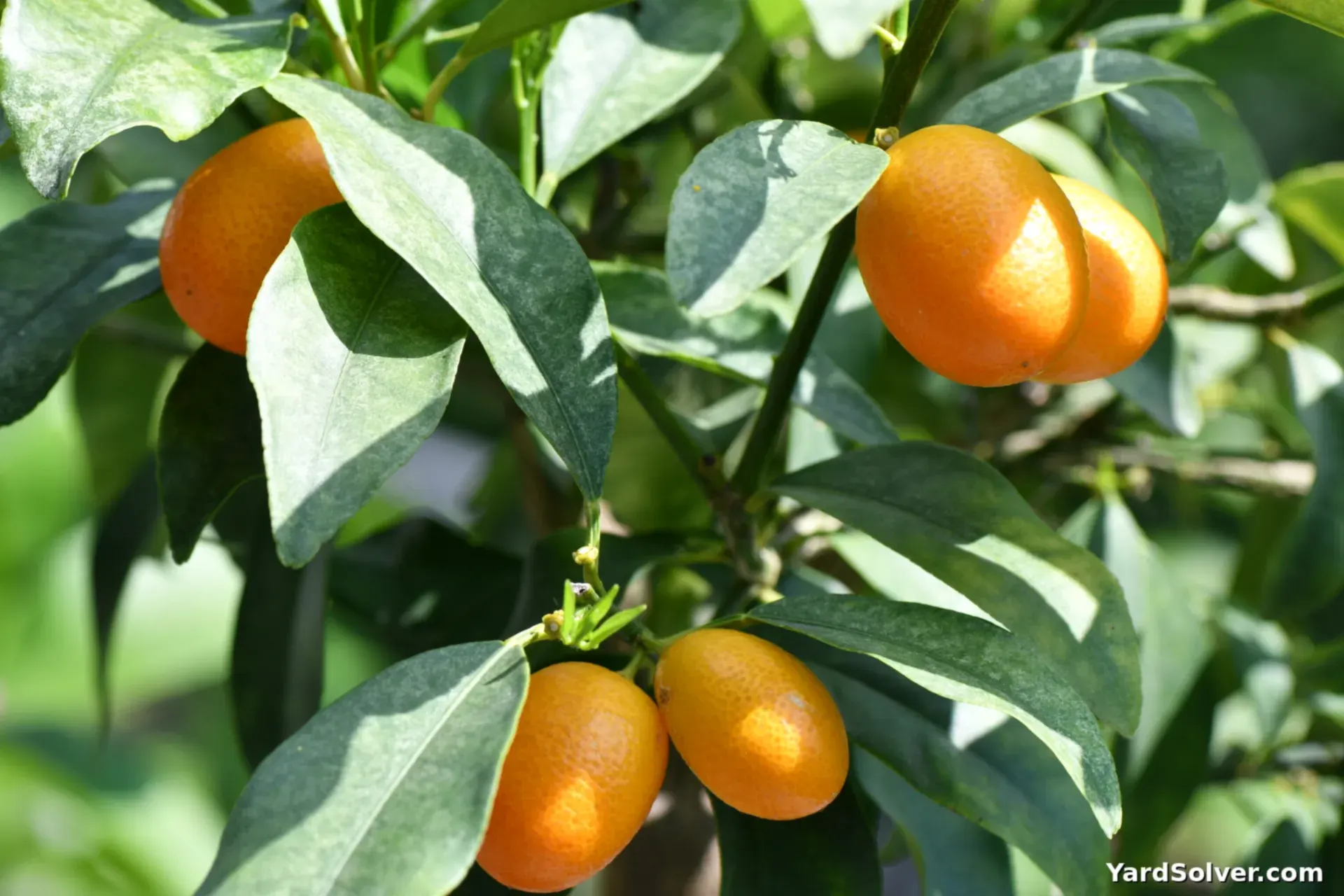
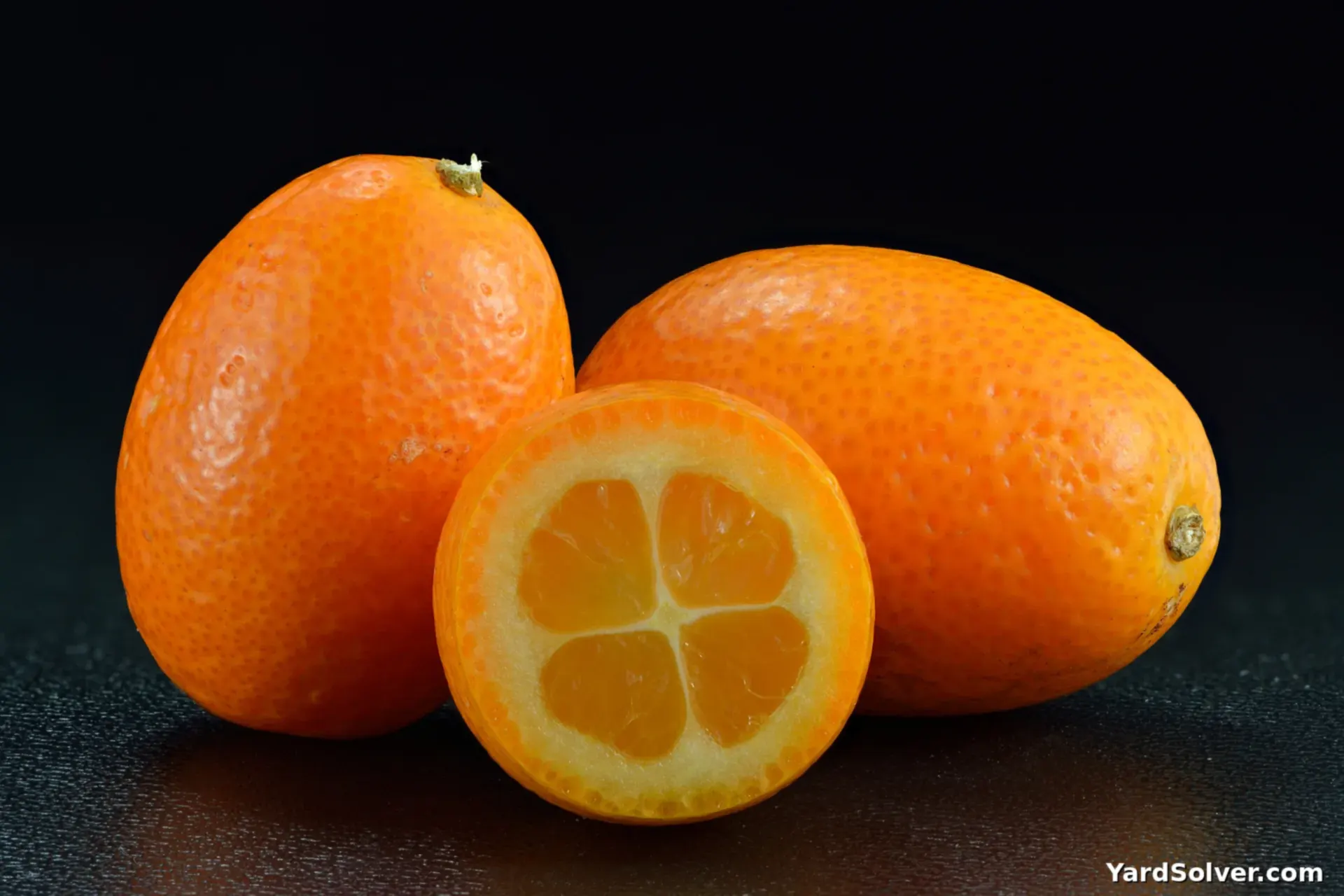
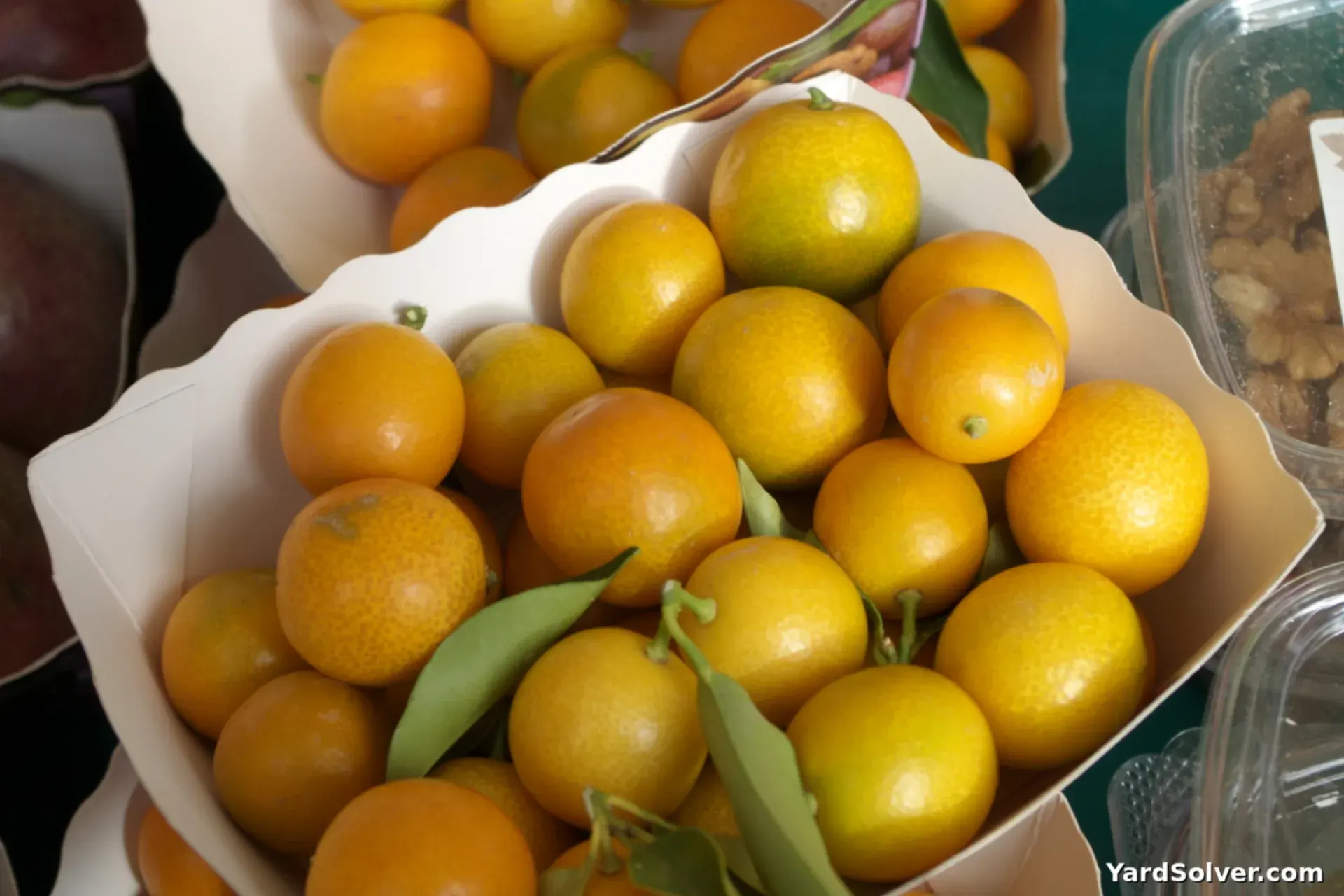
First fruit in 2–4 years. Pick when fully orange and eat the whole fruit — skin and all. The fruit hangs well, so pick over weeks, not all at once. Nagami, the oval type, is tart and made for marmalade; Meiwa, the round type, is the sweet one for eating fresh off the tree. Pick by gentle twisting once the colour is a deep, even orange — a mature potted tree commonly carries several dozen fruit, ripening in waves over many weeks.
📅 Your personal Kumquat Tree schedule
A kumquat's calendar runs backwards compared with other citrus — summer flowers, winter fruit — and this schedule, counted from your planting day, is built for exactly that. It covers the spring-to-midsummer feeding window, the hands-off pruning this slow tree prefers, winter shelter for pot trees, and the long picking season when fruit hangs ripe for weeks.
Varieties worth growing
| Variety | Colour | Why gardeners like it |
|---|---|---|
| Nagami | Orange | The classic oval kumquat — tart, the cooking type |
| Meiwa | Orange | Round and sweet — the eating-fresh type |
| Fukushu | Orange | Large, sweet fruit on a thornless tree |
| Centennial | Striped orange | Variegated cream-and-green fruit — the ornamental |
Good for you — and take care
Benefits
- The hardiest citrus — survives about 18 °F
- Eat the whole fruit, skin and all
- The best citrus for pots and small gardens
- Fruit hangs decoratively for months
Take care
- Eat kumquats whole — the skin is the sweet part, the flesh is tart.
- Pot roots freeze sooner than ground roots — insulate pots in cold snaps.
- Kumquats leaf out late in spring — be patient before declaring one dead.
Problems to watch for
- Cold beyond its limit — hardy to about 18 °F, but pot roots freeze sooner; insulate the pot in cold snaps.
- Scale and aphids — check leaf undersides on indoor trees.
- Slow spring start — kumquats leaf out late; do not mistake a slow tree for a dead one.
A little history — and one good fact
Kumquats come from southern China, where the name means golden orange, and they have been grown there for centuries as a symbol of good luck — a potted kumquat heavy with fruit is a classic Lunar New Year gift.
Fun fact: The kumquat is the only citrus eaten whole — and it works because the skin is sweet while the flesh is tart, the reverse of an orange.
Keep going
Guides: How to Harden Off Seedlings · How to Read a Seed Packet
Calculators: Plant Spacing Calculator · Seed Calculator · Fertilizer Calculator · Garden Mix Calculator
Plan it: Garden Planner · Planting Calendar · Companion Planting Chart · Seed Box
More citrus: Orange Tree · Lime Tree · Grapefruit Tree
← Back to the Plant Library · Get your personal planting dates
Kumquat in a pot: the container-growing spec
Kumquat is arguably the best citrus for a pot — compact, cold-tolerant and happy to crop while small. This is the working spec for a tree that fruits reliably on a patio:
| Item | Spec | Why |
|---|---|---|
| Starting pot | 10–12 in for a young tree | Kumquats grow slowly; a modest pot keeps the mix drying evenly |
| Final pot | 16–18 in (about 10–12 gallons), on feet or a wheeled stand | Big enough for a fruiting canopy, still movable for winter shelter |
| Mix | Citrus mix, or compost with about a third coarse bark | Sharp drainage is the whole game with potted citrus |
| Repot rhythm | Every 2–3 years in spring; top-dress with fresh mix in between years | Old mix compacts and holds water against the roots |
| Feeding | Citrus fertilizer spring to midsummer; none in winter | Matches the summer bloom and winter fruit-holding pattern |
| Winter position | Outdoors in zone 8+; in colder zones, a bright cool room or sheltered porch, brought in only for hard frosts | Kumquats need winter chill and light; a hot living room causes leaf drop |
Expect a well-kept potted tree to settle around 3–5 ft and carry several dozen fruit through winter — picked a few at a time, straight off the tree, whenever you pass it.
Questions people ask
When do I plant a kumquat tree?
Plant in spring after frost danger passes — in the ground in zones 8–11, or in a pot with a bright winter spot.
How far apart do I space kumquat trees?
Space trees 8–12 ft apart. Sun: full sun.
When will my kumquat fruit?
First fruit in 2–4 years. Kumquats are the hardiest citrus — surviving about 18 °F — and the fruit is eaten whole.
Why do my kumquats taste so sour?
Variety is the usual answer: Nagami kumquats are naturally tart and are the marmalade type, while round Meiwa fruit are genuinely sweet. Ripeness matters too — pick only fully deep-orange fruit, and leave fruit hanging through cool weather, which softens the acidity.
When does a kumquat flower and fruit?
Kumquats bloom in summer, later than other citrus, and the fruit colours through fall and hangs ripe all winter. A young grafted tree usually carries its first fruit within 2–4 years, and potted trees often crop while still quite small.
The citrus you eat whole, skin and all — and the hardiest citrus of the dessert kind, but still a pot plant where winters bite
Kumquat (Citrus japonica) is the small citrus whose fruit is eaten whole: the skin is the sweet part and the flesh the tart part, so the two are eaten together. Among the sweet citrus it is notably cold-tolerant once established, shrugging off brief frosts that would damage oranges — but tolerance is not hardiness, and in cold climates it still lives the pot life: outside all summer, into a bright cool room before hard frost.
In a pot, the rules are drainage, light and patience. A gritty citrus mix, the sunniest spot available, and water when the top of the compost has dried give steady growth; fruit ripens slowly through winter and holds on the tree for weeks, which makes a kumquat as much a winter ornament as a crop. Leaf drop after the move indoors is the classic complaint and is usually a light-and-dry-air protest, not a death sentence.
The worked example: a potted kumquat summered in full sun, fed through the growing season and wintered bright and cool typically fruits reliably every year. The same tree kept year-round in a dim, centrally heated room typically sheds leaves, drops fruit and sulks — with citrus in pots, the winter address matters as much as the summer one.
Sources
Key facts on this page — timing, spacing and care — cross-checked against Kumquat — Wikipedia — background on kumquats, their cold tolerance and their cultivation and NC State Extension Plant Toolbox — Citrus — culture and care requirements.
Related page
Read next: How to Bring Plants Indoors for Winter (Without the Bugs).
Comments & ratings
No comments yet.
Be the first to share your experience.