
Plant Library · Fruits · By Faizan Ahmad
Updated November 17, 2026
🍋 How to Grow Lime Tree
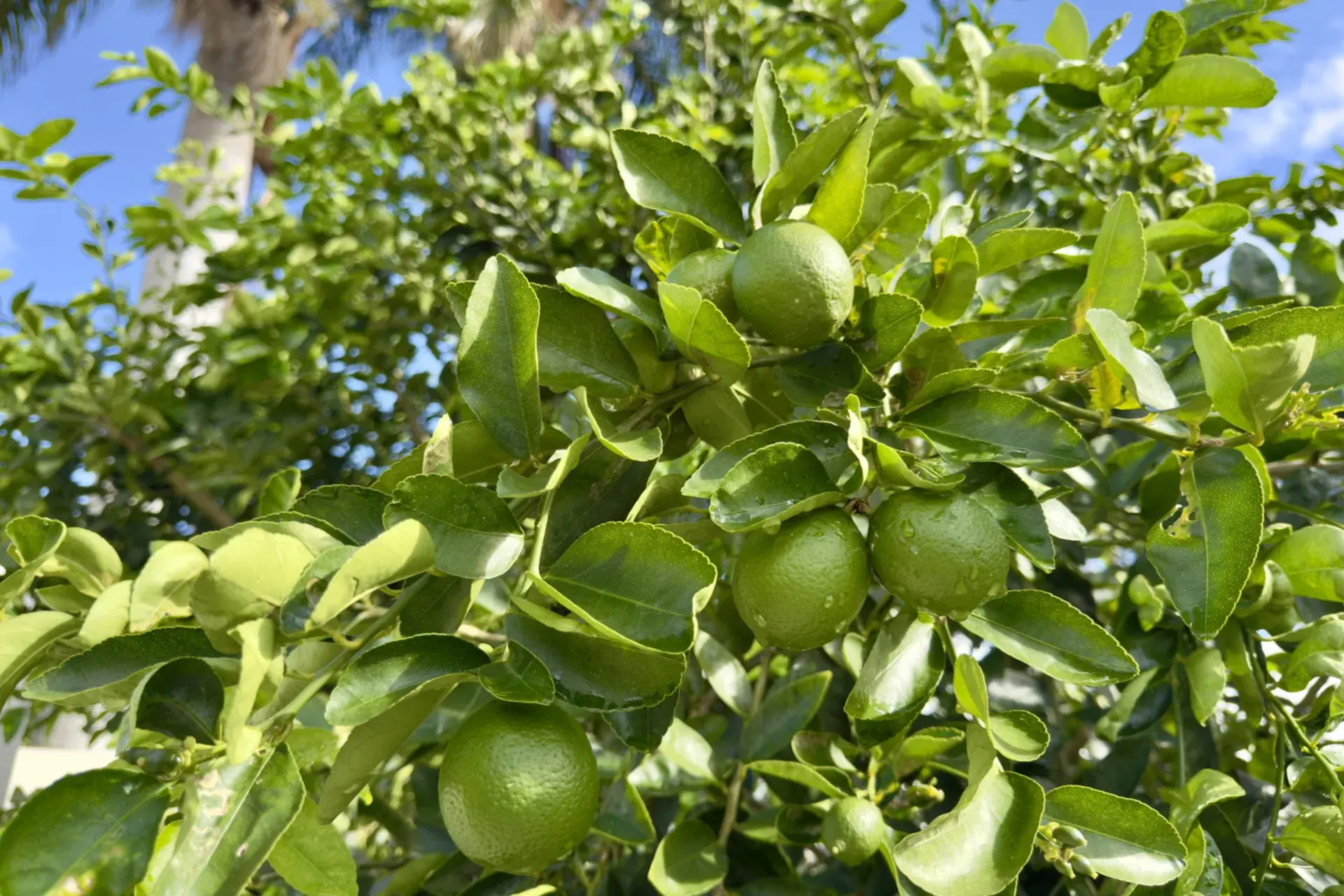
Limes are the most cold-sensitive of the common citrus — a frost that an orange shrugs off can kill a lime — so outside zones 10–11 this is a pot tree, out on the patio all summer and in a bright room all winter. The reward is generous: a happy lime fruits in 2–4 years and crops nearly all year round.
Grow Lime Tree with us — step by step
Lime is the most cold-tender of the common citrus and the most rewarding in a pot: a Persian (Tahiti) tree gives seedless fruit over a long season, while a Key lime is smaller, thornier and more aromatic. Both live or die by winter protection and bright light. The steps below are written pot-first, because that is how most gardeners grow limes. Add your planting date and the page schedules the feeds, the indoor move and the picking around your tree.
Step 1 — today: Plant your Lime Tree today, at nursery depth with the graft above the soil, in a pot of well-drained citrus mix in full sun — limes are the most cold-sensitive citrus.
Lime Tree at a glance
Spacing: 12–15 ft in · Seed depth: As in the pot
Sun: Full sun
Water: Regular, deep
Harvest: First fruit in 2–4 years
Timing counts from your average last spring frost — get your own dates in the Planting Calendar. Guidance follows standard extension-service practice for Canada and the US.
How to plant and grow lime tree, step by step
Step 1 — Time it right
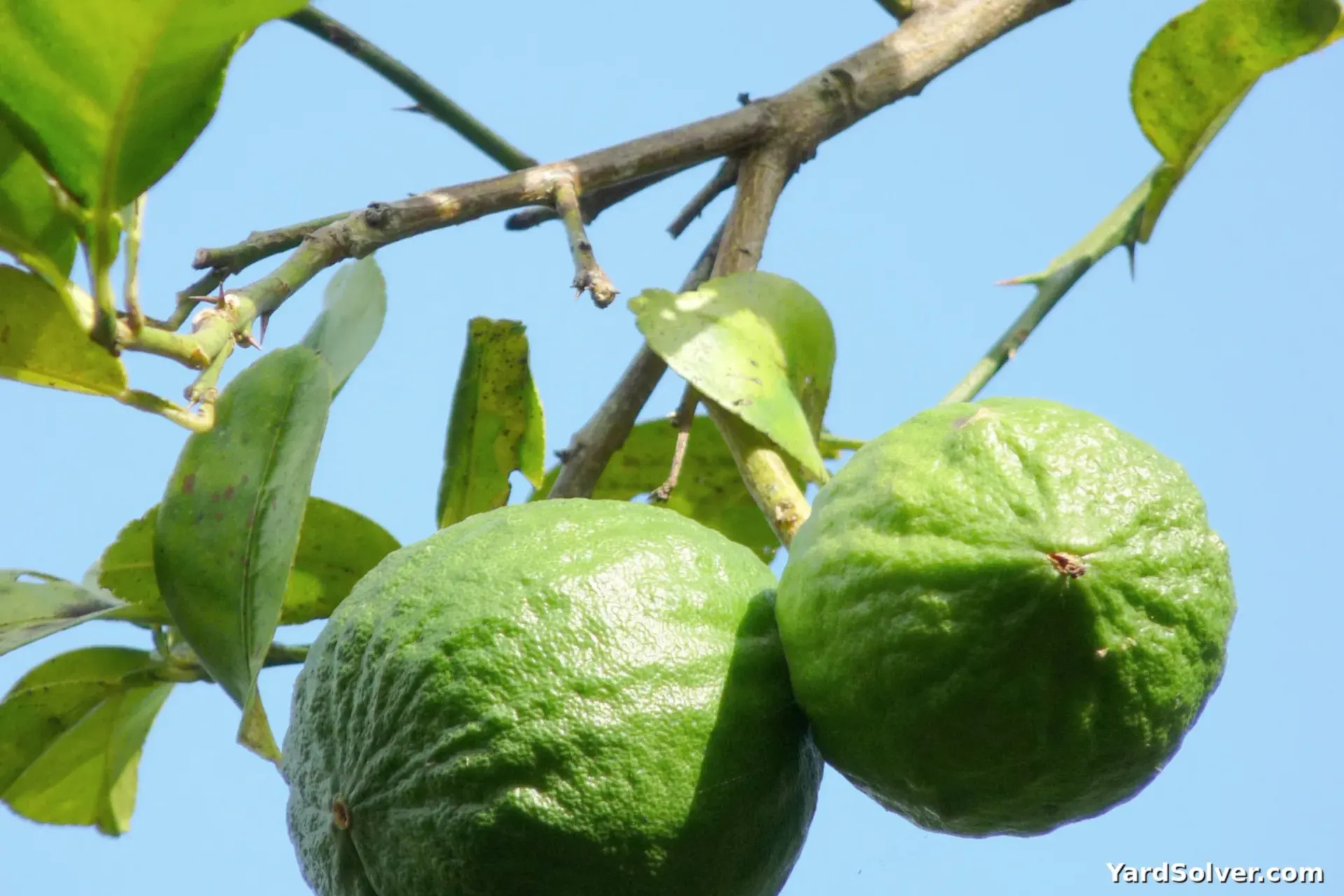
Plant in spring after frost danger passes — in a pot for most gardeners, in the ground only in zones 10–11. Buy a grafted tree rather than growing from seed — seedling limes can take many years to fruit and Key lime seedlings vary in quality. Spring planting after the last frost gives a pot tree the longest possible first season outdoors, which builds the reserves it needs for winter indoors.
Step 2 — Prepare the spot
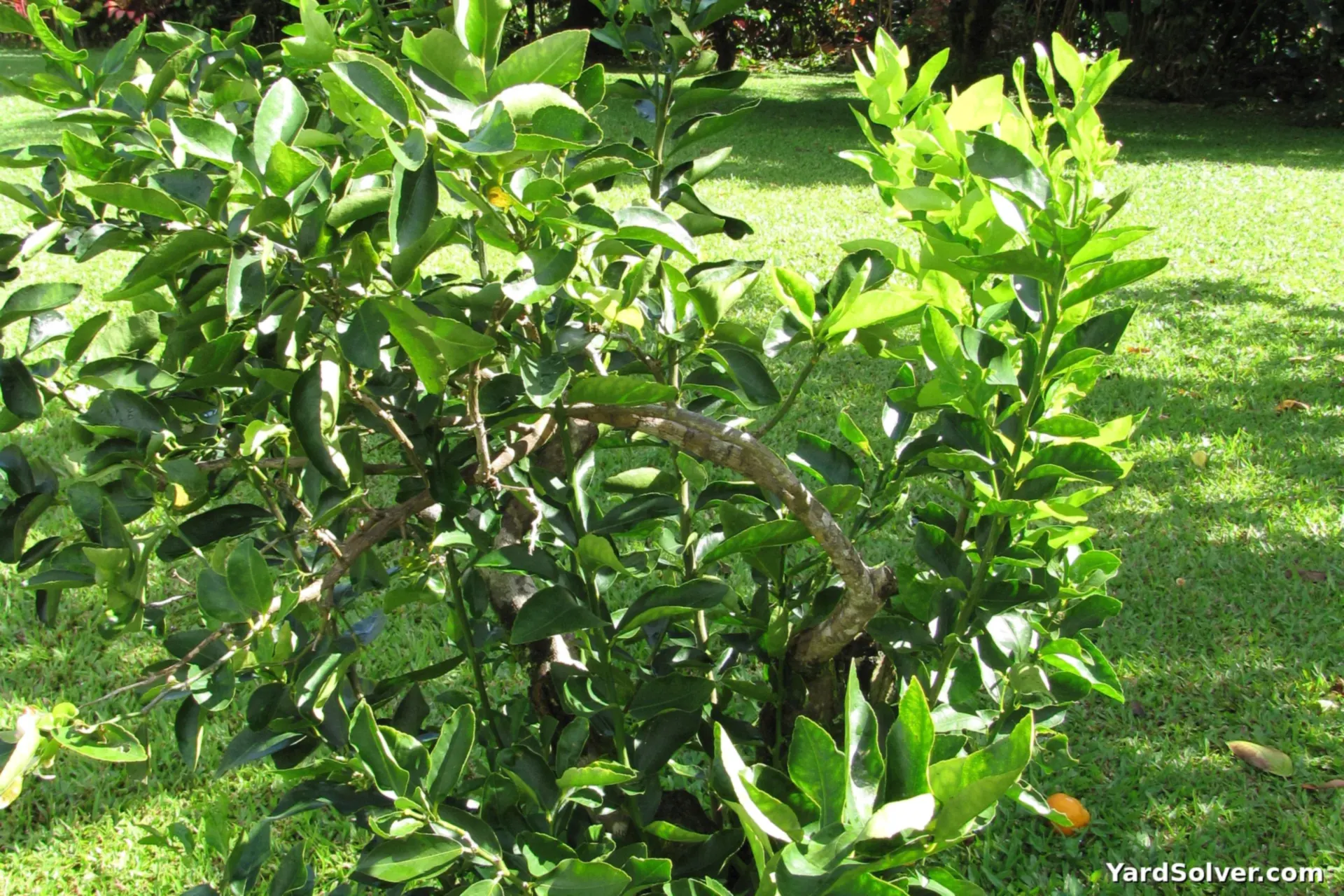
Sun: Full sun. Well-drained citrus mix in a pot with drainage holes, or sandy loam in the ground in warm zones. Limes hate wet feet. Work out how much you need with the Garden Mix Calculator or the Raised Bed Soil Calculator. In the ground in zones 10–11, give the tree 12–15 ft of space; in a pot, start a young tree in a 10–12 in container and step up gradually. Limes yellow quickly in alkaline conditions, so rainwater or an acidifying citrus feed helps where tap water is hard.
Step 3 — Plant it
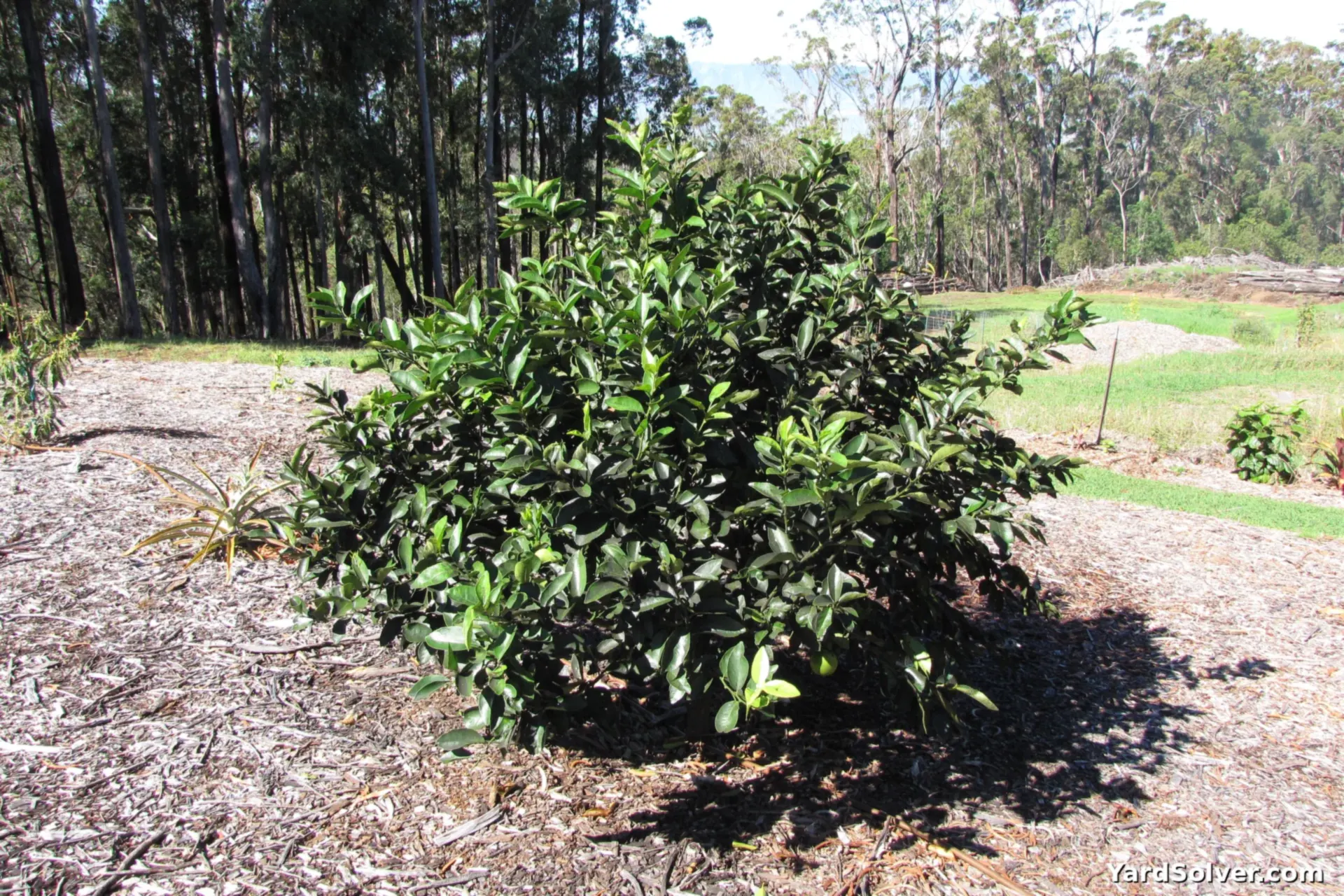
Set the tree at nursery depth with the graft above the soil, water deeply, and keep the pot in the sunniest spot you have. The Plant Spacing Calculator turns that spacing into trees-per-plot. Set the tree so the root flare sits at the surface of the mix, water until it runs freely from the drainage holes, then empty the saucer — limes must never stand in water. Position the pot where it gets the maximum sun you can offer; six hours is a minimum, more is better.
Step 4 — Water and feed
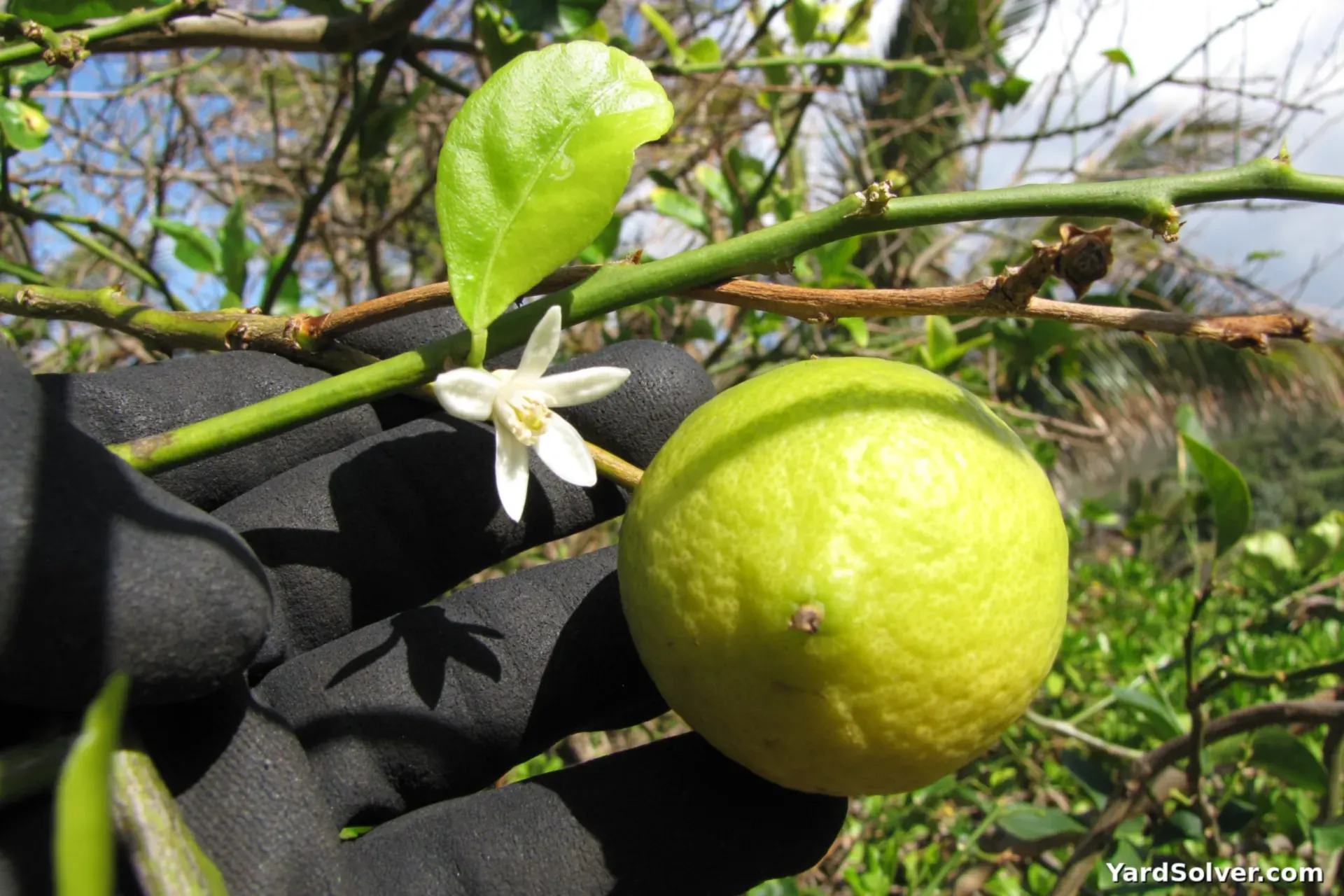
Water: Regular, deep. Feed with a citrus fertilizer through the growing season — pot trees need regular feeding because watering washes nutrients away. The Fertilizer Calculator turns a pot size into the right amount. Indoor winter is when pot limes struggle most: central heating dries the air, and leaf drop follows. A bright, cool room, a pebble tray or regular misting, and restraint with the watering can — water only when the top 2 in of mix are dry — carry most trees through.
Step 5 — Care and the problems to watch for
Cold — limes are damaged below about 32 °F; bring pots in early. Leaf drop indoors — dry indoor air and low light cause it; a bright spot and misting help. Scale and aphids — check leaf undersides on indoor trees. Limes flower and fruit almost year-round in warmth, so a healthy tree often carries blossom, green fruit and ripening fruit at the same time. Thin very heavy sets on young trees to a handful of fruit; a small tree that over-crops exhausts itself and sulks the following season.
Step 6 — Harvest

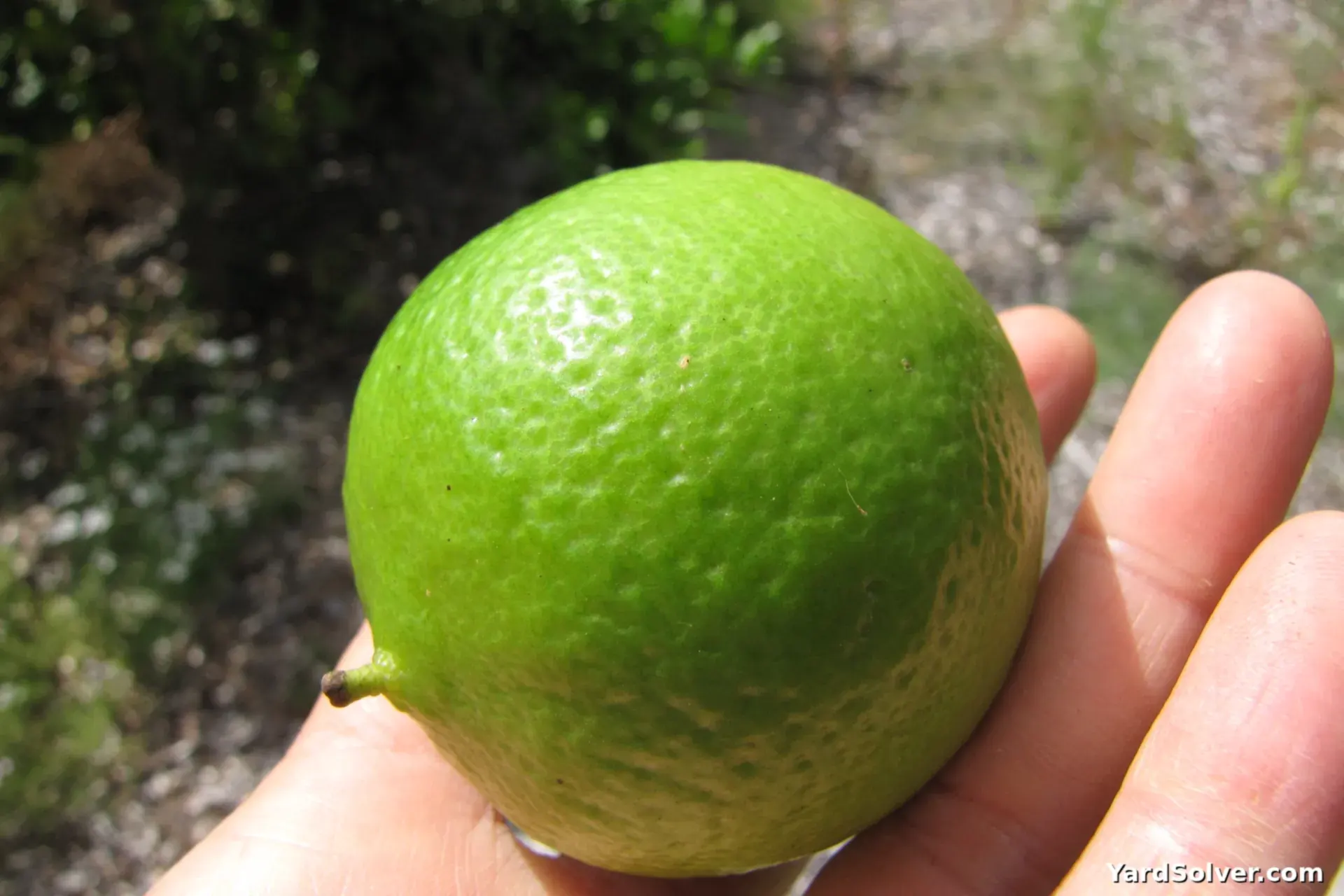
First fruit in 2–4 years. Pick when full-sized and still green — left on the tree, limes yellow and lose their sharp bite. Persian limes are picked full-sized, glossy and dark green, typically about 1.5–2 in across; Key limes are smaller, thinner-skinned and picked as they lighten toward yellow-green. A productive mature Persian tree in the ground can give several hundred fruit a year; a good potted tree gives a few dozen — still plenty for the kitchen.
📅 Your personal Lime Tree schedule
A lime's year is split in two — outdoors in summer, indoors in winter — so this schedule is counted from your planting day and built around that move. It times the regular summer feeding a pot tree needs, warns you to bring the tree in before cold nights rather than after them, and keeps picking going whenever fruit reaches full size and glossy green.
Varieties worth growing
| Variety | Colour | Why gardeners like it |
|---|---|---|
| Persian (Tahiti) Lime | Green | The standard seedless lime — the shop lime |
| Key Lime | Pale green | Small, seedy, intensely aromatic — the pie lime |
| Kaffir (Makrut) Lime | Dark green | Grown as much for its fragrant leaves as its fruit |
| Australian Finger Lime | Green-pink | Bursting citrus pearls — the novelty lime |
Good for you — and take care
Benefits
- Fruits nearly all year round
- Compact enough for a patio pot
- Rich in vitamin C
- Flowers and fruits at the same time
Take care
- Limes are the most cold-sensitive citrus — bring pot trees in before the first cold night.
- Pick limes green and full-sized — left on the tree they yellow and lose their bite.
- Indoor trees: bright light is everything; a south window or grow light.
Problems to watch for
- Cold — limes are damaged below about 32 °F; bring pots in early.
- Leaf drop indoors — dry indoor air and low light cause it; a bright spot and misting help.
- Scale and aphids — check leaf undersides on indoor trees.
A little history — and one good fact
Limes come from Southeast Asia and travelled with Arab traders, then with Columbus to the Americas. British sailors were issued lime juice against scurvy — hence the old nickname Limey for a British sailor.
Fun fact: British sailors were called Limeys because the Royal Navy issued them lime juice to prevent scurvy.
Keep going
Guides: How to Harden Off Seedlings · How to Read a Seed Packet
Calculators: Plant Spacing Calculator · Seed Calculator · Fertilizer Calculator · Garden Mix Calculator
Plan it: Garden Planner · Planting Calendar · Companion Planting Chart · Seed Box
More citrus: Lemon Tree · Orange Tree · Kumquat Tree
← Back to the Plant Library · Get your personal planting dates
Lime in a pot: the container and winter spec
Most lime trees live in pots, and most potted limes fail in winter, not summer. This spec covers the pot progression and the indoor season that decides whether the tree crops or merely survives:
| Item | Spec | Why |
|---|---|---|
| Pot progression | Start 10–12 in; step up to 14 in, then a final 18–20 in pot (about 15 gallons) | Stepping up keeps the mix around the roots fresh and drained; jumping sizes invites root rot |
| Mix | Citrus mix, or compost with about a third coarse bark or perlite | Lime roots suffocate in fine, wet, airless mix |
| Summer feeding | Half-strength liquid citrus feed every 2–4 weeks outdoors | Frequent watering leaches nutrients from pots quickly |
| Bringing in | Move indoors before nights drop below about 40 °F; hose the tree down first | Limes are damaged near 32 °F, and a wash removes aphids and scale before they enjoy your house |
| Winter light | The brightest window you have, ideally 6+ hours of direct sun or a grow light on 12–14 hours | Low light is the main cause of winter leaf drop |
| Winter water | Only when the top 2 in of mix are dry; no fertilizer until spring growth resumes | Cold, wet, dark roots rot faster than any other winter problem |
Move the tree back out gradually in spring — a week in bright shade, then increasing sun — because leaves grown indoors scorch in full sun on the first day out.
Questions people ask
When do I plant a lime tree?
Plant in spring after frost danger passes — in a pot for most gardeners, in the ground only in zones 10–11.
How far apart do I space lime trees?
Space in-ground trees 12–15 ft apart; pot trees need their own sunny spot. Sun: full sun.
When will my lime tree fruit?
First fruit in 2–4 years, then nearly all year round. Limes are the most cold-sensitive citrus — protect them early.
What is the difference between Persian and Key limes?
Persian (Tahiti) limes are the larger, seedless, thick-skinned limes sold in stores; the tree is nearly thornless and the hardier of the two. Key limes are smaller, seedy, thin-skinned and more aromatic, on a thorny, more cold-tender tree — the pie lime.
Why is my lime tree dropping leaves indoors?
Almost always low light combined with dry heating air and overwatering. Move it to your brightest window, mist or use a pebble tray for humidity, and water only when the top 2 in of mix feel dry — most trees releaf in spring.
The least cold-tolerant of the common citrus: a lime in a cold climate is a pot plant, and its winter address decides everything
Limes (Citrus aurantiifolia and relatives) sit at the tender end of the citrus family — more sensitive to cold than lemons, far more than kumquats — so outside the warmest climates a lime tree lives the pot life: full sun outdoors all summer, then a bright, cool, frost-free room before the first hard frost. Leaf drop after the move is the classic complaint and is usually a protest about low light and dry indoor air, not a death sentence.
In the pot, drainage and restraint matter more than feeding. A gritty citrus compost, watering only once the top has dried, and feeding through the growing season give steady growth; permanently wet compost rots roots and yellows leaves faster than any pest. Fruit ripens slowly and is picked when full-sized and just turning from deep green — left too long it yellows and loses its sharpness.
The worked example: a potted lime summered in full sun and wintered bright and cool typically fruits reliably every year. The same tree kept year-round in a dim, centrally heated room typically sheds leaves, drops fruit and sulks — with citrus in pots, the winter address matters as much as the summer one.
Sources
Key facts on this page — timing, spacing and care — cross-checked against NC State Extension Plant Toolbox — Citrus — culture and care requirements and Lime (fruit) — Wikipedia — background on limes and their cultivation.
Related page
Read next: How to Bring Plants Indoors for Winter (Without the Bugs).
Comments & ratings
No comments yet.
Be the first to share your experience.