
Plant Library · Vegetables · By Faizan Ahmad
Updated November 17, 2026
🥕 How to Grow Parsley Root
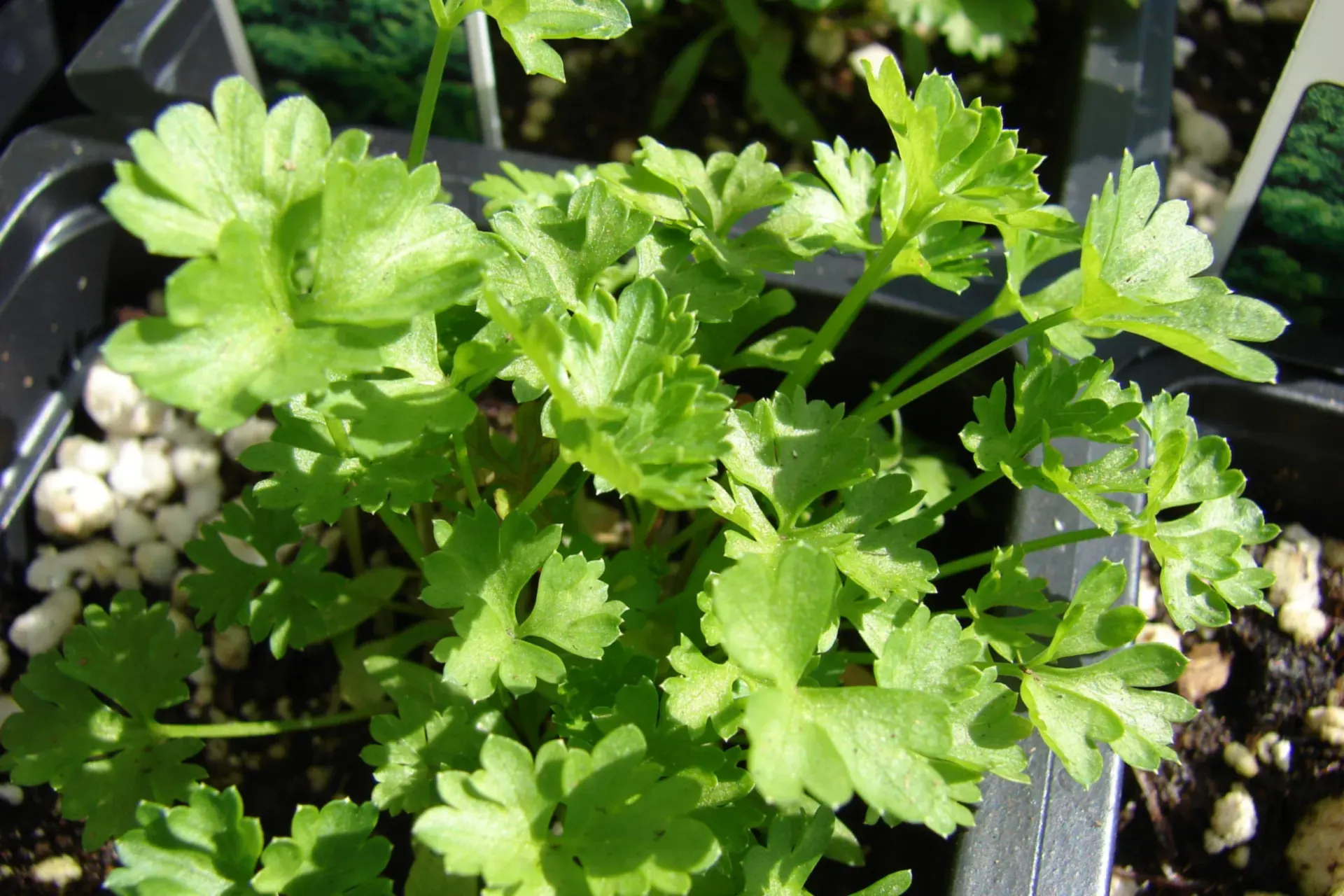
Parsley root — Hamburg parsley — is a parsnip-like white root with a fresh parsley flavour, used in soups and stews across Central Europe. The leaves are edible too, so one plant gives you two harvests. It takes 85–95 days, and the seed is famously slow and erratic to germinate — soak it first, and be patient.
Grow Parsley Root with us — step by step
Parsley root asks for patience twice: the seed can take a month to appear, and the roots then need a long, cool season to size up. The guide below covers soaking the seed, keeping the row moist through that slow start, and lifting clean, unforked roots in fall. Enter your sowing day here and we will count out your personal parsley root schedule, from first thinning to harvest day.
Step 1 — today: Sow Parsley Root today, direct in the bed, 1/4 in deep and 4–6 in apart, after soaking the seed overnight, and keep the bed moist.
Parsley Root at a glance
Sow outside: 3 weeks before last frost
Spacing: 4–6 in · Seed depth: 1/4 in
Sun: Full sun to part shade
Water: Regular — keep evenly moist
Harvest: 85–95 days
Timing counts from your average last spring frost — get your own dates in the Planting Calendar. Guidance follows standard extension-service practice for Canada and the US.
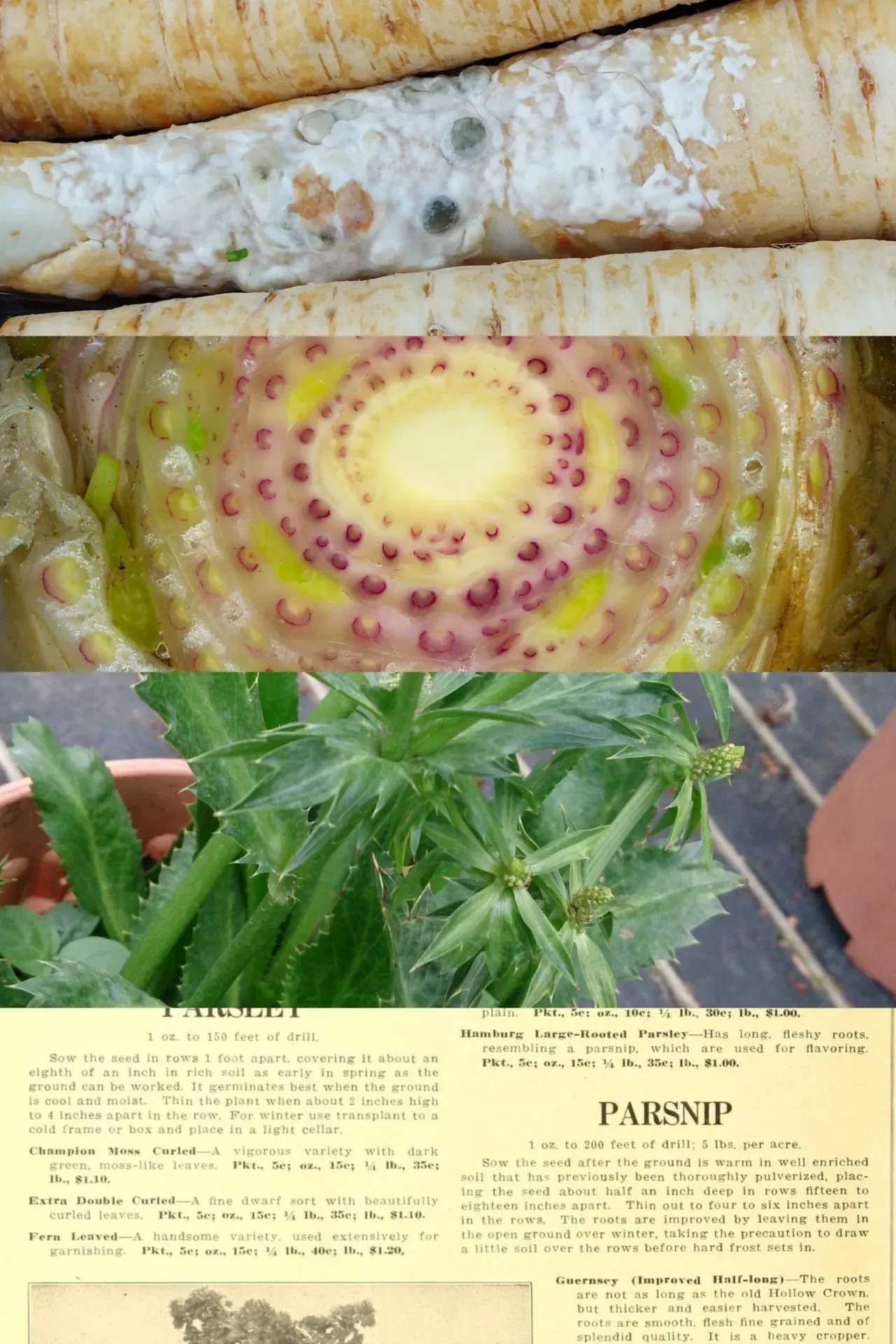
How to plant and grow parsley root, step by step
Step 1 — Time it right
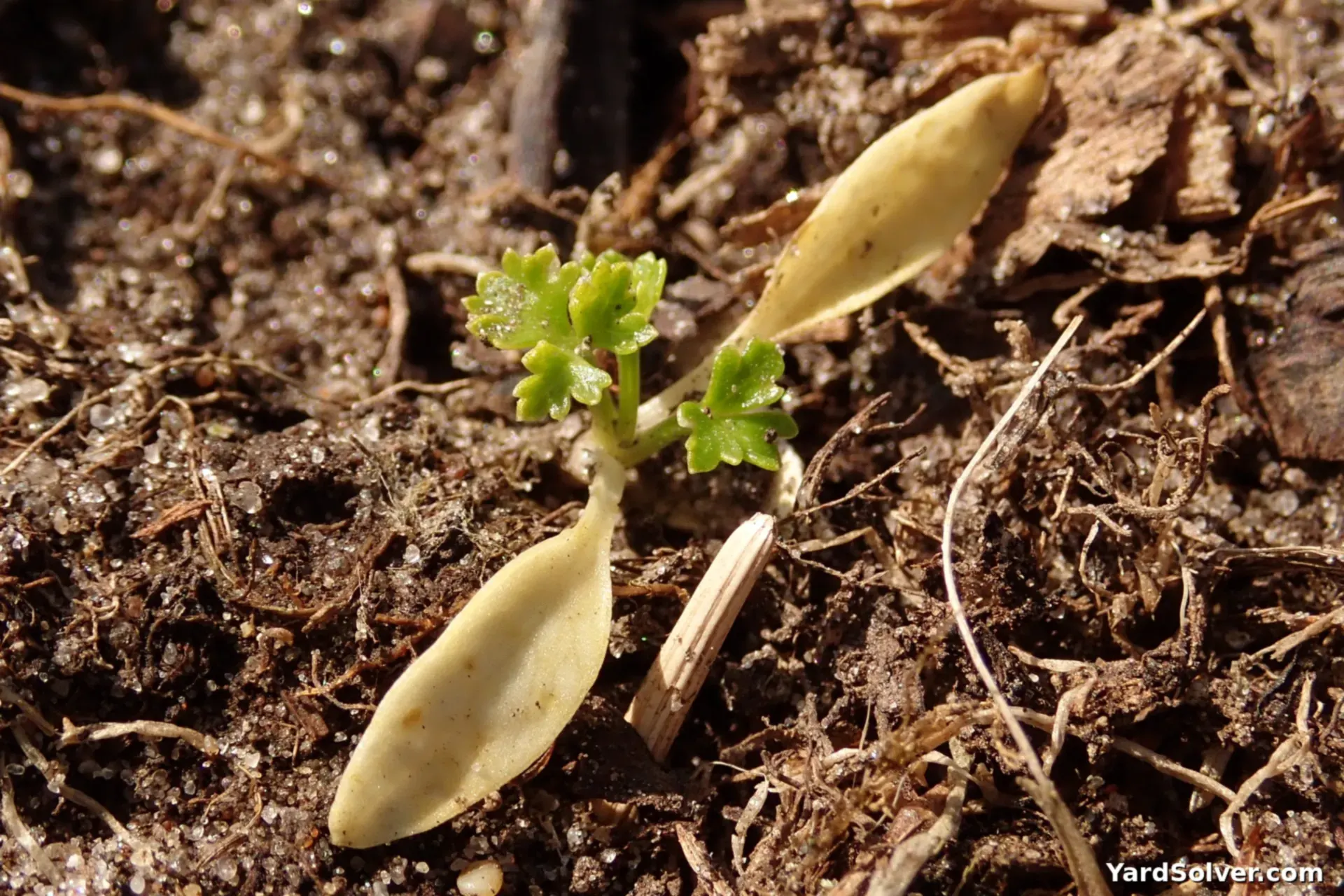
Direct sow 3–4 weeks before last frost. Germination takes 14–28 days, so do not give up on the row. All dates count from your average last spring frost — the Planting Calendar turns them into real dates for your garden. Sow as early as the soil can be worked — the crop needs 85 to 95 cool days, and a fall sowing works in mild zones 7 and warmer. Use fresh seed: germination drops sharply after a year.
Step 2 — Prepare the spot
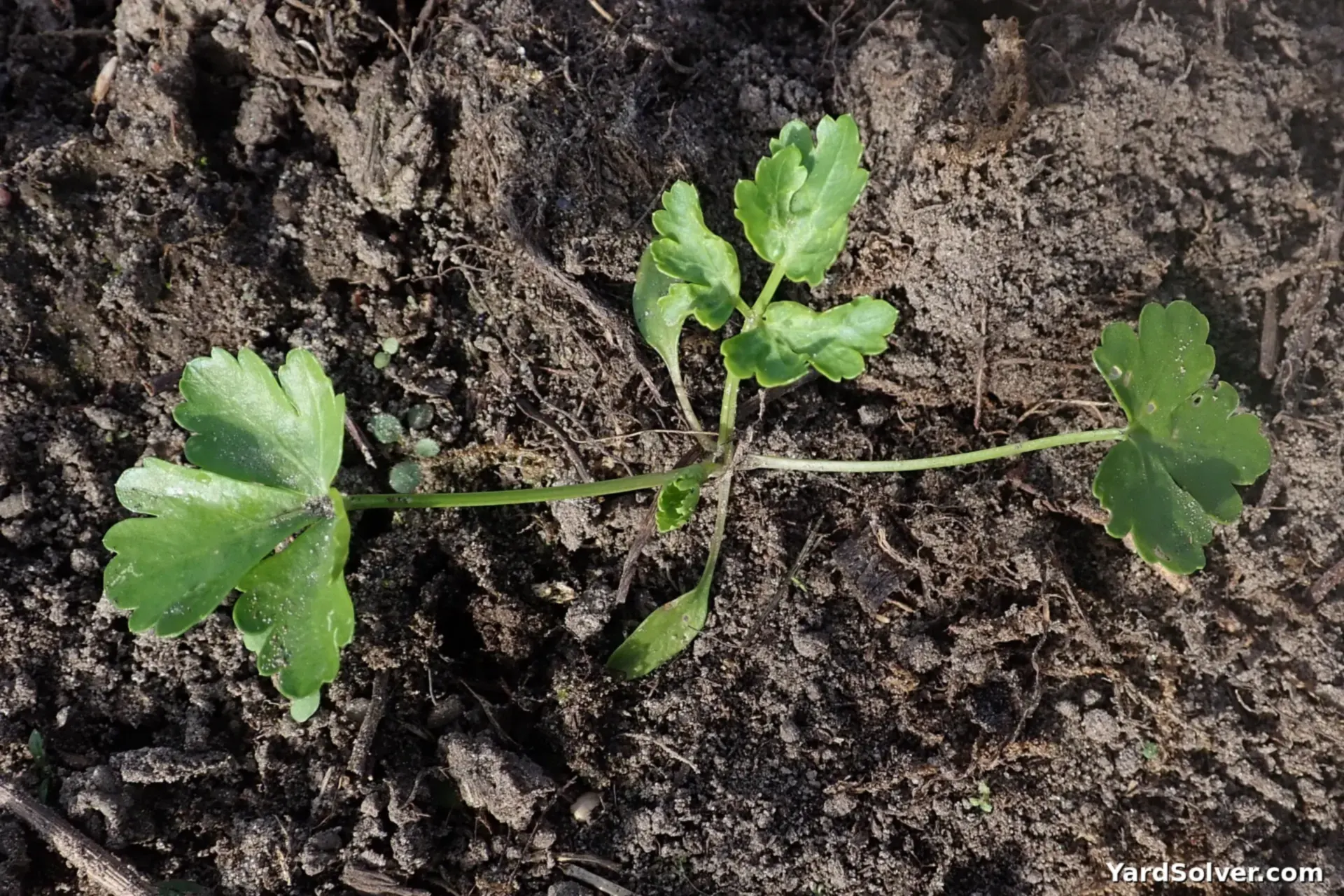
Sun: Full sun to part shade. Deep, loose, stone-free soil — like carrots and parsnips, the root forks in hard ground. Work out how much you need with the Garden Mix Calculator or the Raised Bed Soil Calculator. Fork the row a full 12 in deep and remove every stone, because a root that hits a pebble forks around it. Soil pH 6.0 to 7.0 suits it, and fresh manure causes hairy, split roots — use finished compost only.
Step 3 — Sow and plant out
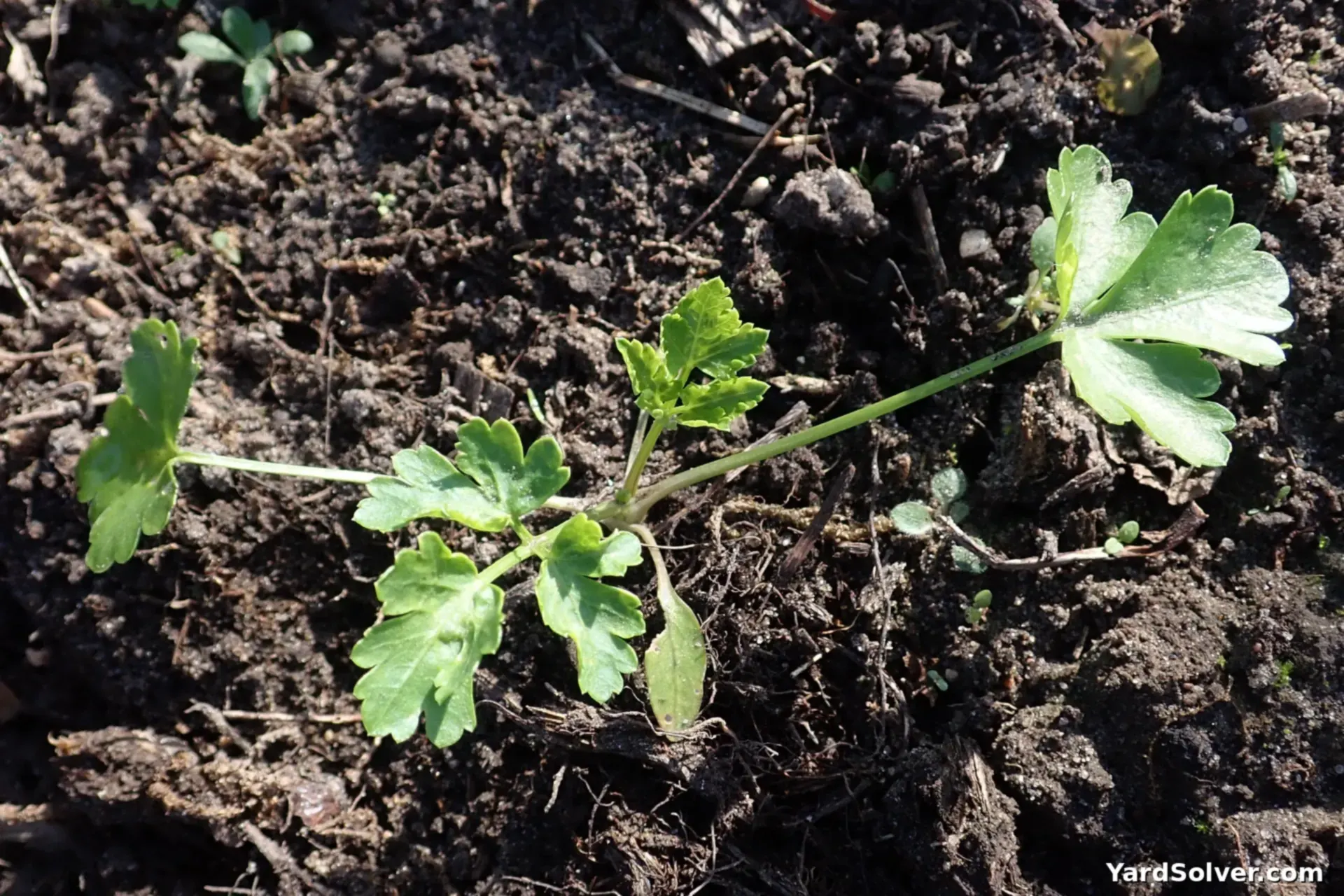
Sow 1/4 in deep, 4–6 in apart. Soak seed overnight first, and keep the seed bed moist until sprouting. The Plant Spacing Calculator turns that spacing into plants-per-bed. Sow two seeds per station and thin to one, so slow germination leaves no gaps. Radish in the same row marks the line and is pulled long before the parsley root needs the space.
Step 4 — Water and feed
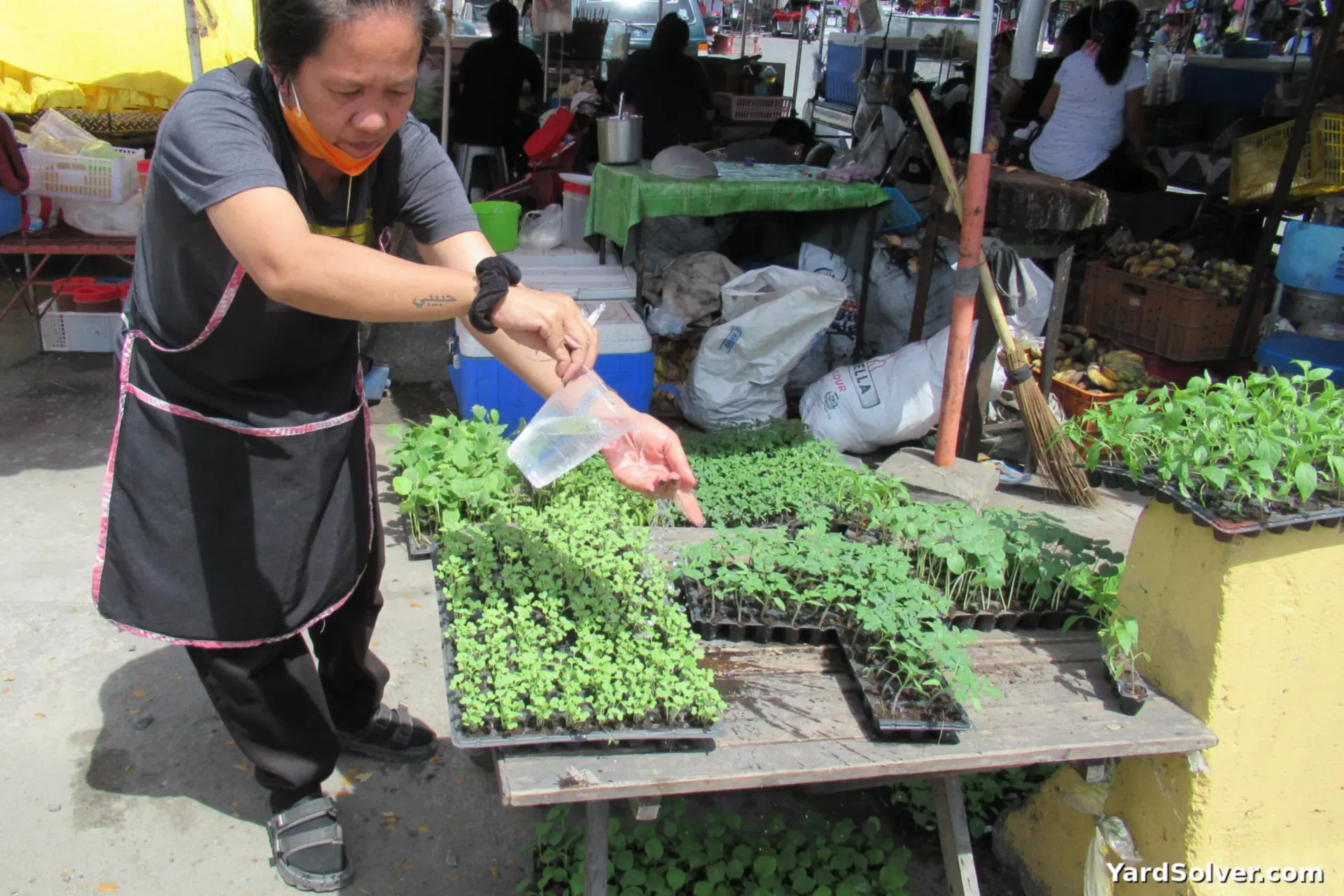
Water: Regular — keep evenly moist. Feed lightly — a little compost at sowing is enough. Rich feeding makes leafy tops and forked roots. The Fertilizer Calculator turns a bed size into the right amount. Thin twice: to 2 in when seedlings are 2 to 3 in tall, then to the final 4 to 6 in a month later, eating the thinnings. Keep moisture steady — soaking after a dry spell cracks roots.
Step 5 — Care and the problems to watch for
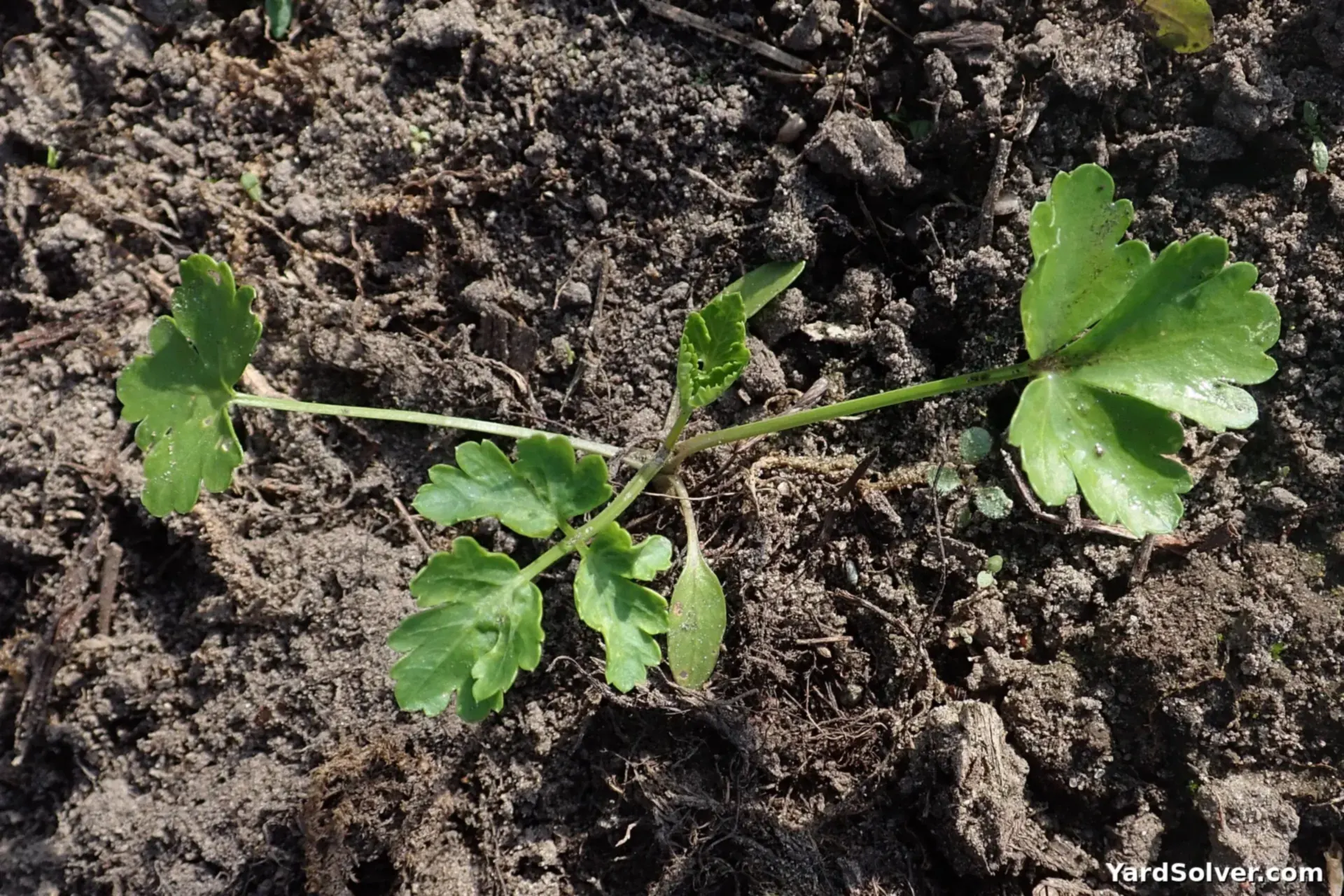
Slow germination — 14–28 days; mark the row and keep it moist, or you will sow over it by mistake. Carrot fly — the same pest that attacks carrots; cover the row with fine mesh. Forked roots — stony or hard soil; the fix is deeper, looser soil. Keep fine mesh on from midsummer to fall, because carrot fly finds this crop as it finds carrots. Any plant that bolts in its first year has been stressed — lift that root first, before it turns woody.
Step 6 — Harvest
Ready in: 85–95 days. Lift roots when they are 6–8 in long, before hard frosts, and store in a cool place. Flavour improves after the first light frosts push sugars into the root, so lift the main crop once nights turn cold. Roots store for months in damp sand, and the tops work like flat-leaf parsley all season.
📅 Your personal Parsley Root schedule
Parsley root runs on a slow clock, so this schedule counts from your sowing day through the long germination wait to a fall harvest. Day 0 is the day the seed went in the ground.
Varieties worth growing
| Variety | Colour | Why gardeners like it |
|---|---|---|
| Hamburg | White | The classic root type — thick, white, parsley-flavoured |
| Festival 68 | White | A modern variety with smoother roots |
| Eagle | White | A reliable home-garden type |
| Alba | White | A smooth, long-rooted variety |
Good for you — and take care
Benefits
- Two harvests from one plant — root and leaves
- A good source of vitamin C, iron and folate
- Adds a fresh parsley flavour to soups and stews
- Stores well in a cool place after harvest
Take care
- Parsley root looks like parsnip but tastes like parsley — label the row so nobody confuses it.
- The leaves can be used like flat-leaf parsley.
- Do not confuse it with wild parsley relatives — only eat what you planted.
Problems to watch for
- Slow germination — 14–28 days; mark the row and keep it moist, or you will sow over it by mistake.
- Carrot fly — the same pest that attacks carrots; cover the row with fine mesh.
- Forked roots — stony or hard soil; the fix is deeper, looser soil.
A little history — and one good fact
Hamburg parsley has been grown in Germany and Poland for centuries, where the root is a classic soup vegetable. It is the root form of parsley, bred for the thick white taproot rather than the leaves.
Fun fact: Parsley root is the same species as leaf parsley — breeders just selected for a thick, tasty root instead of big leaves.
Keep going
Guides: How to Harden Off Seedlings · How to Read a Seed Packet · How to Grow Parsley Root — the full guide
Calculators: Plant Spacing Calculator · Seed Calculator · Fertilizer Calculator · Garden Mix Calculator
Plan it: Garden Planner · Planting Calendar · Companion Planting Chart · Seed Box
Good companions: Carrot · Tomato · Asparagus
Keep apart: Lettuce · Mint — see the Companion Planting Chart for the full picture.
← Back to the Plant Library · Get your personal planting dates
Parsley root spacing and harvest, worked out for a 10-foot row
What a single 10 ft row should give you, before you commit the bed for a season.
| Item | Worked figure |
|---|---|
| Seed needed | About 1/4 teaspoon (roughly 150 seeds), two per station |
| Final plants | 20 to 30 roots at 4 to 6 in spacing |
| Thinnings usable from | Week 8 to 10, as a mild parsley herb |
| Expected harvest | Roughly 8 to 12 lb of roots |
| Storage | Damp sand at about 32 to 40 F keeps roots 3 to 4 months |
Look for the Hamburg type: it is bred for thick, smooth roots rather than leaf.
Questions people ask
When do I plant parsley root?
Direct sow 3–4 weeks before last frost. Germination is slow — 14–28 days — so soak seed first.
How far apart do I space parsley root?
Space plants 4–6 in apart, with seed sown 1/4 in deep. Sun: full sun to part shade.
When is parsley root ready to harvest?
85–95 days after sowing. Lift roots when they are 6–8 in long, before hard frosts.
Can I eat the leaves of parsley root plants?
Yes. The tops of root parsley such as Hamburg taste like a mild flat-leaf parsley and can be cut sparingly all season. Take only a few leaves per plant at a time, because heavy cutting starves the root you are sizing up.
Why did my parsley root seed never come up?
The usual causes are old seed, a crust over the row, or the bed drying out during the long 14 to 28 day germination window. Soak fresh seed overnight, sow shallow, and cover the row with a board or damp burlap until sprouts show.
Parsley root is two crops in one patience test: parsnip-like roots below, parsley leaves above — and a long season
Parsley root (Petroselinum crispum var. tuberosum), also called Hamburg parsley, is grown for its pale, tapered root — flavour somewhere between parsnip, celeriac and parsley — while its tops serve as ordinary flat-leaf parsley through the season. It is an old European soup vegetable that deserves its modern revival in any kitchen garden with deep soil.
The demands are a root crop's demands, stretched over a long season: sow early in spring into deep, stone-free, evenly moist ground, thin carefully, and then wait — roots size up slowly and sweeten after autumn cold. Germination is the first hurdle, slow and erratic like all parsley; fresh seed and a consistently damp seedbed are the standard remedies. Forked, stunted roots almost always trace back to stones, compaction or a dry spell.
The worked example: an early sowing in deep, kept-moist soil typically lifts clean, full roots from autumn into winter. The same sowing in shallow, stony ground typically gives forked roots and fine leaves — with parsley root, the soil depth is the harvest.
Sources
Key facts on this page — timing, spacing and care — cross-checked against NC State Extension Plant Toolbox — Petroselinum crispum — culture and care requirements and Parsley — Wikipedia — background on parsley and its root-grown form.
Related page
Read next: Succession Planting Guide: Sow Little and Often.
Comments & ratings
No comments yet.
Be the first to share your experience.