
Guides · Garden planning · Published November 18, 2026 · By Faizan Ahmad
Crop Rotation: What Goes in the Bed Next Year?
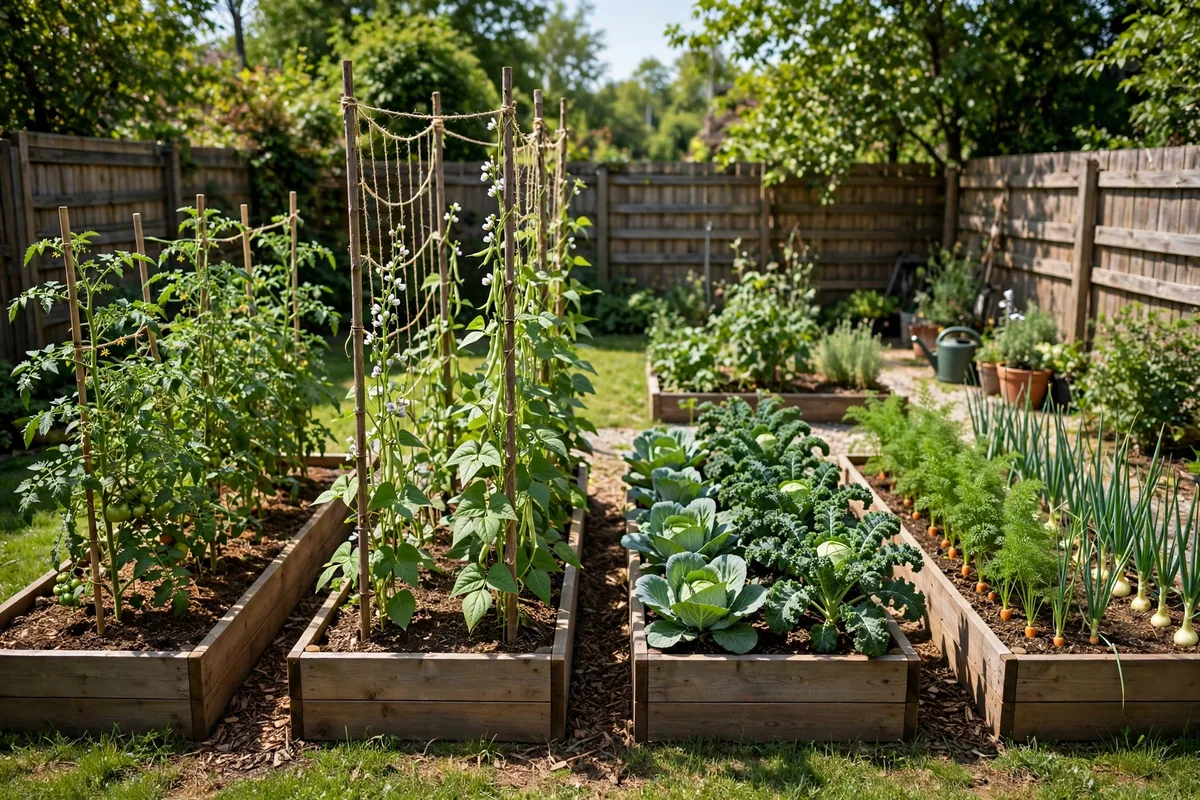
Here is the mistake almost every gardener makes once: the tomatoes did brilliantly in that bed last year, so this year the potatoes go in there instead — a different crop, surely that counts as rotating? It does not. Tomatoes and potatoes are both nightshades, the same plant family, and rotation works by family, not by crop name. Diseases do not read seed packets; they attack relatives. That one idea — family first, name second — is the whole engine inside our Crop Rotation Helper — what to plant next, by family. Tell it what grew in a bed last year and it returns a plain verdict: which family to keep out, which families are good next, and suggested plants you can actually choose from. This guide shows how the helper reaches that verdict, the full family table it works from, and a complete worked example, so you can check any rotation chart — ours included — against the rule underneath it.
The short answer, on one card
- Rotate by family, not by name: tomatoes, potatoes, peppers and eggplant are one crop for rotation purposes — the nightshades
- The return rule: keep a family out of a bed for 3–4 years before it comes back
- Legumes rebuild: beans and peas add nitrogen, so they are good after hungry crops
- Hungry crops spend it: after legumes, plant heavy feeders that use the nitrogen the legumes left behind
- The only record you need: last year's main crop, per bed — one line in a notebook
- Compost every year regardless: it supports rotation, it does not replace it
Step 1 — Start with last year's crop, and write it down

The helper asks one question only: what grew in this bed last year? Pick the main crop — the one that occupied most of the bed for most of the season — and the verdict follows from there. That simplicity is deliberate, and it points at the habit that makes rotation work in a real garden: a bed diary. Rotation fails far more often from forgetting than from ignorance. By spring, last year's layout is a blur — was it the beans or the brassicas in the middle bed? A single line per bed, written at planting or at clear-out — "Bed 2: tomatoes" — is genuinely the only record rotation needs. No spreadsheet, no map, although a sketch helps if you have many beds. Write the crop, and if you want one extra word, its family. Next year, that note is the input: run it through the helper, read the verdict, and plant a different family. Year after year, that loop is the entire rotation habit, and it takes about a minute per bed.
Step 2 — How the helper turns a crop into a verdict
Behind the one dropdown, the helper holds a family map for every plant in the YardSolver library. Each plant belongs to exactly one family, and each family carries a feeding class, because families share appetites as well as diseases. Heavy feeders — nightshades, brassicas, cucurbits and sweet corn — drain a bed. Light feeders — the carrot family, alliums, the beet family and the daisy family — ask little of the soil. Legumes are the fixers: beans and peas add nitrogen as they grow. The verdict then follows three rules, in order. First, the same family is marked AVOID: the same family two years running lets family diseases build up in the soil and drains the same nutrients in the same proportions, so the helper lists every other member of last year's family by name — that list is the part gardeners most often get wrong by name, and it is spelled out in full. Second, legumes are recommended after hungry crops, because they rebuild the nitrogen a heavy feeder used up. Third, hungry crops are recommended after legumes, because they use that banked nitrogen better than anything else; and after a heavy feeder, light feeders are offered too, since they ask little of a tired bed as long as it gets compost. Each suggested plant links to its own library page — dates, spacing and care included — so a verdict turns straight into a planting plan. The helper is built on standard extension guidance, not an agronomy guarantee: your soil, weather and a yearly layer of compost still rule, and the tool says so on its own page.
Step 3 — The family table the helper works from
This is the asset worth screenshotting. It is the helper's own family data — every family it uses, the member crops it assigns to that family, how the family feeds, and the rule that follows. Search results for "crop rotation chart" are full of tables like this for a reason: gardeners plan from the family list, not from prose. Keep it beside your bed diary and you can work out any bed's verdict on paper, helper or no helper.
| Plant family | Member crops in the helper | Feeding | The rotate rule |
|---|---|---|---|
| Nightshades (tomato family) | Tomato, pepper, eggplant, potato | Heavy | Keep out 3–4 years — blight and wilt diseases live on in the soil and strike the whole family |
| Brassicas (cabbage family) | Broccoli, cabbage, cauliflower, Brussels sprouts, kale, collards, kohlrabi, bok choy, arugula, radish, turnip, nasturtium | Heavy | Keep out 3–4 years — clubroot and other cabbage-family diseases persist in the soil for years |
| Legumes (pea & bean family) | Beans, peas | Fixer — adds nitrogen | The rebuilding year: good after hungry crops; do not repeat legumes in the same bed year after year either |
| Umbels (carrot family) | Carrot, parsnip, celery, parsley, cilantro, dill, fennel | Light | Good after a heavy feeder; carrot-family root diseases and pests build up where umbels repeat |
| Alliums (onion family) | Onion, leeks, garlic | Light | Good after a heavy feeder; white rot and onion-family diseases linger in the soil a long time |
| Cucurbits (squash family) | Cucumber, zucchini, winter squash, pumpkin, muskmelon, watermelon | Heavy | Keep out 3–4 years — powdery mildew and wilt diseases carry over between squash-family crops |
| Beet family (beets, chard, spinach) | Beets, Swiss chard, spinach | Light | Good after a heavy feeder; leaf spot and root diseases build up when the beet family repeats too soon |
| Grasses (corn family) | Sweet corn | Heavy | A one-crop family in most gardens — the issue is appetite, not company; follow with legumes or light feeders |
| Daisy family (lettuce & sunflower) | Lettuce, artichoke, sunflower, marigold | Light | Good after a heavy feeder; lettuce drop and other daisy-family diseases carry over in the soil |
| Mint family (basil & herbs) | Basil, mint, rosemary | Light | Flexible fillers in most beds; wilt diseases can carry over between mint-family herbs |
| Mallow family (okra) | Okra | Medium | Few close relatives in the vegetable garden, so rotation here is mostly about appetite |
| Sweet potato family | Sweet potato | Medium | Keep out in turn — sweet potato scurf and root diseases carry over in the soil |
| Perennials | Asparagus, rhubarb, strawberry, raspberry, blueberry, grapes | Stays in place | No rotation — perennials live in the same bed for years by design; rotate the annual vegetables around them |
Read the table the way the helper does: find last year's crop, note its row, and every other crop in that row is out next year — not just the crop itself. The surprise entries are the point. Radish and turnip sit with the brassicas, not with the root crops. Nasturtium is a brassica too. And potato sits with the tomatoes, which is exactly the trap the next step walks through.
Step 4 — A worked example: tomatoes grew in the bed last year
Here is the helper's own worked example, completed from its data. You pick tomato as last year's crop. The helper places tomato in the nightshades and classifies nightshades as hungry feeders, and the verdict reads: after Tomato: plant a different family. The keep-out line names the whole family — no tomatoes again, and no potatoes, peppers or eggplant — because, in the tool's own words, blight and wilt diseases live on in the soil and strike the whole family, and the usual rule is 3–4 years before this family returns to this bed. Then the good-next families, with their reasons. First, the legumes: "Legumes rebuild the nitrogen a hungry crop like Tomato used up — the classic swap." Then four light-feeding families — the umbels, the alliums, the beet family and the daisy family — each with the same honest reason: light feeders ask little of a bed that fed a hungry crop, and with a layer of compost, they thrive. Finally the suggested plants from the library, one per good family first and then filled out to six: beans, lettuce, carrot, onion, beets and peas. Two families doing the heavy lifting in that list — legumes to rebuild, light feeders to rest the bed — and not a nightshade in sight. That is the verdict you will get live, and now you can see every step of how it was reached.
Step 5 — Why legumes get the year after a hungry crop
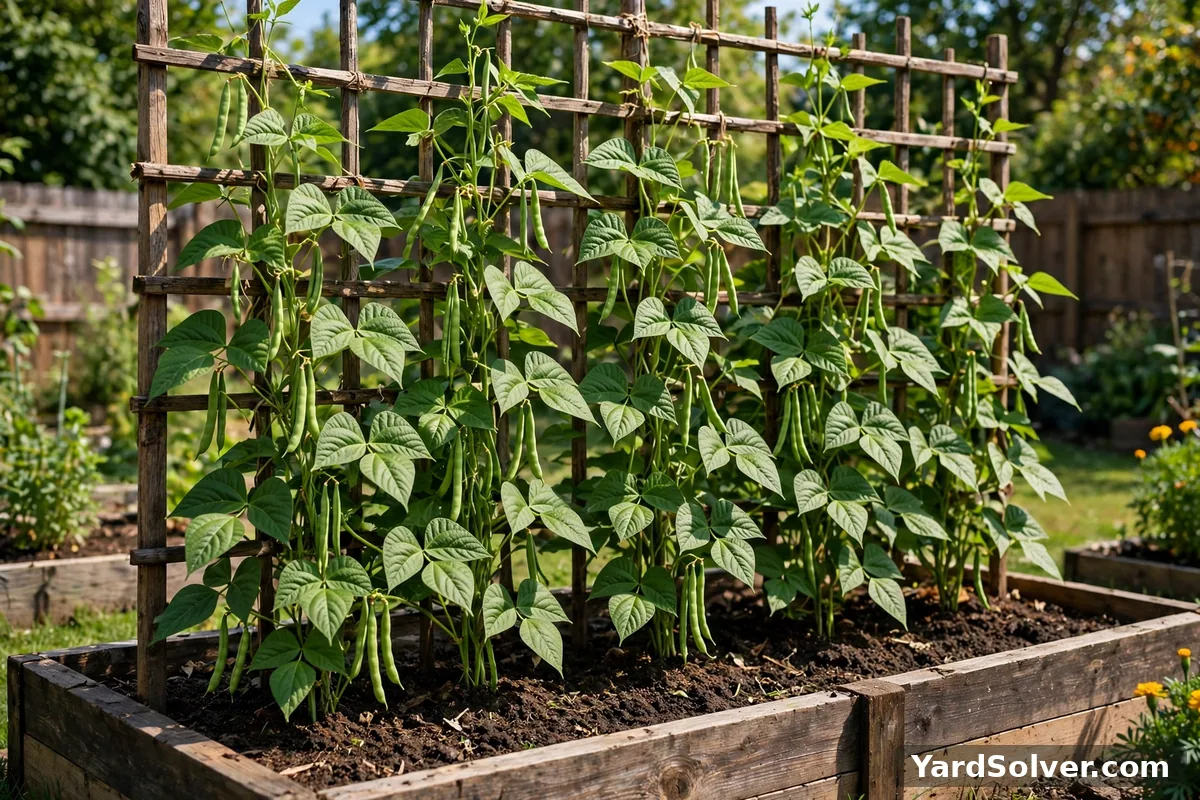
Beans and peas are the only common garden crops that leave a bed richer in the nutrient every other crop spends. They host bacteria in nodules on their roots — small swellings below ground, not something you judge from the foliage — and those bacteria take nitrogen from the air and fix it in a form plants can use. The legume spends some of it on itself and banks the rest in its roots and in the soil around them. That is why the helper's logic runs in both directions: after a hungry crop, plant legumes to rebuild; after legumes, plant a hungry crop to spend the rebuild well. Tomatoes, brassicas, squash and sweet corn after beans is the oldest sequence in the rotation book. One practical detail decides how much nitrogen you actually keep: when the legume crop finishes, cut the stems at soil level and dig the roots in, rather than pulling the whole plant out. The nodules — and their nitrogen — are on those roots. Pull them out and compost them elsewhere and you have exported the very thing the bed was supposed to gain.
Step 6 — The 3–4 year rule, compost, and small gardens
Three honest qualifications keep the family rule useful instead of rigid. First, the return gap. Three to four years is the classic rule because most family diseases in soil fade over that span without a host, and a bed gets three or four different appetites before the same one returns. It is a guideline from extension guidance, not a cliff edge: a family returning after two years in a healthy bed is a risk, not a guaranteed failure, and a bed where you actually saw blight deserves the full four years and a thorough clear-out of every fallen leaf and fruit, because disease hides in the leftovers. Second, compost is the constant, not the substitute. The helper's own plan for a rotated bed starts with 2–3 inches of compost forked in lightly, every year, whatever family is moving in. Compost feeds soil life, buffers nutrient swings and covers a multitude of rotation sins — but it does not break a disease cycle. A nightshade planted in beautifully composted soil that grew nightshades last year is still a nightshade following itself. Rotation breaks the cycle; compost supports everything else. Third, small gardens rotate in units. If you have two beds, swap families between them. If you have one bed, split it in halves or quarters and rotate the quarters. If you grow in containers, the container is the unit: refresh its compost, and do not follow tomatoes with peppers in the same pot of old mix. Even a simple two-way swap — nightshades and legumes trading places each year — breaks the same-family-two-years-running pattern that causes most of the trouble, and a partial rotation honestly beats none. The wider background, including four-bed plans you can copy whole, is in Crop Rotation Basics — the four-bed plan explained.
What the helper can't do
Honesty about the edges, so the verdict earns your trust. The helper works from one input — last year's main crop — so it cannot see the two years before that; if a family was in the bed two years ago and again last year under a different name, your diary knows more than the tool does, and the diary wins. It treats each bed on its own and does not plan a whole garden's layout across beds and years; that whole-season view is a planner's job, not a verdict's. It does not know your disease history: a bed that grew a visibly sick crop deserves a longer family gap and a stricter clear-out than the standard rule, whatever the helper suggests. It does not apply to perennials at all — asparagus, rhubarb, strawberries and fruit stay in place for years by design, in a permanent bed, with the annuals rotating around them. And it cannot judge your soil: a tired, thin bed needs compost and rest more than it needs a clever sequence. What it does guarantee is the family logic, shown in full above: name last year's crop honestly, and the keep-out list and the good-next families follow from rules you can check yourself.
Planning repeated sowings in the bed you have just rotated? The helper's own companion suggestion is the succession tool in the calculators list, and if the swap has left you short of compost to fork in, size the pile before you start digging.
Keep going
Run your own bed through the Crop Rotation Helper — pick last year's crop and read the verdict, then read the full background in Crop Rotation Basics. Starting from the most-searched case? The tomato plant page — dates, spacing and care shows what is moving out, and the legume pages for beans and peas show the rebuilders moving in.
Planning the whole season's bed work? The Garden Planner lays out planting, feeding and bed swaps in one calendar, so next year's rotation is written down before this year's crops are even out.
Questions people ask
Why can potatoes not follow tomatoes?
Because potatoes and tomatoes are both nightshades — the same plant family — so for rotation they count as one crop, not two. They share blight and wilt diseases that live on in the soil, so planting potatoes where tomatoes grew last year gives those diseases a fresh host straight away. Keep the whole nightshade family — tomatoes, potatoes, peppers and eggplant — out of that bed for 3 to 4 years.
How long before a family can come back?
The classic rule is 3 to 4 years before the same family returns to the same bed. That gap starves family diseases that build up in the soil and stops the bed being drained of the same nutrients year after year. In a small garden that is not always possible — do the best rotation you can, add compost every year, and clean up sick plants promptly; a partial rotation still beats none.
Do legumes really add nitrogen?
Yes. Beans and peas host bacteria in nodules on their roots that take nitrogen from the air and fix it in a form plants can use. Some of that nitrogen feeds the legume itself, and some is left in the soil and in the roots when the plants are cut down, which is why hungry crops planted after legumes do so well. Dig the roots in rather than pulling them out, so the nitrogen stays in the bed.
What if my garden is too small to rotate?
Rotate in whatever units you have — individual raised beds, rows, or even containers. A simple two-way swap, such as nightshades and legumes trading beds each year, still breaks the same-family-two-years-running pattern that causes most trouble. Use fresh compost in containers, move a pot's soil to a bed with a different family, and never put a sick plant's soil back into general use.
What is the best crop to plant after tomatoes?
Beans or peas are the classic answer: tomatoes are hungry feeders, and legumes rebuild the nitrogen tomatoes used up. Light feeders like carrots, onions, lettuce and beets also do well after tomatoes, with a layer of compost. Keep other nightshades — peppers, eggplant and potatoes — out of that bed.
What should follow beans and peas?
Hungry crops. Legumes leave nitrogen behind in the soil, and heavy feeders like tomatoes, brassicas, squash and sweet corn use it best. Following beans with a hungry crop is the oldest trick in the rotation book — just make sure that hungry crop is not from the same family that grew in the bed the year before the legumes, if you can avoid it.
A rotation calculator earns its keep by remembering the three years you have forgotten
Nobody plans a bad rotation; they plant a forgetful one — the bed that grew potatoes two years ago looks exactly like every other bed by spring. A calculator or planner fixes the one thing memory cannot: the history of each bed, family by family, year by year, so the plan for this season is built on the record rather than the impression. The arithmetic is trivial; the record is the whole value.
Feed it honestly at the end of each season, including the failures and the swapped plans, because a rotation built on what you meant to plant protects nothing. Then let it argue with you in winter, when moving a family on paper costs nothing, instead of discovering in June that the tomatoes are standing exactly where the blighted potatoes stood — the most expensive sentence in vegetable gardening.
Sources
Key facts on this page cross-checked against Crop rotation — Wikipedia — background on crop rotation and its history and Companion planting — Wikipedia — background on companion planting — rotation's partner at planning time.
Related page
Read next: Crop Rotation Basics: A Simple Four-Year Plan.
Comments & ratings
No comments yet.
Be the first to share your experience.