
Guides · Fall and winter · Published November 23, 2026 · By Faizan Ahmad
November Garden Checklist: 12 Jobs to Finish Before the Ground Freezes
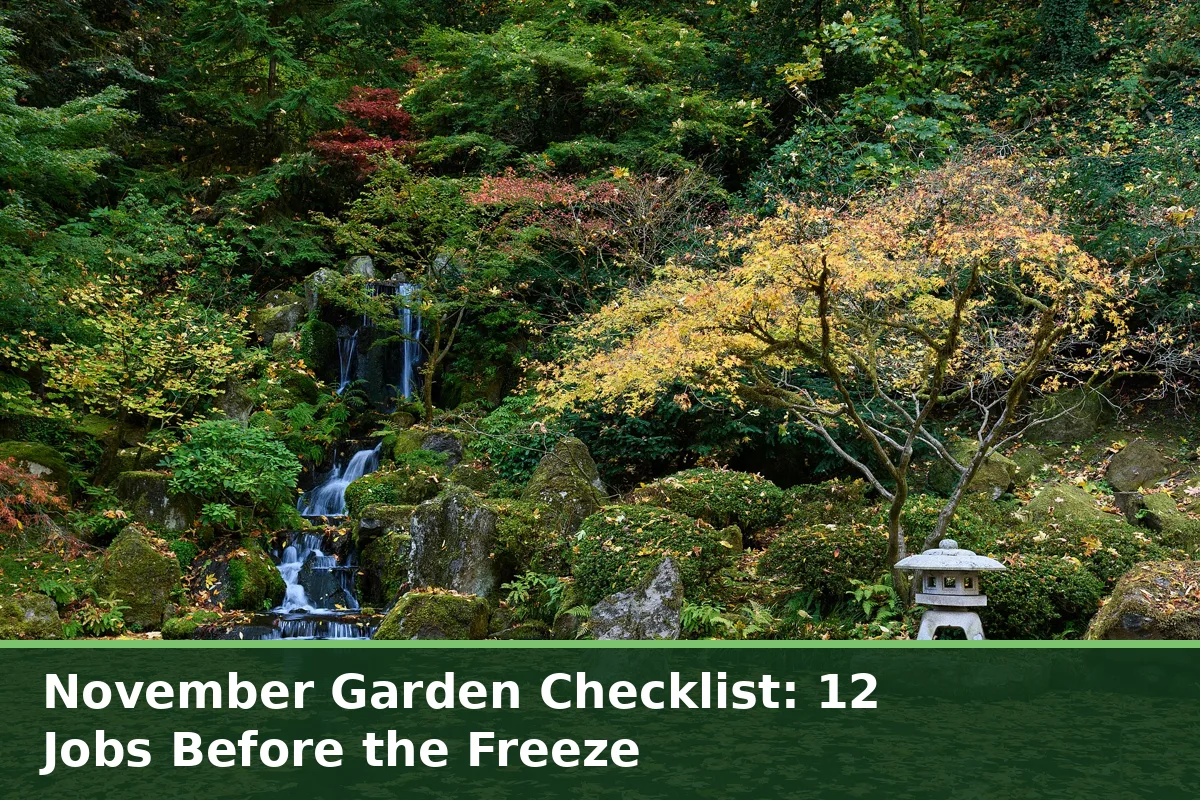
November is the garden's closing month, and the work that matters is finishing, not starting: bulbs and garlic can still go in until the soil freezes hard, but hoses, tools and tender roots all need protection before the first deep cold settles in. Twelve jobs, most of them under an hour, close the garden properly.
Work the list top to bottom — plants first while the soil is still workable, then water systems before a hard freeze can burst them, then the planning jobs that make next spring start fast. When November ends, hand over to the December garden checklist.
Beds and bulbs: the last planting window (jobs 1–4)
1. Plant the last spring bulbs. Tulips, daffodils and alliums can go in until the ground freezes — late-planted bulbs still bloom, just later. 2. Get garlic in if you missed October; it needs a few weeks of root growth before hard freeze, then mulch it well. 3. Decide the perennials: cut back the mushy and diseased, but leave seed heads and sturdy stems standing for birds and insulation. 4. Mulch beds after the soil cools — 2 to 4 inches of shredded leaves or straw, kept off crowns and trunks. Mulch now insulates; mulched too early in a warm spell, it shelters rodents against bark.
If the beds are still carrying crops, November is also harvest-storage month: carrots and beets can be packed away for months using the method in storing carrots and beets for winter.
Leaves, lawn and water (jobs 5–8)
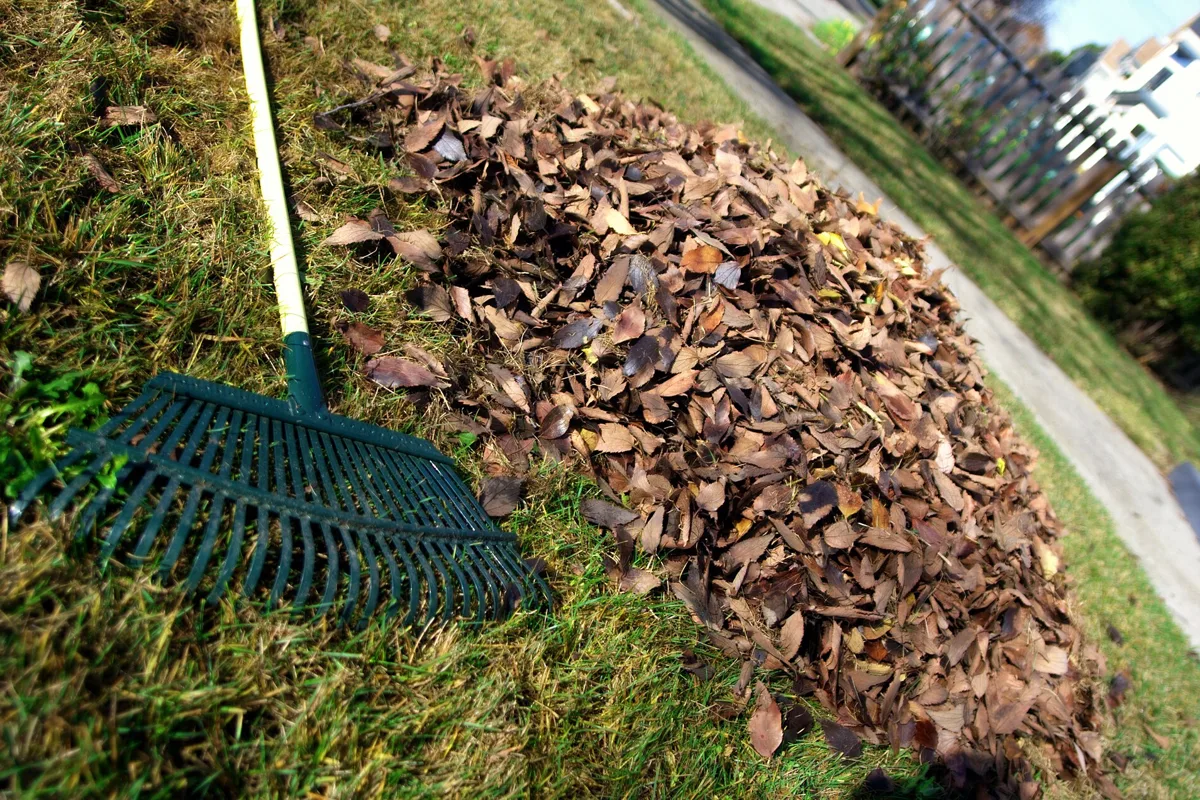
5. Make the leaf decision. Mulch-mow thin leaf fall into the lawn, shred the rest for beds, and bin the surplus for leaf mold — the four good answers are in what to do with fallen leaves. Never leave a thick wet mat smothering grass. 6. Last mow and lawn tidy: cut slightly shorter than summer height and clear debris so snow mould finds nothing to feed on. 7. Drain every hose and water line: disconnect, drain, coil and store hoses; shut off exterior taps from inside. 8. Winterize irrigation before a freeze splits the lines — the blow-out method is in winterizing drip irrigation.
Water is November's deadline job: soil stays workable for weeks after the first freeze that bursts a forgotten hose bib.
Tools, pots and next year (jobs 9–12)
9. Clean, sharpen and oil the tools before they go away — the full routine is in how to winterize garden tools. 10. Empty and store clay and ceramic pots under cover; wet soil freezing in them cracks the walls. 11. Protect young trees with guards against winter sunscald and gnawing — see protecting young trees in winter. 12. Write the garden notes and seed inventory while this year is fresh: what thrived, what failed, what to order. Ten honest minutes now saves a guessing game in February.
That last job feeds straight into winter planning: browse the garden planner on a dark evening and turn the notes into next year's beds.
Keep going
When this list is done, the garden is closed: the December checklist covers the quiet month, and putting your garden to bed is the deep-dive on any bed you had to rush. Not sure how much mulch the beds need? The mulch calculator does the maths by bed size and depth.
Questions people ask
Is it too late to plant bulbs in November?
No. Spring bulbs can be planted until the ground freezes hard. Late bulbs bloom a little later than early-planted ones, but they bloom — far better in the ground in November than in the bag in spring.
Should I cut back all my perennials in November?
No. Remove diseased and collapsed growth, but leave sturdy stems and seed heads standing: they feed birds, shelter beneficial insects and insulate the crown. Cut them down in spring as new growth starts.
When exactly should I mulch for winter?
After the soil has cooled and the first light freezes have arrived, but before deep cold. The goal is keeping the soil cold and steady, not warm — mulch applied to warm soil invites rodents and delays dormancy.
Can I still plant garlic in November?
Yes, in most cold climates November garlic still works: plant cloves 2 inches deep, water once, and mulch heavily after the ground cools. It roots less than October garlic but catches up by summer in most years.
The fact worth remembering
November is the garden's closing month: bulbs can still go in until the soil freezes hard, but hoses, tools and tender roots all need protection before the first deep cold settles in.
Sources
Key facts on this page cross-checked against Down to Earth — November Gardening Dos and Don'ts and Royal Botanical Gardens — What's in Bloom: November.
Researched and written by Faizan Ahmad for YardSolver. Photos: Wikimedia Commons contributors, CC-licensed.
Related page
Read next: December Garden Checklist: What to Do in the Quiet Month, Putting Your Garden to Bed for Winter, What to Do With Fallen Leaves: Leaf Mold, Mulch, Compost and How to Winterize Garden Tools So They Last.
Comments & ratings
No comments yet.
Be the first to share your experience.