
Plant Library · Flowers · By Faizan Ahmad
🌸 How to Grow Calibrachoa (Million Bells)
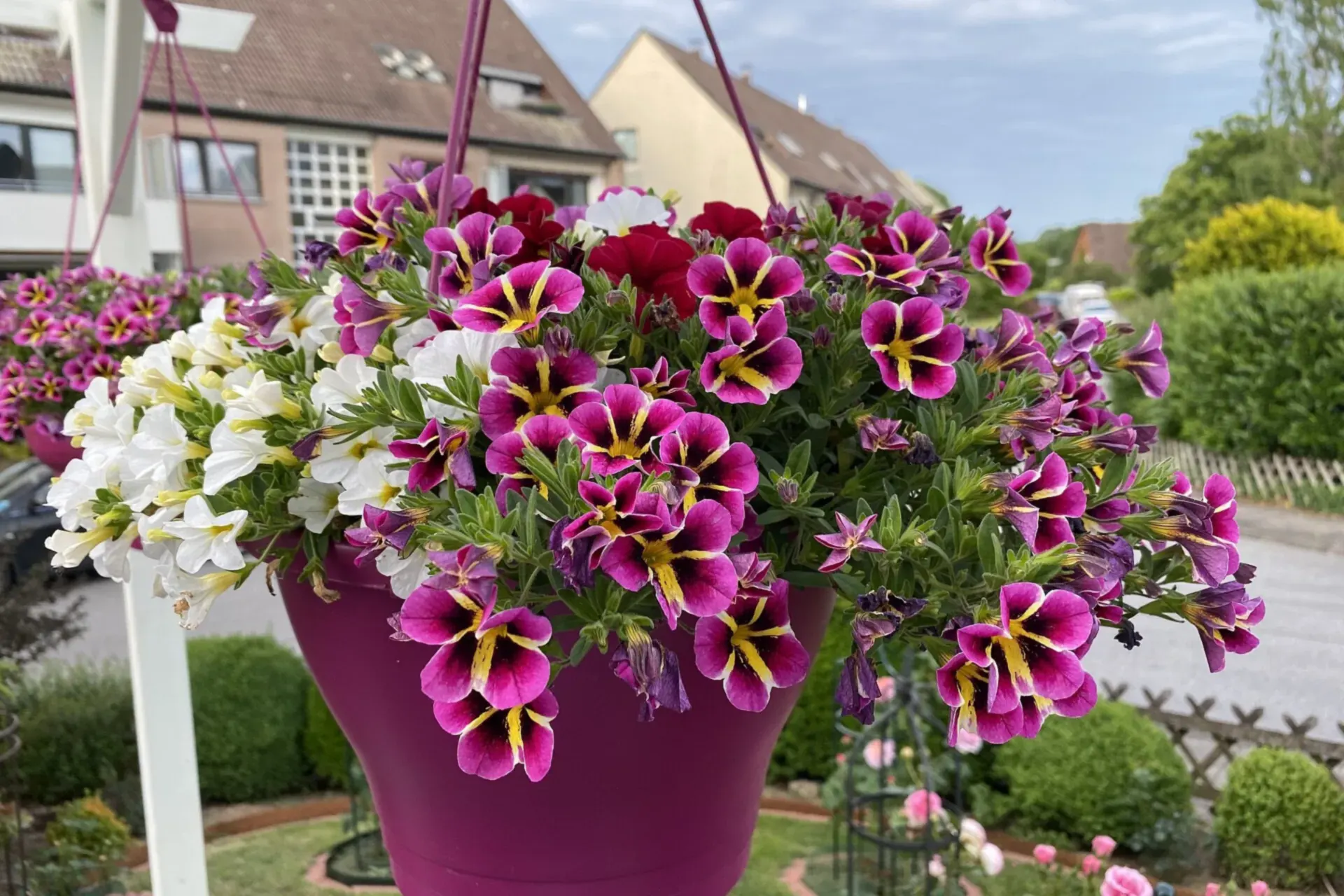
A waterfall of miniature petunias for baskets and pots — buy young plants in spring and it flowers until frost. Calibrachoa is a tender trailing perennial grown as an annual, propagated from cuttings (seed strains are new and limited), so this is a plant-aisle flower, not a seed-packet one. Give it sun, food and water in a basket and it repays you with literally hundreds of little bells.
Grow Calibrachoa (Million Bells) with us — step by step
Everything for this plant is written step by step below — what to do, and exactly when. Read it through first if you like: you can grow it entirely on your own with that guide. Or start with us here — tell us your planting day and we lay out your personal schedule on this page, every next step on its own day, counted from your planting date. No guessing, no forgetting.
Step 1 — today: Buy sturdy young calibrachoa plants in spring — one per pot corner, three to a basket — and plant them out after the last frost.
Calibrachoa (Million Bells) at a glance
Plant out: After last frost, from bought young plants or cuttings
Sow outdoors: Not usual — plants are cutting-grown
Spacing: 10–12 in apart in beds; 3 plants per 12 in basket
Sun: Full sun
Water: Regular — baskets drink daily in summer
Bloom: May to frost; no deadheading needed — it self-cleans
Timing counts from your average last spring frost — get your own dates in the Planting Calendar. Guidance follows standard extension-service practice for Canada and the US.
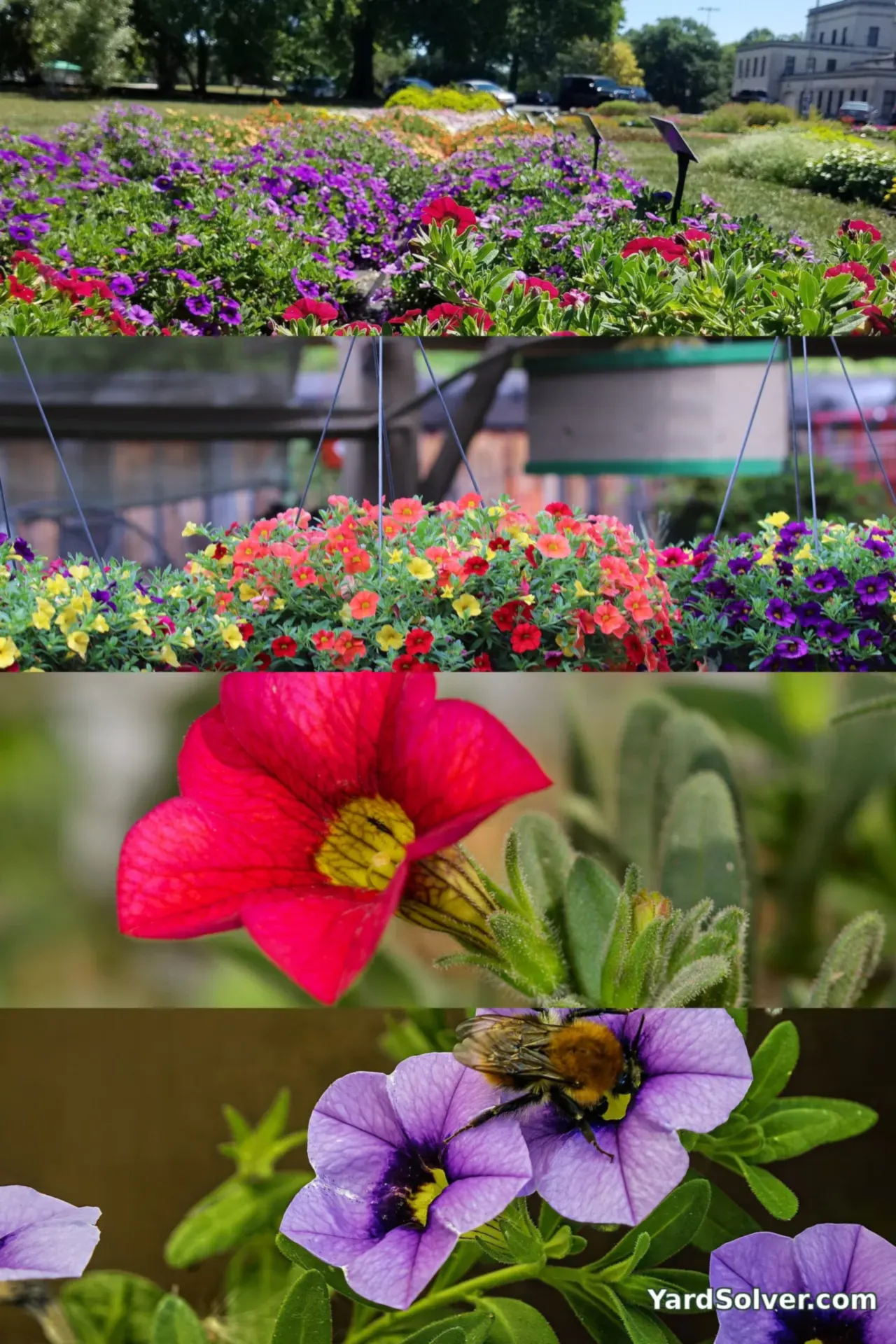
How to plant and grow calibrachoa, step by step
Step 1 — Time it right
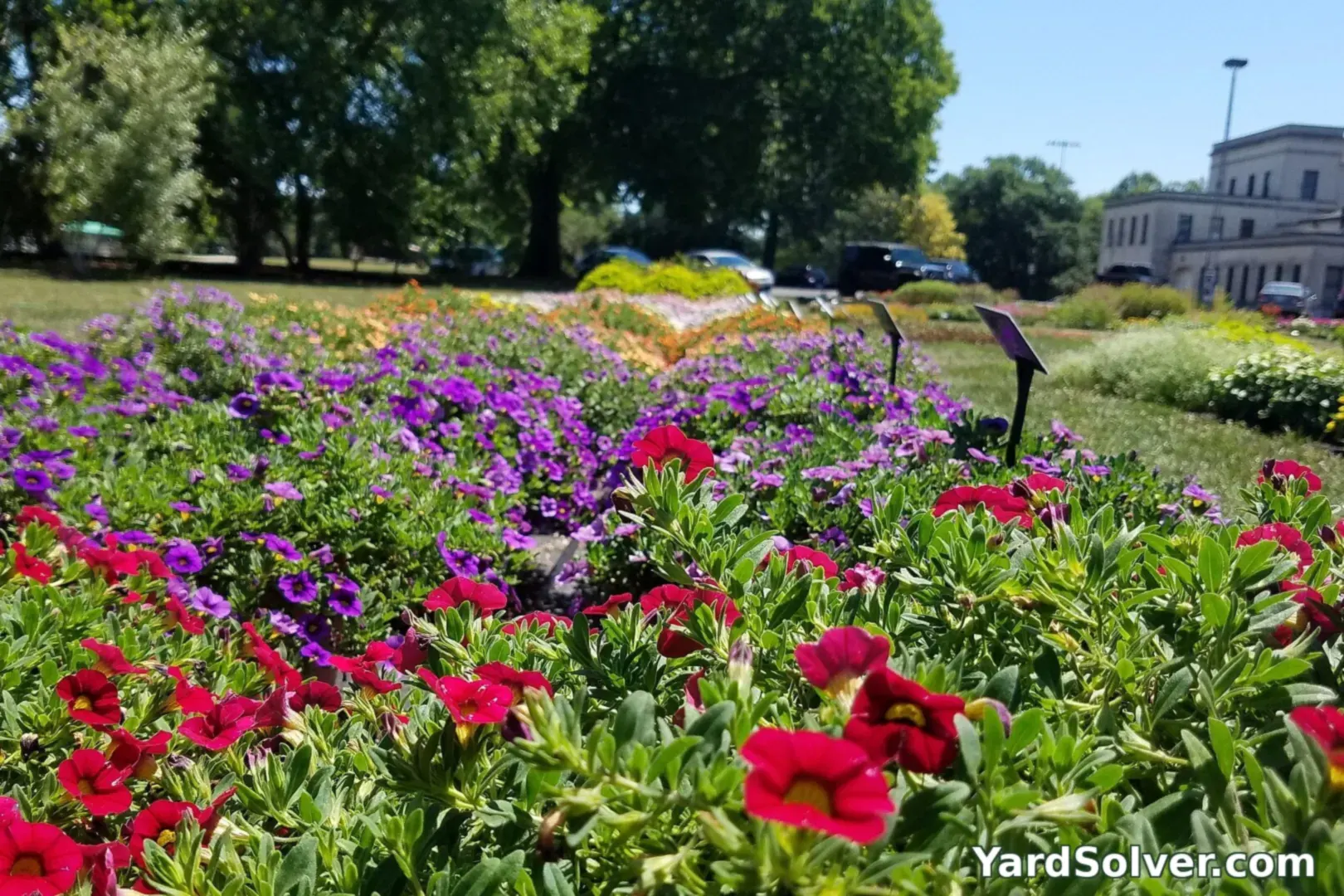
Plant out: after last frost, from bought young plants; Sow: not usual — calibrachoa is cutting-grown (a few F1 seed strains exist). All dates count from your average last spring frost — the Planting Calendar turns them into real dates for your garden. Calibrachoa is a patented, cutting-propagated plant in most of its forms, so gardeners buy young plants in spring. (A seed strain, 'Kabloom', exists for the patient.) Plant out only when nights are reliably mild — calibrachoa sulks in cold soil and takes weeks to forgive you. One plant fills a surprising amount of basket by August.
Step 2 — Prepare the spot
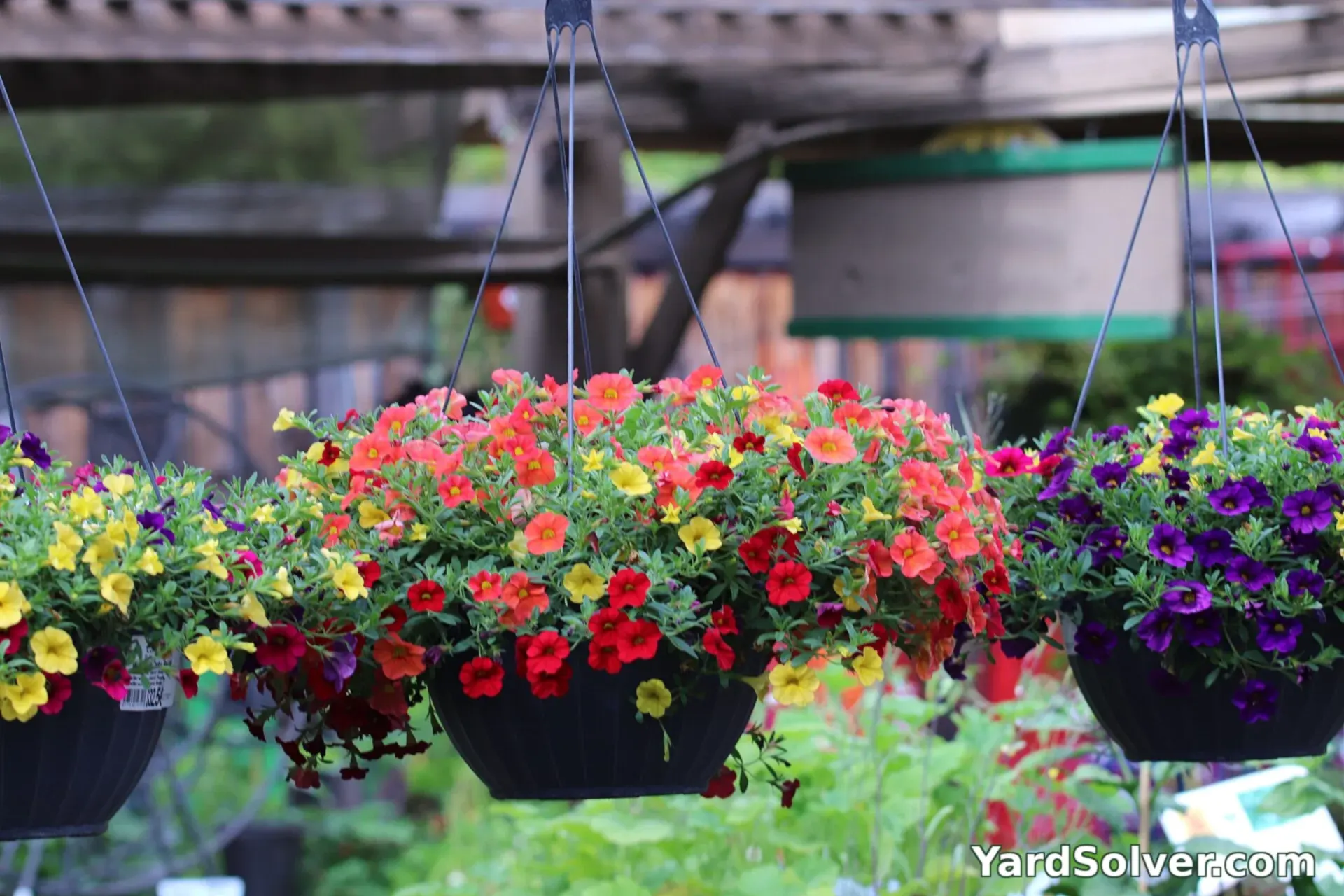
Calibrachoa is a heavy feeder in a small soil volume — the basket decides everything. Line a 12–14 in basket, fill with good multi-purpose compost lightened with perlite, and mix in slow-release fertilizer granules before planting. In beds, enrich the soil the same way. For a raised bed, the Raised Bed Soil Calculator counts the bags for you; mixing your own? The Garden Soil Calculator gives the compost-rich split to aim for.
Step 3 — Sow and plant out
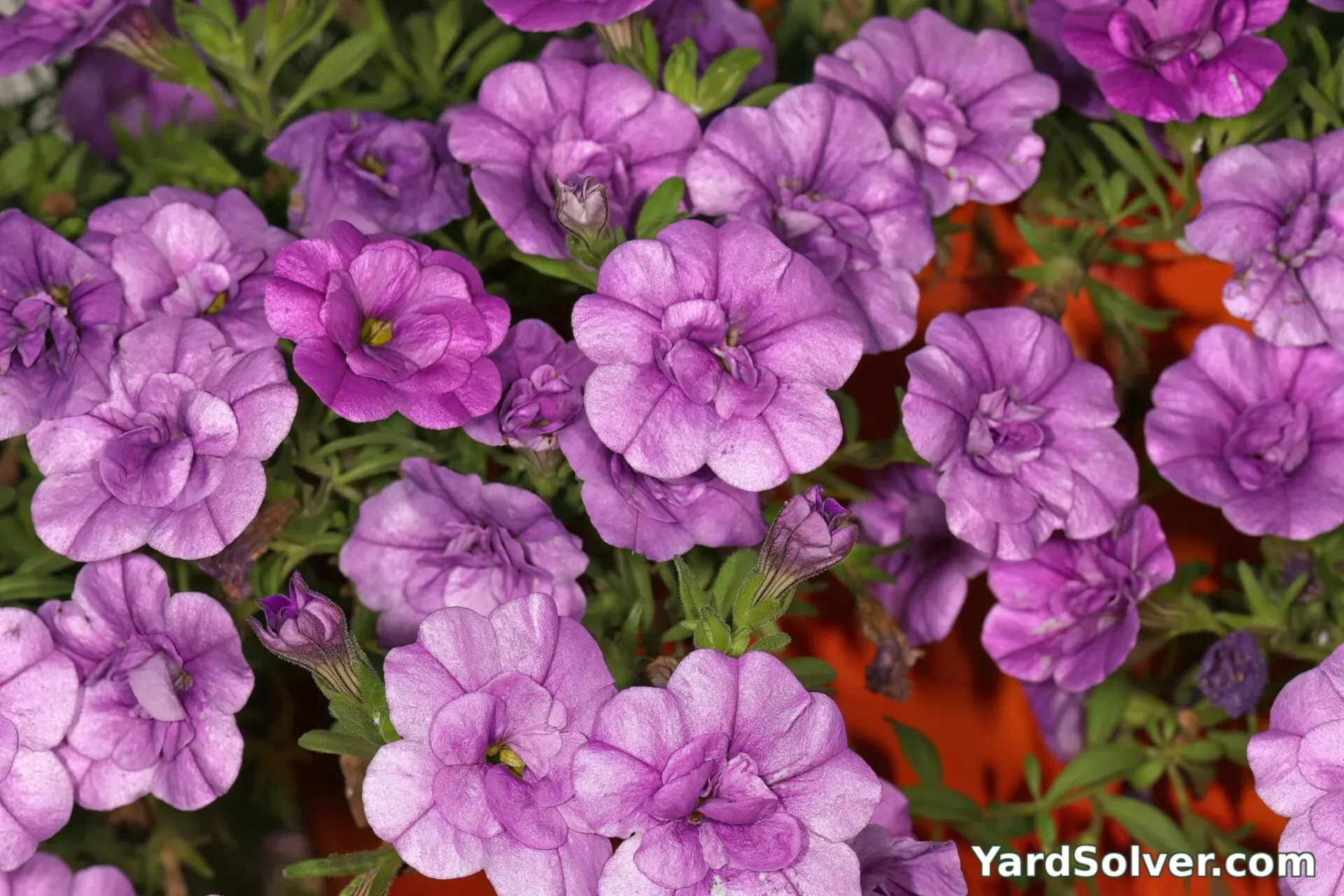
Set plants at the depth they grew in their pots — three around a 12 in basket, or 10–12 in apart in beds. The Plant Spacing Calculator turns your bed size into an exact plant count. Water in thoroughly and hang the basket where you'll remember it daily. Good neighbours: calibrachoa trails over the edges of pots of geraniums and lobelia, filling every gap with bells.
Step 4 — Water and feed
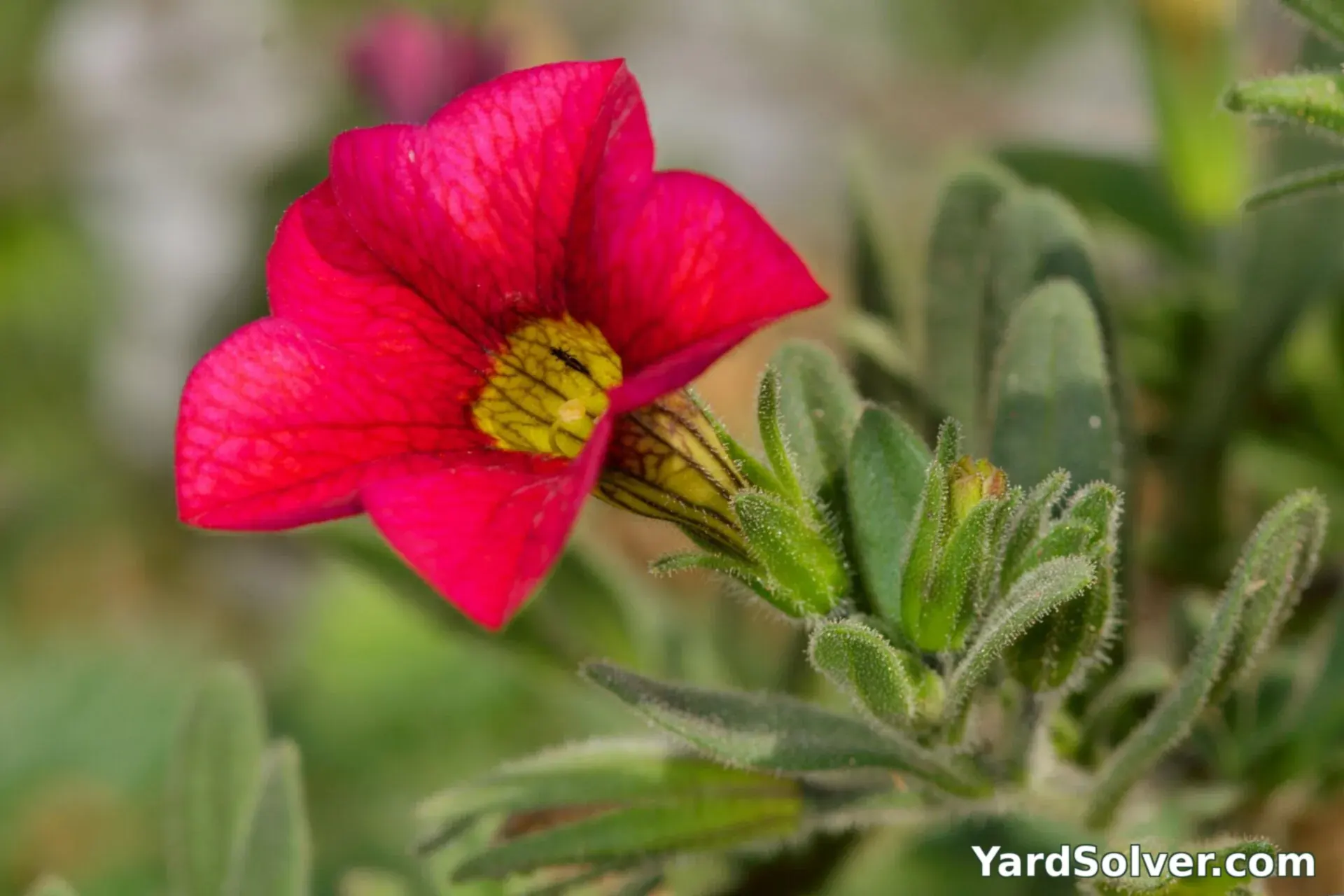
In summer heat a full basket drinks every day — water until it runs from the base. Feed weekly with a high-potash liquid fertilizer (tomato feed is perfect) because all that flowering is expensive — the Fertilizer Calculator turns your bed size into exact amounts. Yellowing leaves with green veins (iron chlorosis) mean the compost has gone alkaline from hard water: an iron tonic feed fixes it.
Step 5 — Care and the problems to watch for
Calibrachoa self-cleans, so the deadheading chore disappears; the one revival trick is a mid-summer haircut — shear tired, leggy baskets back by a third, feed them, and they re-bloom in a fortnight.
- Leggy, bare centres — shear and feed; also check you're watering to the roots.
- Aphids on the tips — a sharp water jet, repeated twice a week.
- Wilting despite wet compost — root rot from sitting wet in cold weather; improve drainage and let the basket dry slightly between waterings early in the season.
Step 6 — Harvest
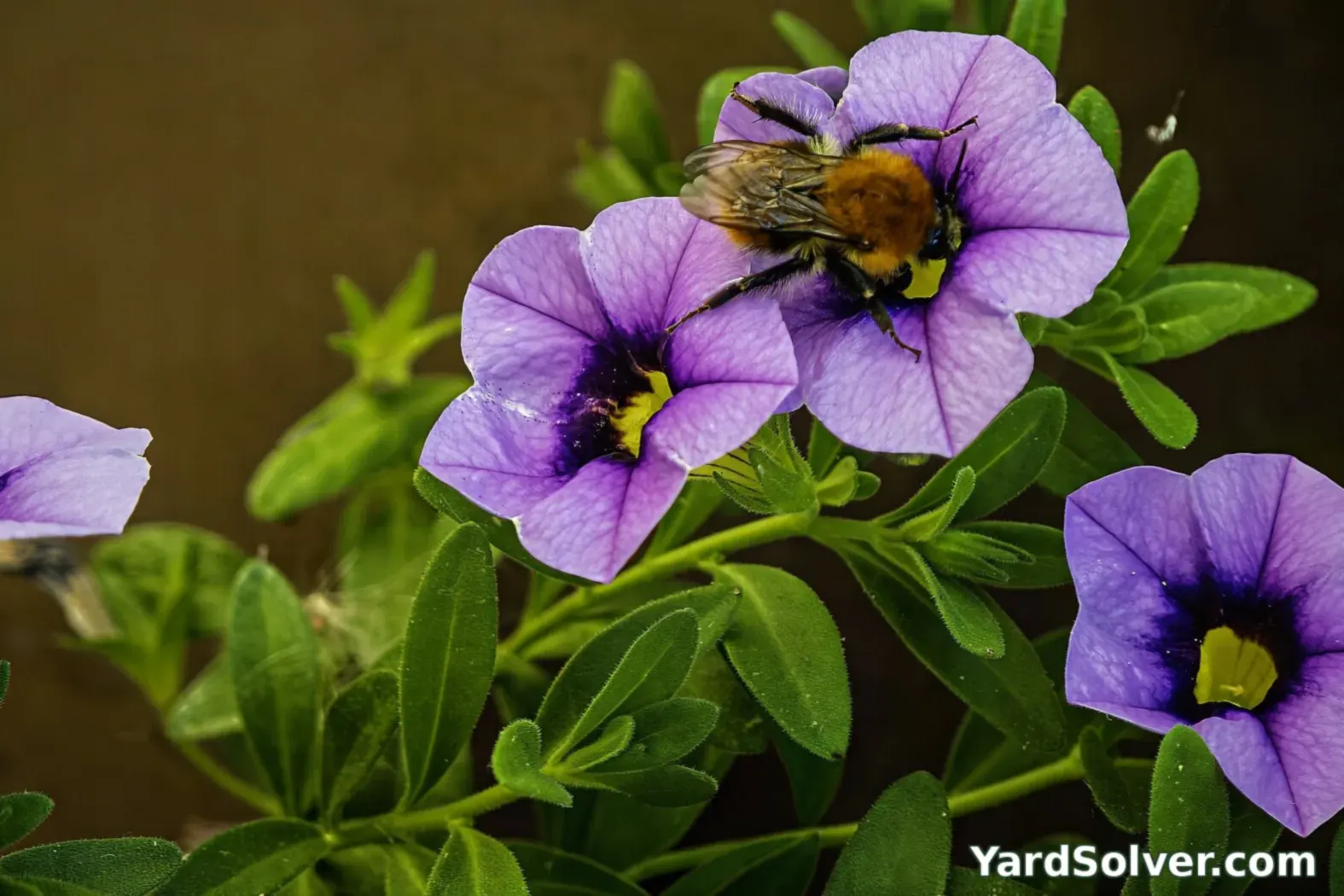
Calibrachoa isn't a cut flower — its harvest is the display. Before the first hard frost you can take cuttings of a favourite colour: 3 in tip cuttings root in 3 weeks on a warm sill, and small plants overwintered in bright light give you next year's baskets free. Seed-grown strains can also be saved — check the label of what you bought.
📅 Your personal Calibrachoa (Million Bells) schedule
Counted from your planting day — not a generic calendar. Day 0 is the day the seed went in the ground or the young plant went out.
Varieties worth growing
| Variety | Colour | Why gardeners like it |
|---|---|---|
| Superbells series | Huge colour range, vigorous | The best-known line — strong trailers with big bells for baskets. |
| MiniFamous series | Compact, double forms available | Tighter plants for smaller pots and mixed plantings. |
| Kabloom | Mixed colours from seed | The first true seed strain — sow early under cover for a summer show. |
Good for you — and take care
Benefits
- Hundreds of flowers per plant, May to frost, with no deadheading.
- The definitive trailing plant for baskets, boxes and pot edges.
- Cuttings root easily — a favourite colour is yours forever.
Take care
- A hungry, thirsty plant — neglected baskets fade fast.
- Cold soil checks it badly; don't plant out early.
- Iron chlorosis in hard-water areas; an iron tonic sorts it.
A little history — and one good fact
Calibrachoa was a little-known South American genus until Japanese breeders at Suntory turned it into 'Million Bells' in the 1990s — one of the great container-plant success stories, built entirely on cutting-grown varieties.
Fun fact: Calibrachoa and petunia are close cousins — so close that breeders cross them ('Petchoa') to combine petunia flower size with calibrachoa's trailing habit and weather tolerance.
Keep going
Guides: Succession planting · Companion planting basics · Pollinator garden guide
Calculators: Plant Spacing Calculator · Garden Mix Calculator · Fertilizer Calculator
More flowers: Lobelia · Sweet Alyssum · Geranium · Pansy
← Back to the Plant Library · Get your personal planting dates
Questions people ask
Does calibrachoa need deadheading?
No — it is self-cleaning, and spent flowers drop on their own. If a basket turns leggy mid-season, shear it back by a third and feed it; it re-blooms within a couple of weeks.
Why are my calibrachoa leaves yellow with green veins?
That pattern is iron chlorosis, common when hard water pushes basket compost alkaline. Water with an iron-containing tonic feed and the new growth greens up.
Can I grow calibrachoa from seed?
Most varieties are cutting-grown only, but the 'Kabloom' seed strain performs well. Sow it early under cover, like petunias, and expect a slightly less uniform result than named plants.
Million bells are made in the feed bottle: calibrachoa is a hungry plant in a small pot, and it shows hunger fast
Calibrachoa — million bells — is a trailing petunia relative bred to pour out of baskets and pots in a continuous sheet of small bells from late spring to frost. That performance runs on feed. A basket holds little soil, watering washes nutrients through it daily, and the plant's flowering rate is enormous, so calibrachoa is one of the hungriest container plants you can grow. The classic mid-season collapse — yellowing leaves, flowers shrinking to the top of the basket — is almost never disease; it is an empty tank. A dilute liquid feed at every watering, or a controlled-release feed in the mix topped up mid-season, keeps the whole plant clothed and flowering to its base.
Two smaller habits protect the display. First, water at the base in the morning where you can: the foliage dislikes sitting wet overnight, and the flowers spot in heavy rain, which is why baskets shine under a porch edge or eaves. Second, if a basket does go leggy and bare in the middle by late summer, shear it back by a third, feed it, and it will commonly re-cover itself within a fortnight — calibrachoa branches freely from cut stems. Full sun is non-negotiable: in shade the plant stretches, greens up and quietly stops flowering.
The worked example: a basket fed little-and-often in full sun commonly flowers in a unbroken skirt from May to the first frost. The identical basket watered but never fed typically looks superb in June and threadbare by August. Million bells are not difficult — they are simply expensive to run, and the feed bottle is where the flowers come from.
Sources
Key facts on this page — timing, spacing and care — cross-checked against NC State Extension Plant Toolbox — Calibrachoa × hybrida (million bells) — culture, feeding and care requirements.
Related page
Read next: Best Vegetables for Containers: Pots, Soil & Watering.
Comments & ratings
No comments yet.
Be the first to share your experience.