
Plant Library · Flowers · By Faizan Ahmad
🌺 How to Grow Geranium (Pelargonium)
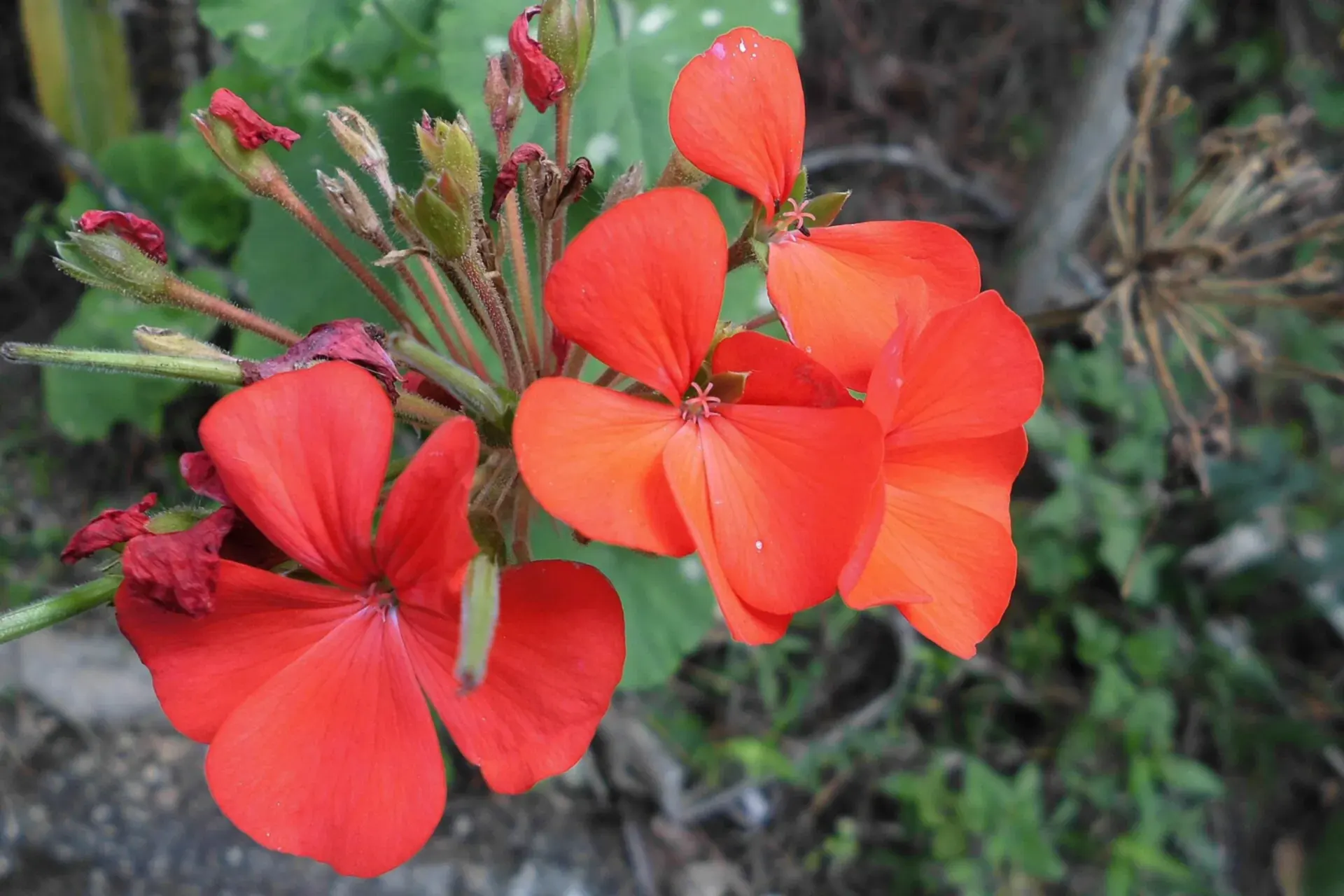
The balcony classic — scarlet umbrellas over scented leaves, flowering from May to frost and overwintering on a windowsill. Garden 'geraniums' are really pelargoniums (Pelargonium × hortorum and friends): tender South African plants grown from cuttings or bought plants, or raised from seed started in midwinter. Drought-tolerant, sun-loving and nearly immortal with basic care.
Grow Geranium (Pelargonium) with us — step by step
Everything for this plant is written step by step below — what to do, and exactly when. Read it through first if you like: you can grow it entirely on your own with that guide. Or start with us here — tell us your planting day and we lay out your personal schedule on this page, every next step on its own day, counted from your planting date. No guessing, no forgetting.
Step 1 — today: Buy sturdy young pelargonium plants in spring, or root cuttings from a friend's plant — a 4 in tip cutting strikes in three weeks.
Geranium (Pelargonium) at a glance
Plant out: After last frost, from bought plants or rooted cuttings
Move indoors: Before first frost — they overwinter on a bright sill
Sow outdoors: From seed indoors in midwinter — 12–14 weeks before last frost
Spacing: 12 in apart in beds; one plant per 10–12 in pot
Sun: Full sun
Water: Moderate — let the soil dry between waterings
Bloom: May to frost; deadhead for a nonstop show
Timing counts from your average last spring frost — get your own dates in the Planting Calendar. Guidance follows standard extension-service practice for Canada and the US.
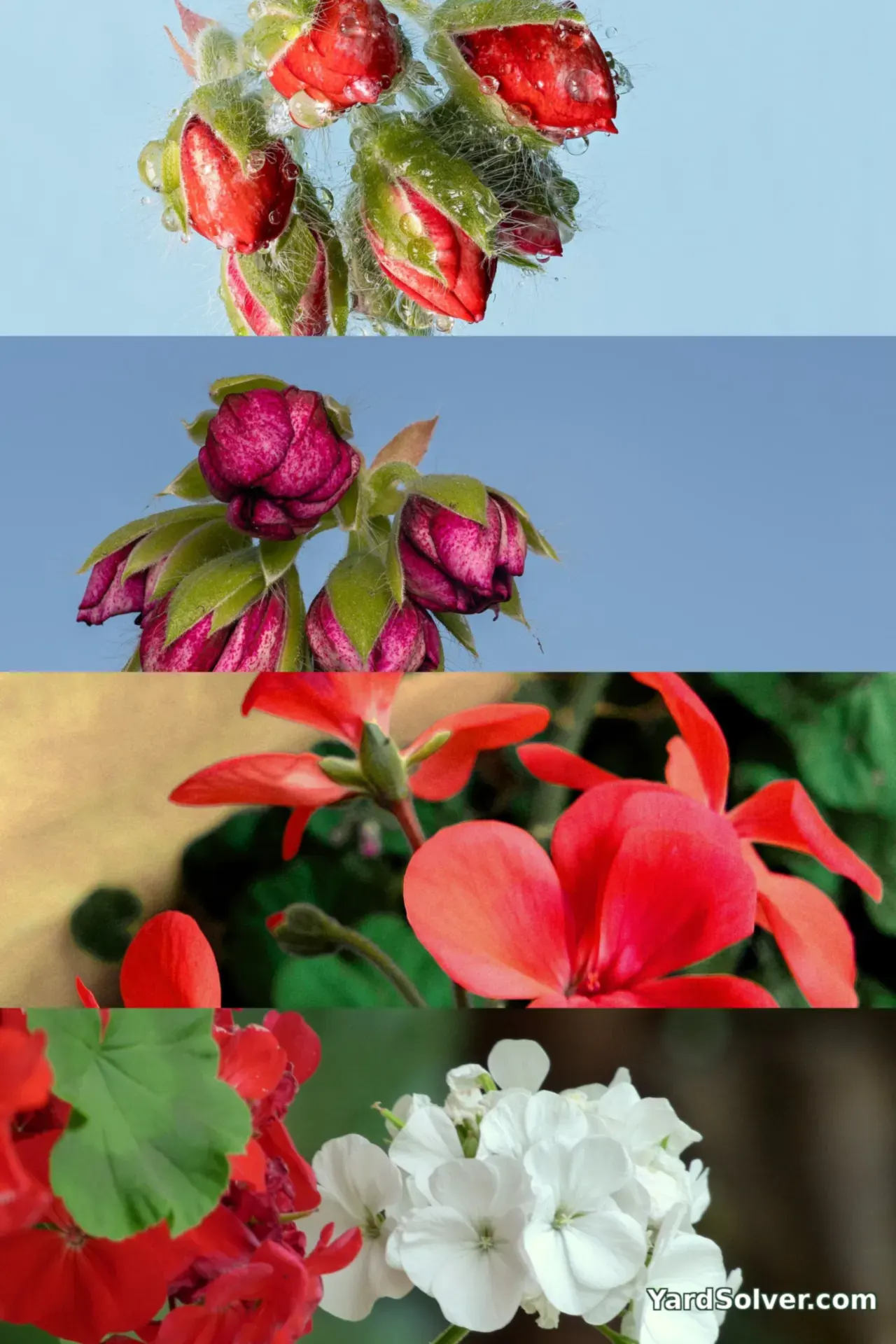
How to plant and grow geranium, step by step
Step 1 — Time it right
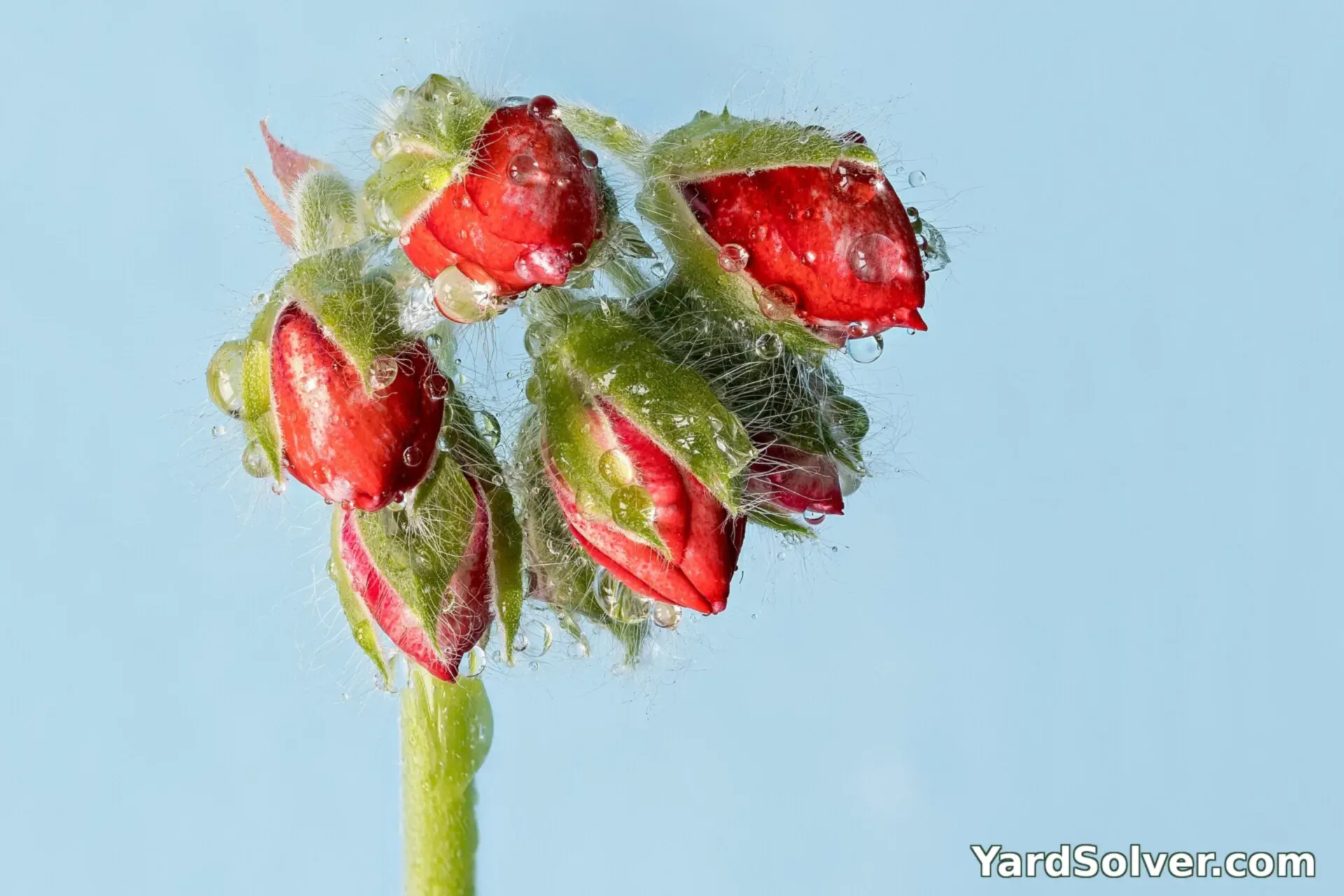
Plant out: after last frost, from bought plants or cuttings; From seed: sow indoors 12–14 weeks before last frost — seed geraniums are a midwinter project. All dates count from your average last spring frost — the Planting Calendar turns them into real dates for your garden. Pelargoniums are tender — a single frost blackens them — so planting-out waits for settled warm weather. Cuttings are the gardener's route: snip 4 in non-flowering tips, let the cut dry a few hours, set them in gritty compost, and roots form in 3–4 weeks without any hormone. Seed ('geranium' F1 strains) works too but needs sowing in January–February for June flowers.
Step 2 — Prepare the spot
Pelargoniums are South African cliff plants: sun, sharp drainage and lean-ish soil. Terracotta suits them perfectly — it breathes and dries between waterings the way they like. Mix grit or perlite into the compost, and use a pot one size up from the nursery pot, no more. In beds, a hot, dry border is home. For a raised bed, the Raised Bed Soil Calculator counts the bags for you; mixing your own? The Garden Soil Calculator gives the compost-rich split to aim for.
Step 3 — Sow and plant out
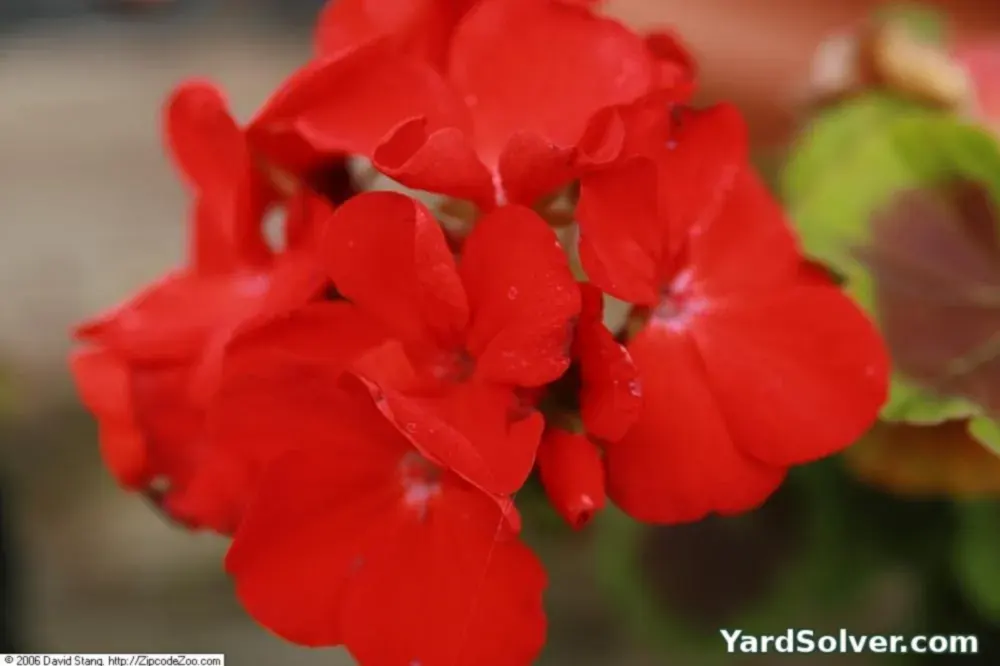
Set plants at their nursery depth — 12 in apart in beds, one to a 10–12 in pot. The Plant Spacing Calculator turns your bed size into an exact plant count. Good neighbours: pelargoniums front sunny borders of lavender and trail over pot edges above lobelia — the classic window-box partnership.
Step 4 — Water and feed
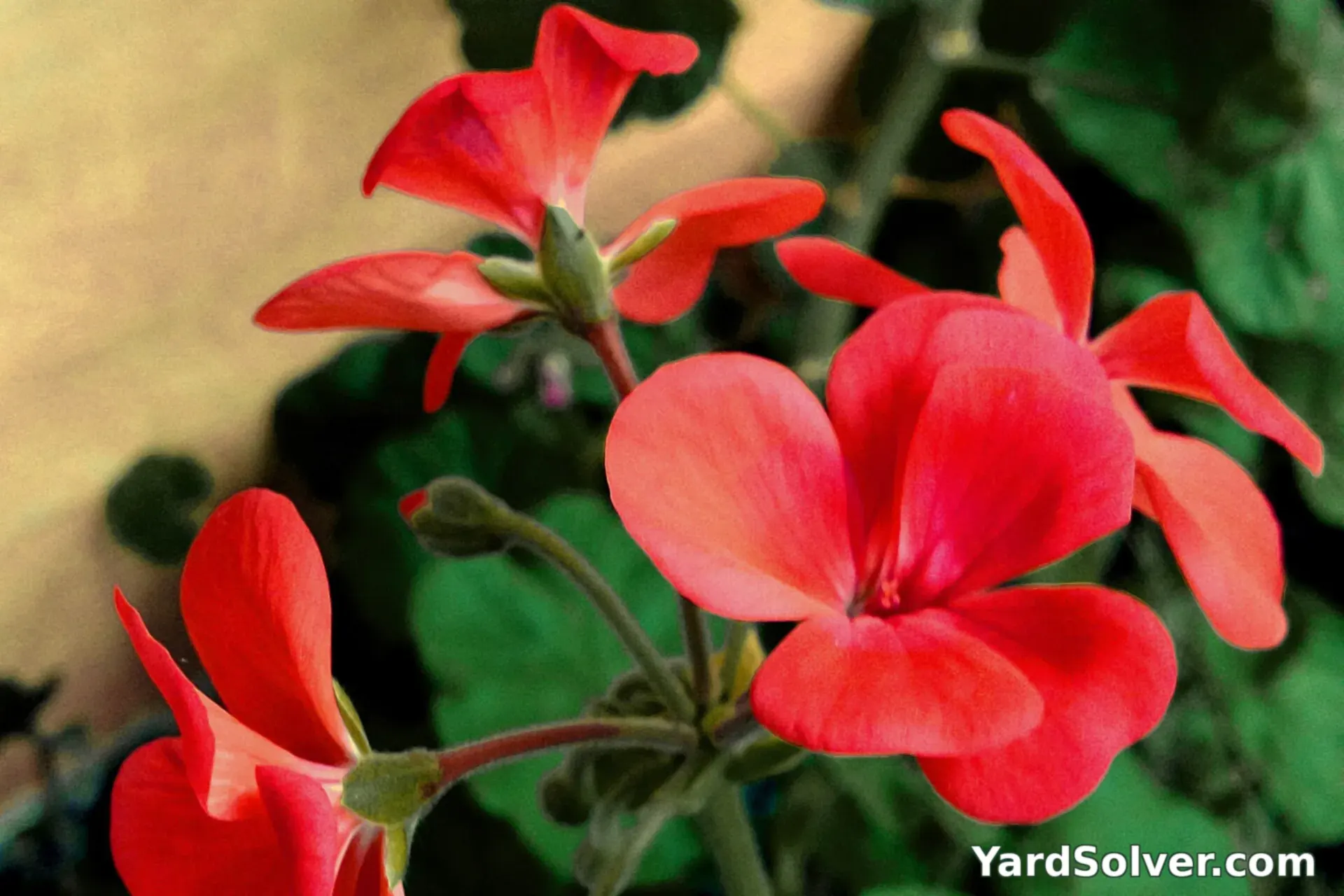
Water thoroughly, then let the compost dry out before watering again; pelargoniums would rather be thirsty than wet. Feed every two weeks through summer with a high-potash liquid feed (tomato feed again) for flowers rather than leaves — the Fertilizer Calculator turns your bed size into exact amounts.
Step 5 — Care and the problems to watch for
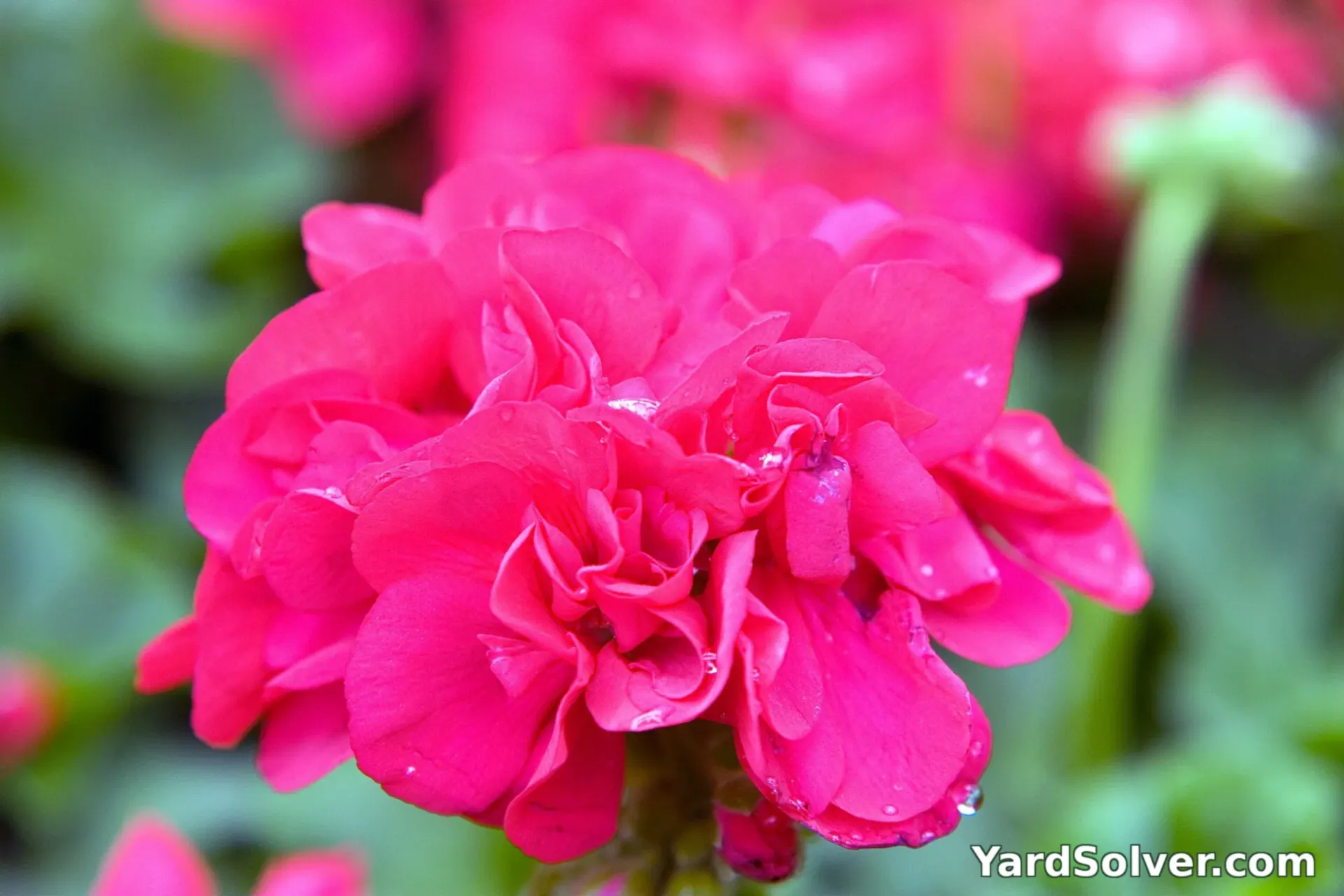
Deadhead by snapping the entire flower stalk off at its base joint (it breaks cleanly) — cutting the head alone leaves an ugly, rot-prone stub. Pinch leggy tips to keep plants bushy.
- Grey mould on old leaves — remove dead leaves promptly and space for air.
- Reddened leaves — cold nights or hunger; feed and wait for warmth.
- Whitefly under leaves indoors — shower the plant and wipe leaves when you bring it in for winter.
Step 6 — Harvest
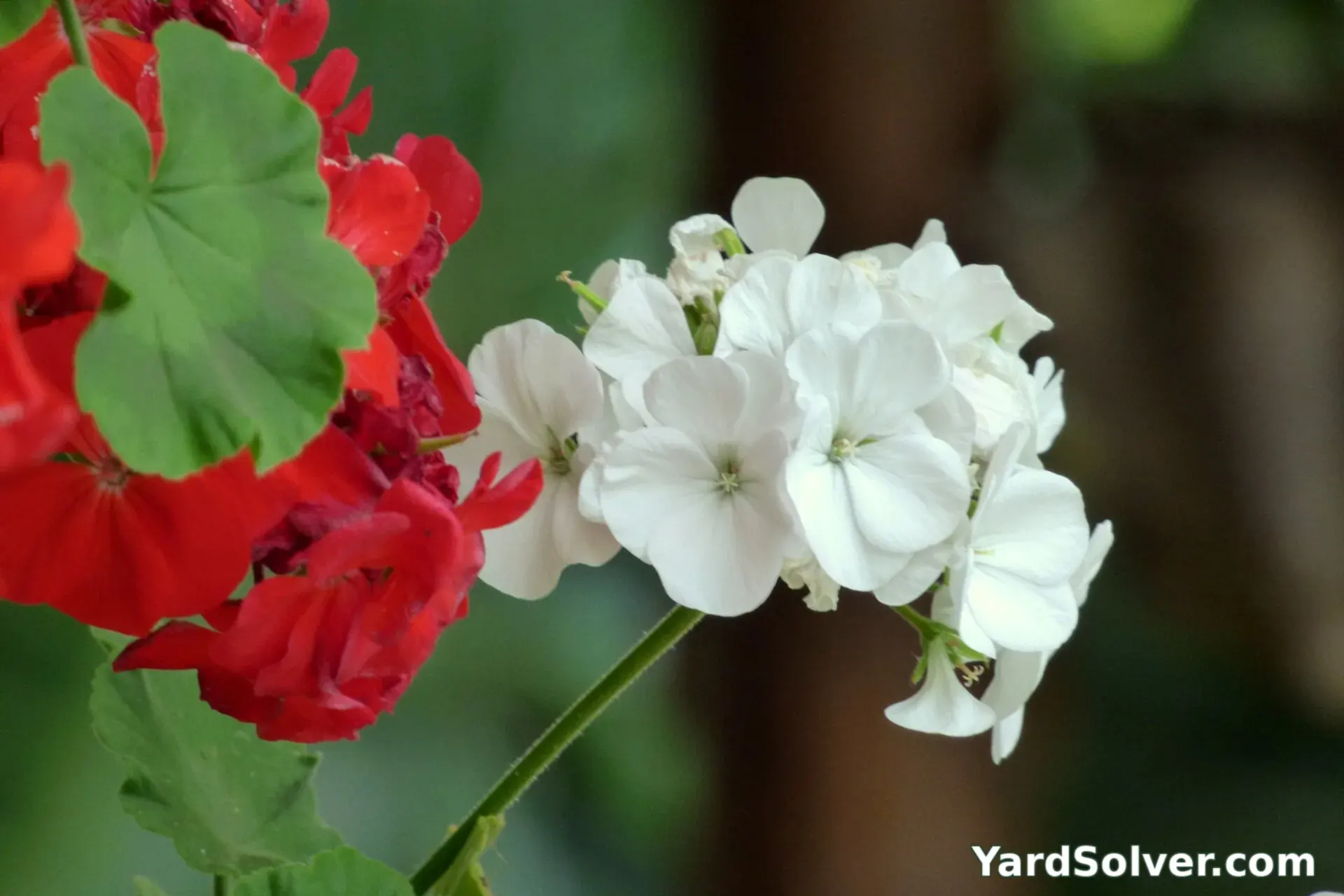
Pelargoniums aren't cut flowers; the harvest is propagation. In late summer take cuttings of every colour you love, root them in small pots, and overwinter them on a bright sill — or bring the whole pot plant in, cut it back by half, and keep it barely watered until spring. Either way, a geranium you like is a geranium you keep for years.
📅 Your personal Geranium (Pelargonium) schedule
Counted from your planting day — not a generic calendar. Day 0 is the day the seed went in the ground or the young plant went out.
Varieties worth growing
| Variety | Colour | Why gardeners like it |
|---|---|---|
| Horizon series | Many colours, from seed | Reliable F1 seed strains — the way to raise dozens cheaply. |
| Martha Washington (Regal) | Huge ruffled blooms | Pelargonium × domesticum — the showiest, happiest in cool rooms and spring display. |
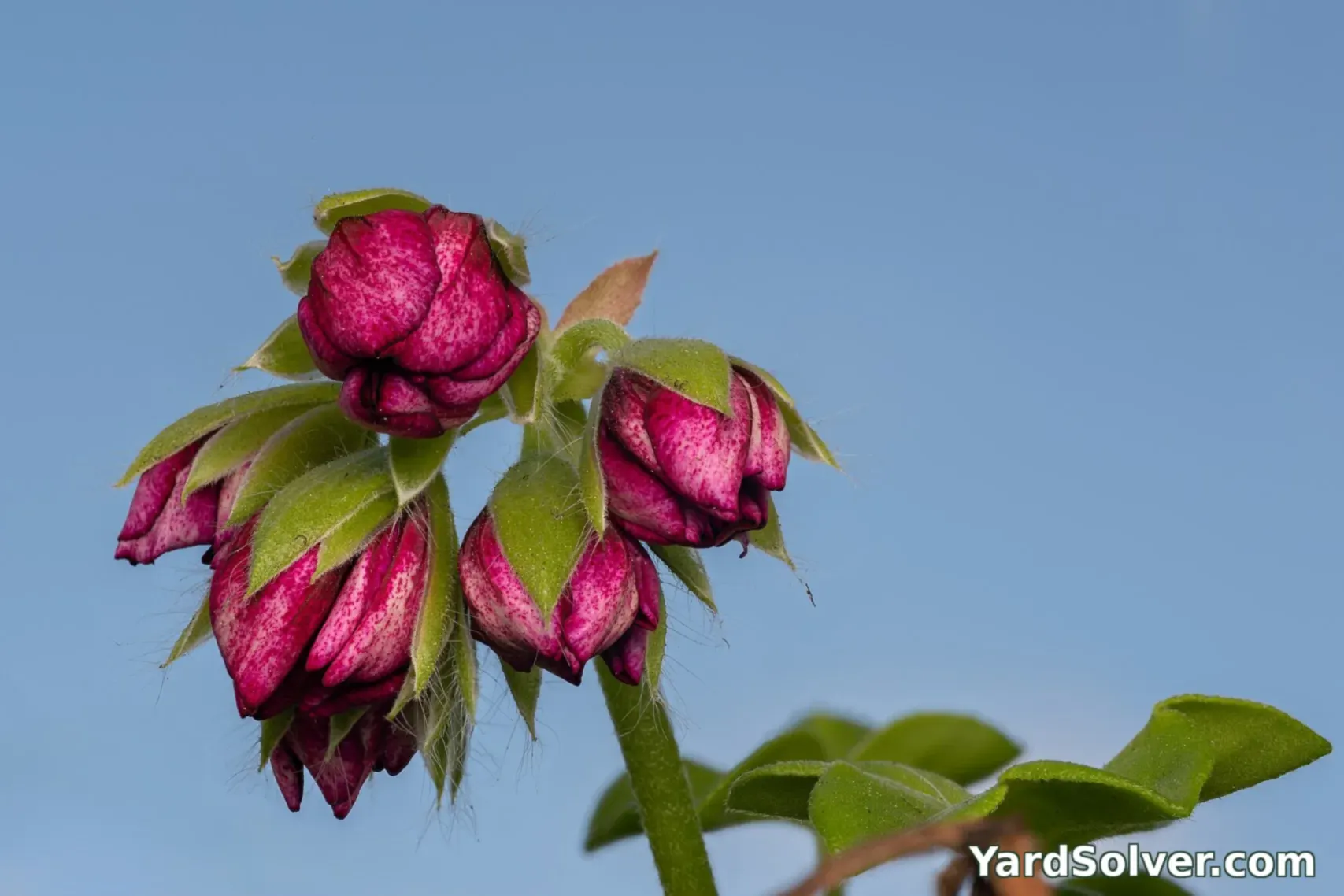
| Rosebud series | Rose-like double clusters | Flowers like miniature roses that never fully open — Victorian favourites. |
Good for you — and take care
Benefits
- Five months of bold colour for almost no work.
- Drought-tolerant in pots — forgives a missed watering like no other bedding plant.
- Cuttings root so easily that one plant becomes next year's whole display.
Take care
- Frost kills them — indoors before the first autumn frost.
- Constant wet compost rots stems; water, then let dry.
- Leaves are mildly toxic if eaten — admire, don't snack.
A little history — and one good fact
Pelargoniums reached Europe from South Africa in the 1600s and were Victorian bedding royalty — whole parks were carpeted in scarlet geraniums. The naming muddle (they're not true Geranium at all — that's the hardy cranesbill) has survived three centuries of botanists complaining about it.
Fun fact: Scented-leaf pelargoniums — rose, lemon, nutmeg, apple — are bred purely for their foliage oils, which perfume everything from Turkish delight to pot-pourri.
Keep going
Guides: Succession planting · Companion planting basics · Pollinator garden guide
Calculators: Plant Spacing Calculator · Garden Mix Calculator · Fertilizer Calculator
More flowers: Calibrachoa · Lobelia · Fuchsia · Pansy
← Back to the Plant Library · Get your personal planting dates
Questions people ask
Are geraniums and pelargoniums the same thing?
Garden 'geraniums' are actually pelargoniums — tender, from South Africa. True geraniums (cranesbills) are hardy perennials. The confusion is 300 years old and shows no sign of ending; nurseries use both names.
How do I overwinter geraniums?
Bring pot plants to a bright, frost-free sill before the first frost, cut them back by half, and water sparingly. Or take cuttings in late summer and overwinter small rooted plants — they take far less room.
Why are my geranium leaves turning red?
Cold nights and hunger are the usual causes on zonal types. Feed with a potash-rich liquid fertilizer and wait for warmer nights — new growth comes back green.
Not a true geranium at all: the bedding Pelargonium wants sun, dry spells between drinks, and a frost-free winter
The bedding 'geranium' is Pelargonium, a tender South African genus, not the hardy cranesbill Geranium it shares a name with — and the confusion matters, because the two want different lives. Pelargoniums want full sun, sharp drainage, and watering only when the compost has dried partway; they flower hardest on a slightly hungry, slightly dry regime and rot in soil kept constantly wet.
Deadheading is the highest-value minute in their care: removing whole spent flower stalks at the base keeps new trusses coming from early summer to frost, while plants left carrying seed heads slow visibly. Cuttings root almost embarrassingly easily in late summer, which is also the honest way to keep a favourite colour — take cuttings in August, overwinter them small on a bright frost-free windowsill, and you start spring with stocky young plants instead of one leggy survivor.
The worked example: a pot in full sun, watered deeply then left to dry, deadheaded weekly, commonly flowers without pause for five months. The identical pot in shade on an automatic daily watering typically gives lush leaves, few flowers and a rotted stem base by midsummer — pelargoniums punish kindness of the wrong kind.
Sources
Key facts on this page — timing, spacing and care — cross-checked against Pelargonium × hortorum — Wikipedia — background on the zonal pelargonium hybrids.
Related page
Read next: Overwintering Geraniums: 3 Ways That Work.
Comments & ratings
No comments yet.
Be the first to share your experience.