
Plant Library · Flowers · By Faizan Ahmad
💙 How to Grow Lobelia
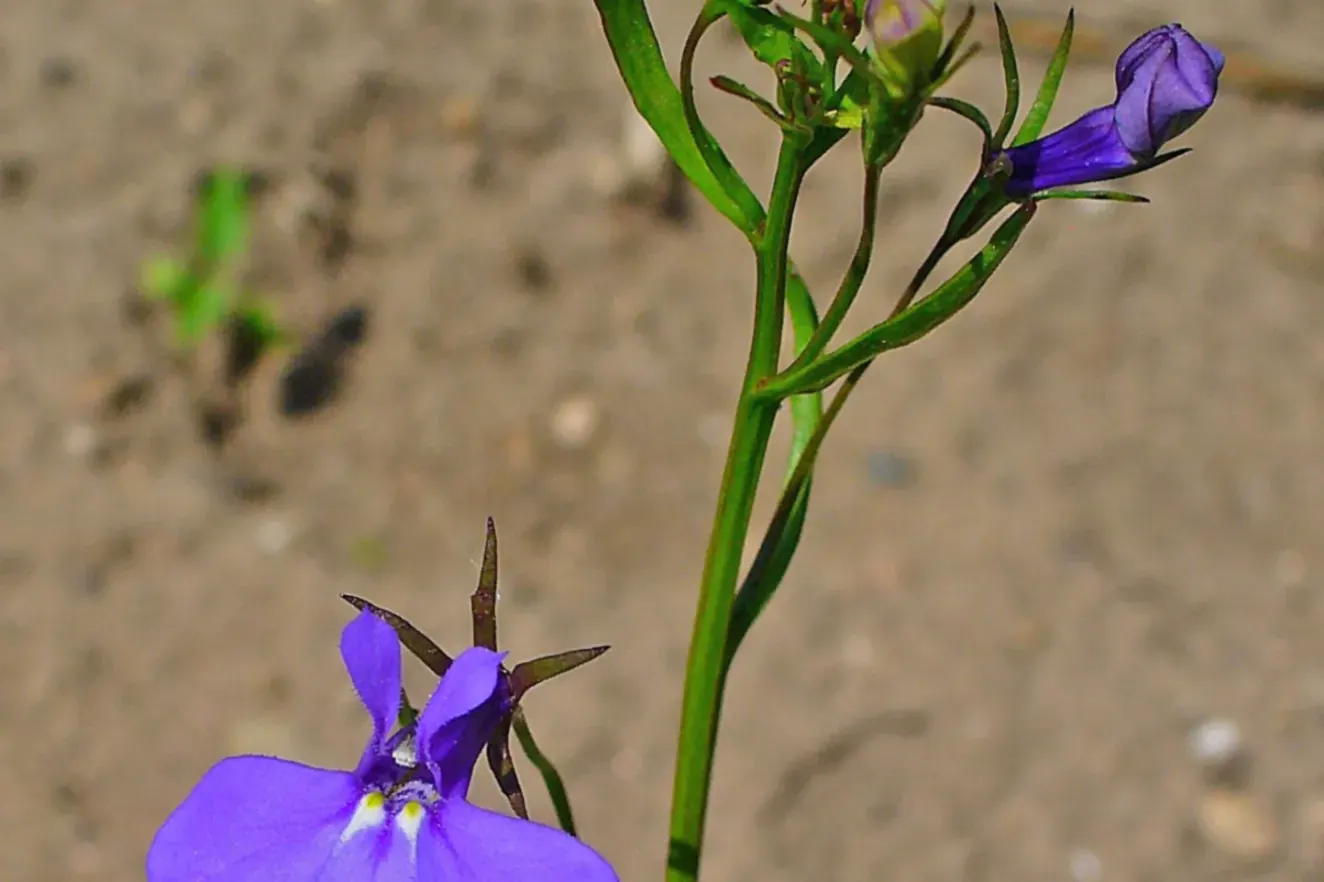
A blue waterfall for baskets and edges — tiny flowers by the thousand, in the truest blues bedding plants offer. Trailing lobelia (Lobelia erinus) is a tender annual grown from dust-fine seed started early indoors, or bought as plants. Its enemies are heat and drought; its friends are shade at noon and a faithful watering can. Shear it in July and it blooms again into autumn.
Grow Lobelia with us — step by step
Everything for this plant is written step by step below — what to do, and exactly when. Read it through first if you like: you can grow it entirely on your own with that guide. Or start with us here — tell us your planting day and we lay out your personal schedule on this page, every next step on its own day, counted from your planting date. No guessing, no forgetting.
Step 1 — today: Sow lobelia's dust seed on the surface of seed mix under lights — and sow a pinch more than you think; it's planted in tufts.
Lobelia at a glance
Sow indoors: 10 weeks before last frost — dust seed, surface only
Move outside: At last frost
Sow outdoors: Not practical — buy plants or start early indoors
Spacing · Seed depth: 7 in apart · surface — seed needs light
Sun: Part shade to full sun (shade in hot afternoons)
Water: Regular — never let baskets dry out
Bloom: May to September; shear in midsummer for a second flush
Timing counts from your average last spring frost — get your own dates in the Planting Calendar. Guidance follows standard extension-service practice for Canada and the US.
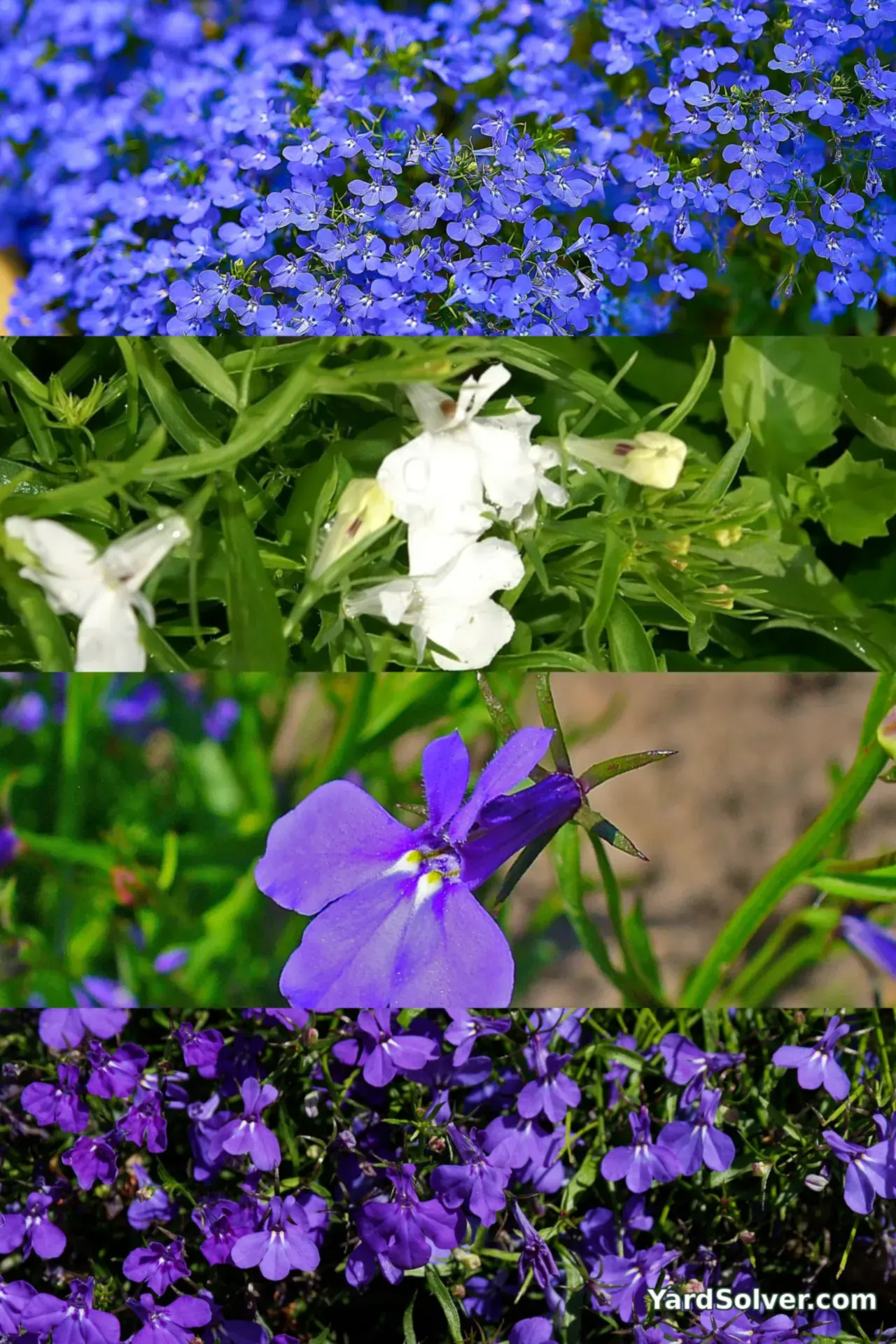
How to plant and grow lobelia, step by step
Step 1 — Time it right
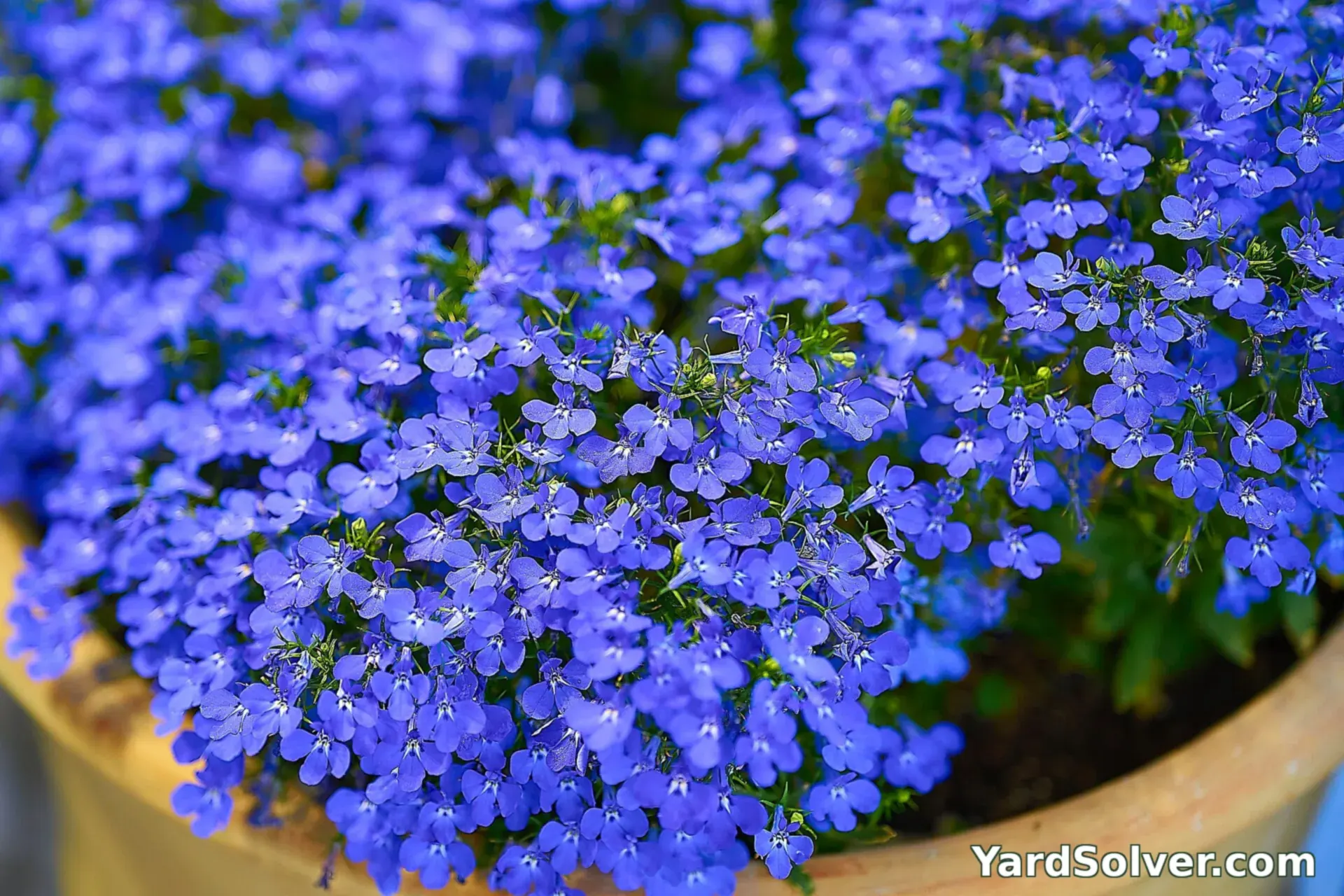
Sow indoors: 10 weeks before last frost, on the surface under light; Move outside: at last frost; Sow outdoors: not practical. All dates count from your average last spring frost — the Planting Calendar turns them into real dates for your garden. Lobelia seed is among the finest sold — a teaspoon holds thousands — and seedlings grow slowly, which is why the start is early and why most gardeners buy plants. Sow on the surface (light is essential), keep at 18–21 °C / 65–70 °F, and expect germination in 2–3 weeks. Grow on in tufts, never singles.
Step 2 — Prepare the spot
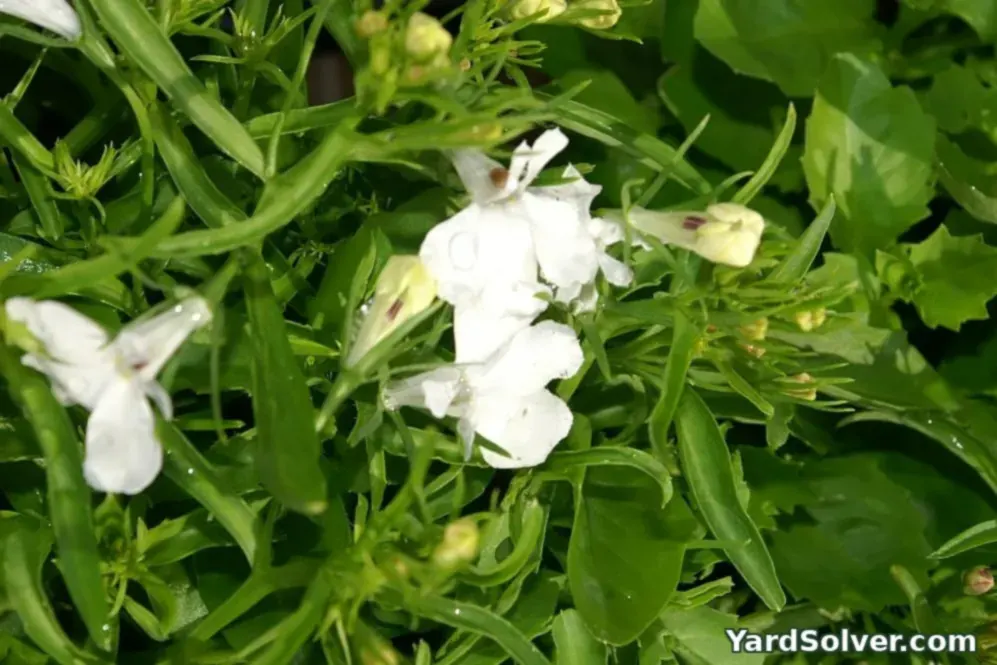
Lobelia wants moisture-retentive, rich compost in baskets and boxes, or a cool, damp border edge in the ground. Add water-retaining granules to basket compost if your summers are hot — this plant's whole story is water. Position baskets where they get morning sun and afternoon shade in hot districts. For a raised bed, the Raised Bed Soil Calculator counts the bags for you; mixing your own? The Garden Soil Calculator gives the compost-rich split to aim for.
Step 3 — Sow and plant out
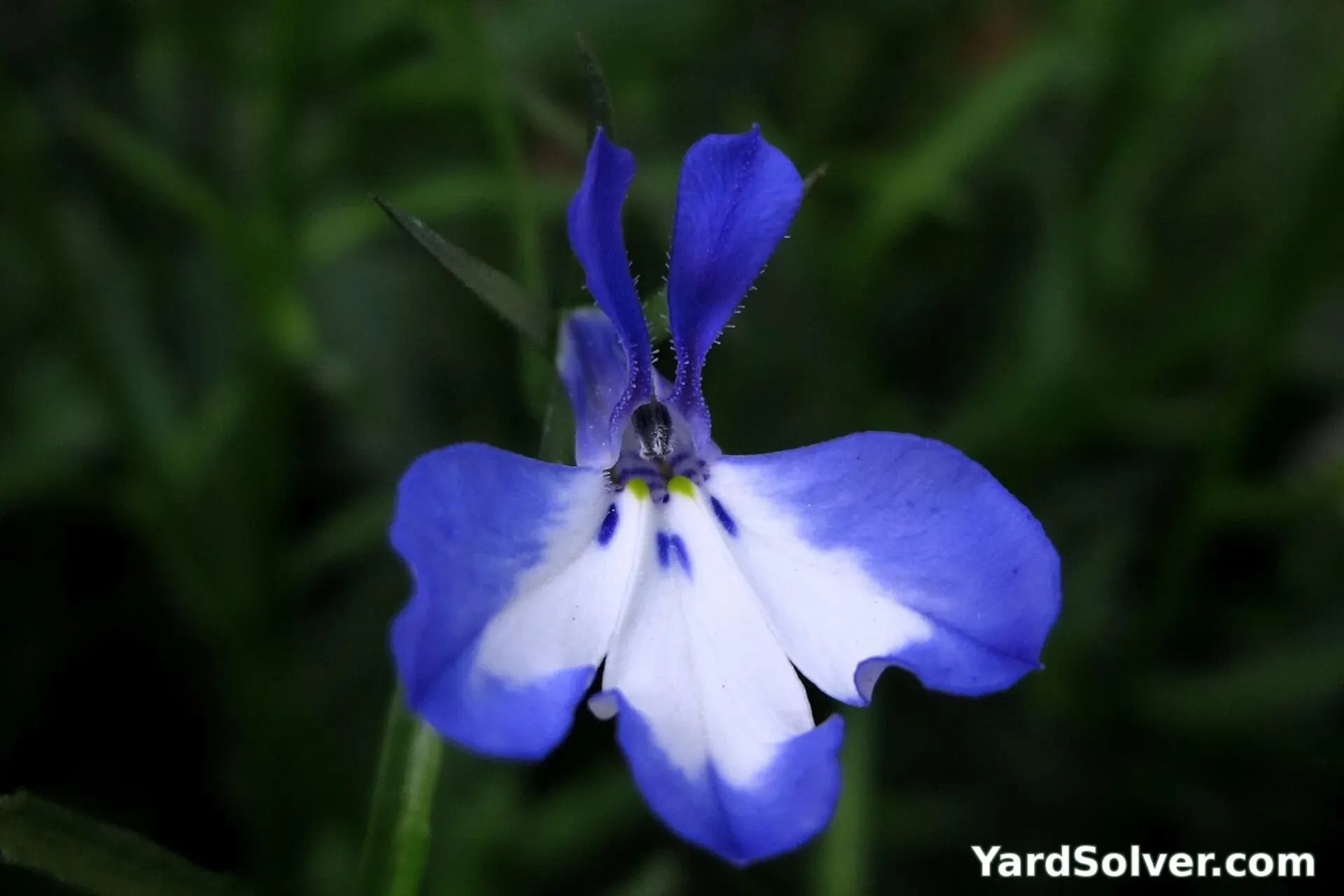
Plant tufts 7 in apart, around basket rims and along bed edges where they'll spill. The Plant Spacing Calculator turns your bed size into an exact plant count. Water in gently with a rose. Good neighbours: lobelia is the classic under-skirt for geraniums and fuchsias in baskets — the blue sets off everything above it.
Step 4 — Water and feed
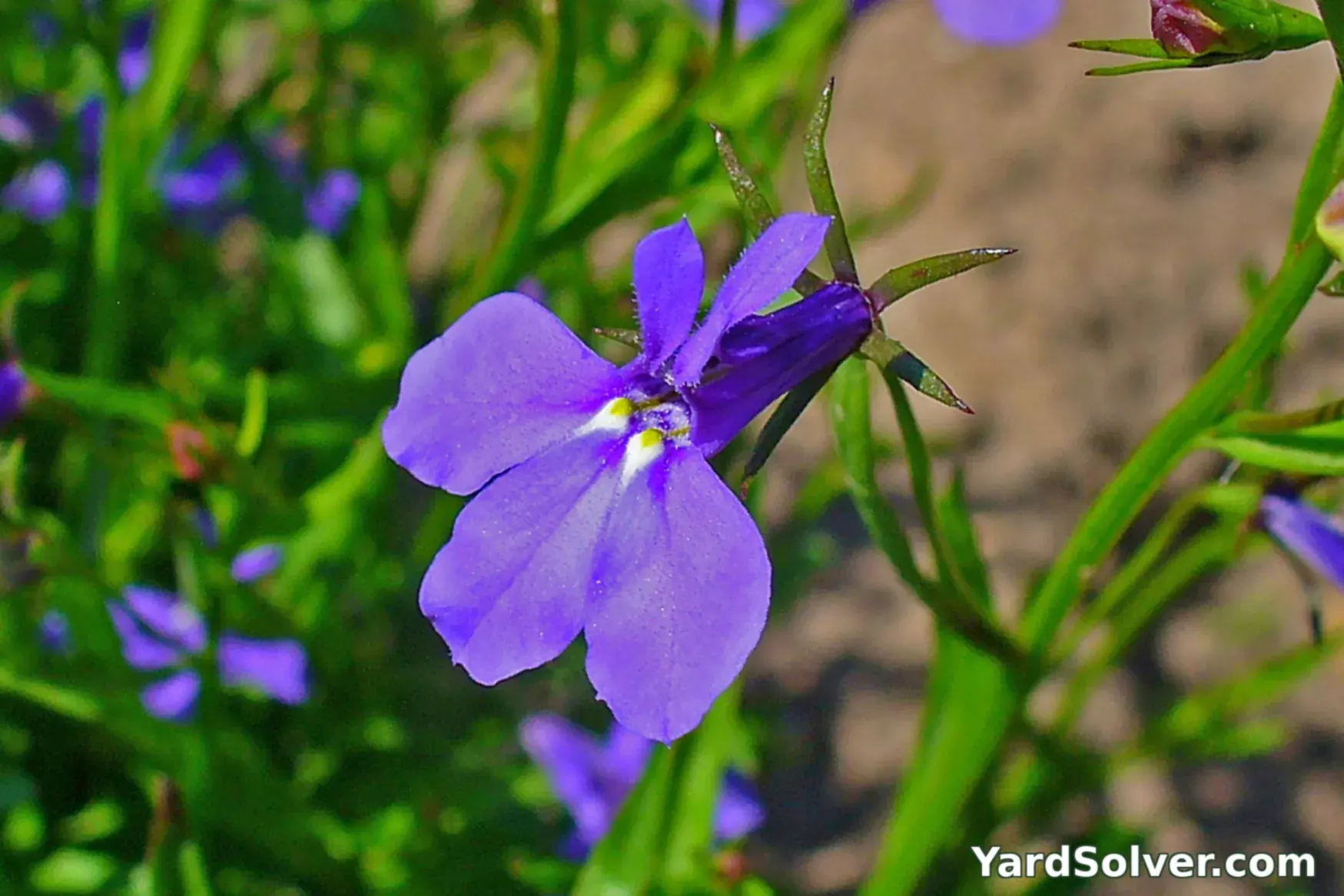
Never let lobelia dry out: a single baked afternoon in a basket can end it. Water daily in summer (twice in heatwaves) and feed weekly with a balanced liquid feed — the Fertilizer Calculator turns your bed size into exact amounts. In the ground, mulch and water in every dry spell.
Step 5 — Care and the problems to watch for
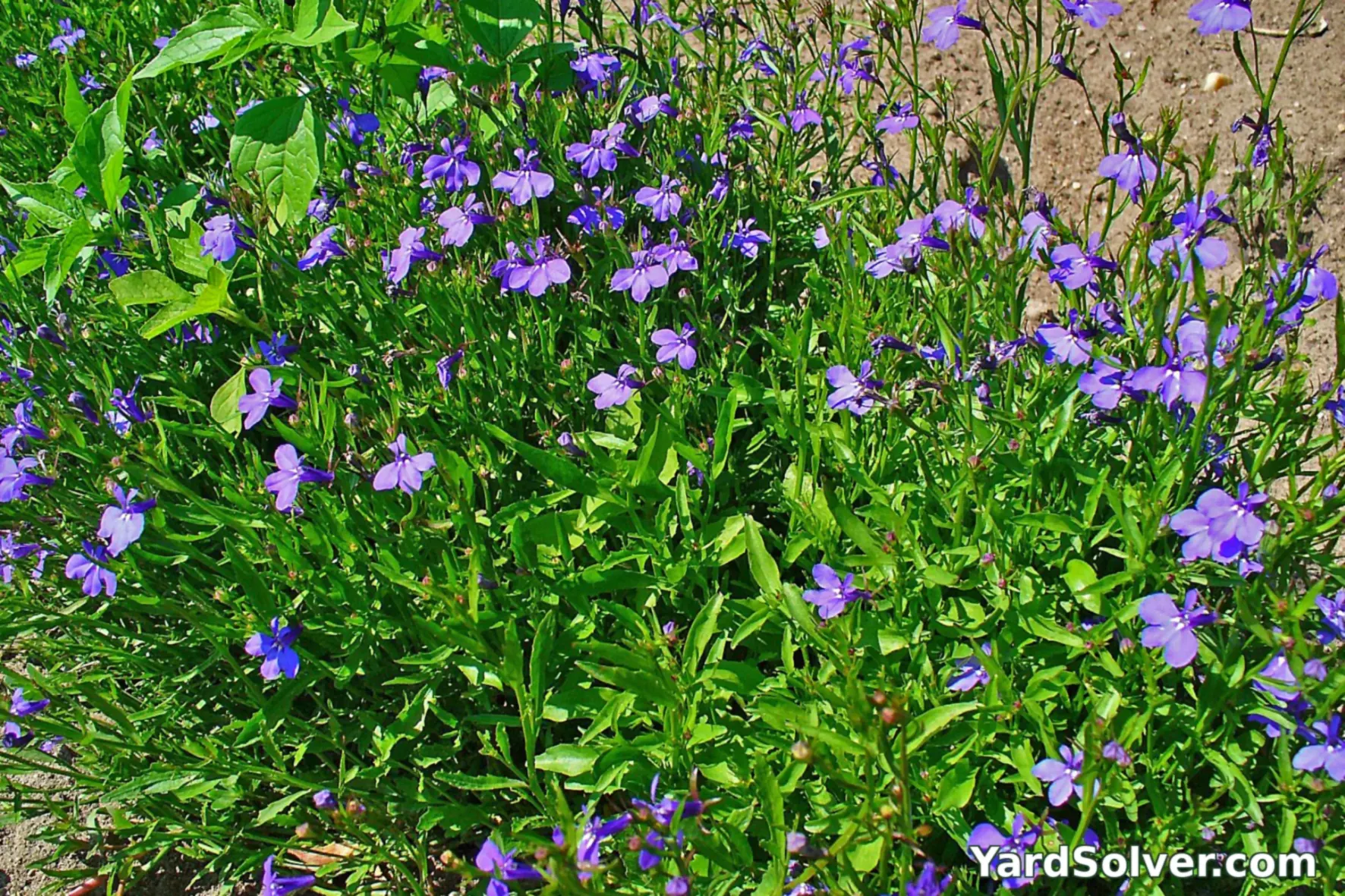
Lobelia's classic midsummer slump (heat, tired roots, too many spent flowers) has a classic cure: shear the whole plant back by a third to a half, water and feed it, and it re-flowers in 2–3 weeks, often better than spring.
- Collapse in a heatwave — water deeply, move the basket to shade, shear if it doesn't revive.
- Bare, stringy growth — the July shear was skipped; do it now.
- No germination — buried seed; lobelia must sit in the light.
Step 6 — Harvest
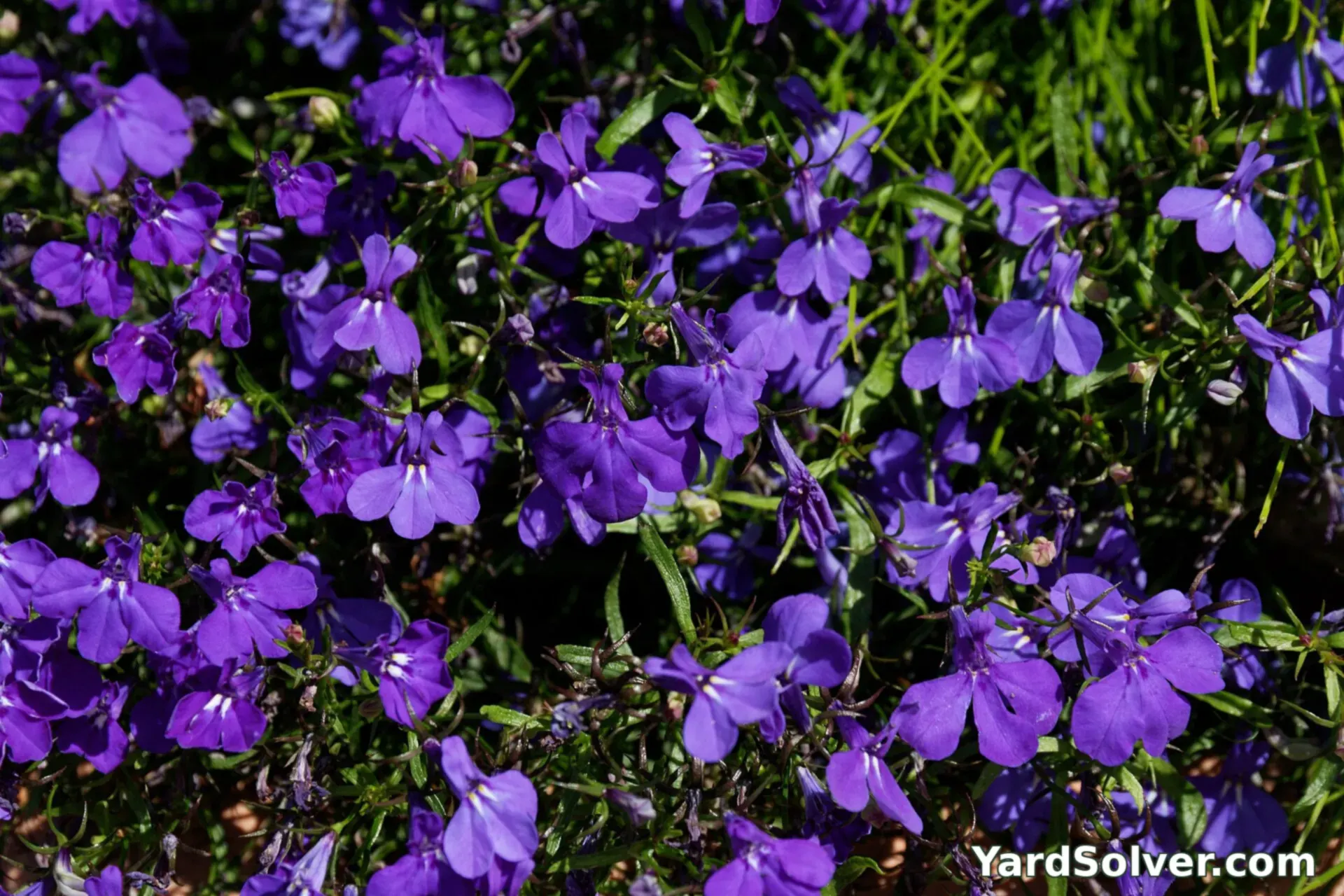
Lobelia is a display plant through and through. Before frost, you can lift a favourite trailing plant, pot it, and overwinter it on a cool bright sill for cuttings in spring — named colours come true only that way. Otherwise, let the frost close the show and start the tray again in the new year.
📅 Your personal Lobelia schedule
Counted from your planting day — not a generic calendar. Day 0 is the day the seed went in the ground or the young plant went out.
Varieties worth growing
| Variety | Colour | Why gardeners like it |
|---|---|---|
| Crystal Palace | Deep blue, bronze leaves | The Victorian classic — dark foliage makes the blue blaze. |
| Cascade Mix | Blues, white, pink, trailing | The basket strain — long trailers in mixed colours. |
| Regatta series | Early, trailing, many shades | Bred to flower weeks earlier than old strains — more blue per season. |
Good for you — and take care
Benefits
- The truest blues in bedding — a colour almost nothing else supplies.
- The definitive basket and edging trailer.
- A July shear buys a whole second season of flower.
Take care
- Thirsty — baskets must never dry out in summer.
- Not edible — alkaloid-containing; eyes only.
- Heat slump is normal; shear and feed rather than replacing.
A little history — and one good fact
Lobelia erinus comes from the damp rocks and stream banks of South Africa — which explains everything about its thirst. Named for the Flemish botanist Matthias de Lobel, it became the Victorian bedding plant for the colour blue itself, edging a million carpet beds.
Fun fact: Lobelia's blue is so valued that breeders have chased it for 150 years — the deepest shades, like 'Crystal Palace', still come from Victorian-era selections.
Keep going
Guides: Container gardening for beginners · Succession planting · Companion planting basics
Calculators: Plant Spacing Calculator · Garden Mix Calculator · Fertilizer Calculator
More flowers: Sweet Alyssum · Calibrachoa · Geranium · Impatiens
← Back to the Plant Library · Get your personal planting dates
Questions people ask
Why did my lobelia die in the heatwave?
Lobelia is a plant of damp, cool rocks — a dry basket in a heatwave is its worst day. Water deeply, move it into shade, and shear it back; if the roots are alive it re-flowers within weeks. Prevention is faithful daily watering.
How do I get lobelia to flower again in autumn?
Give it the July haircut: shear the plant back by a third to a half, then water and feed weekly. The fresh growth flowers from late August until frost.
Can lobelia grow in full sun?
In cool-summer climates, yes. Where summers are hot, it flowers longest with afternoon shade and never-ending water — a north or east-facing basket is ideal.
Trailing lobelia stops in heat and restarts after a haircut: shear it, feed it, and the second flush is better than the first
Annual lobelia (Lobelia erinus) is the edging and basket plant that carpets itself in blue, violet or white through early summer — and then, in hot weather, typically thins, browns and stops. That stall is not the end of the plant: sheared back by a third, watered and fed, lobelia regrows fresh foliage and flowers again as nights cool, often giving its best display in late summer. Gardeners who pull it out in July miss the second act entirely.
From seed it needs the same patience as lisianthus, in miniature: dust-fine seed, sown on the surface in late winter, never buried and never dried out. In the ground or the basket, the rule is moisture — lobelia has fine roots and resents drought, which is why basket plants fail first in a heatwave and why a moisture-retentive compost and regular watering matter more than variety choice.
The worked example: baskets sheared, fed and kept watered through the hot spell typically refoliate and reflower within weeks. The same baskets left dry and uncut typically stay brown to the end of the season — lobelia's summer sulk is a request for a haircut and a drink, not a farewell.
Sources
Key facts on this page — timing, spacing and care — cross-checked against Lobelia erinus — Wikipedia — background on trailing lobelia and its cultivation and NC State Extension Plant Toolbox — Lobelia erinus — culture and care requirements.
Related page
Read next: Best Vegetables for Containers: Pots, Soil & Watering.
Comments & ratings
No comments yet.
Be the first to share your experience.