
Plant Library · Flowers · By Faizan Ahmad
🌸 How to Grow Fuchsia
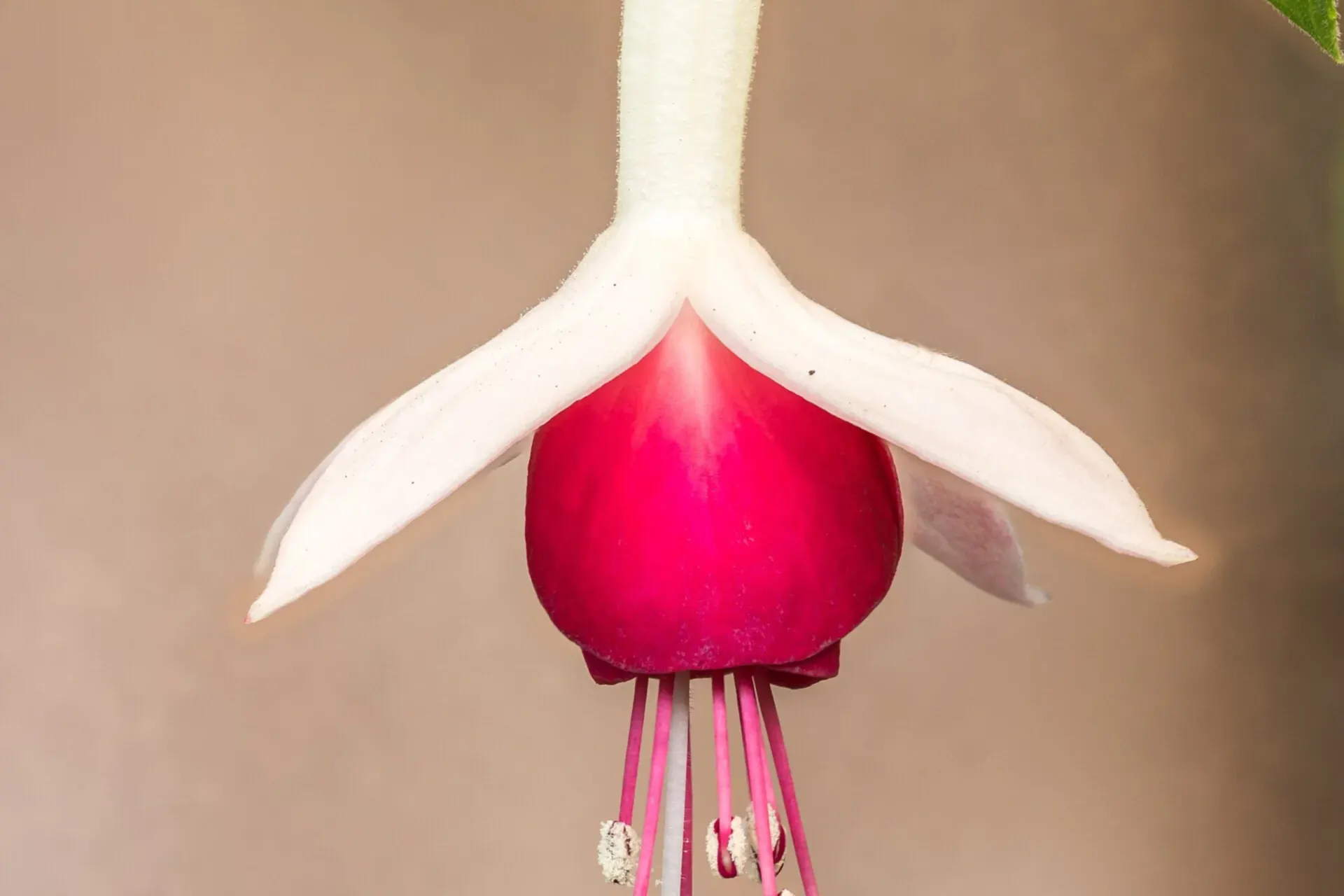
Ballerina flowers by the hundred in the shade — fuchsias dance where sun-lovers refuse to perform. Garden fuchsias are tender shrubs grown from cuttings or bought plants, trailing from baskets or standing in borders, flowering from June to the frosts if you feed them. Hardy types (Fuchsia magellanica and kin) survive winters in mild districts and make flowering hedges; the basket beauties winter indoors.
Grow Fuchsia with us — step by step
Everything for this plant is written step by step below — what to do, and exactly when. Read it through first if you like: you can grow it entirely on your own with that guide. Or start with us here — tell us your planting day and we lay out your personal schedule on this page, every next step on its own day, counted from your planting date. No guessing, no forgetting.
Step 1 — today: Buy young fuchsia plants in spring, or root soft tip cuttings — they strike in water or compost within a fortnight.
Fuchsia at a glance
Plant out: After last frost, from bought plants or rooted cuttings
Move indoors: Before first frost (tender types)
Sow outdoors: From seed is a breeder's game — cuttings come true
Spacing: 12 in apart in beds; 3–5 plants per basket by size
Sun: Part shade — morning sun, afternoon shade is ideal
Water: Regular — never let baskets dry out
Bloom: June to frost with weekly feeding
Timing counts from your average last spring frost — get your own dates in the Planting Calendar. Guidance follows standard extension-service practice for Canada and the US.
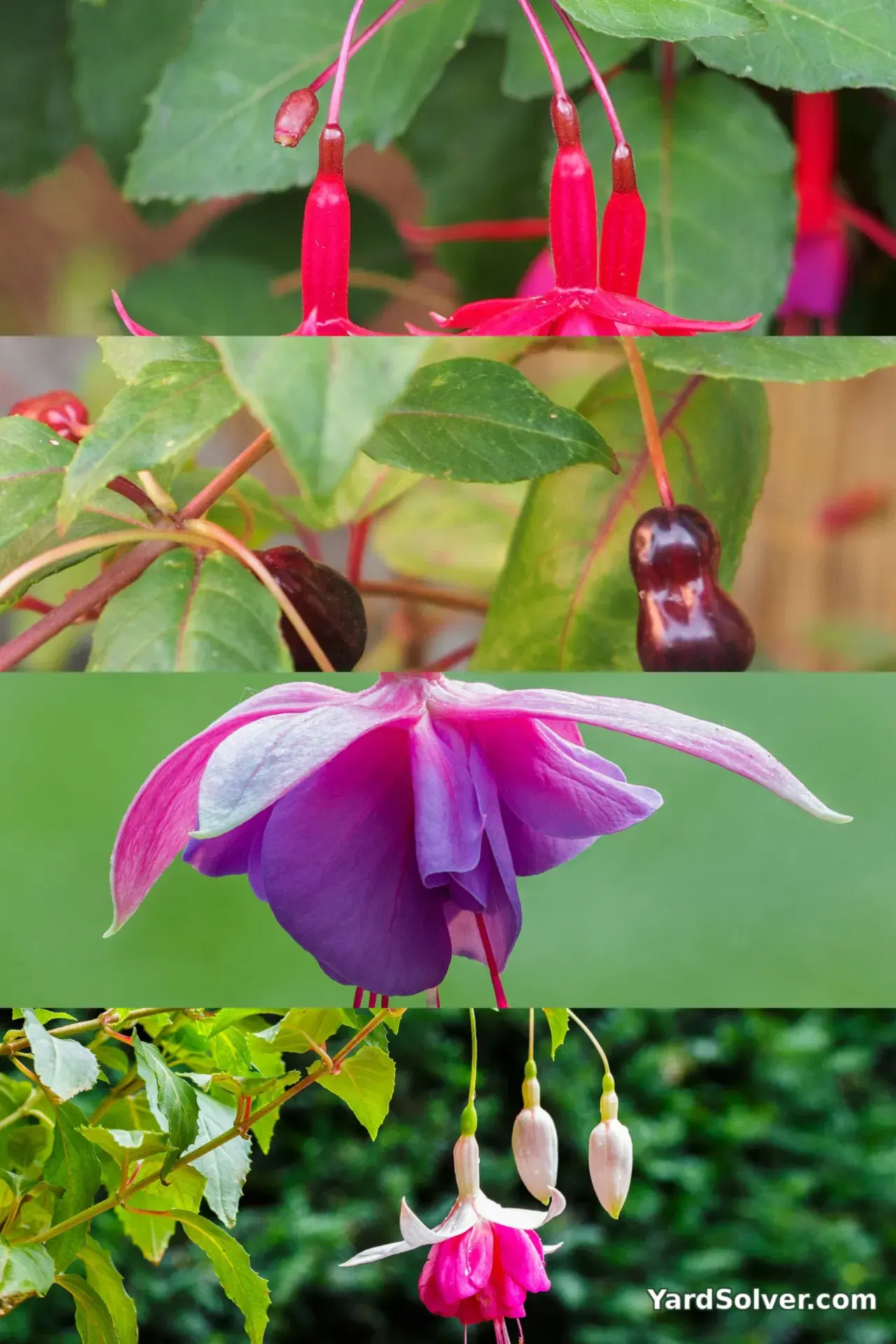
How to plant and grow fuchsia, step by step
Step 1 — Time it right
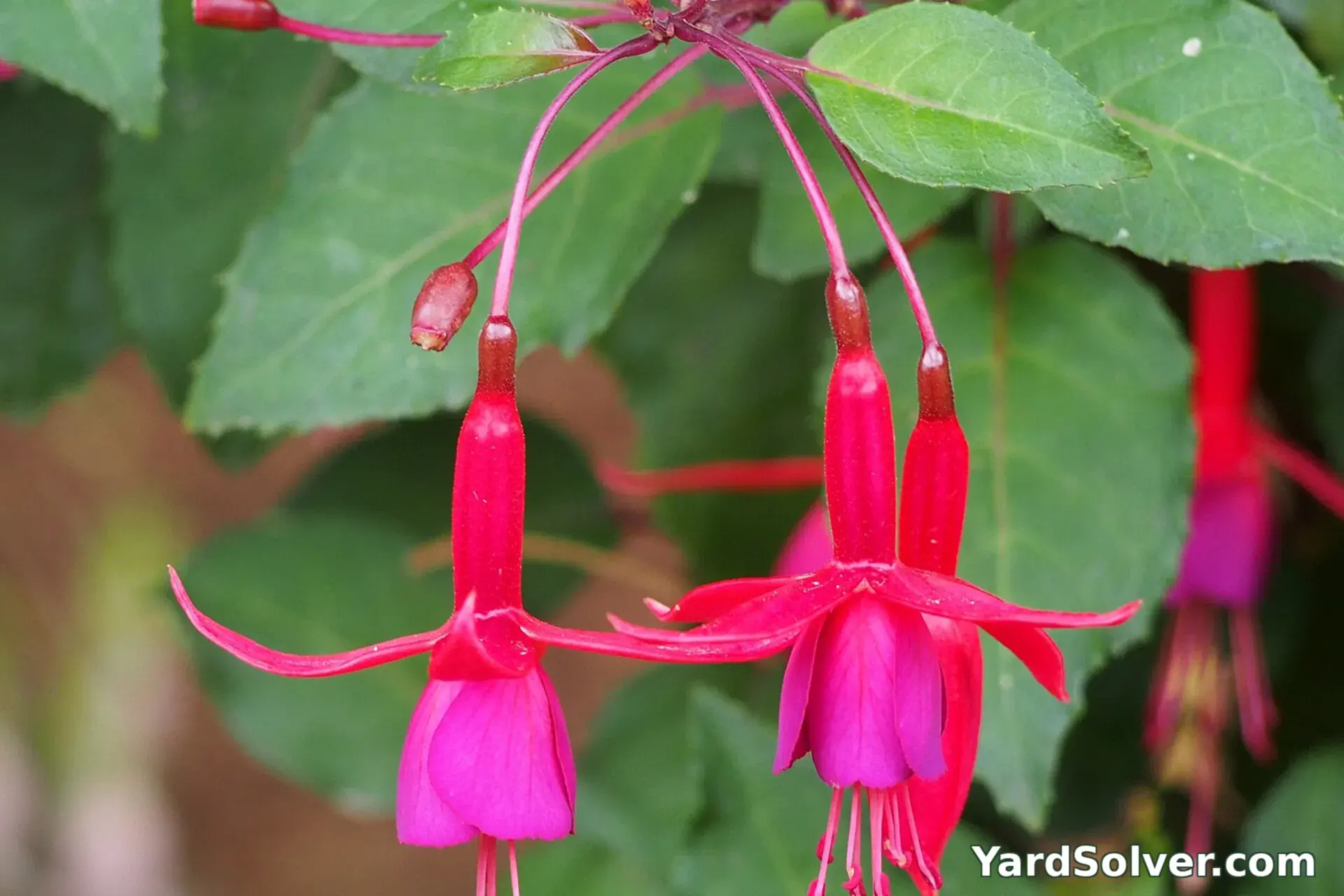
Plant out: after last frost, from bought plants or rooted cuttings; From seed: not the gardener's route — cuttings come true to variety. All dates count from your average last spring frost — the Planting Calendar turns them into real dates for your garden. Fuchsia cuttings root so readily (in water on a windowsill, even) that seed is irrelevant to gardeners. Buy plants of named varieties in spring, or take cuttings from a friend: 3 in soft tips, lower leaves removed, in gritty compost or water. Pinch every young plant's tip once — the branching is what carries the hundred flowers.
Step 2 — Prepare the spot
Fuchsias are plants of cool mountain forests in South America: they want rich, moisture-retentive soil and respite from hot afternoon sun. A basket in morning sun and afternoon shade, or a bed on the cool side of the house, is perfect. Use the richest compost you have — fuchsias are heavy feeders asked to flower for five months. For a raised bed, the Raised Bed Soil Calculator counts the bags for you; mixing your own? The Garden Soil Calculator gives the compost-rich split to aim for.
Step 3 — Sow and plant out
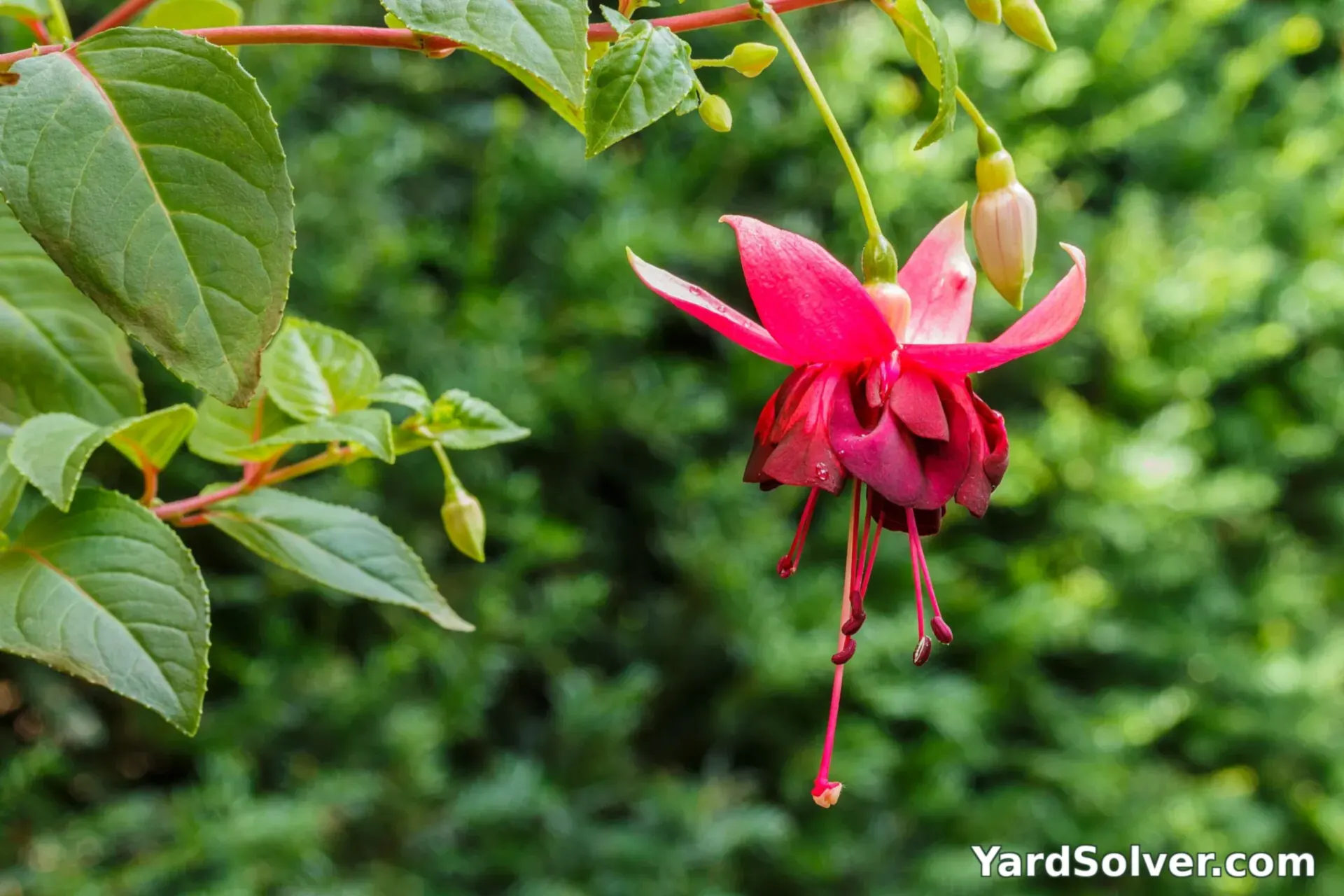
Set plants at their pot depth — 12 in apart in beds; three to five around a basket depending on size. The Plant Spacing Calculator turns your bed size into an exact plant count. Water in well. Good neighbours: fuchsias lead the shade cast with impatiens and lobelia, flowering where the sun-lovers can't.
Step 4 — Water and feed
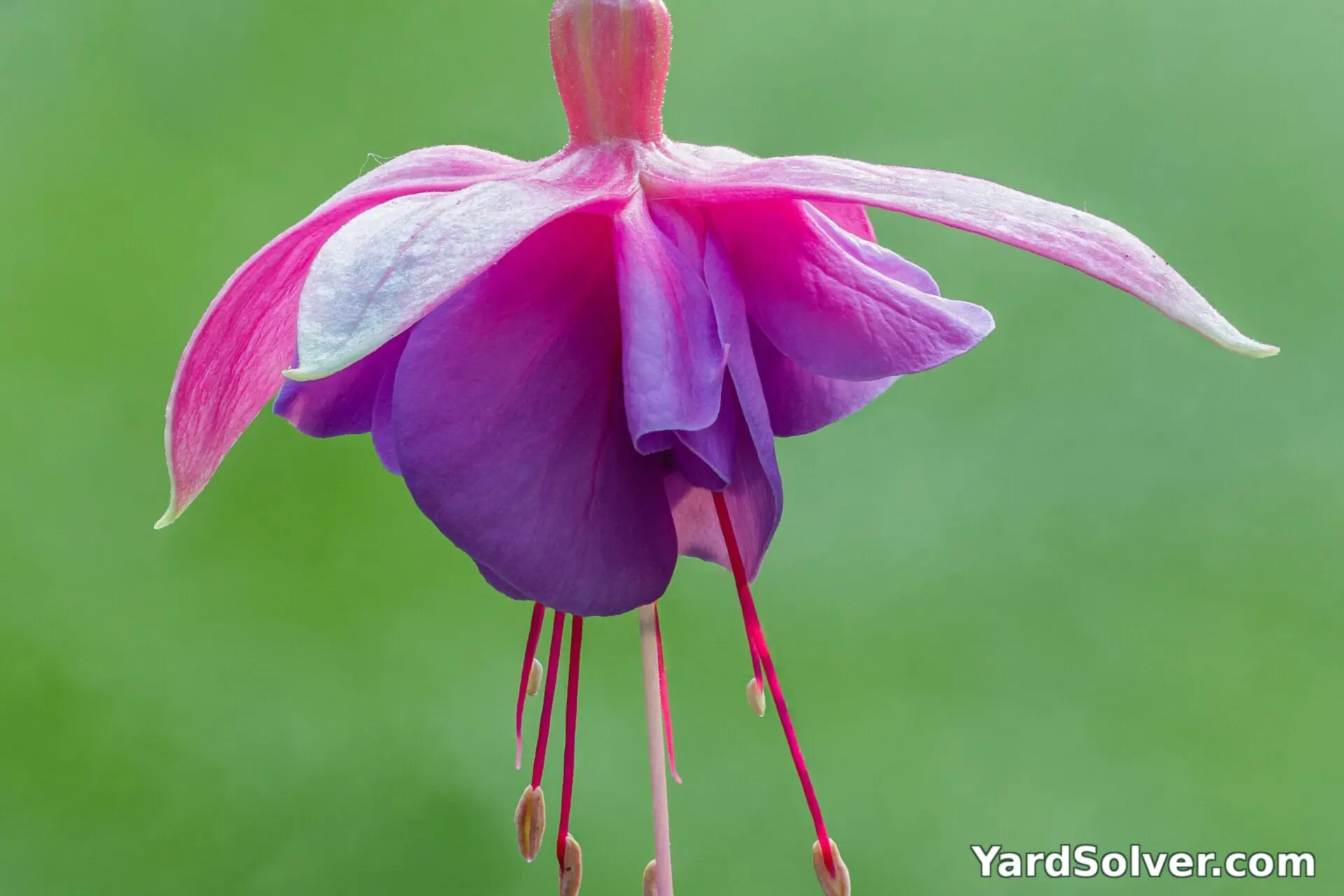
Baskets of fuchsias drink daily in summer and starve without weekly liquid feeding — the flowers are built from both. Use a balanced feed weekly, switching to high-potash as buds show — the Fertilizer Calculator turns your bed size into exact amounts. Wilted plants recover from a soak in a bucket, but repeated wilting sheds the buds.
Step 5 — Care and the problems to watch for
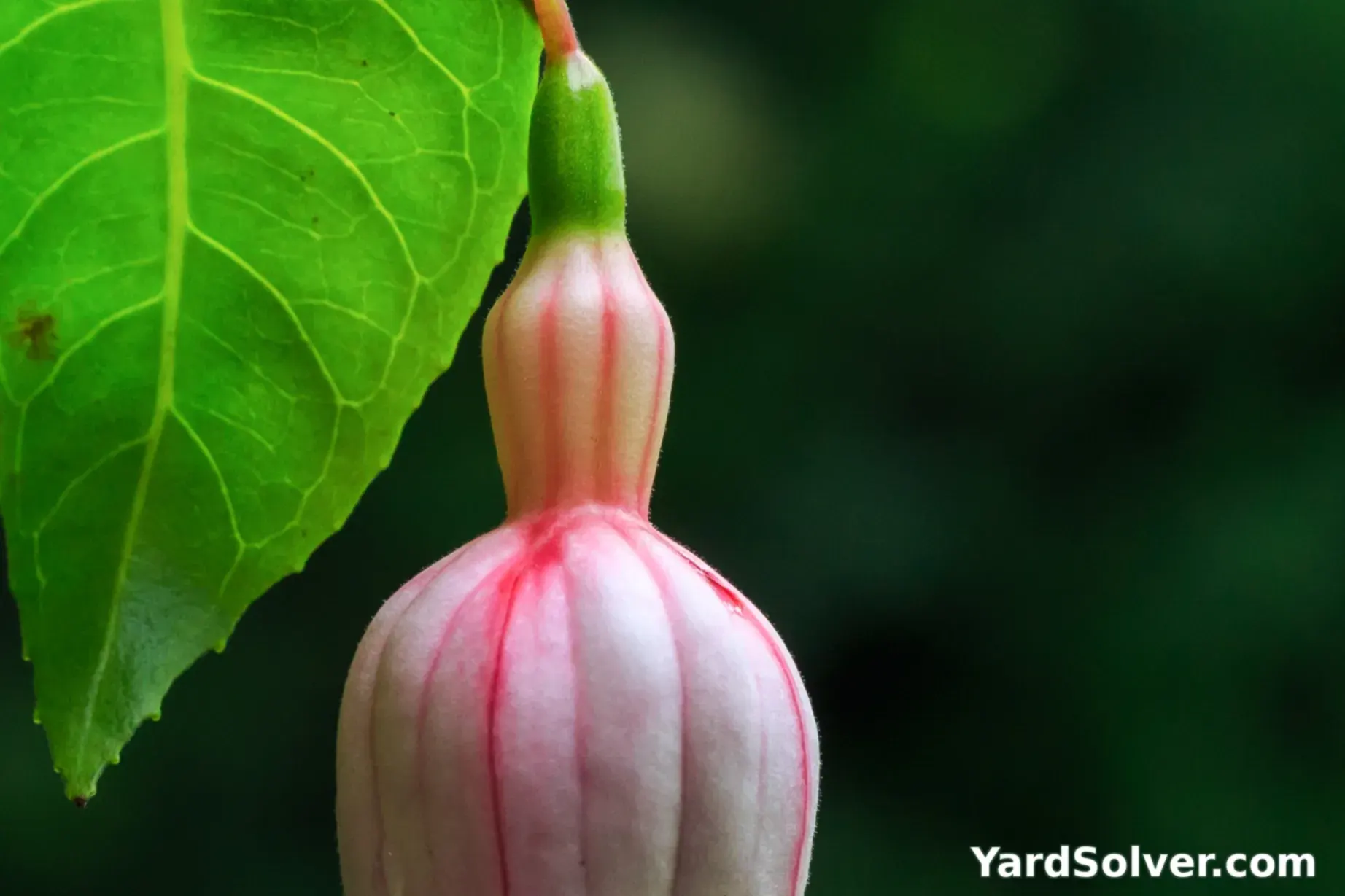
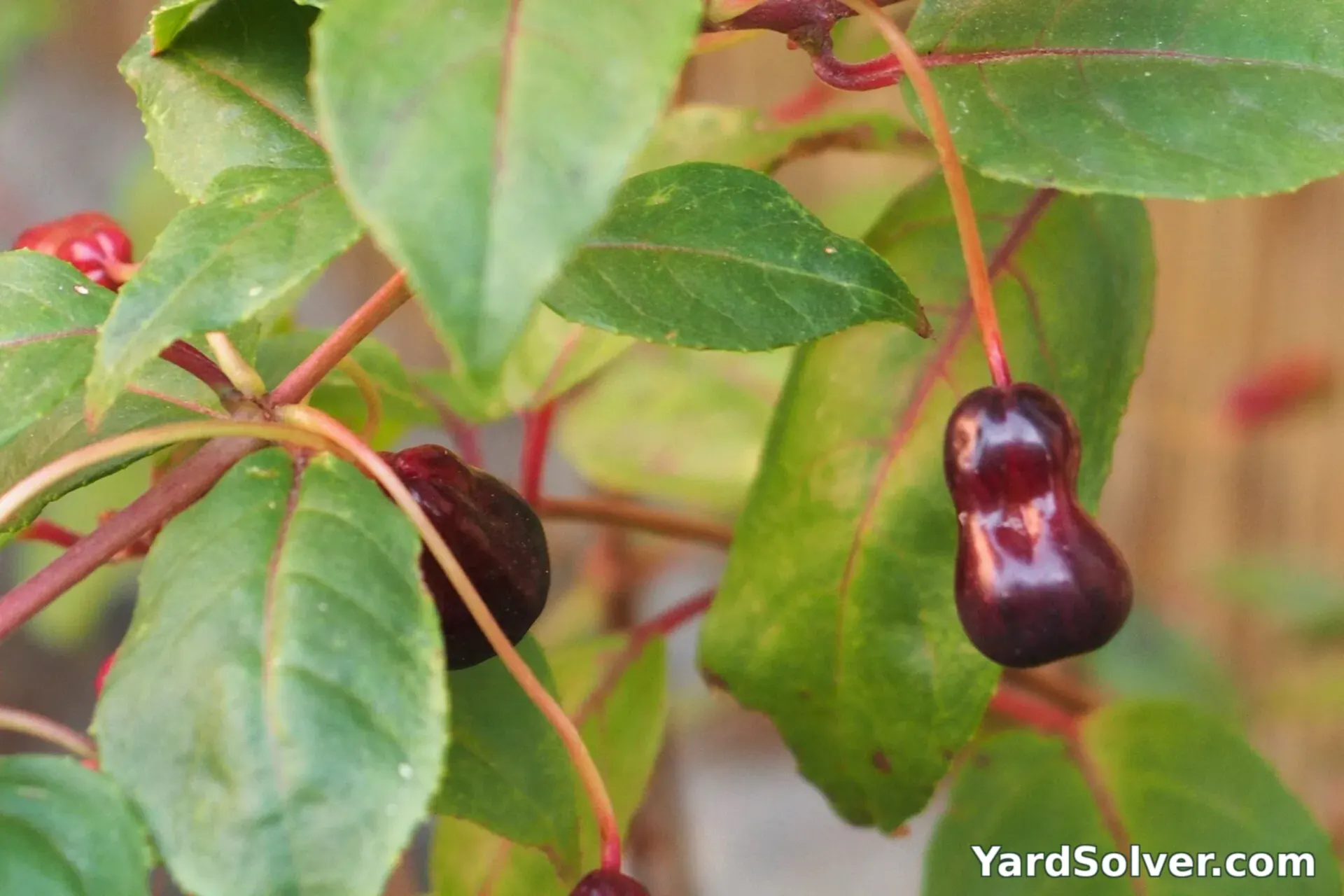
Deadhead by removing the swelling berries behind spent flowers — plants left to berry stop flowering to ripen them. Pinch long shoots through early summer for bushiness.
- Whitefly — the fuchsia's shadow; shake plants over a sticky trap and wipe leaves, especially indoors.
- Fuchsia gall mite — distorted, swollen shoot tips; cut out and destroy affected growth promptly.
- Bud drop — drought or a cold night; steady the watering rhythm.
Step 6 — Harvest
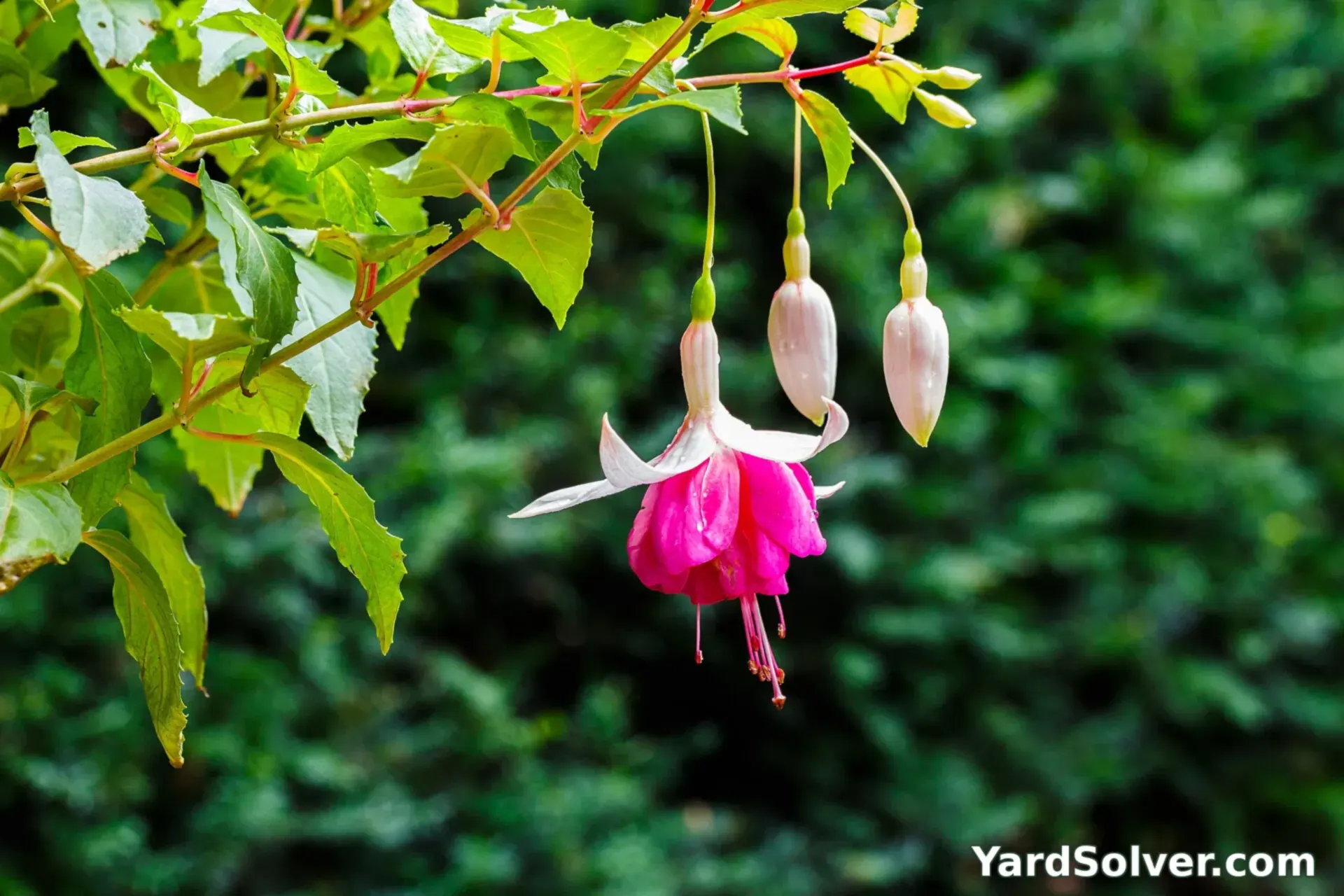
The flowers are the display; the propagation is the harvest. In late summer, take cuttings of the varieties you loved, root them in water or compost, and overwinter the little plants on a bright cool sill — next year's baskets, free. Hardy border types simply get a deep mulch and a spring tidy, and in mild districts become flowering hedges that hum with bees.
📅 Your personal Fuchsia schedule
Counted from your planting day — not a generic calendar. Day 0 is the day the seed went in the ground or the young plant went out.
Varieties worth growing
| Variety | Colour | Why gardeners like it |
|---|---|---|
| Swingtime | Red and white, trailing | The classic basket fuchsia — red skirts, white tutus, endless flowers. |
| Mrs Popple | Red and purple, hardy | A nearly century-old hardy variety for borders and hedges in mild districts. |
| Dollar Princess | Double purple and red, upright | Ruffled double flowers on a bushy plant for pots and beds. |
Good for you — and take care
Benefits
- Hundreds of flowers in shade, June to frost.
- Hummingbirds (where they live) and bees work them constantly.
- Cuttings root in water — a variety you love is yours forever.
Take care
- Thirsty and hungry — baskets need daily water and weekly feed.
- Tender types die at the first frost; bring them in.
- Pick off berries or flowering pauses to ripen them.
A little history — and one good fact
Fuchsias were found in the Americas in the 1700s and named for the German botanist Leonhart Fuchs. Victorian Britain went fuchsia-mad — thousands of varieties were bred — and in the mild, wet west of Britain and Ireland the hardy kinds escaped to become the flowering hedges of country lanes.
Fun fact: In its South American home, fuchsia is pollinated by hummingbirds — the dangling, red-tubed flowers are built to be worked from below by a hovering bird.
Keep going
Guides: Container gardening for beginners · Succession planting · Companion planting basics
Calculators: Plant Spacing Calculator · Garden Mix Calculator · Fertilizer Calculator
More flowers: Impatiens · Geranium · Lobelia · Calibrachoa
← Back to the Plant Library · Get your personal planting dates
Questions people ask
Why are my fuchsia buds dropping?
Drought at the roots, a cold night, or a move from shade to blazing sun are the usual triggers. Fuchsias want an even life: steady moisture, weekly feed, and shelter from the midday furnace.
Can fuchsias survive winter outside?
Hardy types (magellanica varieties and hardy hybrids) survive in mild districts — roughly zone 7 and warmer with a deep mulch; they may die to the ground and resprout. Basket and tender types must come indoors before frost.
Should I really remove the berries?
Yes, if you want flowers to keep coming. A plant ripening berries diverts its energy to seed. Snip the swelling berries off behind spent blooms and the flowering continues to the frosts.
A basket plant that wants morning sun, cool roots and never a missed watering on a hot day
Garden fuchsias are mostly tender hybrids bred from South American mountain species, and that origin sets their preferences: bright light without baking heat, air that moves, and soil that stays evenly moist. Morning sun with afternoon shade is the classic placement; a basket hung in full afternoon sun on a hot wall is the classic way to lose one in a weekend.
The care rhythm is simple but unforgiving. Water before the compost dries out — a fuchsia wilted hard by drought drops buds and flowers even after it recovers. Feed weekly at half strength through the flowering season, and pinch the growing tips of young plants early to build the branching framework the flowers hang from. Hardy types such as Fuchsia magellanica survive winter in mild climates as shrubs; tender basket types need a frost-free place or replacement each spring.
The worked example: a basket watered daily in hot weather, fed weekly and given afternoon shade flowers from early summer to the first frosts. The identical basket left to dry out twice in a July heatwave typically sheds its buds, defoliates at the centre and never fully refills — with fuchsias, the watering can is the fertiliser's senior partner.
Sources
Key facts on this page — timing, spacing and care — cross-checked against Fuchsia — Wikipedia — background on the genus, its origins and its cultivated hybrids.
Related page
Read next: Best Vegetables for Containers: Pots, Soil & Watering.
Comments & ratings
No comments yet.
Be the first to share your experience.