
Plant Library · Flowers · By Faizan Ahmad
🌸 How to Grow Impatiens (Busy Lizzie)
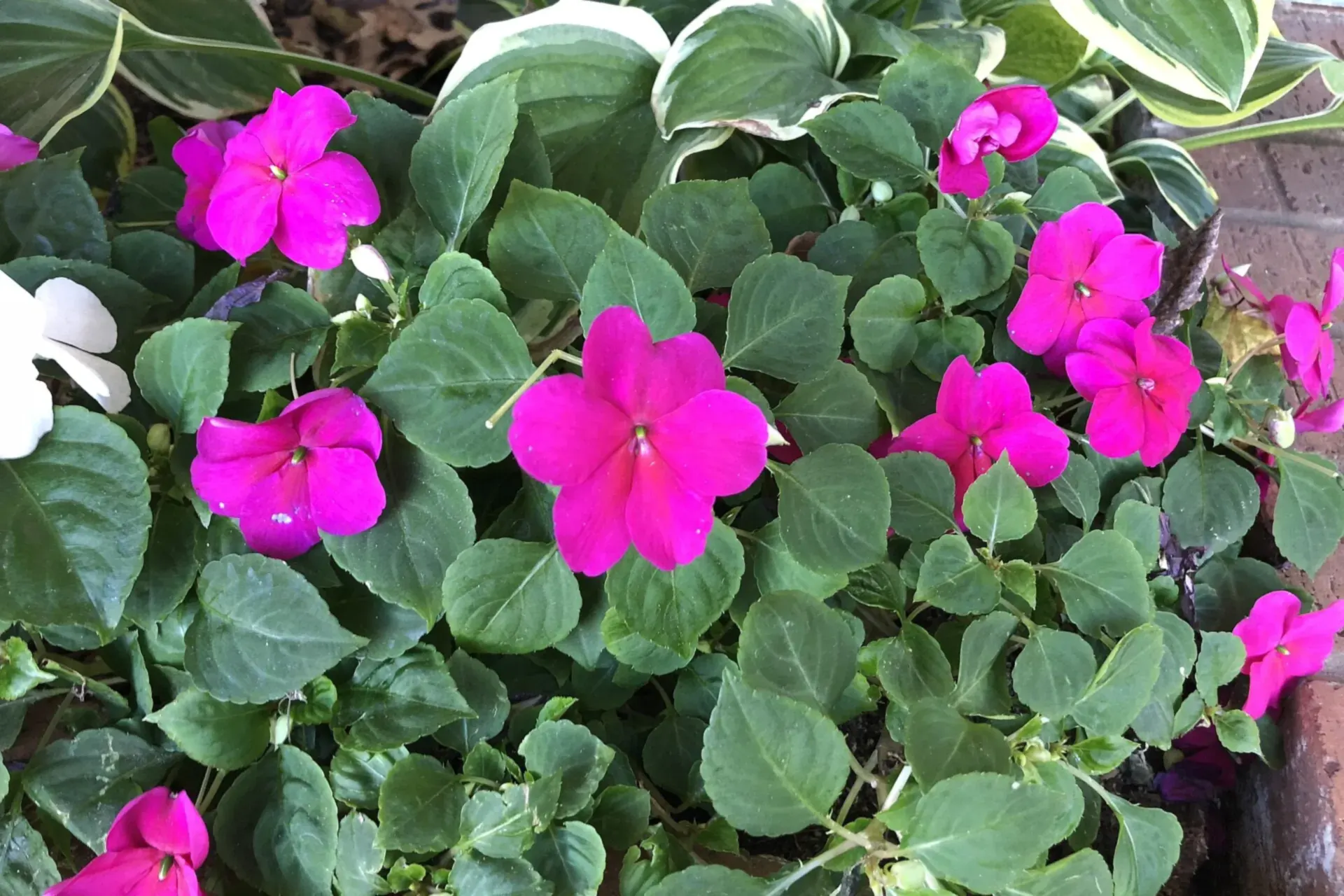
The shade garden's workhorse — mounds of jewel flowers where almost nothing else blooms. Impatiens (Busy Lizzie) flowers non-stop from June to frost in shade that defeats most annuals. One modern caveat: impatiens downy mildew has devastated classic types in many regions, so mildew-resistant series (and the sun-tougher New Guinea hybrids) are the smart buy. Seed is dust-fine and slow — most gardeners buy plants.
Grow Impatiens (Busy Lizzie) with us — step by step
Everything for this plant is written step by step below — what to do, and exactly when. Read it through first if you like: you can grow it entirely on your own with that guide. Or start with us here — tell us your planting day and we lay out your personal schedule on this page, every next step on its own day, counted from your planting date. No guessing, no forgetting.
Step 1 — today: Buy young impatiens plants in spring (choose mildew-resistant series), or surface-sow the dust seed early under lights.
Impatiens (Busy Lizzie) at a glance
Sow indoors: 8–10 weeks before last frost — seed is dust-fine and slow
Move outside: 1 week after last frost
Sow outdoors: Not practical — buy plants or start early indoors
Spacing · Seed depth: 11 in apart · surface — seed needs light
Sun: Part shade to full shade (New Guinea types take more sun)
Water: Regular — wilts fast when dry, revives fast too
Bloom: June to frost; no deadheading needed
Timing counts from your average last spring frost — get your own dates in the Planting Calendar. Guidance follows standard extension-service practice for Canada and the US.
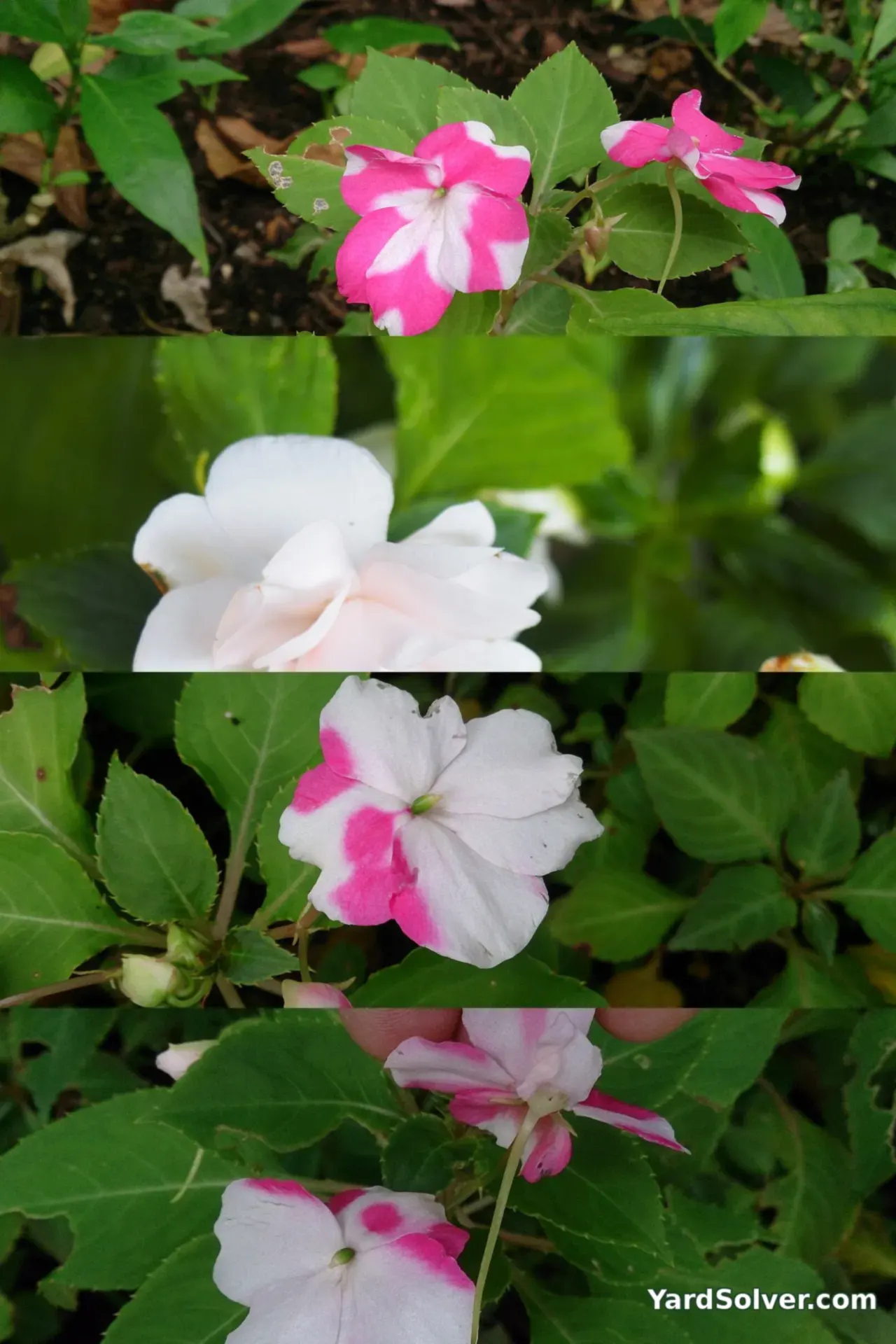
How to plant and grow impatiens, step by step
Step 1 — Time it right
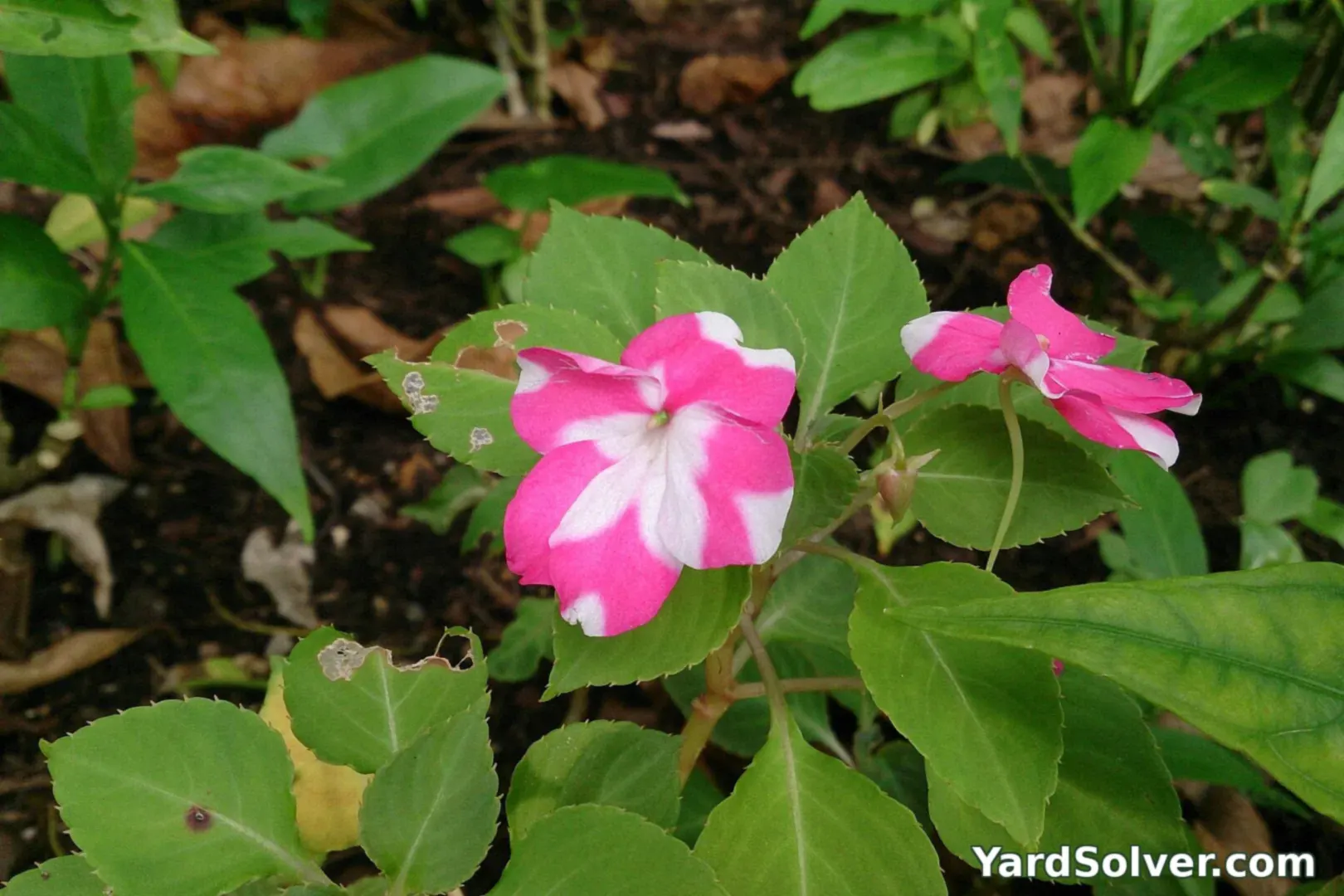
Sow indoors: 8–10 weeks before last frost, on the surface under light; Move outside: 1 week after last frost; Sow outdoors: not practical. All dates count from your average last spring frost — the Planting Calendar turns them into real dates for your garden. Impatiens seed needs light and warmth (21–24 °C / 70–75 °F) and even then takes 2–3 weeks to germinate and grows slowly — hence the early start and the popularity of bought plants. Whichever route, plant out only into warm soil after frost: cold-checked impatiens sit and sulk.
Step 2 — Prepare the spot
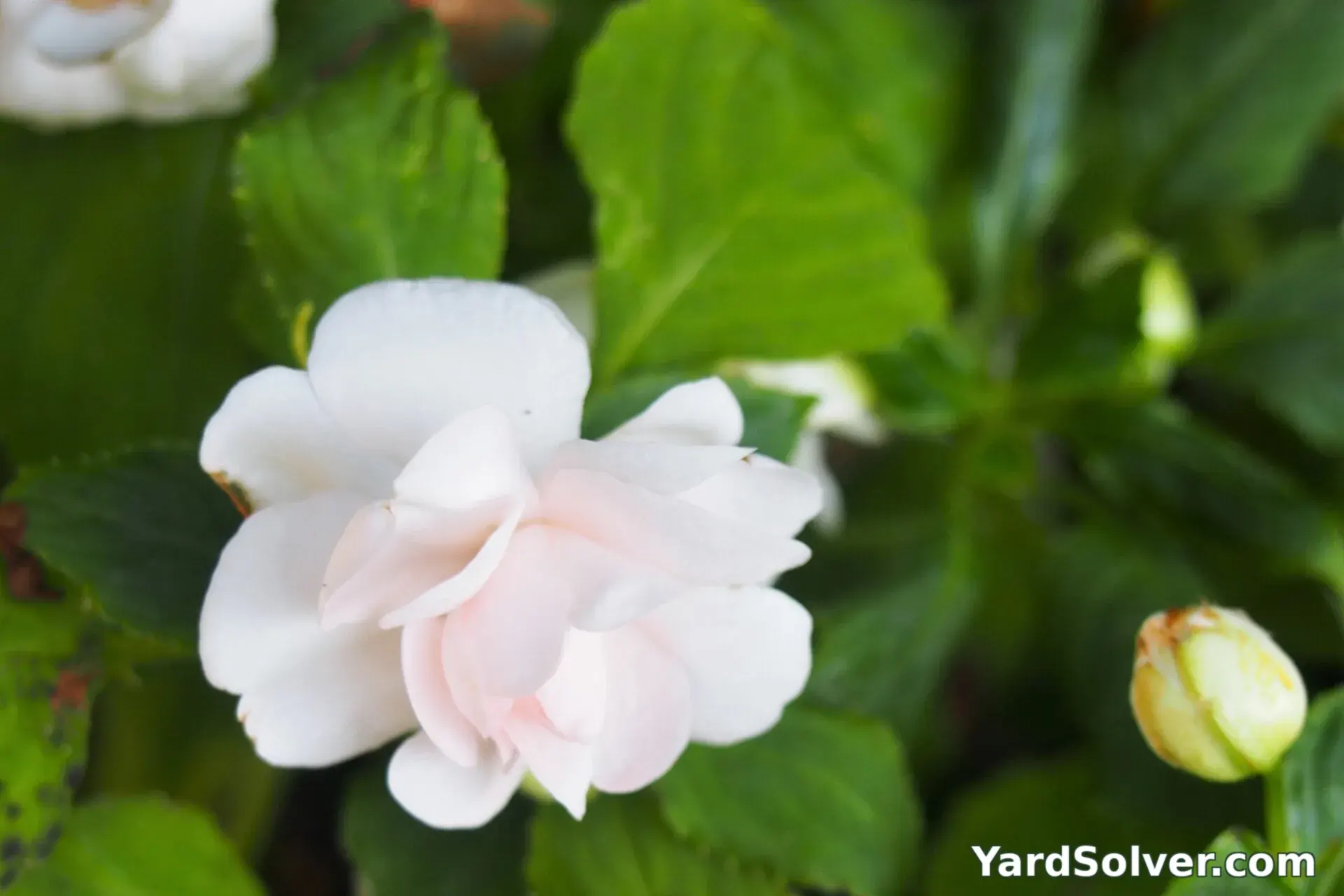
Impatiens wants the opposite of the Mediterranean herbs: rich, moisture-holding soil in shade. Dig in generous compost — under trees, add extra, because tree roots compete hard for water. In pots and baskets, use a rich mix and expect to water faithfully. For a raised bed, the Raised Bed Soil Calculator counts the bags for you; mixing your own? The Garden Soil Calculator gives the compost-rich split to aim for.
Step 3 — Sow and plant out
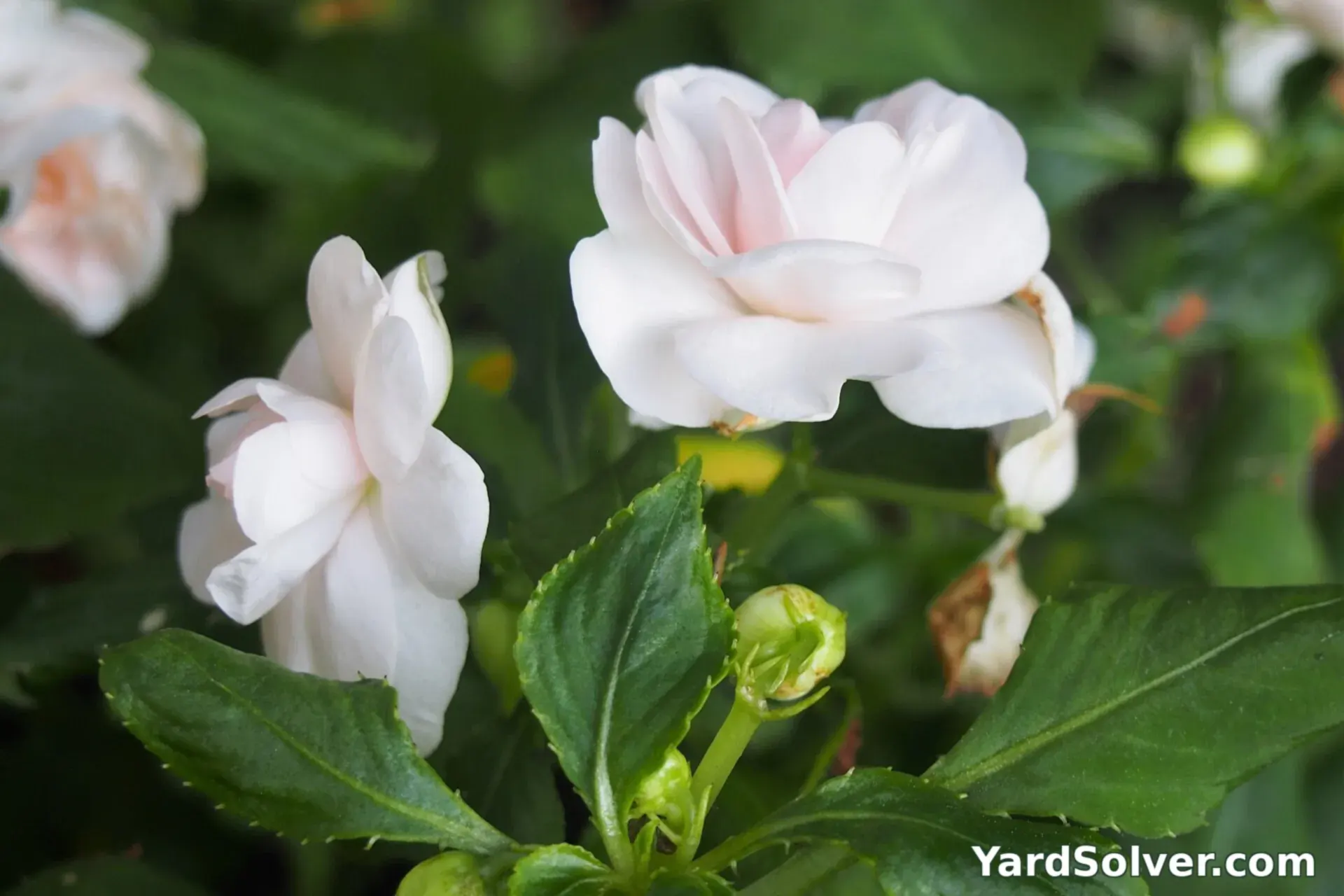
Set plants 11 in apart, at their pot depth, and water in well. The Plant Spacing Calculator turns your bed size into an exact plant count. Good neighbours: impatiens carries the shade show alongside fuchsias, begonias and hostas — the full shade-garden cast.
Step 4 — Water and feed
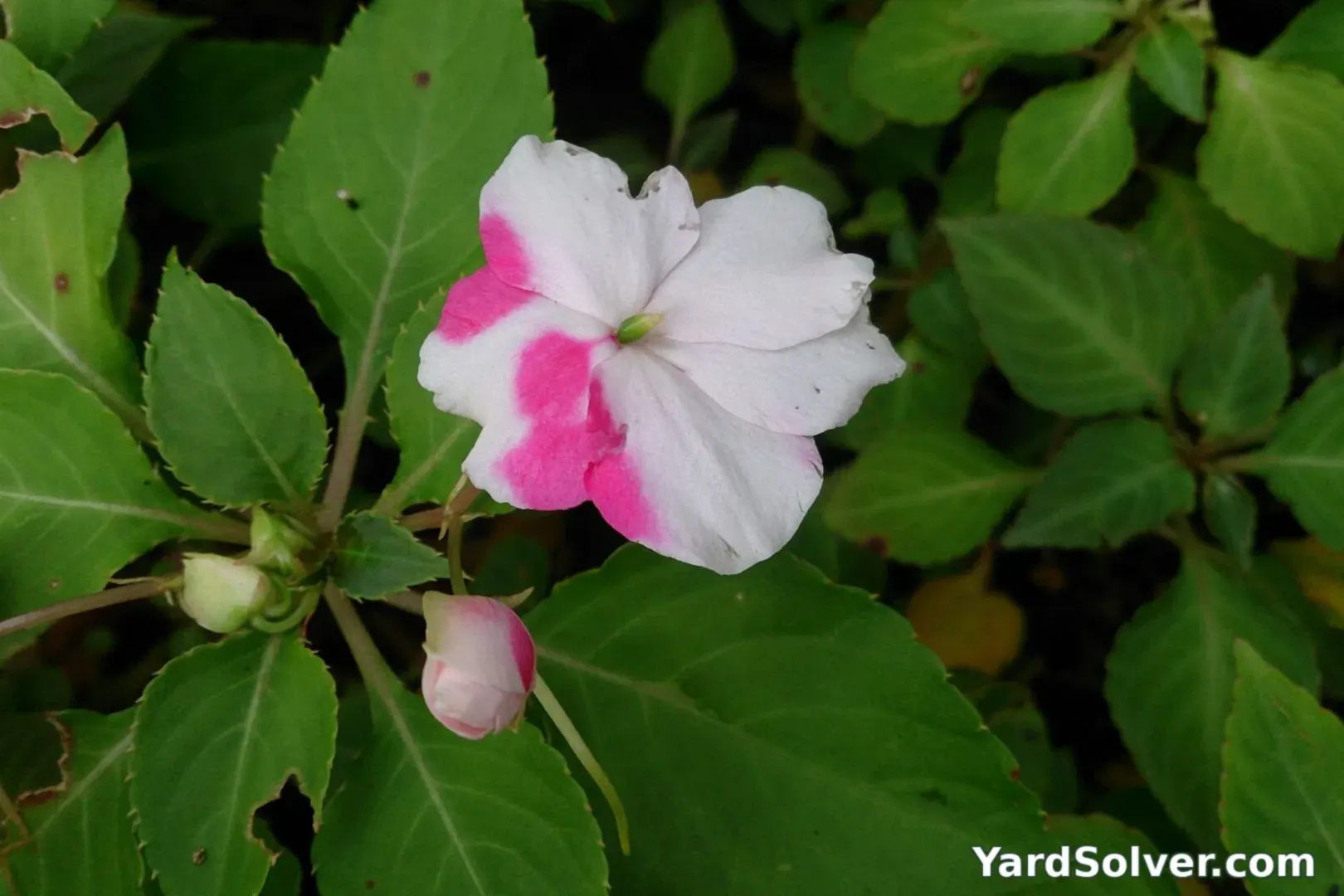
Keep impatiens evenly moist — it wilts theatrically when dry and (mercifully) recovers within hours of a soak. Feed bedded plants once at planting; feed containers every two weeks with a balanced liquid feed — the Fertilizer Calculator turns your bed size into exact amounts.
Step 5 — Care and the problems to watch for
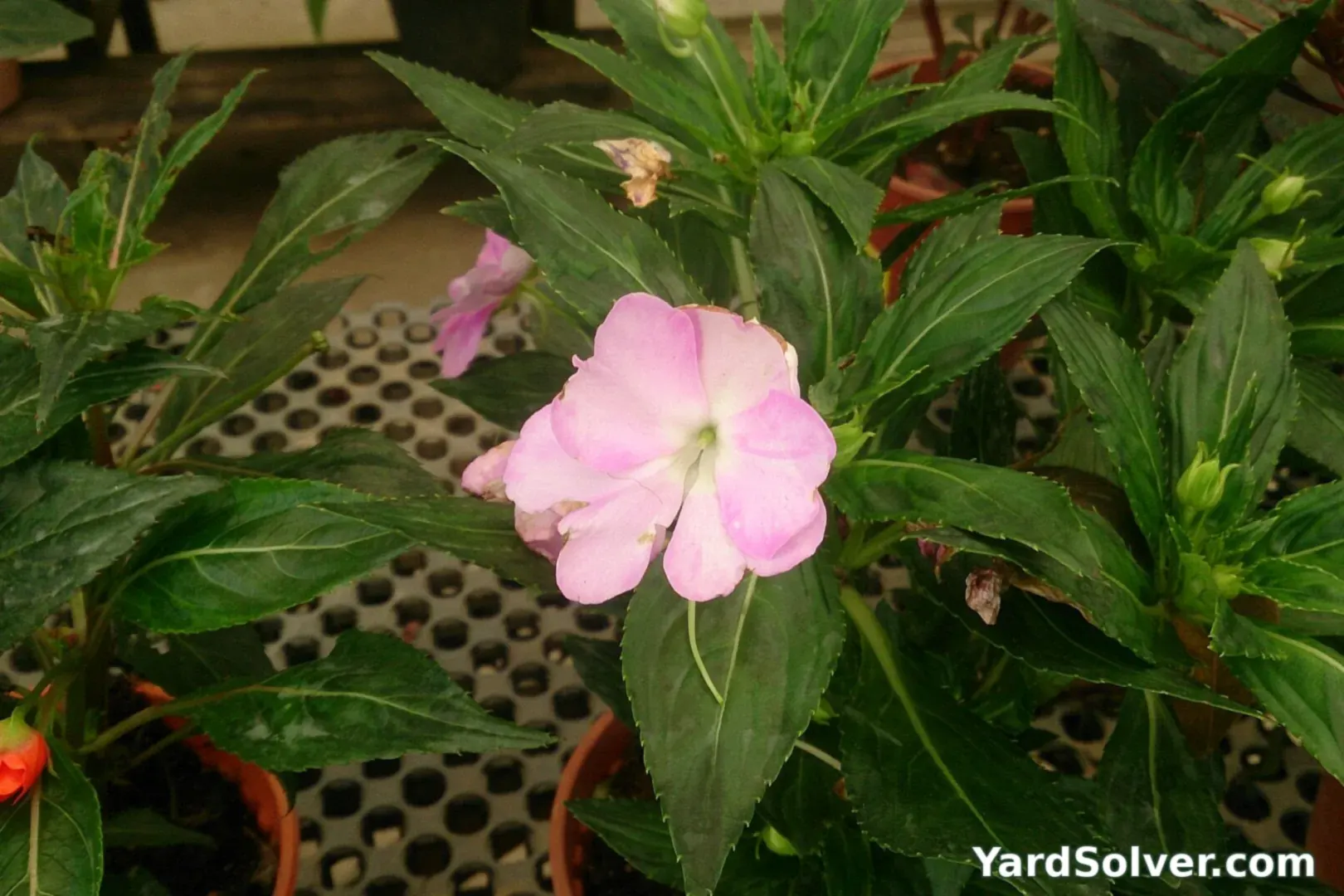
Impatiens self-cleans, so no deadheading. The serious topic is downy mildew: a fungal disease that yellows leaves, coats their undersides white, and defoliates plants — it persists in soil for years.
- Downy mildew — plant resistant series (Imara XDR, Beacon) or New Guinea hybrids; remove infected plants entirely and don't replant classic impatiens in that soil.
- Leggy plants in deep shade — a midsummer trim by a third re-mounds them.
- Slugs — the shade and moisture suit slugs too; your usual defences apply.
Step 6 — Harvest
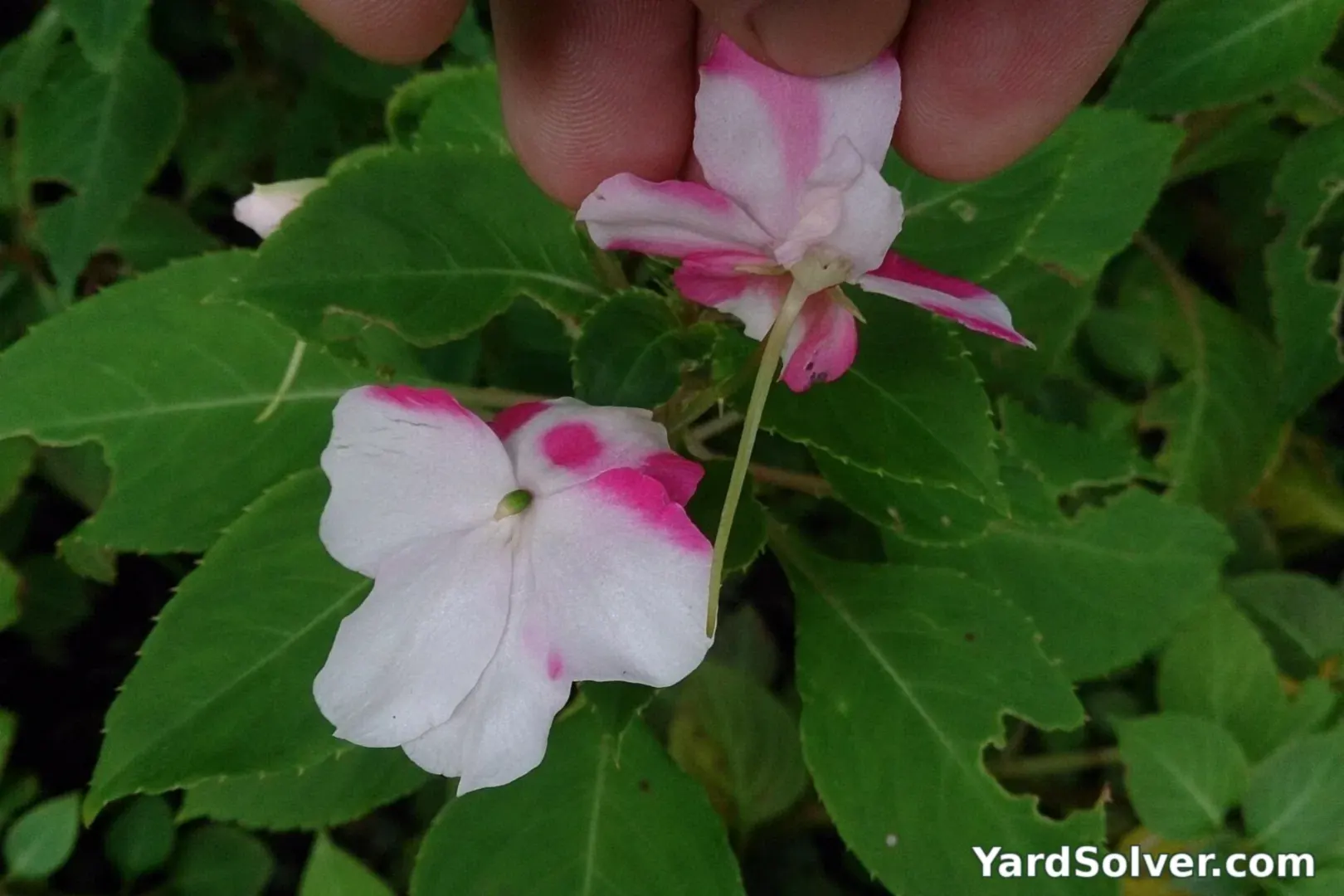
Impatiens is a display plant, not a cut flower. Its seed pods are the entertainment: ripe pods explode at a touch, flinging seed — children have 'harvested' busy lizzies this way for generations (it's how the plant got its Latin name: impatient). Let a few pods pop in a paper bag if you want seed for next year.
📅 Your personal Impatiens (Busy Lizzie) schedule
Counted from your planting day — not a generic calendar. Day 0 is the day the seed went in the ground or the young plant went out.
Varieties worth growing
| Variety | Colour | Why gardeners like it |
|---|---|---|
| Beacon series | Many colours, mildew-resistant | Bred specifically to resist downy mildew — the safe modern choice. |
| Imara XDR | Compact, extra disease resistance | Another resistant line ('XDR' = extra disease resistance) for beds and pots. |
| New Guinea hybrids | Large flowers, bronze or green leaves | A different species cross — bigger, tougher, and happy with more sun. |
Good for you — and take care
Benefits
- Flowers non-stop in real shade, where most annuals refuse.
- No deadheading — the mounds self-clean for five months.
- Exploding seed pods are a children's-garden delight.
Take care
- Downy mildew is the standing threat — buy resistant series, especially after any past infection.
- Thirsty — pots and tree-shade beds need faithful watering.
- Frost-tender: one cold night ends the season.
A little history — and one good fact
Impatiens walleriana came from the shady stream banks of East Africa and became the Victorian 'busy lizzie' — a windowsill plant in every parlour. The downy mildew epidemics of the 2010s nearly ended it; the resistant series bred since have brought the busy lizzie back.
Fun fact: The seed pods are spring-loaded: touch a ripe one and it coils open in a millisecond, shooting seeds over a metre — ballistics, botany style.
Keep going
Guides: Container gardening for beginners · Succession planting · Companion planting basics
Calculators: Plant Spacing Calculator · Garden Mix Calculator · Fertilizer Calculator
More flowers: Fuchsia · Lobelia · Sweet Alyssum · Pansy
← Back to the Plant Library · Get your personal planting dates
Questions people ask
Why did all my impatiens lose their leaves?
Downy mildew is the likely cause — leaves yellow, develop a white coating underneath, and drop. Remove the plants completely, and next year plant mildew-resistant series (Beacon, Imara XDR) or New Guinea hybrids, ideally in different soil.
Can impatiens grow in full sun?
Classic busy lizzies scorch and wilt in hot sun. New Guinea hybrids handle sun well where they're watered. For sunny spots, those — or a different flower entirely — are the better choice.
Do impatiens come back next year?
No — the first frost kills them. But self-sown seedlings sometimes appear in mild springs, and the seed is easy to save from the exploding pods if you catch them in a paper bag.
The shade bedding plant with one modern warning: choose mildew-resistant types where impatiens downy mildew has struck
Impatiens (Impatiens walleriana, busy Lizzie) is the default flower for shade: it blooms non-stop from planting to frost in spots too dark for petunias or marigolds, asking only for steady moisture and soil that never fully dries. That thirst is the first rule — a hanging basket of impatiens in a heatwave can need water twice a day, and a plant that wilts hard repeatedly flowers poorly afterwards.
The modern warning is impatiens downy mildew, a water mould that yellows leaves, coats their undersides white and can collapse a whole bed in wet weather; it survives in soil, so a bed it has struck should not be replanted with walleriana types for several years. The practical answers are resistant New Guinea hybrids and Beacon-type series, wider spacing for airflow, and watering at the base in the morning rather than overhead at night.
The worked example: resistant hybrids planted after the last frost in a shaded, mulched bed, watered at soil level, typically flower without a gap until autumn. Seed-raised walleriana tucked densely into a bed where mildew struck the year before typically looks glorious in June and is bare stems by August — the variety choice, not the feeding, decided it.
Sources
Key facts on this page — timing, spacing and care — cross-checked against NC State Extension Plant Toolbox — Impatiens walleriana — culture and care requirements and Impatiens walleriana — Wikipedia — background on busy Lizzie and its cultivation.
Related page
Read next: Best Vegetables for Containers: Pots, Soil & Watering.
Comments & ratings
No comments yet.
Be the first to share your experience.