
Plant Library · Fruits · By Faizan Ahmad
Updated November 17, 2026
🥝 How to Grow Kiwi
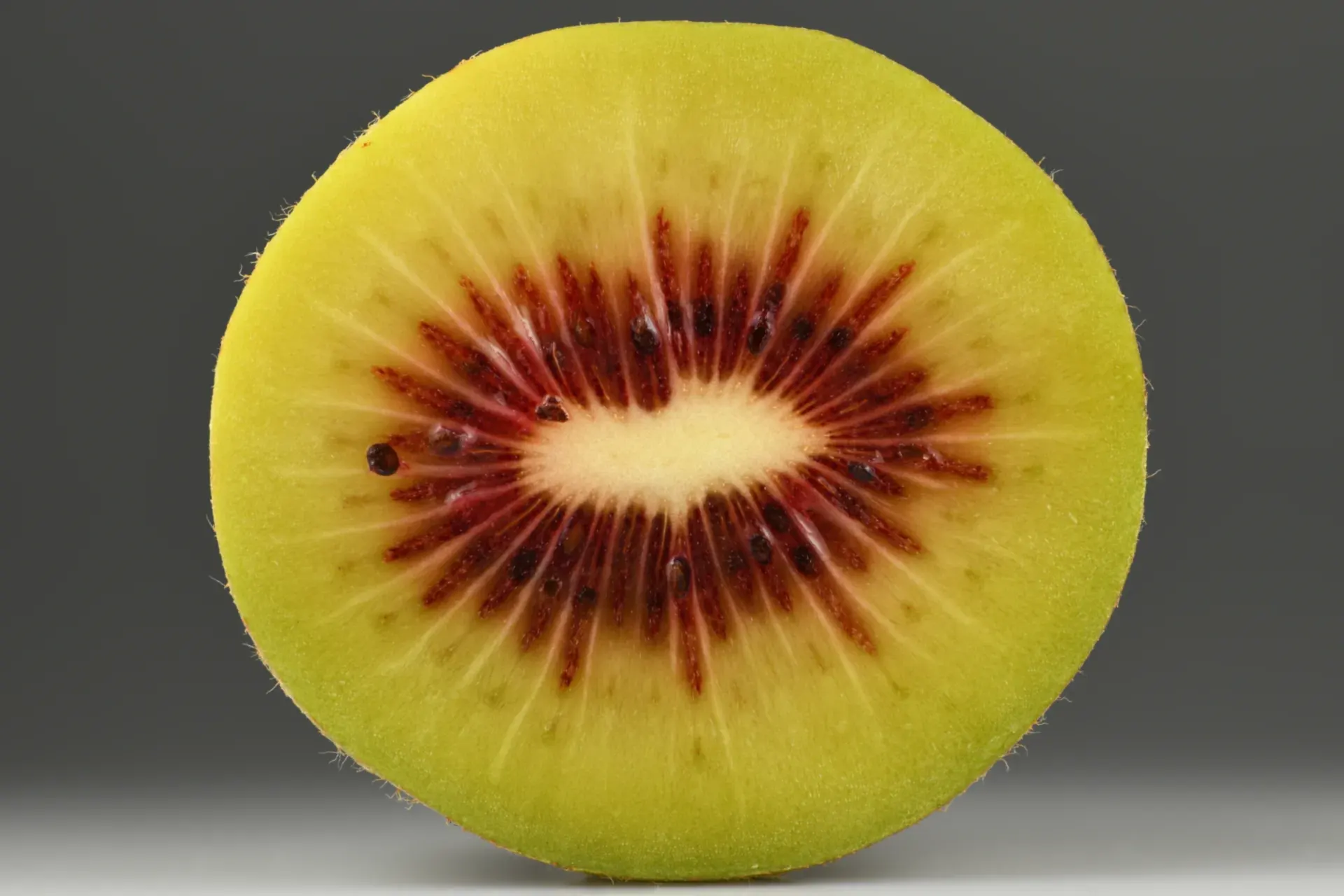
Kiwis are vigorous vines — not trees — and they need two things most fruits do not: a serious trellis, and both a male and a female plant, with one male for every six or so females. Hardy kiwis (zones 4–8) give smooth-skinned, grape-sized fruit you eat whole; fuzzy kiwis need milder winters. Space vines 10–15 ft apart on the trellis and expect fruit in 3–5 years.
Grow Kiwi with us — step by step
Kiwi is a construction project with fruit at the end: the vines are rampant, the trellis must be built like fencing, and — for fuzzy kiwi — you need a male and a female plant or you will grow magnificent foliage and no fruit, ever. The steps below put the structure and the pollination maths first, where they belong. Enter your planting date and the page builds your kiwi schedule from it, through the pruning rhythm to the first real harvest in year 3–5.
Step 1 — today: Plant your Kiwi vines today: build the heavy trellis first, then plant male and female vines 10–15 ft apart in rich, drained soil, water deeply and mulch.
Kiwi at a glance
Spacing: 10–15 ft on a trellis in · Seed depth: As in the pot
Sun: Full sun
Water: Regular — keep evenly moist
Harvest: First fruit in 3–5 years
Timing counts from your average last spring frost — get your own dates in the Planting Calendar. Guidance follows standard extension-service practice for Canada and the US.
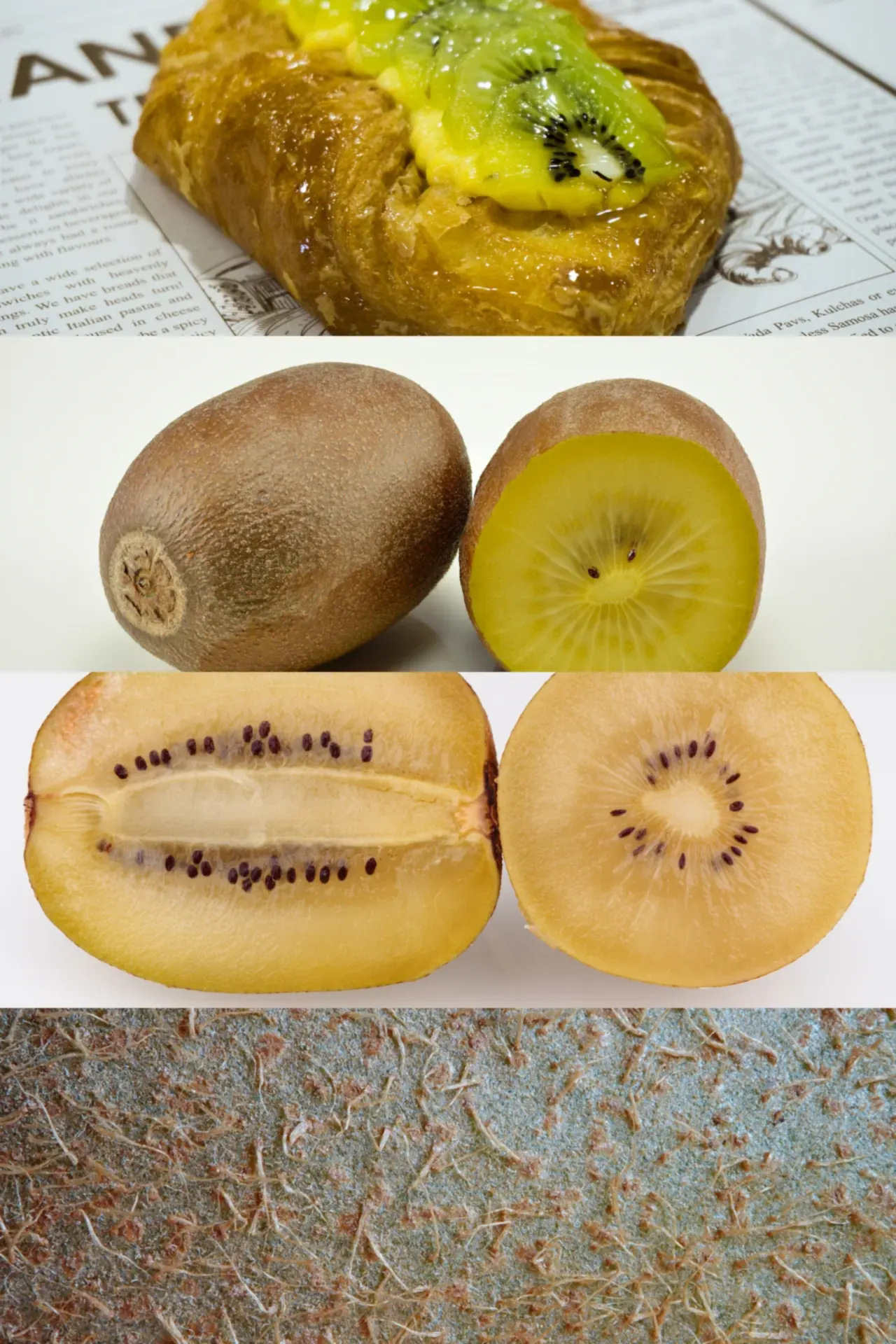
How to plant and grow kiwi, step by step
Step 1 — Time it right
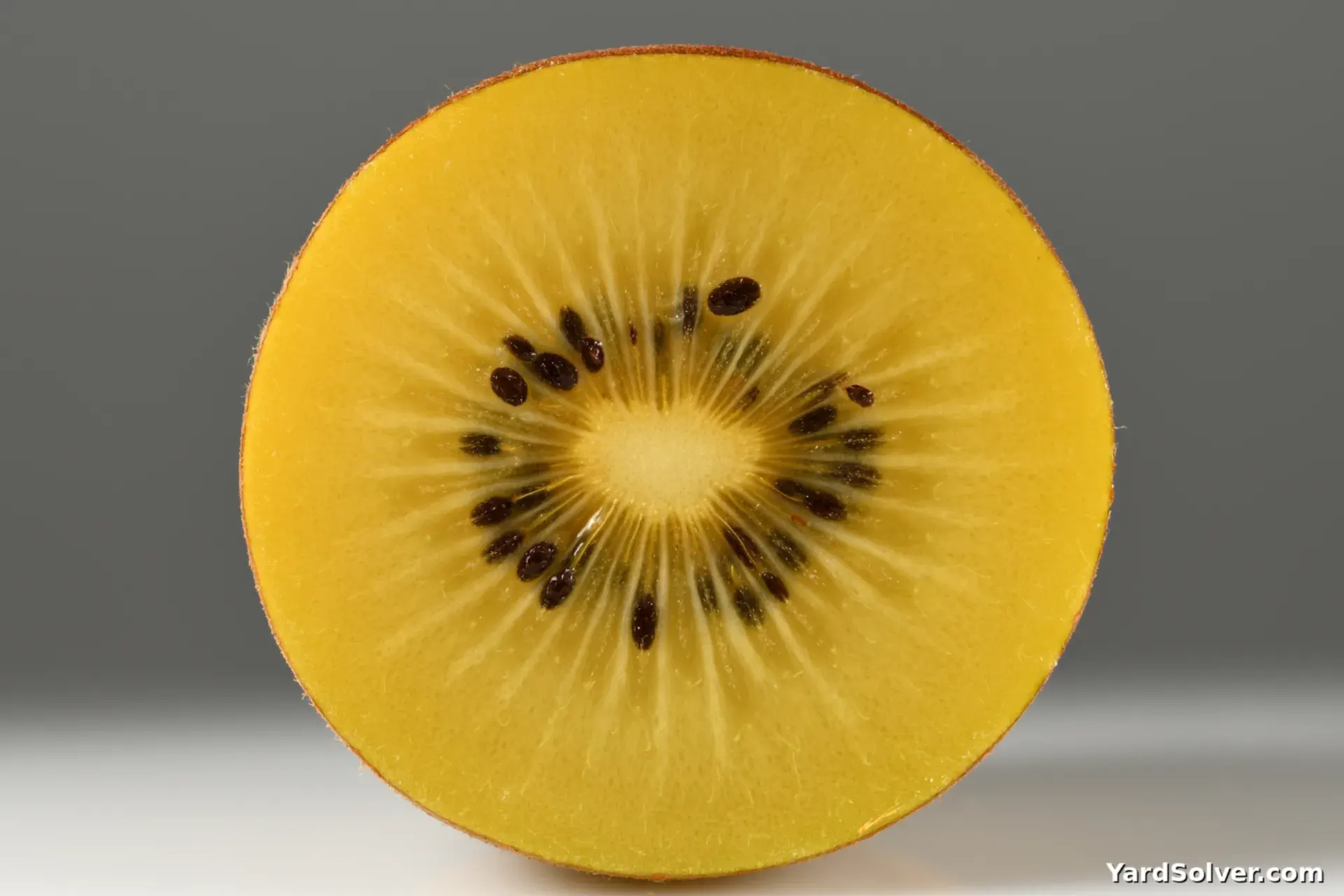
Plant in spring after frost danger passes. Hardy kiwis (Actinidia arguta/kolomikta) suit zones 4–8; fuzzy kiwi needs zone 7+. Young kiwi vines are tender, so plant after frost but give them the longest season you can; a late-spring frost can burn the new shoots back and cost a year. Hardy kiwi (Actinidia arguta) tolerates far colder winters than fuzzy kiwi once established, but its early growth is just as frost-tender in spring.
Step 2 — Prepare the spot
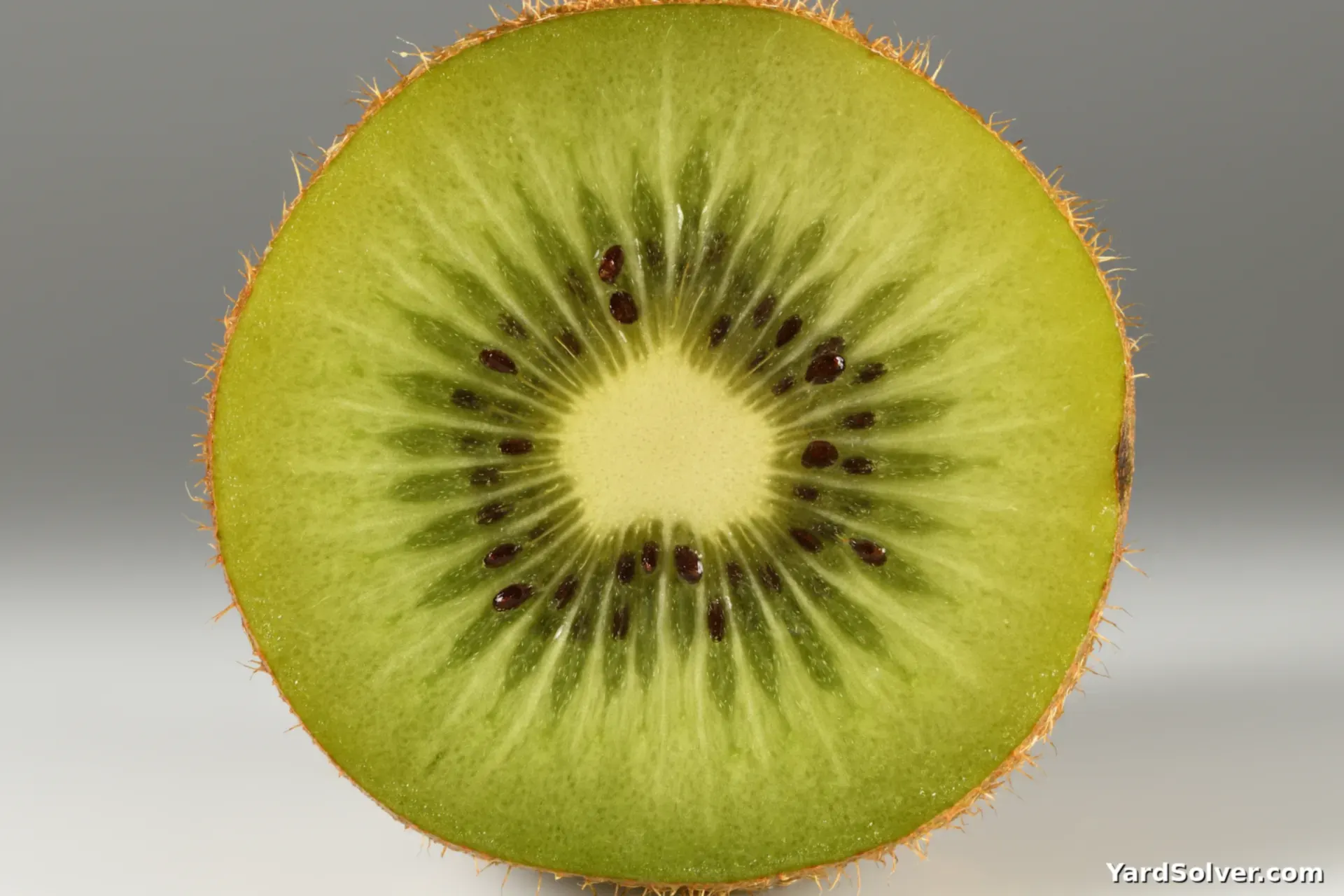
Sun: Full sun. Rich, well-drained soil in full sun, sheltered from wind. Kiwis are hungry and hate wet feet. Work out how much soil you need with the Garden Mix Calculator or the Raised Bed Soil Calculator. Build for weight: a mature fuzzy kiwi vine with fruit can weigh several hundred pounds, so posts should be stout, set deep and braced, with heavy-gauge wire. Soil near pH 5.5–6.5, deep and rich, rewards the vine's enormous annual growth — dig in compost generously at planting.
Step 3 — Plant it
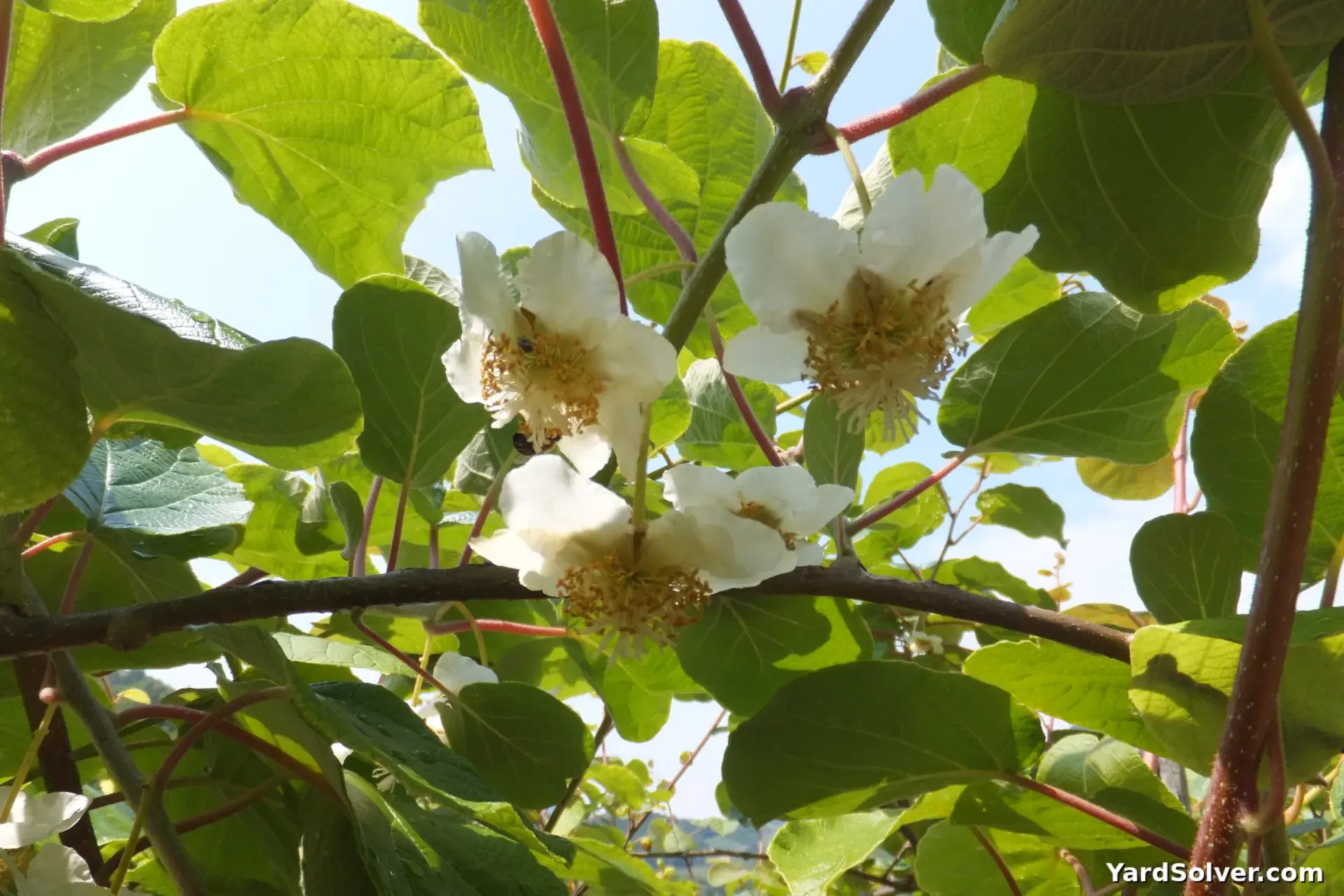
Build the trellis first — a heavy post-and-wire structure. Plant male and female vines 10–15 ft apart, water deeply and mulch. The Plant Spacing Calculator turns that spacing into vines-per-row. The pollination rule for fuzzy kiwi is one male for every 6–8 females, planted within about 50 ft; the self-fertile hardy variety Issai is the exception for small gardens. Train one straight trunk up to the wire in year 1, removing side shoots, then form two permanent arms along the wire in year 2.
Step 4 — Water and feed
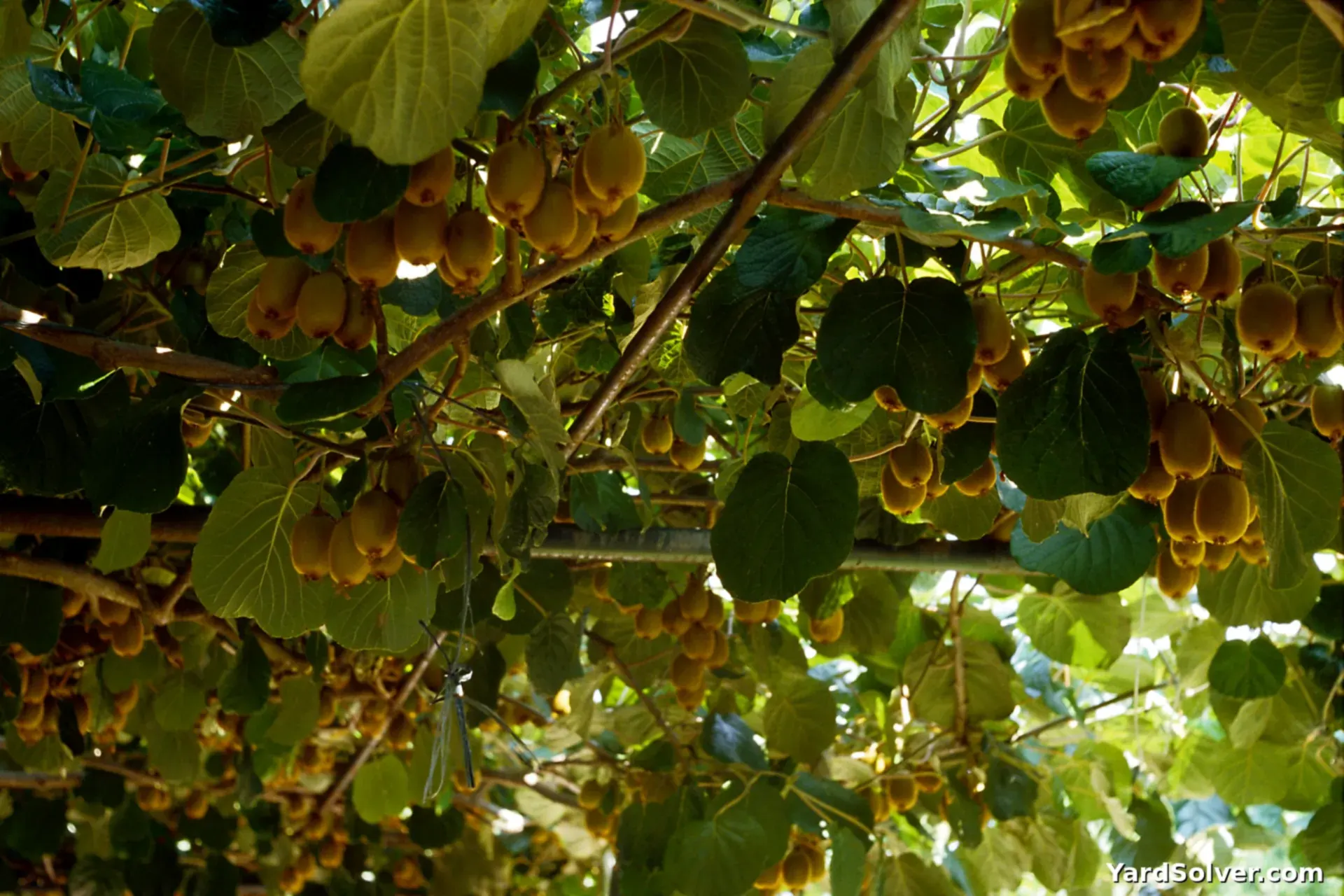
Water: Regular — keep evenly moist. Feed monthly through the growing season — kiwi vines grow 10 ft or more a year when happy. The Fertilizer Calculator turns a bed size into the right amount. Kiwi roots are shallow and fibrous, so a permanent 3–4 in mulch and drip watering beat cultivation and sprinklers. Nitrogen is the main feed — but stop feeding by midsummer, because soft late growth is exactly what winter cold damages.
Step 5 — Care and the problems to watch for
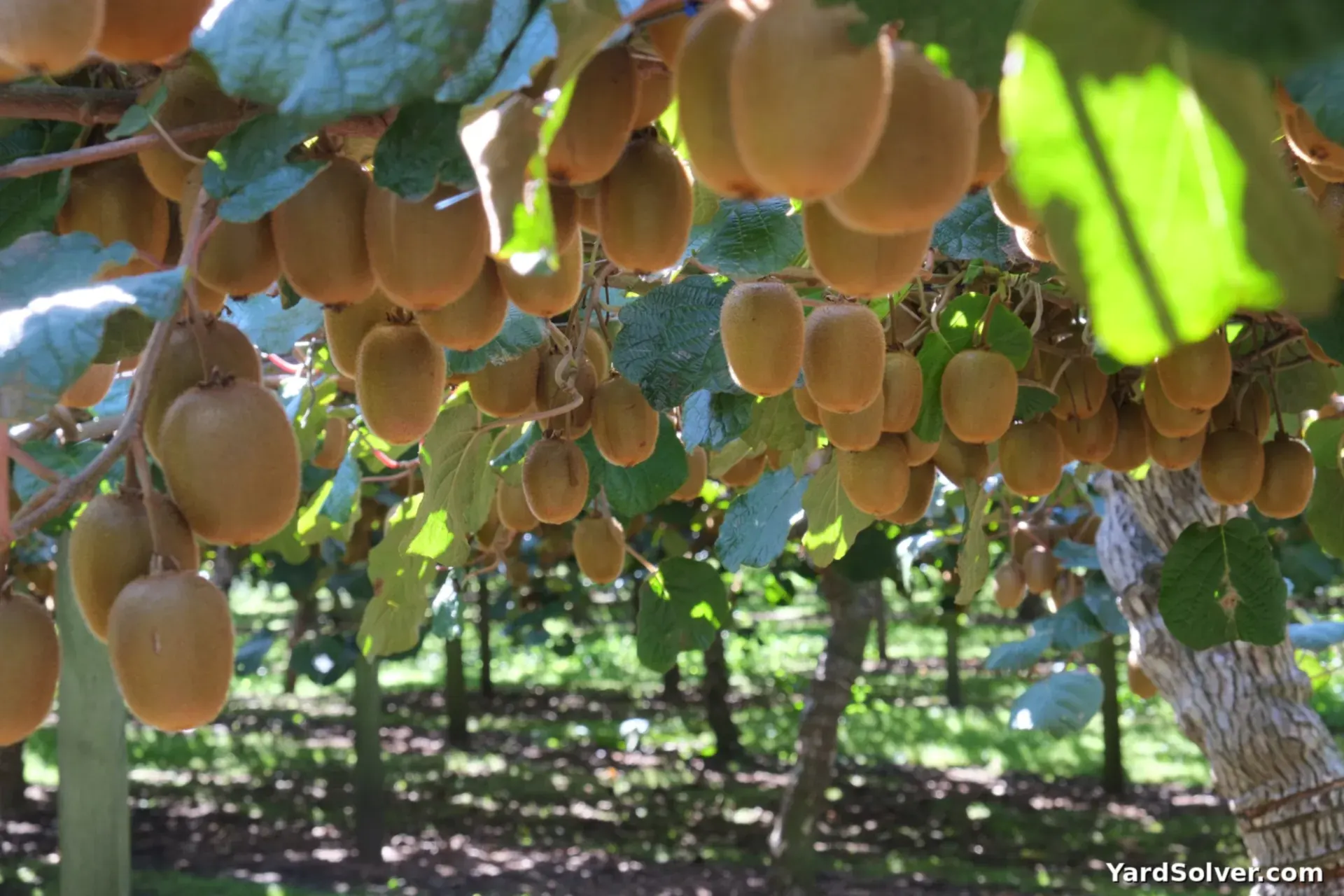
No fruit — the usual cause is a missing male, or two males and no female; check the plant labels. Cats — kiwi vines smell like catnip to cats, which rub and chew young plants; guard the base. Winter damage — late frosts nip the early growth; a sheltered spot helps. Pruning is the real work: in winter, cut back fruiting laterals to leave about 8–12 buds, and in summer shorten vigorous shoots to keep the canopy open and the fruit sunlit. Fruit hangs under the canopy — a vine pruned to a tidy single layer of leaves above the fruit is far easier to pick and far less prone to disease.
Step 6 — Harvest
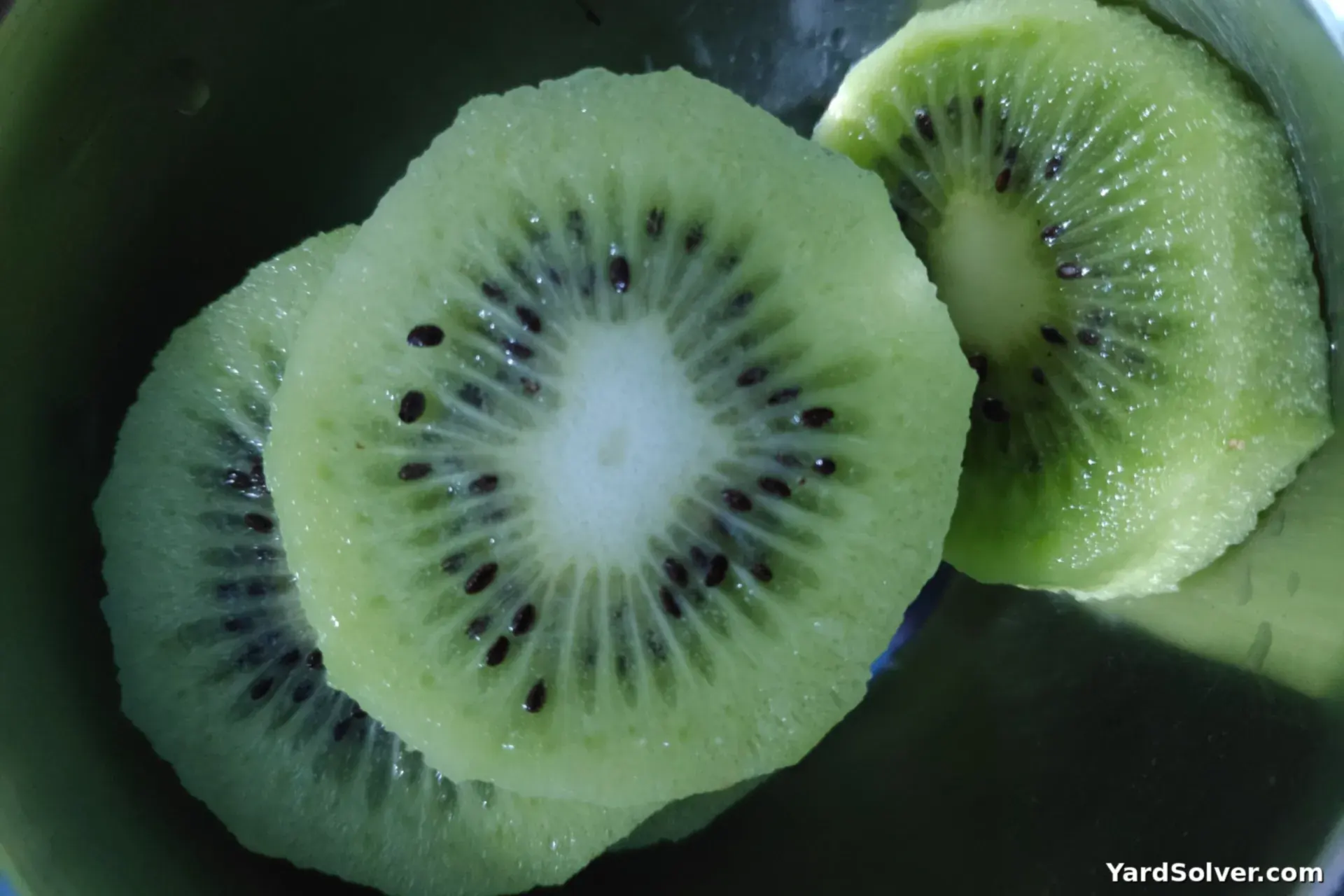
First fruit in 3–5 years. Pick hardy kiwis when they soften slightly on the vine; pick fuzzy kiwis hard and ripen indoors like pears. Fuzzy kiwi is picked hard in fall and ripens at room temperature in about a week, faster beside a ripe apple; it stores for months in the fridge, so pick the whole vine in one or two passes. Hardy kiwiberries are picked soft on the vine and eaten within days — a mature fuzzy vine can yield roughly 50–100 lb of fruit, a hardy vine somewhat less but with no peeling.
📅 Your personal Kiwi schedule
Kiwi care is a yearly rhythm of building, pruning and waiting, and this schedule counts it from the day your vines went in. It follows the training stages — trunk in year 1, arms in year 2 — then settles into the permanent pattern of winter pruning to fruiting buds, summer shortening, and the fall harvest, picked hard for fuzzy types or soft for hardy kiwiberries.
Varieties worth growing
| Variety | Colour | Why gardeners like it |
|---|---|---|
| Issai | Green | A hardy kiwi that is partly self-fertile — the one-vine option |
| Ananasnaya (Anna) | Green | The classic hardy kiwi — heavy crops of sweet fruit |
| Hayward | Brown-fuzzy | The standard shop kiwi — needs zone 7+ and a male |
| Arctic Beauty | Green-pink | Extremely hardy (zone 3–4) with variegated leaves |
Good for you — and take care
Benefits
- Hardy kiwis are sweeter than shop kiwis — and you eat the skin
- Huge yields from one vine once mature
- Grows in cold zones where fuzzy kiwi cannot
- A living screen for a fence or pergola
Take care
- You need a male and a female — one male pollinates about six females.
- The trellis must be strong: a fruiting vine can weigh hundreds of pounds.
- Prune hard every winter — kiwis fruit on new growth from one-year-old wood.
Problems to watch for
- No fruit — the usual cause is a missing male, or two males and no female; check the plant labels.
- Cats — kiwi vines smell like catnip to cats, which rub and chew young plants; guard the base.
- Winter damage — late frosts nip the early growth; a sheltered spot helps.
A little history — and one good fact
Kiwis come from China, where they were called yangtao. Seeds reached New Zealand in 1904, growers there bred the fuzzy kiwi, and the fruit was renamed for the kiwi bird when it was exported in the 1950s.
Fun fact: Kiwi vines attract cats the way catnip does — the plant contains a compound cats cannot resist.
Keep going
Guides: How to Harden Off Seedlings · How to Read a Seed Packet
Calculators: Plant Spacing Calculator · Seed Calculator · Fertilizer Calculator · Garden Mix Calculator
Plan it: Garden Planner · Planting Calendar · Companion Planting Chart · Seed Box
More fruiting vines: Grapes · Passion Fruit
← Back to the Plant Library · Get your personal planting dates
Kiwi trellis and pollination maths, worked out
Two decisions decide whether a kiwi planting crops: a trellis strong enough for a mature vine, and the right male-to-female ratio. The standard home-garden figures:
| Item | Working figure | Note |
|---|---|---|
| Trellis posts | Stout posts (about 4×4 in or larger), 5.5–6 ft above ground, set deep and end-braced | A loaded mature vine can weigh several hundred pounds |
| Wires | 3–5 heavy-gauge wires across a T-bar top, or a single top wire for a pergola style | Arms run along the centre wire; fruiting laterals drape over the side wires |
| Vine spacing | 10–15 ft apart along the row | Each vine is allotted roughly 15 ft of trellis length at maturity |
| Male to female | 1 male per 6–8 females, within about 50 ft | Male and female must flower at the same time — buy them as a matched pair |
| Self-fertile exception | Issai (hardy kiwi) fruits alone | Still crops heavier with a male nearby, but a single vine genuinely works |
| Mature yield | Roughly 50–100 lb per fuzzy vine; less per hardy vine | Reached around year 5–7 under good pruning |
Mark the male clearly at planting — after a winter prune, male and female vines look identical, and cutting out the male by mistake is a classic, silent cause of fruitless years.
Questions people ask
When do I plant kiwi?
Plant in spring after frost danger passes. Hardy kiwis suit zones 4–8; fuzzy kiwi needs zone 7+.
How far apart do I space kiwi vines?
Space vines 10–15 ft apart on a strong trellis. Sun: full sun.
When will my kiwi fruit?
First fruit in 3–5 years. You need a male and a female plant — one male per six females.
Do I always need a male and a female kiwi?
For fuzzy kiwi and most hardy kiwis, yes — plants are male or female, and only females fruit, pollinated by a male flowering at the same time (allow 1 male per 6–8 females). The hardy variety Issai is self-fertile and fruits alone, which suits small gardens.
How do I ripen fuzzy kiwis after picking?
Pick them hard in fall and keep them in the fridge for storage — they hold for months. To ripen a batch, leave it at room temperature for about a week, or seal it in a bag with a ripe apple or banana; the ethylene brings them ready in a few days.
You need two plants and patience: a male and a female vine, a structure built like a fence, and fruit from year three or four
Fuzzy kiwi (Actinidia deliciosa) is dioecious — male and female flowers grow on separate plants — so a single vine, however healthy, can never fruit alone. The standard planting is one male for every six to eight females, on a support built like a serious fence: the vines are vigorous, long-lived and heavy with fruit, and a pergola that suits a clematis will be dismantled by a kiwi in a few seasons.
Patience is the second rule. Vines spend their first years building framework, and a first real crop in year three or four is normal; winter pruning then becomes the annual decision — fruit forms on shoots from one-year-old wood, so, as with grapes, the prune sets the crop. Gardeners in cold regions often do better with the hardy kiwi (Actinidia arguta), whose smooth, grape-sized fruit ripens on vines that shrug off winters fuzzy kiwi cannot survive.
The worked example: a matched male-and-female pair on a stout T-bar trellis in full sun, pruned each winter, typically crops heavily for decades once it starts. A lone vine on a light obelisk in the same garden typically gives shade, enthusiasm and no fruit at all — the missing ingredient was a partner and a stronger fence.
Sources
Key facts on this page — timing, spacing and care — cross-checked against NC State Extension Plant Toolbox — Actinidia deliciosa — culture, pollination and pruning requirements and Kiwifruit — Wikipedia — background on kiwifruit, its separate male and female plants and its cultivation.
Related page
Read next: How to Prune Fruit Trees in Winter (Without Ruining Fruit).
Comments & ratings
No comments yet.
Be the first to share your experience.