
Plant Library · Vegetables · By Faizan Ahmad
🧅 How to Grow Shallots
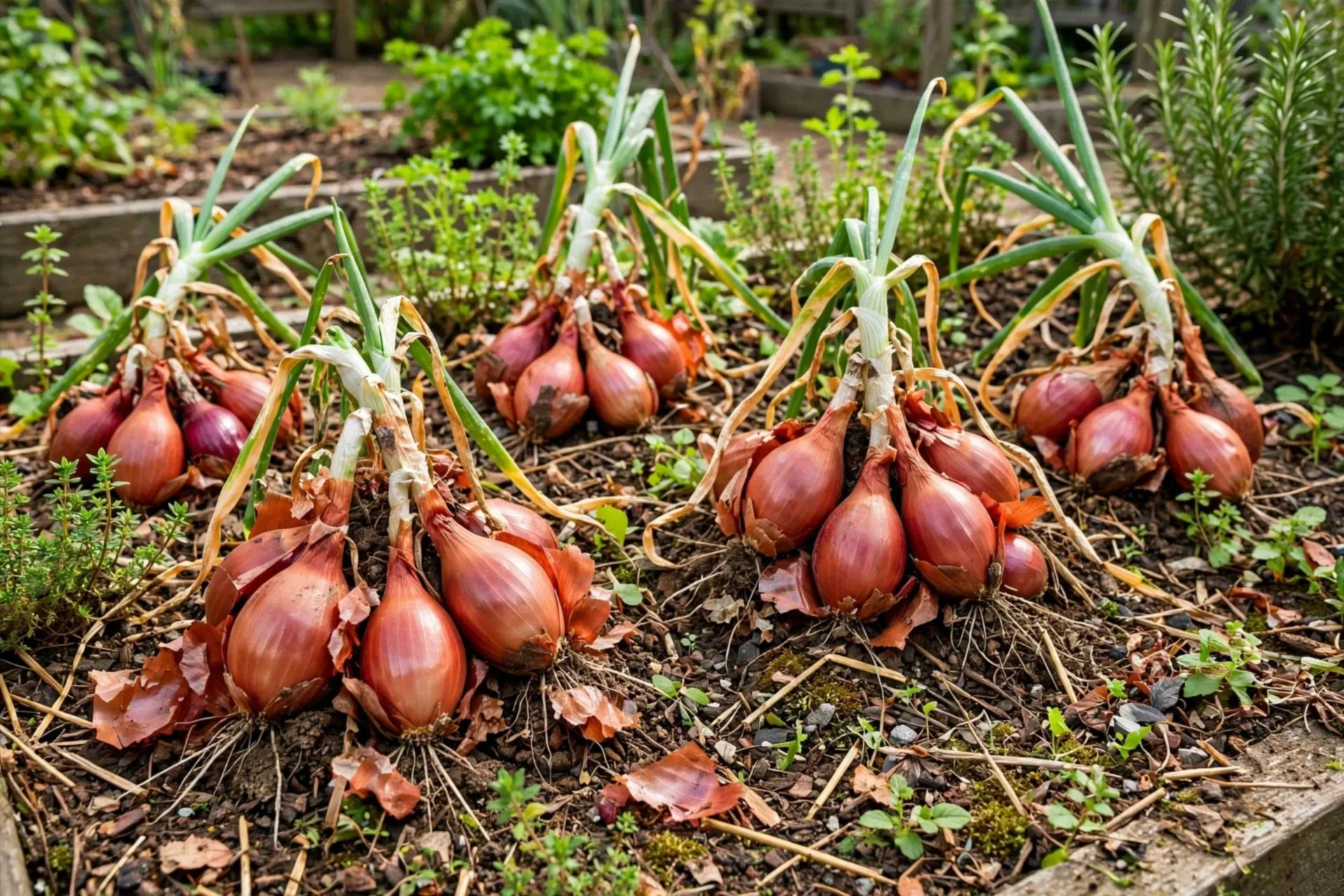
Grown from sets — each small bulb you plant multiplies into a cluster of new shallots by midsummer: plant in early spring, keep them weeded, and lift when the tops fall. Shallots are the multiplier onions: plant one small set in spring and it divides into a cluster of 6–10 new bulbs by harvest. They grow exactly like onion sets — shallow planting, steady water, no weeds — but give you a milder, sweeter harvest that stores for months.
Grow Shallots with us — step by step
Everything for this plant is written step by step below — what to do, and exactly when. Read it through first if you like: you can grow it entirely on your own with that guide. Or start with us here — tell us your planting day and we lay out your personal schedule on this page, every next step on its own day, counted from your planting date. No guessing, no forgetting.
Step 1 — today: Plant your Shallot sets today with the tip just showing at the surface, spaced 6–8 in apart, and firm the soil around them. Pointed end up — most of the bulb sits below ground.
Shallots at a glance
Sow outdoors: 3 weeks before last frost
Spacing: 6–8 in · Seed depth: 1 (sets) in
Sun: Full sun
Water: Regular until the tops fall
Harvest: 90–110 days
Timing counts from your average last spring frost — get your own dates in the Planting Calendar. Guidance follows standard extension-service practice for Canada and the US.
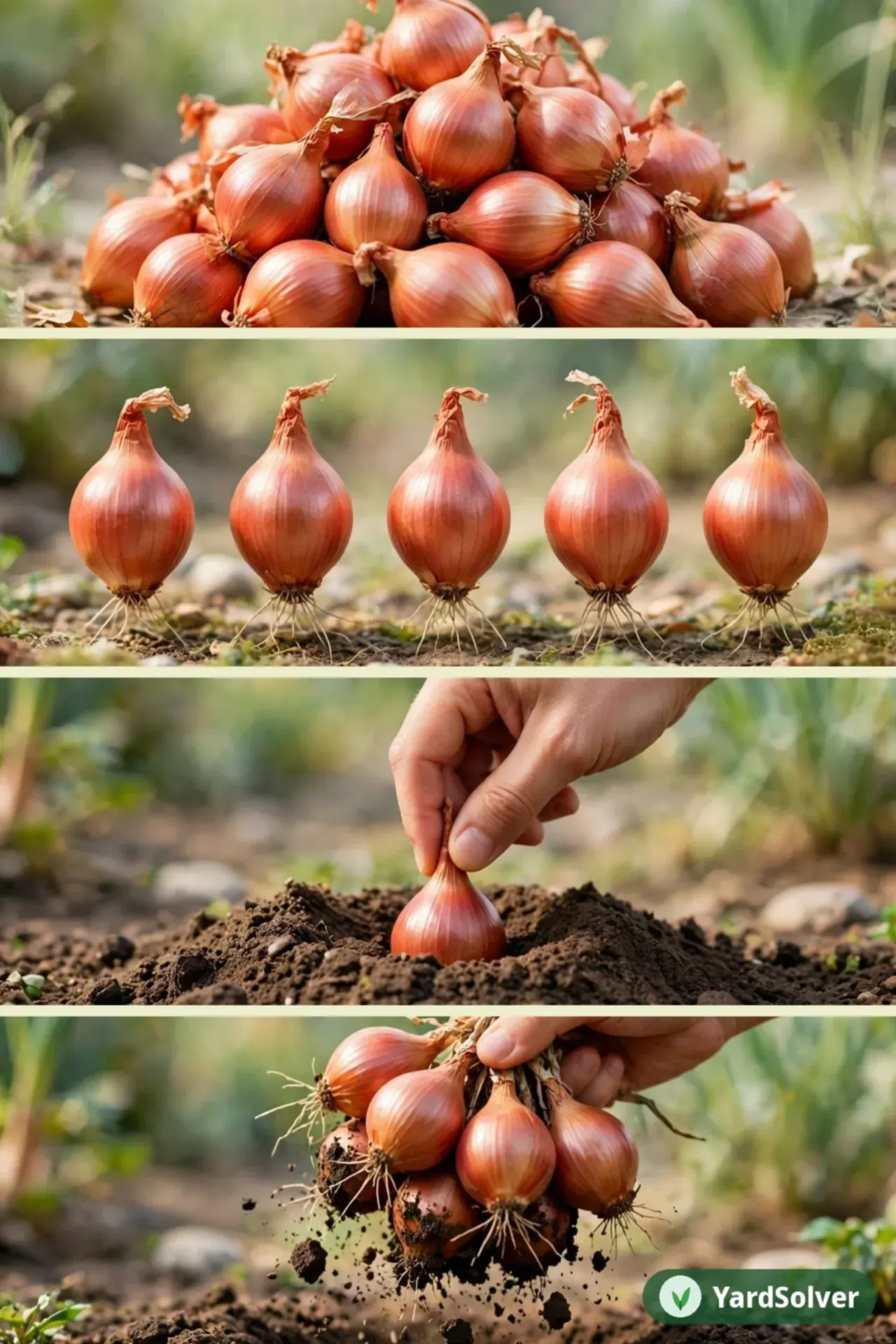
How to plant and grow shallots, step by step
Step 1 — Time it right
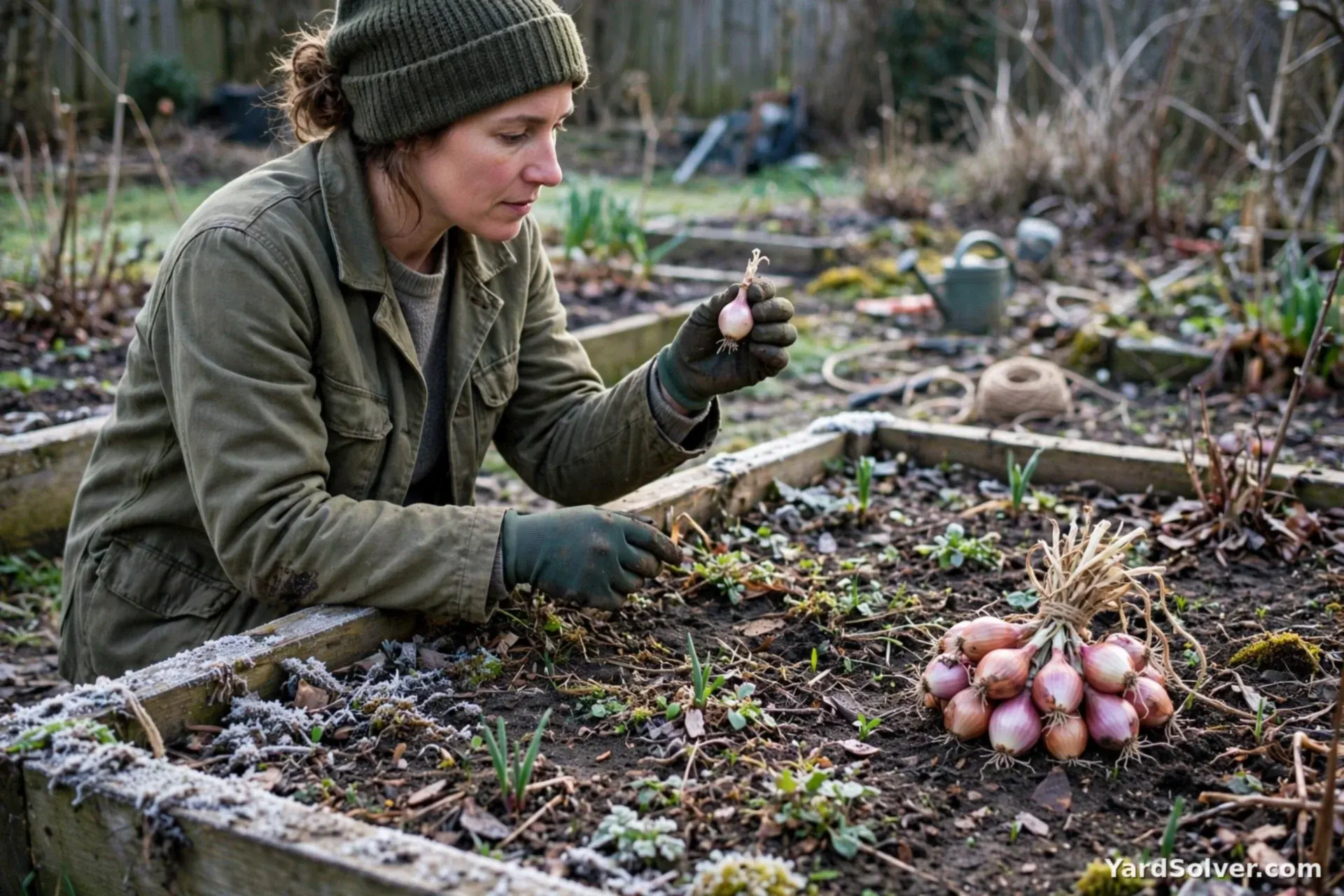
Sow outdoors: 3 weeks before last frost. All dates count from your average last spring frost — the Planting Calendar turns them into real dates for your garden. Shallots are the multiplier onions: plant one small set in spring and it divides into a cluster of 6–10 new bulbs by harvest. They grow exactly like onion sets — shallow planting, steady water, no weeds — but give you a milder, sweeter harvest that stores for months.
Step 2 — Prepare the spot
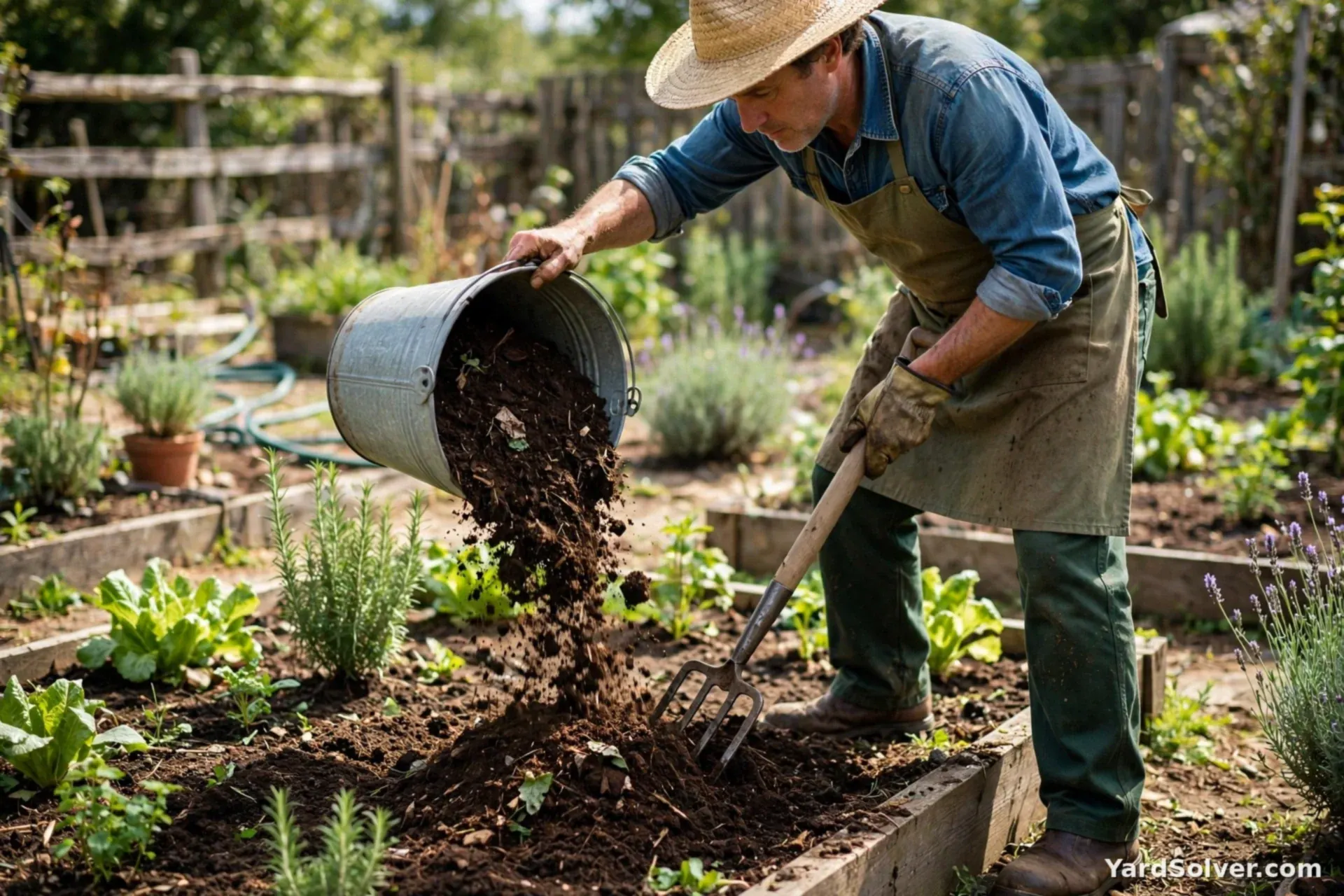
Sun: Full sun. Well-drained, fertile soil — shallots sulk in wet ground; work in compost before planting and keep the bed weed-free, as their shallow roots compete badly. Work out how much you need with the Garden Mix Calculator or the Raised Bed Soil Calculator.
Step 3 — Sow and plant out
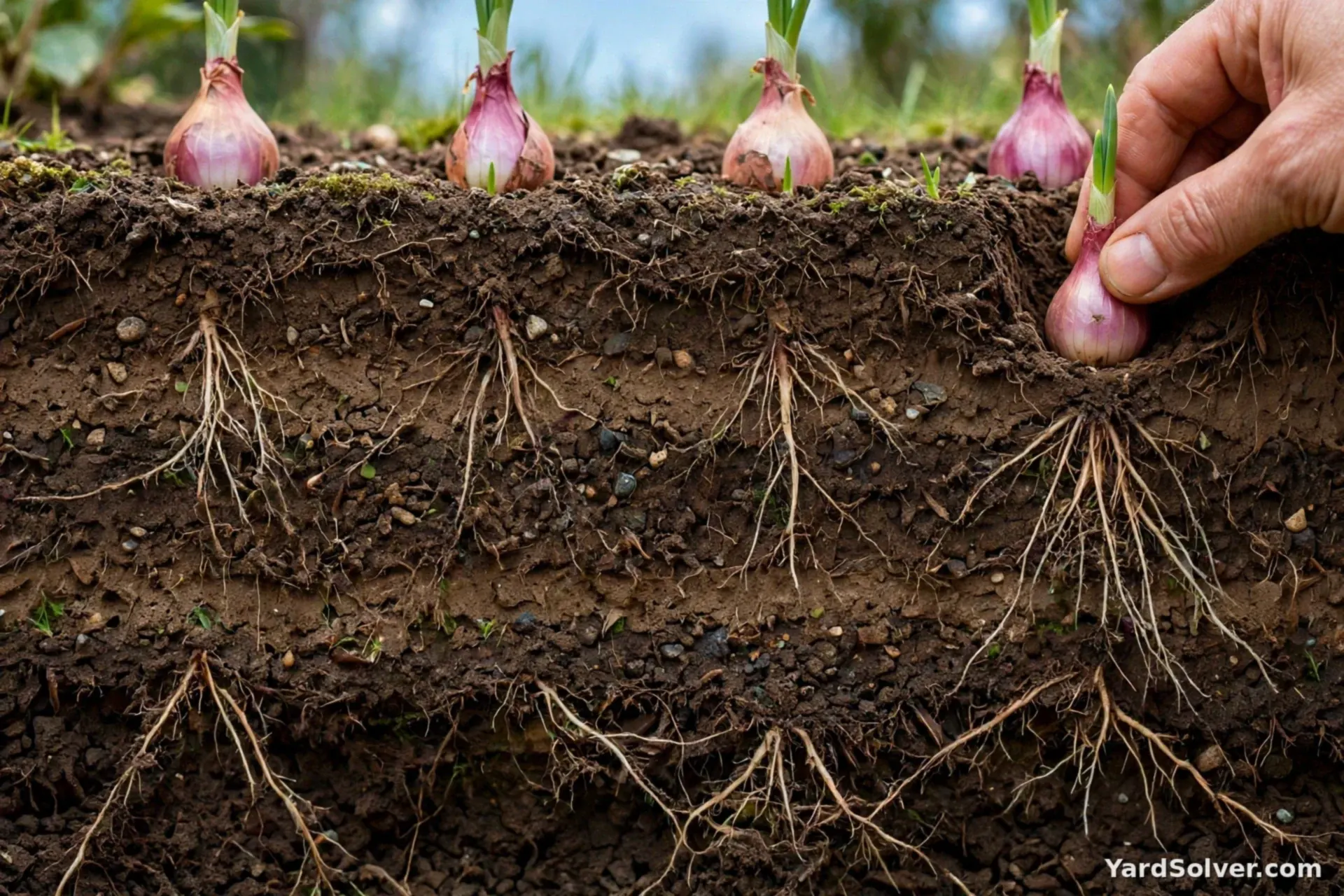
Plant sets in early spring, 3 weeks before last frost, as soon as the soil can be worked: push each set into the soil with its tip just at the surface (about 1 in deep), spaced 6–8 in apart. In mild-winter gardens, fall planting works too. Seed-grown shallots exist, but sets are the reliable home-garden start.
Step 4 — Water and feed
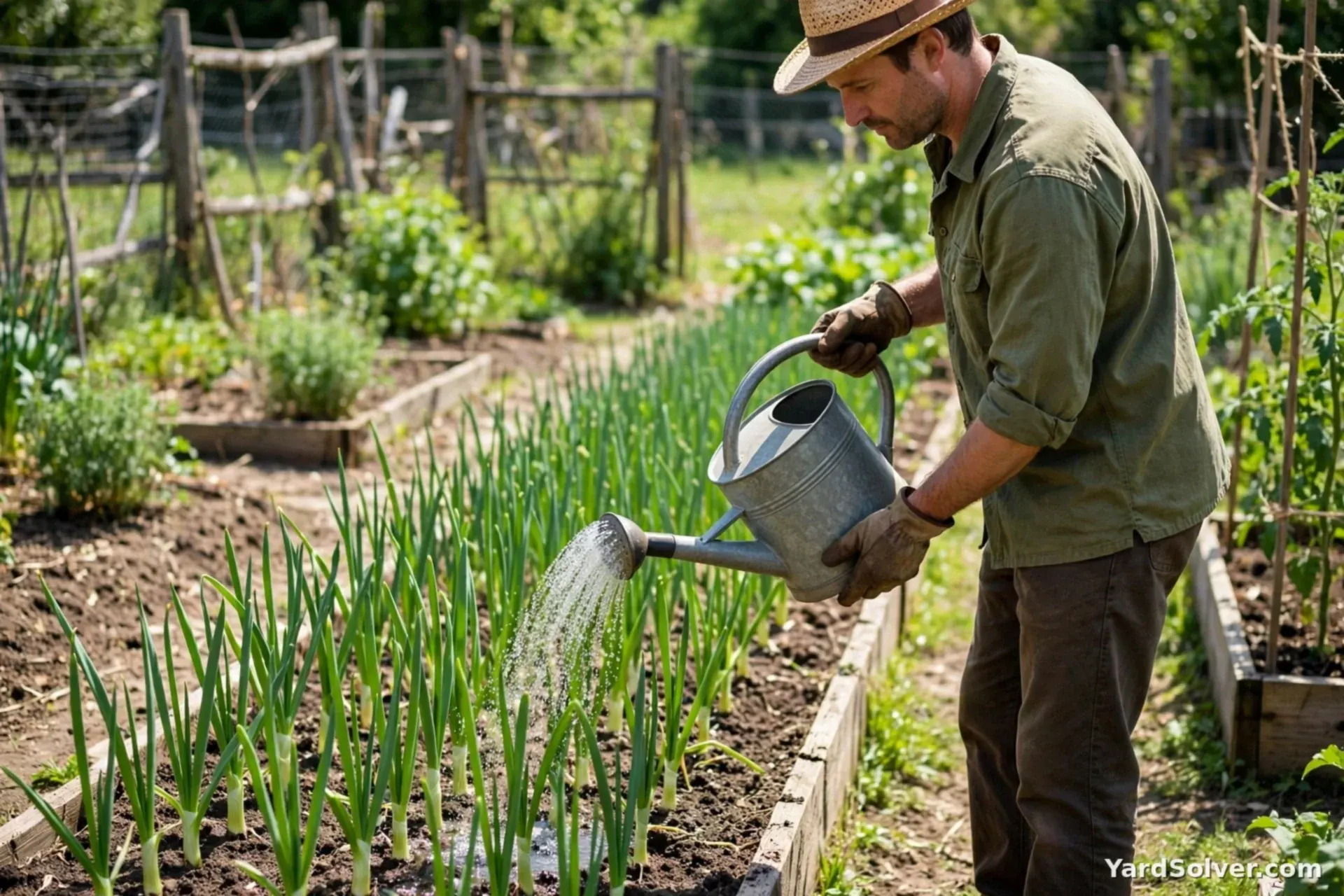
Water: Regular until the tops fall. The Fertilizer Calculator turns a bed size into the right amount.
Step 5 — Care and the problems to watch for
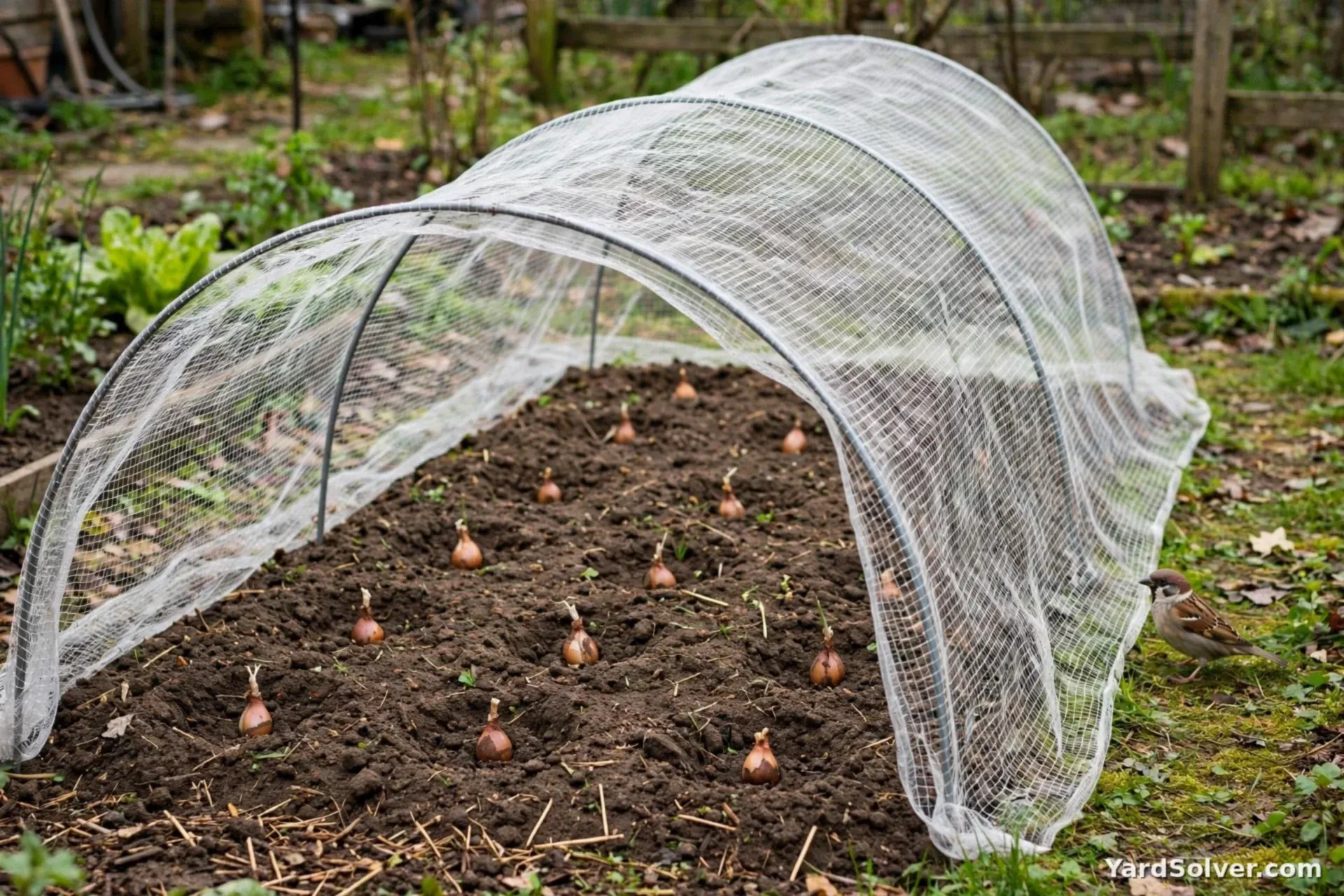
- Sets pushed out of the ground by birds — firm them back in and cover the row with mesh until rooted.
- Small bulbs at harvest — the bed dried out or weeds won; shallots need steady water and a clean bed.
- White rot — white fluff at the base in old allium ground; rotate away from onion beds and never plant sets from a diseased cluster.
Take care: Dry shallots thoroughly before storing — a damp neck moulds in storage and spoils the whole cluster.
Step 6 — Harvest
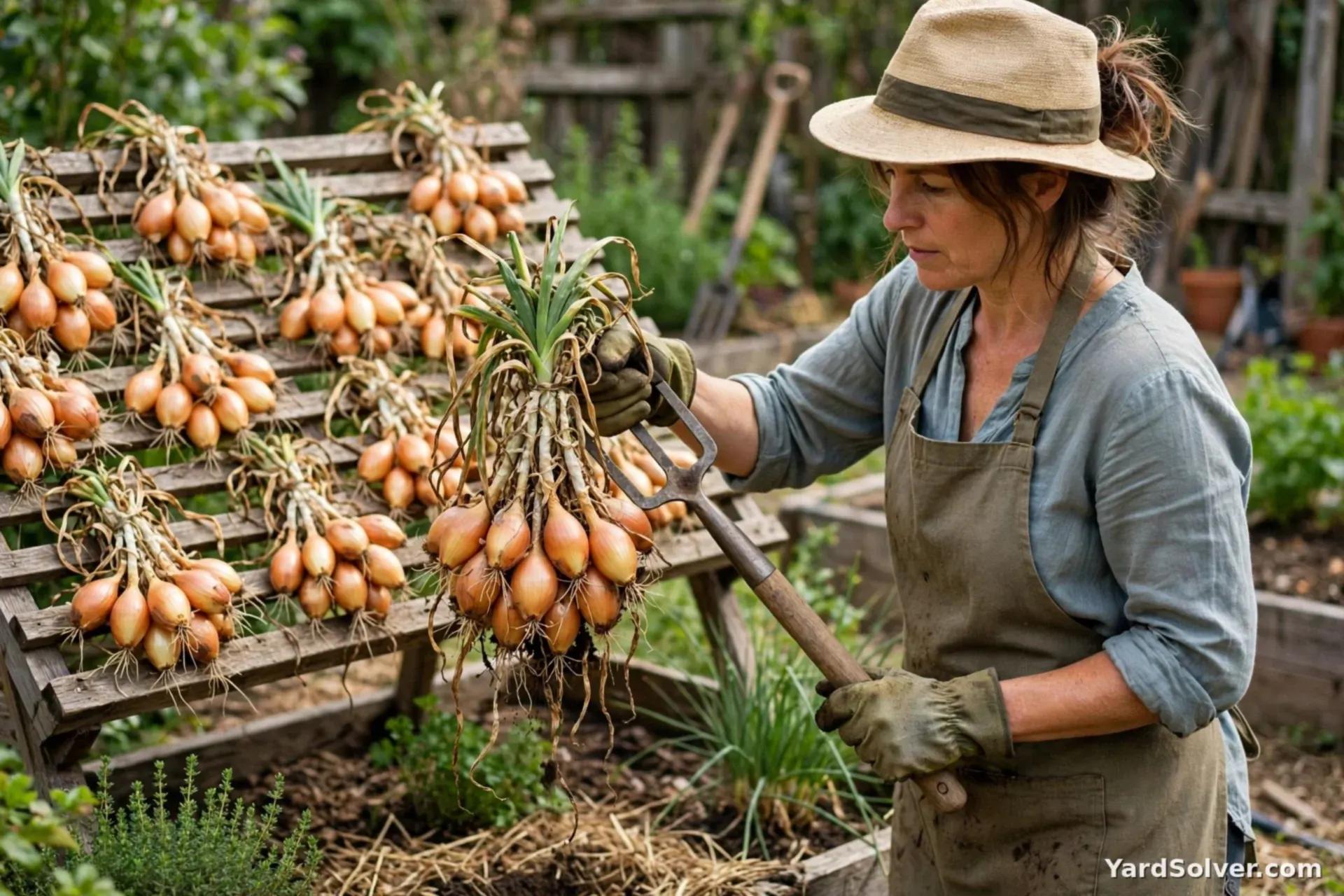
Ready in: 90–110 days. Lift clusters from about day 90 once tops fall; dry for two weeks in an airy place, then store cool and dry — good shallots keep for 6 months or more.
📅 Your personal Shallots schedule
Counted from your planting day — not a generic calendar. Day 0 is the day the seed went in the ground or the young plant went out.
Varieties worth growing
| Variety | Colour | Why gardeners like it |
|---|---|---|
| French Red | Copper-red | The classic round shallot — sweet, mild and a great keeper |
| Banana Shallot (Echalion) | Long, copper | The long chef's shallot — easy to slice, gentle flavour |
| Golden Gourmet | Golden yellow | A productive Dutch type giving big clusters of round bulbs |
| Pikant | Red-brown | A strong-flavoured shallot that stores exceptionally well |
| Ambition | Red-brown | A seed-grown hybrid type with uniform, handsome bulbs |
Good for you — and take care
Benefits
- Provides flavonoids and vitamin C
- Milder and sweeter than onions — often digestible for people who find onions strong
- A source of potassium and folate
- Keeps for months — a true store-cupboard crop
- One set becomes a cluster, so next year's planting stock is free
Take care
- Dry and store properly — mouldy bulbs should be discarded, not trimmed and eaten
- Keep stored shallots away from potatoes — each shortens the other's storage life
- As with onions, shallots are not safe for dogs and cats — keep bulbs out of pet reach
A little history — and one good fact
Shallots take their name from Ashkelon, the ancient city in the Levant where Crusaders are said to have found them and carried them home to France — where chefs made them the backbone of classic sauces. In much of Asia, small shallots are the everyday frying onion, pounded into pastes and fried crisp as a garnish.
Fun fact: A single shallot set can return a cluster of ten — one of the best exchange rates in the whole vegetable garden.
Keep going
Guides: How to Grow Onions from Seed · How to Plant Garlic in Fall · Putting Your Garden to Bed
Calculators: Plant Spacing Calculator · Seed Calculator · Fertilizer Calculator · Garden Mix Calculator
More vegetables: Onion (sets) · Garlic · Scallions
← Back to the Plant Library · Get your personal planting dates
Questions people ask
When do I plant shallots?
Count from your average last spring frost: sow outdoors 3 weeks before last frost. Shallots are the multiplier onions: plant one small set in spring and it divides into a cluster of 6–10 new bulbs by harvest. They grow exactly like onion sets — shallow planting, steady water, no weeds — but give you a milder, sweeter harvest that stores for months.
How far apart do I space shallots?
Space plants 6–8 in apart, with seed sown 1 (sets) in deep. Sun: full sun.
When is shallots ready to harvest?
90–110 days. Grown from sets — each small bulb you plant multiplies into a cluster of new shallots by midsummer: plant in early spring, keep them weeded, and lift when the tops fall.
Shallots multiply by division: one bulb planted becomes a cluster, and the smallest bulbs are next year's seed
Shallots (Allium cepa, Aggregatum group) grow as clusters — each planted bulb splits into six to ten new bulbs around it — which makes them one of the most economical crops in the garden: the harvest replants itself, with the grower keeping the best clusters for seed and eating the rest. They are planted as bulbs in late winter or early spring, earlier than onion seed, on the same open, well-drained ground all alliums want.
Their shallowness is the management point: the bulbs form half out of the soil, need sun on their shoulders to ripen, and must never be earthed up. Water matters while the leaves grow and must stop as they yellow; a wet finish rots the cluster in storage. Lift when the tops fall, dry thoroughly under cover, and store cool — a well-ripened shallot keeps longer than almost any onion.
The worked example: firm bulbs planted shallow on drained ground and dried hard after lifting typically store for the best part of a year. The same crop lifted damp and stored warm typically rots cluster by cluster — with shallots, ripening is keeping.
Sources
Key facts on this page — timing, spacing and care — cross-checked against NC State Extension Plant Toolbox — Allium cepa — culture and care requirements and Shallot — Wikipedia — background on shallots and their cultivation.
Related page
Read next: Vegetable Plant Spacing Chart: How Far Apart to Plant.
Comments & ratings
No comments yet.
Be the first to share your experience.