
Plant Library · Flowers · By Faizan Ahmad
🌼 How to Grow Ammi (Bishop's Flower)
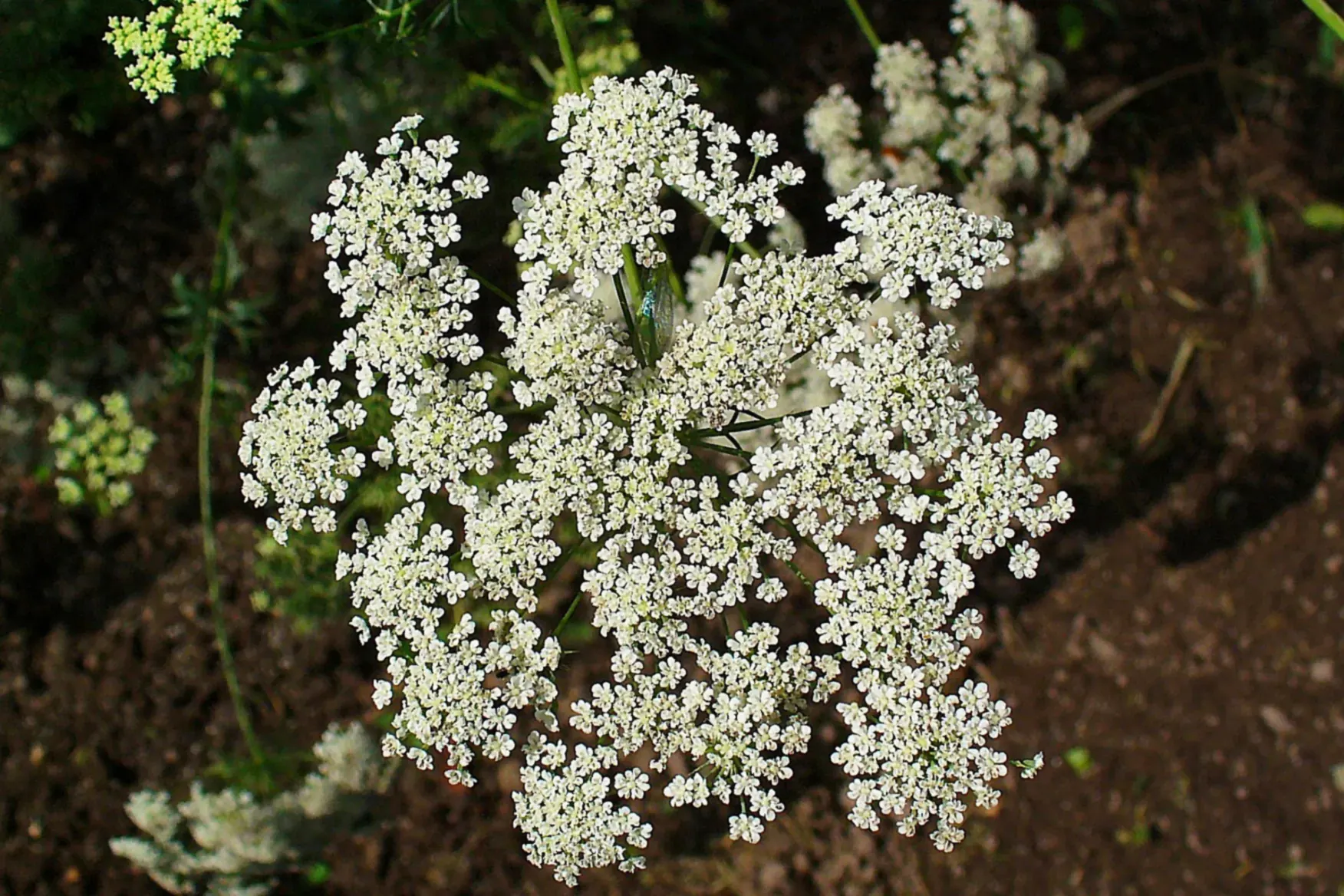
Queen Anne's lace, civilised — airy white umbels that make every bouquet look like a florist made it. Ammi majus is a hardy annual (or autumn-sown biennial) grown purely for cutting: sow it in autumn or early spring, give it room, and harvest clouds of white lace from June to September. One caution travels with it — the sap can blister skin in sunlight, so gloves are part of the kit.
Grow Ammi (Bishop's Flower) with us — step by step
Everything for this plant is written step by step below — what to do, and exactly when. Read it through first if you like: you can grow it entirely on your own with that guide. Or start with us here — tell us your planting day and we lay out your personal schedule on this page, every next step on its own day, counted from your planting date. No guessing, no forgetting.
Step 1 — today: Sow ammi seed on the surface of seed mix indoors, or straight into a prepared autumn bed in mild districts.
Ammi (Bishop's Flower) at a glance
Sow indoors: 6–8 weeks before last frost
Move outside: At last frost
Sow outdoors: Early spring, or autumn in mild districts
Spacing · Seed depth: 12 in apart · barely cover — seed needs light
Sun: Full sun
Water: Moderate — deep roots once established
Bloom: June to September; cut when half the florets in a head are open
Timing counts from your average last spring frost — get your own dates in the Planting Calendar. Guidance follows standard extension-service practice for Canada and the US.
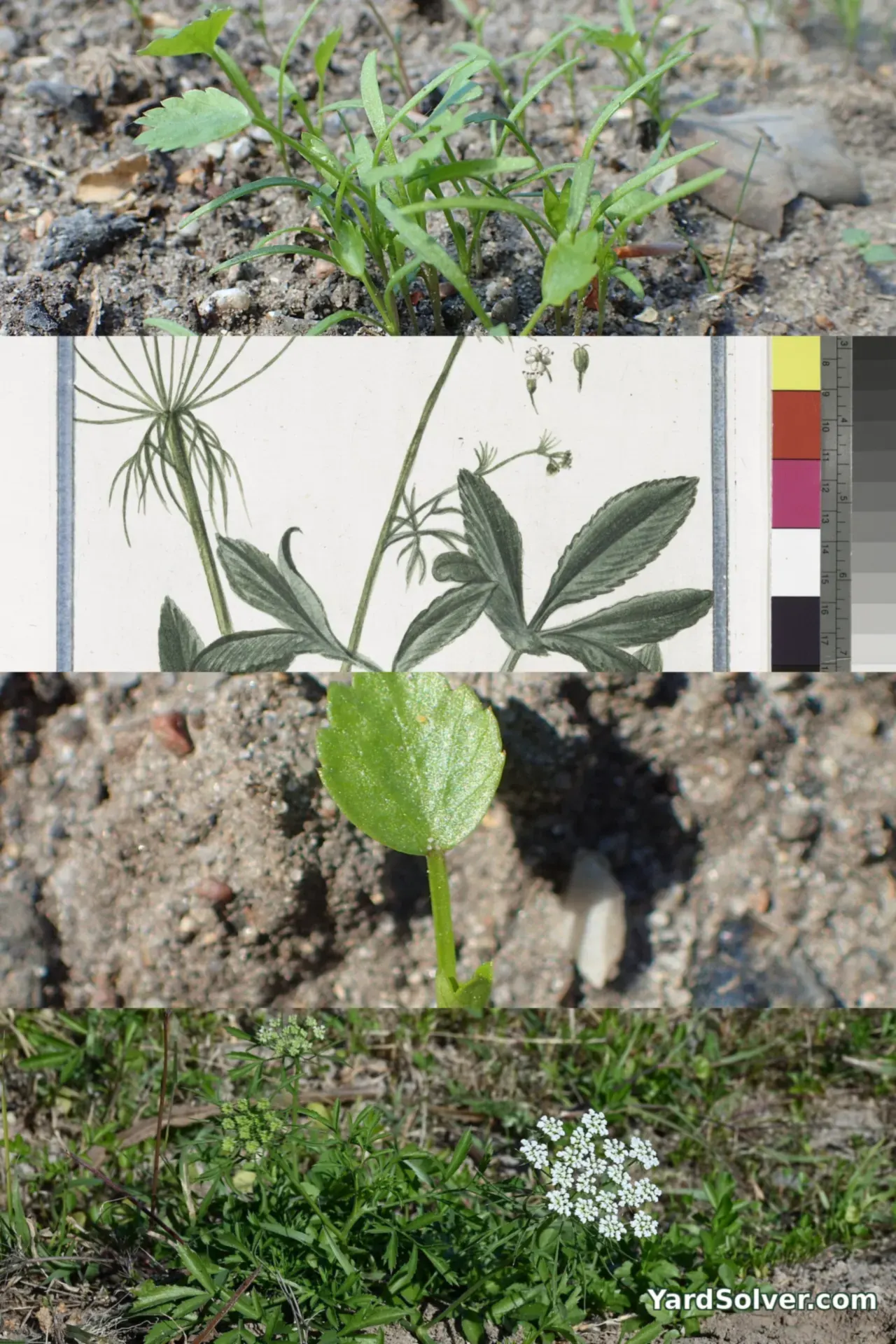
How to plant and grow ammi, step by step
Step 1 — Time it right
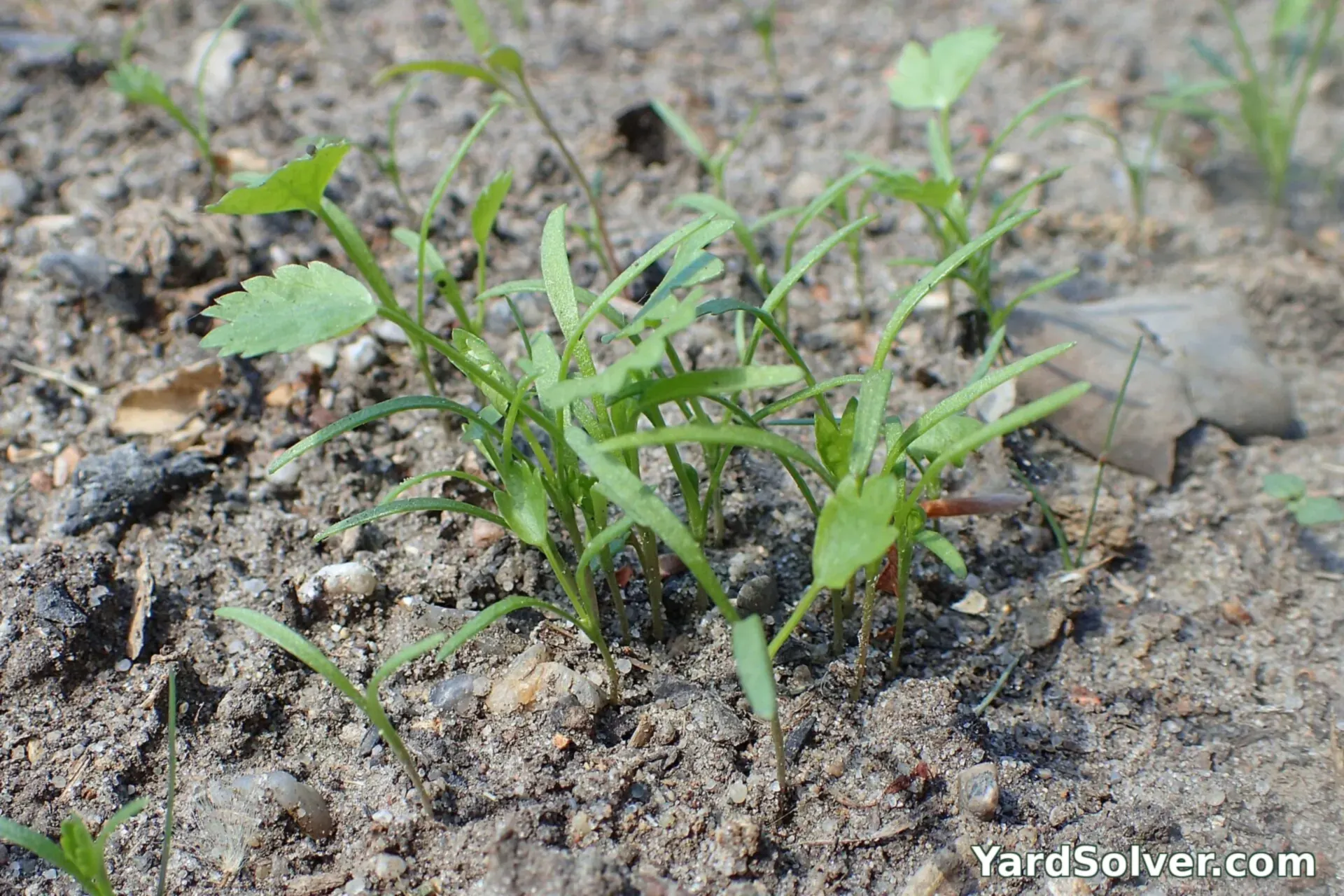
Sow indoors: 6–8 weeks before last frost; Move outside: at last frost; Sow outdoors: in early spring — or in autumn in mild districts for the earliest, tallest stems. All dates count from your average last spring frost — the Planting Calendar turns them into real dates for your garden. Ammi is a cool-season flower: it builds a ferny rosette in cool weather, then bolts into flower as days lengthen. Autumn sowing (in ground, in mild districts, or under a cloche) produces the champion stems; spring sowing indoors 6–8 weeks before last frost runs it close. Germination takes 2–3 weeks on the surface, in the light.
Step 2 — Prepare the spot
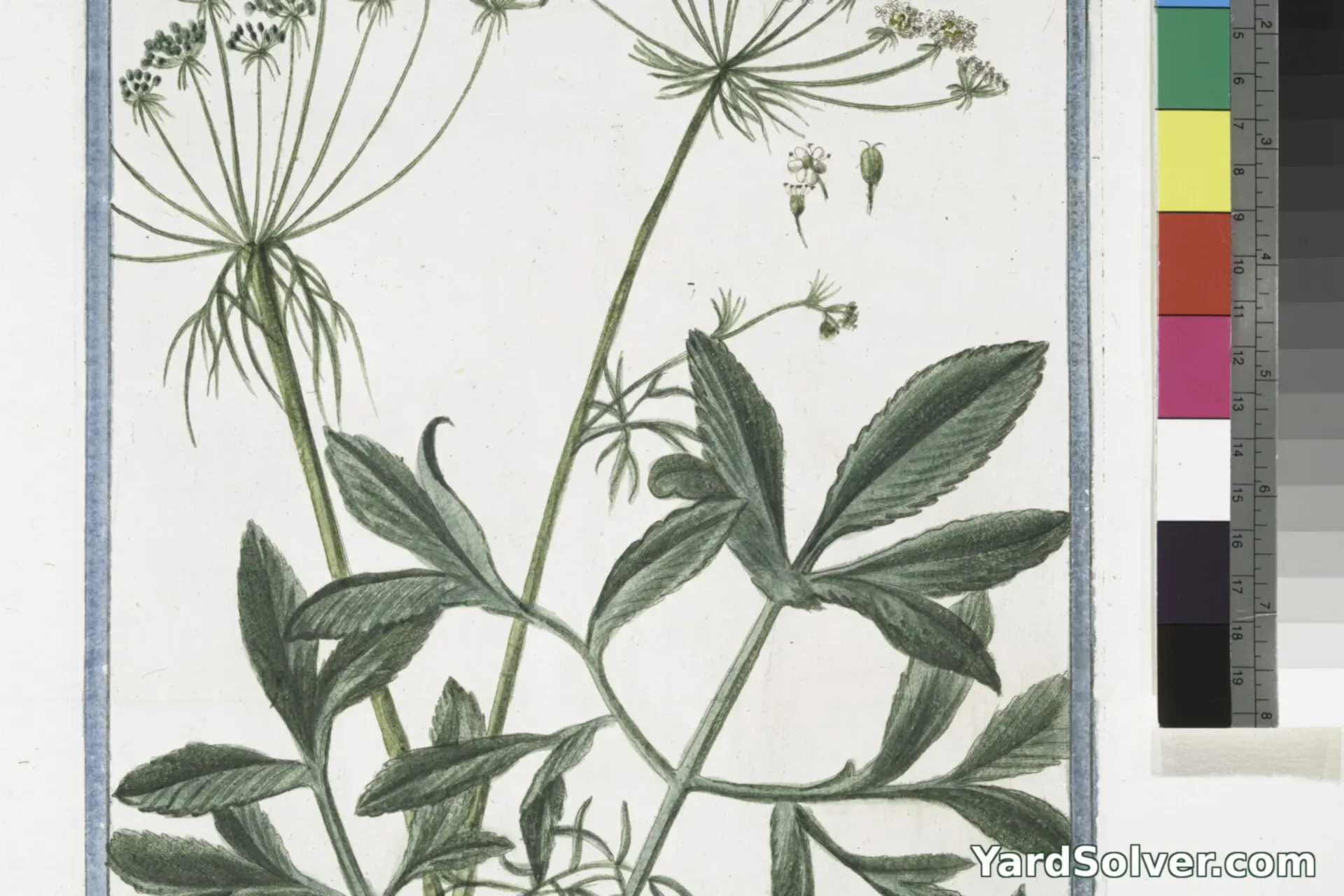
Ammi reaches 3–4 ft and branches widely, so a cutting-bed position in full sun with deep, ordinary soil is right. Skip rich feeding — lush ammi flops. A spot with some shelter matters: those lace heads catch wind like sails. For a raised bed, the Raised Bed Soil Calculator counts the bags for you; mixing your own? The Garden Soil Calculator gives the compost-rich split to aim for.
Step 3 — Sow and plant out
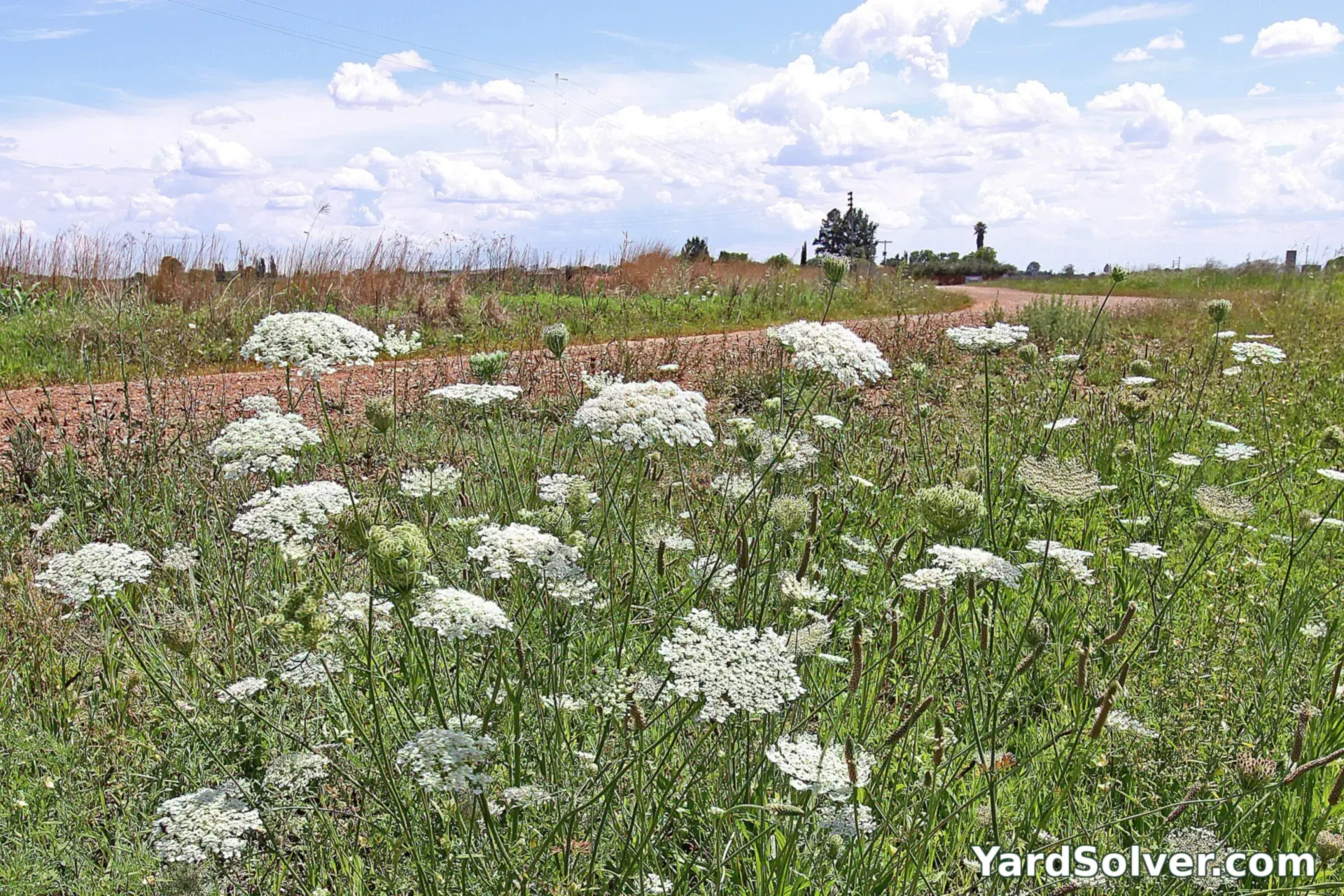
Plant out at 12 in spacing, disturbing roots as little as possible. The Plant Spacing Calculator turns your bed size into an exact plant count. Push in twiggy sticks or run a string grid around the patch while plants are young — support added early disappears into the foliage. Good neighbours: ammi belongs to the carrot family, so rotate it away from last year's dara and caraway ground.
Step 4 — Water and feed
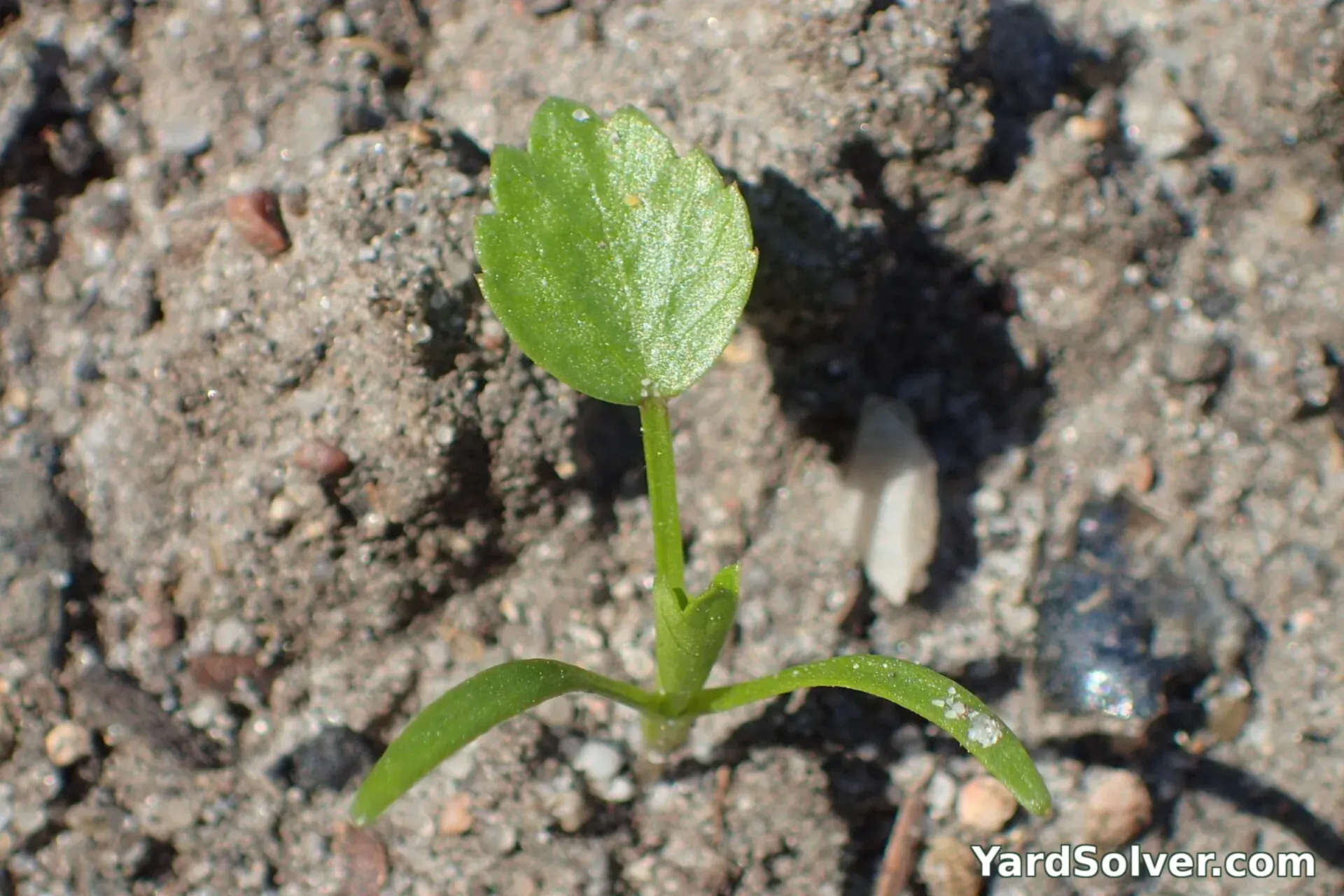
Water seedlings and transplants until they are growing away, then only in real drought — the deep taproot does the foraging. No feeding needed in normal soil; on sand, one light feed at planting is plenty — the Fertilizer Calculator turns your bed size into exact amounts.
Step 5 — Care and the problems to watch for
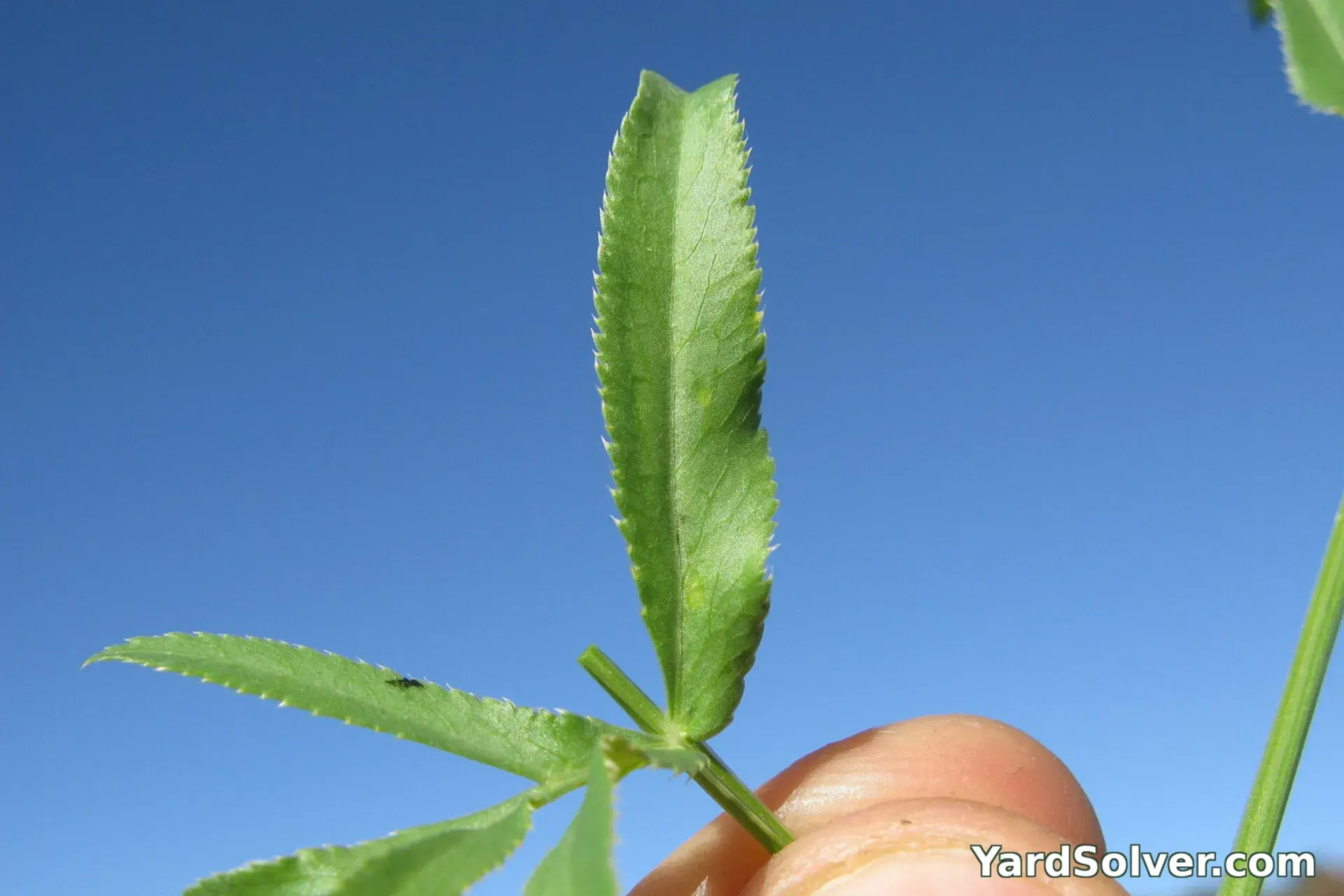
Support is the main care task, plus cutting twice a week (Step 6).
- Flopping in wind — support earlier next year, and plant in a block, not a row.
- Aphids on the heads — cut the worst heads for the compost; lacewings and hoverflies usually balance the rest.
- Skin rash after handling on sunny days — ammi sap is phototoxic: it can blister skin exposed to sun. This is the plant's one real hazard.
Step 6 — Harvest
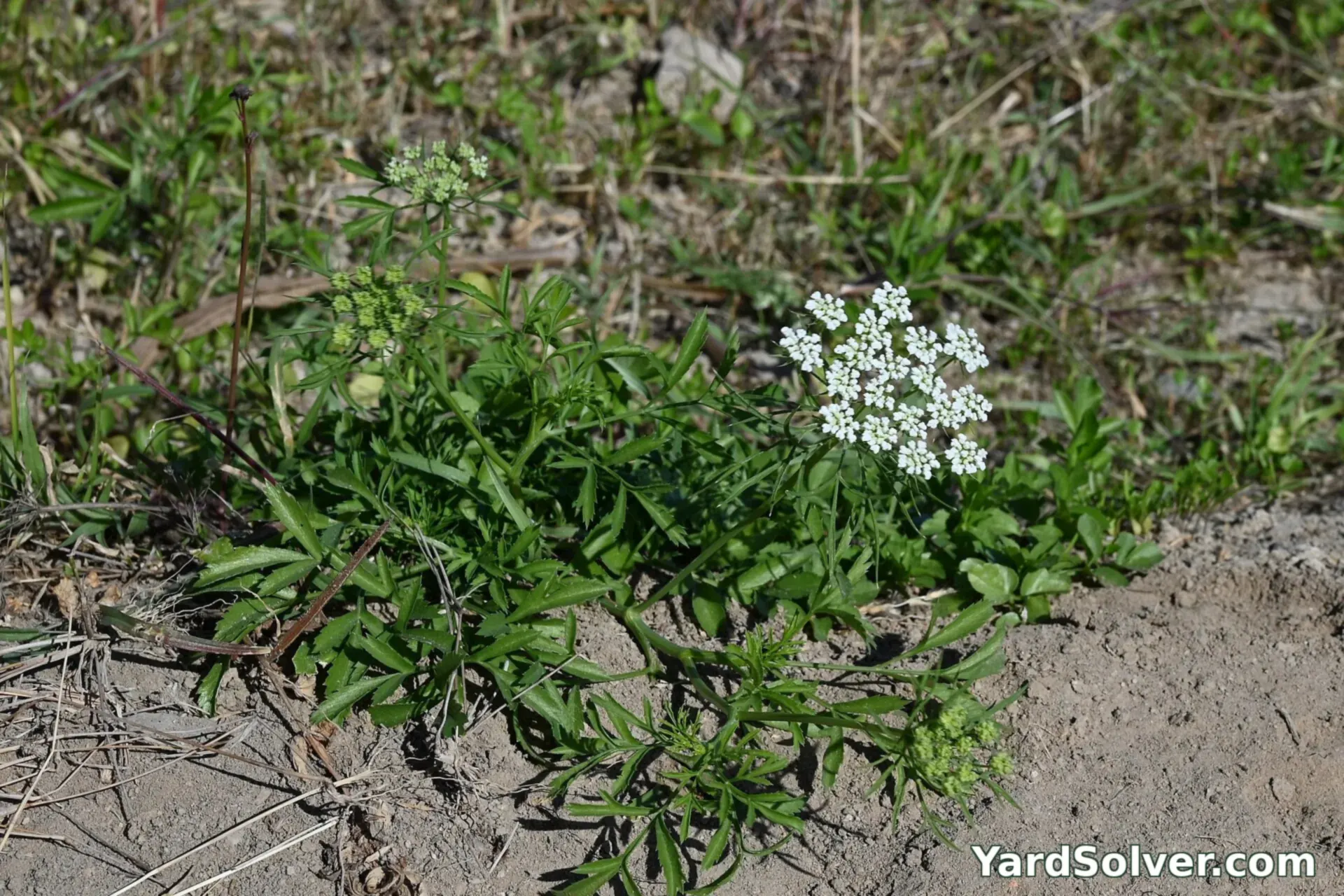
Cut (gloves on) when about half the tiny florets in an umbel have opened — fully open heads shatter and drop petals. Strip the lower leaves, stand the stems deep in water, and expect about a week of vase life. Successive sowings a month apart keep the lace coming from June to September.
📅 Your personal Ammi (Bishop's Flower) schedule
Counted from your planting day — not a generic calendar. Day 0 is the day the seed went in the ground or the young plant went out.
Varieties worth growing
| Variety | Colour | Why gardeners like it |
|---|---|---|
| Graceland | White, tall | The florist-standard strain — tall, uniform stems bred purely for cutting. |
| Casablanca | White, sturdy | Strong stems and big heads; a favourite for weddings. |
| Green Mist | Green-white heads | Umbels open through a green phase — superb fresh or dried at the green stage. |
Good for you — and take care
Benefits
- The bouquet-maker's secret — instant airy, professional arrangements.
- Umbels feed hoverflies and tiny parasitic wasps all summer.
- Succession sowings give months of cut flowers from one packet.
Take care
- Sap is phototoxic — gloves and sleeves when cutting; wash before sun exposure.
- Grow only from named bought seed; never gather lookalike wild umbellifers.
- Needs support — a 4 ft lace cloud catches the wind.
A little history — and one good fact
Ammi majus grew wild around the Mediterranean and was grown in Egyptian gardens in antiquity; florists adopted it in the 20th century as the refined answer to wild Queen Anne's lace (which is actually Daucus, its cousin). Modern strains like 'Graceland' were bred in the Netherlands for the cut-flower trade.
Fun fact: Ammi seed was used in ancient Egyptian medicine — and modern chemistry found it contains psoralens, the very compounds that make its sap react with sunlight.
Keep going
Guides: Succession planting · Crop rotation basics · Companion planting basics
Calculators: Plant Spacing Calculator · Garden Mix Calculator · Fertilizer Calculator
More flowers: Dara · Orlaya · Lisianthus · Snapdragon · Scabiosa (Pincushion Flower)
← Back to the Plant Library · Get your personal planting dates
Questions people ask
Is ammi the same as Queen Anne's lace?
They are close cousins in the carrot family and look very alike. Queen Anne's lace is Daucus carota; ammi (Ammi majus) is the florist's species with bigger, cleaner white heads on taller stems, bred for cutting.
Why do I need gloves to cut ammi?
Ammi sap is phototoxic — it makes skin react to sunlight and can cause blistering rashes. Wear gloves and long sleeves when cutting, and wash any sap off before sun exposure.
When should I cut ammi for the vase?
When about half the florets in an umbel are open. Cut then, the head finishes opening indoors; cut fully open, it shatters and drops petals within days.
Ammi is a cut-flower crop, not a border filler: sow in succession and cut at the right stage
Bishop's flower earns its keep in the cutting patch, where its lacy white umbels do the same job as gypsophila at a fraction of the cost. The mistake is sowing once and expecting a season of stems. Ammi is a hardy annual with a short peak: one sowing flowers hard for about three weeks, then runs to seed. Sow a short row every three weeks from early spring to midsummer and the patch hands you fresh stems continuously instead of one glut. Direct-sow where it is to flower — ammi grows a taproot and sulks after transplanting — and thin seedlings to about 30 cm apart so air moves through the stems and mildew stays away.
Cutting stage decides vase life. Cut when roughly a third to half of the tiny flowers on an umbel are open and the rest are still in tight bud; cut too early and the buds never open in water, cut too late and the open flowers shatter over the table within days. Cut in the cool of the morning, strip the lower foliage at once and stand the stems deep in clean water for several hours before arranging. One safety note belongs on every ammi page: the sap can irritate skin in sunlight, so wear gloves when cutting and handling long stems, and keep it away from grazing animals.
The worked example: three succession sowings, each a row about a metre long, spaced three weeks apart, commonly give a bucket of filler stems a week from early summer into autumn — enough for two or three mixed bouquets weekly. The single spring sowing beside them gives a spectacular fortnight, then seed heads. Same packet, same bed; the calendar is the whole difference.
Sources
Key facts on this page — timing, spacing and care — cross-checked against NC State Extension Plant Toolbox — Ammi majus (bishop's flower) — culture, height and care requirements.
Related page
Read next: Native Plants: Benefits, Regional Picks & How to Grow.
Comments & ratings
No comments yet.
Be the first to share your experience.