
Plant Library · Flowers · By Faizan Ahmad
🌸 How to Grow Dara (Flowering Carrot)
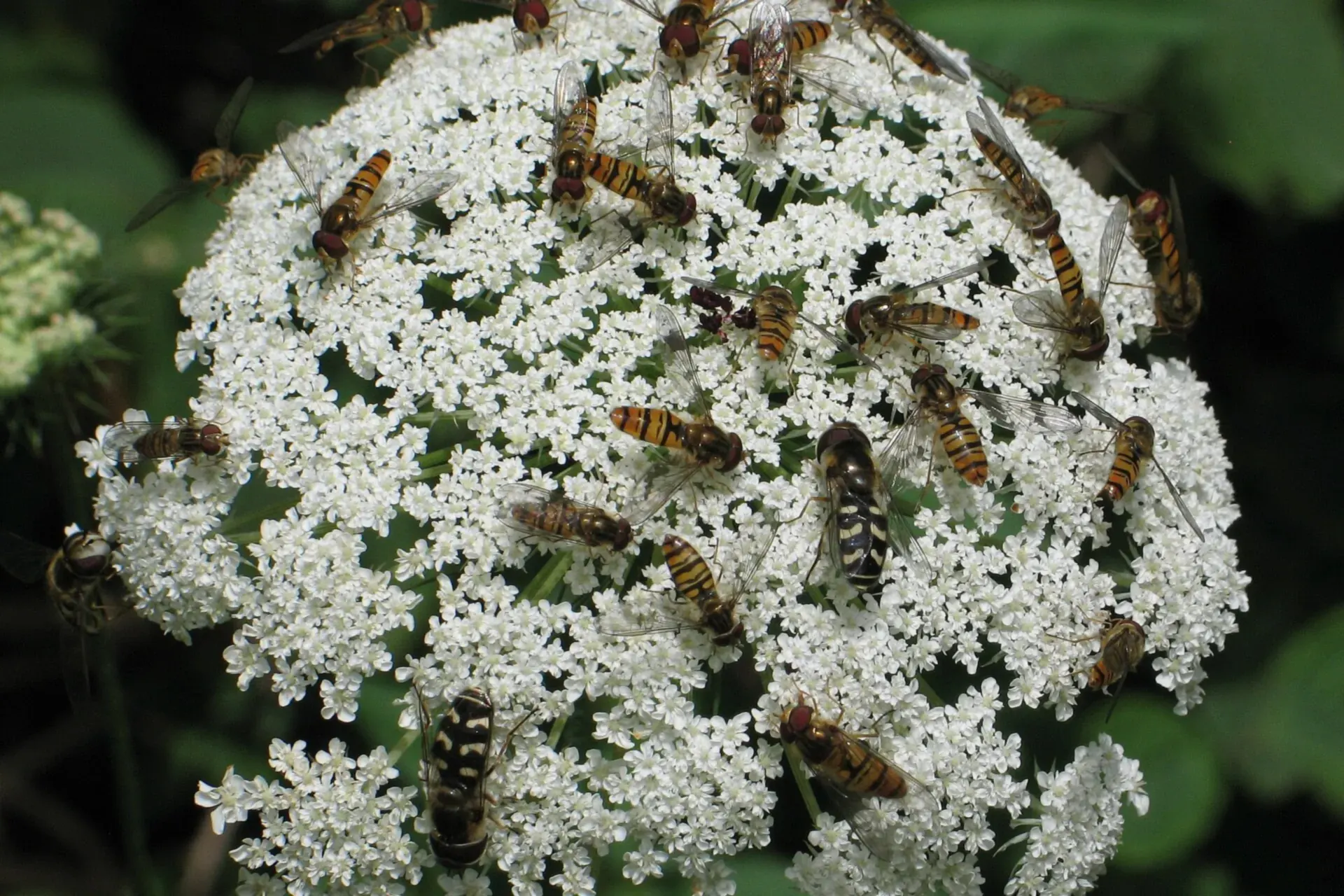
Queen Anne's lace dyed in wine and blush — the coloured carrot bred for the vase. Dara is Daucus carota in fancy dress: the same lacy umbels as its wild ancestor, in shades of pink, burgundy and chocolate-white. It behaves like the biennial it is — sow in late summer for the grandest plants, or in spring for a same-year show — and it carries the carrot family's one caution about sap and sun.
Grow Dara (Flowering Carrot) with us — step by step
Everything for this plant is written step by step below — what to do, and exactly when. Read it through first if you like: you can grow it entirely on your own with that guide. Or start with us here — tell us your planting day and we lay out your personal schedule on this page, every next step on its own day, counted from your planting date. No guessing, no forgetting.
Step 1 — today: Sow dara seed in deep pots indoors, or straight into a late-summer bed — its taproot wants depth and no disturbance.
Dara (Flowering Carrot) at a glance
Sow indoors: 8 weeks before last frost, in deep pots
Move outside: At last frost
Sow outdoors: Late summer for biennial plants, or early spring
Spacing · Seed depth: 10 in apart · 1/8 in deep
Sun: Full sun
Water: Moderate — deep roots once settled
Bloom: June to August; cut as heads open flat
Timing counts from your average last spring frost — get your own dates in the Planting Calendar. Guidance follows standard extension-service practice for Canada and the US.
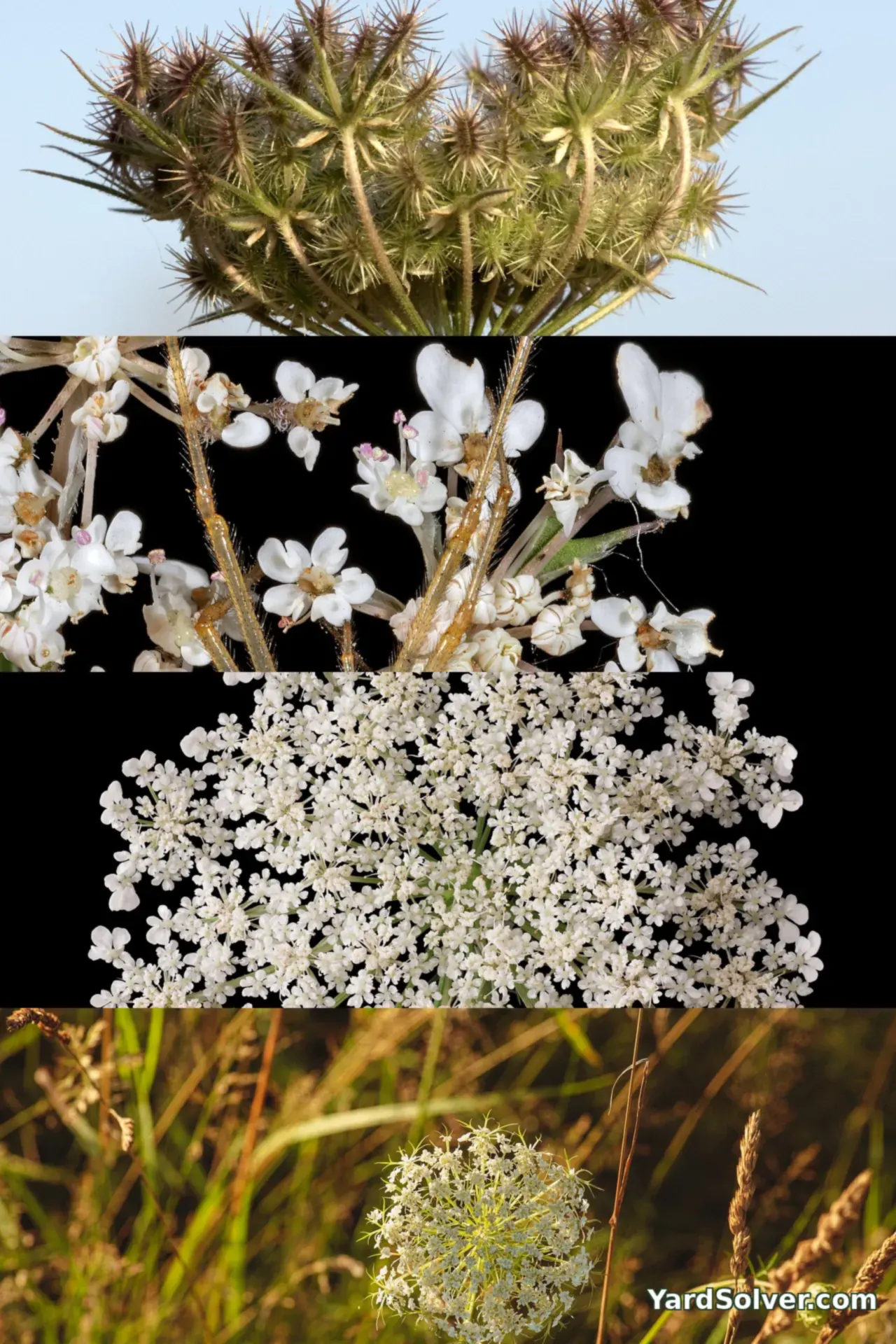
How to plant and grow dara, step by step
Step 1 — Time it right
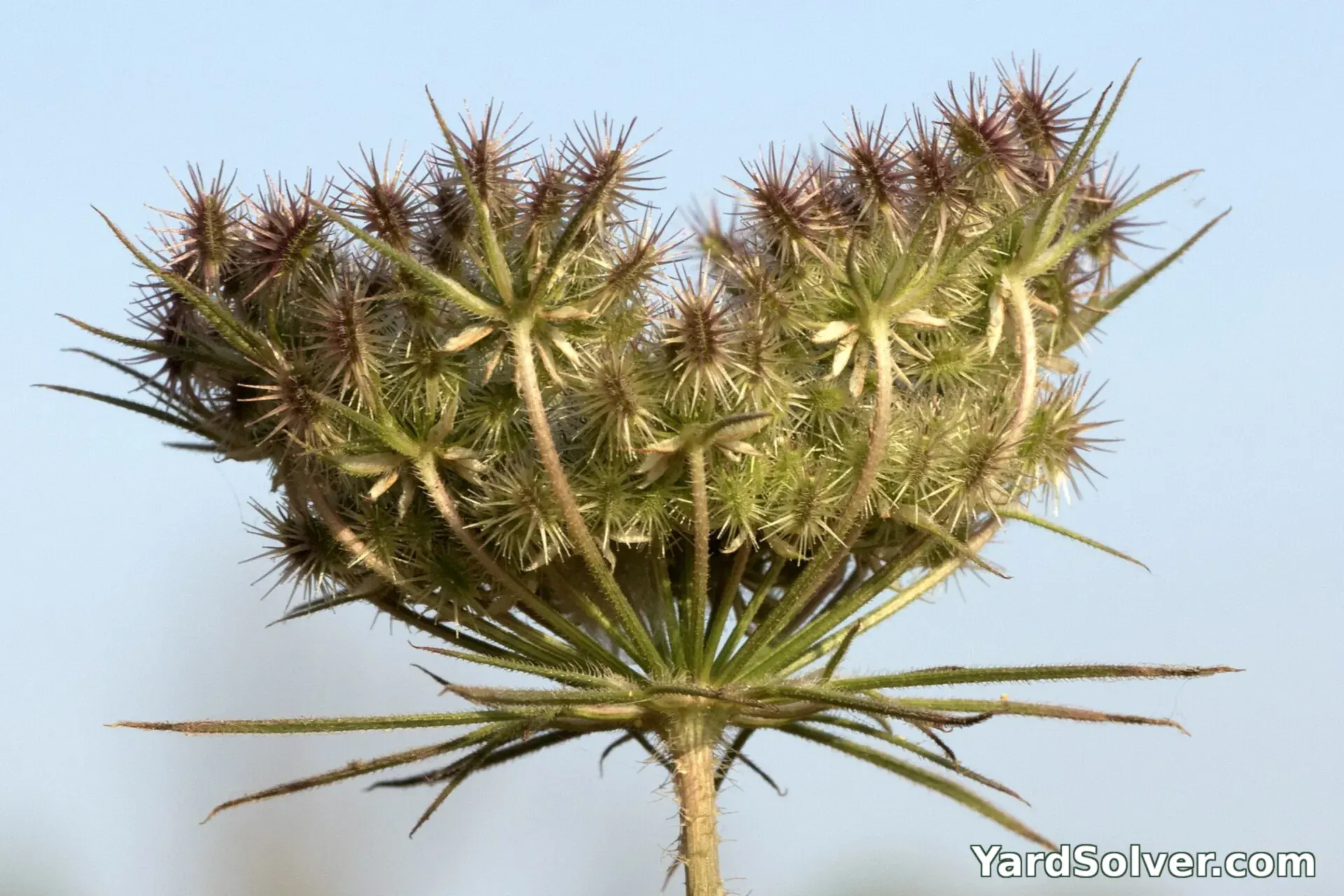
Sow indoors: 8 weeks before last frost, in deep pots; Move outside: at last frost; Sow outdoors: in late summer for flowers next year, or in early spring for a late show this year. All dates count from your average last spring frost — the Planting Calendar turns them into real dates for your garden. Dara is a biennial carrot: sown in late summer it rosettes over winter and flowers magnificently the next June; sown in very early spring it flowers the same year, a little later and smaller. Either way the taproot rules — sow in deep pots or in place, and never prick out crowded seedlings by the handful.
Step 2 — Prepare the spot
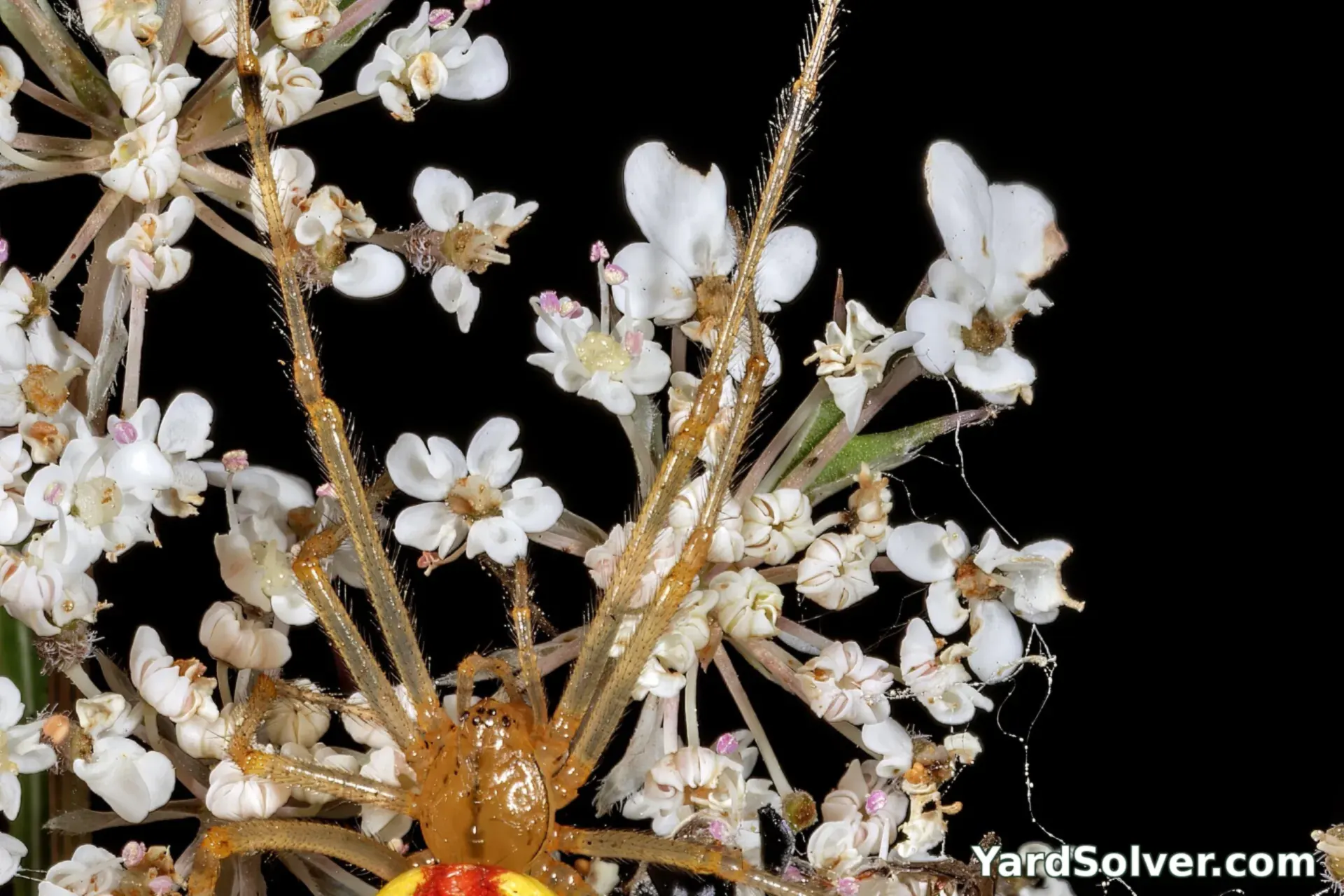
Deep, light, well-drained soil in full sun suits dara — think carrot bed. Fork it deeply and remove stones so the root runs straight down. Ordinary fertility is right; a rich bed grows leaves. As a carrot-family plant, give it ground that hasn't grown carrots, ammi or parsnips for a couple of years. For a raised bed, the Raised Bed Soil Calculator counts the bags for you; mixing your own? The Garden Soil Calculator gives the compost-rich split to aim for.
Step 3 — Sow and plant out
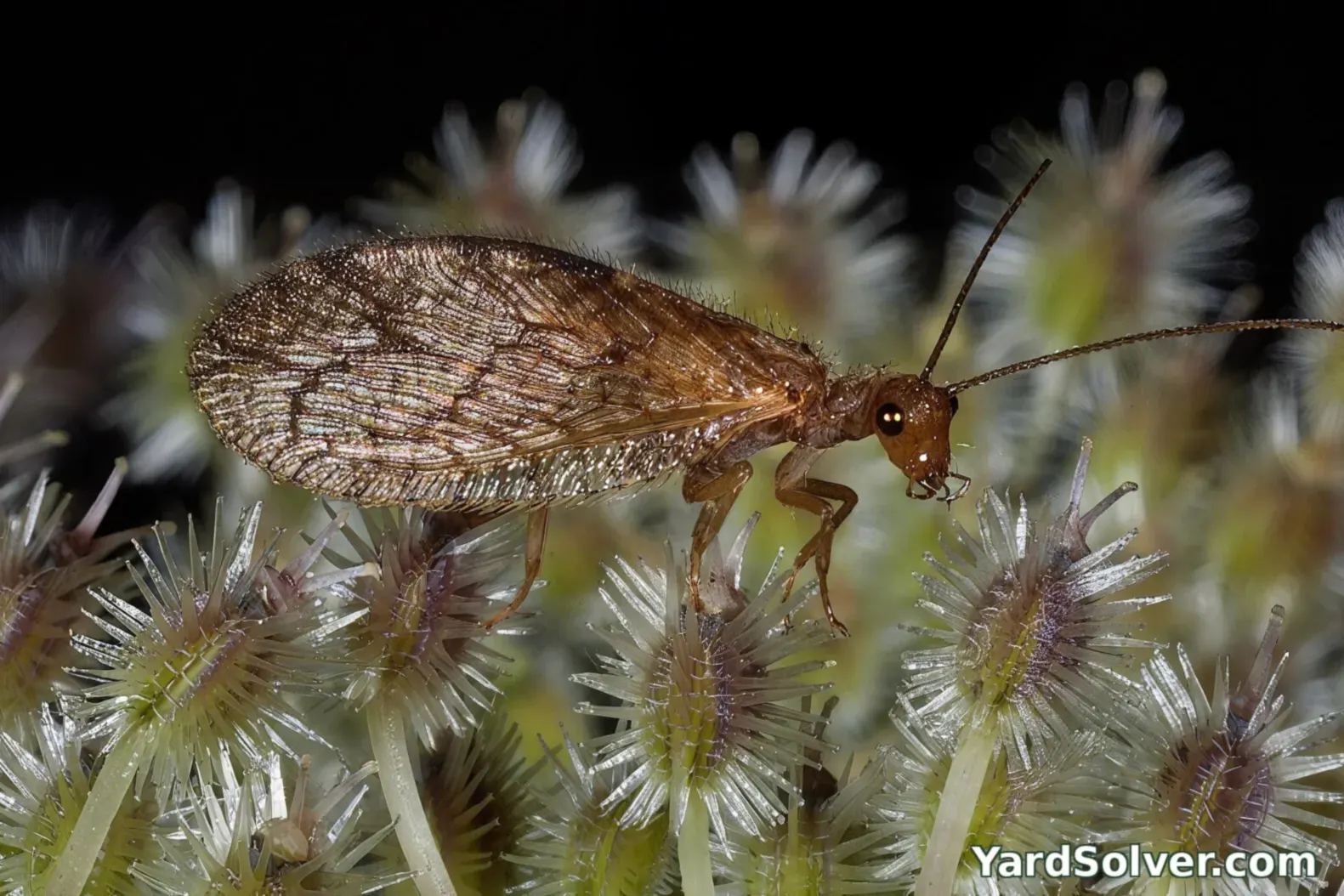
Plant out undisturbed at 10 in spacing. The Plant Spacing Calculator turns your bed size into an exact plant count. Push in a support net early if the site is windy — 3 ft stems of lace catch the weather. Good neighbours: dara's coloured umbels thread through the cutting garden with ammi (its white cousin-in-trade) and lisianthus, flowering as the spring bulbs finish.
Step 4 — Water and feed
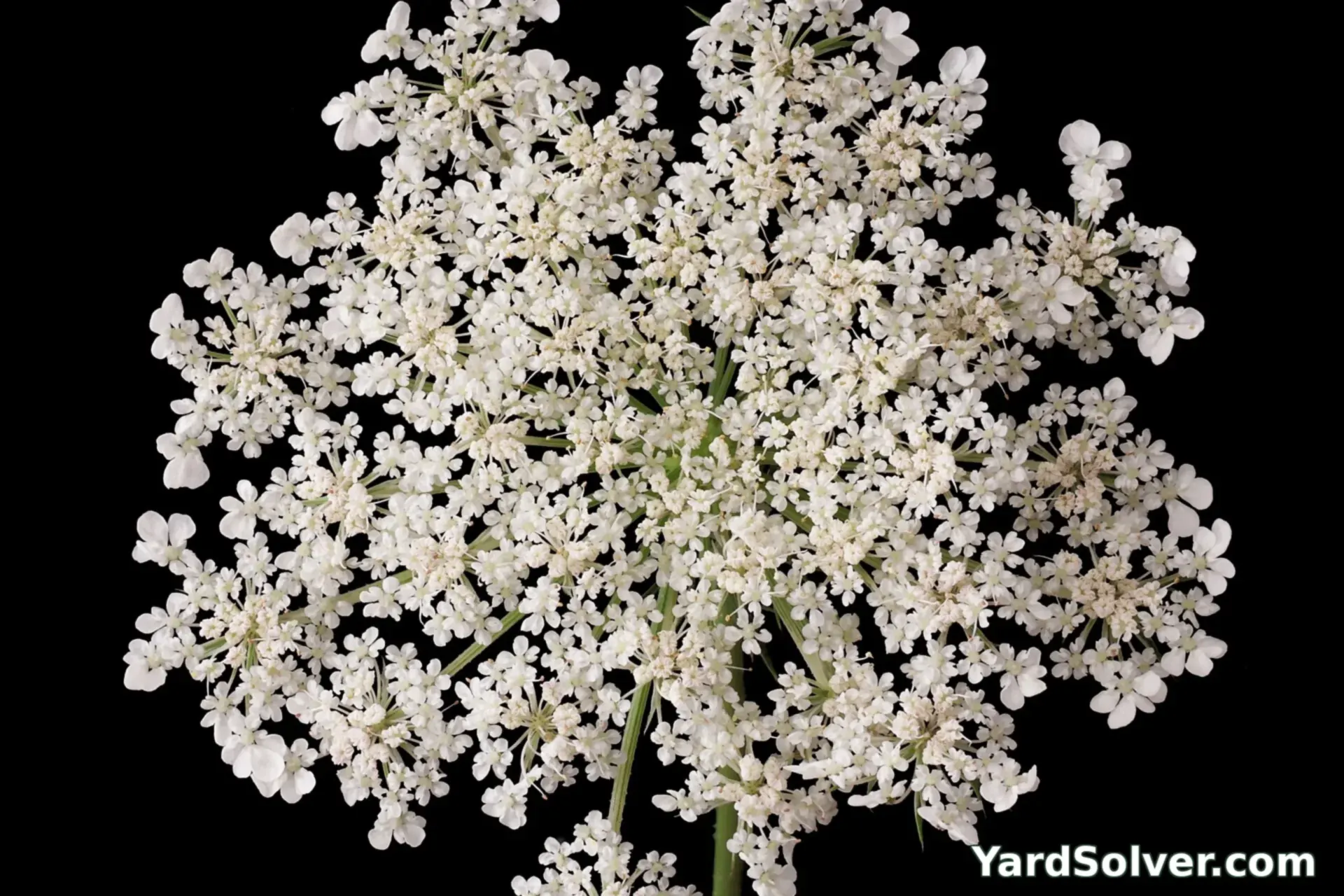
Water transplants until they settle, then only in prolonged drought. Feeding is unnecessary in average soil; on hungry sand, a single light feed early in the spring of flowering is plenty — the Fertilizer Calculator turns your bed size into exact amounts.
Step 5 — Care and the problems to watch for
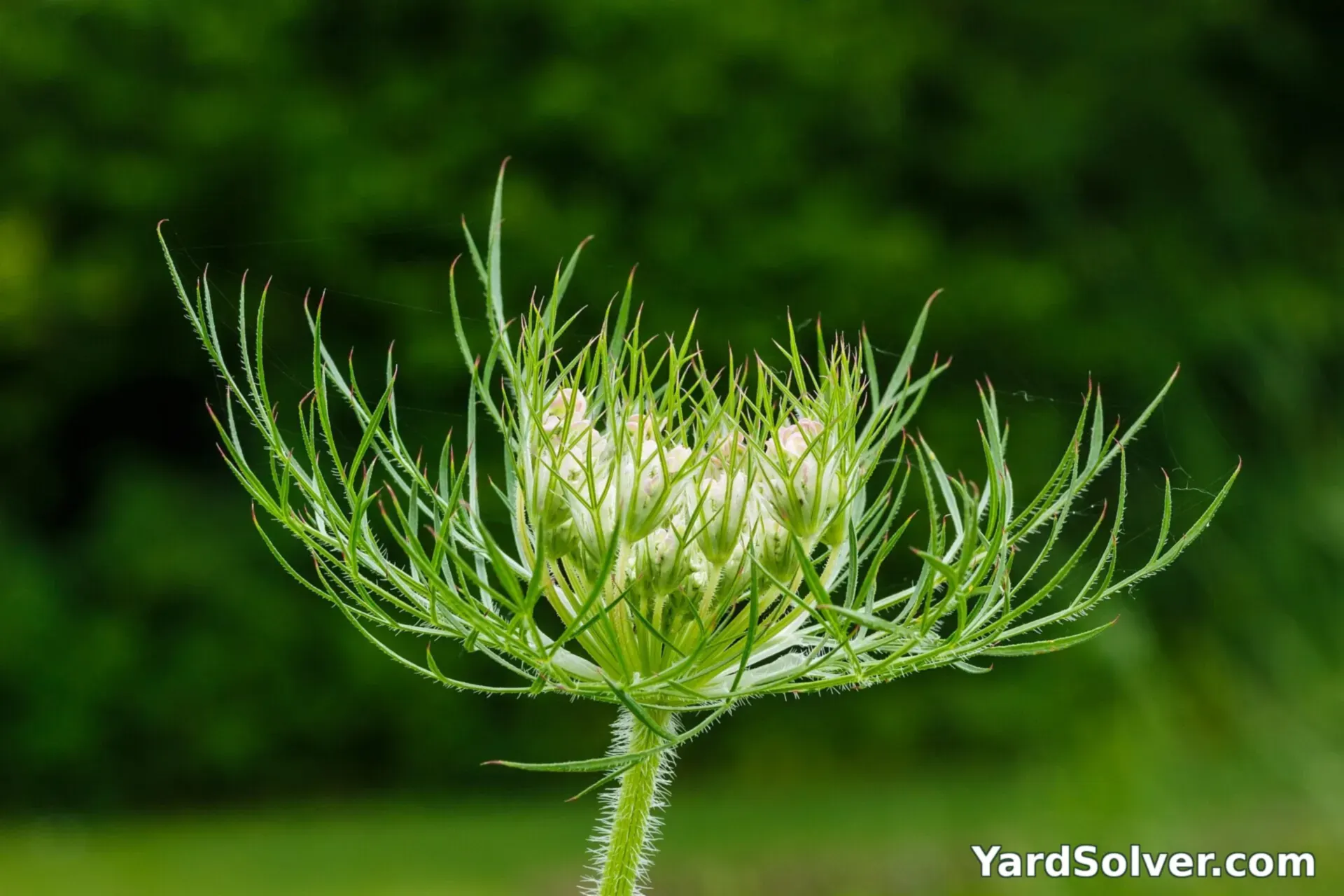
Beyond support, dara asks little. Cut or deadhead constantly for repeat stems.
- Pale, washed-out heads — heat bleaches the colours; late-summer sowings flowering in cool June weather colour best.
- Carrot fly — the family pest occasionally finds it; net young plants in known bad gardens.
- Skin irritation after handling in sun — like its cousin ammi, dara sap can be phototoxic on sensitive skin.
Step 6 — Harvest
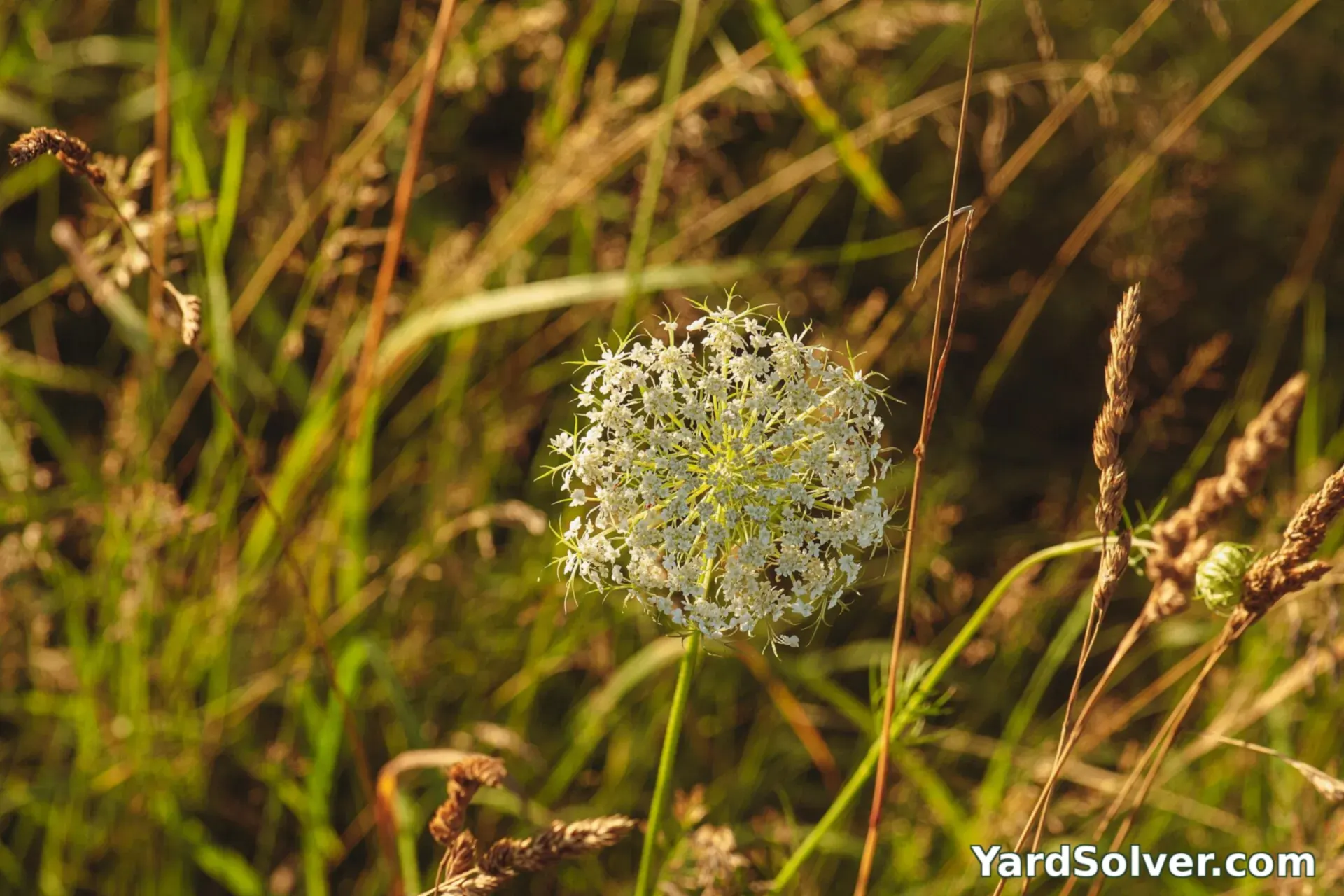
Cut stems (gloves on) when the umbel has opened flat and shows full colour; earlier cuts wilt, later ones shatter. Strip lower leaves and stand deep in water — expect about a week of vase life. Leave a plant or two to seed: dara self-sows true enough to colour, and next year's patch costs nothing.
📅 Your personal Dara (Flowering Carrot) schedule
Counted from your planting day — not a generic calendar. Day 0 is the day the seed went in the ground or the young plant went out.
Varieties worth growing
| Variety | Colour | Why gardeners like it |
|---|---|---|
| Dara | Pink to burgundy mix | The original coloured strain — every plant a slightly different shade. |
| Chocolate Lace | Deep burgundy-brown heads | The darkest selection — dramatic with white cosmos and ammi. |
| Pink Lace | Soft blush pink | Pale, romantic heads for wedding-style arrangements. |
Good for you — and take care
Benefits
- Queen Anne's lace in colours the wild plant never offers.
- A florist-grade filler that flowers for weeks from one sowing.
- Umbels feed hoverflies and parasitic wasps all summer.
Take care
- Sap can be phototoxic — gloves for cutting on sunny days.
- A biennial — plan the late-summer sowing for the best plants.
- Taproot hates disturbance; deep pots or in-place sowing only.
A little history — and one good fact
Dara began as a selected colour form of the wild carrot, Daucus carota — Dutch and American breeders picked out the rare pink-flushed seedlings that appear in wild populations and stabilised them into a strain. The lace, the form and the toughness are all the wild plant's.
Fun fact: Wild Queen Anne's lace often shows a single dark-red floret at the very centre of the white umbel — legend says it is a drop of blood from where Queen Anne pricked her finger sewing lace.
Keep going
Guides: Crop rotation basics · Succession planting · Companion planting basics
Calculators: Plant Spacing Calculator · Garden Mix Calculator · Fertilizer Calculator
More flowers: Ammi · Orlaya · Chinese Forget-Me-Not · Cornflower · Scabiosa (Pincushion Flower)
← Back to the Plant Library · Get your personal planting dates
Questions people ask
Is dara a biennial or an annual?
Botanically a biennial: sown in late summer, it rosettes through winter and flowers the following June. Sown in very early spring it can flower the same year, later and on smaller plants — most cutting growers use both timings.
How is dara different from Queen Anne's lace?
They are the same species, Daucus carota. Dara is a selected strain bred for coloured umbels — pink, wine and chocolate shades — while the wild type is white. Culture and cautions are identical.
Why are my dara flowers pale?
Heat and rich soil wash the colour out. The deepest pinks and burgundies come from late-summer sowings flowering in the cool of early summer, grown on lean ground.
'Dara' is a carrot grown for its flowers: a biennial that blooms in its second year unless autumn sowing fools it kindly
Dara is an ornamental form of the ordinary carrot, selected for flat, lacy flower heads that open blush-pink and deepen through burgundy to chocolate as they age — one of the most useful cut flowers of the summer border, and a magnet for hoverflies and lacewings. Because it is a carrot, its life cycle is a carrot's: a biennial that makes a feathery rosette and a taproot in its first year and flowers in its second.
That cycle sets the sowing calendar. An autumn sowing, overwintered as a rosette, flowers the following summer as a proper biennial; a very early spring sowing can sometimes be vernalised by late cold and flower the same year, but a late spring sowing usually just makes leaves. Sow directly where it will flower — the taproot dislikes transplanting — in full sun and ordinary, not rich, soil; fed plants grow soft and flop, carrying their flower heads at ankle height.
The worked example: seed sown in place in autumn on lean ground commonly gives tall, self-supporting stems of pink-to-burgundy lace the next summer, cutting for weeks. The identical seed sown late in spring into a fed border typically gives a season of foliage and flowers only the year after — if the rosettes survive being weeded out as carrot tops. Dara rewards the gardener who plans a year ahead, which is exactly what a biennial asks.
Sources
Key facts on this page — timing, spacing and care — cross-checked against NC State Extension Plant Toolbox — Daucus carota (carrot) — culture, biennial life cycle, soil and care requirements and Daucus carota — Wikipedia — background on the species and its ornamental forms.
Related page
Read next: Companion Planting Basics: Good & Bad Neighbours.
Comments & ratings
No comments yet.
Be the first to share your experience.