
Plant Library · Fruits · By Faizan Ahmad
🍎 How to Grow Apple Tree
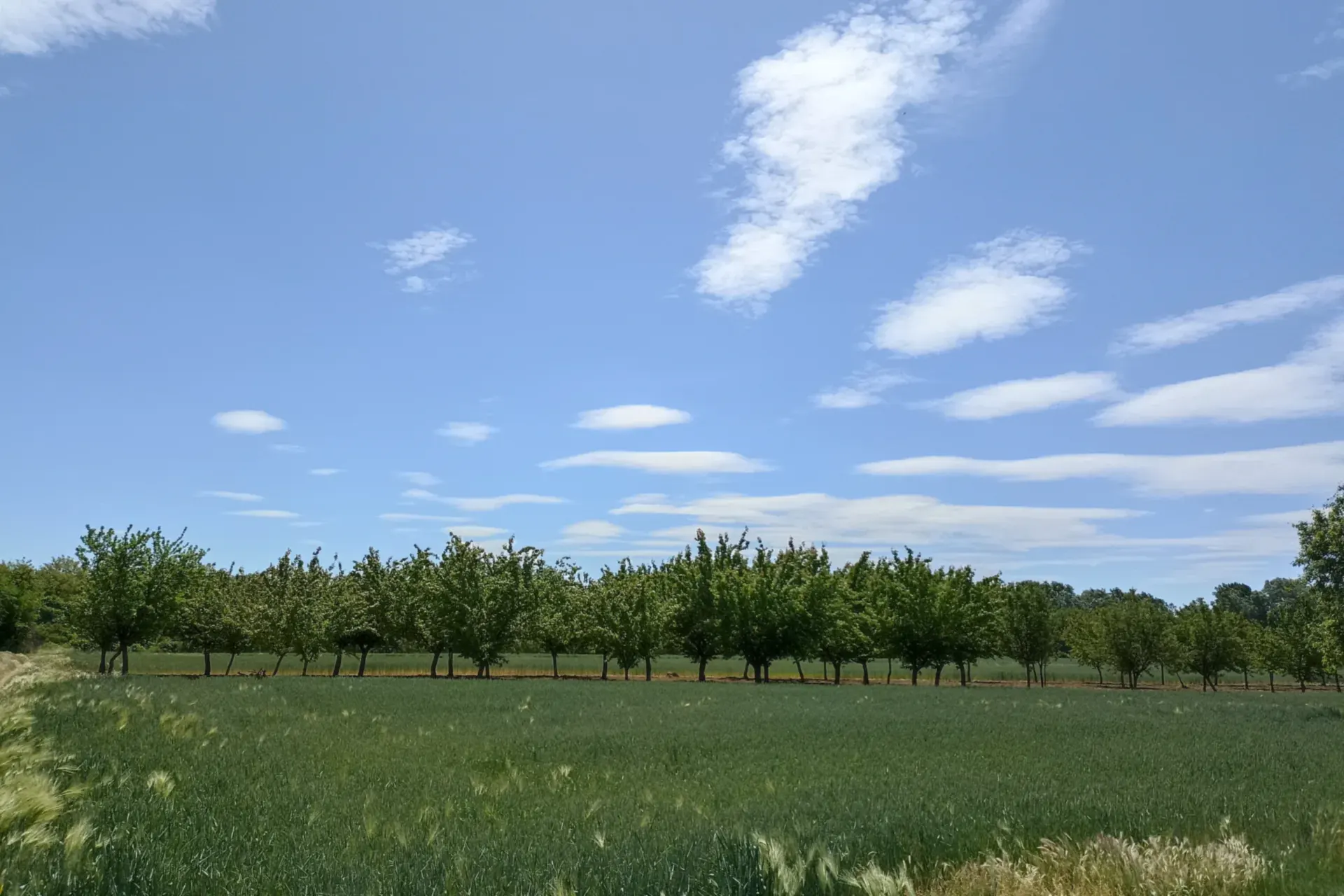
An apple tree is the garden investment that pays you back for decades. Most varieties need a second, different apple nearby for pollination, and the size is set by the rootstock: dwarf trees fruit in 2–3 years and fit a small garden, while a standard tree needs 25–30 ft and patience. First harvest comes in 2–5 years.
Grow Apple Tree with us — step by step
Everything for this plant is written step by step below — what to do, and exactly when. Read it through first if you like: you can grow it entirely on your own with that guide. Or start with us here — tell us your planting day and we lay out your personal schedule on this page, every next step on its own day, counted from your planting date. No guessing, no forgetting.
Step 1 — today: Plant your Apple Tree today: dig a hole twice as wide as the root ball, set the graft union 2–3 in above the soil line, backfill, water deeply and mulch. Full sun, and a pollination partner nearby.
Apple Tree at a glance
Spacing: 8–30 ft by rootstock in · Seed depth: As in the pot
Sun: Full sun
Water: Regular, deep, especially while young
Harvest: First fruit in 2–5 years
Timing counts from your average last spring frost — get your own dates in the Planting Calendar. Guidance follows standard extension-service practice for Canada and the US.
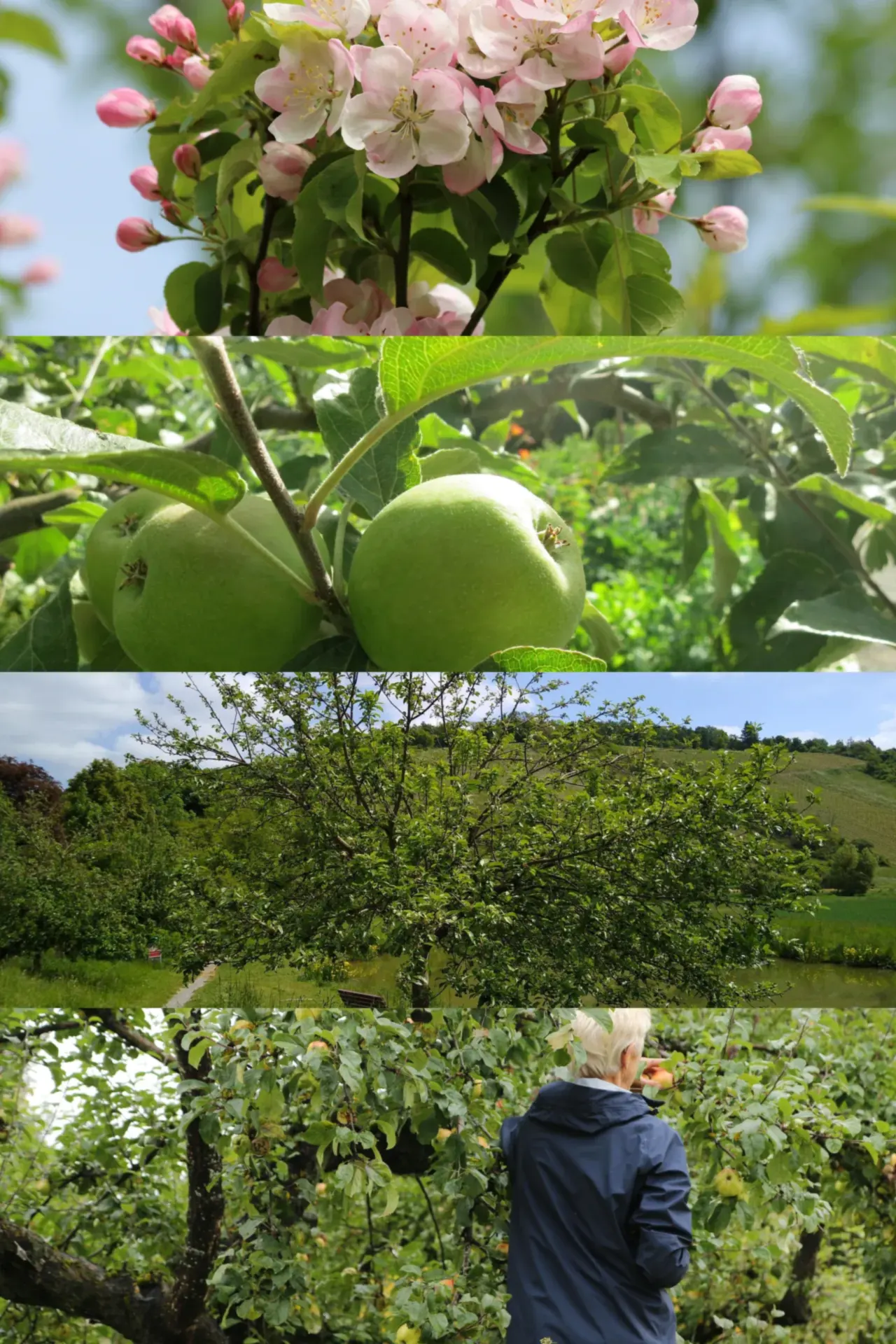
How to plant and grow apple tree, step by step
Step 1 — Time it right
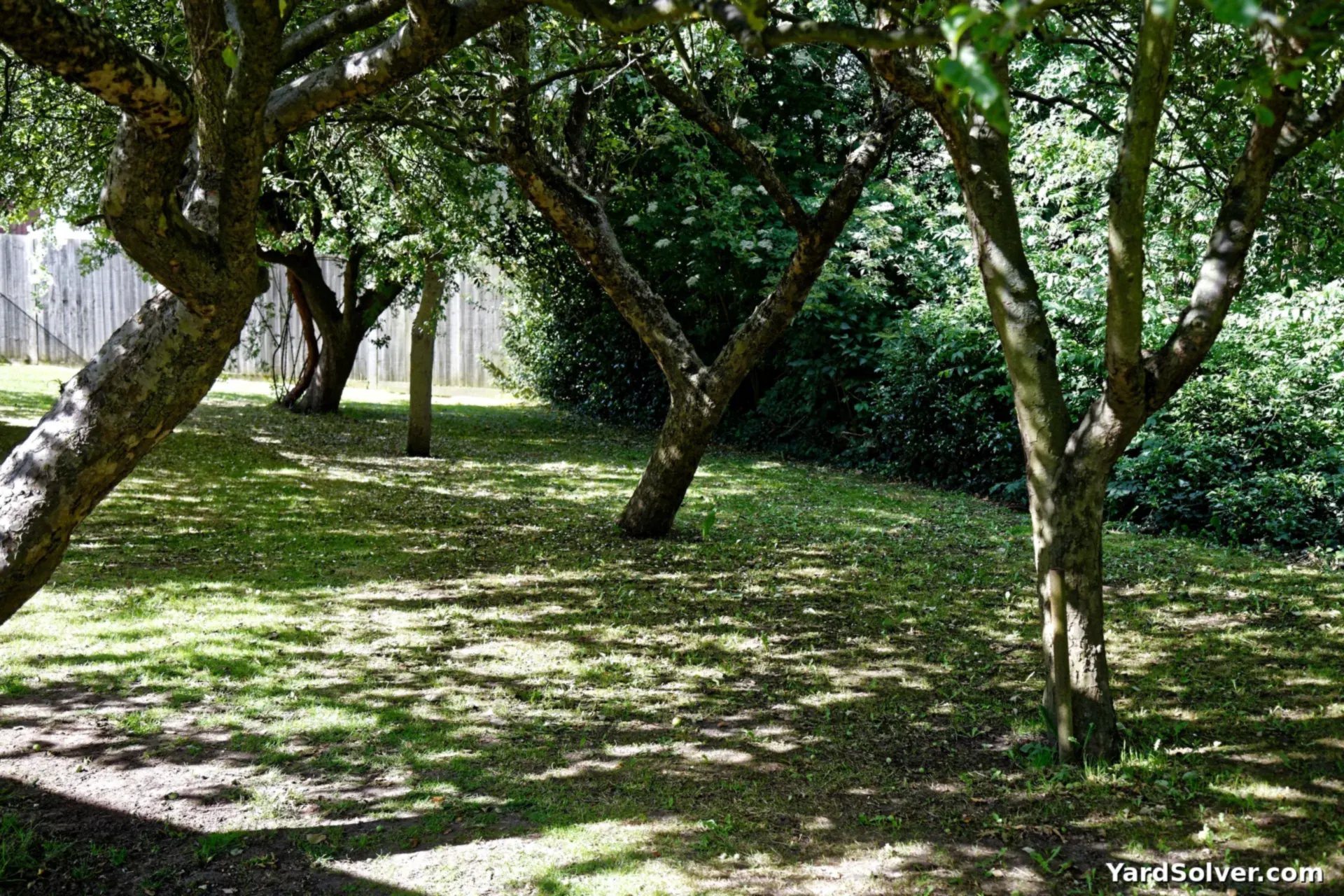
Plant bare-root trees in early spring, or container trees in spring or fall. Apples need 200–1,000+ hours of winter chill depending on variety — pick one bred for your zone. Most varieties need a second, different apple nearby for pollination.
Step 2 — Prepare the spot
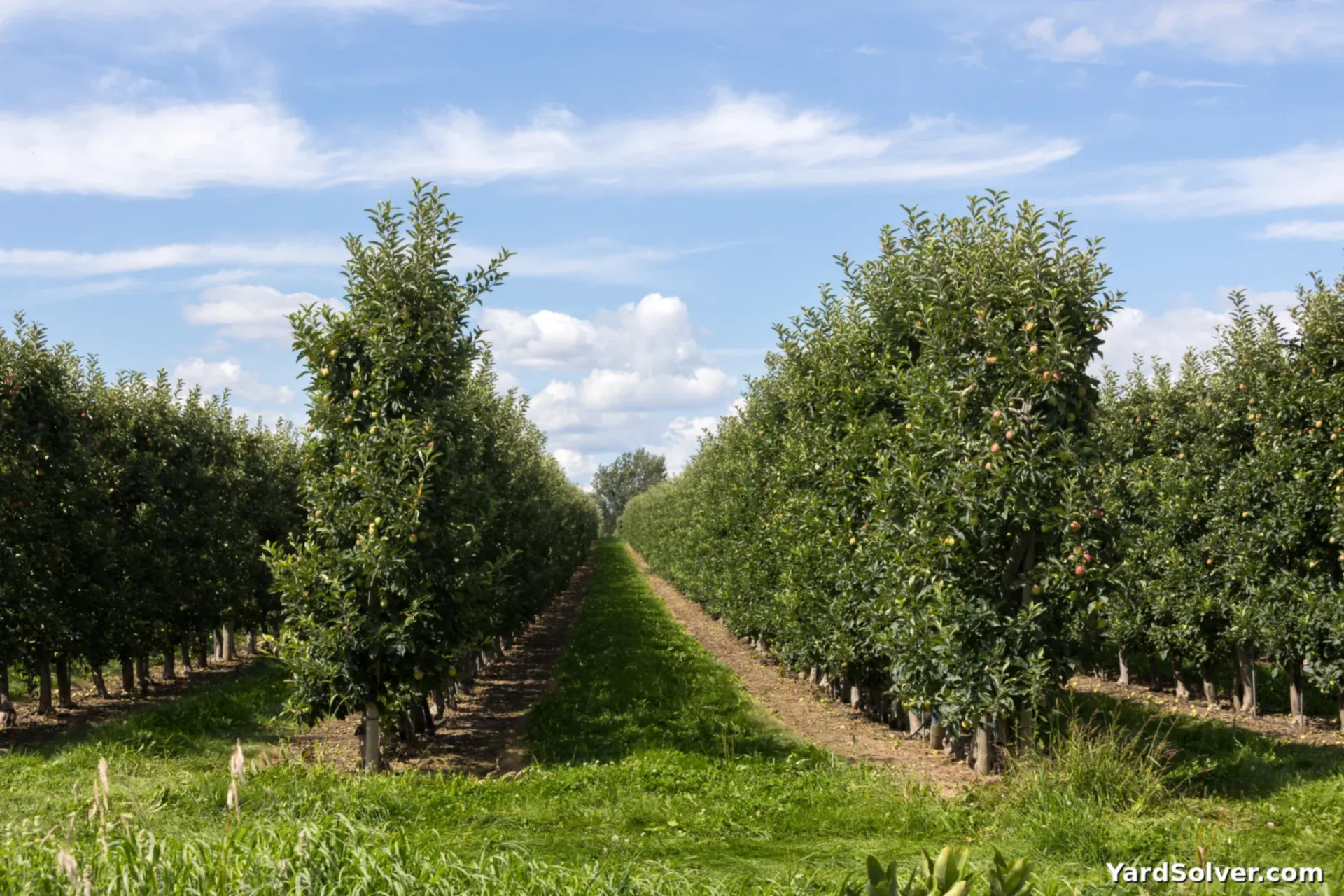
Sun: Full sun. Well-drained loam in full sun. Apples dislike wet feet; a gentle slope with air movement is the classic orchard spot. Work out how much soil you need with the Garden Mix Calculator or the Raised Bed Soil Calculator.
Step 3 — Plant it
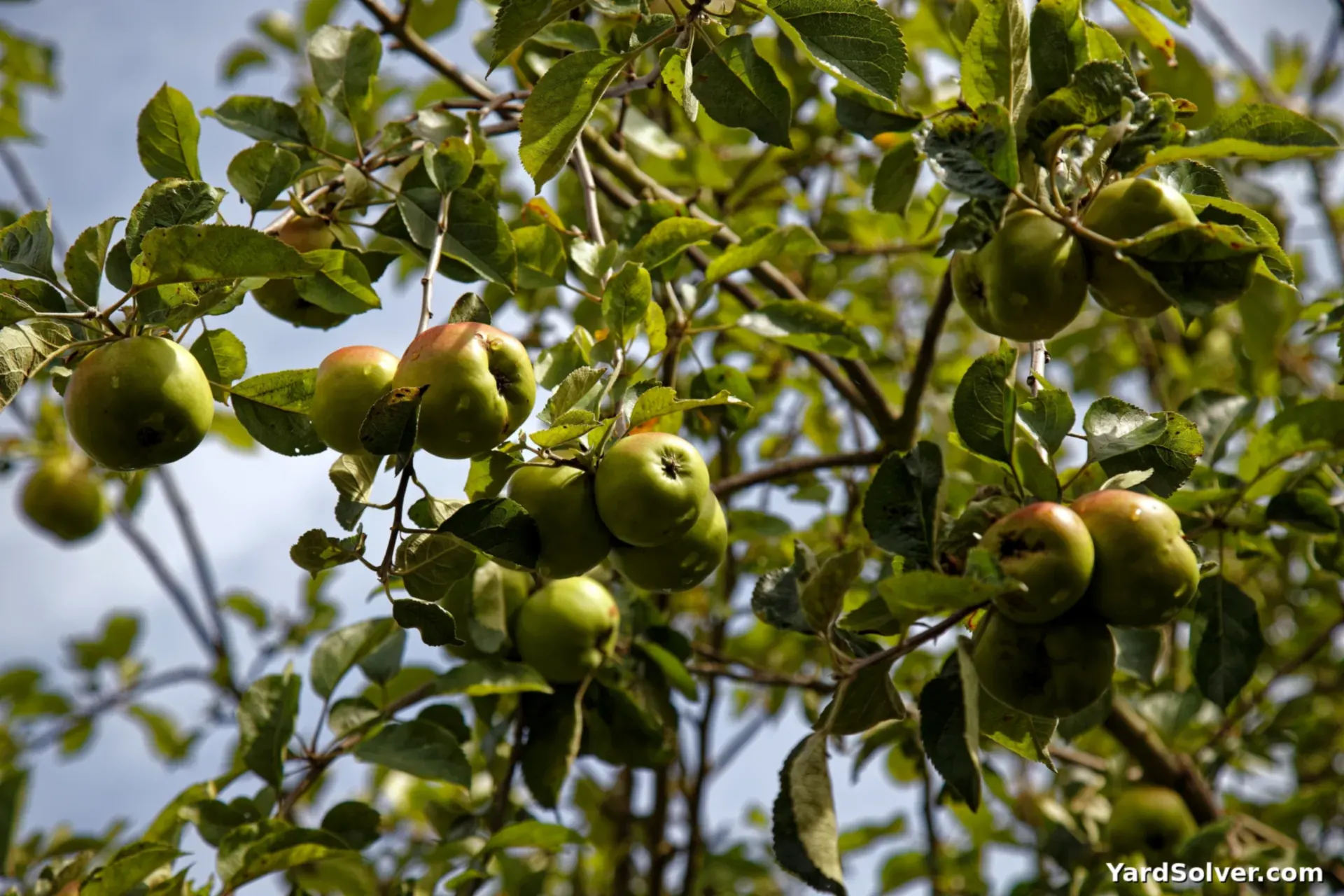
Dig a hole twice as wide as the root ball, set the graft union 2–3 in above the soil line, backfill, water deeply and mulch — keeping mulch off the trunk. The Plant Spacing Calculator turns that spacing into trees-per-plot.
Step 4 — Water and feed
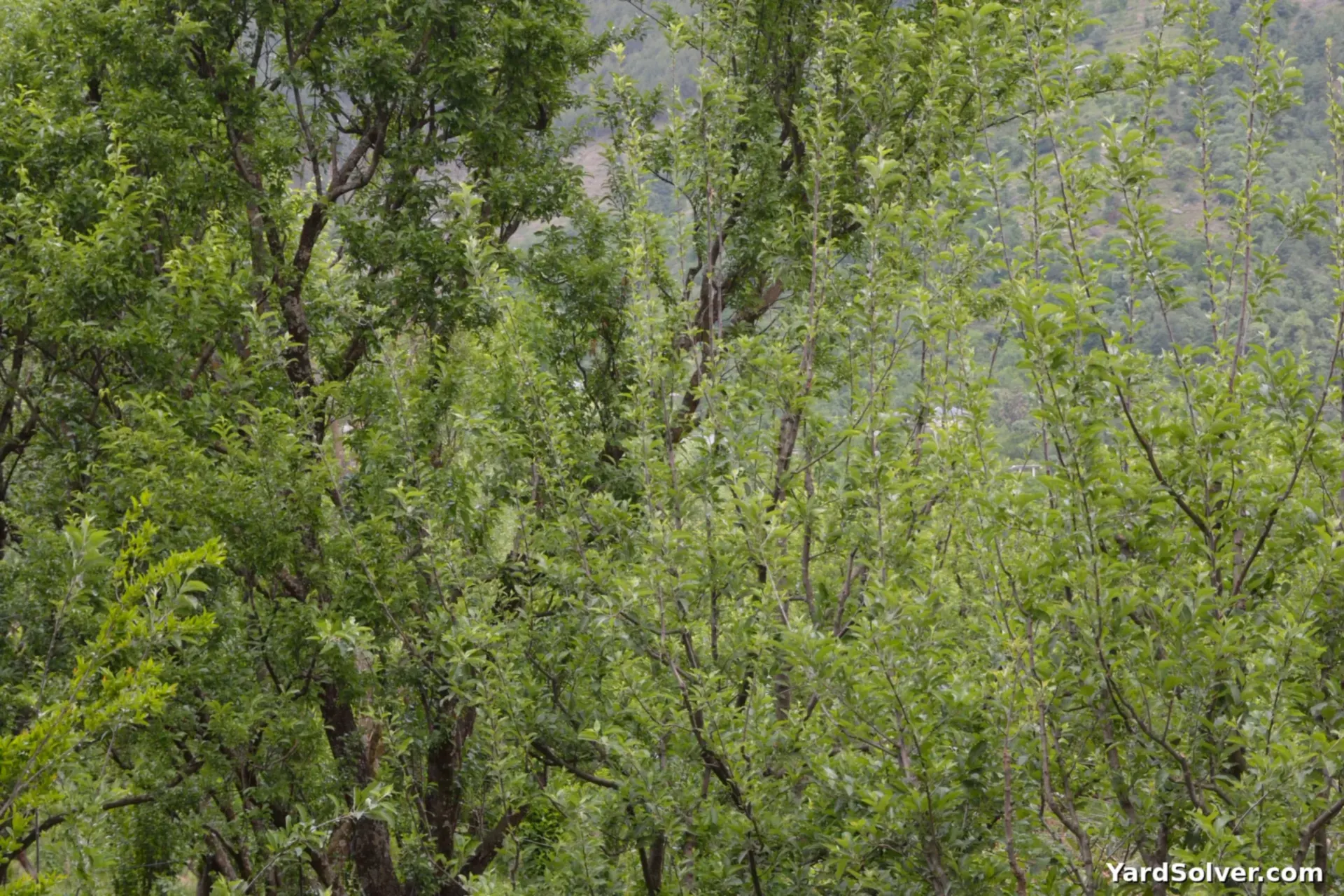
Water: Regular, deep, especially while young. Feed in spring with a balanced fertilizer, modestly — over-fed trees make wood, not fruit. The Fertilizer Calculator turns a plot size into the right amount.
Step 5 — Care and the problems to watch for
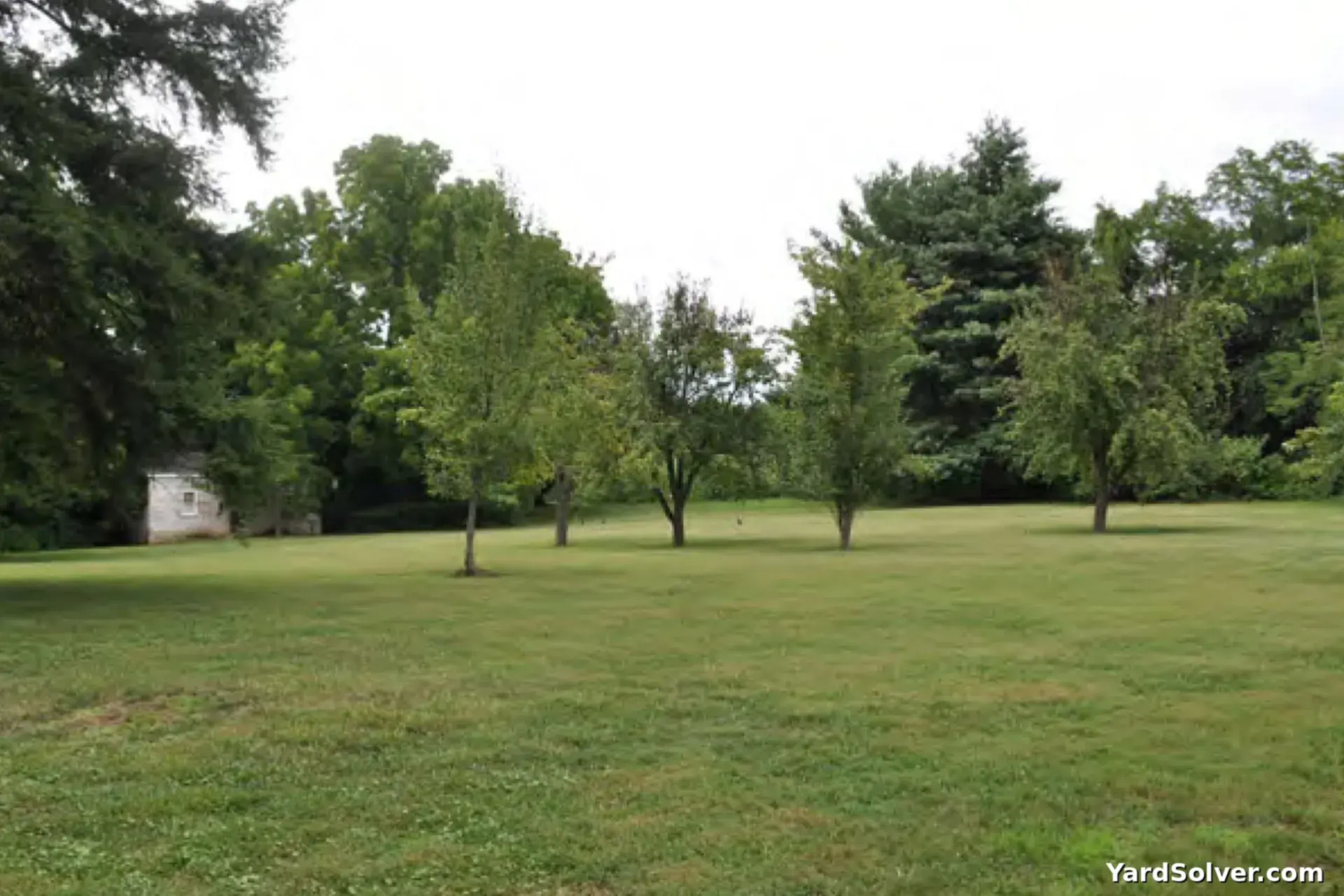
Apple scab — dark spots on leaves and fruit in wet springs; prune for airflow and clean up fallen leaves. Codling moth — the classic worm in the apple; hang traps and pick up fallen fruit. Cedar-apple rust — orange spots; avoid planting near eastern red cedar.
Step 6 — Harvest
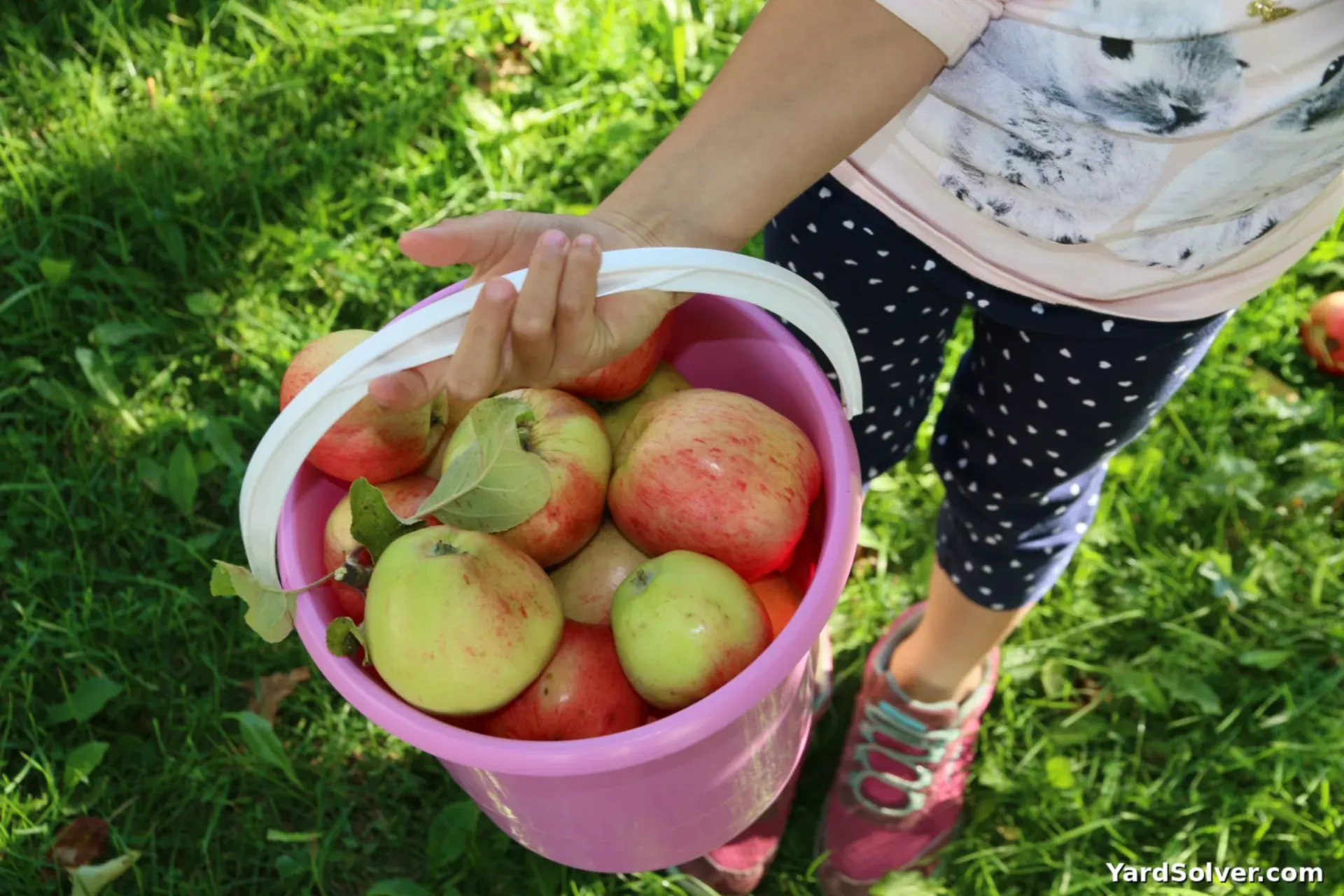
First fruit in 2–5 years. Pick when the pips have turned brown and the fruit lifts with a gentle twist — apples ripen off the tree, but flavour is best tree-ripened.
📅 Your personal Apple Tree schedule
Counted from your planting day — not a generic calendar. Day 0 is the day the seed went in the ground or the young plant went out.
Varieties worth growing
| Variety | Colour | Why gardeners like it |
|---|---|---|
| Honeycrisp | Red-yellow | Explosively crisp and sweet — the modern favourite, needs good chill |
| Liberty | Red | Bred for disease resistance — the easy-care pick for home gardens |
| Fuji | Pink-red | Very sweet and keeps for months in the fridge |
| Granny Smith | Green | Tart, firm and late — needs a long, warm season |
Good for you — and take care
Benefits
- A tree can crop for 30–50 years
- Homegrown apples keep for weeks in a cool place
- Rich in fibre and vitamin C
- Spring blossom the bees adore
Take care
- Most apples need a pollination partner — a different variety that flowers at the same time; even a neighbour's crabapple counts.
- Never plant an apple near a black walnut — walnut roots release juglone, which poisons apples.
- Prune every winter to an open shape so light reaches every branch.
Problems to watch for
- Apple scab — dark spots on leaves and fruit in wet springs; prune for airflow and clean up fallen leaves.
- Codling moth — the classic worm in the apple; hang traps and pick up fallen fruit.
- Cedar-apple rust — orange spots; avoid planting near eastern red cedar.
A little history — and one good fact
Apples come from the wild forests of Kazakhstan, where the wild ancestor still grows. Seeds travelled the Silk Road, and grafting let growers keep the best varieties — Johnny Appleseed's famous orchards were seedling trees, mostly for cider.
Fun fact: There are more than 7,500 known apple varieties — and every seed in an apple grows a different tree, which is why varieties are kept by grafting.
Keep going
Guides: How to Harden Off Seedlings · How to Read a Seed Packet
Calculators: Plant Spacing Calculator · Seed Calculator · Fertilizer Calculator · Garden Mix Calculator
Plan it: Garden Planner · Planting Calendar · Companion Planting Chart · Seed Box
Good companions: Chives · Nasturtium · Clover
Keep apart: Black Walnut — see the Companion Planting Chart for the full picture.
More fruit trees: Pear Tree · Cherry Tree · Plum Tree
← Back to the Plant Library · Get your personal planting dates
Questions people ask
When do I plant an apple tree?
Plant bare-root trees in early spring, or container trees in spring or fall. Choose a variety with the right winter chill for your zone.
How far apart do I space apple trees?
Dwarf 8–10 ft, semi-dwarf 12–15 ft, standard 25–30 ft. Sun: full sun.
When will my apple tree fruit?
First fruit in 2–5 years, sooner on dwarf rootstock. Most varieties need a second, different apple nearby for pollination.
Related guide
Read next: December Garden Checklist: 12 Jobs to Do This Month, by Zone.
The first three winters decide the tree: formative pruning for an apple tree that crops for decades
An apple tree is built, not just grown. In the first three winters you are choosing the permanent skeleton — three to five well-spaced main branches spiralling around the trunk, none directly above another, each leaving the trunk at a wide angle. Wide angles are strong angles: a branch that leaves at 45–60 degrees carries a heavy crop, while a narrow, upright fork splits under load and invites disease into the split. Winter pruning on a dry, frost-free day, with clean cuts just outside the branch collar, is where that shape is set — summer pruning afterwards is only about light and size control.
Pollination is the second thing new growers miss. Most apple varieties cannot pollinate themselves: they need a different variety flowering at the same time within bee range, which in a small garden usually means a neighbour's tree, a crabapple, or planting a second variety yourself. Check that your two varieties sit in overlapping flowering groups before you buy, not after a blossom-filled spring produces no fruit. The other annual habit that pays is thinning: in early summer, reduce clusters to one or two fruits and space dessert apples roughly 10–15 cm apart. It feels wasteful and it is the difference between a crop of full-size fruit and a tree exhausted into biennial bearing.
The worked example: a young tree pruned to four scaffold branches in its first three winters, thinned each June, typically settles into reliable annual cropping by its fourth or fifth year and can stay productive for 30 years or more. The identical tree left unpruned usually grows a thicket of crossing, narrow-forked wood, fruits heavily one year in two, and needs rescue pruning — a full day with a saw — before it crops well again. Three short winter sessions, or one long rescue: the tree lets you choose.
Sources
Key facts on this page — timing, spacing and care — cross-checked against NC State Extension — Growing apples in the home garden — home orchard culture and pruning guidance.
Related page
Read next: How to Prune Fruit Trees in Winter (Without Ruining Fruit).
Comments & ratings
No comments yet.
Be the first to share your experience.