
Plant Library · Field Crops · By Faizan Ahmad
🌾 How to Grow Wheat
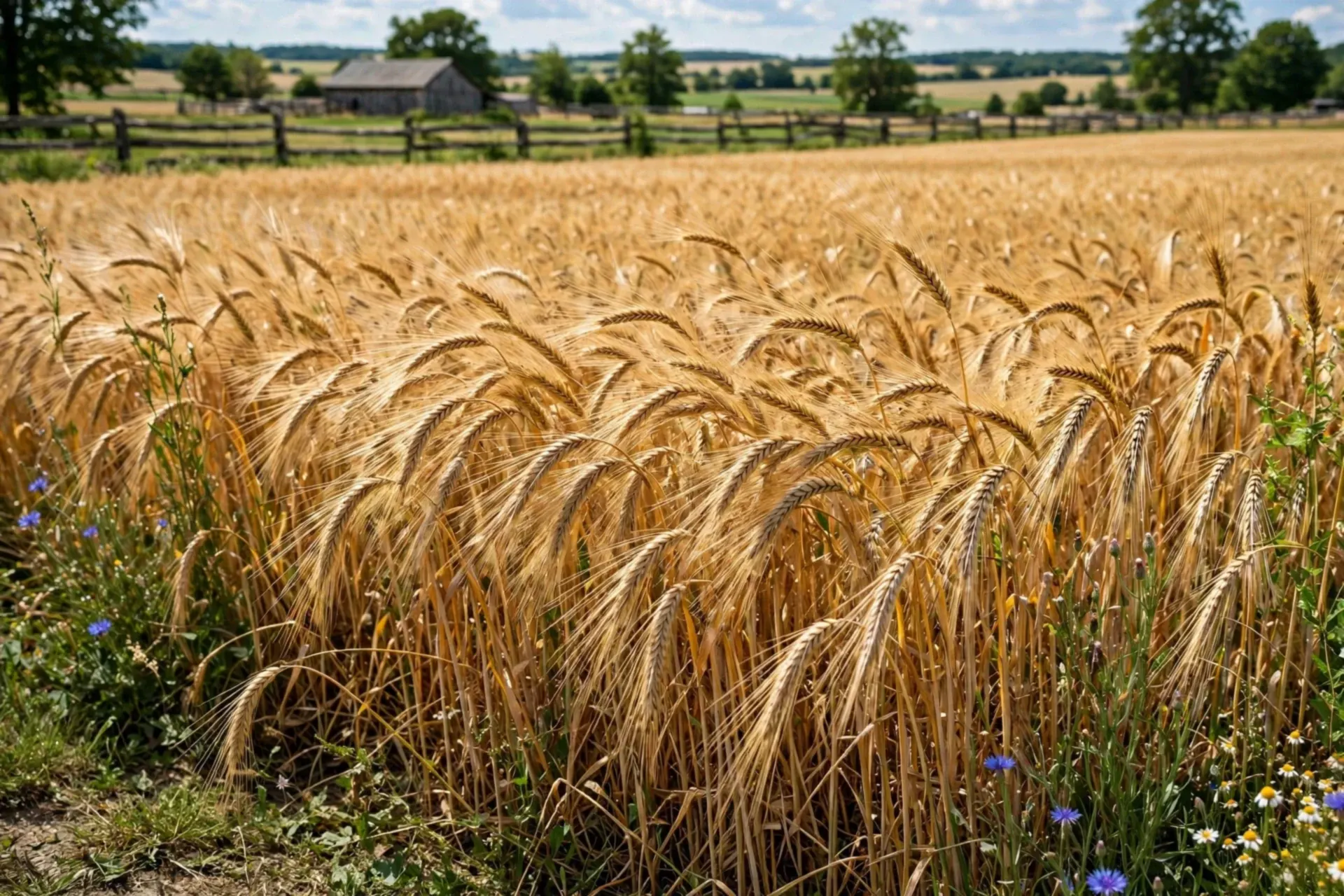
A field crop, not a frost-calendar garden plant: spring wheat is drilled in early spring as soon as fields can be worked; winter wheat is sown in fall. Dates follow region and soil, not a home-garden calendar. Wheat is a field crop, not a garden vegetable: spring wheat is drilled in early spring as soon as fields can be worked and harvested in about 90 to 120 days when the heads turn golden, while winter wheat is sown in fall instead.
Grow Wheat with us — step by step
Everything for this plant is written step by step below — what to do, and exactly when. Read it through first if you like: you can grow it entirely on your own with that guide. Or start with us here — tell us your planting day and we lay out your personal schedule on this page, every next step on its own day, counted from your planting date. No guessing, no forgetting.
Step 1 — today: Wheat follows regional farm guidance — today's step is to confirm your regional seeding window and rate before drilling.
Wheat at a glance
Spacing: Rows 6–7 in · Seed depth: 1–1 1/2 in
Sun: Full sun
Water: Rainfall in most regions; irrigation in dry areas
Harvest: About 90–120 days (field harvest when heads turn golden)
Timing counts from your average last spring frost — get your own dates in the Planting Calendar. Guidance follows standard extension-service practice for Canada and the US.
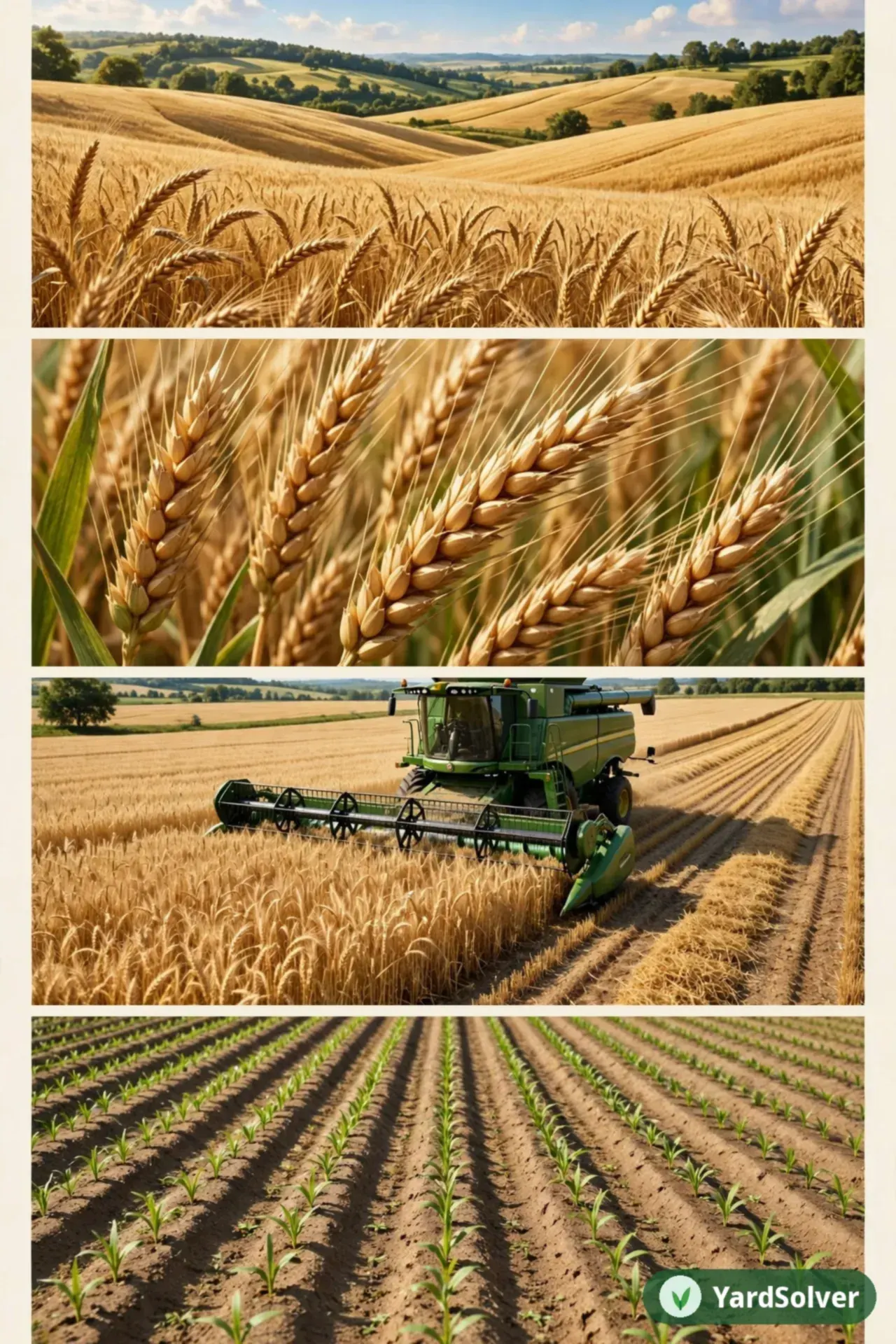
How to plant and grow wheat, step by step
Step 1 — Timing follows your region
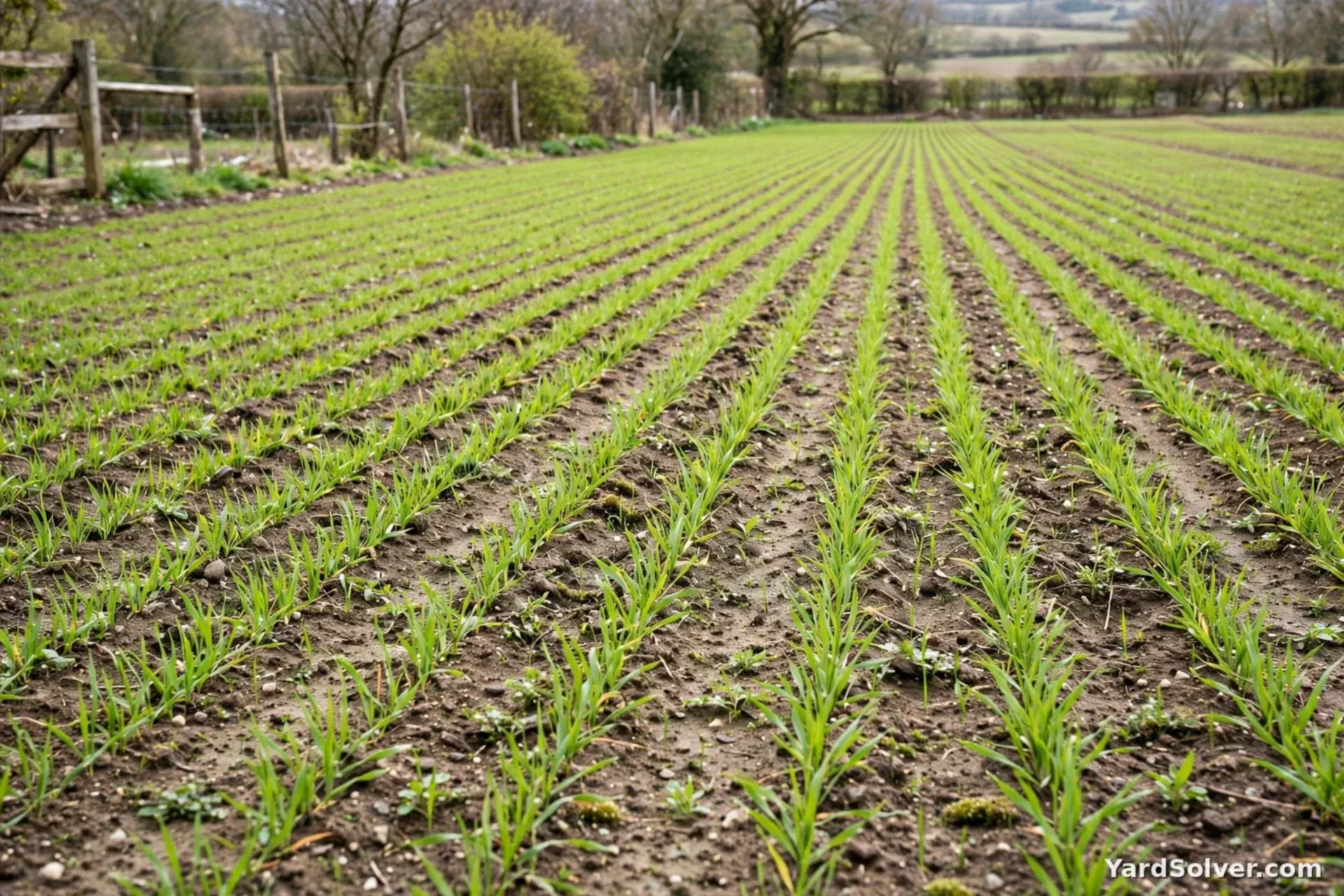
Wheat is a field crop, not a garden vegetable: spring wheat is drilled in early spring as soon as fields can be worked and harvested in about 90 to 120 days when the heads turn golden, while winter wheat is sown in fall instead. A field crop, not a frost-calendar garden plant: spring wheat is drilled in early spring as soon as fields can be worked; winter wheat is sown in fall. Dates follow region and soil, not a home-garden calendar.
Spring wheat planting — timing by climate
"As soon as the soil can be worked" is the rule, and it matters: spring wheat yields best from an early start, because the crop does its tillering and head formation in the cool weeks of spring and fills grain before summer heat arrives. Extension guidance on the northern plains is to seed by about mid-May to hold close to full yield potential, with yield dropping off as seeding slides later into May. The practical trigger is the soil, not the calendar: the ground should be thawed, dry enough to carry the drill without smearing, and warming — wheat seed can begin to germinate in soil as cool as about 40°F (4°C), though emergence is slow until it warms further. By climate band, the usual windows look like this:
- Cold northern regions (Canadian Prairies, Northern Plains, roughly zones 3–5): mid-April to mid-May — drill as soon as fields are fit, and treat mid-May as the practical deadline for full yield
- Mid-continent and Great Lakes (roughly zones 5–6): late March to late April, starting the moment the soil can be worked
- Milder regions (roughly zones 7–8): February to March where spring wheat is grown at all — in mild-winter country winter wheat is usually the better fit, since spring wheat there runs into summer heat before it fills
Every week of delay past your region's window costs tillers and, usually, yield — if a wet spring holds you up, regional seeding-rate guidance generally compensates with a somewhat higher rate for late drilling. Whatever your band, the local rule wins: your provincial or state extension service publishes the recommended seeding window for your exact area.
Step 2 — Field preparation
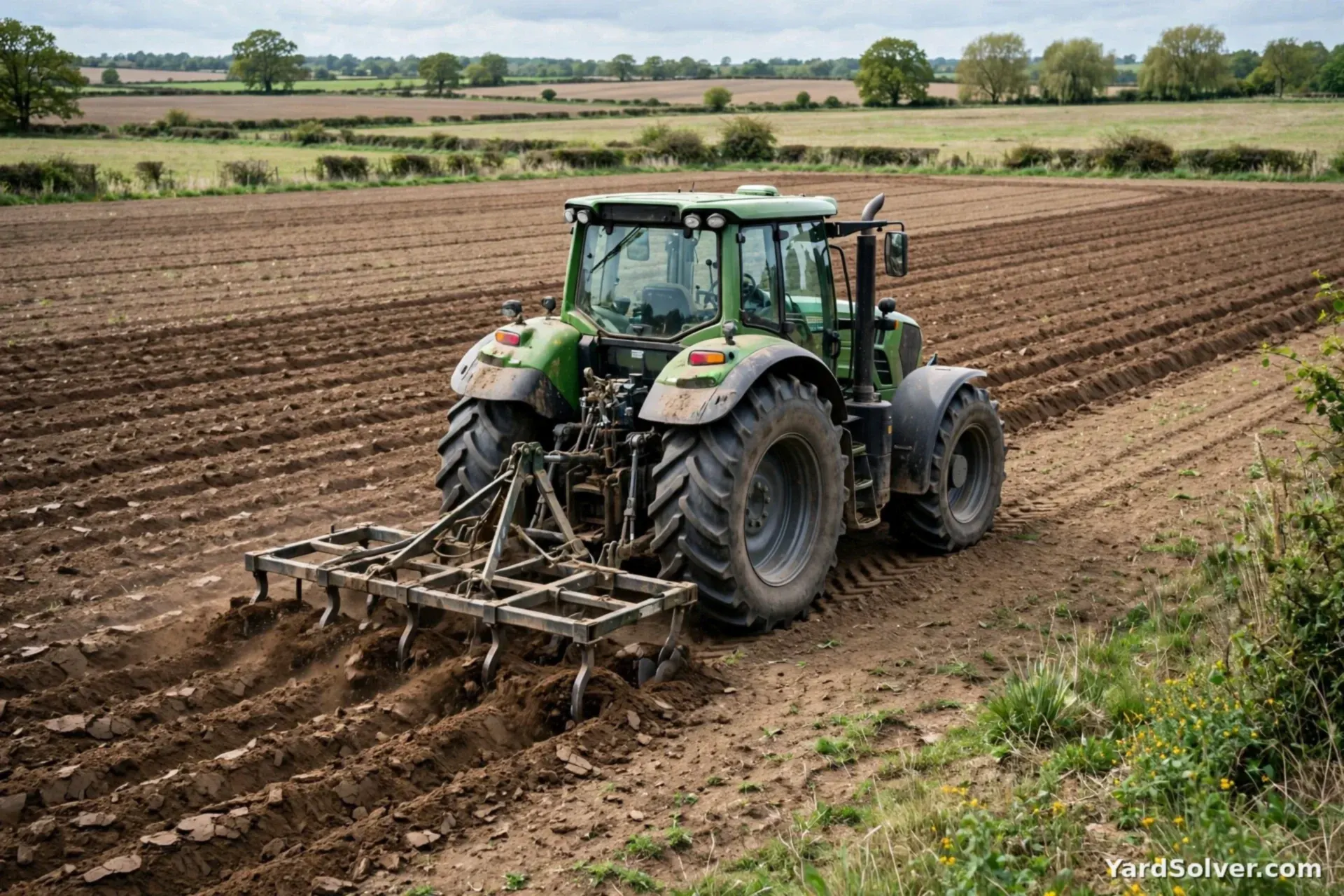
Field crops are drilled at farm scale; soil preparation follows regional farm guidance rather than a garden bed routine.
Step 3 — Seeding
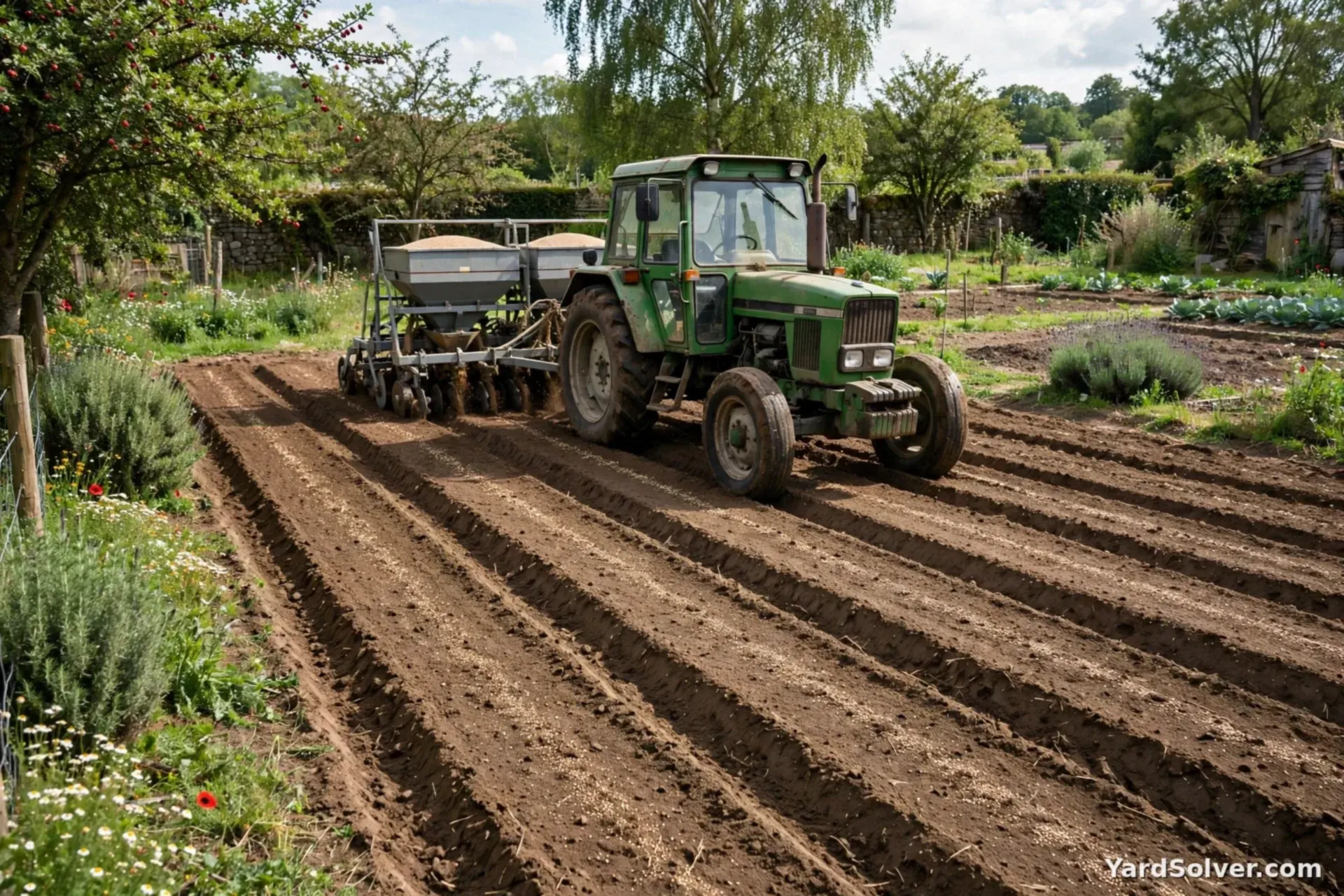
At garden scale the library figures still describe the plant: seed about 1–1 1/2 in deep, rows spaced for machinery. Drilled across the field, wheat follows the regional seeding-rate guidance for your soil and season.
Step 4 — Watch for the usual problems
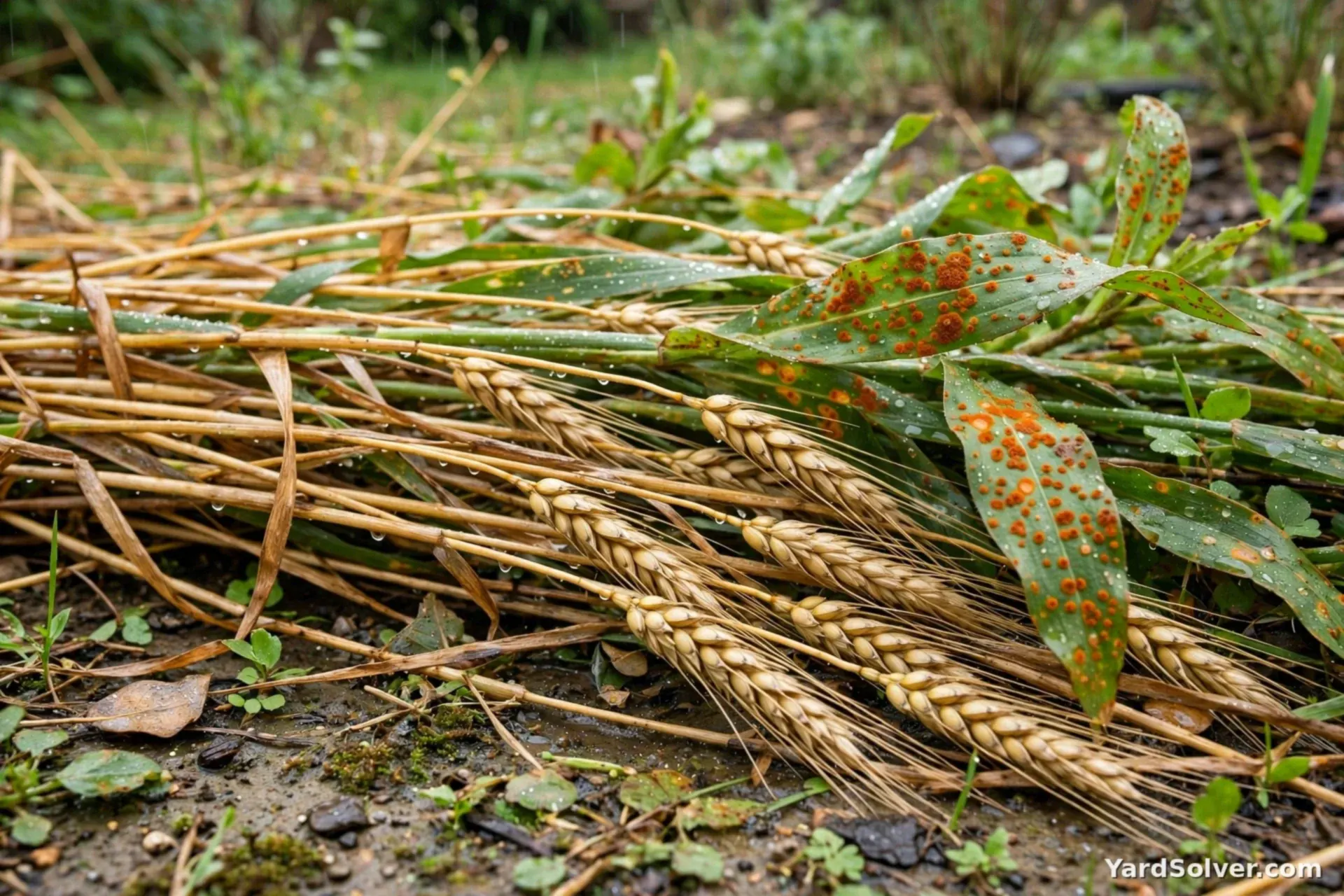
- Lodging — stems falling flat in wind and rain before harvest.
- Rust diseases — orange pustules on leaves; regional farm guidance covers varieties and treatment.
- Bird damage at grain fill — a field-scale reality, managed regionally.
Step 5 — Harvest
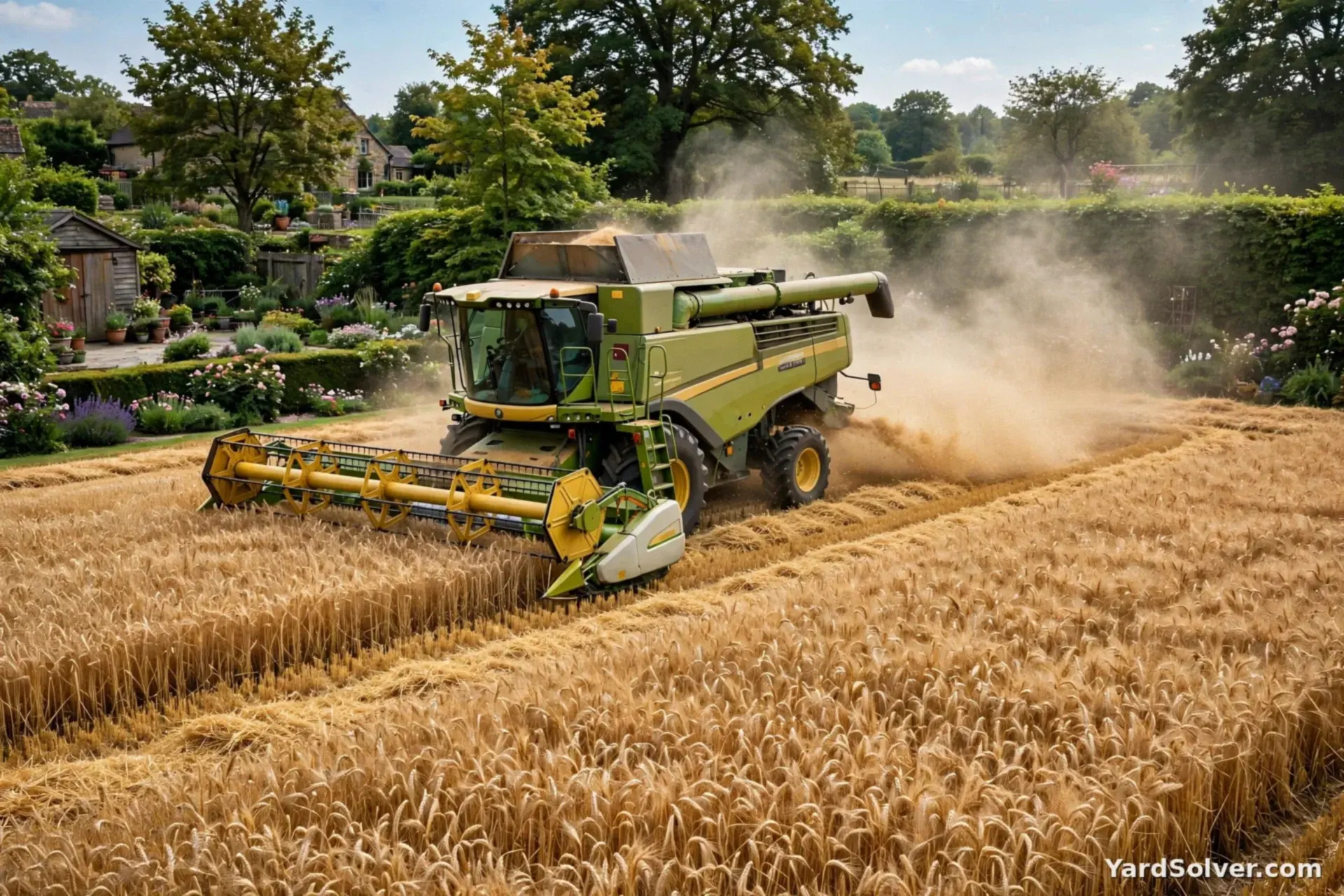
Typical harvest runs About 90–120 days (field harvest when heads turn golden) under good conditions, judged at field scale by regional extension guidance rather than a single garden date.
📅 Your personal Wheat schedule
This plant runs on rhythm and season rather than a day count — here is the honest version of its schedule.
Varieties worth growing
| Variety | Colour | Why gardeners like it |
|---|---|---|
| Canada Western Red Spring | Reddish-golden kernels | The famous prairie bread wheat — high in protein for strong flour |
| Durum | Amber | Hard golden grain ground into semolina for pasta |
| Hard Red Winter | Red-brown kernels | Sown in fall on the southern plains and harvested in early summer |
| Soft White | Pale gold kernels | A milder, lower-protein wheat milled for cakes and pastries |
Good for you — and take care
Benefits
- A staple grain that provides steady energy for bread, flour and cereals
- Whole-grain wheat provides fibre for good digestion
- Provides B vitamins and some plant protein
- The straw left after harvest is useful too — bedding and feed for farm animals, and organic matter for the soil
Take care
- Wheat is a farm-scale field crop — it is drilled across whole fields and harvested by machine, not grown in backyard beds
- Wheat contains gluten, so people with celiac disease or a gluten sensitivity cannot eat it
A little history — and one good fact
Wheat was one of the very first crops ever farmed, in the Fertile Crescent of the Middle East about 10,000 years ago. From there it spread across the world and became the main bread grain of Europe, Asia and North America. Canada's prairies are now among the great wheat lands of the world.
Fun fact: Canada is one of the world's great wheat exporters — prairie red spring wheat is prized by bakers around the world for strong bread flour.
Keep going
Guides: When to Start Seeds Indoors · How to Prepare Garden Soil in Spring · How to Harden Off Seedlings
Calculators: Seed Calculator
More field crops: Soybean · Canola · Rice · Oats
← Back to the Plant Library · Get your personal planting dates
Questions people ask
When is wheat planted?
Wheat is a field crop, not a garden vegetable: spring wheat is drilled in early spring as soon as fields can be worked and harvested in about 90 to 120 days when the heads turn golden, while winter wheat is sown in fall instead.
Why is there no day-by-day schedule for wheat?
Wheat is a field crop drilled across whole fields in spring or fall — its dates follow region, soil and weather at farm scale, not a home gardener's planting day, so it sits outside the reminder system.
How deep is wheat seeded?
About 1–1 1/2 in at garden scale; at field scale, follow your regional seeding guidance for depth and rate.
Wheat at garden scale is a cover crop and a curiosity — and a lesson in threshing
Wheat (Triticum aestivum) sown in a garden bed is grown for three honest reasons: as a winter cover crop whose roots hold the soil, for the ornamental ripe heads in arrangements, and to learn at first hand how much work a loaf contains. Winter wheat is sown in autumn and harvested the following summer; spring wheat is sown as soon as the soil can be worked. Either way it asks only for an open, sunny bed of ordinary fertility.
The harvest is the education: cut when the heads have turned gold and the grains are hard, dry the sheaves under cover, then thresh, winnow and clean — a pillowcase and a breezy day still work — and expect a bed-sized plot to yield a loaf or two, not a sack. The straw and chaff go to mulch and compost, which is where most of the garden value honestly lies.
The worked example: an autumn-sown patch typically covers the bed all winter, ripens in early summer and leaves clean straw behind. The same patch sown late in spring typically heads thinly and ripens unevenly — with wheat, the sowing date is set by the type, not the gardener's convenience.
Sources
Key facts on this page — timing, spacing and care — cross-checked against NC State Extension Plant Toolbox — Triticum aestivum — culture and care requirements and Wheat — Wikipedia — background on wheat and its cultivation.
Related page
Read next: Winter Cover Crops: Rye, Clover, Vetch, Oats.
Comments & ratings
No comments yet.
Be the first to share your experience.