
Guides · Seasonal jobs · Published November 20, 2026 · By Faizan Ahmad
January Garden Checklist: 10 Jobs That Set Up Your Whole Spring
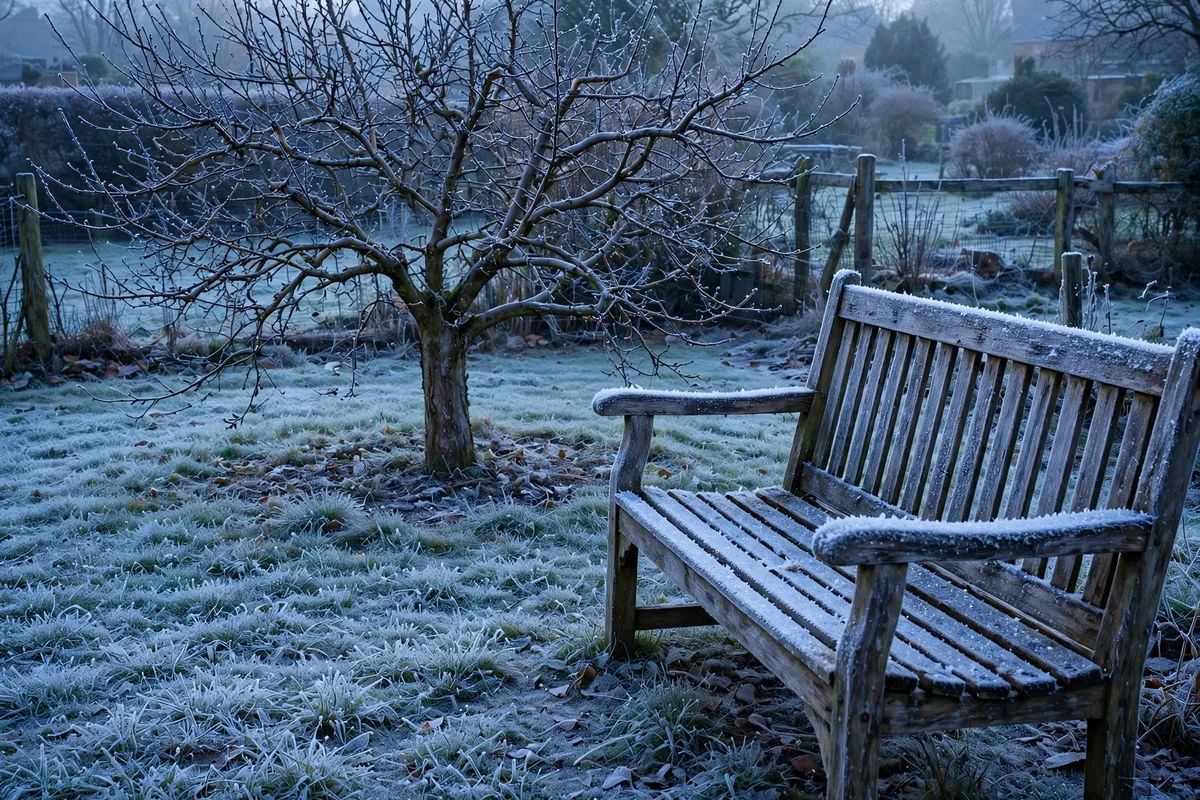
January's ten garden jobs are the ones spring depends on: winter-prune apple and pear trees on a mild, dry day; prune currants and gooseberries; force the last bulbs indoors; order seed potatoes and onion sets before the good varieties go; clean the greenhouse; test last year's seed; and start the slow crops — onions, leeks, celery and peppers — indoors. None of them takes a weekend. Together they are the difference between a spring you direct and a spring that happens to you. This checklist is the second edition of our December Garden Checklist — December protected the garden; January prepares it — with each job given its zone notes, because a January job in zone 4 and the same job in zone 9 are separated by six weeks of weather.
The short answer, on one card
Prune: apples, pears, currants, gooseberries — dormant wood, mild dry days, never stone fruit. Sow indoors: onions, leeks, celery, celeriac, peppers, eggplant, parsley. Order: seed potatoes, onion sets, the sold-out-prone seed varieties. Maintain: clean the greenhouse, test old seed, sharpen and oil tools, check stored tubers and bulbs. Plan: lock the year's beds and dates in the planner while the garden is quiet.
Jobs 1–3: the pruning window
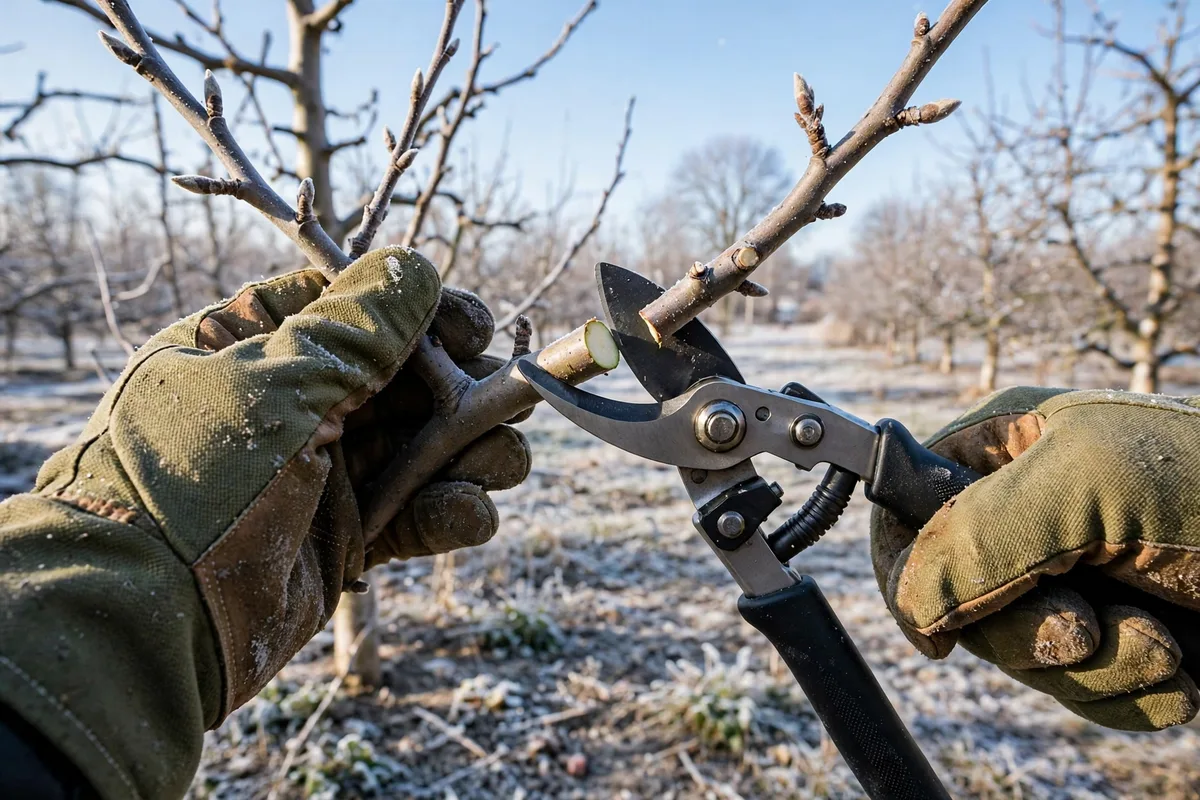
1. Winter-prune apple and pear trees. Dormant pruning is January's headline job and the one with a deadline: once buds swell, the window closes. Work on a mild, dry day — pruning into a hard frost invites dieback at the cuts — and take out the three Ds (dead, damaged, diseased), then crossing branches, then open the centre to light and air. The full cut-by-cut method is our winter fruit-tree pruning guide; the Apple Tree and Pear Tree pages carry the variety-level notes. 2. Prune currants and gooseberries. The soft-fruit bushes want the same dormant treatment: blackcurrants lose their oldest third of stems at the base, redcurrants and gooseberries keep a goblet of young wood with an open centre. Ten minutes a bush, and it is the whole year's fruiting wood decision. 3. Leave the stone fruit alone. Plums, cherries and their relatives are never pruned in winter — the silver-leaf fungus enters through winter cuts. Their turn is midsummer. The same restraint list covers the ornamentals in our plants to never cut back in winter guide: hydrangea heads, penstemons and salvias all keep their old growth as frost armour until spring.
Jobs 4–5: the first sowings of the year
4. Start the slow crops indoors. January's sowing list is short and specific — the crops that need a long indoor childhood: onions and leeks (10–14 weeks before planting out), celery and celeriac (10–12), peppers and eggplant (8–10), parsley (slow to germinate, slower to forgive a late start). The dates-by-zone working is our January seed-starting guide, and the warmth question is settled in Do Seedlings Need a Heat Mat? — peppers yes, onions no. Tomatoes are the famous trap: sown in January in most zones they become leggy windowsill prisoners by March. They wait. 5. Force the last bulbs. Potted hyacinths, paperwhites and prepared bulbs that had their cold weeks can come into the light now for late-winter flowers; our amaryllis forcing guide covers the method that works for the whole bulb family. In the mildest zones (9–10), January also allows the first outdoor sowings under cover — broad beans and hardy peas where the soil can be worked — while zones 3–5 keep every seed indoors and like it.
Jobs 6–7: order before the rush, test before you trust
6. Order seed potatoes, onion sets and shallots. These are January's sell-out items: the popular potato varieties and the heat-treated onion sets go first, and a February order is a list of second choices. Chitting starts the moment they arrive — our chitting potatoes guide has the egg-box method. The same order should carry any seed varieties flagged as new or award-winning, for the reason our 2027 varieties guide documents: they are allocated per catalogue and they do not wait for spring. 7. Test last year's seed. Ten seeds on damp paper, in a labelled bag, on a warm shelf: count the sprouts in a week and you have the germination percentage that decides whether a packet is sown thick, sown double, or binned. The full routine — viability by crop, since parsnip and onion seed die young while tomato seed lasts for years — is in Are Old Seeds Still Good? and the Seed Stash Audit. Run every doubtful packet through the Seed Calculator with its tested percentage and the sowing rate corrects itself.
Jobs 8–10: clean, repair, and lock the plan
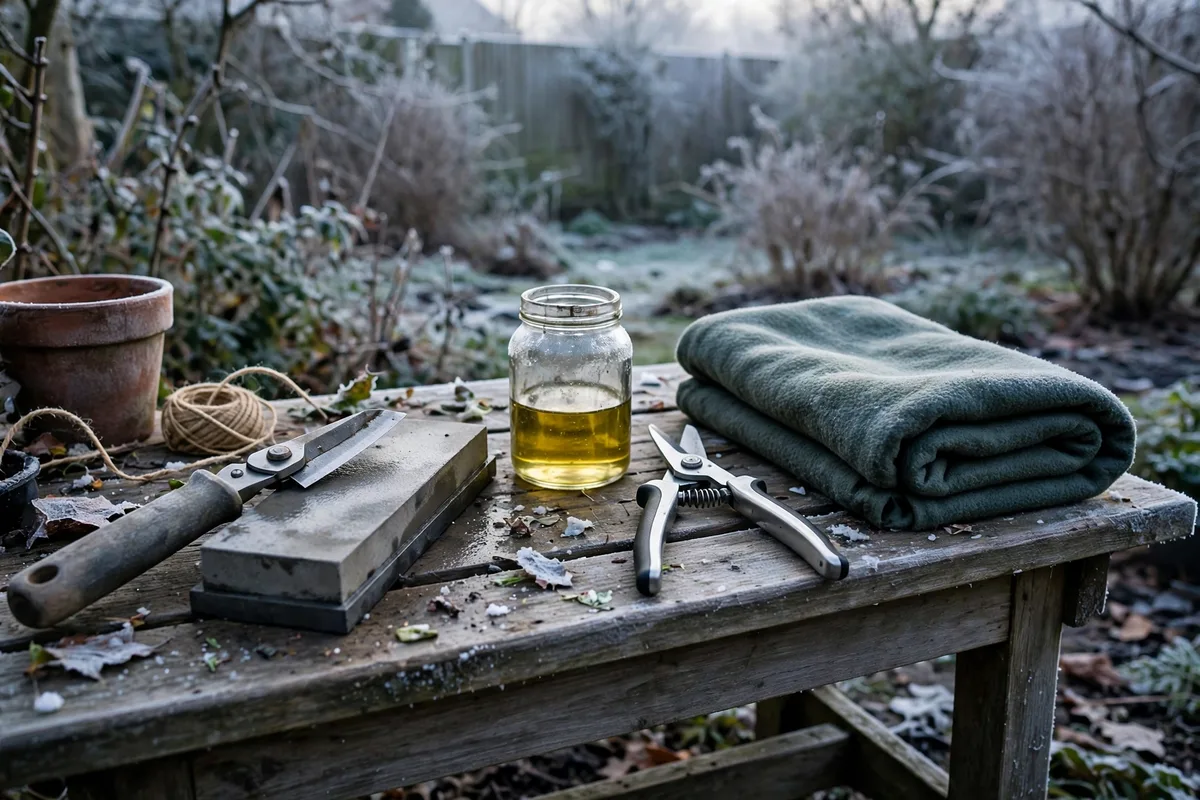
8. Clean the greenhouse or cold frame. One mild January day: staging out, glass washed inside and out (algae film steals the exact light February seedlings live on), vents oiled, and the whole structure checked for the cracks that become January-night draughts. A clean empty greenhouse in January is worth more than a bigger dirty one in March. 9. Sharpen, oil and repair the tools. Pruners honed and oiled, spade edges filed, mower booked for its service before the spring queue, hoses checked for the split that last winter's ice left. January is the only month with both the time and the motive. 10. Test the soil where you will amend it. A soil sample taken now, in the quiet season, comes back with results while there is still time to act: lime goes on weeks before planting, and the Lime Calculator turns a pH result into the exact dressing per bed. Then lock the whole year — rotations, sowing dates, the new varieties' beds — in the Garden Planner. January is plan-lock month: the plan made now, in the warm, is the one February's enthusiasm and March's panic will try to edit, and mostly should not.
The zone notes that change the list
Zones 3–5 (cold): your January is an indoor month — pruning on the mildest days only, all sowing under cover, orders placed, plans locked. The greenhouse clean waits for a thaw day. Zones 6–7 (temperate): the full list as written; you are the gardener this checklist is calibrated on. Zones 8–10 (mild): everything moves earlier — pruning should already be half done, the first outdoor sowings under cover join the indoor list, and bare-root planting (our bare-root guide) is in its final, best weeks before the nurseries' stock runs down. In every zone the order of the jobs is the same; only the calendar breathes.
What NOT to do in January
Do not walk on frozen or sodden lawns and beds — compaction in January is structure damage that lasts all year. Do not prune stone fruit, whatever the neighbour is doing. Do not sow tomatoes indoors (most zones) no matter how the seed packet tempts you — a March-sown tomato passes a January one by June, without the month of windowsill nursing. Do not feed anything outdoors; nothing is growing enough to use it, and winter rain washes it straight to the drains. And do not tidy the perennial border: the standing stems are frost protection, insect housing and bird food, and their month is March, not January.
The month, week by week
Week 1 — paper and orders. The plan gets locked, the seed audit is run, and the orders go in: seed potatoes, onion sets, the new varieties, the replacements for every packet the germination tests condemned. Nothing outdoors is urgent this week in most zones, which is exactly why the paper jobs belong here. Week 2 — the pruning days. Watch the forecast for the mild, dry spell and take it: apples and pears first, then the currants and gooseberries, with the prunings sorted as you go — straight, healthy one-year wood into the hardwood-cutting bundle, the rest to the shredder or the fire pile. Week 3 — glass and steel. The greenhouse clean on the best day of the month, tools sharpened and oiled at the bench, the mower service booked, and the soil samples posted. This is also the week the first indoor sowings go in for zones 6–7 — onions and leeks on the windowsill or under lights. Week 4 — the slow crops and the stores. Peppers, eggplant, celery and parsley join the propagator in the warmer zones (a fortnight later in cold ones), the forced bulbs come into the light, and the stored produce gets its monthly check: dahlia tubers for rot, onions and squash for the one bad one that spoils the crate. By the month's end the garden has been pruned, planned, ordered and started — and February, which always arrives faster than expected, finds nothing important left undone.
Keep going
Lock the year's rotations, sowing dates and new beds in the Garden Planner now — January is plan-lock month, and this checklist is its agenda.
Go deeper with the series: December Garden Checklist before this one, February Garden Checklist after it, then What Seeds to Start Indoors in January, How to Prune Fruit Trees in Winter and Seed Stash Audit. Size January's sowings with the Seed Calculator.
Sources
Job list cross-checked against Waddle & Cluck — January Gardening To-Do List (dormant pruning of fruit trees and berry bushes on above-freezing days, long-season seed starting, seed and tool organisation) and the January section of Countryfile — Jobs for the Garden This Winter (winter-prune apples as the lead January job; planning ahead as a named winter task).
Questions people ask
What garden jobs should I do in January?
The ten that set up spring: winter-prune apples and pears, prune currants and gooseberries, start the slow crops indoors (onions, leeks, celery, peppers), force the last bulbs, order seed potatoes and onion sets, test last year's seed for germination, clean the greenhouse, sharpen and oil tools, take soil samples for lime, and lock the year's plan.
Can I prune fruit trees in January?
Apples and pears, yes — dormant pruning on a mild, dry day is exactly the January job, and the window closes when buds swell. Stone fruit (plums, cherries) must never be pruned in winter because of silver-leaf disease; they are pruned in summer instead.
What seeds should I start indoors in January?
The slow crops: onions and leeks (10–14 weeks before planting out), celery and celeriac (10–12 weeks), peppers and eggplant (8–10 weeks) and parsley. Tomatoes are the trap — in most zones a January sowing just makes leggy plants; wait until late February or March.
When should I order seed potatoes?
January. Seed potatoes, onion sets and shallots are the season's first sell-outs, and the popular varieties go weeks before spring. As soon as they arrive, set the potatoes to chit in a cool, bright place.
Should I cut back perennials in January?
No. Standing stems and seed heads are frost protection for the crowns, shelter for overwintering insects and food for birds. The tidy-up belongs to early spring, when new growth shows — January cutting removes the plant's own insulation at the coldest moment.
Is January too early to test garden soil?
It is the ideal time. A sample taken in the quiet season returns results while there is still time to act — lime needs weeks in the ground before planting — and January is when you have the planner open anyway.
Comments & ratings
No comments yet.
Be the first to share your experience.